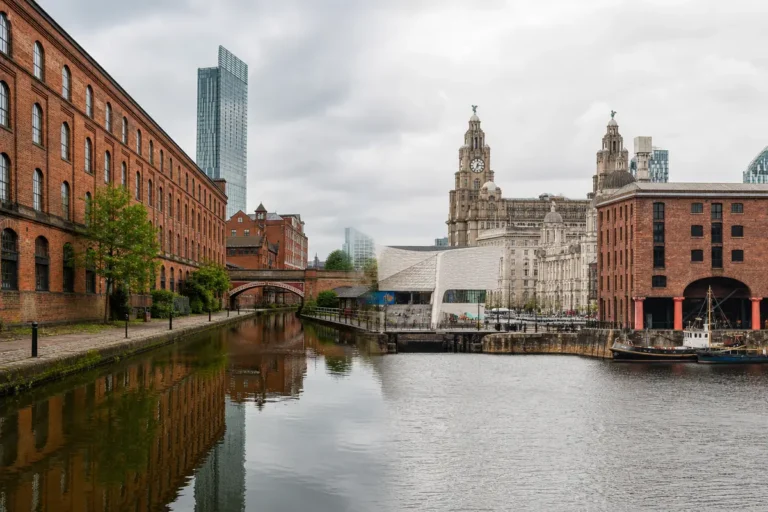
Category: Culture & History

  • Kyoto Temples Without the Crowds: The Right Time for Each One

    Kyoto Temples Without the Crowds: The Right Time for Each One

    🇧🇷 POR | 🇫🇷 FR | 🇺🇸 EN | 🇪🇸 ES

    Visiting Kyoto’s temples without the crowds is totally doable with three simple timing tweaks: hit Fushimi Inari before 7:30 AM, catch Kiyomizu-dera right at its 6 AM opening, and roll into Arashiyama before 8 AM. Fushimi Inari gets packed after 9 AM, Kiyomizu-dera turns into a sea of umbrellas by noon, and Arashiyama’s Bamboo Grove fills up fast in the early morning — the trick is knowing when to arrive and when to swap a crowded classic for a nearby hidden gem.

    In a nutshell: get to Fushimi Inari before 7:30 AM, Kiyomizu-dera right at its 6 AM opening, and Arashiyama before 8 AM, saving part of the morning for a smaller temple like Tofuku-ji or Otagi Nenbutsuji. With this game plan, you can walk through the red gates without fighting for a photo, leave Kiyomizu-dera before the tour buses roll in, and still have Arashiyama almost all to yourself.

    How to get to Fushimi Inari, Kiyomizu-dera, and Arashiyama

    If you’re basing yourself in Osaka, you can knock out all three temples on a bullet-train day trip, since Kyoto is just 15 minutes away by Shinkansen. The three sites sit in different corners of the city, which is actually a plus: you can tackle each one in its own block of the day without crisscrossing Kyoto over and over. Fushimi Inari Taisha sits right next to JR Inari Station, just two stops from Kyoto Station on the JR Nara line (8 minutes, no transfers). Kiyomizu-dera doesn’t have a train station nearby — you’ll take a bus (line 100 or 206) to the Gojo-zaka or Kiyomizu-michi stop, then hike 10 minutes up through Ninen-zaka and Sannen-zaka. For Arashiyama, take the JR Sagano/Sanin line to Saga-Arashiyama Station, or the Randen tram — slower but way more charming.

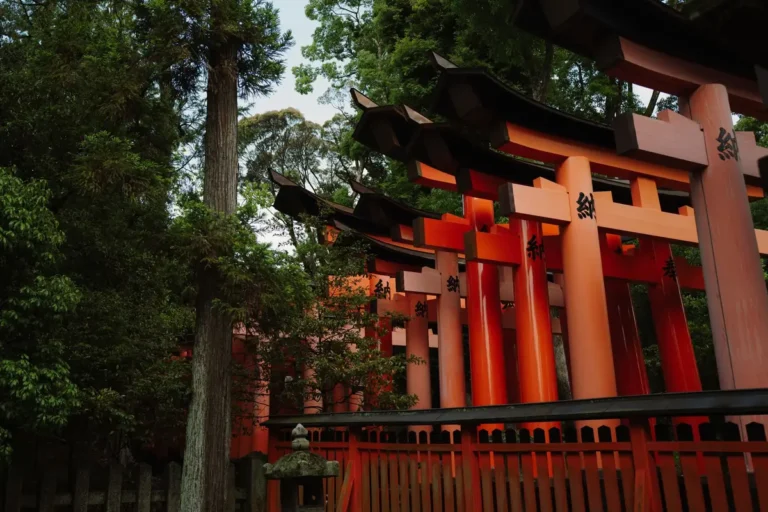
    Corridor of red torii gates at Fushimi Inari Taisha shrine in Kyoto
    The thousands of torii gates at Fushimi Inari are only free of photo-crowds in the early morning hours. | Photo: Lucas Tran / Pexels

    Since the three temples aren’t close to each other, structure your day in blocks: Fushimi Inari first thing in the morning (it’s the only one open 24 hours, so it pays to go first), Kiyomizu-dera right after via the JR line to Kyoto Station and a bus transfer, then Arashiyama in the afternoon, when the heat has eased a bit and the organized tour groups start thinning out.

    Best time to visit and how long to budget

    According to the Japan National Tourism Organization, the months of March through May (cherry blossom season) and October through November (autumn leaves) bring the highest visitor numbers of the year — not the best time to dodge crowds, but exactly when the early-bird strategy pays off most. Budget at least half a day for Fushimi Inari (the full climb to the top of Mount Inari takes 2–3 hours round trip, but 45 minutes covers the most photographed sections), 1 to 1.5 hours for Kiyomizu-dera including the stroll through the historic lanes, and a full afternoon for Arashiyama, which packs the bamboo grove, the Hozugawa River, and Tenryu-ji temple all within a 20-minute walk.

    How to hit Fushimi Inari, Kiyomizu-dera, and Arashiyama without rushing

    The difference between arriving at Fushimi Inari at 7 AM versus 9 AM is thousands of people at the entrance. Since the shrine runs 24 hours a day, with no gate or closing time, the first torii gates — the most photographed ones, right at the base — stay practically empty until around 7:30 AM. After that, tour buses start dropping off groups and the trail turns into a conga line.

    Fushimi Inari: before 7:30 AM or at dusk

    Arrive via JR Inari Station before 7:30 AM. Climb up to the Yotsutsuji viewpoint (halfway up, about 30–40 minutes of moderate uphill) to see the densest torii corridor without a single person in your shot. If you’d rather sleep in, you can repeat the strategy at dusk, since the shrine never closes — but the natural light makes for better photos in the morning.

    Kiyomizu-dera: right at the 6 AM opening

    Kiyomizu-dera opens at 6 AM and closes at 6 PM (admission ¥500, as of July 2026 — double-check the official website before your trip), making it a rare early opener among Kyoto’s temples. Arriving between 6 and 7 AM means having the wooden deck over the valley and the view of the Koyasu pagoda practically to yourself — after 9 AM, the Ninen-zaka and Sannen-zaka approach streets are already jammed with tour groups and packed souvenir shops.

    View of Kiyomizu-dera temple perched on a hill in Kyoto
    Kiyomizu-dera’s wooden deck, suspended over the valley, empties out between its 6 AM opening and 8 AM. | Photo: Irina Senti / Pexels

    Arashiyama: before 8 AM, before the tour buses

    Arashiyama’s Bamboo Grove stretches about 400 meters and is free, with no entrance gate — which also means no crowd control. Getting there before 8 AM keeps you ahead of the moment it turns into a shoulder-to-shoulder corridor of people. Pair it with a walk across the Togetsukyo Bridge and a stop at Tenryu-ji temple (¥500 admission for the garden), which opens at 8:30 AM and tends to stay peaceful for the first half hour.

    Path between tall bamboo stalks in Arashiyama's Bamboo Grove in Kyoto
    Before 8 AM, the path through Arashiyama’s Bamboo Grove is still free of tour groups. | Photo: Faruk Tokluoğlu / Pexels

    Smaller temples to swap in for the crowded classics

    When the early-morning strategy isn’t an option, or when you’ve already hit the essentials and have half a day to spare, Kyoto’s smaller temples deliver the same atmosphere as the classics without the crowds. None of them require advance reservations, and most sit just minutes by train or bus from the well-known spots.

    Tofuku-ji: one stop from Fushimi Inari

    The Zen temple Tofuku-ji is just one JR stop from Fushimi Inari (Tofukuji Station, 2 minutes by train or 20 minutes on foot) and ranks among Japan’s most important Zen temples, with rock gardens and the famous viewpoint over the Tsutenkyo Bridge. It’s a natural stop for anyone already in the Fushimi Inari area who doesn’t want to repeat the same shrine.

    Garden and architecture of the Zen temple Tofuku-ji in Kyoto
    Tofuku-ji, one train stop from Fushimi Inari, draws a fraction of the crowds of its neighboring shrine. | Photo: Dmitry Romanoff / Pexels

    Otagi Nenbutsuji: an Arashiyama alternative

    About 20 minutes on foot past the Bamboo Grove, Otagi Nenbutsuji houses more than 1,200 stone statues (rakan), each with a different facial expression, carved by visitors over the decades. Because it sits farther from central Arashiyama, it draws a fraction of the crowd that passes through the bamboo forest — even in peak season, it’s common to wander among the statues without crossing paths with anyone.

    Gio-ji: the moss temple near Arashiyama

    Small and tucked away, Gio-ji is known for its moss-covered garden and its connection to the story of a Heian-period dancer. It’s about a 15-minute walk from the Bamboo Grove, in the opposite direction of the main tourist flow — a smart pick for anyone who’s already seen Tenryu-ji and wants a quiet counterpoint in the same afternoon.

    Where to eat between temples

    If you’re finalizing an Asia itinerary and have already been through Taipei, you’ll notice that the logic of avoiding peak hours at temples repeats itself in almost every crowded Asian destination. Near Fushimi Inari, the street leading to JR Inari Station is lined with traditional stalls selling yatsuhashi (cinnamon sweets) and inari-zushi skewers—perfect for a quick breakfast before the climb. In the Kiyomizu-dera area, Ninen-zaka and Sannen-zaka streets are packed with matcha shops and traditional sweets, best enjoyed right after your temple visit, before they fill up with people. In Arashiyama, the area around Saga-Arashiyama Station is home to artisan tofu and soba noodles—a great lunch option after your walk through the bamboo forest.

    Where to Stay to Get an Early Start Without the Rush

    Staying near Kyoto Station or in the Fushimi district makes it easy to head out at dawn for Fushimi Inari without depending on the first morning train—the Fushimi neighborhood, by the way, deserves a stop of its own for its traditional sake breweries and canals, far less touristy than the historic center. If you’re prioritizing Arashiyama and Kiyomizu-dera, staying close to Kyoto Station remains the most balanced option, with direct train and bus connections to both areas.

    For a more complete comparison of the city’s neighborhoods, the guide on where to stay in Kyoto on your first trip breaks down the differences between Kyoto Station, Gion, and Kawaramachi for anyone deciding where to book their hotel.

    Practical Tips for Beating the Crowds

    Bring cash for the smaller temples—many still don’t accept cards. Avoid Saturdays, Sundays, and Japanese holidays for any of the three classic temples: the volume of local visitors adds to the foreign crowds and cancels out much of the benefit of arriving early. Download the area map offline before you head out, since cell signal tends to drop on the Fushimi Inari trails and in the residential neighborhoods around Arashiyama—and avoid cutting through narrow residential streets outside business hours, as these are lived-in neighborhoods, not part of the tourist attraction.

    Frequently Asked Questions

    What’s the best time to visit Fushimi Inari without the crowds?

    The best time is between 6 a.m. and 7:30 a.m., since Fushimi Inari Taisha Shrine is open 24 hours and the first stretches of torii gates are practically empty until the tour buses start arriving around 9 a.m.

    What time does Kiyomizu-dera open?

    Kiyomizu-dera opens at 6 a.m. and closes at 6 p.m., with admission at ¥500 (as of July 2026). Arriving right at opening time gets you the wooden deck overlooking the valley without the flow of tour groups that forms from 9 a.m. onward.

    Can you visit Fushimi Inari, Kiyomizu-dera, and Arashiyama in the same day?

    Yes, but it requires an early start: Fushimi Inari at sunrise, Kiyomizu-dera right after, and Arashiyama in the afternoon. Since the three are in different directions from the city center, the travel time eats up a good chunk of the day—if you prefer a more relaxed pace, split it into two days and add a smaller temple.

    Which temples can replace Fushimi Inari and Arashiyama when they’re packed?

    Tofuku-ji is a great stand-in for Fushimi Inari, just one train stop away, with zen gardens and far fewer visitors. Otagi Nenbutsuji and Gio-ji can replace the Arashiyama outing, offering the same forest-and-traditional-temple atmosphere just a few minutes’ walk from the more touristy area.

    Conclusion

    If your itinerary includes Tokyo before or after Kyoto, it’s worth applying the same early-bird logic to the capital’s most crowded temples. Kyoto rewards those who rise early: the same temples that turn into corridors of people by noon become almost private experiences for anyone arriving before 8 a.m. Combine Fushimi Inari, Kiyomizu-dera, and Arashiyama into a staggered itinerary, leave room for a smaller temple like Tofuku-ji or Otagi Nenbutsuji, and Voyage Voyage promises: you can see the essentials of Kyoto without giving up the quiet, contemplative experience that makes these places worth the trip.

  • Sintra Without the Lines: See the Pena Palace Without Trying to See Everything
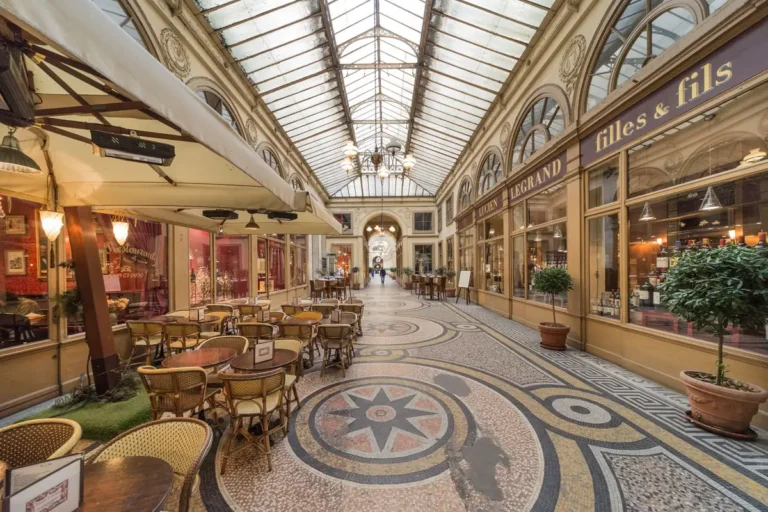
    Sintra Without the Lines: See the Pena Palace Without Trying to See Everything

    🇧🇷 POR | 🇫🇷 FR | 🇺🇸 EN | 🇪🇸 ES

    Visiting Sintra without the lines starts with a tough choice: accepting that you can’t see every palace in a single day. Trying to squeeze in the Pena Palace, the Moorish Castle, Quinta da Regaleira, and the Sintra National Palace all in one morning means rushing between queues and missing your timed entry slots—the result is seeing everything poorly, instead of seeing one or two things well.

    The short answer: to visit Sintra without the lines, pick 1 or 2 attractions (the Pena Palace is the natural priority), buy your timed-entry ticket before you travel, take the train from Lisbon to Sintra station, and then hop on bus 434 straight to the palace. Arriving at the first morning slot, on a weekday, is what really keeps you ahead of the crowds.

    Why you can’t see all of Sintra’s palaces in one day

    Sintra has at least four attractions that deserve a relaxed visit—the Pena Palace, the Moorish Castle, Quinta da Regaleira, and the Sintra National Palace—and each sits in a different part of the hills, with no direct walking path between them. Trying to fit them all into one day means racing against the clock of your timed-entry tickets, and a 20-minute delay at the first stop pushes the rest of your itinerary back. Choosing 1 or 2 palaces and visiting them at a relaxed pace gives you a better experience than rushing through all four.

    Pena Palace in Sintra under a clear blue sky
    The Pena Palace, the top priority for anyone short on time in Sintra. | Photo: Mo Eid / Pexels

    If you only have one day, the Pena Palace is usually the right call: it’s the most photographed, it has King Ferdinand II’s colorful terraces, and it sits inside a park that opens up to quieter trails. If you have a second day, you can round it out with the rest of the Lisbon region, since Sintra works great as a day trip—the complete Lisbon guide helps you fit Sintra into the rest of your trip.

    Timed-entry tickets: how they change the line

    Visiting the inside of the Pena Palace requires a ticket with a set date and time, bought in advance on the official Parques de Sintra website—without that reservation, you can’t get in even if you show up at the first morning slot. Buying the Fast-Track ticket, when available, gives you priority access both at the park entrance and on the palace’s internal circuit, skipping the longest line of the day. Always double-check current prices and times on the official site before your trip, since they change by season.

    Train, bus, and walking without missing your slot

    The train from Lisbon (Rossio station) to Sintra takes about 40 minutes, with departures every 15 to 20 minutes throughout the day—no seat reservation needed, just arrive with some buffer before departure. Once you get off at Sintra station, bus 434 (the Pena Circuit) leaves right out front, passes through the historic center, and climbs up to the Moorish Castle and the Pena Palace, then loops back to the station. As of July 2026, the ticket costs around €7.60 round trip and the bus runs every 15 minutes, between 9am and 8pm in summer—check the updated price on the official site before you go.

    A bustling Sintra street with a view of the Moorish Castle
    Sintra’s historic center, a stop for bus 434 on the way to the Pena Palace. | Photo: José Maldonado Díaz / Pexels

    If you’d rather walk, you can hike up from the historic center to the Pena Palace in about 40 to 50 minutes on a steep forest trail—great for hikers with time to spare, but not recommended if you have a tight timed-entry ticket, since any hiccup along the way could make you miss your reservation.

    Best time of day and week to beat the crowds

    The Pena park opens at 9am and the palace interior at 9:30am—arriving at the first slot of the day is the most effective way to dodge both the entry line and the crowds on the most photographed terraces. Weekdays, especially Tuesday and Wednesday, draw far fewer visitors than weekends and holidays, when one-day tours from Lisbon pack bus 434 and the palace queues start building up from 11am.

    Practical tips for your visit day

    Wear comfortable shoes: even if you’re only picking one palace, the climbs inside the park are steep and the Portuguese cobblestone gets slippery on rainy days. Buy your Lisbon–Sintra train ticket and bus 434 pass before you leave your hotel, so you can skip the line at the station ticket office. And save some energy to explore the Pena Palace’s own gardens after your interior visit—the Temple of the Columns and the hidden lakes stay empty even on the busiest days, because most visitors head straight out after the palace. If you have extra days in the region, you can also tack on a day trip to Porto before heading home.

    Frequently asked questions

    Can you see all of Sintra’s palaces in one day?

    It’s not recommended. Each palace in Sintra sits in a different part of the hills and requires travel time plus a timed-entry ticket—trying to see all four main ones in a single day leads to a chain of delays. The ideal approach is to pick 1 or 2 attractions, usually the Pena Palace, and visit them at a relaxed pace.

    How long is the train ride from Lisbon to Sintra?

    The train from Rossio station to Sintra takes about 40 minutes, with departures every 15 to 20 minutes throughout the day, and no seat reservation is needed.

    How do you get from Sintra station to the Pena Palace?

    Bus 434 (the Pena Circuit) leaves right in front of the train station, passes through the historic center, and climbs up to the Moorish Castle and the Pena Palace. The ticket costs around €7.60 round trip and the bus runs every 15 minutes.

    Do you need to buy Pena Palace tickets in advance?

    Yes. Visiting the inside of the Pena Palace requires a ticket with a set date and time, bought on the official Parques de Sintra website—without that reservation, you can’t get in, even if you arrive at the first morning slot.

    Conclusion

    Visiting Sintra without the lines isn’t about luck—it’s about choosing less and planning better: one or two palaces, a timed-entry ticket bought in advance, the train to the station, and bus 434 up to the Pena Palace, all at the first morning slot. At Voyage Voyage, you’ll find more practical guides to round out your Portugal itinerary.

  • Paris Covered Passages: 19th-Century Arcades Worth the Walk

    Paris Covered Passages: 19th-Century Arcades Worth the Walk

    🇧🇷 POR | 🇫🇷 FR | 🇺🇸 EN | 🇪🇸 ES

    Paris’s covered passages are the prettiest shortcut between the Grands Boulevards, the Palais-Royal, and the streets of the 2nd arrondissement. Beneath their 19th-century glass roofs, you’ll find bookshops, antique dealers, bistros, and mosaic floors—all on a walking route that dodges traffic and works even on a rainy day.

    The best route through Paris’s covered passages links Passage des Panoramas, Jouffroy, Verdeau, Galerie Vivienne, and Véro-Dodat in half a day; start near the Grands Boulevards metro and save Galerie Vivienne for last.

    Getting to Paris’s covered passages

    Almost all the most interesting passages sit on the Right Bank, just a few blocks from the Grands Boulevards. The Grands Boulevards station, on lines 8 and 9, is the most logical gateway to Panoramas, Jouffroy, and Verdeau. For Galerie Vivienne and Passage Véro-Dodat, the Bourse, Palais Royal–Musée du Louvre, and Pyramides stations shorten the walk.

    Restaurant in the Passage des Panoramas in Paris
    The Passage des Panoramas mixes shopfronts, gastronomy, and history. | Photo: David Henry / Pexels

    The circuit is almost entirely flat and fits neatly between two appointments in the center. Use the RATP site to check for metro disruptions on the day. Don’t bother hailing a taxi for each gallery: the short distances are part of the experience, and the streets between passages help you get a feel for the neighborhood.

    Best time to go and how long to allow

    The covered passages work year-round because the glass roofs protect from rain and wind, but they aren’t museums with a single opening time. Shops, cafés, and gates can have their own hours; weekday mornings are usually the quietest time for photos and taking in the details.

    Allow three hours for Panoramas, Jouffroy, Verdeau, and Vivienne without long stops. To browse shops, grab a coffee, and add Véro-Dodat, give yourself half a day. Avoid arriving late in the afternoon expecting every door to be open: some galleries close early or limit access outside business hours.

    People in a covered passage in Paris
    The passages are best when you have time to look up and at the shop windows. | Photo: David Henry / Pexels

    What to see in Paris’s covered passages

    The galleries aren’t just pretty corridors: they were an urban response to commerce and weather before the big department stores. Paris preserves more than twenty passages and galleries of this kind, many near the Grands Boulevards; Paris je t’aime keeps a good overview of the best-known ones.

    Passage des Panoramas: where it all began

    The Passage des Panoramas, opened in 1799, is one of the oldest and should kick off your route. It has small offshoots, restaurants, and shops that keep it from feeling like a preserved set under a glass dome. Walk slowly and look for the inscriptions, narrow shopfronts, and shifts in light between each stretch.

    Don’t treat the place just as a foodie address. The charm lies in realizing the passage cuts through buildings and connects a commercial Paris that predates Haussmann’s renovations. At Panoramas, walk first and pick your table after; that way lunch doesn’t swallow the whole route.

    Passage Jouffroy and Passage Verdeau

    The Passage Jouffroy, opened in 1846, leads to the Musée Grévin and houses the Hôtel Chopin; it’s one of the most photogenic galleries in the group. Just ahead, Passage Verdeau offers antique shops and art galleries in a quieter atmosphere. The two work as a natural sequence and show the variety of uses that has kept these spaces alive.

    Historic covered gallery in Paris
    Glass roofs and small shops keep the rhythm of the historic galleries alive. | Photo: Céline / Pexels

    Galerie Vivienne and Passage Véro-Dodat

    The Galerie Vivienne is the most ornate stop: mosaic floors, a glass ceiling, and more elegant shops. Passage Véro-Dodat, near the Louvre, is smaller and more sober, with a long perspective and geometric flooring. They aren’t copies of each other; that difference is exactly why you should see both.

    Take photos without blocking the shops and keep your voice down. These are public places, but they’re also working corridors of commerce. That’s especially true at Vivienne, where the flow of visitors can create the false impression that it’s a tourist set.

    Half-day route through Paris’s covered passages

    Start at the Passage des Panoramas in the morning, cross through Jouffroy, and continue to Verdeau. Then walk toward Bourse and the Galerie Vivienne; finish at the Palais-Royal or walk on to Passage Véro-Dodat, near the Louvre. This order avoids backtracking and saves the more elaborate galleries for when your eyes are already trained for details.

    If you’re short on time, cut Verdeau and Véro-Dodat, not Panoramas and Vivienne. If it rains, the route makes even more sense, but keep in mind the stretches between galleries are still open to the sky. For architecture lovers, notice the floors, light fixtures, iron structures, and how the entrances hide in ordinary facades.

    A good rule is to alternate passage, street, and pause: step into a gallery, walk a few blocks, stop for coffee, and return to a new glass roof. The circuit doesn’t need a guide to work, but it does ask for curiosity so it doesn’t turn into just a list of photos.

    What to pair with the passages on the same day

    The passages fit perfectly into a day of Palais-Royal, the Louvre, and the Grands Boulevards. After Vivienne, the proximity to the Palais-Royal lets you continue through gardens and arcades; Véro-Dodat is a reasonable walk from the Louvre. If you prefer a less monumental Paris, save the museum for another day and stretch your walk through neighborhoods like Belleville.

    The Belleville walking route in Paris makes an interesting counterpoint: 19th-century commerce and architecture in the morning; viewpoints and street art in the east by late afternoon. For another off-the-beaten-path walking plan, the Canal Saint-Martin route is also worth a look.

    If you’d like an overview before exploring on your own, the guided tour of Paris helps you get your bearings in the central neighborhoods and can be saved for your first day.

    Where to eat without turning the route into a window-shopping marathon

    Panoramas and Choiseul have restaurants and quick bites, but prices and quality vary a lot. Pick a stop based on the menu and the hours, not just the gallery’s photogenic appeal. A short meal at Panoramas works well; for dinner, you can step outside the circuit and find a table around the Grands Boulevards.

    Shop at Galerie Vivienne in Paris
    At Galerie Vivienne, the stroll continues even without buying anything. | Photo: Djamel Ramdani / Pexels

    To save money, grab a coffee and a pastry instead of turning every stop into a shopping spree. Paris’s covered passages pay off most when you buy time for people-watching, not a string of pricey meals. Check menus and make reservations directly with the spot you choose.

    Where to stay to explore the galleries

    The 2nd arrondissement, Bourse, Opéra, and Palais-Royal are efficient bases for this itinerary. Staying there cuts down on transit time but usually costs more. République and Canal Saint-Martin are solid alternatives with easy metro access and a vibe that’s less shopping-focused.

    When comparing hotels, check the walking distance to the nearest station and the noise policy: the boulevard area has plenty of nighttime activity. For a first trip, being near a direct metro line usually beats scoring an address inside a famous passage.

    Practical tips for enjoying the passages

    There’s no ticket to walk through the galleries, but they aren’t open 24 hours. Respect closed gates, store hours, and private areas. Bring a portable charger if you’ll be using maps a lot, and keep normal awareness of your wallet and phone in stations and crowded streets.

    On rainy days, arrive early: plenty of people have the same idea. On sunny days, use the passages as a breather between outdoor stops. The best souvenir from the circuit is usually a detail—a mosaic, an old sign, a window display—that you only notice when you slow down.

    Frequently asked questions

    What are the most beautiful covered passages in Paris?

    The most beautiful covered passages in Paris include Passage des Panoramas, Passage Jouffroy, Passage Verdeau, Galerie Vivienne, and Passage Véro-Dodat. Each has its own scale and character, so it’s worth putting together a circuit rather than picking just one.

    Are the covered passages in Paris free?

    The covered passages in Paris are free to walk through, but shops, cafés, museums, and restaurants have their own prices and hours. Since the gates can close outside business hours, double-check the schedule before you visit.

    How long does the covered passages itinerary take?

    The covered passages itinerary in Paris takes three to four hours when it includes Panoramas, Jouffroy, Verdeau, and Galerie Vivienne. With lunch, shopping, and Véro-Dodat, set aside half a day.

    Which metro should I take for Passage des Panoramas?

    Grands Boulevards station, served by lines 8 and 9, is one of the most convenient for Passage des Panoramas. From there, Jouffroy and Verdeau are just a few minutes’ walk away.

    How to take in the galleries without rushing

    Before stepping into a passage, stop outside and study the entrance. Many begin almost hidden in boulevard facades; inside, the shift in scale is immediate. That contrast explains why they shaped 19th-century urban life: they offered shelter, commerce, and an alternative route through a city growing fast.

    Pay attention to the engraved names, the width of the corridors, and how light filters in from above. Not every shop will be your thing, and that’s fine. The passages work best as lived-in architecture rather than a mall. If one is crowded, move on to the next and circle back later; the circuit has plenty of flexibility for that.

    To plan other routes without repeating the center, check out the Paris guides on Voyage Voyage. Spreading attractions across neighborhoods cuts down on transit and leaves room for discoveries that don’t fit on a list.

    Conclusion

    The covered passages prove that Paris rewards those who trade the obvious avenue for a discreet doorway. Use the itinerary as a framework, keep time for detours, and follow Voyage Voyage to find other paths the city hides in plain sight.

  • Islamic Cairo: The Neighborhood Pyramid-Only Travelers Miss

    Islamic Cairo: The Neighborhood Pyramid-Only Travelers Miss

    🇧🇷 POR | 🇫🇷 FR | 🇺🇸 EN | 🇪🇸 ES

    If you’ve already booked your tickets to the Pyramids of Giza and think you’ve got Cairo figured out, you’re leaving half the city behind. The most vibrant part of Egypt’s capital isn’t out in the desert—it’s in the medieval heart of the city, among minarets, thousand-year-old bazaars, and churches tucked away in alleys that even taxi drivers struggle to find. This is Islamic and Coptic Cairo, and it will completely change the impression you take away from your trip.

    Islamic Cairo is the historic district that rose from the 10th century onward, a UNESCO World Heritage site packed with mosques, ancient gates, and the Khan el-Khalili bazaar, which has been operating continuously since the 14th century. Just a few minutes away, Coptic Cairo preserves early Christian churches and a synagogue that have survived side by side for centuries. Set aside at least half a day for both—ideally, dedicate an entire morning to Islamic Cairo and the afternoon to the Coptic quarter, since they sit in different parts of the city and require a taxi or Uber ride between them.

    Khan el-Khalili: The Bazaar That’s Thrived for 600 Years

    Khan el-Khalili was founded between 1382 and 1389, according to the historical records compiled by Wikipedia, and it remains Cairo’s largest market—and one of the oldest in the Arab world still in operation. The narrow corridors sell everything from spices and perfumes to brass lamps, rugs, and gold, and the whole experience is a sensory overload: the scent of cumin and cardamom mingles with the clamor of vendors calling out to customers.

    Narrow corridor of the Khan el-Khalili bazaar in Cairo packed with craft shops
    Khan el-Khalili, the great bazaar of Islamic Cairo. | Photo: Muhamad Guruh Budi Hartono / Pexels

    Stop by El Fishawy Café, open since 1773 and one of the market’s most iconic spots, for a mint tea or Turkish coffee while you watch the world go by. Haggling is part of the culture here—start by offering far less than the asking price, keep it light and friendly, and you’ll likely close the deal at half the initial quote.

    If you’d rather explore with a local guide who can also unpack the history behind the storefronts, consider the guided tour of Khan el-Khalili and Islamic Cairo, which typically includes stops at mosques and historic gates that are easy to miss without context.

    Saladin’s Citadel and the Mosque of Muhammad Ali

    Perched on a hill overlooking the city, Saladin’s Citadel is home to the Mosque of Muhammad Ali, also known as the Alabaster Mosque, built between 1830 and 1848 by order of the ruler considered the founder of modern Egypt. The central dome and twin minarets follow the Ottoman mosque model, a striking contrast to the Mamluk architecture that dominates the rest of Islamic Cairo.

    Interior of the Mosque of Muhammad Ali with domes and chandeliers in Cairo
    Interior of the Alabaster Mosque at Saladin’s Citadel. | Photo: Ahmed Salama / Pexels

    The Citadel is generally open daily from 8am to 5pm, but double-check the hours and current ticket prices on the official website or at the box office before you go—these details change frequently in Egypt. During prayer times, the worship area is reserved for Muslim worshippers; tourists can wait outside or explore other parts of the complex.

    It’s also worth wandering the streets around the Citadel to the Mosque-Madrasa of Sultan Hassan, one of Cairo’s most impressive Mamluk structures, with a massive inner courtyard and portals that are staggering in scale.

    Coptic Cairo: Egypt’s Oldest Churches

    About a 20-minute drive from Islamic Cairo lies the Coptic quarter, also known as “Old Cairo,” where early Christian churches share narrow stone streets with a historic synagogue. The Hanging Church (Al-Muallaqa), built atop the towers of an ancient Roman fortress, according to the Egyptian Ministry of Tourism and Antiquities, is the most famous of the group and houses gilded icons dating back centuries.

    White bell towers of the Hanging Church in Coptic Cairo
    The Hanging Church, one of the oldest in Coptic Cairo. | Photo: Amy Law / Pexels

    In the same area, visit the Church of St. Sergius (Abu Serga), built over a crypt where, according to Coptic tradition, the Holy Family is said to have taken refuge during their flight into Egypt, and the Ben Ezra Synagogue, the oldest in the country. It’s one of the few places in the world where early Christian churches, a historic synagogue, and mosques coexist on the same block—a testament to a religious coexistence that has endured for centuries.

    How to Get There and Move Between the Two Districts

    Islamic Cairo and Coptic Cairo sit in different parts of the city and aren’t neighbors—the trip between them takes 20 to 30 minutes by car, depending on traffic. The most practical option is to grab an Uber or arrange a taxi fare in advance, since negotiating a ride on the street usually ends up costing tourists more. Once you’re inside each district, walking is the way to go: both have narrow streets that cars can’t access.

    If you’re looking to save time and have transportation sorted, a full tour of Cairo’s historic center typically combines the Citadel, the Mosque of Muhammad Ali, Khan el-Khalili, and the Egyptian Museum in one guided outing, which takes care of the logistics for anyone short on time in the city.

    Best Time to Visit

    The most comfortable window for exploring Cairo on foot is from October to April, when temperatures hover between 68°F and 82°F—in the summer, midday heat tops 95°F and makes long walks through the bazaar far more exhausting. Arrive at Khan el-Khalili in the early morning, before 10am, to photograph the corridors without the crowds and beat the strongest afternoon heat.

    Practical Tips Before You Go

    Bring cash (Egyptian pounds) for haggling at the bazaar—most vendors at the smaller stalls don’t accept cards. To enter the mosques, you’ll need to cover your shoulders and legs, and women are typically offered a loaner veil at the entrance; bring your own scarf to speed things up. Informal guides and drivers often approach tourists outside the monuments offering “shortcuts” or family-owned shops—politely decline if you haven’t arranged that beforehand.

    Frequently Asked Questions

    What Is Islamic Cairo?

    It’s Cairo’s historic district, founded during the Fatimid period (10th century) and recognized by UNESCO as a World Heritage Site. It brings together mosques, ancient gates, madrasas, and the Khan el-Khalili bazaar, one of the oldest markets still operating in the Arab world.

    How Long Does It Take to Visit Khan el-Khalili?

    Two to three hours is enough to walk the main corridors, haggle at a few shops, and stop for tea. If you love exploring smaller alleyways and shopping at a leisurely pace, you can easily spend an entire morning there.

    Is Coptic Cairo Worth Visiting?

    Yes — it’s a quick stop (2 to 3 hours) that reveals a layer of Egyptian history the pyramids don’t tell: the coexistence of early Christianity, Judaism, and Islam right in the heart of the city.

    Is It Safe to Walk Around Islamic Cairo?

    During the day and on the bazaar’s busy streets, yes, it’s a fairly safe area for tourists. As with any big city, keep an eye on your belongings in the crowds and be cautious about accepting unsolicited offers from street guides.

    Conclusion

    The pyramids are the postcard shot, but Islamic Cairo and Coptic Cairo are where the city truly reveals itself — in the noise of the bazaar, the silence of the Ottoman mosques, and the churches that have stood for over a thousand years side by side with a synagogue. Set aside at least half a day for this part of your trip: it just might become the highlight you remember most from Egypt. For more itineraries featuring equally vibrant bazaars and historic centers, check out our guide to Marrakech and its medinas and the complete guide to the Pyramids of Giza right here on Voyage Voyage.

  • Olinda: Historic Hillsides and Carnival Without Getting Lost

    Olinda: Historic Hillsides and Carnival Without Getting Lost

    🇧🇷 POR | 🇫🇷 FR | 🇺🇸 EN | 🇪🇸 ES

    Historic hillsides and Carnival are the key to understanding Olinda, but they call for a walking itinerary with well-chosen breaks. In one day, you can connect Carmo, Quatro Cantos, Amparo, Alto da Sé, and São Bento without turning the visit into a race; during Carnival, the same area changes scale and requires arriving early, packing light, and agreeing on an exit route.

    Item Practical decision
    Location Historic Center, starting from Praça do Carmo
    Transport Get to Carmo and explore the core on foot
    Duration 4 to 6 hours outside the festivities; a full day during Carnival
    Hours São Bento opens 9am–11:45am and 2pm–5pm (Aug/2026)
    Safety Keep your phone and documents under your clothes on crowded days
    Accessibility Uneven pavement and steep climbs: plan short routes

    Is it worth visiting the hillsides outside Carnival?

    Yes, if you want to observe the historic houses, the artist studios, and the churches with time to go inside and take photos. Olinda’s Historic Center has been on the World Heritage List since 1982, a recognition explained by the Ministry of Tourism. Outside the festivities, start early and treat each hillside as a stop, not a shortcut.

    It’s a great choice for those who’ve already put together an urban itinerary between Recife and Olinda and want to trade the rush of a day trip for a neighborhood that reveals itself around every corner. On weekdays, the museums help set the pace of the walk; on Sundays, check opening times before heading up.

    Colorful historic houses in Olinda's Historic Center
    Historic houses in Olinda’s Historic Center. Photo: Paulo Purkyt/Pexels.

    What to see in Olinda’s Historic Center in one day?

    Follow a route from the bottom up: Praça do Carmo, Rua de São Bento, Quatro Cantos, Rua do Amparo, Misericórdia, and Alto da Sé. The Mosteiro de São Bento opens every day in two periods, from 9am to 11:45am and from 2pm to 5pm, according to the official church guide; use this window to set your order.

    Don’t try to go into everything. Pick one church, one museum, and one viewpoint; the time between them is part of the experience. In the morning, head up to the Sé and leave the shopping streets for the descent. After lunch, come back through Amparo and the São Bento area. Useful number: three indoor stops already fill a five-hour itinerary, not counting travel time.

    Stretch What it offers How to decide
    Carmo and São Bento Church, historic houses, and a flatter start Start here if you arrive by public transport
    Quatro Cantos and Amparo Studios, facades, and narrow streets Set aside time to stop, not just pass through
    Alto da Sé View and monumental surroundings Go before the strongest heat

    The common mistake is to follow only the most photographed spot and ignore the opening hours of the doors. A visit to Christ the Redeemer also shows why timing and flow change an experience: in Olinda, the difference is that the pavement, the incline, and the alleys make improvisation more tiring.

    How much does it cost to visit Olinda?

    Walking the streets is free; for a paid and lean version, budget R$ 8 per adult for the three museums listed by the city: MAC R$ 5, Museu do Mamulengo R$ 2, and Museu Regional R$ 1 (Aug/2026). Prices and hours are on the municipal monuments guide.

    In practice, the cultural core costs R$ 8 in confirmed entry fees (Aug/2026), plus transport to Carmo and water/snacks. Don’t add a generic bus fare: it depends on your origin and the line; check with the operator before you leave. Those who only do the walk, one church, and the view can spend R$ 0 on entry fees, but need to bring money for food and the return trip.

    Simple math: R$ 5 + R$ 2 + R$ 1 = R$ 8 (Aug/2026). It’s more useful than promising an “average budget” that mixes accommodation, food, and transport from different cities.

    How to get around without a car?

    The car-free strategy is to get to Praça do Carmo and focus your visit on the Historic Center. The tourist information desk at the square reports service Monday to Saturday, from 8:30am to 5:30pm, in the announcement from the Olinda City Hall; use it for up-to-date guidance, not as a guarantee of a tour or fare.

    A private car becomes extra responsibility in an area of narrow streets. Combine the metro in Recife with a bus to Carmo and explore the core on foot, with sturdy shoes. If you prefer historical context without figuring out every point on your own, the Recife and Olinda tour from Civitatis is a verified alternative; check the duration, meeting point, and price on the activity page before booking.

    Which hours require attention?

    Museums and churches don’t follow a single schedule. The Mosteiro de São Bento has a break between 11:45am and 2pm; the Museu Regional is open Tuesday to Friday, 9am–5pm, and Saturday and Sunday, 1pm–5pm, according to the monuments guide. Organize your climb in the morning and leave a buffer for closed doors.

    The catch is arriving at Alto da Sé in the middle of the day and finding out your indoor stop is on break. Save the official contacts of your chosen attractions; mass, holidays, event setup, and maintenance can change visiting hours. To plan the next day, also check out the other urban stops in Recife.

    Church in Olinda's historic center
    Church in the historic center. Photo: Edeson Souza/Pexels.

    Is Olinda’s Carnival free?

    The public schedule may include free stages and street parades, but don’t treat that as a free pass for the whole trip. In 2026, the city announced free performances in Varadouro and Rio Doce between February 14 and 17, according to the official schedule. Accommodation, drinks, transportation, and private parties remain separate expenses.

    Arriving late and trying to “find” a bloco is the worst bet for a first visit. The streets have heavy foot traffic, the routes change, and the crowd can split your group in seconds. Set a meeting point away from the squeeze, carry minimal ID, a small power bank, and some cash set aside. Exit tip: agree in advance on where the group will end the night.

    View from the heights of Olinda over Recife
    View from the heights of Olinda over Recife. Photo: Mamfonline/Pixabay.

    Quick questions about Olinda

    When should you visit Olinda to see the hillsides with fewer crowds?

    Outside Carnival, weekday mornings make it easier to walk around and get into museums. The MAC is open Tuesday through Sunday, from 9 a.m. to 5 p.m., according to the Olinda city government; try to arrive around 9 a.m. to start your circuit before the heat sets in.

    What should you bring for Olinda’s Carnival?

    Bring water, sunscreen, a light rain jacket, essential ID, and a fanny pack or money belt worn under your clothes. Olinda’s Carnival happens on hillsides and in crowds, so closed-toe or very secure footwear helps more than an outfit that’s hard to walk in.

    Are Olinda’s hillsides suitable for people with reduced mobility?

    Olinda’s hillsides have slopes, stones, and uneven sidewalks, which makes the historic core challenging. Plan two or three nearby stops and use transportation to get to your chosen spots, rather than trying a long circuit all at once.

    Is it better to stay in Olinda or Recife during Carnival?

    Staying in Olinda cuts down on travel time but usually requires booking ahead; staying in Recife gives you more options and calls for a round-trip plan. Choose Olinda if being close to the party is your priority, and Recife if you want to switch between neighborhoods and schedules.

    A trip that works at your own pace

    Olinda rewards those who pick a few stops and accept that the hillside is part of the itinerary. Outside Carnival, use the museums and churches as anchors; during the festivities, prioritize hydration, a meeting point, and an exit plan. The layout is simple: Carmo as your base, a purposeful climb, and a leisurely descent.

  • Naples, Italy: Best Time, Neighborhoods, and Budget for Planning Your Trip
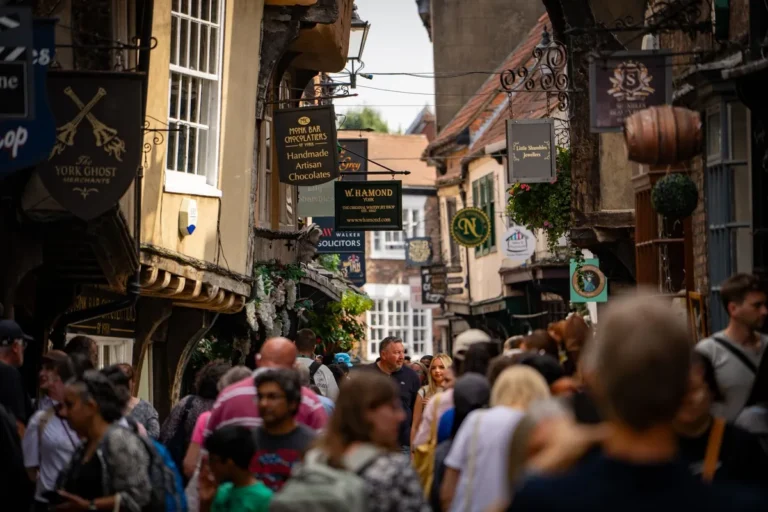
    Naples, Italy: Best Time, Neighborhoods, and Budget for Planning Your Trip

    🇧🇷 POR | 🇫🇷 FR | 🇺🇸 EN | 🇪🇸 ES

    Naples is worth it when you treat it as a full city—not just as a cheap night before Pompeii, Capri, or the Amalfi Coast. The UNESCO-listed historic center, the neighborhood life, the museums, and the city’s direct connection to the gulf deserve at least two full days. The flip side is this: Naples is intense, loud, and less polished than Italy’s picture-postcard cities. If you’re expecting a southern version of Florence, you might be taken aback; if you want urban history, great food, and a practical base for Campania, you’re likely to love it.

    This guide uses official tourism and transport sources for the decisions that can make or break your trip. Prices and schedules change: always check the operator’s website before booking.

    Start with the decision that shapes your itinerary

    Stay in Naples if you want to combine city, archaeology, and sea without switching hotels every couple of days. It works especially well for a first trip to Campania: there are connections to Pompeii, Herculaneum, Sorrento, Caserta, and the islands, and the airport is linked to the center by the Alibus. The airport operator describes the Alibus as the quick link between Capodichino and the center; the most recent service charter found lists a fare of €6, but treat that as something to double-check before you travel (Aeroporti di Napoli, service charter).

    Don’t choose Naples as your only base if your goal is to spend most days at beach hotels, enjoy quiet evenings on the Amalfi Coast, or head out early every day to a different spot. In that case, splitting your stay might cost less travel time—and more money.

    The rule of thumb is simple: save Naples for living Naples; treat the surrounding areas as extensions, not as a reason to cut the city from your itinerary.

    Best time to visit Naples: comfort, price, and crowds don’t always line up

    For most travelers, April, May, the second half of September, and October offer the best balance of walkable weather, cultural events, and less summer pressure. Naples has a Mediterranean climate: winters are wetter and summers tend to be hot. The World Meteorological Organization’s climate data lets you compare average temperatures and rainfall by month—a better reference than generic promises of “perfect weather” (WMO).

    Urban view of Naples in spring
    Photo: Enzo Cetrangolo / Pexels

    July and August are great for those who want the sea and don’t mind heat, crowds, and tighter hotel availability. December can be interesting if you love nativity scenes and a more local city pace, but it brings shorter days and a higher chance of rain. There’s no single “rainiest month in Italy”: the country has very different climates. For Naples, check the city’s climate chart and plan an indoor activity—the National Archaeological Museum, Capodimonte, or historic chapels—as a backup.

    The cheapest month to visit Italy isn’t universal either. Airfare depends on your departure city, layovers, and holidays; in Naples, the most predictable difference usually shows up in lodging outside summer and long holiday weekends. Compare the total trip cost, not just the airfare: a cheap flight in August can be canceled out by pricier rooms, ferries, and attractions.

    Where to stay in Naples: choose by trip style, not by the prettiest hotel

    Visit Naples itself advises extra caution against pickpocketing in very crowded areas and around the station; it also notes that Centro Storico, Chiaia, Posillipo, and Vomero offer different experiences for visitors (Visit Naples safety guide). That doesn’t replace checking your hotel: confirm there’s an elevator, air conditioning, a reception that works for your arrival time, and easy access with luggage.

    View of Naples and the gulf for the neighborhoods section
    Photo: Balázs Gábor / Pexels

    Is Naples safe? Yes, with urban awareness—not with automatic fear

    Naples doesn’t require a “forbidden city” mindset; it requires the kind of attention any big tourist city demands. Keep your phone and wallet in closed pockets, don’t accept help from strangers at ATMs or ticket machines, use licensed taxis, and avoid aimlessly wandering empty streets late at night. The official local advice is to favor the metro and funiculars when possible and stay alert on trains and in very crowded spots (Visit Naples).

    This changes your lodging choice: a much lower rate near the station might make sense for a one-night layover, but it’s rarely the best experience if you want to walk back after dinner. For late arrivals, prefer a pre-booked transfer with an identified company, an official taxi, or a place to stay with clear arrival instructions.

    How much Naples costs: do the math in layers

    A seven-day trip has no “right” price, because lodging and day trips weigh more than pizza and metro rides. Instead of promising a magic number, build your budget in four layers:

    1. Nights: multiply the actual nightly rate by the number of nights, including local taxes and any breakfast. 2. Days in Naples: food, city transport, and a buffer for museums. Collaborative data updated in July 2026 suggests the city tends to cost less than Rome or Milan on several items, but it’s not a fixed price list for a trip (Numbeo). 3. Day-trip days: add Pompeii/Herculaneum, Capri, Sorrento, Vesuvius, or the Amalfi Coast separately. This is where a budget itinerary turns into an expensive one. 4. Contingency fund: leave a margin for transfers, weather changes, a pricier meal, or a missed connection.

    For seven days, add seven days of local spending to the cost of seven nights and list each excursion as its own line item. For 15 days in Italy, don’t multiply your Naples budget by 15: hotels, intercity trains, and the mix of destinations become the main variable. Bring cards that work abroad and a small reserve of euros for arrivals, markets, or situations where contactless payment fails; there’s no universal amount of cash to carry.

    As a context reference—not a quote—travel budget surveys estimate very different daily profiles depending on lodging and dining category (Budget Your Trip, Lonely Planet). Compare those averages with your actual bookings before deciding.

    The cost-of-living and minimum-wage question isn’t the same as the travel question

    Naples might seem more affordable than other Italian cities for a visitor, but the cost of living involves annual rent, healthcare, taxes, employment contracts, and daily routine—not just meals and hotels. Use comparison sites only as a starting point and research local neighborhoods and contracts if you intend to move there.

    There’s also no national minimum wage set by law in Italy, so there’s no “Naples minimum wage” that alone explains local costs. The practical minimum pay is heavily tied to sector-wide collective agreements; the European Commission notes that Italy has no statutory national minimum wage (Eurofound). Don’t use some supposed average salary found on social media as a basis for moving countries.

    What’s close to Naples—and what deserves a full day

    Naples sits at the center of a dense region, but proximity on a map doesn’t mean a quick visit. Pick one priority per day:

    Ruins of Pompeii, a day trip from Naples
    Photo: Alejandro Aznar / Pexels
    • Pompeii or Herculaneum: for Roman ruins; it’s worth setting aside time to enter, understand the site, and leave without rushing.
    • Caserta: for the Royal Palace and its gardens; it’s a strong alternative when you want history and architecture without the pace of Capri.
    • Sorrento: works as a gateway to the peninsula; don’t try to squeeze it in with Pompeii on the same day if you want to actually enjoy both places.
    • Capri, Ischia, or Procida: require a ferry and depend more on the weather. These are full days by the sea, not a “two-hour break” in your urban itinerary.

    Campania promotes this set as distinct destinations—Naples, Pompeii, Caserta, Sorrento, and the islands—which is a good antidote to itineraries that cram five experiences into a single day (Meravigliosa Campania).

    The language: Italian to get around, Neapolitan to understand the place

    Italian is the language used in hotels, museums, stations, and services. You’ll also hear Neapolitan, a regional language that’s very present in the speech, music, and identity of the city. Learning “buongiorno,” “grazie,” “per favore,” and “scusi” already improves simple interactions; don’t expect every attendant to speak English outside the tourist circuit.

    A seven-day plan that doesn’t turn Naples into a layover

    Days 1 and 2 — Naples on foot: Centro Storico, Spaccanapoli, Via dei Tribunali, a church or chapel chosen at a relaxed pace, and an evening in the neighborhood where you’re staying. The historic center is a World Heritage Site and layers Greek, Roman, medieval, and modern eras; Italia.it helps you get your bearings on its museums and main axes.

    Bay of Naples with Mount Vesuvius in the background
    Photo: K / Pexels

    Day 3 — museum and upper city: National Archaeological Museum or Capodimonte, then Vomero and a view of the gulf. Don’t try to “check off” every museum.

    Day 4 — archaeology: choose Pompeii or Herculaneum. One well-done visit beats two rushed entries.

    Day 5 — a nearby city: Caserta or Sorrento, depending on whether you’re in the mood for a palace or the coast.

    Day 6 — island or a less obvious Naples: only pick an island with confirmed weather and ferry times; otherwise, use the day for neighborhoods, a market, a museum, or the Naples waterfront.

    Day 7 — buffer day: leave for the city whatever you missed and don’t book a long transfer before your flight. This cushion is especially useful when your itinerary includes ferries or regional connections.

    Is Naples worth visiting?

    Yes, for anyone who embraces a city with friction and reward: traffic, voices, narrow streets, and just ahead, a church, a view of Vesuvius, or a simple, perfectly executed meal. Naples doesn’t need to compete with Rome or Florence. It offers a different trip: less organized monumentality, more urban life, and a powerful gateway to Campania.

    Before you book, just run three checks: pick a neighborhood that fits your arrival time; separate your city budget from your day-trip budget; and confirm transport, tickets, and the forecast on official sites. The rest of the trip gets lighter when Naples stops being “the cheap base” and becomes part of the reason you’re going.

    If you want to simplify your archaeology day, you can check out the Pompeii tour departing from Naples. It’s a partner link and may earn a commission at no extra cost to you.

    Frequently asked questions

    What’s the best time to visit Naples?

    April, May, the second half of September, and October usually strike a good balance between temperature and crowds. For the beach, July and August bring more heat and more pressure on accommodation; in winter, expect shorter days and a higher chance of rain.

    Is Naples safe for tourists?

    In tourist areas and with attention to pickpocketing, Naples is as visitable as other big cities. Plan late arrivals, use official transport and taxis, and avoid flashing valuables.

    Which neighborhood is best to stay in Naples?

    Centro Storico serves a first walking trip well; Chiaia is quieter and generally pricier; Vomero is residential with views; the station area is convenient for logistics but not the best choice for a stay focused on evening outings.

    How much does it cost to stay seven days in Naples?

    Budget for accommodation, seven days of local expenses, paid attractions, and a buffer. The total shifts mainly with your room, the season, and how many day trips you take; Capri and the Amalfi Coast change the total far more than a regular day in the city.

    What language is spoken in Naples?

    Italian is the language of service and businesses. Neapolitan is very present in the culture and everyday conversation.

    Is there a minimum wage in Naples?

    There’s no national legal minimum wage in Italy, nor a minimum wage specific to Naples. The reference varies by sector and collective agreement.

    If you want to swap the Italian coast for volcanic nature, check out the Azores itinerary in Portugal.

  • York Beyond The Shambles: History You Can Walk

    York Beyond The Shambles: History You Can Walk

    🇧🇷 POR | 🇫🇷 FR | 🇺🇸 EN | 🇪🇸 ES

    York packs Roman walls, medieval streets, old pubs, and a cathedral that dominates the skyline. The best way to get to know the city isn’t by rushing between attractions—it’s by crafting a walking route that mixes history, food, legends, and little detours. This guide shows what’s truly worth your time, how to get there, and which experiences give your trip its character.

    York is one of the UK’s easiest historic cities to explore on foot: the center is home to York Minster, The Shambles, the city walls, the Jorvik Viking Centre, and the National Railway Museum. Plan for at least two days to blend the classics with a night of ghost stories and a stroll beyond the center.

    How to get to York without the hassle

    The train is the most comfortable option if you’re coming from London, Edinburgh, or other English cities. The station is just a short walk from the city walls. If you’re driving, opt for a Park & Ride: the historic center has narrow streets and traffic restrictions, and parking near The Shambles tends to be pricey and time-consuming.

    York doesn’t have its own commercial airport. Manchester, Leeds Bradford, and London airports can work, depending on where you’re flying from. From Manchester Airport, the train requires a connection; check times and fares on the official National Rail website.

    Best time to visit and how long to stay

    Spring and early fall offer a great mix of light, mild temperatures, and fewer crowds than summer. December is special if you love Christmas markets and lights, but the center gets busy. For a first visit, two full days cover the main sights; three days let you add Castle Howard, Whitby, or the North York Moors.

    The city works best with an early start and an open evening: hit the attractions before the tour groups arrive and save the end of the day for a pub, a ghost walk, or a stroll along the walls.

    Things to do in York: history beyond the obvious itinerary

    York Minster

    Start with the cathedral, especially if architecture and stained glass are your thing. Check out the Great East Window and, if conditions are good, consider the tower climb. Check the calendar and buy tickets on the official website, as service times and events can affect your visit.

    York Minster in winter
    York Minster dominates the historic center. | Photo: Igor Passchier / Pexels

    The Shambles and the streets of the center

    The Shambles is photogenic, but don’t stop there. Continue along Petergate, Stonegate, and the little snickelways that connect the streets. The area gets crowded midday; a walk before 9am reveals the facades, shops, and timber details at a more relaxed pace.

    The historic Shambles street in York
    The Shambles is the most famous stretch of the medieval center. | Photo: Oliver Schröder / Pexels

    City Walls, Jorvik, and the National Railway Museum

    Walk a section of the city walls to get a sense of the city’s scale. Jorvik recreates Viking York with an immersive experience; the National Railway Museum is a fantastic choice for families and engineering buffs, with free entry and a suggested donation. For a different kind of night out, the York ghost bus tour turns local legends into a theatrical ride.

    Day trips from York

    Castle Howard works as a cultural day trip, while Whitby combines an abbey, coastline, and seafood. The North York Moors is best for those wanting scenery and hiking trails; check transport and opening times before you go, as some connections are seasonal.

    Historic view of The Shambles in York
    The medieval details show up on streets beyond the postcard shot. | Photo: Michael D Beckwith / Pexels

    Where to eat and drink

    Seek out historic pubs to sample local ales, pies, and hearty British comfort food. The central market is great for a quick lunch, while Stonegate and Micklegate are packed with dinner spots. Book ahead at popular places and don’t assume everywhere takes walk-ins.

    Where to stay in York

    Inside the walls, you save time and get easy access, but you pay a premium. The area near the station is practical if you’re arriving by train. South Bank offers a more relaxed vibe and is still walkable to the center. To save money, compare hotels outside the walls against the cost of daily transport.

    Practical tips for visiting York

    Wear comfortable shoes: the uneven paving is part of the experience. Bring a rain jacket and double-check opening times on each attraction’s official website. Visitors from abroad should review UK entry requirements before the trip. For paid attractions, compare individual tickets against the York Pass and do the math based on what you actually plan to see.

    Frequently asked questions

    How many days do you need in York?

    Two full days are enough for a first visit; three days allow time to explore the surrounding area.

    Is York a good day trip?

    Yes, especially by train, but staying a night reveals the city after the tour groups have left.

    What to do in York when it rains?

    Visit York Minster, Jorvik, the Railway Museum, historic shops, and pubs.

    Is York expensive?

    Attractions and accommodation can add up, but free museums and markets help balance the budget.

    Conclusion

    York rewards those who slow down: walk the city walls, look up along the medieval streets, and save room for a nighttime experience. On Voyage Voyage, you’ll find more ideas to turn a trip through the UK into a journey with personality.


  • Genoa, Italy: What to Do and How to Plan 2 or 3 Days

    Genoa, Italy: What to Do and How to Plan 2 or 3 Days

    🇧🇷 POR | 🇫🇷 FR | 🇺🇸 EN | 🇪🇸 ES

    Genoa is worth a visit if you love cities with texture: a port, medieval alleyways, palaces, and the sea all in one day. The capital of Liguria isn’t a direct competitor to Rome, Florence, or Venice; it works best for those who want a port-side Italy that feels lived-in and less picture-perfect. Set aside two full days for the essentials; three days let you include the urban coastline of Nervi without turning everything into a race.

    It sits in northwestern Italy, between the Ligurian Sea and the hills. It’s a vertical city, so your itinerary works better when you group stops by area—instead of crossing the center multiple times.

    Is Genoa Worth Visiting?

    Yes, especially if you’re into maritime history, architecture, and food. The old town, the Porto Antico, Via Garibaldi, and the museums form the core of a first visit; Boccadasse and Nervi come into play when you have time for the sea and a walk. The city’s official tourism board even puts together a three-day itinerary, a sign that there’s plenty to see beyond a cruise stopover.

    If your priority is a monumental, perfectly polished Italian city, Florence or Rome might be more obvious choices. “The most beautiful in Italy” has no objective answer: Genoa stands out for travelers who prefer contrasts, port life, and neighborhoods wedged between hills and the Mediterranean.

    What to Prioritize Based on Your Time

    Time Priority What to Save for Later
    1 day Old town, Piazza De Ferrari, the cathedral, Via Garibaldi, and Porto Antico Nervi and urban beaches
    2 days Add the Palazzi dei Rolli, one chosen museum, and Boccadasse Pick just one long coastal stretch
    3 days Include Nervi, the promenade, and a maritime or art museum Use the extra time for a slower pace, not more travel

    This breakdown is an editorial recommendation based on the city’s geography and the official itinerary; hours and tickets should be checked closer to your trip, as they change by season.

    View of Genoa's rooftops, with the old town and the sea
    Photo: Huy Phan / Pexels.

    What to Do in Genoa: A Route That Avoids Zigzagging

    Start in the Center and on Via Garibaldi

    From Piazza De Ferrari, head toward the San Lorenzo cathedral and the caruggi, the narrow alleyways of the old town. Then climb up to Via Garibaldi, where the Palazzi dei Rolli show the aristocratic scale of the old maritime republic. To pick museums, check the official calendar: the city’s network brings together more than twenty sites, and hours are seasonal.

    Head Down to Porto Antico

    Porto Antico makes sense in the same block as the center: it’s where you’ll find the Aquarium, the Galata Museo del Mare, the Biosfera, and a walk along the water. For a first read of the city without getting lost in the alleys, a free tour of Genoa can be a good start; confirm the language, meeting point, and conditions before booking.

    Aerial view of Genoa's historic waterfront
    Photo: Anna Frame / Pexels.

    Save Boccadasse and Nervi for the Sea

    Yes, there are beaches in Genoa, but the right expectation is small coves, rocks, and an urban coastline—not a long stretch of sand. Boccadasse combines colorful houses, a small beach, and a great sunset spot; Nervi rewards those who want a coastal promenade. The official tourism site lists Boccadasse, Vernazzola, Nervi, Quinto, Quarto, Pegli, and Voltri among the accessible seaside spots in the city.

    Genoa's coastline in the Boccadasse area
    Photo: Pexels; image selected to illustrate Genoa’s coastline.

    Safety and Budget: How to Plan Without Unrealistic Promises

    Genoa calls for the usual precautions of a large port city: keep an eye on your belongings in crowded areas, stations, and quiet alleys at night. There’s no responsible basis for summing up the city as “safe” or “dangerous” in a single word; choose accommodation with easy access, plan your evening return, and check your government’s official travel advisories before you go.

    For the visitor, “cost of living” translates into accommodation, meals, transport, and attractions. Instead of relying on an average that ages quickly, build your budget with real hotel dates, train fares, and official ticket prices. Genoa helps you keep costs in check when you mix the old town on foot, viewpoints, and the urban coastline with just one or two paid museums. Avoid promising fixed prices: they’re volatile and depend on the season.

    Coastal stretch of Nervi, in Genoa
    Photo: Pexels; Genoa’s coast toward Nervi.

    How to Fit Genoa Into Your Italy Itinerary

    Genoa makes a great stop between northern cities and Liguria, or a short base before heading to the Riviera. Don’t pick it just because “Italians love Brazilians”: hospitality varies more by context and the visitor’s attitude than by some supposed favorite city. When mapping out your travel sequence, it’s also worth comparing it to the appeal of historic Rome: Rome delivers monumental scale; Genoa delivers a port, dramatic topography, and a more everyday Liguria.

    The Bottom Line: How to Decide

    Choose Genoa if you want to experience an Italian seaside city without reducing your trip to a checklist of monuments. Two days hit the sweet spot; with three, Nervi and the coastal rhythm slide in naturally. Prioritize the historic center and the port on day one, save Boccadasse or Nervi for day two, and keep prices, transport, and opening hours on your radar to double-check closer to departure.

    To nail down the best time, neighborhood, and budget for Campania, check out the practical Naples guide.

  • Stockholm in 3 Days: Islands, Museums, and Water Without the Rush

    Stockholm in 3 Days: Islands, Museums, and Water Without the Rush

    🇧🇷 POR | 🇫🇷 FR | 🇺🇸 EN | 🇪🇸 ES

    Stockholm sprawls across islands, and that detail completely changes how you plan your trip. A good first itinerary should alternate between Gamla Stan, the museums of Djurgården, the viewpoints of Södermalm, and a trip out on the water. In three days, you can get to know the Swedish capital without spending your whole vacation switching between modes of transport.

    The best of Stockholm in three days lies in the contrast between the medieval center and the city as seen from the archipelago.

    Getting there and getting around

    Arlanda is the main airport and has express trains, buses, and taxis into the city center. The metro, bus, and boat network is integrated; walking is still the best way to soak in Gamla Stan. For your first hotel, Norrmalm is practical; Södermalm offers more neighborhood charm.

    Stockholm's old town with Riddarholmen Church
    Gamla Stan is your first taste of the city’s history. | Photo: Ranger Zang / Pexels

    Stockholm 3-day itinerary

    Day 1: Gamla Stan and the Royal Palace

    Start at Stortorget, wander the streets of Gamla Stan, and visit the Royal Palace if the day’s schedule appeals to you. The Nobel Prize Museum and the Cathedral fit into the same route. In the late afternoon, cross over to Riddarholmen and take in the city center from the water.

    Day 2: Vasa, Skansen, and Södermalm

    Djurgården deserves a full, focused day. The Vasa Museum preserves a 17th-century ship and is one of the city’s most unique visits; Skansen adds historic houses and Swedish traditions. In the evening, head to Södermalm for cafés, independent shops, and the viewpoints along Monteliusvägen.

    Day 3: Archipelago or city

    If the weather holds, take a trip through the archipelago. This Stockholm archipelago boat tour takes care of the logistics when you’re short on time. If it rains, swap it for Fotografiska, the art-filled metro stations, and one more museum.

    Aerial view of Stockholm and its islands
    The water isn’t just scenery—it shapes Stockholm’s geography. | Photo: Jakob Stöberl / Pexels

    Is an archipelago tour worth it?

    Yes, if you have at least half a day and aren’t trying to cram in too many museums. Vaxholm is an accessible option for a first excursion; longer boats reach quieter islands but require checking the schedules. In summer, book ahead; in winter, confirm that boats are running.

    Where to eat and stay

    Norrmalm makes transport and shopping easy; Gamla Stan is beautiful but can be pricier and more touristy; Södermalm has the best bars and restaurants for the evening. Try a fika at a café, Swedish meatballs, and local fish, always checking the menu first.

    Practical tips

    Sweden uses the Swedish krona, and cards are accepted almost everywhere. Summer offers daylight until late; winter calls for thermal layers and more indoor attractions. Brazilians should confirm Schengen Area entry rules before traveling.

    Frequently asked questions

    How many days should you spend in Stockholm?

    Three days cover the city center, museums, and a trip out to the archipelago.

    What should you do in Stockholm?

    Explore Gamla Stan, visit the Vasa Museum, walk around Södermalm, and cruise between the islands.

    Is Stockholm expensive?

    It’s a pricey capital; markets, public transport, and planning your museum visits help.

    What’s the best time to visit?

    Summer for long days and boat trips; winter for museums, markets, and a chance of snow.

    Conclusion

    Stockholm doesn’t have to be a rush: pick one island, one museum, and one walk each day. At Voyage Voyage, pair this itinerary with Copenhagen and other Nordic destinations.

  • Belfast in 3 Days: A Car-Free Itinerary Without the Rush

    Belfast in 3 Days: A Car-Free Itinerary Without the Rush

    🇧🇷 POR | 🇫🇷 FR | 🇺🇸 EN | 🇪🇸 ES

    A 3-day Belfast itinerary without a car works when you separate the city, recent history, and the coast. The mistake is trying to fit Titanic Belfast, the political murals, and the Giant’s Causeway into a single day: you’ll spend more time on the bus than actually understanding Northern Ireland.

    Use two days for Belfast and one for the Causeway Coast; this split avoids a rushed schedule and spares you from driving on the left-hand side. The city center is walkable, but coastal trips deserve a planned tour or bus.

    Start in the center and save the coast for a full day: this order makes a Belfast itinerary feel lighter.

    Belfast City Hall in the city center
    City Hall is a great starting point for a central walk. | Photo: David Coleman / Pexels

    Getting to Belfast and getting around without a car

    Belfast has two airports: George Best Belfast City is closer to the center; Belfast International is farther out. From Dublin, trains and buses connect the capitals, but Belfast is in Northern Ireland, part of the United Kingdom. That affects currency—pounds sterling—and entry requirements. Brazilians should check the official UK rules before flying, especially if combining the trip with the Republic of Ireland.

    The center is easy to explore on foot. Titanic Quarter, Botanic Gardens, and the Falls and Shankill murals require a bus, taxi, or tour. For a first visit, don’t rent a car just to get around the city: save that decision for a road trip, and even then, remember they drive on the left. Check routes and updates on Translink.

    Day 1: City center, river, and Titanic Quarter

    Start at City Hall and walk to the Belfast Entries, narrow passageways that give the commercial center a human scale. Head through Cathedral Quarter without turning it into a pub crawl: notice the industrial buildings, street art, and pub hours. St George’s Market is worth it if it’s open on your dates; it’s a more useful break than a generic mall lunch.

    City Hall is a great starting point for a central walk.

    In the afternoon, cross over to Titanic Quarter. Titanic Belfast isn’t just an exhibition about the sinking: it covers shipbuilding, the Harland & Wolff shipyard, and the economy that shaped the city. Book a timed ticket, especially on weekends. Afterward, walk to the SS Nomadic, the last surviving White Star Line ship, instead of ending your visit at the museum exit.

    Titanic Belfast building at the harbor
    The museum sits on the site of the old shipyard. | Photo: Daniel Smyth / Pexels

    If you’d rather arrive with the historical context sorted, the Titanic Belfast Museum ticket is handy for securing your visit. Don’t book a coastal tour for this same afternoon: Titanic Quarter needs at least three hours including travel time.

    Day 2: Botanic, murals, and recent history with context

    Start at Botanic Gardens and Ulster Museum. The museum covers art, archaeology, and Northern Ireland’s history; it keeps the trip from reducing Belfast to the Titanic or the conflict. Then head back to the center through the university quarter and pick a café or pub without trying to cram a full night out into the middle of the day.

    In the afternoon, the murals on Falls Road and Shankill Road deserve a guided tour. There are conflicting accounts, symbols, and memories; photographing walls without explanation yields little understanding and can be disrespectful. A political tour of Belfast helps you read the territory and the peace process. Don’t treat the Peace Walls as entertainment.

    Day 3: Giant’s Causeway and the coast without a car

    Set aside a full day for the Causeway Coast. The Giant’s Causeway, with its basalt columns, is the most famous stop, but the trip gets better when it includes stops like Dunluce Castle and a stretch of coastline. The deciding factor is the light and the weather, not how many Game of Thrones filming spots you can check off. Bring a waterproof jacket, water, and sturdy shoes: wind and rain are part of the experience.

    Basalt columns of the Giant's Causeway on the north coast
    The basalt columns are the geological heart of the visit. | Photo: Jonathan Borba / Pexels

    Without a car, a tour is the simplest choice: it handles the itinerary and keeps you from driving back in the dark. Compare duration, stops, and meeting points. The Giant’s Causeway tour fits the coast into a day from Belfast. Don’t use the third day for Causeway, Derry, and a return to Dublin: that shortcut creates a tiring string of roads.

    Coastal landscape of Northern Ireland
    The coast calls for stops beyond the main attraction. | Photo: Jonathan Borba / Pexels

    Where to stay and where to eat

    The center and Cathedral Quarter are practical for a short stay; the former favors transport, the latter favors pubs and restaurants. Titanic Quarter only pays off if your focus is the museum or a specific hotel. For food, St George’s Market, Botanic Avenue, and Cathedral Quarter offer more variety than picking the first touristy pub. Try an Ulster fry if you want a hearty breakfast, but save room for dinner after the tour.

    Practical tips for your first trip

    May through September makes coastal days easier, but rain can appear any month. Two days are enough for Belfast; three is the right number if the Giant’s Causeway is on the plan. Use pounds sterling, confirm your bank’s card policy, and keep a waterproof layer within reach. To extend your trip, also check out the guide to Belfast beyond the Titanic, focused on the city as a cultural base.

    Frequently Asked Questions

    How many days should you spend in Belfast?

    Two days cover the city; three let you explore the Causeway Coast without rushing.

    Can you visit the Giant’s Causeway without a car?

    Yes. A day trip from Belfast is the easiest way to include the coast in your itinerary.

    Is it worth seeing Belfast’s murals?

    Absolutely, preferably with a guide, to understand the political and social context of the neighborhoods.

    Is Belfast in Ireland or the United Kingdom?

    Belfast is the capital of Northern Ireland, which is part of the United Kingdom.

    Conclusion

    This 3-day Belfast itinerary prioritizes context and logistics: one day for the harbor and city center, another for recent history, and the last for the coast. It’s a more meaningful way to experience the city without a car—and without reducing Northern Ireland to a checklist of sights.