 Marcelo Oliveira
The Sacred Valley of the Incas brings together villages, agricultural terraces and archaeological sites between Cusco and Machu Picchu. Pisac delivers high ruins and a market; Ollantaytambo combines archaeology with a practical base for the train; Chinchero and Moray form another route. Picking one axis per day makes for a better trip than trying to tick off every stop.
Hotels in Cuscofree cancellation options onlySee hotels ›Booking.com partner (advertising): we may earn a commission at no extra cost to you.
| Duration | 1 day for one slice; 2 days for all four sites |
|---|---|
| Base | Cusco for day tours; Ollantaytambo before Machu Picchu |
| Getting there | Colectivo, driver, car or guided tour |
| Travel time | Long and winding; don’t combine both extremes without rushing |
| Budget | About R$105 (S/70, Aug/2026) for the partial ticket alone |
| Best time | May to September for the lowest chance of rain |
| Entrance | Circuit III covers Pisac, Ollantaytambo, Chinchero and Moray |
Is it worth leaving Cusco for the Sacred Valley?
It’s worth it when you set aside at least one full day and accept choosing priorities. The valley reveals agricultural engineering, living towns and landscapes that don’t show up in downtown Cusco. It also helps with the transition to Machu Picchu because part of the territory sits below the altitude of the old Inca capital.
The trip loses quality when it turns into a string of 20-minute stops. Conventional tours squeeze in shopping, lunch and several sites; they’re cheap, but they give you little time at each one. Private transport costs more, but lets you adjust the pace and end in Ollantaytambo with your luggage.
Choose by goal: Pisac for ruins and a wide valley; Ollantaytambo for archaeology and the train; Chinchero + Moray for weaving, terraces and a more compact route.
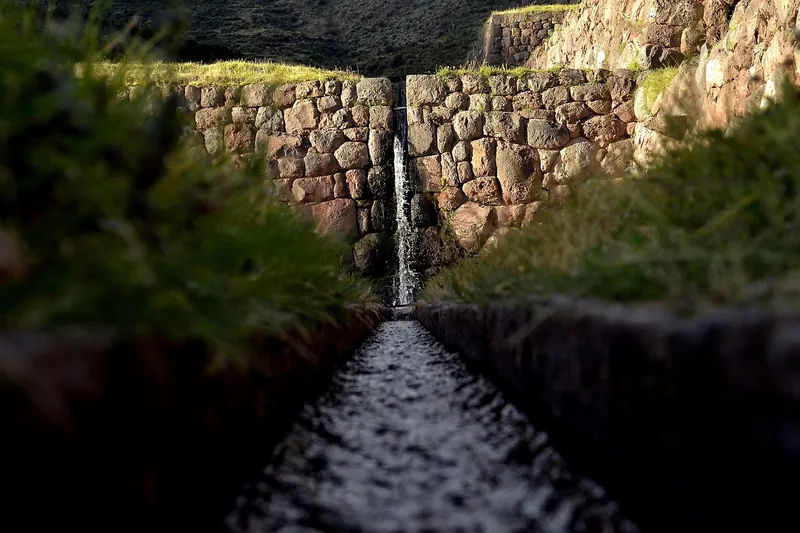
What to see in the Sacred Valley of the Incas?
See Pisac, Ollantaytambo, Chinchero and Moray, the four sites of the official Circuit III; add Salineras de Maras only if you have time and a separate ticket.
Pisac occupies the mountain above the village. Terraces follow the terrain and archaeological sectors spread across a vast area. Drive up to the entrance and walk down according to your fitness; walking up from the village takes far more time and energy.
Ollantaytambo holds monumental terraces facing a town whose Inca layout is still legible. The main climb is short, steep and exposed to the sun. Afterwards, walk the stone streets and canals. The place works both as an attraction and as a lodging base.
Chinchero combines an archaeological site, a colonial church and textile demonstrations. Ask beforehand whether the presentation requires a purchase; you can thank them without buying a product. Moray features circular terraces with huge visual impact, but the visit is usually shorter.
Salineras de Maras is not included in the Tourist Ticket. The thousands of salt pools make a photogenic detour, but the ticket and logistics are separate. Include Maras with Moray, not with Pisac and Ollantaytambo on the same day.
Pisac or Ollantaytambo: which one to choose?
Choose Pisac for a round trip from Cusco; choose Ollantaytambo if you’ll continue by train to Machu Picchu or want to sleep in a historic village.
| Criterion | Pisac | Ollantaytambo |
|---|---|---|
| Landscape | Wide valley views | High walls and a narrow valley |
| Archaeology | Scattered sectors | Concentrated, steep complex |
| Logistics | Better for returning to Cusco | Better before the train |
| Minimum time | 3 hours with transport | 3–4 hours including the village |
| Profile | Hiking and market | History and overnight stay |
Pisac can take up almost a full day when you cover distant sectors and visit the market. Ollantaytambo works as a half-day visit, but sleeping there avoids a tiring return. Families with reduced mobility should consider the stairs at both; the main views require a climb.
If the train leaves from Ollantaytambo the next day, take your luggage to a hotel in the village and visit the site in the afternoon. You skip a multi-hour return to Cusco.
How much does the Sacred Valley Tourist Ticket cost?
The Partial Tourist Ticket III costs about R$105 (S/70, Aug/2026) for foreigners, is valid for 2 days and includes Pisac, Ollantaytambo, Chinchero and Moray.
The full ticket costs about R$195 (S/130, Aug/2026), is valid for 10 days and includes the Cusco, South Valley and Sacred Valley circuits. Compare only if you’ll really visit additional attractions. Check the official COSITUC price list.
Real cost of an independent day: R$255–405 per adult (Aug/2026) = R$105 for the partial ticket + R$100–220 for shared transport or a split driver + R$50–80 for food and water. Salineras, guide and lodging are extra.
The math changes with the group. Four people can split a car and save time; one person usually saves with a tour or colectivos. Ask the operator for the exact list of included entrances. “Full Sacred Valley” doesn’t always include the Tourist Ticket or Maras.
The Partial Ticket III is valid for 2 days, so there’s no need to rush. Splitting Pisac and Ollantaytambo lets you visit both calmly, using the second day to finish at a train station.
How to visit the Sacred Valley from Cusco?
Leave Cusco before 07:30 by colectivo, car or tour; use Pisac for an eastern route and Chinchero–Moray–Ollantaytambo for the western axis.
Colectivos are cheap and serve the villages, but they don’t drop you automatically at the entrance of every site. Local taxis fill in the gaps. Confirm the return point and don’t count on the last vehicle. A car with a driver is the most flexible choice for two to four people.
A tour handles navigation and a guide, with a pace set by the group. Check whether the day ends in Cusco or allows drop-off in Ollantaytambo. If you’re carrying luggage, confirm space and responsibility for the bags before paying.
There’s confirmed Civitatis coverage for the region. Compare the Sacred Valley of the Incas tour with the Chinchero, Moray and Maras tour. Check entrances and the endpoint before booking:
 See activities in Cusco on GetYourGuide ›
For other combinations, see the activities in Cusco. The Tourist Ticket and the Maras entrance may be charged separately, even when transport appears in the package.
Use the general widget to compare duration and language, not to add attractions to the same day without recalculating the hours on the road.
To prepare for the altitude and the start of your trip, read Cusco and acclimatization, the regional pillar. Then use the Machu Picchu guide and check how to buy the official ticket.
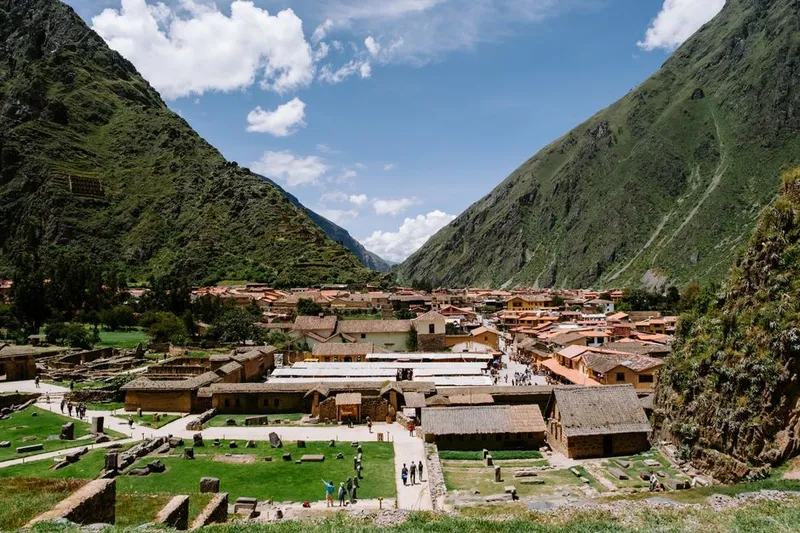
Where to stay in the Sacred Valley?
Sleep in Cusco when your flight, restaurants and other tours leave from the city. Stay in Ollantaytambo when you’ll continue to Machu Picchu or want to visit the site before the groups arrive. Urubamba has spacious hotels and a central position, but requires transport for almost everything.
Pisac favors retreats, the market and a slower pace. The distance to Ollantaytambo makes it an inconvenient base for the morning train. Before booking a rural stay, confirm the road, nighttime reception and taxi cost.
Where to stay in Cusco
| Hotel | Rating | |
|---|---|---|
| Maytaq Wasin Boutique HotelNear Plaza de Armas · On Santa Catalina Ancha, 342 | 9,2370 reviews | See prices |
| Novotel CuscoNear Plaza de Armas · On San Agustin, 239 | 9,0735 reviews | See prices |
| Antigua Casona San BlasSan Blas · On Calle Carmen Bajo, 243, San Blas | 9,71.228 reviews | See prices |
| Casa Encuentro San BlasSan Blas · On Calle Tandapata, 670 | 8,3656 reviews | See prices |
| Tierra Viva Cusco San BlasSan Blas · On Calle Carmen Alto, 194, San Blas | 9,2249 reviews | See prices |
| Hotel Hacienda Cusco Centro HistoricoCity centre / San Pedro · On Calle Nueva Alta, 643 | 8,52.859 reviews | See prices |
| Union Hotel CuscoCity centre / San Pedro · On Calle Unión, 189 | 8,2929 reviews | See prices |
| Hotel Monasterio San PedroCity centre / San Pedro · On Calle Ccascaparo, 116 | 8,31.517 reviews | See prices |
Booking.com rating on 30/09/2026
What nobody tells you?
- The Tourist Ticket does not include Salineras de Maras.
- A “full” tour may charge the ticket and lunch separately.
- Archaeological Pisac sits above the village; walking up takes hours.
- Ollantaytambo has steep stairs and strong sun.
- A textile demonstration can end with pressure to buy.
- The last colectivo is not a safe time to structure your day around.
Altitude varies within the valley; Ollantaytambo sits lower than Cusco, but sites like Chinchero and Moray climb again. Bring water, sunscreen, a hat and a wind layer. One day in the valley doesn’t replace acclimatization for those arriving straight from sea level.
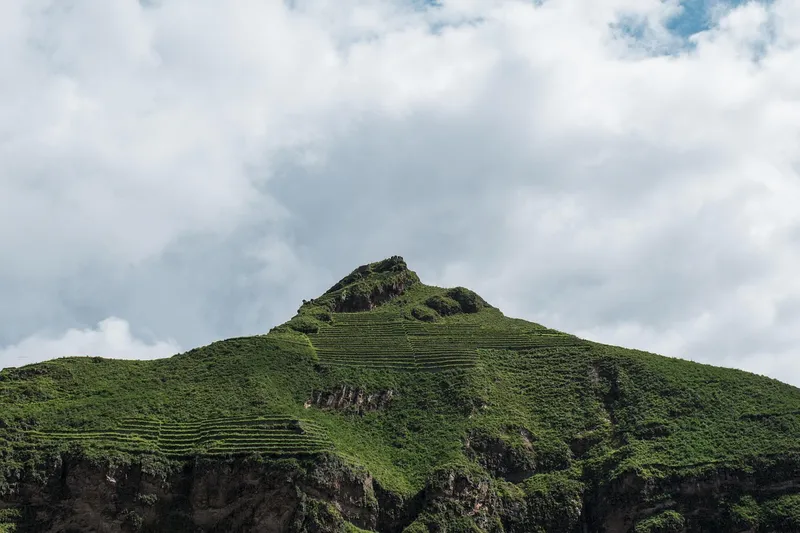
The useful curiosity is agricultural: the terraces weren’t decoration. They controlled soil, water and microclimates, which is why they appear at such different scales in Pisac, Ollantaytambo and Moray.
How to split the Sacred Valley over two days?
On the first day, leave Cusco for Pisac, visit the archaeological sector before the market and return without adding Ollantaytambo. This plan leaves time to walk down from the complex calmly, have lunch in the village and take in the landscape. If you rely on colectivos, ask at the drop-off where the return happens and what the last useful departure is.
On the second day, take your luggage along the Chinchero and Moray route, add Maras only when transport is arranged and finish in Ollantaytambo. Check in, walk the historic streets and enter the site in the late afternoon. The train to Machu Picchu works best the next morning; a same-night connection throws away the margin you just gained.
This split uses the 2-day validity of the partial ticket and avoids crossing the valley from end to end. It also spreads out the climbs: Pisac stands alone on the first day, while Chinchero, Moray and Ollantaytambo fill the second. If it rains hard, cut Maras before reducing time at the final site.
Anyone with only one day should drop the idea of “seeing everything.” Choose Pisac with a return to Cusco, or choose Chinchero, Moray and Ollantaytambo with an overnight stay. The decision preserves at least 60–90 minutes at each attraction, the minimum time to walk beyond the parking lot and understand the place.
 HotelAs soon as you have datesCompare neighbourhoods and guest ratings.See hotels ↑
- More activitiesTo compareTickets, day trips and tours with flexible cancellation.GetYourGuide ›
Frequently asked questions
How many days should you spend in the Sacred Valley?
Spend 2 days in the Sacred Valley to separate Pisac from Chinchero, Moray and Ollantaytambo. One day works with a clear focus; 3 days let you sleep in Ollantaytambo and continue to Machu Picchu without rushing.
What is the altitude of the Sacred Valley?
The Sacred Valley varies in altitude: Ollantaytambo sits near 2,800 meters, Pisac around 2,970 meters and Chinchero goes above 3,700 meters. The difference affects your breath, the temperature and walking time.
Is it better to sleep in Cusco or Ollantaytambo?
Sleep in Cusco for restaurants and city tours; choose Ollantaytambo before the train to Machu Picchu. One night in the village cuts the morning travel and leaves 3–4 hours for the archaeological site.
Which attractions are included in the Sacred Valley Ticket?
Circuit III of the Tourist Ticket includes Pisac, Ollantaytambo, Chinchero and Moray. The partial validity is 2 days. Salineras de Maras charges a separate entrance and is not part of the official list.
Conclusion
Define one axis, buy the right ticket and choose the base that cuts down on travel. Pisac and Ollantaytambo don’t compete; they serve different trips. Keep reading Voyage Voyage to connect the valley with acclimatization in Cusco and your Machu Picchu timing.