What to do in Cusco without ruining your Machu Picchu trip starts with an unglamorous decision: don’t spend your first day at 11,150 feet climbing staircases, downing pisco sours, and rushing into a city tour. Sleep, hydrate, eat light meals, and save the Sacred Valley for when acclimatization is working in your favor.
The best itinerary puts Cusco at the start, descends to the Sacred Valley, and only then reaches Machu Picchu; this way you reduce the strain of altitude without cutting out the essential sites. With five full days, there’s time for the city, Pisac, Ollantaytambo, and the citadel without any reckless scheduling.
How many days to acclimatize in Cusco?
For most travelers, one calm night in Cusco and a second day with light activity already create a useful buffer. That’s no guarantee against soroche: altitude response varies, and intense headaches, shortness of breath at rest, or progressive worsening call for medical attention. Don’t treat coca leaves or tea as substitutes for rest and travel insurance.

Upon arrival, stay near the Plaza de Armas or in San Blas only if the short uphill walk to your hotel isn’t an issue. Stroll through the center at a leisurely pace, eat something simple, and postpone Sacsayhuamán or Rainbow Mountain. The temptation to make the most of every hour is exactly what breaks the itinerary on day three.
If you’re coming from Lima or sea level, the best investment is a night with a free-cancellation window. Those arriving from Arequipa or Lake Titicaca may already be more adapted, but should still respect their body’s signals. Stay hydrated, sleep well, and keep your backpack light on the first outing.
Sacred Valley before or after Machu Picchu?
The Sacred Valley before Machu Picchu is the most efficient order: you descend from Cusco to Pisac, Urubamba, or Ollantaytambo, visit important ruins, and sleep at a lower elevation. The next day, the train to Aguas Calientes departs from Ollantaytambo, avoiding a return to Cusco just to switch transportation.
Start with the market and archaeological park of Pisac, then head to Moray, Maras, or Chinchero depending on your time. Ollantaytambo deserves a night, not just a bus stop: its Inca streets, the fortress, and the station form a natural transition. To organize without driving on unfamiliar roads, the Sacred Valley of the Incas tour helps connect the sites in one day.
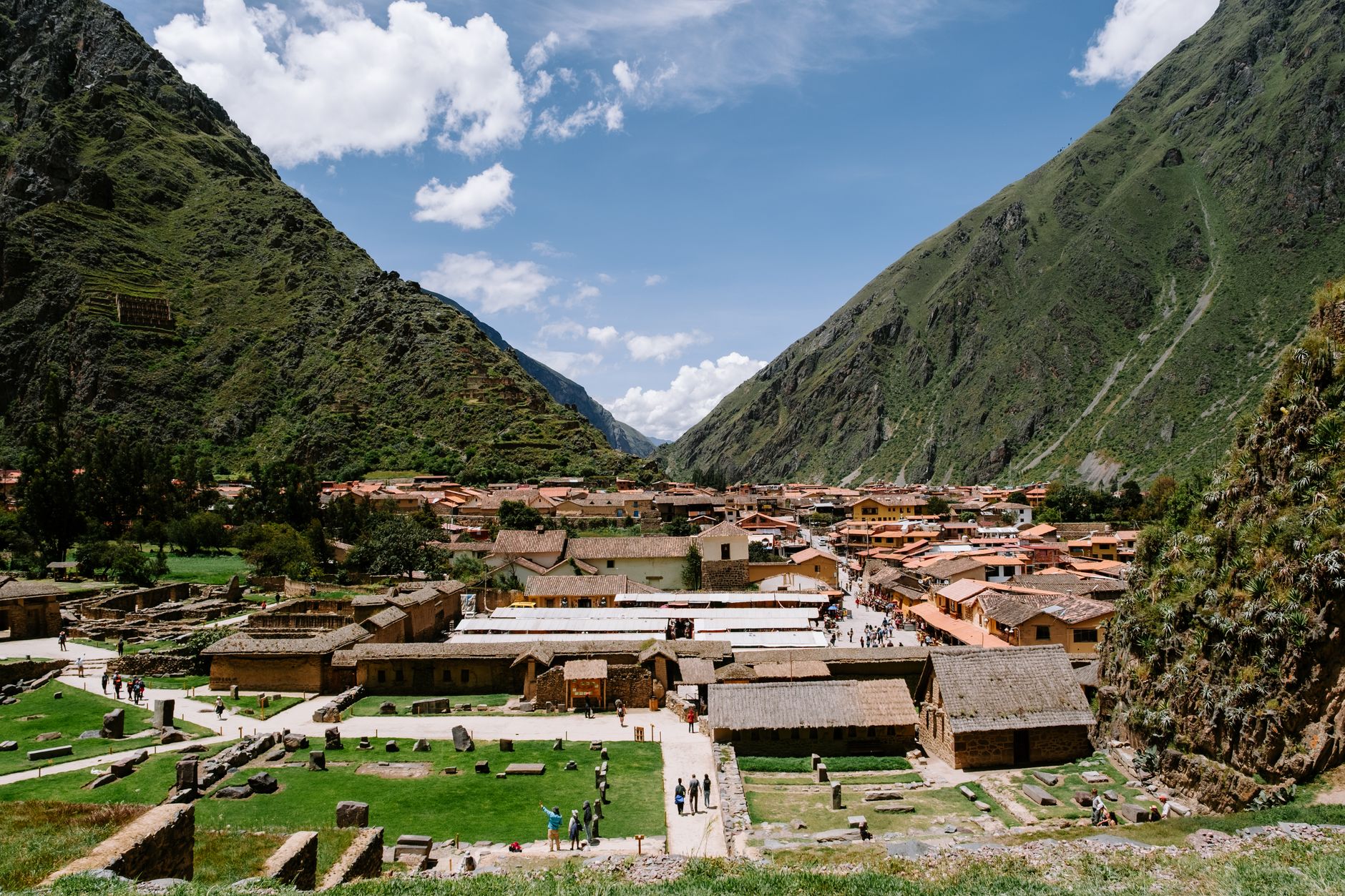
Before choosing an activity, check whether it ends in Cusco or the Sacred Valley and whether your luggage can come along. This seemingly small difference determines whether the next day starts with a walk to the train or three extra hours on the road.
Before moving on, check the schedules and departure point so the next itinerary decision doesn’t depend on improvisation.
After checking the widget, look at the logistics coldly: a day trip works for those sleeping in Cusco; for Machu Picchu the next day, transfer your luggage to Ollantaytambo and stay there. Confirm where the tour ends and the station’s cutoff time. A missed train reservation costs far more than a planned taxi.
What is the Cusco Tourist Ticket?
The Cusco Tourist Ticket is an integrated entry pass for various sites and museums run by the local cultural circuit. There are partial and general versions; they don’t replace the Machu Picchu entry. Confirm included sites, validity, and price on the official channel before buying, as composition and conditions can change.
Use the ticket when your itinerary actually passes through Sacsayhuamán, Qenqo, Pisac, Ollantaytambo, Moray, or museums covered by your chosen tier. Don’t buy the broadest version just because it seems like a deal: compare the sites you can actually visit without sacrificing acclimatization. The official Peru tourism page is a good starting point for general destination info; for citadel rules, also check the official Machu Picchu portal.
Keep your voucher in a dry place and take a photo of it. At sites with entry control, have an ID matching your reservation. This care also applies to the nominal Machu Picchu ticket, which should be purchased in advance, especially during holidays and high season.
Cusco and Sacred Valley itinerary in five days
Day 1: arrive in Cusco, check in, Plaza de Armas, light lunch, and rest. Day 2: historic center and, only if you’re feeling well, a short visit to Sacsayhuamán. Day 3: Pisac, Moray, and Ollantaytambo, sleeping in the Sacred Valley. Day 4: early train, Machu Picchu, and a night in Aguas Calientes or a scheduled return. Day 5: travel with no rigid commitments.
With six days, add a night after Machu Picchu or choose a free day in Cusco. The Machu Picchu in Peru guide details the citadel visit; read it before deciding on train and circuit. Seven days allow for Maras, Chinchero, and a museum without that checklist feeling. Those arriving from the south can compare the logistics of Arequipa in three days before finalizing the route.

Don’t save Rainbow Mountain for day two. It’s high, requires a pre-dawn drive, and deserves to be skipped without guilt while your body is still adapting. Those with limited days will see more, and better, by prioritizing the historic axis of Cusco, the Sacred Valley, and Machu Picchu.
How not to miss Machu Picchu
Machu Picchu operates with a ticket per circuit and time slot; buy on the official channel and carefully check name, ID, date, and route. Train, shuttle bus, and entry are separate pieces of the same puzzle. Don’t plan the citadel for the same day you arrive in Cusco, and don’t count on flexibility if it rains or transport is delayed.
Build in a buffer between arriving in Aguas Calientes and your access time. Bring your passport, ticket, and rain poncho; the weather changes quickly. For the return, check the correct station—Ollantaytambo and Poroy aren’t interchangeable. The Machu Picchu ticket is not included in the Cusco Tourist Ticket. Confirm the circuit before paying, because the route determines where you can walk.
Practical tips for Cusco
Pack layers, sunscreen, a reusable water bottle, and cash for small purchases. The light is intense even on cool days. Agree on taxi fares before getting in, use ATMs in busy areas, and don’t accept pushy “help” at ticket offices or stations.
Eat early the night before Machu Picchu, charge your phone, and keep copies of all your reservations. Hotels in the Sacred Valley usually arrange transfers, but confirm whether the service ends at the station. If you’re into food, use Cusco to try Andean cuisine without turning every meal into a must-do activity.
Frequently Asked Questions
How many days do you need to acclimatize in Cusco?
Cusco usually calls for one quiet night and a light second day to start adjusting, but every body reacts differently. Rest, stay hydrated, and seek medical attention if symptoms are severe or persistent.
What is the Cusco Tourist Ticket?
The Cusco Tourist Ticket is an integrated pass for several archaeological sites and museums in the region. It has its own tiers and validity, and it doesn’t replace the named-entry ticket for Machu Picchu.
Sacred Valley before or after Machu Picchu?
The Sacred Valley before Machu Picchu is the most practical order: you sleep at a lower altitude than Cusco and reach Ollantaytambo, where trains to Aguas Calientes depart.
Is it possible to visit Machu Picchu without staying in Aguas Calientes?
It’s possible to visit Machu Picchu as a day trip from Ollantaytambo or Cusco, as long as train, bus, and entry times are well coordinated. Staying in Aguas Calientes takes the logistical pressure off.
Conclusion
In Cusco, the smartest itinerary isn’t the one that packs in the most ruins. It’s the one that works with the altitude, slots the Sacred Valley between your arrival and Machu Picchu, and leaves room for the unexpected. Voyage Voyage can be your home base for mapping out that route.