 Marcelo Oliveira
Cusco beyond Machu Picchu has Inca ruins right in its historic center, a seven-colored mountain 3 hours away by road, and a coca tea culture that raises questions at customs on the way home. Cusco, Peru sits at 3,399 m of altitude and is the base for Machu Picchu, the Sacred Valley of the Incas, and the 7 Colors Mountain: the sweet spot is 4 to 6 days, with 1 acclimatization day, using the Cusco Tourist Ticket to enter the main sites.
Hotels in Cuscofree cancellation options onlySee hotels ›Booking.com partner (advertising): we may earn a commission at no extra cost to you.
Anyone who arrives thinking 1 or 2 days is enough usually trades acclimatization for a headache and leaves Cusco without seeing anything beyond the Inca citadel. The city and its surroundings make for a full DIY itinerary — ruins, markets, food, and a 5,000 m mountain that demands preparation.
| Location | Cusco Region, southeastern Peru, at 3,399 m of altitude |
|---|---|
| How many days to stay | 4 to 6 days, with 1 acclimatization day before treks or Vinicunca |
| Main ticket | Cusco Tourist Ticket (BTC) — price and circuits: check the official COSITUC website (Aug/2026) |
| How to get there | Fly into Alejandro Velasco Astete Airport (CUZ), with a connection in Lima on most routes from Brazil |
| Documents for Brazilians | Valid passport or ID card for travel to Peru (Mercosur agreement), no tourist visa required — confirm with Itamaraty before boarding |
| Nearby places | Sacsayhuamán (2 km from downtown), Sacred Valley of the Incas (30-70 km), 7 Colors Mountain (100 km), Machu Picchu (110 km, by train) |
What to do in Cusco beyond Machu Picchu?
Cusco offers Inca ruins just minutes from downtown (Sacsayhuamán, Qenqo, Tambomachay), the Sacred Valley of the Incas with markets and agricultural terraces, the 7 Colors Mountain (Vinicunca), and a colonial historic center built on top of Inca foundations. You can fill 3 to 4 full days just in the Cusco region, not counting your time at Machu Picchu.
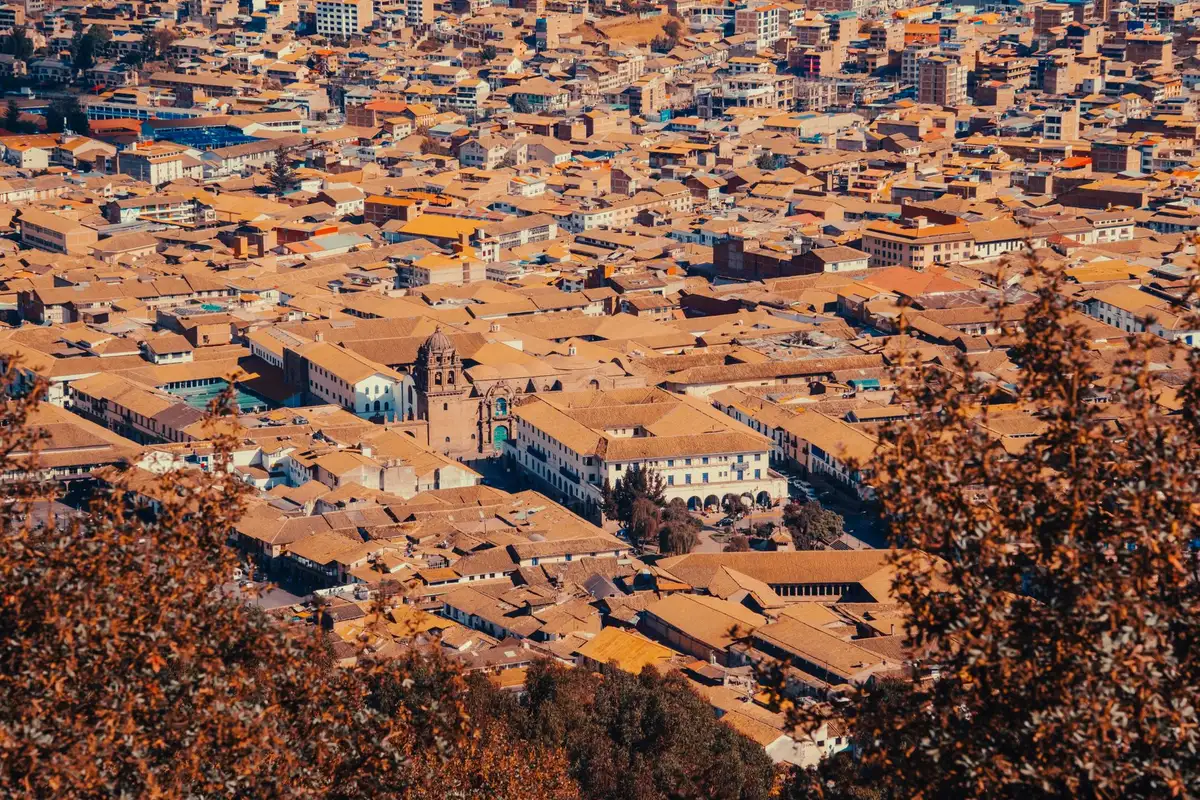
Plaza de Armas is home to the Cusco Cathedral and the Church of the Society of Jesus, both built over Inca temples destroyed by the Spanish conquest. Hatun Rumiyoc street, with the famous 12-angled stone fitted without mortar, is a 5-minute walk away. The San Blas neighborhood, in the upper part of the city, gathers artisan studios, viewpoints, and the best cafés in town — worth setting aside a whole afternoon with no rush, since the steep hills at altitude tire you out more than they seem to.
 See activities in Cusco on GetYourGuide ›
How many days are worth staying in Cusco?
The ideal is to set aside 4 to 6 days in Cusco and its surroundings, with the entire first day dedicated only to acclimatization, no treks or high-altitude tours. Anyone arriving straight from Lima or Brazil and heading out to hike right away feels the soroche (altitude sickness) more strongly.
An itinerary that works in practice: day 1, arrival and rest, walking slowly around downtown; day 2, city tour through Sacsayhuamán and surroundings; day 3, Sacred Valley of the Incas; day 4, Machu Picchu (dawn departure); day 5, 7 Colors Mountain (the most physically demanding day, best left for after you’re acclimatized); day 6, free time or shopping in San Blas. If you only have 3 days, you need to choose between Vinicunca and the Sacred Valley — doing both in that time, plus Machu Picchu, makes the trip exhausting and increases the risk of altitude sickness.
Where to stay in Cusco
| Hotel | Rating | |
|---|---|---|
| Maytaq Wasin Boutique HotelNear Plaza de Armas · On Santa Catalina Ancha, 342 | 9,2370 reviews | See prices |
| Novotel CuscoNear Plaza de Armas · On San Agustin, 239 | 9,0735 reviews | See prices |
| Antigua Casona San BlasSan Blas · On Calle Carmen Bajo, 243, San Blas | 9,71.228 reviews | See prices |
| Casa Encuentro San BlasSan Blas · On Calle Tandapata, 670 | 8,3656 reviews | See prices |
| Tierra Viva Cusco San BlasSan Blas · On Calle Carmen Alto, 194, San Blas | 9,2249 reviews | See prices |
| Hotel Hacienda Cusco Centro HistoricoCity centre / San Pedro · On Calle Nueva Alta, 643 | 8,52.859 reviews | See prices |
| Union Hotel CuscoCity centre / San Pedro · On Calle Unión, 189 | 8,2929 reviews | See prices |
| Hotel Monasterio San PedroCity centre / San Pedro · On Calle Ccascaparo, 116 | 8,31.517 reviews | See prices |
Booking.com rating on 30/09/2026
What is the Cusco Tourist Ticket and what does it include?
The Boleto Turístico del Cusco (BTC), managed by COSITUC, is the single ticket that grants access to most of the region’s archaeological sites and museums — Sacsayhuamán, Qenqo, Puka Pukara, Tambomachay, plus spots in the Sacred Valley like Pisac, Ollantaytambo, Chinchero, and Moray, and some municipal museums. Machu Picchu has a separate ticket and is not included.
There are partial circuits and the general ticket, valid for consecutive days. Since the price and the exact list of included sites change periodically, confirm price, circuits, and sales points on the official COSITUC website before finalizing your itinerary — buying individual tickets at each site costs more than the combined ticket.
| Circuit | What it covers | Best for |
|---|---|---|
| General ticket | City + Sacred Valley + museums (10-day validity) | those staying 4+ days in the region |
| Circuit 1 (city) | Sacsayhuamán, Qenqo, Puka Pukara, Tambomachay | those with only 1-2 days |
| Circuit 2/3 (Sacred Valley) | Pisac, Ollantaytambo, Chinchero, Moray and others | those already dedicating a day to the Valley |
Is the 7 Colors Mountain (Vinicunca) worth it?
It’s worth it for anyone already acclimatized and up for a high-altitude hike: the 7 Colors Mountain is about 100 km from Cusco (roughly 3h by road) and the walk to the viewpoint reaches over 5,000 m, higher than any point at Machu Picchu. It’s the most beautiful and most physically demanding tour in the region — and the one where the most people give up halfway because of soroche.
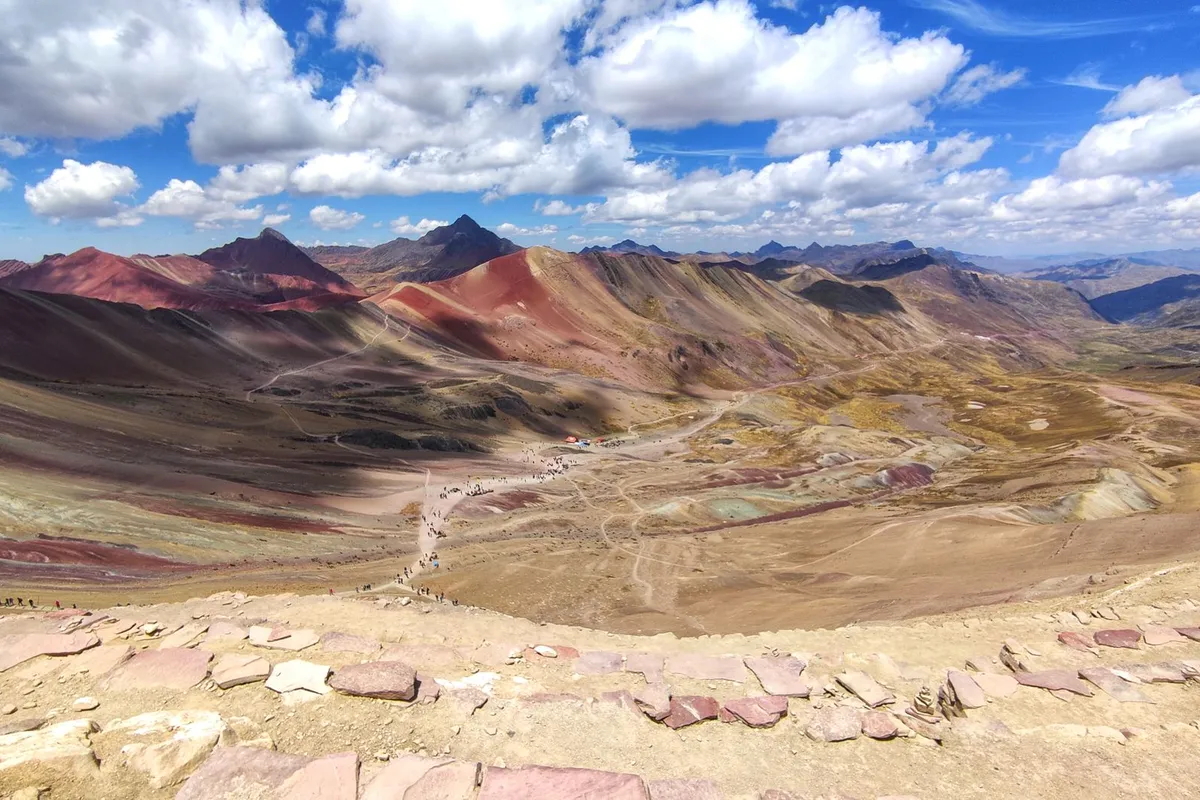
The tour leaves at dawn (usually between 3am and 4am) to reach the trailhead early and avoid fog at the top. Price, departure time, and difficulty level vary by operator — confirm directly with the agency you choose, and anyone with a history of respiratory or heart problems should talk to a doctor before facing the altitude on the route. If you prefer to book with transport and guide included, you can reserve a guided tour of the Sacred Valley in advance, fitting Pisac and Ollantaytambo into the same day.
How does coca tea help against soroche (altitude sickness)?
Coca tea (mate de coca) is made with fresh coca leaves, offered for free at nearly every hotel and restaurant in Cusco, and is the most locally recommended home remedy against soroche — the nausea, headache, and shortness of breath caused by altitude. The effect is mild and stimulating, similar to a strong mate tea, and has no pharmacological relation to refined cocaine.
Besides the tea, coca candies and Soroche Pills are also sold — an over-the-counter medicine in Peruvian pharmacies based on acetazolamide or similar — worth asking the local pharmacist about contraindications before using, especially if you take other medications. Drinking plenty of water, avoiding alcohol on the first day, and ascending slowly remain the most effective measures, with or without coca tea.
Can you bring coca tea or coca leaves to Brazil?
It is not allowed. Coca leaf is a raw material controlled by the Brazilian Drug Law (Law No. 11,343/2006), and transporting it to Brazil — even in small amounts, even to make tea — can be classified as drug trafficking, according to a ruling by the STJ (Brazil’s Superior Court of Justice). Industrialized coca tea sachets fall under the same restriction, since they contain the leaf.
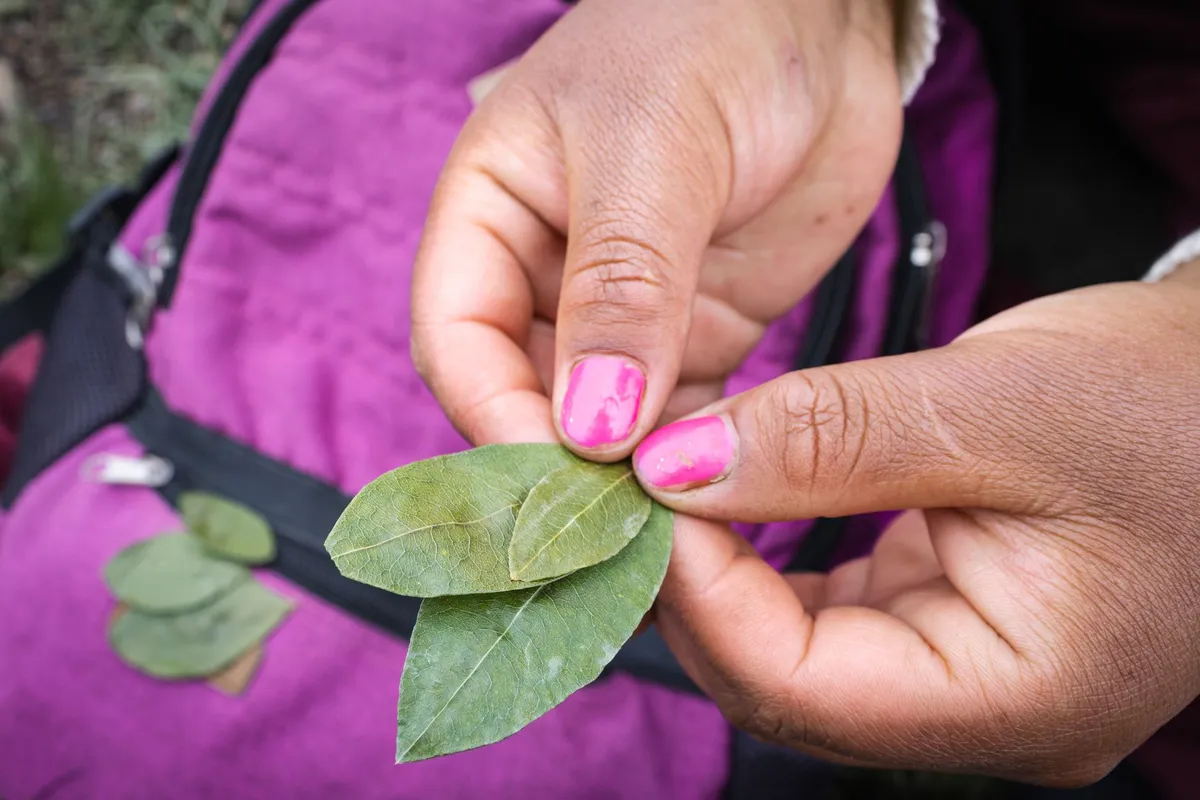
In practice, drinking the tea while you’re in Cusco is normal and causes no problem at all; the risk starts if the leaf or tea goes in your luggage on the way back. If you want to bring home a real souvenir without customs risk, opt for handicrafts, Andean textiles, or Peruvian coffee, which don’t have this restriction.
Is the Sacred Valley of the Incas worth the extra day?
Yes, especially for those who enjoy ruins less crowded than Machu Picchu and local markets: the Sacred Valley of the Incas brings together Pisac (handicraft market and agricultural terraces), Ollantaytambo (Inca fortress and village with original streets), and Chinchero, all covered by the Tourist Ticket. It’s a full-day tour, usually done by shared van or a tour leaving Cusco in the morning.
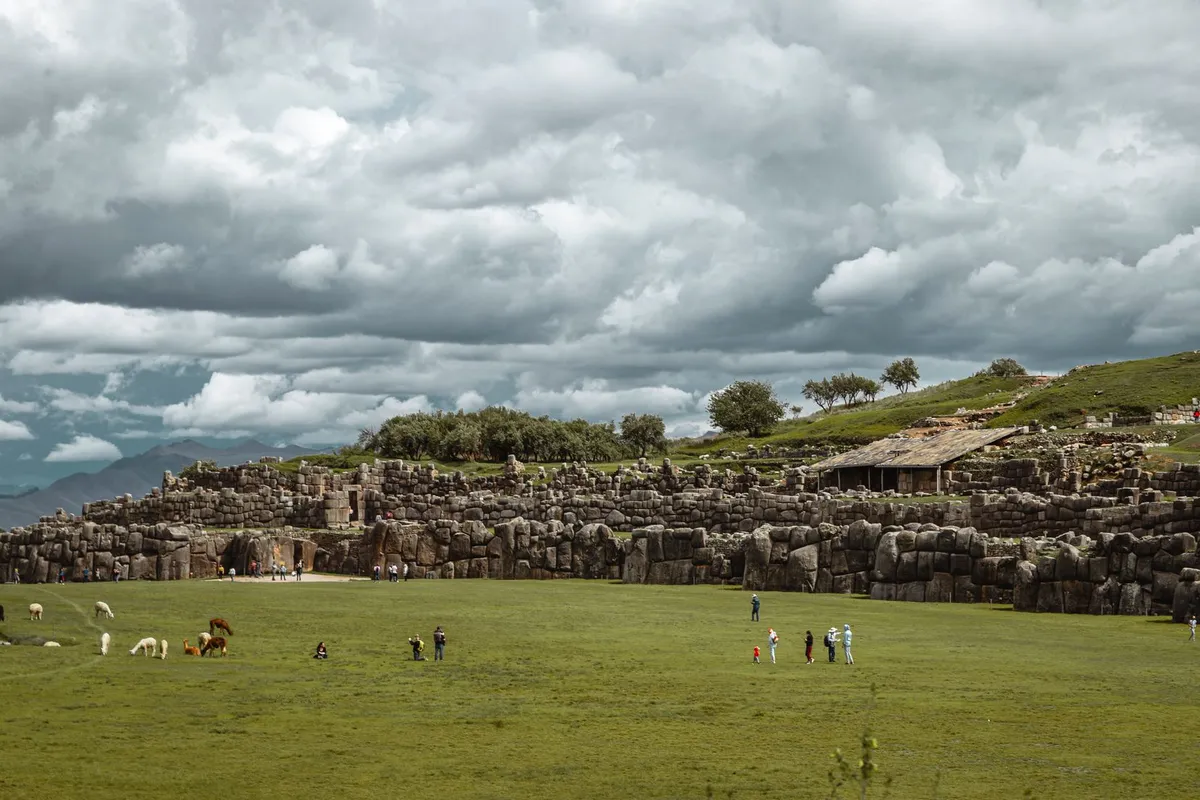
If you’re taking the train to Machu Picchu from Ollantaytambo, you can visit the local ruins before boarding, fitting the Sacred Valley into the same day as the trip to Aguas Calientes — saving an extra transfer and cutting down total road time on the trip.
Where to eat and what to try in Cusco?
Cusco has a food scene beyond basic tourism: Andean ceviche, rocoto relleno (spicy stuffed pepper), chairo (thick meat and potato soup), and chicha morada (a non-alcoholic purple corn drink) show up at any local neighborhood restaurant. Mercado de San Pedro, near downtown, is where cusqueños do their shopping — and where you can eat cheaply and try Andean fruits little known outside Peru.
If you want something guided, a food tour combined with a stop at the market usually includes a pisco sour tasting and an explanation of Andean ingredients, which helps a lot if you arrive not knowing what to order. Worth setting aside 1 special meal to try cuy (roasted guinea pig), a traditional Andean dish that divides tourist opinions.
 HotelAs soon as you have datesCompare neighbourhoods and guest ratings.See hotels ↑
- More activitiesTo compareTickets, day trips and tours with flexible cancellation.GetYourGuide ›
Frequently asked questions
How high above sea level is Cusco?
Cusco sits at 3,399 meters of altitude, which is already enough to cause soroche in some visitors arriving straight from sea-level cities, like Brazilian capitals.
Do Soroche Pills really work against altitude sickness?
Soroche Pills are sold over the counter in Peruvian pharmacies and help reduce mild altitude sickness symptoms for many people, but they don’t replace gradual acclimatization and aren’t meant for those with severe symptoms — in that case, seeking medical care is the right move.
Is Cusco a safe city for tourists?
Cusco is considered safe for tourists in the central and tourist areas, as long as you take the basic precautions of any big city: avoid carrying valuables in plain sight at night, use app-based or licensed taxis, and stay alert to common scams in crowded tourist spots.
How much does it cost to travel to Cusco per day, on average?
The daily cost in Cusco varies a lot depending on travel style, adding up lodging, food, local transport, and tours — it’s worth building your budget item by item (hotel, tourist ticket, separately paid tours like Vinicunca and Machu Picchu) instead of estimating a flat amount, since tickets like Machu Picchu weigh more than day-to-day spending in the city.
Do Brazilians need a visa to enter Peru?
Brazilians don’t need a tourist visa to enter Peru on short trips, and can use a passport or ID card according to the agreement between the countries — confirm the required documentation at the time of travel directly with Itamaraty or the airline, since these rules can change.
Conclusion
Cusco delivers far more than a quick stopover before Machu Picchu: between Sacsayhuamán, the Sacred Valley, and the 7 Colors Mountain, the region alone justifies 4 to 6 days of travel, as long as the first is set aside for your body to adjust to the altitude. Take coca tea seriously while you’re there, but leave the leaf in Peru when it’s time to pack. To round out your itinerary with Machu Picchu and other Peruvian destinations, the complete Machu Picchu guide from VoyageVoyage walks you through the ticket and logistics step by step to the Inca citadel.