 Marcelo Oliveira
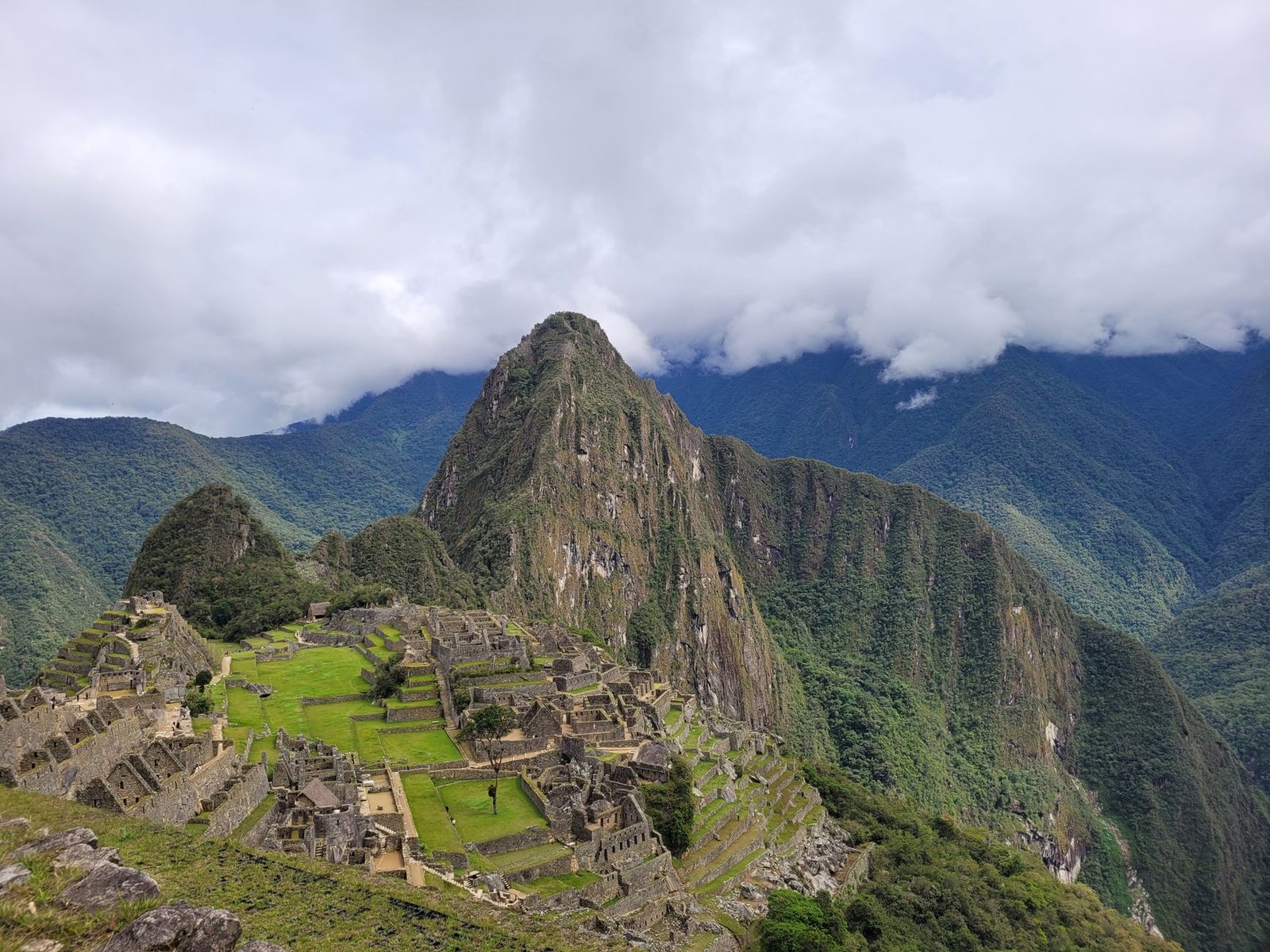
Machu Picchu is the best-preserved Inca citadel in the world—and probably the most photographed in South America. It sits in Peru, at 2,430 meters (7,970 feet) above sea level in the Andes, perched on a narrow ridge between two peaks that seems absurdly impractical for an entire city. From the US, the standard route goes through Lima and then Cusco: it’s about an 8-hour flight from major hubs like Miami or New York to Lima, plus a 1-hour 20-minute domestic flight to Cusco, from where you reach Machu Picchu by train and bus in under 3 hours. The best time to go is between May and October, the dry season in the Andes—but budget ahead of time, because tickets sell out weeks in advance. What surprises most people when they get there is realizing the classic photos don’t show half the scale of the place.
Hotels in Cuscofree cancellation options onlySee hotels ›Booking.com partner (advertising): we may earn a commission at no extra cost to you.
How to get there
The most common route from the US to Machu Picchu starts with a flight to Lima (LIM), Peru’s capital. From Miami (MIA), direct flights are frequent with LATAM and other airlines, lasting about 6 hours. From New York (JFK), expect around 8 hours. Round-trip tickets usually start around $400 in the low season but can climb to $800 or more between June and August. About visas: US citizens do not need a visa for tourist visits to Peru—but always check the current rules on the official Peruvian embassy website before traveling, as they can change.
From Lima, you take a domestic flight to Alejandro Velasco Astete Airport in Cusco (CUZ), lasting 1 hour 15 minutes to 1 hour 20 minutes. Airlines like LATAM Peru and Sky Peru operate this route several times a day; prices range from $40 to $150 depending on how far in advance you book. Heads up: Cusco sits at 3,400 meters (11,150 feet) above sea level—when you arrive, walk slowly, drink plenty of water, and allow at least one day for acclimatization before heading up to Machu Picchu.
From Cusco, most visitors first go to Ollantaytambo (1.5 to 2 hours by car or bus), then take the train to Aguas Calientes—the town at the foot of Machu Picchu mountain—and from there take a bus or hike up to the citadel entrance. The train ride from Ollantaytambo to Aguas Calientes takes about 1 hour 40 minutes and is operated by PeruRail and Inca Rail; book at least 3 weeks in advance during high season, as schedules sell out. From Aguas Calientes, the official bus to the Machu Picchu entrance takes 20 minutes and starts running at 5:30 AM; hiking up takes about 1 hour.
Best time to visit and how long to stay
Peru has two well-defined seasons in the Andes: dry (May to October) and rainy (November to April). The dry season is the tourist favorite—blue skies, dry trails, and full visibility of the mountains. June, July, and August are the busiest months; if you go during this time, buy your tickets 6 to 8 weeks in advance, as the daily visitor limit is 5,600 people and it sells out fast.
For those who prefer fewer crowds and lower prices, April, May, October, and November offer a sweet spot: good weather most of the time, greener fields from recent rains, and tickets available with less lead time. January and February are the rainiest months—frequent fog covers the ruins in the morning, but this creates a unique look for anyone into dramatic photography.
For the visit itself, 1 full day is the minimum to explore the citadel at a relaxed pace. If you include the classic Inca Trail (4 days and 3 nights of trekking), set aside at least a full week including Cusco. Most US visitors spend between 8 and 12 days in Peru, combining Lima, Cusco, the Sacred Valley, and Machu Picchu.
What to see and do at Machu Picchu
The Inca Citadel
“Is it worth it without a guide?” It is—but with a guide, it’s a whole different experience. The citadel has ten numbered circuits, each with specific allowed points. You buy a ticket linked to a circuit and an entry time on the official website of Peru’s Ministry of Culture. Prices in 2025: tickets for Circuit 1 (basic access) start at S/. 152 soles (about $40 USD, exchange rate varies) for adults. Arrive early—the first entries at 6 AM let you see the fog lifting over the terraces, a spectacle you won’t get later in the day.
The main highlights inside the citadel include the Temple of the Sun, the Room of the Three Windows, the Intihuatana (stone solar clock), and the agricultural terraces cascading down the slope. Set aside at least 2 to 3 hours to walk through the archaeological area at a leisurely pace.
The Inca Trail
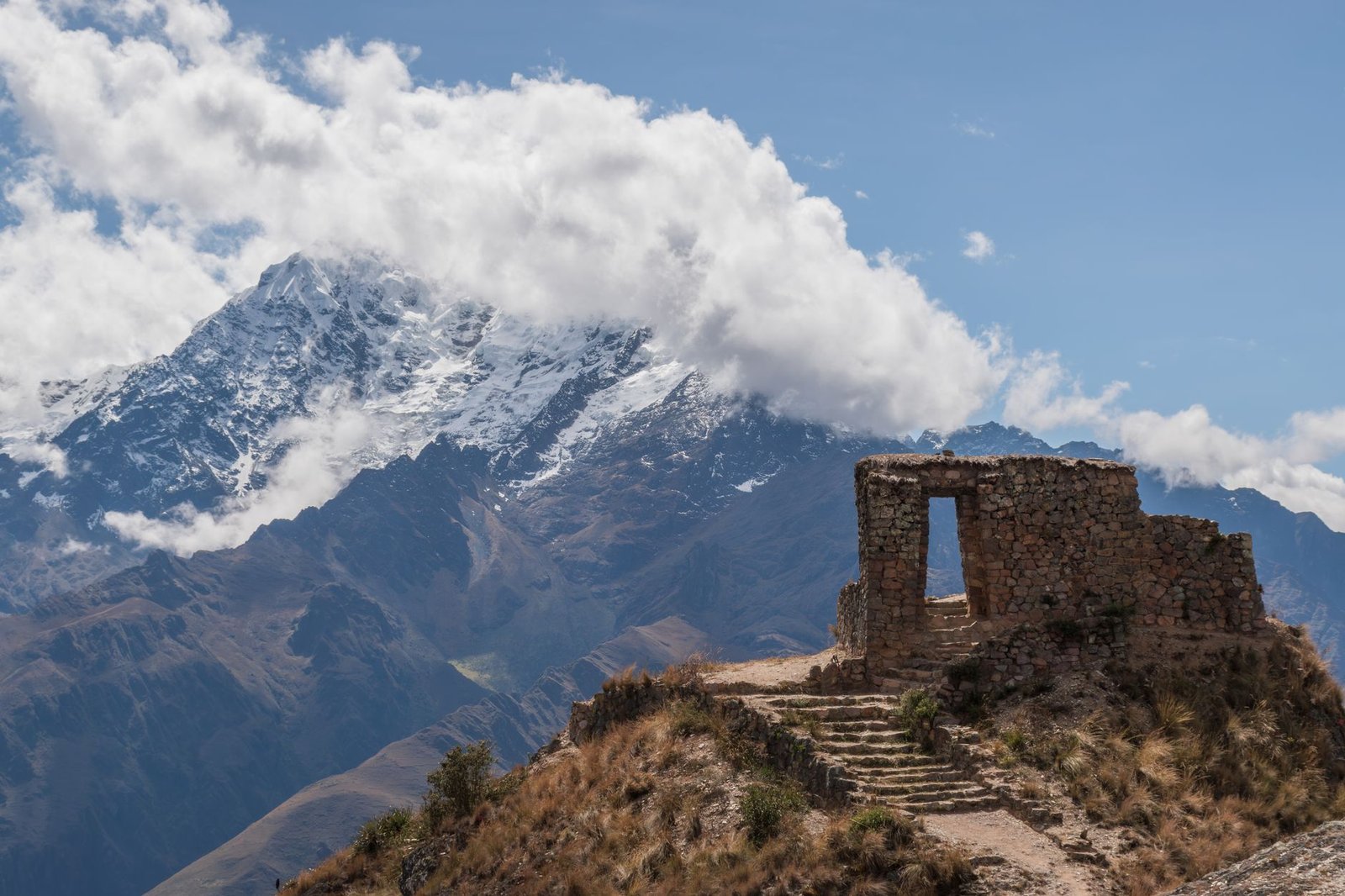
The classic Inca Trail is 26 miles (43 km) long and takes 4 days hiking through the Andes, arriving at Machu Picchu through the Sun Gate (Intipunku) at dawn on the fourth day. It’s a moderate to high-difficulty trek, with sections above 4,200 meters (13,780 feet) in altitude. The number of permits for the Inca Trail is limited to 500 people per day (including guides and porters) and sells out months in advance, especially between June and August—book your spot up to 5 months ahead if you’re going during this time. Those who prefer something less demanding can opt for the Salkantay Trail (5 days) or the Lares Trail (3-4 days), both of which end in Aguas Calientes.
Additional mountains: Waynapicchu and Montana
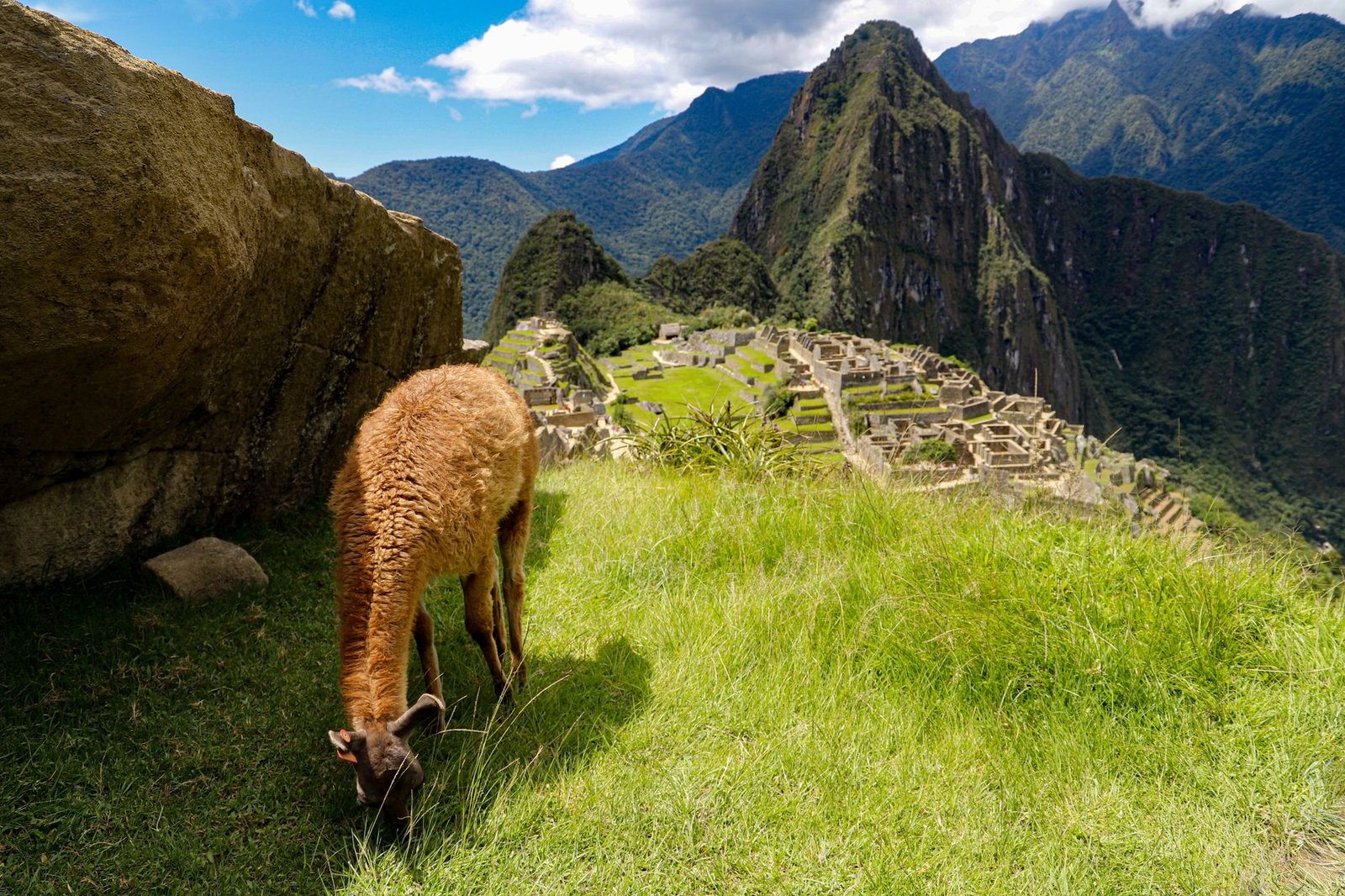
Two peaks can be climbed with an additional ticket: Waynapicchu (that pointy hill in the background of classic photos) and Montana Machu Picchu (the summit above the citadel). Both require a separate ticket with limited availability, purchased along with your main entry. Waynapicchu has a steep climb with stone stairs and no handrails—not recommended if you have a fear of heights. Montana is more accessible and offers a complete aerial view of the ruins.
 See activities in Cusco on GetYourGuide ›
What to combine / surrounding area
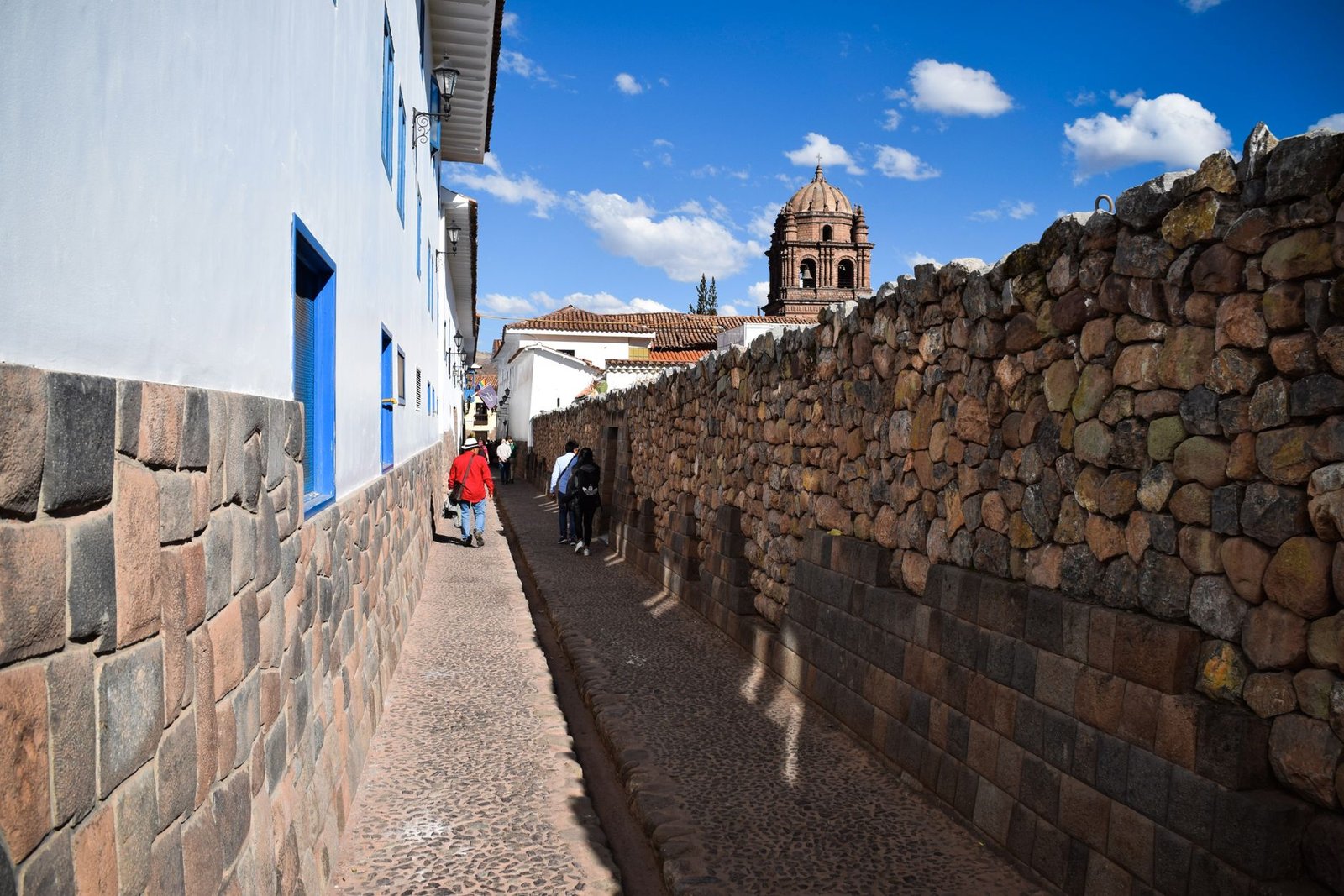
Machu Picchu doesn’t exist in a vacuum—the Peru around it is just as rich. The base for almost every trip is Cusco, the ancient capital of the Inca Empire at 3,400 meters (11,150 feet) above sea level. The city has colonial streets built on Inca foundations, the impressive Plaza de Armas, the Cathedral, and Coricancha (the Inca Temple of the Sun). Set aside at least 2 days there. To learn more about the region’s historical heritage, the official Peru tourism portal and the Wikipedia page on Machu Picchu are good supplementary references.
The Sacred Valley of the Incas, between Cusco and Ollantaytambo, deserves a full-day excursion: it includes the fortress of Ollantaytambo (still inhabited), the Maras salt flats, and the circular terraces of Moray. You can do it by rental car or with a local agency for S/. 70 to 120 soles per person.
For those wanting to extend their South American trip, Lima, the Peruvian capital, is a must-stop on the way in or out—the Miraflores neighborhood has one of the most recognized food scenes on the continent. And if you’re already in the hemisphere, combining Peru with a getaway to Argentina might make sense: check out the complete Buenos Aires guide on Voyage Voyage to plan the extension.
Where to eat
There are no restaurants inside the citadel—when you enter, bring water and a light snack in your backpack (packaged food is allowed; full meals and glass containers are not). After the visit, most people head down to Aguas Calientes, where there are dozens of restaurants along Avenida Imperio de los Incas.
In Aguas Calientes, the most popular dish is lomo saltado—strips of beef sautéed with onion, tomato, and french fries, served with rice. It’s also worth ordering quinoa soup or chupe de camarones (creamy shrimp soup). Restaurants along the riverfront charge between S/. 25 and 50 soles ($7 to $14 USD) per main course. Avoid places with menus only in English and prices in dollars right at the entrance of town—they usually have lower quality for double the price.
In Cusco, the food scene is much more diverse. The San Blas neighborhood has restaurants that blend Andean cuisine with contemporary techniques. Ceviche, cuy (roasted guinea pig, a Peruvian specialty), and causa limeña (a layered yellow potato cake) appear on menus at all price points.
Where to stay
For those who want to wake up closer to Machu Picchu, the option is to stay in Aguas Calientes (officially Machu Picchu Pueblo). Hotels and inns range from $25 to $400 USD per night. Staying there lets you get in for the first 6 AM entry without rushing and avoids the morning train rush from Cusco. The downside: the town has little to do besides the ruins visit.
Most travelers prefer to use Cusco as a base, doing Machu Picchu as a 1- or 2-day excursion. Cusco has many more accommodation options across all price ranges: hostels with dorms from $12 USD a night, boutique hotels in the historic center between $60 and $150, and luxury hotels above that. The Miraflores neighborhood (in Lima) also works well as a starting point for those spending days in the capital before heading to Cusco.
Where to stay in Cusco
| Hotel | Rating | |
|---|---|---|
| Maytaq Wasin Boutique HotelNear Plaza de Armas · On Santa Catalina Ancha, 342 | 9,2370 reviews | See prices |
| Novotel CuscoNear Plaza de Armas · On San Agustin, 239 | 9,0735 reviews | See prices |
| Antigua Casona San BlasSan Blas · On Calle Carmen Bajo, 243, San Blas | 9,71.228 reviews | See prices |
| Casa Encuentro San BlasSan Blas · On Calle Tandapata, 670 | 8,3656 reviews | See prices |
| Tierra Viva Cusco San BlasSan Blas · On Calle Carmen Alto, 194, San Blas | 9,2249 reviews | See prices |
| Hotel Hacienda Cusco Centro HistoricoCity centre / San Pedro · On Calle Nueva Alta, 643 | 8,52.859 reviews | See prices |
| Union Hotel CuscoCity centre / San Pedro · On Calle Unión, 189 | 8,2929 reviews | See prices |
| Hotel Monasterio San PedroCity centre / San Pedro · On Calle Ccascaparo, 116 | 8,31.517 reviews | See prices |
Booking.com rating on 30/09/2026
Practical tips
It’s worth it for: anyone who loves history and archaeology and wants to understand how a people built an entire city on top of a hill without modern technology; also for those seeking a real trek (Inca Trail) or simply wanting to see one of the New Seven Wonders of the World with their own eyes.
Common mistake: going straight from Lima to Machu Picchu without stopping in Cusco for acclimatization. The altitude in Cusco (3,400 m / 11,150 ft) and Machu Picchu (2,430 m / 7,970 ft) can cause altitude sickness—headaches, dizziness, and fatigue. Set aside at least 1 day in Cusco with no intense activities before heading up to Machu Picchu; drink coca leaf tea, avoid alcohol, and rest.
What not to bring to Machu Picchu: camera tripods and monopods are prohibited inside the citadel. Food in non-packaged containers, drones, and plastic bags are also not allowed. Large suitcases can be left at the luggage storage in Aguas Calientes.
Currency: Peruvian sol (PEN). In June 2026, 1 US dollar equals about S/. 3.75 (check the current exchange rate before you go). Credit cards are accepted at larger hotels and restaurants; have soles in cash for local transport, markets, and bus tickets.
Shopping: alpaca textile crafts are the most characteristic souvenir from Peru. In Cusco, the San Pedro Market sells blankets, hats, and scarves at better prices than the tourist shops on Plaza de Armas. Bargain moderately—local artisans work on thin margins.
 HotelAs soon as you have datesCompare neighbourhoods and guest ratings.See hotels ↑
- More activitiesTo compareTickets, day trips and tours with flexible cancellation.GetYourGuide ›
Frequently asked questions
What city is Machu Picchu in?
Machu Picchu is located in the Machu Picchu district, in the Cusco region of Peru. The nearest town is Aguas Calientes (Machu Picchu Pueblo), at the foot of the mountain. The city of Cusco, the logistical base for most trips, is about 3 hours away by train and bus.
How many days is ideal to stay at Machu Picchu?
For just the citadel visit, 1 full day is enough. If you want to include the climb up Waynapicchu or Montana Machu Picchu, plan for 1.5 days. Those doing the Inca Trail need 4 days of hiking plus time in Cusco for acclimatization, totaling at least 7 to 10 days of travel in Peru.
What is the altitude of Machu Picchu?
The Machu Picchu citadel sits at 2,430 meters (7,970 feet) above sea level. The city of Cusco, the starting point for most trips, is at 3,400 meters (11,150 feet). Waynapicchu peak, that hill in the background of classic photos, reaches 2,693 meters (8,835 feet).
Do US citizens need a visa to visit Machu Picchu?
No. US citizens do not need a visa to enter Peru for tourist visits of up to 90 days—a valid passport is sufficient. However, immigration rules can change: always check the Peruvian embassy website or the official Peruvian government portal before you travel.
Why was Machu Picchu abandoned?
The most accepted theory among historians is that Machu Picchu was abandoned by the Incas in the 16th century, shortly after the arrival of Spanish colonizers, possibly due to smallpox epidemics brought by Europeans and the collapse of the Inca Empire. The site was only “rediscovered” by the Western world in 1911, when American explorer Hiram Bingham arrived guided by local residents who already knew of the place’s existence.
Conclusion
Machu Picchu isn’t the kind of place you visit and forget. It stays with you—the scale, the precision of the stonework, the way the mist rolls in and out over the terraces. Whether you’re a history buff, a trekking enthusiast, or just someone ticking off a bucket-list wonder, the journey there is as memorable as the destination itself. Plan ahead, respect the altitude, and give yourself time to soak it all in. You’ll understand why it’s one of the most iconic places on the planet.