If there’s one place in Barcelona that’s a must-see for every traveler, it’s the Expiatory Temple of the Sagrada Familia. This iconic monument isn’t just an architectural masterpiece — it’s also a symbol of awe and emotion for everyone lucky enough to visit it. Designed by the brilliant architect Antoni Gaudí, the “Cathedral” of the Sagrada Familia stands out for its sheer scale and the richness of its details, making it one of the most visited tourist attractions in Europe. In this article, we’ll explore every aspect of this magnificent temple, from its fascinating history to practical tips for making the most of your visit.
Get ready to be enchanted by the Sagrada Familia, a work of art that transcends time and religion and will become an unforgettable symbol of your trip to Barcelona.
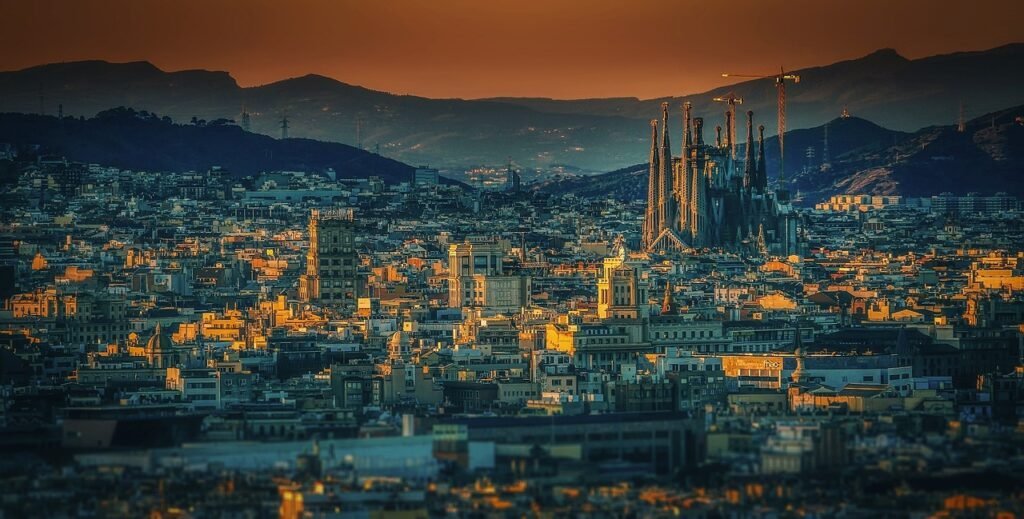
| Book your ticket to visit the Sagrada Familia Temple
Gaudí’s Unfinished Masterpiece in Barcelona
In 1882, the foundation stone of the Sagrada Familia was laid, marking the start of a grand dream envisioned by Josep Maria Bocabella i Verdaguer. The construction, initially designed by architect Francisco de Paula del Villar y Lozano, took an unexpected turn when Antoni Gaudí took the reins in 1883.
The history of the Sagrada Familia begins in 1882, when construction of the temple started. The original project was quite different from what we know today, and it was Antoni Gaudí, in 1883, who took on the responsibility of transforming that initial vision into a one-of-a-kind work of art. Gaudí devoted more than 40 years of his life to the project, and his last 15 years were entirely dedicated to this work. Gaudí’s vision was to create a temple that would be a “Bible in stone,” with every architectural detail carrying deep religious meaning.
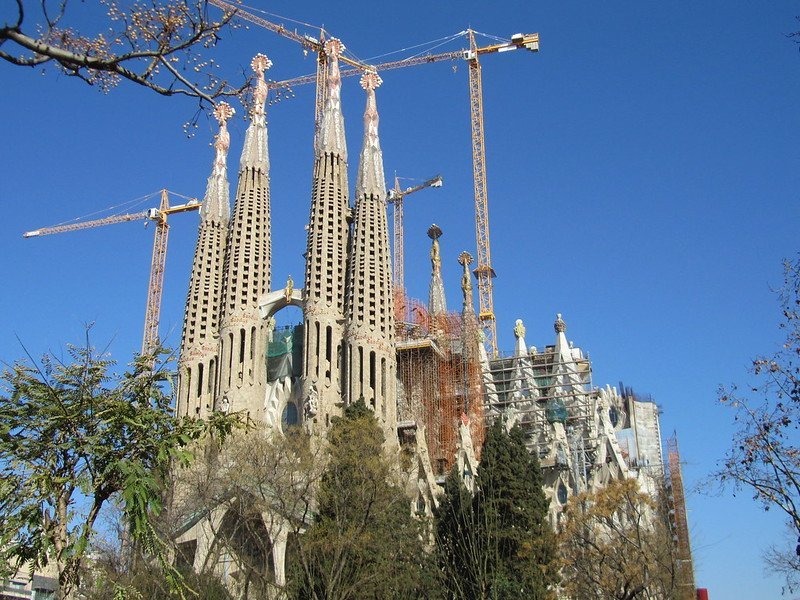
Did you know Gaudí is buried in the crypt of the Sagrada Familia temple?
The Sagrada Familia: An Unforgettable Symbol of Barcelona
An unfinished masterpiece, a cultural icon, a one-of-a-kind experience: the Sagrada Familia, in Barcelona, stands out as one of the most visited and emblematic monuments in the world. More than a church, Antoni Gaudí’s creation is a symphony of stone, stained glass, and sculptures that transcends time and faith, inviting us on an unforgettable journey through the artistic universe of the brilliant Catalan architect.
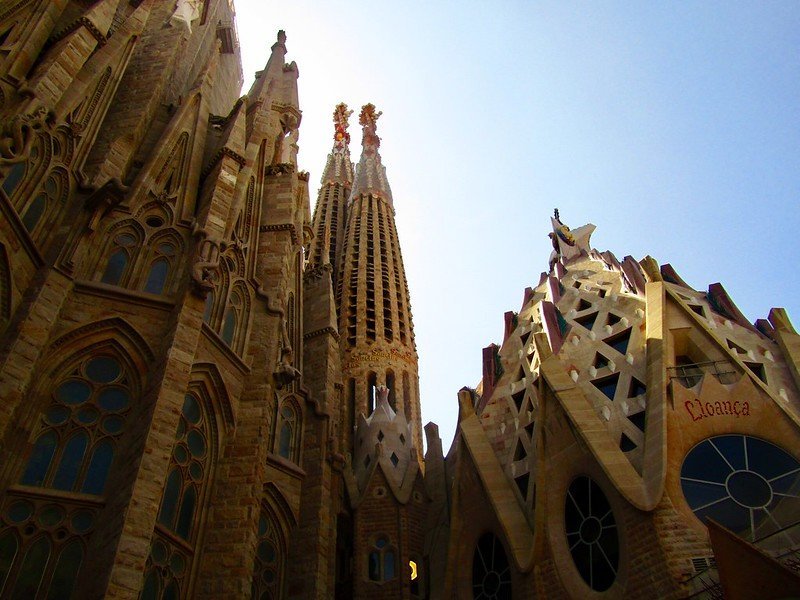
A Genius Ahead of His Time
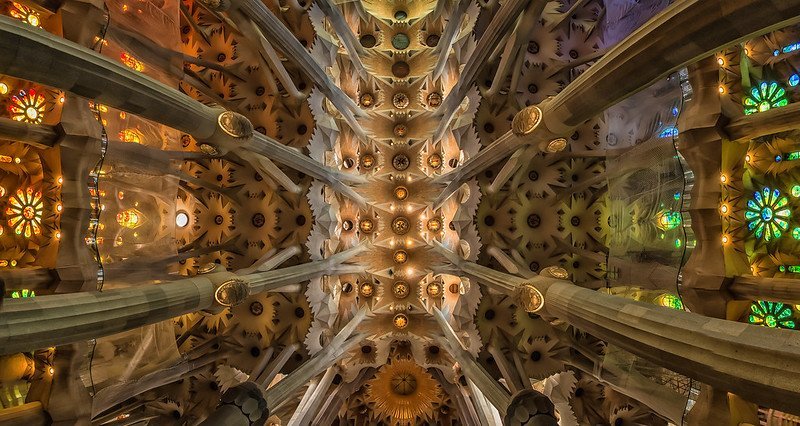
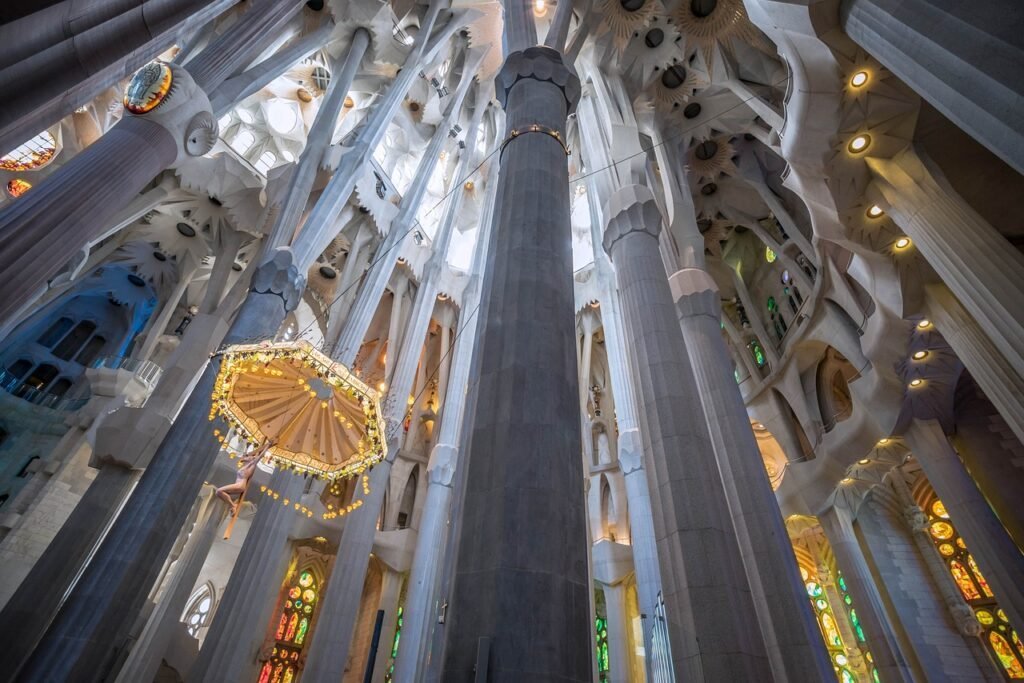
Gaudí revolutionized architecture with his innovative vision and unique style, marked by organic forms, undulating lines, and a deep connection with nature. Every detail of the Sagrada Familia was meticulously planned, from the columns that mimic tree trunks to the stained glass windows that filter the light, creating an atmosphere of mysticism and spirituality.
However, the construction faced countless challenges, including financial difficulties and the interruption of the works during the Spanish Civil War. After Gaudí’s death in 1926, the works continued, but at a slow pace. Despite the adversities, the work never stopped completely. Today, construction is still underway, with ongoing efforts to honor Gaudí’s original vision, using modern technologies to move forward.
The Sagrada Familia Temple and Its Unique Architecture
The architecture of the Sagrada Família is truly one of a kind and reflects Gaudí’s genius. Inspired by the shapes of nature, Gaudí incorporated elements like columns that mimic tree trunks, colorful stained glass windows that create a mystical atmosphere, and intricate sculptures that tell biblical stories. The Nativity Facade, for example, is rich in detail and symbolism, depicting the birth of Christ with an exuberance of forms and figures.
Another remarkable aspect is the use of natural light. Gaudí designed the interior of the temple to be sublimely illuminated through the stained glass windows, creating an environment that changes with the position of the sun. The play of light and shadow inside the Sagrada Família is a sensory experience that enchants every visitor.
Do you know how to visit this temple?
Visiting the Sagrada Família requires a bit of planning to guarantee a pleasant experience. The temple is open to the public every day, but the hours can vary depending on the season.
Opening hours:
- November to February: 9 a.m. to 6 p.m.
- March: 9 a.m. to 7 p.m.
- April to September: 9 a.m. to 8 p.m.
- October: 9 a.m. to 7 p.m.
Ticket prices vary depending on the type of visit you want to do. There are options that include just entry to the temple, guided tours, and packages that allow access to the towers. Prices start at around 26 euros for basic entry, and can reach 40 euros or more for more complete experiences.
Practical tips:
- Book your tickets in advance online to avoid the lines.
- Try to visit the temple early in the morning or late in the afternoon to avoid the peak hours.
- Use headphones or audio guide apps for a more enriching experience.
- Wear comfortable clothes and be prepared to spend a few hours exploring the site.
A place of mysteries and curiosities
The Sagrada Família is full of interesting facts and little-known details. For example, did you know that Gaudí is buried in the temple’s crypt? He dedicated so much of his life to the Sagrada Família that it seemed fitting for his final resting place to be at the heart of his greatest creation.
Another curiosity is that each of the temple’s facades has a specific theme. The Nativity Facade celebrates the birth of Christ, the Passion Facade depicts the suffering and death of Jesus, while the Glory Facade, still under construction, will represent Christ’s ascension into heaven.
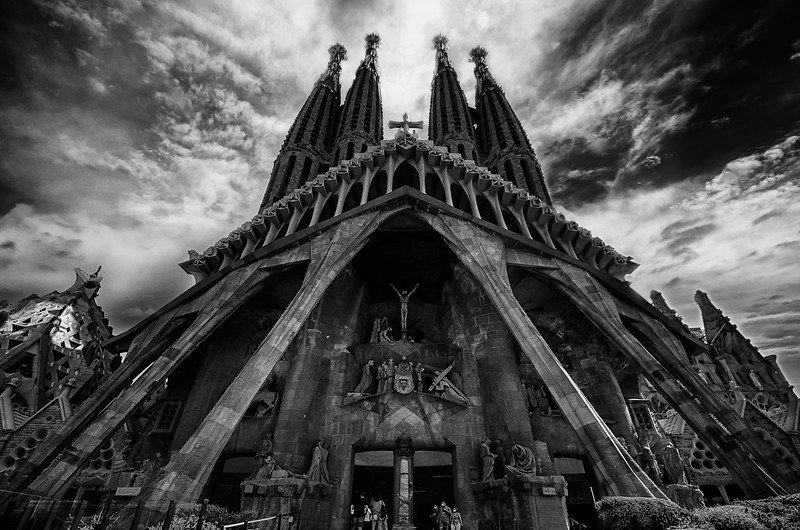
The expectation is that the work will be completed in 2026, marking the centenary of Gaudí’s death.
The temple is also famous for its detailed sculptures. Each one was carefully designed to tell a story or convey a specific message. Tourists are often amazed to discover that even the smallest details, like the animals carved into the facades, carry deep symbolism.
Visitor testimonials often highlight the sense of awe upon entering the central nave and looking up, where the columns seem like trees stretching toward the sky, creating a stone forest illuminated by colorful lights. It’s an experience many describe as spiritual and emotionally moving.
Declared a cultural heritage site by UNESCO
The Basilica (correct reference)* of the Sagrada Família is not just an architectural landmark; it has also had a profound impact on culture and society. Declared a UNESCO World Heritage Site, Gaudí’s work has influenced generations of architects and artists. His innovative approach, combining art, nature, and spirituality, established new paradigms in modern architecture.
However, the work is not without controversy. There are heated debates about the completion of the temple, with some critics arguing that the modern additions fail to capture the essence of Gaudí’s work. Despite this, the general consensus is that the Sagrada Família is a monumental testament to human creativity and the ability to create lasting beauty.
The temple that still isn’t finished
Restoration and construction efforts on the Sagrada Família continue at full speed. With the help of modern technologies, such as the use of 3D models and advanced construction techniques, the project has advanced significantly in recent decades. The expectation is that the work will be completed in 2026, marking the centenary of Gaudí’s death.
Despite Gaudí’s death in 1926, the Sagrada Família is still under construction, following his original plans and using modern techniques. Today, the basilica is about 70% complete.
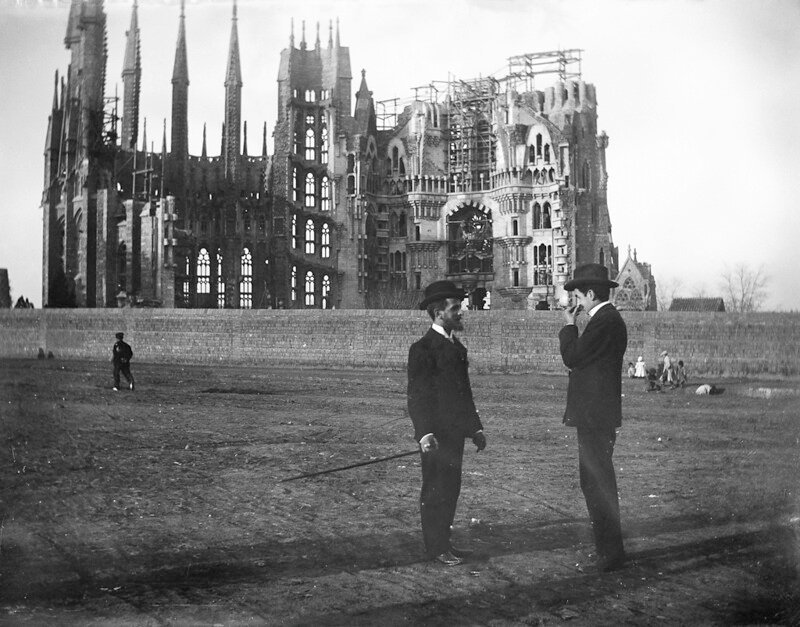
Recently, the addition of the towers of the Evangelists and the Virgin Mary has been a major focus, with completion expected in 2022. Every step in the construction is carefully planned to ensure Gaudí’s original vision is respected, while also taking advantage of technological advances to overcome the challenges he faced.
Get to know the Sagrada Família and keep it in your memory forever
Visiting the Sagrada Família is a one-of-a-kind experience that offers a deep look into the genius of Antoni Gaudí and the rich cultural heritage of Barcelona. The magnificence of the temple, combined with its fascinating history and innovative architecture, makes it a must-see destination for any traveler. Plan your visit in advance and get ready to be enchanted and moved by this masterpiece, a true testament to human beauty and creativity.
If you’re thinking about visiting Barcelona, be sure to include the Sagrada Família in your itinerary. It’s an experience that will certainly stay with you, offering unforgettable moments and a deep appreciation for art and architecture.
Enjoyed learning a little more about the Sagrada Família Temple? Then take the chance to also discover the Catedral de Pedra right here in Brazil (Parish of Nossa Senhora de Lourdes), just a stone’s throw from Gramado in Rio Grande do Sul, and don’t miss visiting the Parish of Nossa Senhora de Lourdes in Canela.