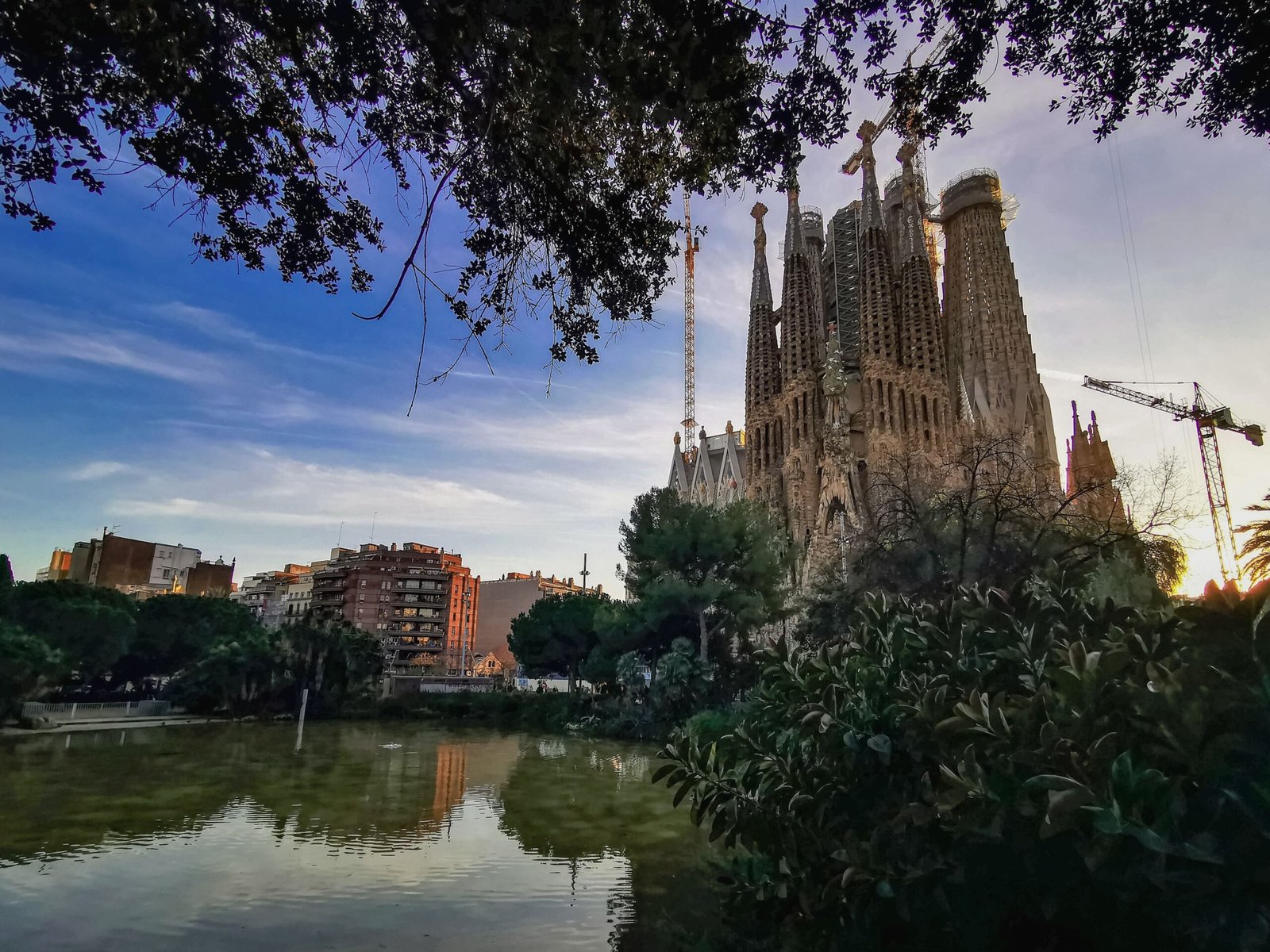
In 2026, the Sagrada Família marks a hundred years since Gaudí’s death without being finished yet — and that’s exactly why it’s added a temporary centenary surcharge (between €2 and €5) to tickets from May through December this year. It’s a small detail, but it sums up the city well: Barcelona thrives on unfinished projects, last-minute adjustments, and an enormous drive to never stop.
The good news is that, aside from that one specific detail, Barcelona remains one of the easiest destinations to plan in Europe — compact, with an efficient metro and a beach just a short walk from the historic center.
This guide covers the tickets that require advance booking, where to stay without straying from what matters, and how to avoid the most common pitfalls for short visits.
Sagrada Família: Tickets and the Centenary Surcharge
The basic Sagrada Família ticket (with app-based audio guide) costs €26 for adults, €21 for seniors, and €24 for those under 30; children under 11 get in free. Going up one of the towers — Nativity or Passion, by elevator — costs €36 total. Add the centenary surcharge (€2 to €5) valid from May to December 2026, and the final price may vary slightly from what older searches show.
The basilica opens at 9 a.m. Monday through Saturday and at 10:30 a.m. on Sundays (due to the morning international Mass), closing between 6 p.m. in winter and 8 p.m. in summer. There’s a reserved “quiet hour” from 9 a.m. to 10 a.m., designed for those who want to visit with fewer people chatting around them. Book a few days in advance — tickets frequently sell out, especially due to the centenary celebrations.
Park Güell, Casa Batlló, and Casa Milà: The Rest of the Gaudí Circuit
Park Güell charges €18 to enter the monumental zone (where the tile mosaic and the gatehouse are) — the rest of the park is free to access. Casa Batlló, with its undulating facade covered in colored glass, starts at €29 for the “Blue” ticket purchased online in advance; the price goes up closer to the date.
If you want to see Gaudí’s three main buildings (Sagrada Família, Park Güell, and Casa Batlló) without buying separately, there’s a combo from €85 — saving about €18 compared to buying everything individually. An even more complete pass, including Casa Milà (La Pedrera), goes for €99.
Casa Milà, nicknamed “La Pedrera” (the quarry) for its undulating stone facade, often takes a back seat on priority lists — but the rooftop with warrior-shaped sculpted chimneys is one of the most photographed scenes in Barcelona, and it gets far less crowded than Casa Batlló on the same street.
| Neighborhood | Vibe | Best for | Watch out for |
|---|---|---|---|
| Gótico | Historic, narrow streets, central | First-timers, those who want to walk everywhere | Busy and touristy all day long |
| Gràcia | Local, bohemian, more residential | Those seeking a real neighborhood feel | In August, many locals travel and shops close |
| Eixample | Elegant, Modernist architecture | Those who want to be near Casa Batlló and Casa Milà | Slightly higher nightly rates |
| Barceloneta | Beach, laid-back | Those prioritizing the beach and outdoor life | Farther from the Gaudí attractions in Eixample |
Gothic Quarter and La Rambla: Where the City Is Oldest
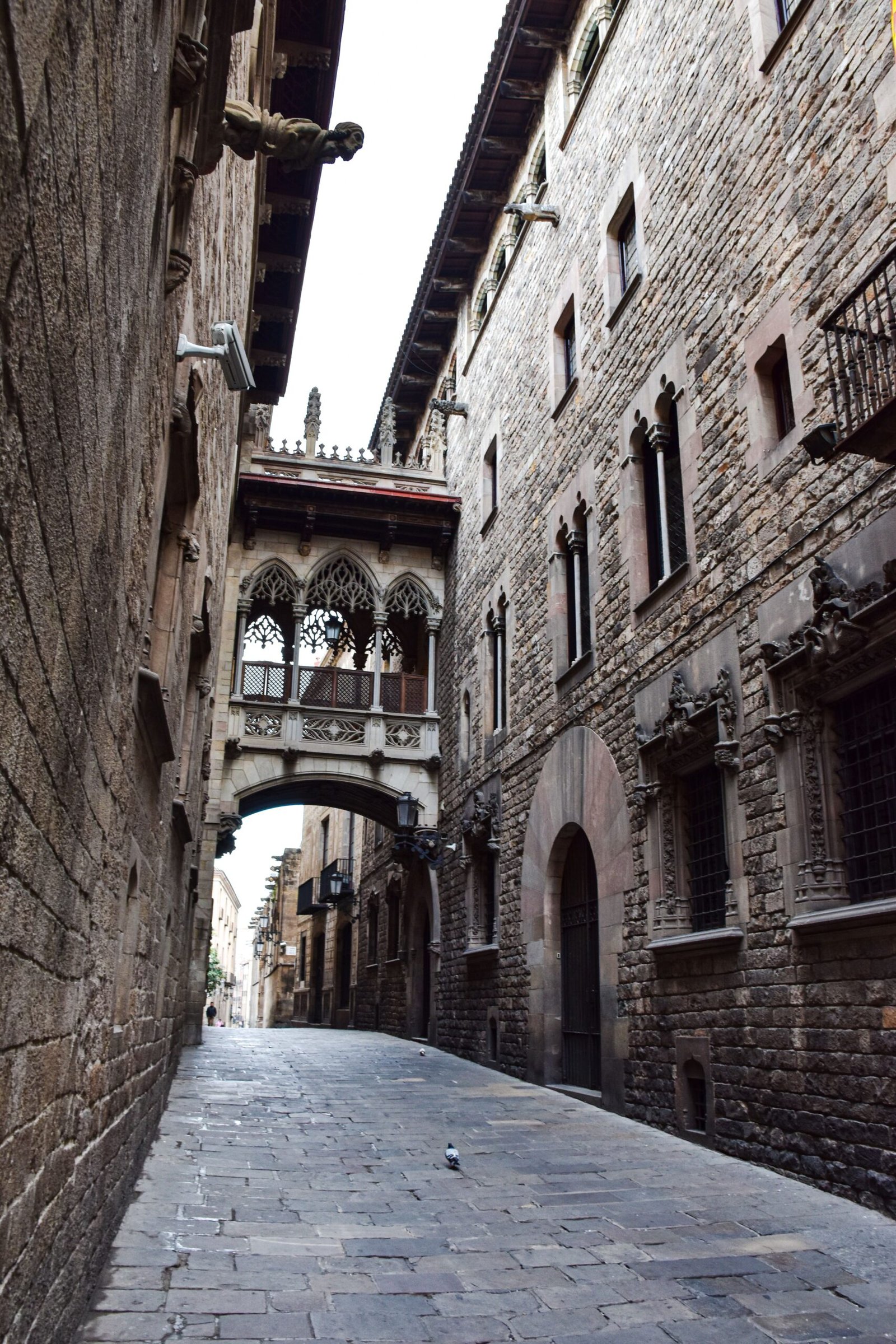
The Gothic Quarter is Barcelona’s oldest part, with narrow streets dating back to Roman and medieval times — worth getting lost in for a couple of hours with no fixed route, just turning corners. Barcelona Cathedral, in the heart of the neighborhood, offers free entry at specific times of day (usually early morning and late afternoon), though most of the day it charges a small visit fee.
La Rambla, the city’s most famous avenue, connects Plaça de Catalunya to the port — it’s nice to walk once, but it’s also where the highest concentration of tourist scams (street betting games, bar “promoters”) happens. Treat it as a passage, not a destination in itself.
Montjuïc: Castle, Cable Car, and the View Few Tourists Climb to See
Montjuïc hill sits between the center and the sea, concentrating a set of attractions that often gets left out of rushed itineraries. Montjuïc Castle, a 17th-century military fortress repurposed as a cultural space, has entry from €5 and offers the city’s widest view — the port, Barceloneta, and the Mediterranean on one side, the Eixample skyline on the other.
Taking the cable car up (Telefèric de Montjuïc) costs about €14.80 round trip and is, in itself, part of the attraction — the cabin rises over the park with open views. For those looking to save, you can take the funicular up (included in a regular metro ticket) and walk down through the gardens, which are free and well-maintained.
Camp Nou and Football Culture
Even those who don’t follow football feel the weight of FC Barcelona in the city. Camp Nou, the club’s stadium, has been under renovation since 2023 with a gradual reopening planned for the 2025-2026 season — worth checking tour availability before planning, as capacity and the visit route change while construction progresses. When available, the tour includes behind-the-scenes access, locker rooms, and the club museum.
If the idea is to catch a real match, prices vary widely depending on the opponent — from lower-profile games to classics against historic rivals, the price difference can be five to tenfold. Buying in advance through the official channel avoids paying unauthorized reseller markups.
Barceloneta and the Urban Beach
Unlike most European capitals, Barcelona has a sandy beach a walk away from the historic center — Barceloneta is about 20 minutes on foot from the Gothic Quarter, or one metro stop. The sand strip gets quite crowded in summer, but even off-season the boardwalk stroll is worth it, with paella and seafood restaurants facing the sea.
A practical note: the reputation for theft applies to the beach too — don’t leave belongings unattended on the sand, not even for two minutes to go for a swim.
Getting from El Prat Airport
The R2 Nord train connects the airport to Barcelona-Sants station in about 20 minutes without a transfer, also stopping at Passeig de Gràcia — quite central. The ticket costs about €5.05, but it’s only valid for the train (doesn’t include a metro connection).
The metro, via line L9 Sud, is slower — about 50 minutes to the center, with one line change along the way — but it’s straightforward for those who already have a transport card and prefer not to buy a separate ticket. The metro ticket for the airport route costs a bit more than a regular city trip, around €5.90.
Best Time to Visit Barcelona
May, June, and the September-to-October stretch deliver the best balance: temperatures between 18°C and 23°C, without the heavy summer heat. July and August regularly exceed 28°C, and Mediterranean humidity makes the heat feel heavier between noon and 4 p.m.
Note that August has a well-known side effect: many locals travel, and residential neighborhoods like Gràcia feel “emptier” — neighborhood restaurants closed, independent shops shuttered. That can be good (fewer lines) or bad (less local life), depending on what you’re after.
Where to Eat: Tapas, Vermouth, and La Boqueria Market
Tapas in Barcelona isn’t just a snack — it’s the standard way to eat out at night, ordering several small dishes to share. Skip the laminated photo menu on La Rambla; the best tapas bars tend to be on the side streets, without that flashy decor.
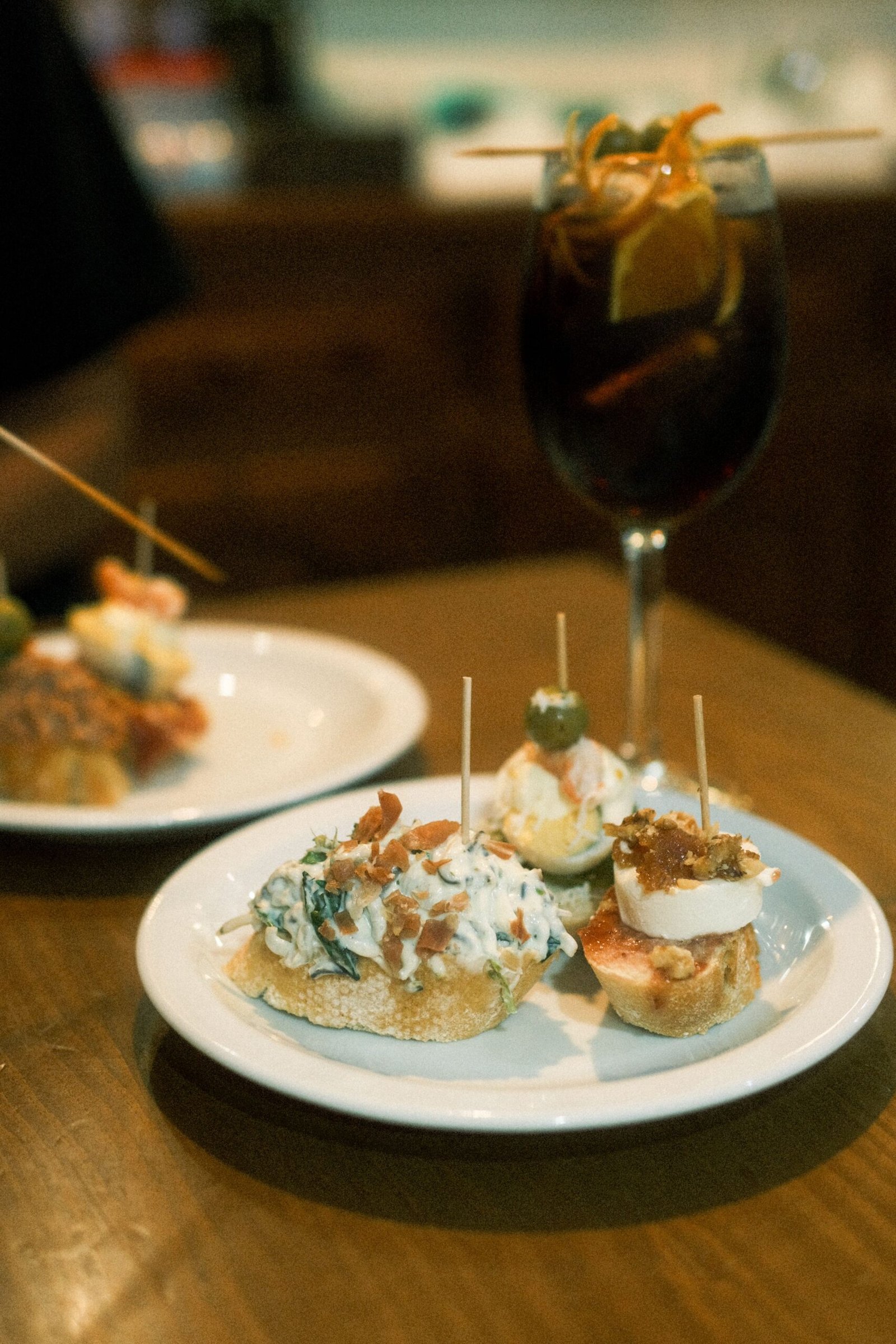
Vermouth at aperitif hour, around noon or early afternoon, is a local tradition — ask for a “vermut house” if you want to experience it like a local. The Mercado de La Boqueria, near the Rambla, is worth a visit in the morning, before 11 a.m.: after that, it gets packed with tourist groups and prices at some stalls visibly creep up.
Watch Out for Pickpockets: The Detail Nobody Wants to Talk About
Barcelona has a well-earned reputation for pickpocketing in tourist areas — the metro, the Rambla, the beach, and attraction lines account for most cases. It’s no reason to cancel your trip, but basic caution goes a long way: keep your bag in front of your body on a crowded metro, keep your phone out of your back pocket, and stay extra alert during any “distraction” staged by strangers (a signature request, a sudden question, something “falling” near you).
Catalan, Spanish, and Why It Matters for Visitors
Barcelona sits in Catalonia, a region with its own language and identity — Catalan is just as present as Spanish on signs, menus, and public announcements. You don’t need to speak either: most people working in tourism get by just fine in English, and a “gràcies” (thank you in Catalan) instead of “gracias” usually earns an extra smile from whoever’s serving you.
Worth knowing, even just as a cultural curiosity: pro-independence sentiment runs strong among part of the population, and Catalan flags (the Senyera and the Estelada, with the star) hang from balconies across the city. It’s not something that affects your day-to-day experience as a tourist, but it explains why you’ll see flags other than the Spanish one in plenty of places.
Before You Go
- Best time to visit: May–June or September–October for balanced weather.
- How long to stay: 3–4 days cover the essentials; 5 days allow for a more relaxed pace.
- Book ahead: Sagrada Família and Casa Batlló, especially in high season.
- Getting from the airport: R2 Nord train to Sants (~20 min, €5.05) or L9 Sud metro (~50 min, €5.90).
- Approximate daily budget: from €70–100 per person, excluding accommodation.
- Watch out for: pickpocketing in tourist areas — bag in front, stay alert on the metro.
Quick Questions
Is it worth going up the Sagrada Família tower? Yes, if you’re not afraid of heights — the view from the top justifies the pricier ticket, but it’s not essential to appreciating the work.
Is it better to buy the Gaudí combo or separate tickets? If you’re visiting at least three of the buildings, the €85 combo already pays for itself.
Is Barcelona safe to visit? Yes, with the caveat of pickpocketing in tourist areas — the risk is to your pockets, not your safety, and you can cut it down significantly with basic awareness.
Barcelona Rewards Those Who Book the Essentials and Improvise the Rest
Between Gaudí, the Gothic Quarter, and a beach just minutes from the center, Barcelona delivers a rare combination: dense historic heritage and Mediterranean quality of life in the same place. The Sagrada Família’s centennial in 2026 only reinforces why the city keeps drawing crowds — even a hundred years on, Gaudí’s masterpiece hasn’t stopped evolving.
Book the Sagrada Família first, pick a neighborhood that matches your pace, and leave at least one afternoon free to get lost in the Gothic Quarter with no set itinerary.