To see the Mona Lisa without losing your day, walk into the Louvre Museum with a short route in mind: book your time slot, head to the Denon wing, and find the Salle des États, room 711, on level 1. After the painting, pick just two or three nearby priorities. Trying to “see the whole Louvre” is the fastest way to leave exhausted and unable to remember what you saw.
Tickets and entry
As of August 2026, admission costs €22 for residents or citizens of the European Economic Area and €32 for visitors from outside the EEA. Buy your ticket on the Louvre’s official website and keep your timed reservation even when you qualify for free entry. Last entry is one hour before closing, and once you leave the museum, your visit is officially over.
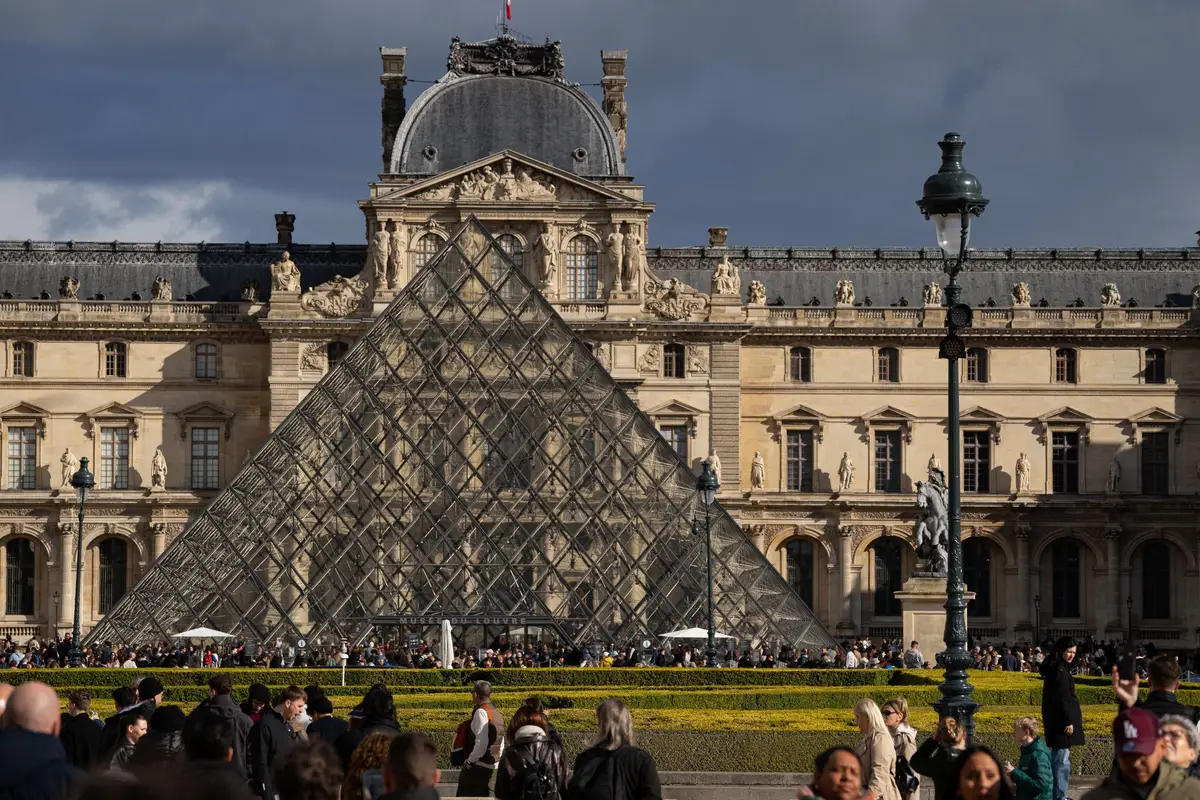
The pyramid is the most famous landmark, but don’t treat your arrival as a simple photo op. Show up early, clear security, and follow the flow indicated by your reservation. In high season, a timed slot protects your plan — it doesn’t guarantee empty corridors. Travel light, and don’t buy from street sellers or sites promising to skip the line.
When to go
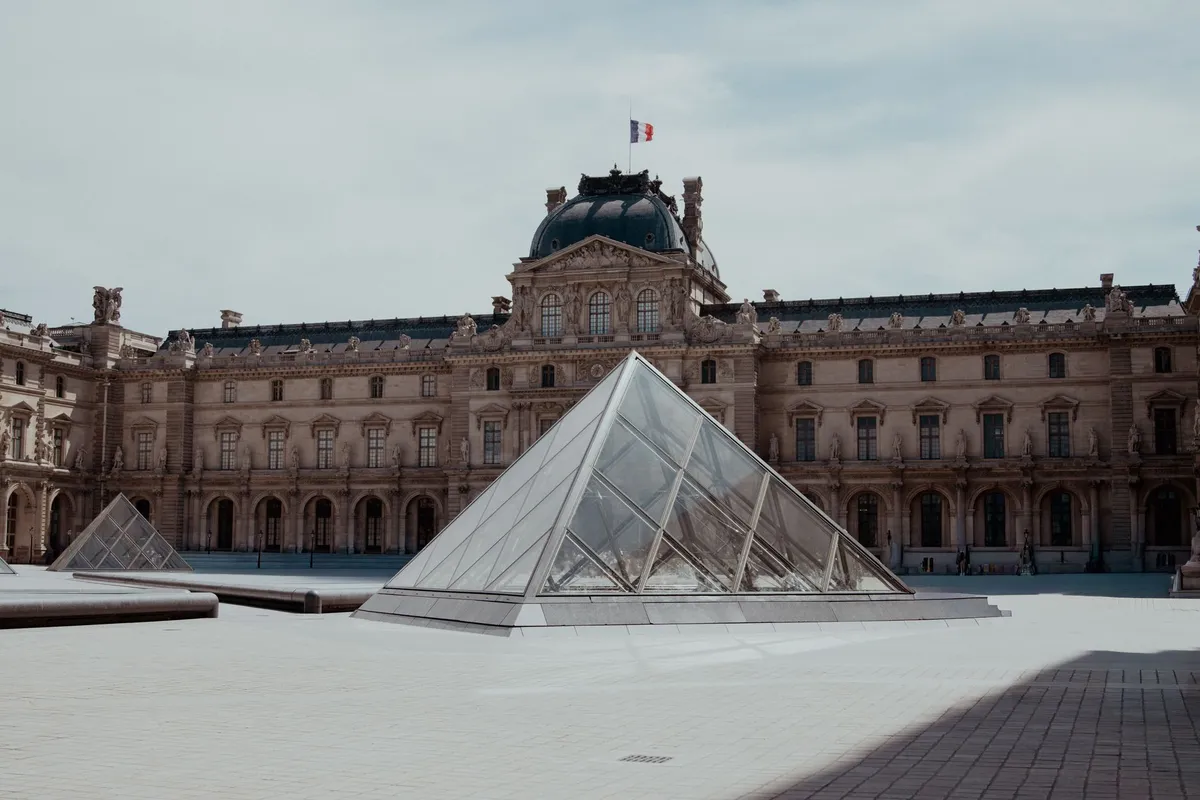
The Louvre is open from 9 a.m. to 6 p.m. on Monday, Thursday, Saturday, and Sunday; on Wednesdays and Fridays, it stays open until 9 p.m.; it’s closed on Tuesdays. The best window for a visitor focused on the Mona Lisa is usually the first entry of the day or a Wednesday or Friday evening. Hours and rooms can change, so confirm the calendar before you leave your hotel.
Evenings aren’t a promise of emptiness, but they do allow for a more selective visit. If you only have one morning, don’t make the Mona Lisa your last stop: go to Denon first. If you have one evening, use the painting as your starting point and work through the spaces you actually want to see, without trudging back through the maze of wings out of obligation.
Where the Mona Lisa is
The Mona Lisa hangs in the Salle des États, room 711, Denon wing, level 1. She shares the space with Venetian paintings, including Veronese’s The Wedding at Cana. Arriving, looking for just a few seconds, and moving on is normal when the room is packed; the trick is to also take in the scale of the room and the monumental work facing her, instead of fighting for a spot at the front barrier.
Use the museum maps and follow the signs for Denon. If you hit a route change, accept the detour instead of insisting on a closed corridor: the Louvre keeps an official list of available rooms because maintenance and technical issues affect circulation. This matters especially on short trips, when a twenty-minute backtrack can wreck the rest of your schedule.
A route that doesn’t waste your day
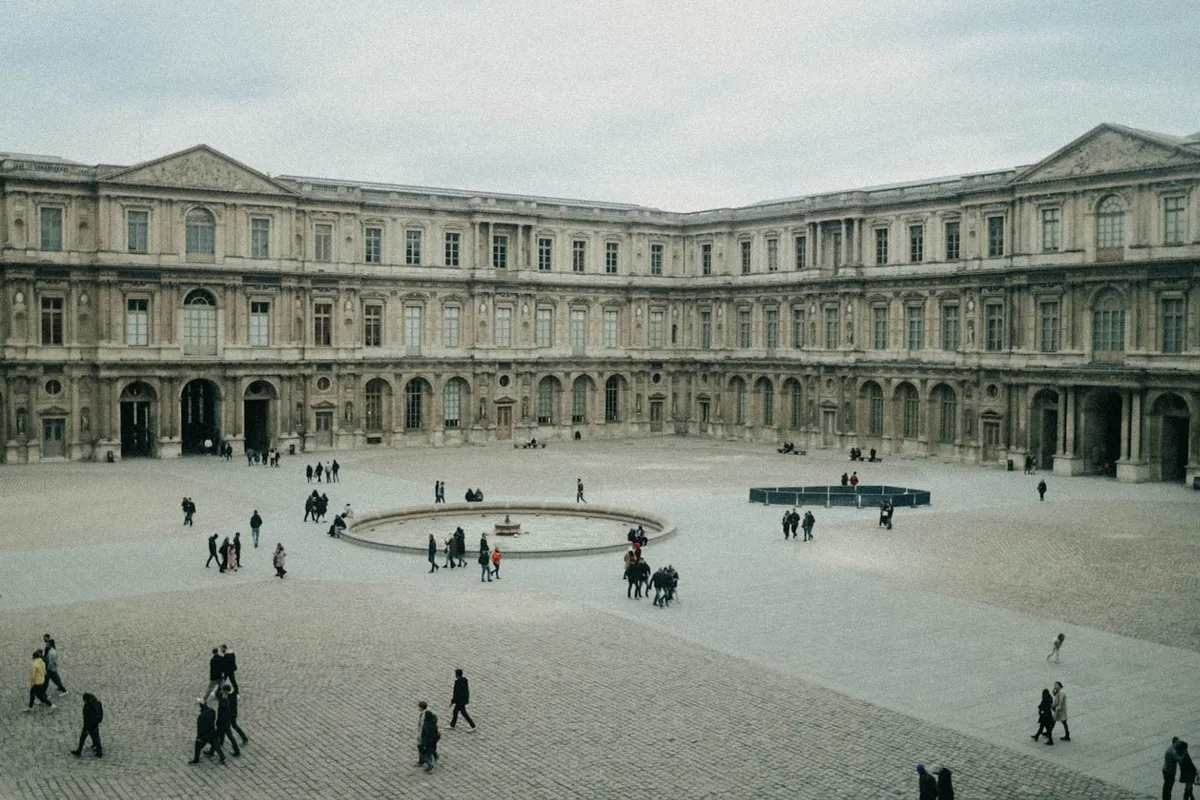
Set aside at least 3 hours for a focused visit: about 45 minutes to arrive, get in, and orient yourself; 30 minutes for the Mona Lisa; and the rest for two real priorities. An efficient sequence is the pyramid, Denon, and the Salle des États, followed by a choice between antiquities, sculpture, or Italian paintings. Don’t try to add every wing just because your ticket gives you access to them.
After the museum, stroll through the Tuileries or head to the covered passages of Paris; both options keep the pace of a cultural afternoon. To fit the Louvre into your trip, check out the five-day Paris itinerary and other attractions beyond the Eiffel Tower.
The best outcome isn’t a complete checklist of artworks, but a visit that leaves room to look slowly. Treat the Mona Lisa as a logistical priority, not your only destination. As you leave room 711, decide which work or wing deserves your next hour, and leave the museum before fatigue turns every gallery into a forced march.
A guided tour can make sense for those who prefer context, but it doesn’t replace choosing a short route. The Louvre rewards those who accept leaving part of the collection for another trip. Walking in with clear priorities is worth more than checking off every wing on the map.
Check the hours and open rooms on the morning of your visit. If the Salle des États is crowded, spend a few minutes with the surrounding works and come back; that’s usually more rewarding than standing still in front of the crowd.
The Louvre works best as a half-day decision: book your slot, find the Mona Lisa early, and use the rest of your time for art that genuinely interests you. That’s how you leave with a memory of the museum — not just a photo of a line.
The Louvre Museum is big enough to demand a choice before you even walk in: which story do you want to take home from your visit? For most travelers, the answer isn’t every famous work. It’s a short combination of the Mona Lisa, one painting gallery, and a set of antiquities or sculpture. By trimming the list, you gain time to orient yourself and actually look.
The Denon wing is the most logical route when the Mona Lisa is the star of your day. Enter with that goal, but keep another work nearby as a plan B if the room is too crowded. The Louvre lists the Mona Lisa’s location in the Salle des États and notes that the room also houses The Wedding at Cana. That comparison changes the scale of your visit.
Don’t squeeze in a rushed lunch right before your time slot. A quick meal outside the museum, either before or after, usually makes the visit flow better. Inside the palace, every pause turns into extra walking, and just finding your way already eats up your attention. Bring water, wear comfortable shoes, and keep the map open on your phone, but don’t turn the screen into a permanent tour guide.
If you’re traveling with kids, explain beforehand that the Mona Lisa is a small painting, protected and viewed from a certain distance, so expectations stay realistic. For adults who are into art, add a contrasting work in the same wing. That shifts the visit away from the obligatory-photo mindset and into a far more interesting visual conversation.
On rainy days, the Louvre can draw even bigger crowds. Arriving at opening and starting with the Denon wing is still the safest strategy. On Wednesday or Friday evenings, the museum closes at 9 p.m., but double-check the schedule, the entrances, and any rooms that may be unavailable. Your reservation date matters more than any general rule.
Finally, accept that leaving a wing behind is a good choice. The Louvre is a museum to come back to, not an endurance test. A three-hour visit with clear priorities pays off more than six hours of confused wandering. The Mona Lisa stops being the only goal and becomes the first decision in a well-built route.
Before you head out, save your reservation and an offline map. That little bit of prep lets you switch wings without anxiety, recognize the signs inside, and adapt your route around a room that’s temporarily closed. The best visit is the one that keeps your curiosity alive to the end, not the one that tries to check off an impossible list.