Category: Culture & History

  • Christmas Dream 2026 in Canela: Dates and Itinerary

    Christmas Dream 2026 in Canela: Dates and Itinerary

    🇧🇷 POR | 🇫🇷 FR | 🇺🇸 EN | 🇪🇸 ES

    Christmas Dream 2026 (Sonho de Natal) in Canela runs from October 30, 2026, to January 10, 2027, turning the city center into an open-air Christmas celebration with decorations, lights, performances, and family-friendly attractions. Check the official website for the detailed schedule, times, and any activities that require registration as they are announced. For visitors, the best strategy is to base yourself in Canela for a night and combine the event with the Catedral de Pedra, Praça João Corrêa, and the downtown restaurants.

    What is Christmas Dream 2026?

    Christmas Dream is Canela’s main Christmas event and reaches its 39th edition in 2026. Rather than a single attraction with a fixed time, it works as a cultural season spread across the city center: the city gets themed lighting, decorations, shows, parades, and activities that can vary from week to week.

    The official calendar lists the period from October 30, 2026, to January 10, 2027. Since the schedule can be updated in stages, it’s not safe to plan your trip based on an old list or last year’s times. Check the official Christmas Dream page before booking accommodation for a specific date.
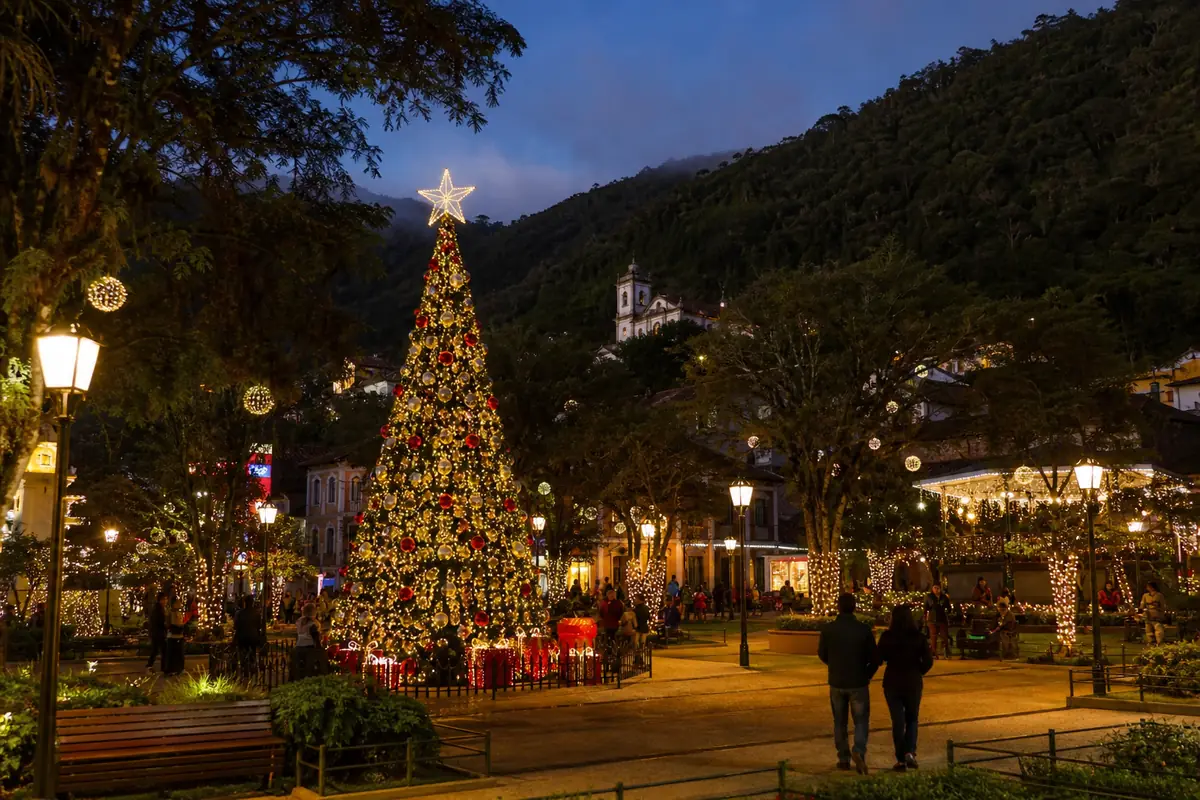
    Canela square decorated with a Christmas tree and lights
    AI-generated illustration to represent Canela’s Christmas atmosphere; it does not depict a specific event scene.

    Dates, location, and schedule

    • Event: 39th Christmas Dream of Canela
    • Confirmed period: October 30, 2026, to January 10, 2027
    • Main location: Canela city center, especially Praça João Corrêa and other public spaces
    • Times: vary by attraction and should still be checked on the official schedule
    • Tickets: no general price list confirmed; many street activities may be free, but check each attraction

    What changes the experience is the date you choose. The opening, December weekends, and the final days of the event usually draw different crowds, while specific performances may only happen on certain nights. Don’t book a paid tour at the same time as a Christmas Dream attraction without checking the final schedule.

    What visitors look for at the event

    People who travel to Canela during Christmas Dream usually want three things: to see the city lit up, to find free or affordable performances, and to put together a night that works for both kids and adults. The downtown decorations are the most flexible option because they don’t require a ticket and can be fit in before or after dinner.

    Performances and parades need more planning. Arrive early when there’s a gathering in a public square, keep kids close, and check whether the attraction is a moving parade or has a fixed spot. Santa’s descent from the Catedral de Pedra was a highlight in past editions, but don’t treat it as a confirmed 2026 attraction until it appears on the official schedule.

    One-night itinerary in Canela

    Late afternoon

    Start at Praça João Corrêa and walk through the center to see the decorations in natural light and then with the first lights on. This time is more comfortable for families with young kids and helps you spot restaurants and restrooms before the bigger crowds arrive.

    Evening

    Pick a performance from the official calendar, if there is one, and stay in the central area. Then, walk over to the Catedral de Pedra. The guide to the Catedral de Pedra light show explains why it’s important to check separate times for the church’s illumination.

    After the event

    Book your meal or have a backup option. On busy nights, restaurants can fill up and traffic between Canela and Gramado gets slower. If you’re driving, park before you start the circuit and explore the center on foot.

    Getting there and getting around

    Canela is just a few miles from Gramado, and the two towns are usually visited on the same trip. From Gramado, a car, taxi, or ride-hailing app gives you flexibility, but traffic can slow down in December and on weekends. If you’re staying in Canela’s center, prioritize walking.

    Don’t count on a spot right in front of the square. Arriving early and parking in a permitted area is usually easier than trying to move during a performance. To get back to Gramado, arrange your ride before the night ends and confirm the app is available.
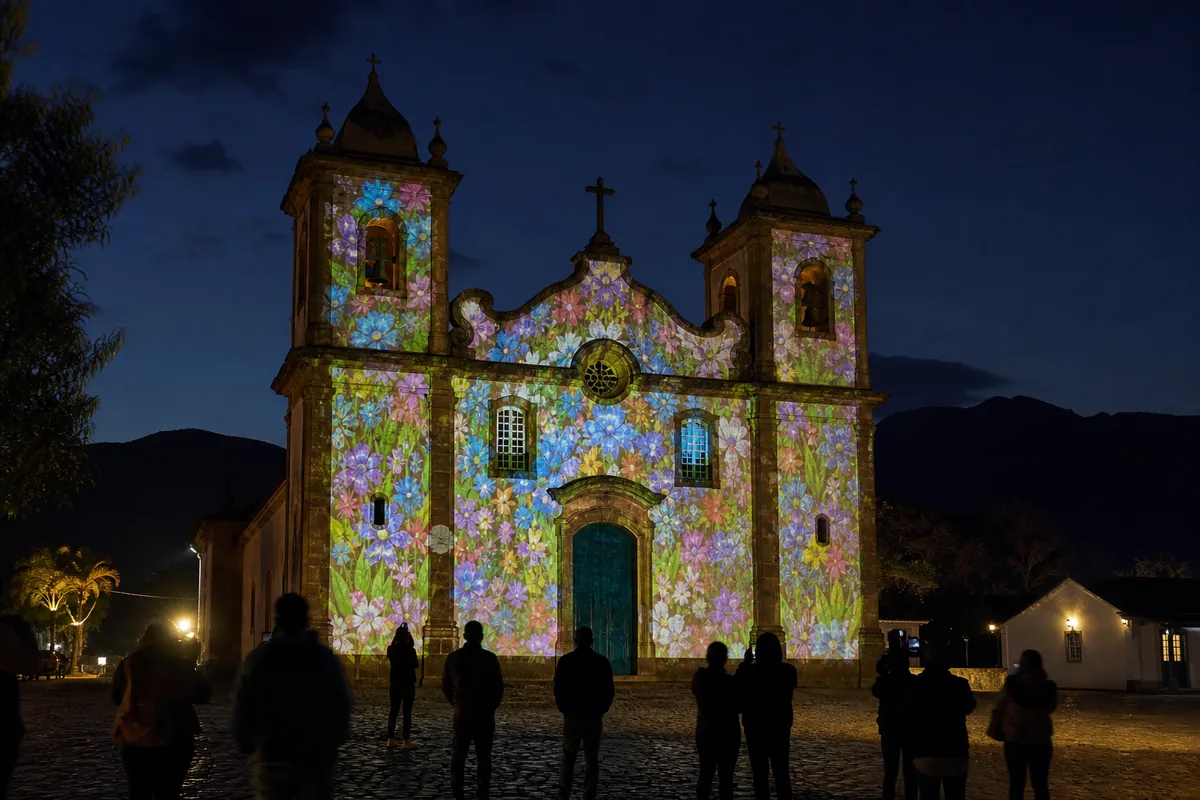
    Historic church facade illuminated at night
    AI-generated illustration of a lit historic facade, not representing the official schedule.

    Where to stay during Christmas Dream

    Canela is the most practical base if you want to catch the central attractions and walk back to your hotel. Gramado offers more restaurant and lodging options but adds nighttime travel. If you choose Gramado, weigh the transport cost and return time against the difference in the nightly rate.

    For families, prioritize a quiet room, parking, and breakfast. For couples, a central location may matter more than a large property. Either way, confirm the cancellation policy, since the event schedule can change.

    Frequently asked questions

    When does Christmas Dream 2026 happen?

    The event is scheduled to run from October 30, 2026, to January 10, 2027.

    Is Christmas Dream free?

    The decorations and some street activities may be free, but check each attraction on the official schedule.

    Where does it take place?

    The event covers areas of Canela’s center, especially Praça João Corrêa and other public spaces.

    Do I need to buy tickets?

    There’s no single rule for the whole season. Check the specific attraction before you go.

    Is it worth staying in Gramado?

    It’s worth it if you want to combine Christmas Dream with Gramado’s attractions and don’t mind the travel between the two towns.

    Read more

    Official sources

    The dates were confirmed on the official Christmas Dream website and on the Canela events page. Times, attractions, and rules should be updated once the full schedule is published.

  • Catedral de Pedra Light Show in Canela: A Free Nighttime Spectacle

    Catedral de Pedra Light Show in Canela: A Free Nighttime Spectacle

    🇧🇷 POR | 🇫🇷 FR | 🇺🇸 EN | 🇪🇸 ES

    The Catedral de Pedra light show in Canela is a free nighttime attraction that draws visitors to the Serra Gaúcha region of southern Brazil. The facade of the Paróquia Nossa Senhora de Lourdes is illuminated with colorful projections during sessions whose schedule can change depending on the season and the city’s event calendar. Since there is no confirmed independent schedule for 2026 at the time of this writing, the best plan is to explore the area around the square, check Canela’s official communications, and arrive early to snag a good viewing spot.

    What is the Catedral de Pedra light show?

    The spectacle transforms the church’s facade into an open-air screen, combining colors, images, and music. The experience is short and visual: you watch from a standing position or wander around the square, without the structure of a paid show with designated sections, bleachers, or individual reservations. Because of this, it works perfectly as a complement to an evening in downtown Canela.

    The Catedral de Pedra is one of Canela’s most iconic landmarks, located in the state of Rio Grande do Sul, and the surrounding area is packed with restaurants, shops, and visitor foot traffic. The region’s official portal describes the attraction and notes the nighttime presentations, but specific times can be seasonal.

    Historic church illuminated by colorful light projections at night
    AI-generated illustration representing a light spectacle on a historic facade.

    Quick facts

    • Attraction: Catedral de Pedra light show
    • Location: Catedral Nossa Senhora de Lourdes, downtown Canela, RS
    • Price: Check the current schedule; external viewing is usually free
    • Hours: Subject to the season’s schedule; confirm before you go
    • Reservations: Don’t count on a ticket or fixed session without official confirmation

    What time is the show?

    Don’t rely on times from old posts: different seasons and editions can have different sessions. A simple search for “light show” often mixes up pages from 2024, special events, and themed lighting from other dates. For 2026, check the calendar on the Canela Tourism Board website and the parish’s official channels before your trip.

    If the spectacle is a priority, plan to be in the center at least 30 minutes before the announced time. This way, you’ll avoid crossing the square in the dark, find a spot with an unobstructed view, and can still grab dinner afterward without worrying about the last table.

    Where to watch and what to bring

    The square in front of the Cathedral is the most obvious reference point, but the best view depends on trees, decorations, foot traffic, and the projection’s design. Find a spot that keeps walkways clear and avoid leaning on the church’s railings or doors. On cold nights, bring a jacket; the temperature in the Serra region can drop significantly after sunset.

    Don’t use flash during the projection and respect any religious ceremonies. The Cathedral is still a place of worship, not just a backdrop. If there’s a mass or service, follow the staff’s guidance and wait in the outdoor area.

    How to get to the Catedral de Pedra

    From downtown Canela, it’s an easy walk. For those staying in Gramado, a car, taxi, or ride-hailing app is usually simpler than relying on a bus connection late at night. On event days, street parking nearby can get crowded; arrive early and avoid parking in prohibited areas.

    An efficient strategy is to combine the Cathedral with Praça João Corrêa and Canela’s commercial center. To get back to Gramado, confirm transportation availability before the session ends, especially during the low season.

    Canela square decorated with a Christmas tree and lights
    AI-generated illustration of a Christmas square in the Serra Gaúcha.

    What to do nearby

    Before or after the lights, take a stroll through the center, visit Praça João Corrêa, and set aside time to see the church itself during the day. This itinerary pairs well with Voyage Voyage’s articles on budget-friendly Gramado, Lago Negro, and Gramado’s Christmas Light Festival.

    Where to stay

    Canela is the most convenient base for walking back to your hotel after the show. Gramado offers more restaurants and lodging options, but requires a nighttime commute. When choosing, compare the nightly rate against transportation costs, not just the distance in miles.

    Frequently asked questions

    Is the Catedral de Pedra light show free?

    External viewing is treated as a public attraction, but confirm the schedule and any special formats before your visit.

    What time is the show in 2026?

    The 2026 schedule has yet to be confirmed on official channels; don’t rely on times from old pages.

    Do I need to buy a ticket?

    There’s no confirmed ticket for external viewing. Check the current schedule.

    Where is it located?

    Catedral Nossa Senhora de Lourdes is in downtown Canela, Rio Grande do Sul.

    Can I visit during a mass?

    Yes, as long as you respect the service and the parish’s guidelines; if you’re taking photos, be discreet.

    Sources consulted

    We consulted the Destino Serra Gaúcha website and the Canela events calendar. The domain catedraldepedra.com.br was not used.

  • Best Time to Visit Christ the Redeemer: Skip the Lines and the Fog

    🇧🇷 POR | 🇫🇷 FR | 🇺🇸 EN | 🇪🇸 ES

    Arriving at Christ the Redeemer only to find the statue shrouded in clouds is the most common frustration for visitors to Corcovado—and in most cases, it’s avoidable. The time you choose matters just as much as the day: it affects the lines, how crowded the viewing platform gets, and, most importantly, your chances of seeing the city without fog.

    The best time to visit Christ the Redeemer is between 8 a.m. and 9 a.m., right at opening, when the sky is usually clearest and visitor traffic is still low. Weekdays (Monday through Wednesday) cut the crowds even further, and the period from April to September historically sees less fog than Rio’s summer.

    What’s the best time to go to Christ the Redeemer

    The complex opens at 8 a.m. and closes at 7 p.m., with trains and vans departing every 20 to 30 minutes, according to the official Paineiras Corcovado website. Catching one of the first slots of the morning has two advantages that add up: the air is still drier (less chance of fog) and most of the mass tourism groups haven’t arrived yet. If you’d rather sleep in, you can also go in the late afternoon, between 4 p.m. and 5 p.m.—the last vans and trains head up around 6 p.m., and the lower light is great for photos, though the risk of clouds rolling up the hillside increases as the day heats up.

    Christ the Redeemer seen early in the morning, with clear skies and no crowd on the viewing platform
    Arriving right at opening guarantees a clear view and fewer people on the platform. | Photo: Rafael Rodrigues / Pexels

    If you’re taking the van, pickups leave from Copacabana (Praça do Lido), Largo do Machado, or directly from the Paineiras Visitor Center. The train departs from Cosme Velho Station at Rua Cosme Velho, 513, and the 20-minute ride cuts through the Tijuca Forest—worth choosing this option if the journey itself is part of the experience, not just the commute. For details on pricing and pickup points for each option, check out the guide to Corcovado vans and the complete Christ the Redeemer guide.

    Why the statue gets covered in fog

    Corcovado sits at 710 meters above sea level, and Rio is a city surrounded by ocean and dense forest—a combination that frequently produces low clouds, especially in the afternoon, when warm air from the urban center rises and cools as it hits the mountains. On rainy or high-humidity days, that fog can partially or fully cover the statue, even while the rest of the city below stays sunny.

    There’s no 100% guarantee against it—even local operators can’t predict it with certainty—but checking the weather forecast the day before and prioritizing clear-sky days with no rain in the forecast significantly lowers the risk.

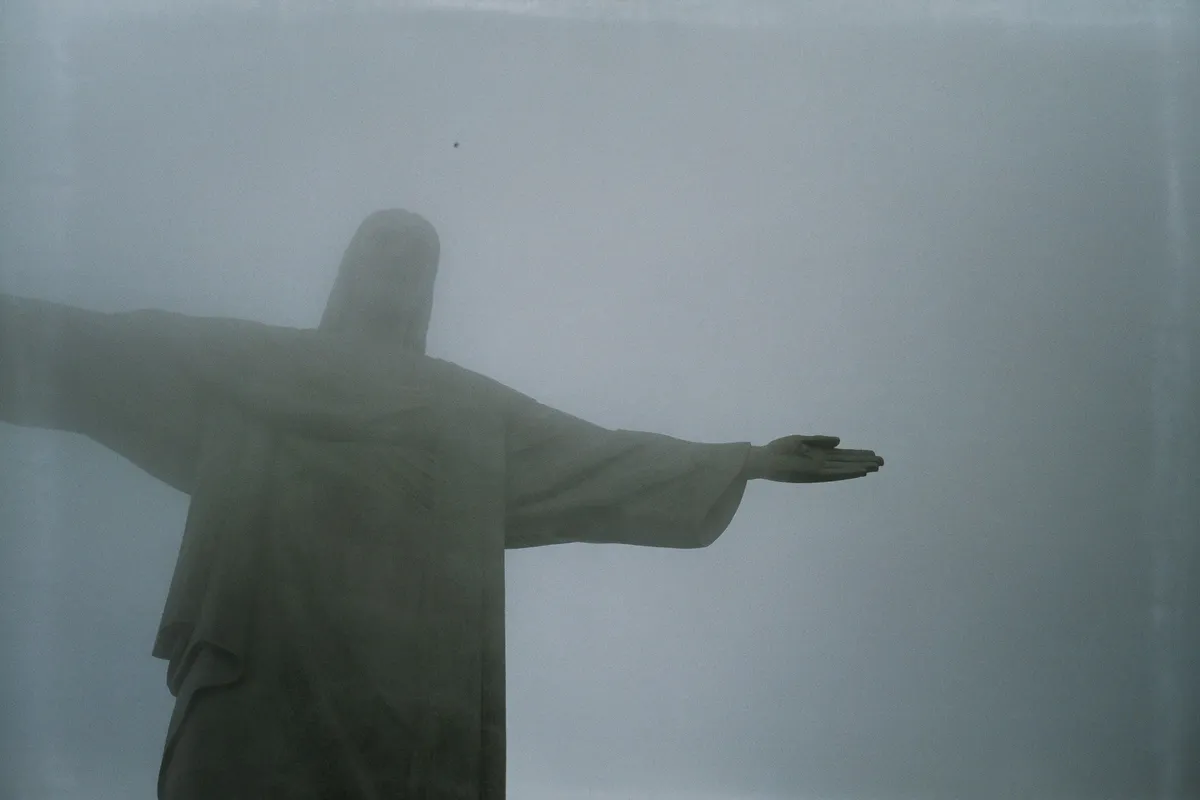
    Christ the Redeemer partially covered by fog and low clouds
    On days of dense fog, the statue can be partially or fully hidden. | Photo: Loïc Alejandro / Pexels

    How to skip the line even on a busy day

    The longest lines usually form at the van boarding area and the main viewing platform access, not at the complex entrance itself. Buying a timed-entry ticket through the official website skips the on-site purchase line—you only join the boarding line for your reserved time slot. Weekends, holidays, and the period between Christmas and Carnival see the biggest crowds; Monday through Wednesday, outside holidays, is when the complex is calmest.

    If you want to book a guide in Portuguese and have transport and entry sorted in one go, consider the guided tour to Christ the Redeemer via Civitatis, which already includes the van and ticket in a fixed price.

    Best time of year for clear skies

    Rio’s fall and winter (April to September) typically bring less humidity and more stable skies than summer, when afternoon rain showers are common. That doesn’t mean July is a guaranteed sunny day—just that the statistical odds of fog covering the monument are lower in those months. If your trip is already set for summer, prioritize the morning hours, when the chance of clouds is still lower than in the afternoon.

    What to do if it’s cloudy on the day of your visit

    The complex operates normally even with fog—there’s no automatic refund due to weather, since visibility can change in minutes. Before heading up, it’s worth checking webcams or recent reports from people already there (quick social media searches help) to get a sense of current visibility. If the fog is constant throughout your entire stay in Rio, consider rescheduling for the last day of your trip to give yourself more chances of catching a clear-sky window.

    While you’re planning the right time, you can pair the visit with other Rio highlights, like the Mirante Dona Marta—another view of the city, also sensitive to fog, but with a much shorter line.

    Conclusion

    There’s no foolproof formula against fog, but going early, on a weekday, with a pre-purchased ticket, and preferably between April and September is what most boosts your chances of seeing Christ the Redeemer with clear skies and without major lines. For more Rio travel tips, keep exploring Voyage Voyage.

    Frequently asked questions

    What’s the best time to visit Christ the Redeemer without lines?

    Between 8 a.m. and 9 a.m., right at opening, or in the late afternoon, between 4 p.m. and 5 p.m. Weekdays see less traffic than weekends and holidays.

    What should I do if Christ the Redeemer is foggy on the day of my visit?

    The tour goes on as scheduled, with no refunds guaranteed due to weather. Checking the forecast and, if possible, rescheduling for another day of your trip increases your chances of clear skies.

    What’s the best time of year to see Christ the Redeemer without clouds?

    Between April and September (fall and winter in Rio), when the air tends to be drier and more stable than in the summer.

    Is it more worth it to take the train or the van to Christ the Redeemer?

    The Corcovado train, departing from Cosme Velho Station, adds a ride through the Tijuca Forest to the experience. The van tends to be more practical for those already in Copacabana or Largo do Machado who want to save the trip to the station.

  • Havana in 3 Days: A Relaxed City Itinerary

    Havana in 3 Days: A Relaxed City Itinerary

    🇧🇷 POR | 🇫🇷 FR | 🇺🇸 EN | 🇪🇸 ES

    Havana works best when you accept that walking doesn’t mean turning every hour into a race between attractions. Set aside 3 days to explore the Cuban capital with some breathing room: one day for Old Havana, another for Centro Habana and Vedado, and a third to revisit the neighborhood you loved most or take a short day trip.

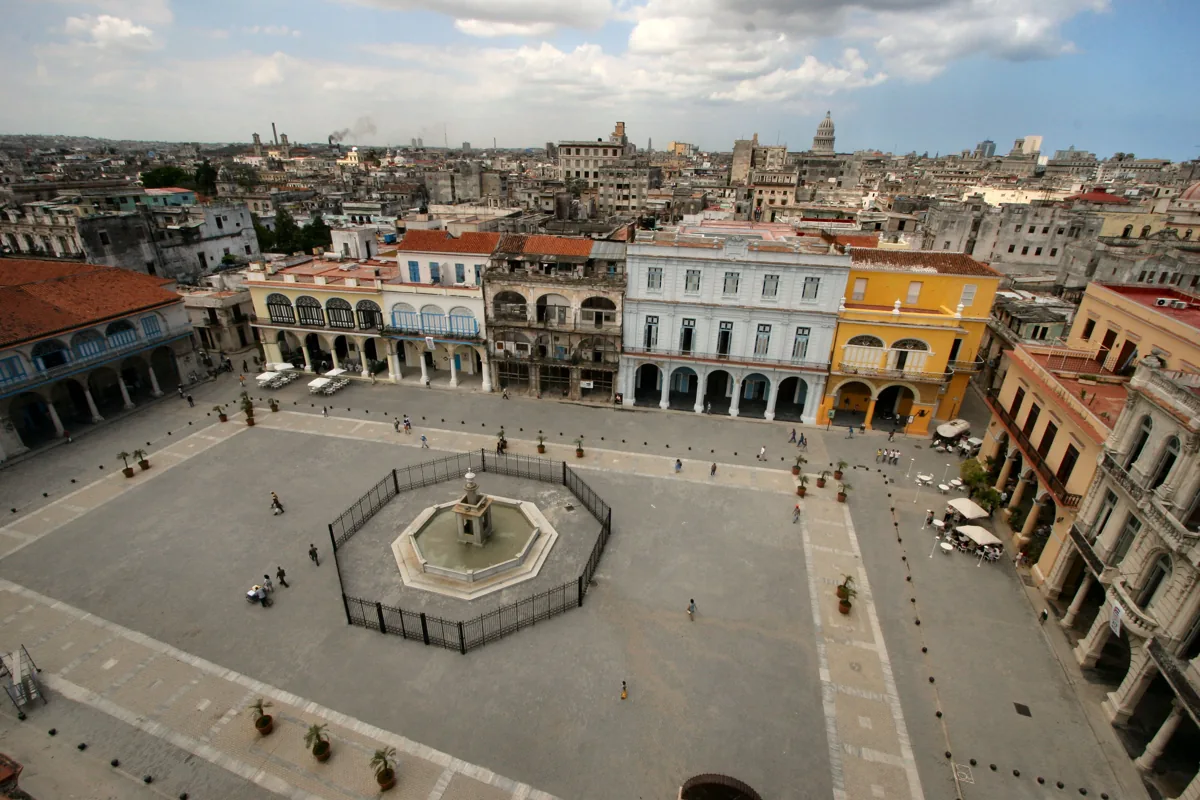
    Old Square in Old Havana, Cuba
    Old Square, in Old Havana. Photo: Brian Snelson, licensed under CC BY 2.0.

    Is Havana worth it?

    Yes, if what you’re after is a historic, musical, and lived-in city with colonial architecture, seaside promenades, and a strong cultural scene. The trip demands flexibility: services, transportation, power, and payment methods can change quickly. Havana isn’t a set-it-and-forget-it destination; it’s best for those who can confirm information and have a plan B.

    How many days to spend in Havana?

    Time What it covers Who it works for
    2 days Old Havana, Malecón, and Vedado A first glimpse of the city
    3 days Historic center, museums, plazas, and neighborhoods The best balance
    4 to 5 days A slower pace plus a day trip to Viñales or nearby beaches Those who prefer exploring without rushing

    3-Day Itinerary

    Day 1: Old Havana

    Start early at Plaza de Armas and walk to the plazas of San Francisco, Vieja, and the Cathedral. Only step into churches and museums after checking they’re open. This area has the best stretches for walking, but the uneven pavement and heat call for comfortable shoes and breaks.

    In the late afternoon, stroll along the Paseo del Prado toward the Malecón. The route connects the historic city to the seaside landscape and helps you understand how Havana changes scale beyond the narrow streets.

    Day 2: Centro Habana, Vedado, and history

    Reserve the morning for the Capitolio, the area around Parque Central, and the Paseo del Prado. Then, cross Centro Habana at a leisurely pace: it’s a less picturesque area but more useful for observing everyday life.

    In the afternoon, head to Vedado, with Plaza de la Revolución and the José Martí Memorial as landmarks. Confirm hours and access on the day itself, especially for museums and monuments. End at the Malecón, preferably before dark if you’re on your own.

    Day 3: Choose between neighborhoods and day trips

    If there are still closed attractions or you want a lighter day, return to Old Havana to visit what you missed and have a relaxed lunch. Another option is exploring Miramar, with its avenues and former mansions, or combining Vedado with a music venue.

    Viñales is a full-day alternative, but the distance makes the trip tiring. Do the math on travel time before booking; for a first short trip, staying in Havana usually pays off more.

    Where to stay

    Old Havana is the best base for those who want to walk out to the plazas and historic buildings. Centro Habana can be more practical for splitting your commutes, but it demands more attention to the condition of the streets and the property you choose. Vedado has wider avenues, restaurants, and nightlife; it works well for those who prefer a less touristy neighborhood at their doorstep.

    Getting there and getting around

    The main air gateway is José Martí International Airport, with five terminals, according to Cuba’s official tourism portal. Confirm your arrival terminal and flight status with the airline before heading to the airport.

    For the center, arrange a transfer in advance or use an authorized taxi. In the city, walking covers much of Old Havana; for Vedado, Miramar, and the airport, a taxi or hired transport simplifies the trip. The Viazul system is mainly for intercity travel, not for getting around the capital’s neighborhoods.

    Money, internet, and preparation

    Bring a cash reserve and don’t rely on a single card. The availability of electronic payments and acceptance of foreign cards can vary, and official sources should be checked again close to your trip. Keep digital copies of your passport, insurance, bookings, and proof of departure.

    Entry requirements depend on your nationality and can change. Check with the Cuban consulate and the official portal before boarding; the electronic visa (eVisa) system is being rolled out, but it doesn’t replace specific confirmation for your passport.

    Safety and practical tips

    Use the same caution you would in any tourist capital: keep your phone and documents secure, avoid exchanging money on the street, confirm the taxi fare before getting in, and be wary of approaches promising “exclusive” tickets or restaurants. The biggest practical risk may be a lack of predictability: confirm bookings, hours, and transport on the same day.

    What’s the best time to go?

    The driest months are usually more comfortable for walking, while summer is hot, humid, and more prone to downpours. The Atlantic hurricane season runs from June to November; it doesn’t prevent travel, but it does recommend keeping an eye on the forecast and staying flexible.

    Sources to check before you travel

    The verdict

    To experience Havana without turning your trip into a series of commutes, stay three days, sleep in the area that matches your pace, and focus your first day on Old Havana. Go prepared to confirm details close to your date and to swap a rigid plan for a good walk when the city calls for it.

    To compare Brazilian itineraries with nature and historic centers, also check out what to do in Pirenópolis and what to do in Petrópolis.

    Frequently asked questions about Havana

    How many days are enough in Havana?

    Three days let you explore Old Havana, Centro Habana, and Vedado with time to walk around. Two days only cover the main highlights.

    Is it better to stay in Old Havana or Vedado?

    Old Havana is more practical for historic attractions; Vedado offers avenues, restaurants, and a less tourism-focused atmosphere.

    How do I get from the airport to central Havana?

    The simplest way is to book a transfer or use an authorized taxi, confirming the fare and meeting point before you board.

  • Mompox in 3 Days: Churches and River at the Pace of the Heat

    Mompox in 3 Days: Churches and River at the Pace of the Heat

    🇧🇷 POR | 🇫🇷 FR | 🇺🇸 EN | 🇪🇸 ES

    Mompox doesn’t run on the rhythm of a church checklist. The heat slows down your walks, the Magdalena River shifts the light, and the filigree workshops invite conversation. Three days let you explore the colonial center in the morning, rest during the hottest hours, and head back out when the chairs start appearing on the sidewalks.

    Quick answer: spend three days in Mompox. Use the first for Calle Real del Medio and the churches, the second for filigree and a boat ride, and the third for the market, museums, and the riverbank. Walk before 10 a.m. and after 4 p.m.; the heat sets the itinerary.

    How to get to Mompox

    Mompox sits on an inland island formed by the Magdalena River system. Improved bridges have reduced its isolation, but the overland trip is still long. From Cartagena, it’s roughly 248 kilometers according to Colombia Travel, and vans or buses generally take several hours. Santa Marta and Barranquilla also require a full day of travel.

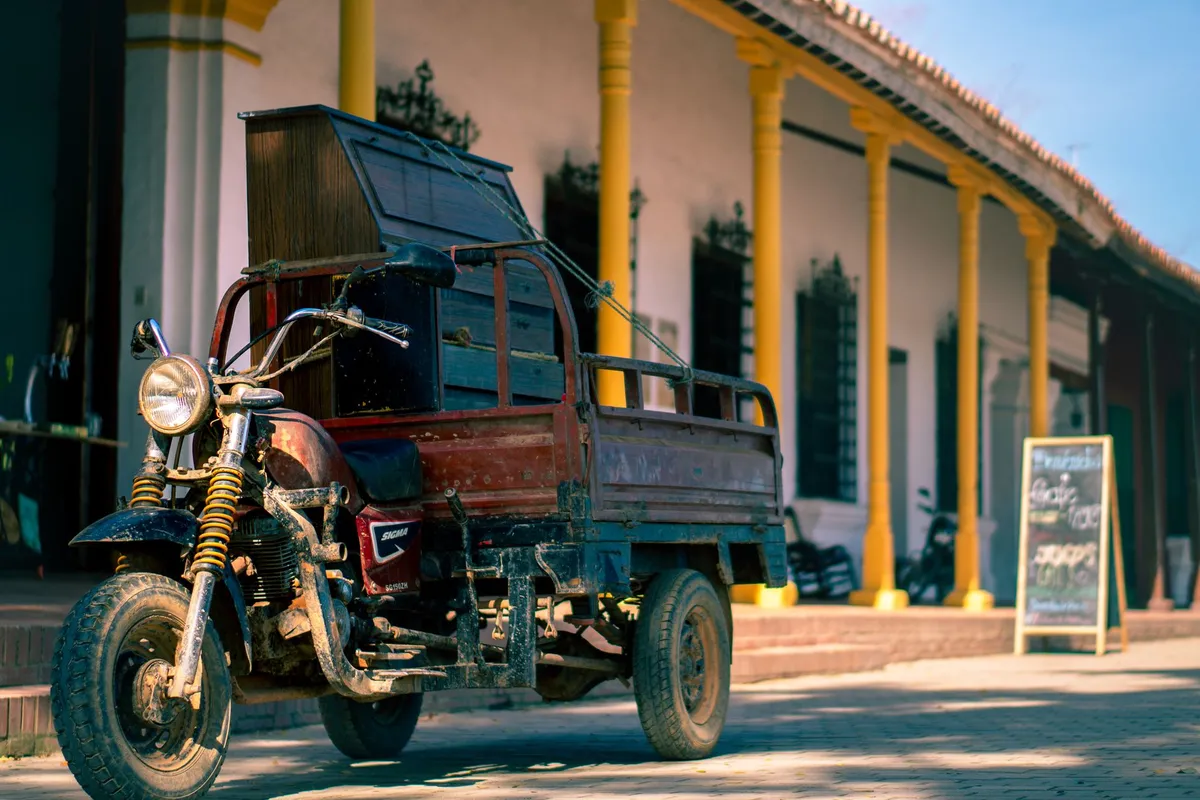
    Mototaxi on a historic street in Mompox
    Mototaxis are part of daily life in the city. | Photo: Roberto Castano / Pexels

    Book transport with a recognized company, confirm your drop-off point, and don’t schedule a flight on the same day you return. Road conditions can vary with construction and rain. For local activities, check out the available tours in Mompox and confirm whether boat trips depend on the river level.

    Best time to go and how many days to stay

    The climate is hot and humid year-round. Rainy periods affect roads, mosquitoes, and navigation; drier months make walking easier but don’t eliminate the heat. Holy Week draws many visitors and showcases strong religious traditions, requiring early bookings and a tolerance for crowds.

    Three nights make the trip worthwhile and let you experience the city at the right times. A day trip from Cartagena is impractical. Two days cover the essentials, but any delay means missing the boat ride or the workshops. Four days work well for those who want to photograph, write, or simply rest.

    Mompox in 3 days: churches and river at the pace of the heat

    Day 1: Calle Real del Medio and churches

    Start on Calle Real del Medio and Plaza de la Concepción. Walk to the churches of San Francisco, San Agustín, and Santa Bárbara, the last one known for its side tower and its connection to the river. Opening hours vary; check out the facades early and return when there’s a service or a visit is allowed.

    Colonial church in Mompox near the Magdalena River
    Churches and the riverfront shape the historic center. | Photo: Diego Agudelo / Pexels

    Pause your walk around noon. A long lunch, a hammock, or a cool room isn’t wasted time; it’s part of the logistics. Head back out in the late afternoon to Calle de la Albarrada, when the low light highlights the doors, ironwork, and benches facing the Magdalena.

    Day 2: Filigree and ciénagas

    Mompox’s filigree transforms fine threads of gold or silver into delicate designs. Look for a workshop that shows the process, explains the metal’s purity, and provides a receipt. Very cheap pieces may not have the expected origin or composition. Buy directly from the artisan and ask who made the piece.

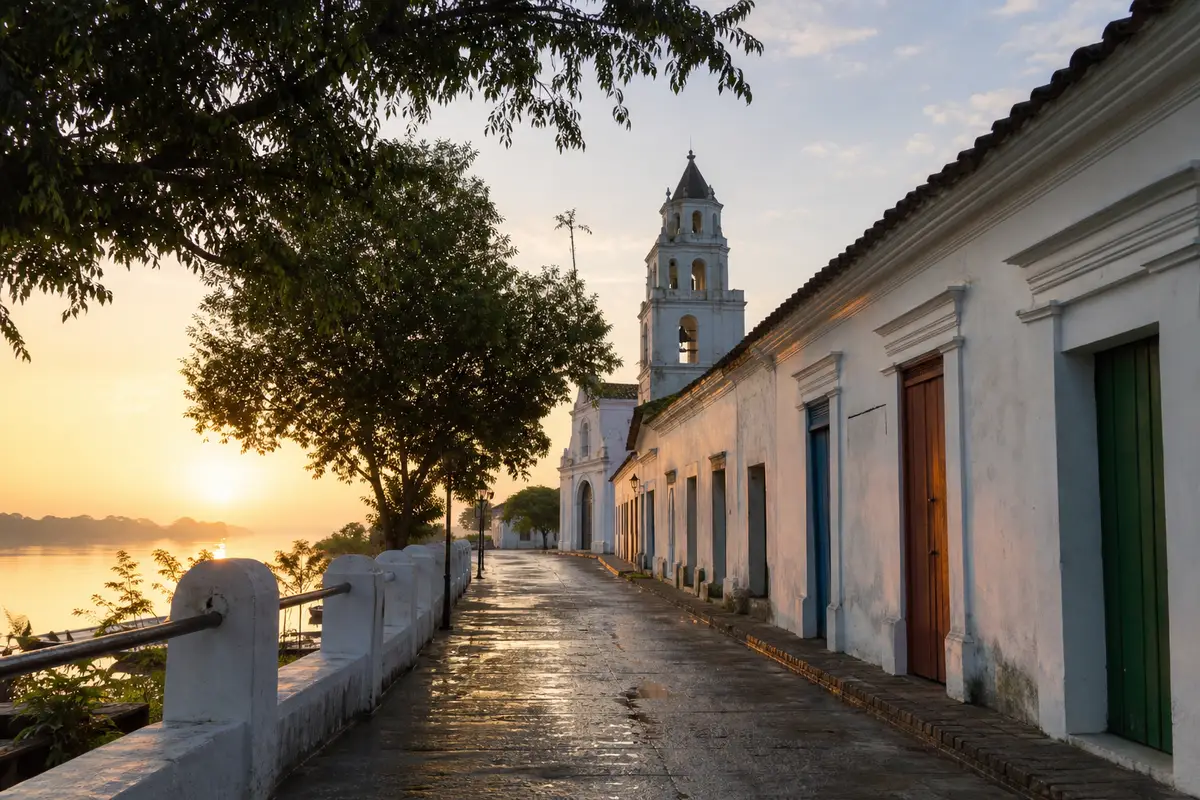
    Colonial street in Mompox by the river at dawn
    Editorial illustration of the relationship between architecture and river. | AI-generated illustration

    In the late afternoon, boat tours explore canals, ciénagas (swamps), and birdlife. Operators and routes change with the water level. Wear a life jacket, use insect repellent, and don’t expect a guaranteed safari: this is a living ecosystem, not a controlled attraction.

    Day 3: Market, cemetery, and life on the riverbank

    Visit the market early to see fish, fruits, and ingredients from the river. The municipal cemetery, white and organized in galleries, is an important part of local memory; enter respectfully, speak softly, and avoid photographing ceremonies. Finish the day at a museum or cultural house and save your last afternoon for the Albarrada.

    How to read Mompox beyond the facades

    Founded in 1540, Mompox prospered as a river port and trading center. Changes in the river’s course and the importance of trade routes contributed to its isolation, helping preserve its urban fabric. The historic center was inscribed by UNESCO in 1995, not because it’s a frozen city, but because it preserves an urban form tied to the river.

    Notice the courtyards, eaves, ironwork, and the continuity of the single-story houses. Use the official Mompox page on Colombia Travel as an introduction and seek out local guides to connect architecture, navigation, religiosity, and artisan work.

    Where to eat in Mompox

    River fish, rice, plantains, cheeses, and regional sweets show up on menus. Ask which fish is available and how it was preserved. Lemonade and cold drinks help, but you should have drinking water with you all day. Restaurants on the Albarrada gain atmosphere at night; make reservations on holidays.

    Where to stay without suffering from heat and noise

    The historic center lets you do almost everything on foot. Adapted colonial houses offer courtyards and charm, but rooms vary greatly in ventilation and insulation. Confirm the air conditioning, mosquito screens, generator, and whether the room faces a bar or square. On the riverbank, check the noise risk on busy nights.

    Practical tips for Mompox

    Wear light clothing, a hat, sunscreen, and insect repellent. Bring cash, as digital payments and ATMs can fail. Agree on the mototaxi fare before the ride. In churches, cover your shoulders during services and don’t block the aisle to take photos.

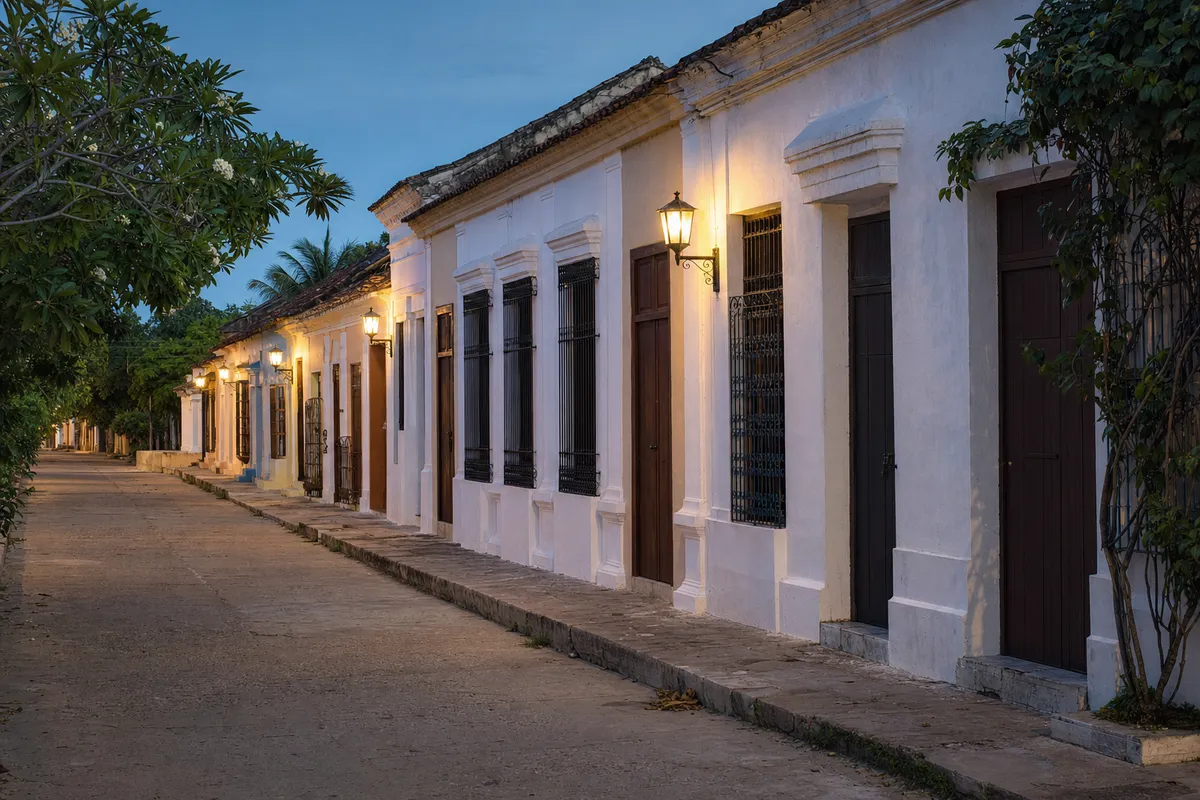
    Illuminated colonial facades on a street in Mompox
    Editorial illustration of Calle Real del Medio at dusk. | AI-generated illustration

    Mompox pairs well with historic Cartagena, but include a full day for each overland leg. If you’re continuing through the Caribbean, you can add Tayrona National Park and San Andrés, knowing they offer very different environments and logistics.

    Leave your arrival afternoon free of fixed plans. The long road and the heat make any tight reservation a source of stress.

    Frequently asked questions

    How many days should you spend in Mompox?

    Three days let you explore the heritage, filigree, and river landscape without walking in the worst of the heat.

    How do you get from Cartagena to Mompox?

    Vans and buses cover the overland route; confirm the company, boarding point, and current travel time.

    Is Mompox very hot?

    Yes. The climate is hot and humid, and your itinerary should focus walks in the early morning and late afternoon.

    Is it worth visiting during Holy Week?

    It’s worth it if you’re seeking religious traditions and accept crowds and higher prices.

    Do you need a car in Mompox?

    Not in the center; mototaxis handle longer trips.

    Conclusion

    Mompox reveals its best side between the first light, the midday pause, and the return to the riverbank. Give time to the filigree, step into the churches when they’re open, and let the Magdalena organize your trip. Voyage Voyage helps you get there without imposing haste on a city built on taking its time.

  • Villa de Leyva in 3 Days: Stone, Fossils, and Less Rush

    Villa de Leyva in 3 Days: Stone, Fossils, and Less Rush

    🇧🇷 POR | 🇫🇷 FR | 🇺🇸 EN | 🇪🇸 ES

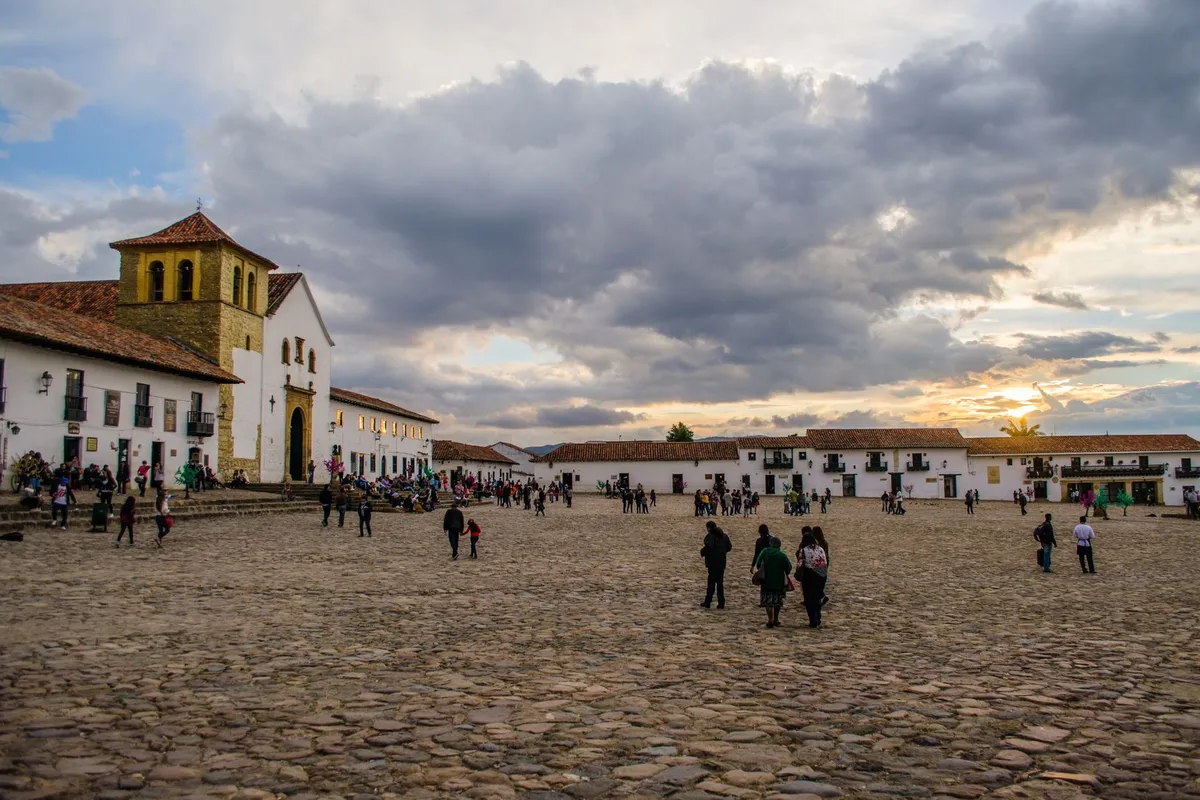
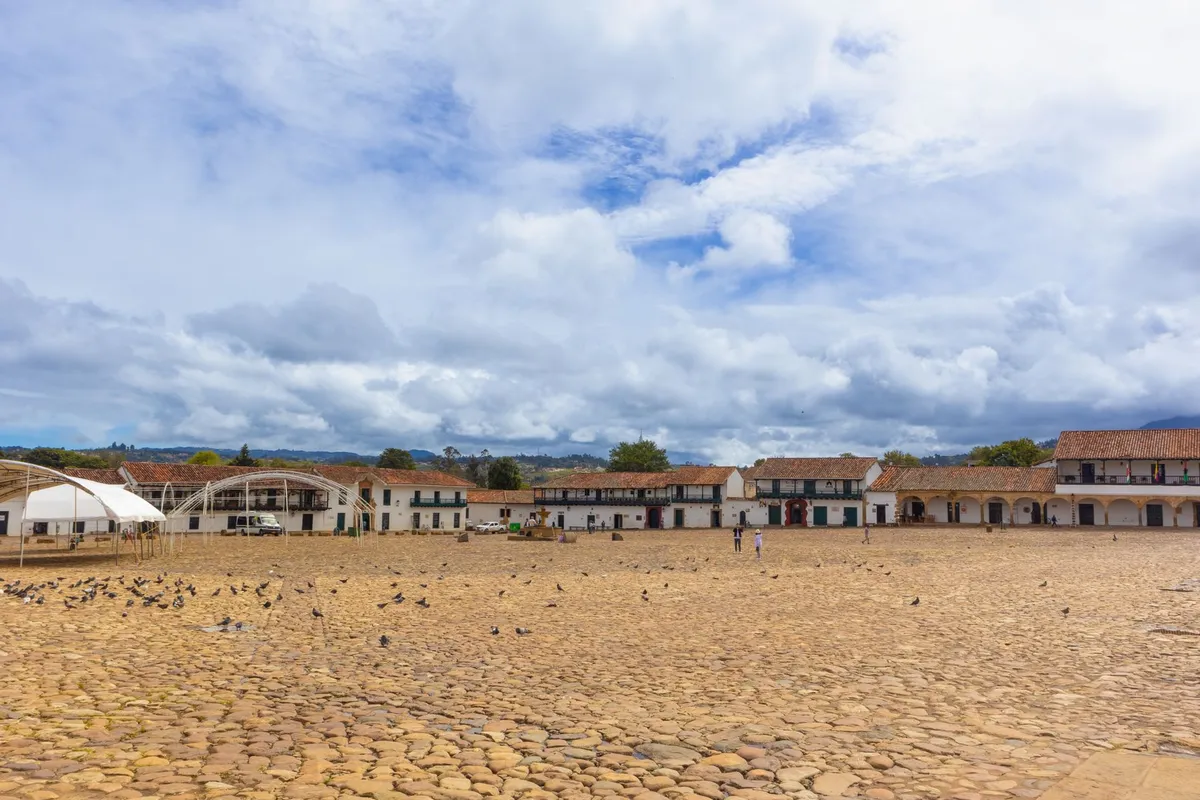
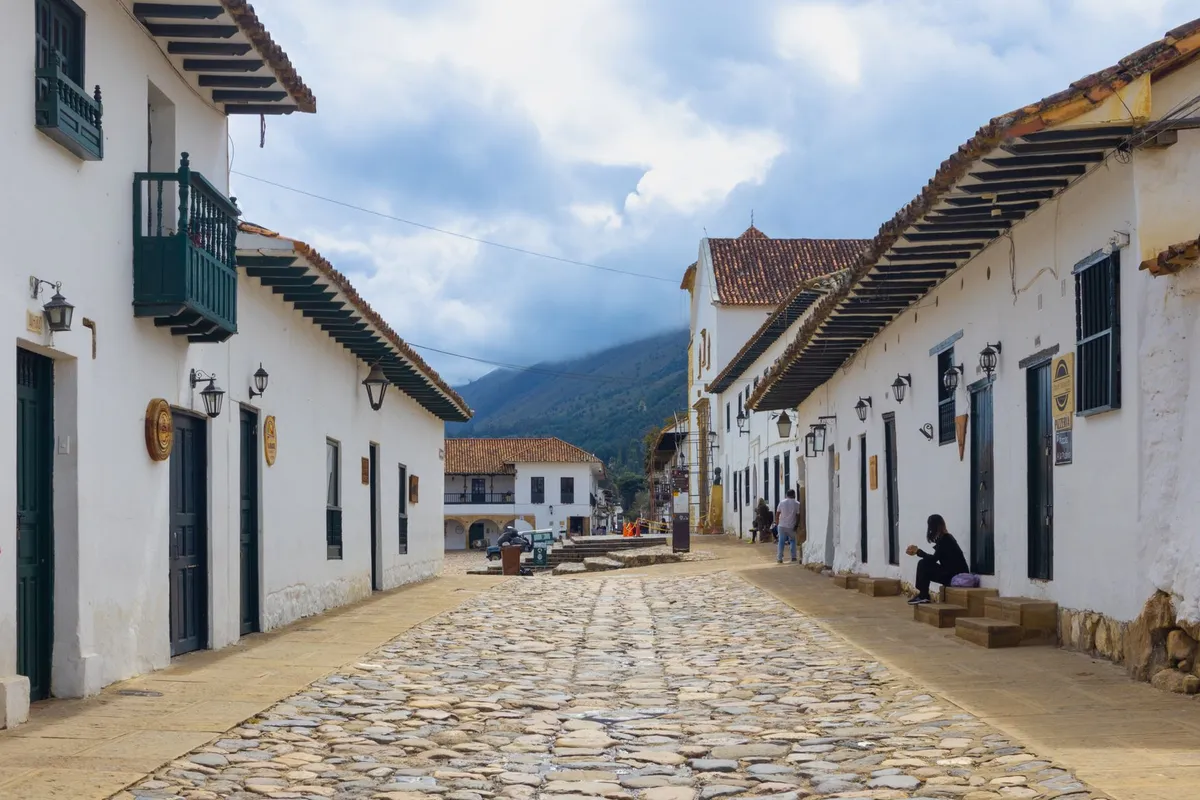
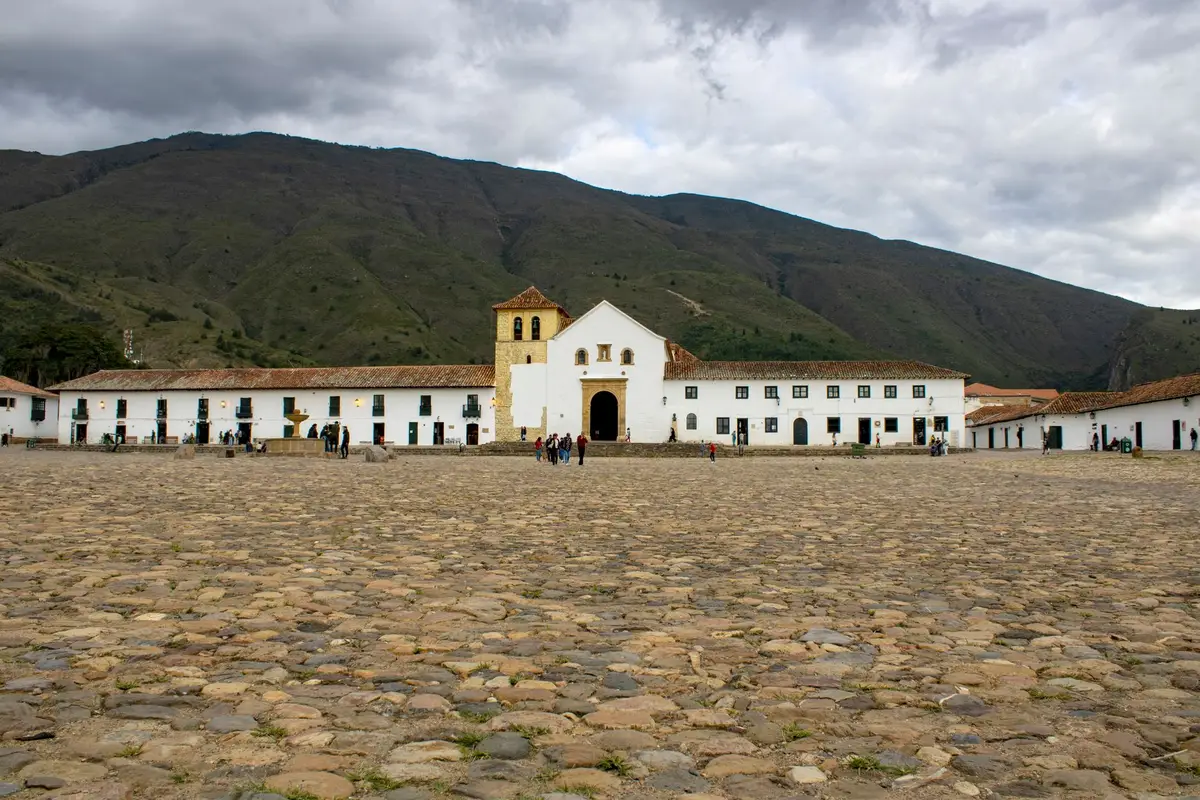
    Villa de Leyva often shows up as a day trip from Bogotá, but the drive eats up a good chunk of the day and the town goes far beyond the Plaza Mayor. Three days let you stroll over colonial cobblestones without rushing, check out fossils in the valley, and pick one rural landscape without cramming in disconnected sights.

    Quick answer: spend three days in Villa de Leyva: one for the historic center, another for fossils and desert-like scenery, and a third for a hike, a winery, or a monastery. Stay in the center to enjoy the plaza before the tour buses roll in.

    How to get to Villa de Leyva

    Buses leave Bogotá for Villa de Leyva, often with a stop in Tunja. The trip usually takes around four hours, but traffic leaving the capital can change that quite a bit. Check at the terminal whether the service is direct and where the final stop is; smaller vans may have different baggage rules.

    Visitors on the Plaza Mayor of Villa de Leyva at sunset
    The Plaza Mayor changes its vibe once the day-trippers leave. | Photo: Juan Felipe Ramírez / Pexels

    By car, don’t just count the miles: rain, roadwork, and weekends can stretch the drive. Park outside the cobblestone core and walk. If you prefer a tour, you can compare activities in Villa de Leyva, checking free time and included admissions.

    Best time to go and how many days to stay

    The town sits above 6,500 feet, with cool nights and strong sun during the day. Rain is possible in several months; bring a jacket, a rain poncho, and sunscreen. Holidays and weekends draw visitors from Bogotá, pushing up prices and filling the Plaza Mayor.

    Three days keep you from spending eight hours on the road for just a few hours downtown. With two nights, prioritize the town and the fossil route. A fourth day works if you want a longer hike or some downtime. During festivals, book lodging and transport well in advance.

    Villa de Leyva in 3 days: stone, fossils, and less rush

    Day 1: Plaza Mayor and the historic center

    Start at the Plaza Mayor, one of the largest cobblestone squares in the Americas, at about 150,000 square feet according to Colombia Travel. Step into the parish church, walk along Carrera 9, and visit house museums based on your interests. The uneven pavement calls for sturdy shoes; wheeled luggage suffers on the old blocks.

    White colonial houses in Villa de Leyva
    White facades, wood, and clay tiles keep the center’s look consistent. | Photo: Sebastián Valencia Pineda / Pexels

    Come back to the square early in the morning and again at night. The town gets more interesting once the tours leave and the stone shows itself again. Don’t turn every doorway into a photo shoot: many houses are still private homes.

    Day 2: Museo El Fósil and the dry valley

    The Museo El Fósil was built around a large fossilized marine reptile found by farmers. The visit puts into context the time when this area was under the sea. Pair it with the Centro de Investigaciones Paleontológicas or another nearby spot, checking hours and open days.

    Cobblestone street and colonial facades in Villa de Leyva
    Uneven streets are part of the experience and call for the right footwear. | Photo: Sebastián Valencia Pineda / Pexels

    The Pozos Azules is a private attraction with ponds whose color shifts with minerals and light; manage your expectations, since it’s not untouched natural scenery. A driver, an e-bike, or a tour makes the route easier. Don’t try to walk between every stop under the strong sun.

    Day 3: Iguaque, Santo Ecce Homo, or a winery

    Pick just one direction. The hike to the Iguaque lagoon requires preparation, an early start, environmental rules, and confirmed access. The Santo Ecce Homo monastery delivers architecture and a rural setting. Wineries in the region offer tours and tastings, but you need to sort out a driver and timing beforehand.

    What to pick in the surroundings without turning it into a checklist

    Paleontology is the most fitting add-on for a first visit. If you prefer nature, dedicate the day to Iguaque without adding museums. Ráquira, known for its pottery, fits another route and deserves time to see workshops, not just shops. Tunja can be a historic stop on the way back.

    To compare other colonial centers, check out historic Cartagena and Antigua Guatemala. If your trip continues through the Colombian countryside, the Guatapé in two days itinerary pairs colorful architecture with reservoir views.

    Where to eat in Villa de Leyva

    Look for Boyacá-style cooking: soups, corn, potatoes, meats, and the cocido boyacense show up at traditional houses. Restaurants around the square charge for the location; walking a few blocks opens up more options. Bakeries, cafés, and hot chocolate help on cold nights. Book ahead on Saturdays.

    Where to stay to enjoy the town when it’s quiet

    The historic center lets you walk everywhere and see the square early, but rooms facing busy streets can be noisy. The outskirts offer gardens, parking, and peace, though you’ll need a taxi. Confirm the distance in meters, not just “close to the center,” and ask about hot water on cold nights.

    Practical tips

    Bring cash for small admissions and rural transport. Don’t rely on a steady signal in the outskirts. Check the official Villa de Leyva page on Colombia Travel, read the official intro to the town’s historic architecture, and confirm access to nature reserves through environmental channels before heading out.

    Panorama of the Plaza Mayor in Villa de Leyva
    The square, at roughly 150,000 square feet, anchors the center. | Photo: Emilsen Báez / Pexels

    Split the town and the countryside into different days. That keeps you from missing museum hours while bouncing between sights.

    Frequently asked questions

    How many days should you spend in Villa de Leyva?

    Three days let you see the center, the paleontology route, and one rural attraction.

    Can you do it as a day trip from Bogotá?

    You can, but the road takes up many hours and you miss the town when it’s empty early and late in the day.

    Is Villa de Leyva cold?

    Nights tend to be cool because of the altitude; bring a jacket even on sunny days.

    Do you need a car?

    Not for the center. For the outskirts, a taxi, tour, or car makes things much easier.

    What should you do first?

    Start with the historic center and leave fossils and rural scenery for the following days.

    Conclusion

    Villa de Leyva rewards those who stay past the day-trip crowd. Walk the square early, treat the fossils as part of the valley’s story, and pick just one rural route per day. Voyage Voyage helps you trade miles for real time at your destination.

  • San Agustín in 3 Days: Archaeology Without Rushing Through the Park

    San Agustín in 3 Days: Archaeology Without Rushing Through the Park

    🇧🇷 POR | 🇫🇷 FR | 🇺🇸 EN | 🇪🇸 ES

    San Agustín holds the largest collection of religious monuments and megalithic sculptures in South America, but visiting only the main park leaves half the story untold. Three days let you see the mesitas, Alto de los Ídolos, and the landscape of the Colombian Massif without turning this heritage site into a blur of stones stripped of context.

    Quick answer: set aside three days in San Agustín: one for the main archaeological park, another for Alto de los Ídolos and Alto de las Piedras, and a third for the Magdalena Strait or a rural route. Hire a guide on day one; understanding the figures changes the entire visit.

    How to get to San Agustín

    Pitalito has the nearest airport and is about an hour away by road, depending on traffic and transport. Vans and buses connect the terminal to town. Coming from Neiva, you’ll cross the department of Huila on a long journey; from Popayán, the road through the massif is scenic, winding, and subject to changing conditions.

    Pre-Columbian sculpture at the San Agustín Archaeological Park
    Carved guardians protected funerary structures. | Photo: Makalu / Pixabay

    Avoid booking a tight connection on your departure day. Rain, roadworks, and the terrain can change travel times. For an organized tour, check out the activities in San Agustín and confirm exactly which sites and transport are included.

    Best time to go and how many days to stay

    San Agustín has a mild, humid climate with possible rain year-round. The less rainy months usually make trails and rural roads easier, but they don’t eliminate mud. Bring a rain jacket, footwear with good grip, water, and sunscreen. The vegetation shades part of the park, while viewpoints are exposed.

    Three days is the sweet spot. One full day covers the main park; the second reaches the Isnos sites; the third showcases the landscape tied to the upper Magdalena. With only two nights, prioritize archaeology over squeezing in distant waterfalls and viewpoints.

    San Agustín in 3 days without rushing through the park

    Day 1: Mesitas, Fuente de Lavapatas, and Alto de Lavapatas

    Start at the museum and the park’s introduction. Then explore Mesitas A, B, and C, where funerary mounds gather statues and stone slabs. The Fuente de Lavapatas is a set of channels and figures carved into the rocky riverbed; Alto de Lavapatas completes the walk with a perspective over the valley.

    Funerary monument amid the vegetation of San Agustín
    The monuments combine sculptures, slabs, and mounds. | Photo: Makalu / Pixabay

    Don’t try to read every figure as a literal portrait. Animals, teeth, eyes, and human forms appear in symbolic combinations, and archaeologists still debate their meanings. Set aside at least four hours for the main park and arrive early.

    Day 2: Alto de los Ídolos and Alto de las Piedras

    Both parks are in the municipality of Isnos and require transport. Alto de los Ídolos features large funerary structures and one of the region’s tallest statues; Alto de las Piedras preserves the figure known as Doble Yo. Combine the sites with a driver or tour and confirm the itinerary leaves enough time at each stop.

    Stone statue of the Agustinian culture in Colombia
    The sculptures vary in scale, expression, and symbolic repertoire. | Photo: Makalu / Pixabay

    Day 3: Magdalena Strait or a horseback route

    At the Estrecho del Magdalena, Colombia’s main river squeezes between rocks. The spot helps you understand why the region was a corridor of water and mountains. Another option is a horseback route through El Tablón, La Chaquira, and rural properties. Choose well-treated animals, wear a helmet when available, and pick a route that matches your experience.

    How to understand San Agustín’s archaeology

    The name “San Agustín culture” organizes traces of societies that occupied the region in different periods; it doesn’t identify a single people known from written records. The archaeological complex was added to the UNESCO World Heritage List in 1995. Reading up on this history before visiting the mesitas keeps you from reducing the monuments to photo ops.

    Use the material from Colombia’s official tourism site about the park and confirm hours, fees, and closures on ICANH’s official channel the week of your visit. Old prices circulate on blogs; don’t build your budget on outdated numbers.

    Where to eat in San Agustín

    Dishes featuring trout, beef, corn, plantains, and Huila products show up on restaurant menus. Also look for locally sourced coffee: the region produces award-winning beans, and a guided tasting teaches you more than just ordering “Colombian coffee.” Pack snacks for the Isnos routes, where lunchtime can get tight.

    Where to stay without depending on transport for everything

    The center offers restaurants, a market, and transport, but it’s a few kilometers from the park. Lodgings on the park road make early entry easy and usually have gardens, though they require a taxi at night. Rural fincas deliver peace and quiet; confirm access in the rain, cell signal, dinner options, and transport costs before booking.

    Practical tips for the archaeological sites

    Don’t touch or climb on the sculptures. Stay on the trails, as the soil and structures are part of the site. Download maps, bring cash, and keep your ticket receipt according to current rules. Official guides can be hired at the entrance or in advance; confirm their credentials and language.

    Tomb and sculptures at the San Agustín archaeological site
    The visit makes more sense when funerary architecture and landscape are seen together. | Photo: Makalu / Pixabay

    San Agustín pairs well with the Tatacoa Desert via Neiva, as long as you set aside a day for the drive. For another historical take on Colombia, see historic Cartagena; for Caribbean nature, head to Tayrona National Park.

    Don’t schedule Isnos and the main park on the same day. Saving a night costs you context and walking time.

    Frequently asked questions

    How many days should you spend in San Agustín?

    Three days cover the main park, the Isnos sites, and a scenic route.

    Do you need a guide at the archaeological park?

    It’s not always required, but a guide greatly improves your understanding of the monuments.

    Is San Agustín a World Heritage Site?

    Yes. The archaeological park was inscribed by UNESCO in 1995.

    What’s the nearest airport?

    Pitalito’s airport is the most practical air gateway.

    Can you visit in the rain?

    Yes, but trails and rural roads get slippery; bring a rain jacket and proper footwear.

    Conclusion

    San Agustín doesn’t ask you to race between statues; it asks for time to connect burials, symbols, and landscape. Spread the parks across your days, start at the museum, and let the river complete the story. Voyage Voyage helps you arrive with the right questions.

  • Campeche in 3 Days: Walls and Mayan Ruins Without the Rush

    Campeche in 3 Days: Walls and Mayan Ruins Without the Rush

    🇧🇷 POR | 🇫🇷 FR | 🇺🇸 EN | 🇪🇸 ES

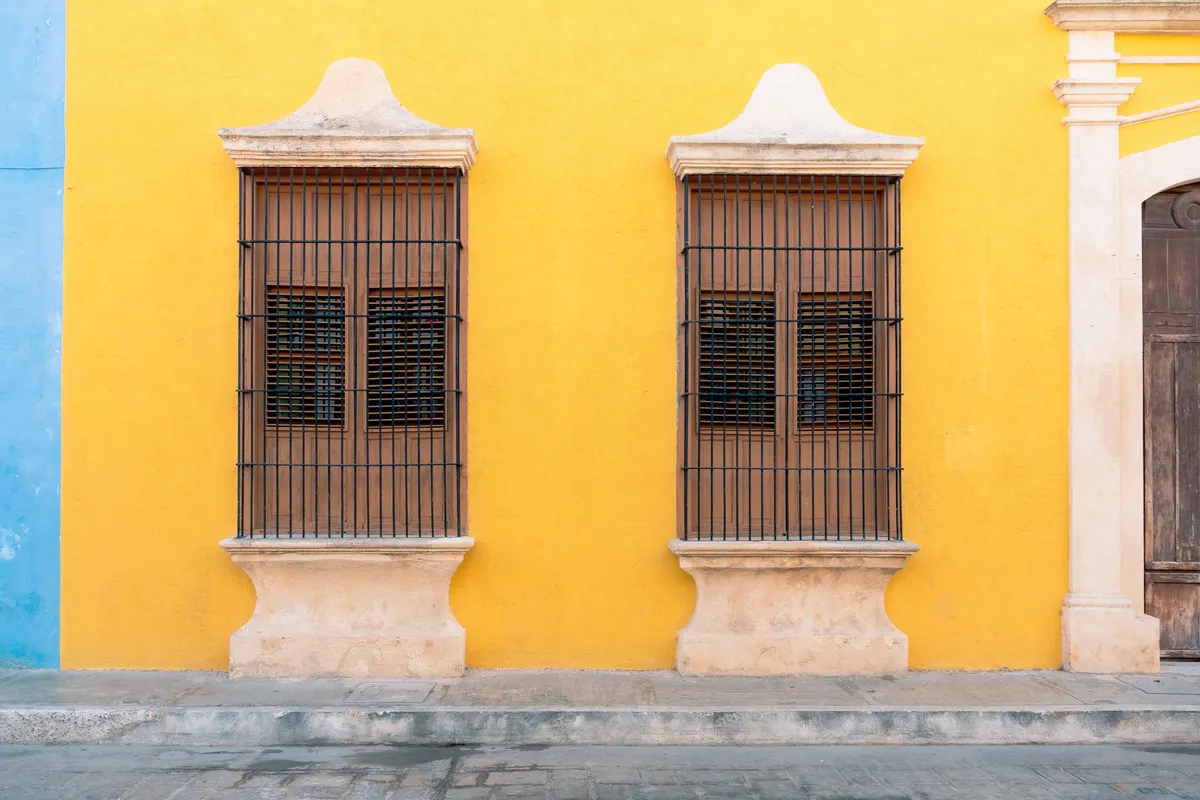
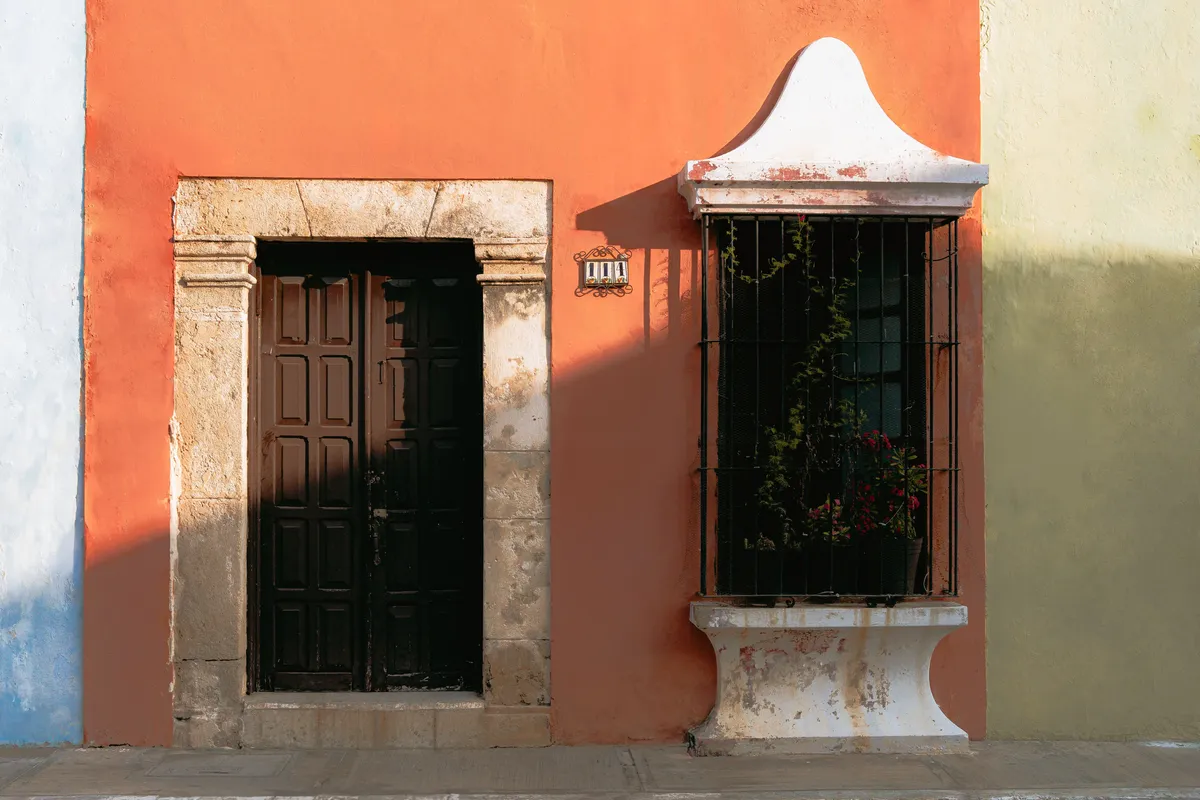
    San Francisco de Campeche preserves walls, bastions, and colorful facades along the Gulf of Mexico. Three days let you wander the historic center, visit fortifications, and pick a nearby Mayan archaeological zone without trying to squeeze Calakmul into a simple day trip.

    Quick answer: spend two days on the walled city, malecón, and museums; on the third, choose Edzná or another nearby route. Calakmul requires a very early start, a long drive, and its own planning. Don’t treat it as a Campeche city attraction.

    How to get to Campeche

    Campeche’s airport receives limited domestic flights. Mérida offers more connections and frequent buses; the overland trip takes a few hours depending on the service. The Maya Train may serve the region, but schedules and operation should be confirmed on the official channel. Within the center, walking solves almost everything.

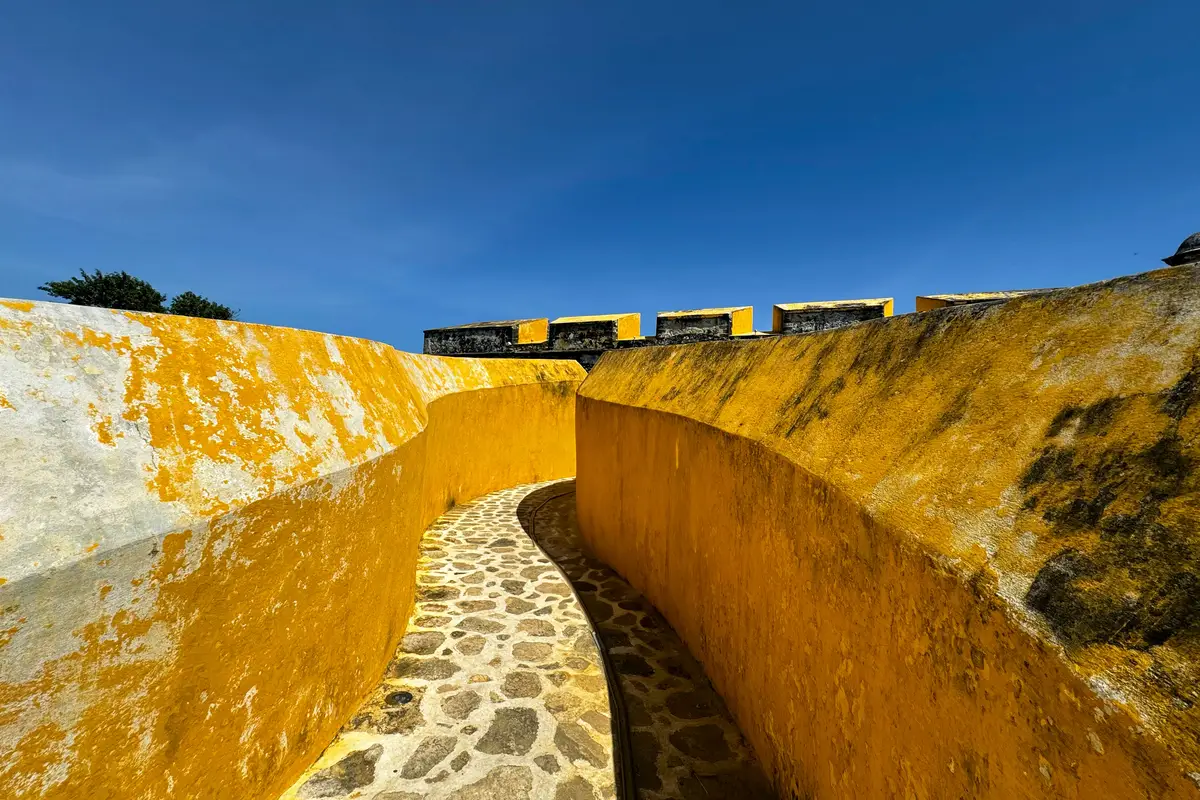
    Yellow walkway over a Campeche fortification
    The bastions recall the city’s defensive past. | Photo: Iván Hernández-Cuevas / Pexels

    Official taxis and ride-hailing apps handle the airport and terminals. For Edzná or Calakmul, rent a car with insurance or hire an operator. Check out activities in Campeche and compare distances, entry fees, and actual duration.

    Best time to go and how long to stay

    From November to March, heat and humidity tend to be more tolerable. Summer and fall bring intense heat, rain, and cyclone season in the Gulf. Three days cover the city and Edzná. For Calakmul, add at least one night at a closer base and check the road, fuel, and opening hours.

    Campeche in 3 days without a rushed route

    Day 1: The walled center

    Start at Plaza de la Independencia, the Cathedral, and streets of pastel facades. Enter through the portals and visit a bastion to understand pirate attacks and colonial defense. The historic center has been a World Heritage Site since 1999. Walk early or after 4 p.m. to escape the strongest heat.

    Colonial architecture of San Francisco de Campeche
    Tall doors and continuous facades define the center. | Photo: Edgar Mosqueda Camacho / Pexels

    Day 2: Forts, museums, and the malecón

    Fuerte de San Miguel and Fuerte de San José are outside the core and require transportation. Confirm which museum is open and its current collection. In the late afternoon, walk along the malecón to feel the Gulf breeze. Bring water even on short routes: shade and humidity can be deceiving.

    Colorful facades in Campeche's historic center
    The colors help you read the blocks of the historic center. | Photo: Edgar Mosqueda Camacho / Pexels

    Day 3: Edzná

    Edzná is closer and fits into a half-day or full day. The Gran Acrópolis and the Edificio de los Cinco Pisos showcase hydraulic engineering and Mayan architecture. Go early, bring sun protection, and confirm your guide, ticket, and transport. Calakmul belongs to a different scale of trip.

    What to combine with Campeche

    Mérida and Uxmal form the simplest continuation. Chichén Itzá is farther away; use our Chichén Itzá guide. For coast and ruins, see Tulum; for culture and food, Oaxaca in four days.

    Where to eat

    Look for pan de cazón, camarones al coco, fish dishes, chocolomo, and achiote-flavored plates. The center has tourist restaurants; markets serve simple meals. Seafood requires attention to origin and refrigeration. Hydrate before consuming alcohol.

    Where to stay

    Inside the walls, you can walk to plazas and restaurants, with possible nighttime noise. Near the malecón, there are modern hotels with car access. Confirm parking, air conditioning, and hot water. In peak heat, air conditioning changes the quality of your rest.

    Practical tips

    Check the Visit Mexico page on Campeche, the state tourism office, and UNESCO. During cyclone season, follow weather alerts and don’t keep coastal plans under a warning.

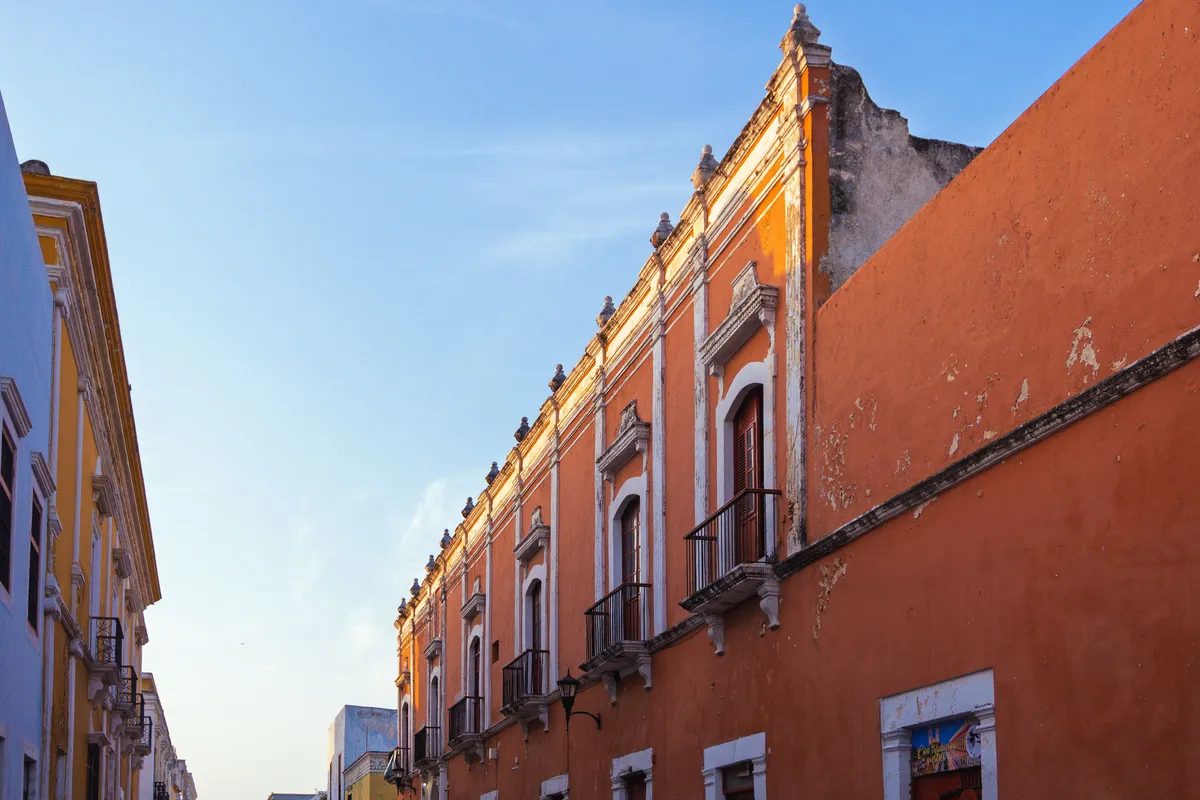
    Street with colonial architecture in Campeche
    The center is most pleasant at the start and end of the day. | Photo: Edgar Mosqueda Camacho / Pexels

    Fill up your tank before long archaeological routes. Signal, fuel, and services thin out outside the capital.

    Frequently asked questions

    How many days should you spend in Campeche?

    Three days for the city and Edzná.

    Is Calakmul a day trip?

    It’s possible on a very long route, but a closer base is better.

    Do you need a car?

    Not in the center; it helps for archaeological sites.

    What’s the best time to go?

    From November to March, when the heat is more tolerable.

    Does Campeche have a beach?

    The capital has a malecón; beaches suitable for swimming are elsewhere on the coast.

    Conclusion

    Campeche deserves to be seen as a city, not a stopover. Walk among the walls, choose a Mayan site that fits your time, and leave Calakmul for another base; Voyage Voyage helps keep distances honest.

  • Antigua Guatemala in 3 Days: Volcanoes Without the Rush

    Antigua Guatemala in 3 Days: Volcanoes Without the Rush

    🇧🇷 POR | 🇫🇷 FR | 🇺🇸 EN | 🇪🇸 ES

    Antigua Guatemala packs baroque churches, earthquake ruins, coffee shops, and volcano views into a compact center. Three days let you explore at a leisurely pace and visit a coffee farm; Acatenango requires a separate expedition, physical preparation, and two more days.

    Quick answer: stay three nights for the historic center, museums, Cerro de la Cruz, and coffee. Don’t count the Acatenango climb as an “Antigua day trip.” It usually involves an overnight stay, intense cold, high altitude, and volcanic risk.

    Getting to Antigua Guatemala

    La Aurora Airport in Guatemala City is the main gateway. Shared shuttles, private transfers, and authorized taxis make the trip, which varies greatly with traffic. Local buses cost less but require attention to luggage, connections, and safety. Avoid scheduling an international flight just a few hours after leaving Antigua.

    Volcano above the rooftops of Antigua Guatemala
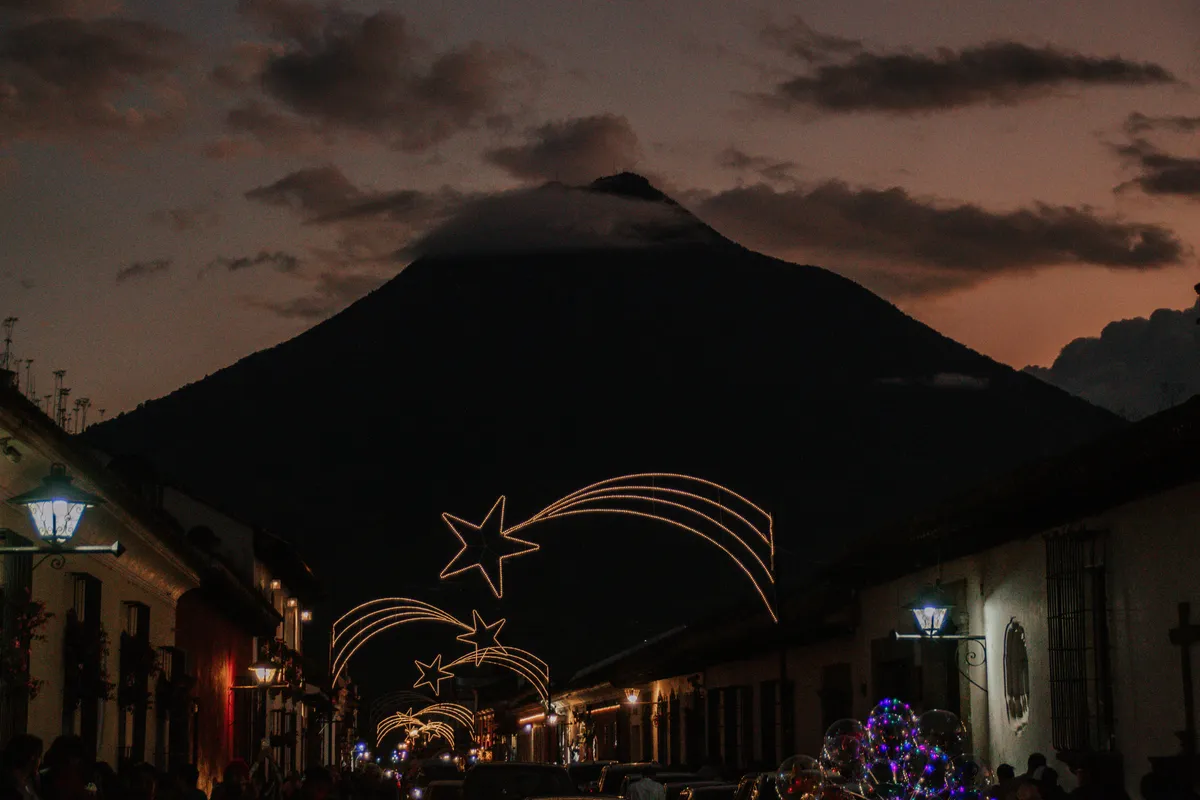
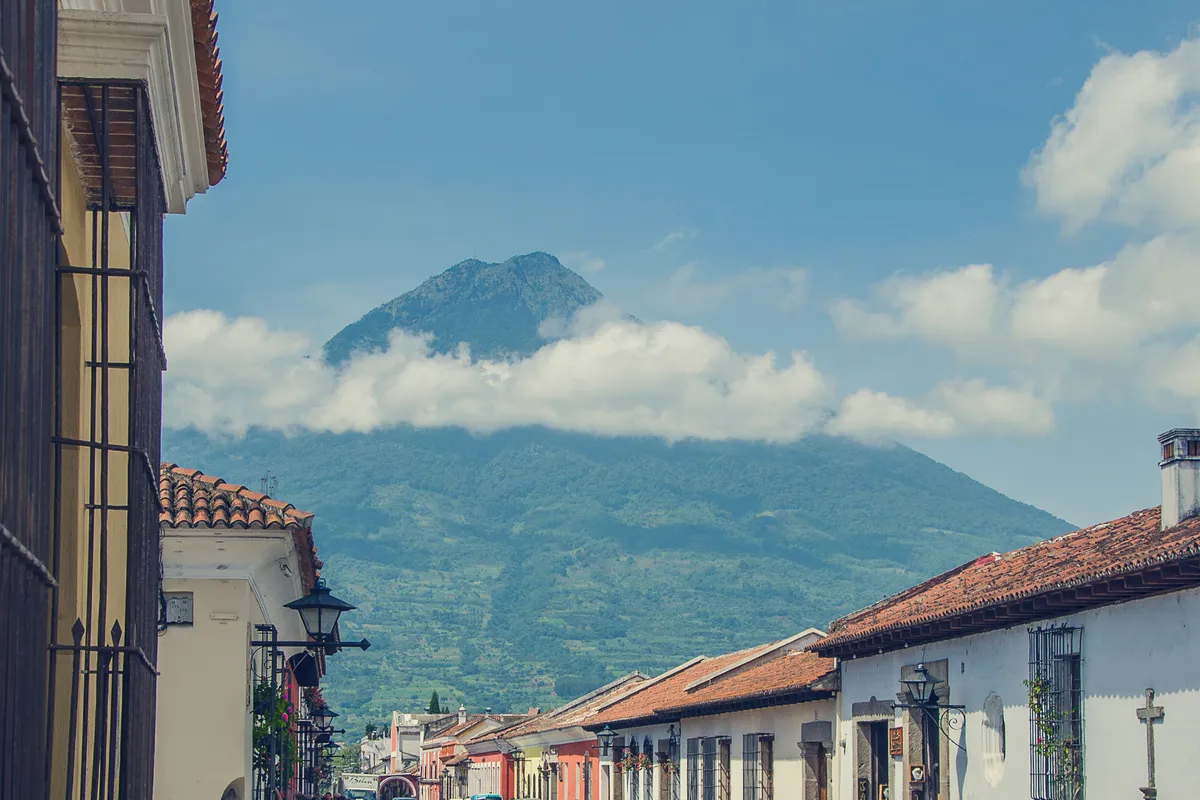
    Volcanoes are part of Antigua’s skyline. | Photo: Alejandro Quiñonez / Pexels

    Book your transfer with your accommodation or a registered operator and confirm the meeting point. Check out activities in Antigua Guatemala and compare whether transport, entry fees, and a guide are included.

    Best time to visit and how many days to stay

    The dry season, roughly from November to April, is great for walking and hiking, with cool nights. The rainy season makes the landscape green and often brings afternoon showers. Holy Week transforms the city with carpets and processions, along with higher prices and crowds. Three days are enough for the center; five or six with Acatenango.

    Antigua Guatemala in 3 days without rushing

    Day 1: Parque Central and Arco de Santa Catalina

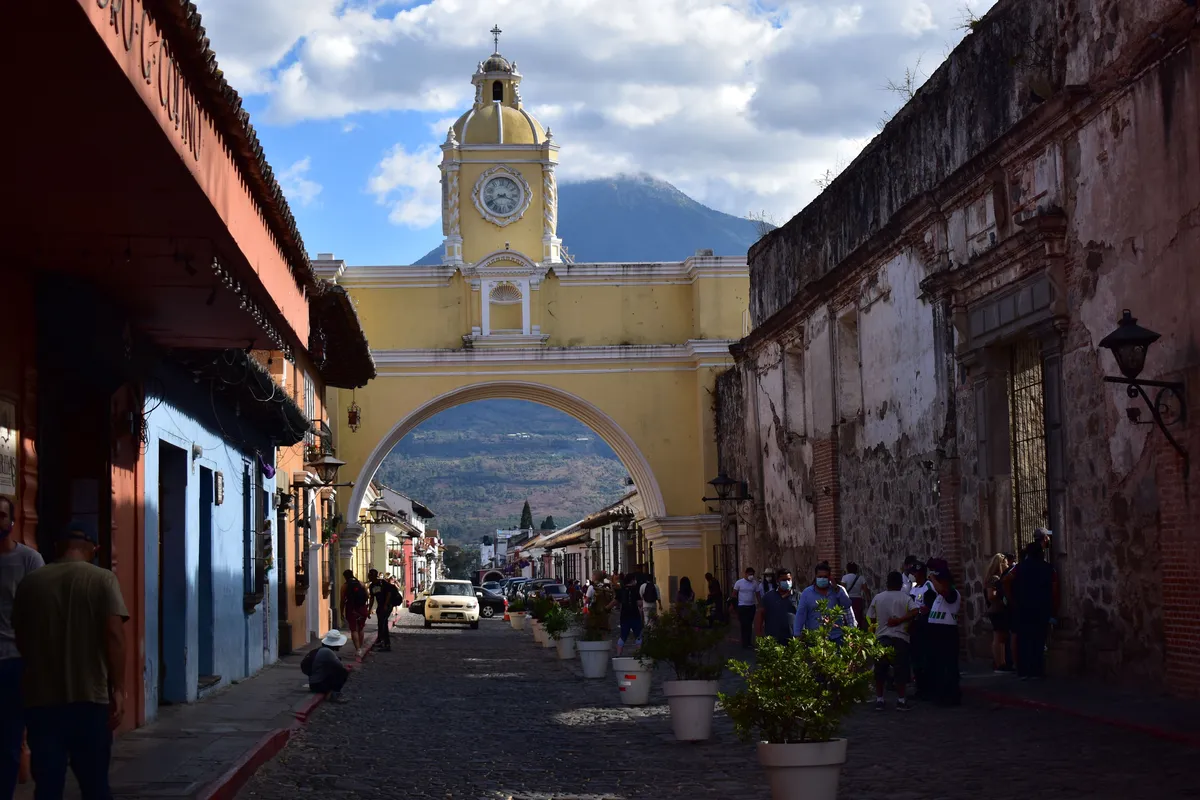
    Start at Parque Central, Catedral de San José, and Palácio dos Capitães. Walk to Arco de Santa Catalina and La Merced. Ruins and churches have different ticket prices and hours; pick two interior visits instead of collecting facades. The uneven cobblestones call for sneakers.

    Urban view of Antigua Guatemala surrounded by volcanoes
    The colonial center sits in a valley surrounded by mountains. | Photo: Saulo Zayas / Pexels

    Day 2: Capuchinas, Santo Domingo, and Cerro de la Cruz

    The Convento de Capuchinas preserves its octagonal fountain and spaces adapted to earthquakes. The Santo Domingo complex houses museums in restored ruins. Hike up to Cerro de la Cruz only during busy hours or with transportation; check current safety recommendations at the tourist office.

    Arco de Santa Catalina and church in Antigua Guatemala
    Arco de Santa Catalina is quieter in the early morning. | Photo: Rodrigo Mutal / Pexels

    Day 3: coffee, villages, or rest

    Farms on the outskirts explain the cultivation, processing, and roasting of coffee grown in volcanic soil. Alternatives include Ciudad Vieja, textile workshops, and markets. Don’t try to fit everything in with Acatenango. The 2026 guide from INGUAT lists attractions in Sacatepéquez and official services.

    Acatenango and other destinations

    Acatenango rises above 3,900 meters and requires a physical assessment, a guide, cold-weather gear, water, and an emergency plan. Visibility of Fuego is not guaranteed. Lago Atitlán and Chichicastenango deserve their own nights. For other Latin American colonial centers, compare Colonia del Sacramento, Oaxaca in four days, and historic Cartagena.

    Where to eat

    Antigua offers pepián, kak’ik, tamales, piloyada, traditional sweets, and single-origin coffees. Markets serve affordable meals; downtown restaurants charge for the location. Drink safe water and watch for hygiene. Before a hike, avoid alcohol and heavy meals.

    Where to stay

    Inside the center, everything is walkable, but bells, bars, and cobblestone streets create noise. Nearby neighborhoods offer quiet guesthouses with tuk-tuk access. Confirm hot water, luggage storage, and shuttle access, as some streets have restrictions.

    Practical tips and safety

    Don’t walk alone on empty trails or side streets at night. Use transportation recommended by your accommodation and keep your documents safe. The official tourist office is on 5ª Calle Oriente and offers assistance. Also check UNESCO on Antigua Guatemala.

    Colonial ruins with arches in Antigua Guatemala
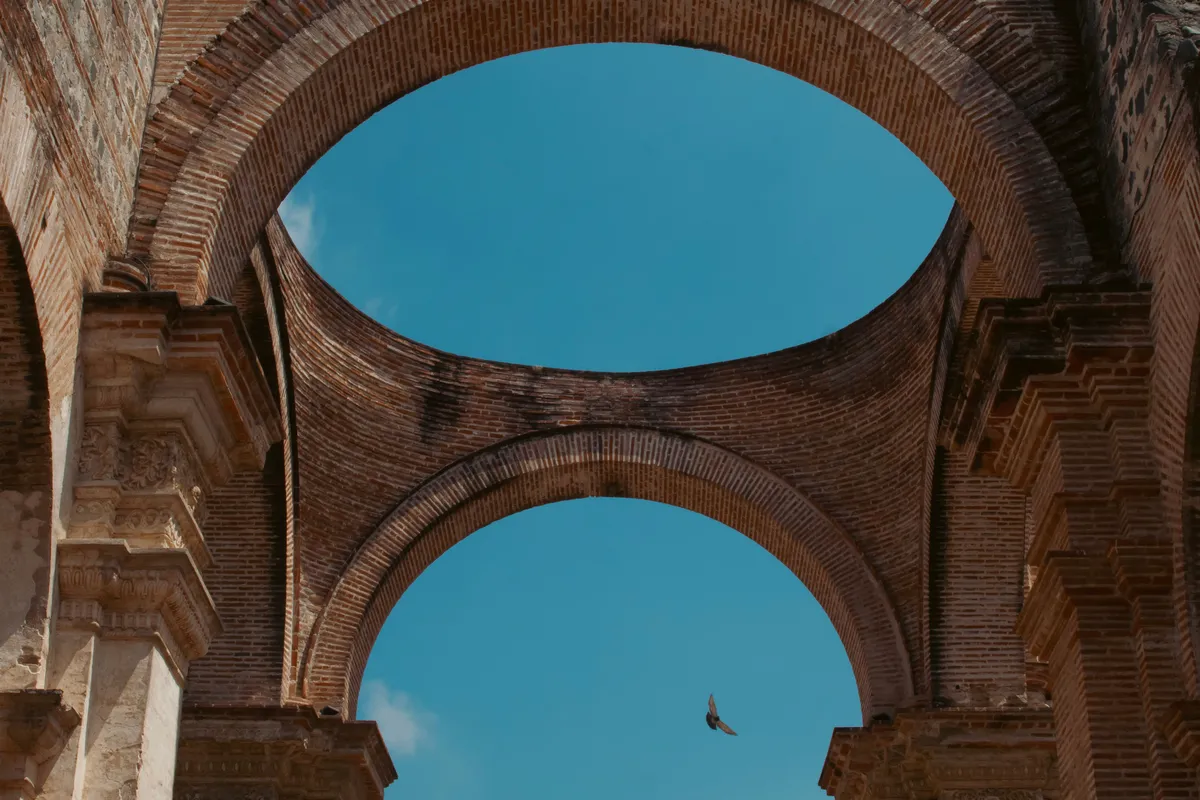
    Earthquakes left ruins integrated into the urban landscape. | Photo: Francisco Sandoval / Pexels

    In a volcanic or seismic alert, follow CONRED and local authorities. Social media is no substitute for official guidance.

    Frequently asked questions

    How many days should I spend in Antigua?

    Three days for the city; five or six with Acatenango.

    Is Antigua safe?

    The center is touristy, but you still need to be careful with transportation, belongings, and trails.

    Is climbing Acatenango worth it?

    For prepared people with a responsible operator; it’s not a casual outing.

    When is Holy Week?

    The dates change every year. Book early and check the official calendar.

    Do I need a car?

    Not in the center. Shuttles, tuk-tuks, and transfers cover the surrounding areas.

    Conclusion

    Antigua Guatemala calls for slow steps among ruins and volcanoes. Give the city three days and treat Acatenango as a separate expedition; Voyage Voyage helps keep heritage and adventure on the right scale.

  • Cuenca in 3 Days: Andean Heritage at the Right Pace

    Cuenca in 3 Days: Andean Heritage at the Right Pace

    🇧🇷 POR | 🇫🇷 FR | 🇺🇸 EN | 🇪🇸 ES

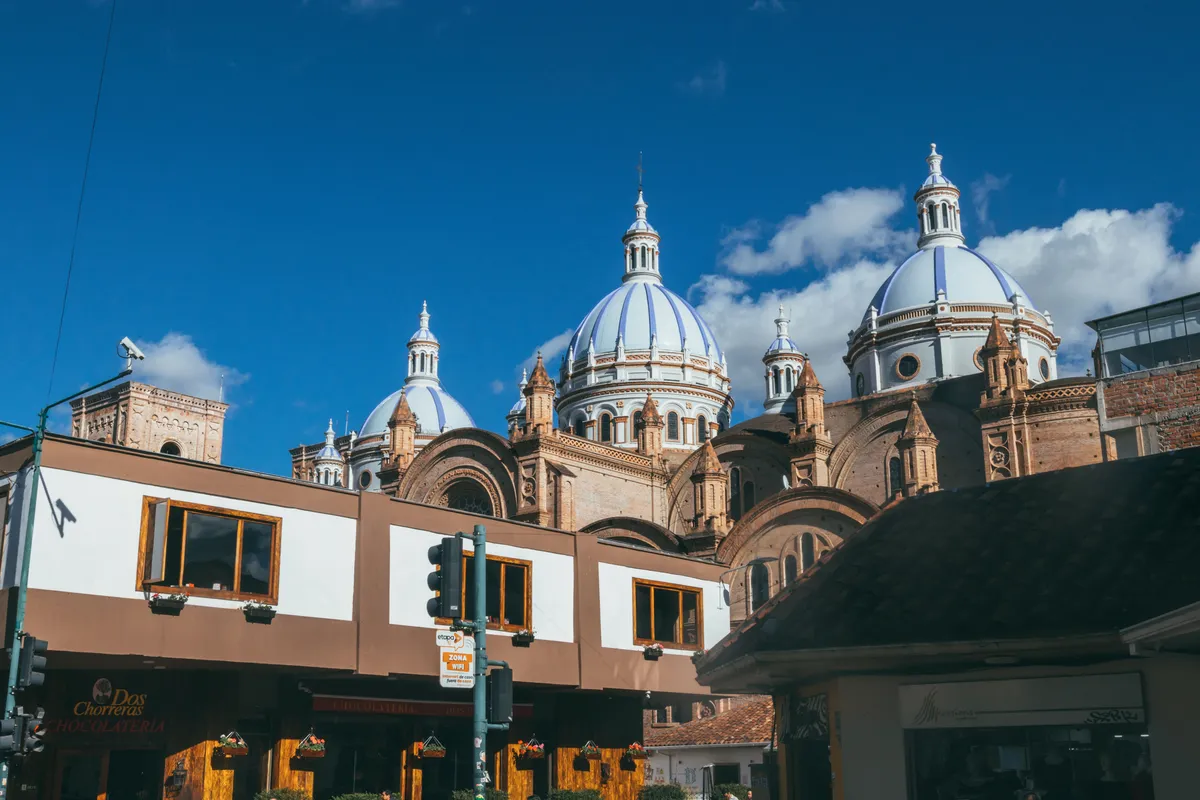
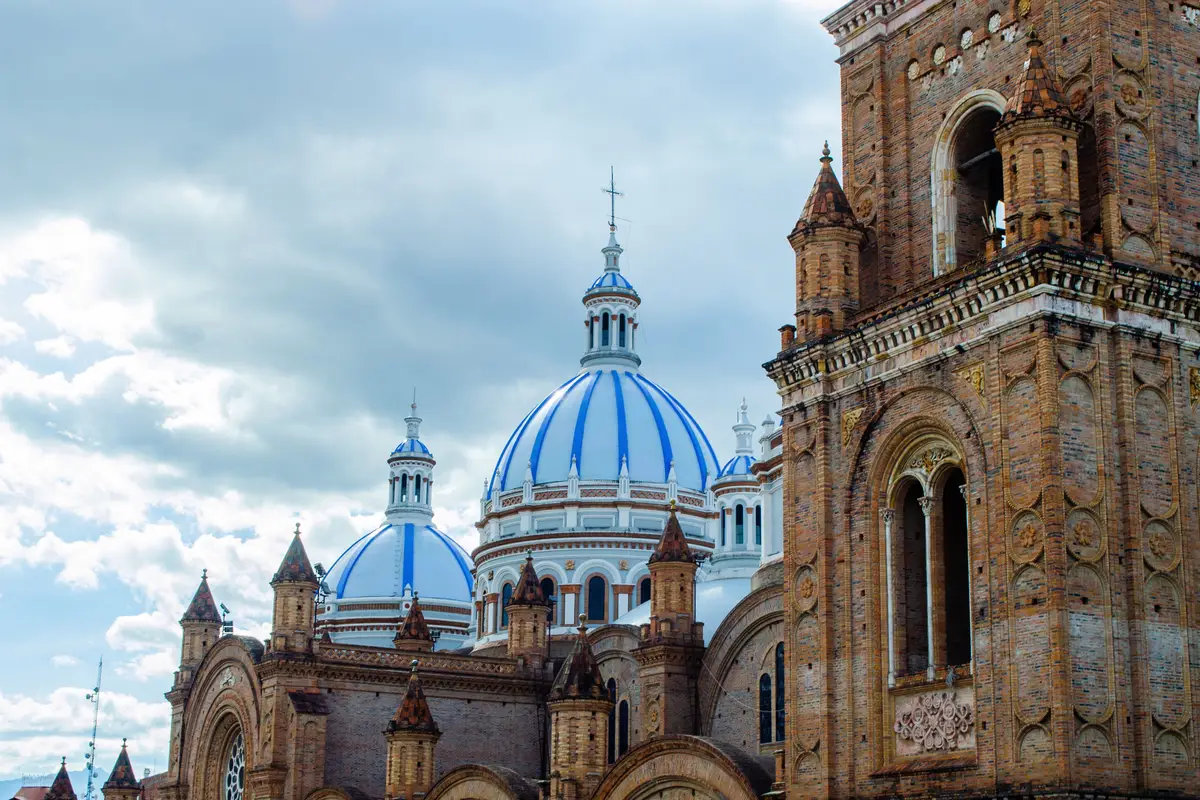
    Cuenca blends a historic center, four rivers, markets, and craftsmanship in an Andean city that feels calmer than Quito. Three days let you stroll among domes and along the Tomebamba’s banks, visit paja toquilla workshops, and set aside a day for Cajas National Park.

    Quick answer: spend two days in Cuenca’s center and one in Cajas. Stay near Parque Calderón to explore the historic core on foot and save the Turi viewpoint for late afternoon. Cajas sits at a higher altitude and requires acclimatization, warm clothes, and a plan for fog.

    How to get to Cuenca

    Mariscal Lamar Airport sits within the urban area and handles domestic flights. Buses connect Quito and Guayaquil, but Andean roads make travel times unpredictable. From Guayaquil, the route crosses highlands near Cajas. If you get motion sickness, choose your seat wisely, bring recommended medication, and avoid scheduling anything right after arrival.

    Historic center of Cuenca in Ecuador
    The historic center stretches across the Andean valley. | Photo: Charly Chacon / Pexels

    Official taxis and ride-hailing apps handle the airport, bus terminal, and Turi. In the center, walking is more efficient. Compare activities in Cuenca by departure point and whether they include Cajas or archaeological sites.

    Best time to visit and how many days to stay

    Cuenca has a mild high-altitude climate with scattered rain and rapid weather shifts throughout the day. Pack layers and a light rain jacket for any season. Three days cover the center and Cajas; four allow for markets, workshops, and nearby sites without rushing. Holidays and independence celebrations affect traffic and accommodation.

    Cuenca in 3 days between heritage and Cajas

    Day 1: Parque Calderón and the domes

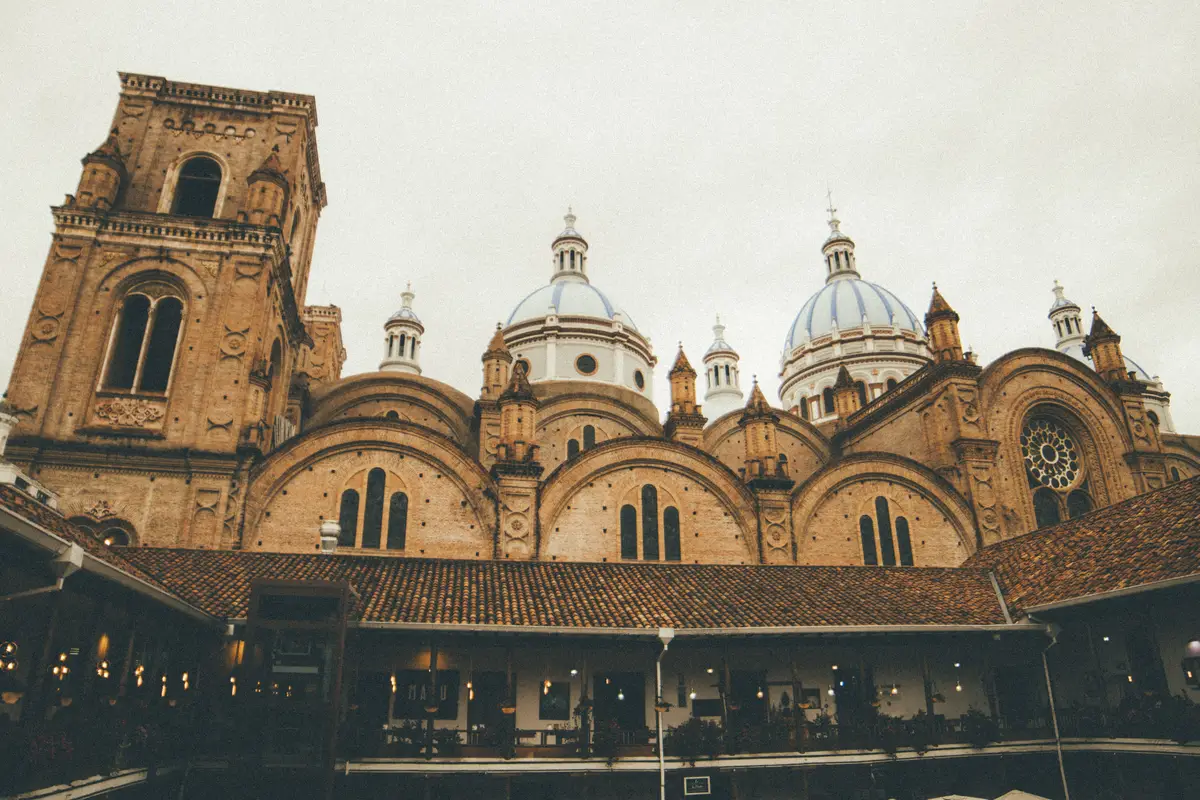
    Start at Parque Calderón, between the New Cathedral and the Old Cathedral. Climb an authorized viewpoint on the domes if it’s open, visit nearby museums, and wander streets of republican architecture. The center of Santa Ana de los Ríos de Cuenca was recognized by UNESCO in 1999.

    Domes of the New Cathedral of Cuenca
    The blue domes mark the New Cathedral. | Photo: David Mosquera / Pexels

    Day 2: Tomebamba, Pumapungo, and Turi

    Head down to the Tomebamba River and walk the Barranco, the strip connecting the upper city to the river. The Pumapungo Museum brings together archaeology, ethnography, and remains of Tomebamba. In the late afternoon, head to the Turi viewpoint if the weather is clear. Don’t leave documents and your phone exposed at empty viewpoints.

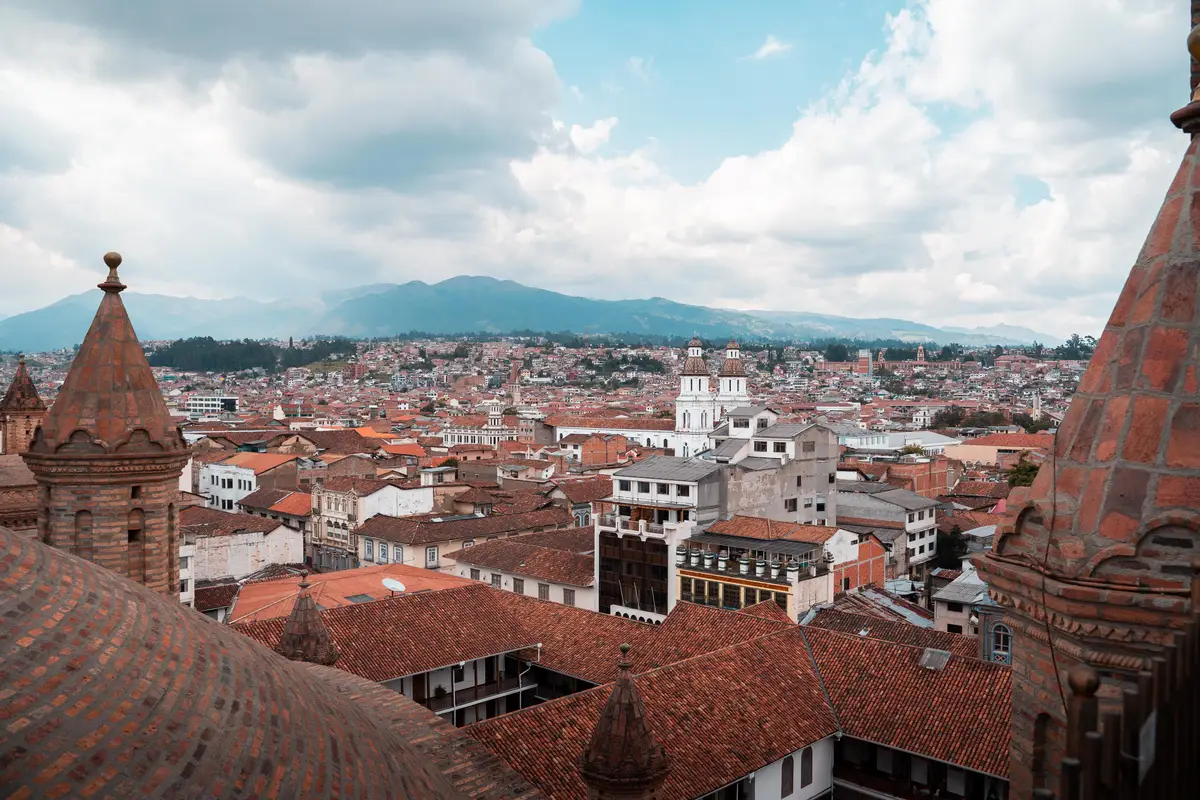
    Cuenca's rooftops seen from above
    Rooftops and churches follow the city’s four rivers. | Photo: Shad Meeg / Pexels

    Day 3: Cajas National Park

    Cajas boasts over 200 lagoons in a páramo landscape with polylepis forest, according to Ecuador’s official tourism board. Trails vary in altitude and difficulty; fog can hide trail markers. Go with a guide if you’re unfamiliar with mountain environments, register your route when required, and carry water, snacks, and waterproof protection.

    What to combine with Cuenca

    Quito is the main cultural continuation; use our Quito in three days guide. Baños works as a nature stop between the Andes and the Amazon. For the archipelago, check out Galápagos in seven days. Don’t underestimate bus travel times in Ecuador.

    Where to eat

    Mercado 10 de Agosto and its surroundings offer everyday food, fruit, and hornado. Look for mote pillo, tamales, cuy, and traditional sweets. Restaurants near Parque Calderón are convenient; nearby neighborhoods offer lower prices. Filtered water and hygiene deserve attention on any trip.

    Where to stay

    The historic center makes walking and dining easy. El Barranco offers atmosphere by the river but can be hilly. Modern areas near El Vergel and Remigio Crespo have services and taxis. Check for noise, heating, and stairs in old mansions.

    Practical tips

    Cuenca sits above 2,500 meters. Walk slowly on your first day and watch for symptoms. Ecuador Travel has information about the city and Cajas; UNESCO documents the historic center.

    Cathedral of the Immaculate Conception in Cuenca
    The Cathedral of the Immaculate Conception dominates Parque Calderón. | Photo: Tex / Pexels

    Buy paja toquilla hats from shops that explain their origin and the artisanal process. “Panama” is the hat’s international name, but the technique is Ecuadorian.

    Frequently asked questions

    How many days should you spend in Cuenca?

    Three days for the center, rivers, and Cajas; four for a slower cultural pace.

    Does Cuenca cause altitude sickness?

    It can cause symptoms. Start slow and stay hydrated.

    Do you need a car?

    Not in the center. For Cajas, use a guide, tour, or planned transport.

    Is Cajas worth visiting?

    Yes, for those who enjoy páramo and hiking, respecting altitude and weather.

    Is Cuenca walkable?

    The center is, but the Barranco has hills and uneven sidewalks.

    Conclusion

    Cuenca delivers heritage without the fast pace of a capital. Reserve two days for the streets and rivers and one for Cajas; Voyage Voyage helps you fit culture and altitude into the same trip.