A 3-day Belfast itinerary without a car works when you separate the city, recent history, and the coast. The mistake is trying to fit Titanic Belfast, the political murals, and the Giant’s Causeway into a single day: you’ll spend more time on the bus than actually understanding Northern Ireland.
Use two days for Belfast and one for the Causeway Coast; this split avoids a rushed schedule and spares you from driving on the left-hand side. The city center is walkable, but coastal trips deserve a planned tour or bus.
Start in the center and save the coast for a full day: this order makes a Belfast itinerary feel lighter.

Getting to Belfast and getting around without a car
Belfast has two airports: George Best Belfast City is closer to the center; Belfast International is farther out. From Dublin, trains and buses connect the capitals, but Belfast is in Northern Ireland, part of the United Kingdom. That affects currency—pounds sterling—and entry requirements. Brazilians should check the official UK rules before flying, especially if combining the trip with the Republic of Ireland.
The center is easy to explore on foot. Titanic Quarter, Botanic Gardens, and the Falls and Shankill murals require a bus, taxi, or tour. For a first visit, don’t rent a car just to get around the city: save that decision for a road trip, and even then, remember they drive on the left. Check routes and updates on Translink.
Day 1: City center, river, and Titanic Quarter
Start at City Hall and walk to the Belfast Entries, narrow passageways that give the commercial center a human scale. Head through Cathedral Quarter without turning it into a pub crawl: notice the industrial buildings, street art, and pub hours. St George’s Market is worth it if it’s open on your dates; it’s a more useful break than a generic mall lunch.
City Hall is a great starting point for a central walk.
In the afternoon, cross over to Titanic Quarter. Titanic Belfast isn’t just an exhibition about the sinking: it covers shipbuilding, the Harland & Wolff shipyard, and the economy that shaped the city. Book a timed ticket, especially on weekends. Afterward, walk to the SS Nomadic, the last surviving White Star Line ship, instead of ending your visit at the museum exit.
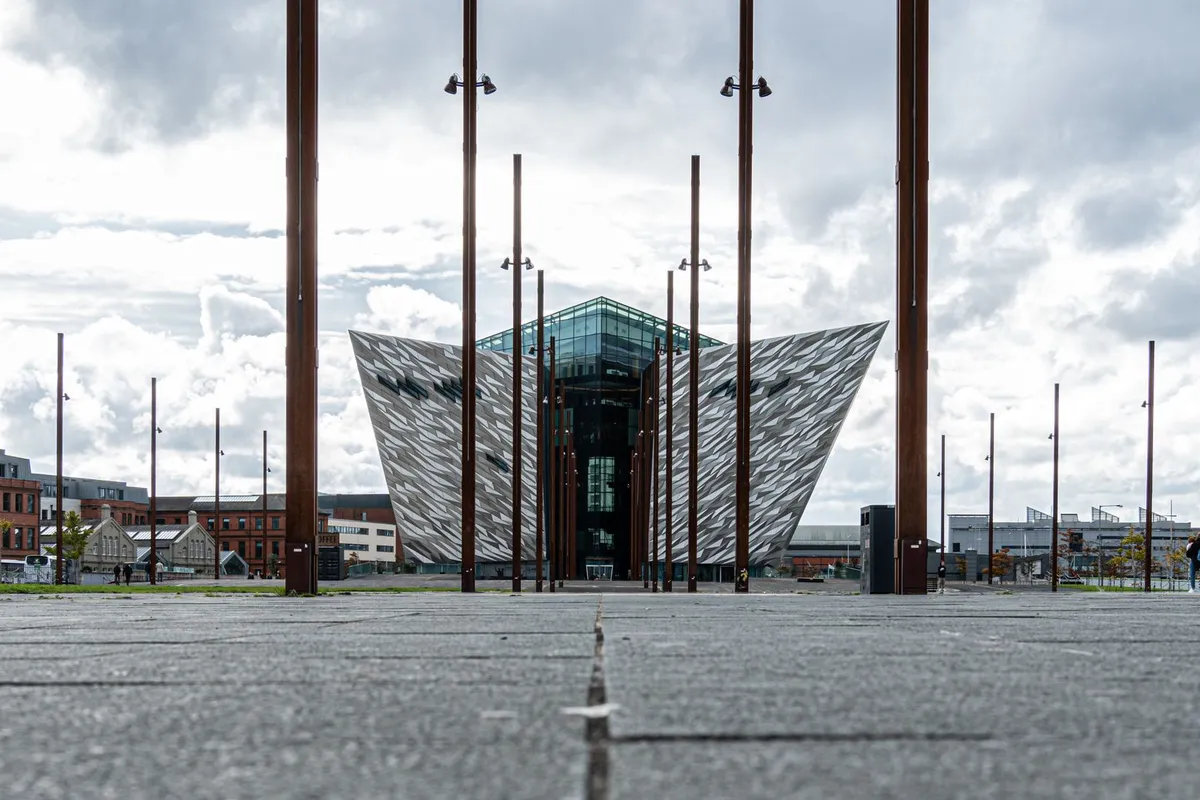
If you’d rather arrive with the historical context sorted, the Titanic Belfast Museum ticket is handy for securing your visit. Don’t book a coastal tour for this same afternoon: Titanic Quarter needs at least three hours including travel time.
Day 2: Botanic, murals, and recent history with context
Start at Botanic Gardens and Ulster Museum. The museum covers art, archaeology, and Northern Ireland’s history; it keeps the trip from reducing Belfast to the Titanic or the conflict. Then head back to the center through the university quarter and pick a café or pub without trying to cram a full night out into the middle of the day.
In the afternoon, the murals on Falls Road and Shankill Road deserve a guided tour. There are conflicting accounts, symbols, and memories; photographing walls without explanation yields little understanding and can be disrespectful. A political tour of Belfast helps you read the territory and the peace process. Don’t treat the Peace Walls as entertainment.
Day 3: Giant’s Causeway and the coast without a car
Set aside a full day for the Causeway Coast. The Giant’s Causeway, with its basalt columns, is the most famous stop, but the trip gets better when it includes stops like Dunluce Castle and a stretch of coastline. The deciding factor is the light and the weather, not how many Game of Thrones filming spots you can check off. Bring a waterproof jacket, water, and sturdy shoes: wind and rain are part of the experience.
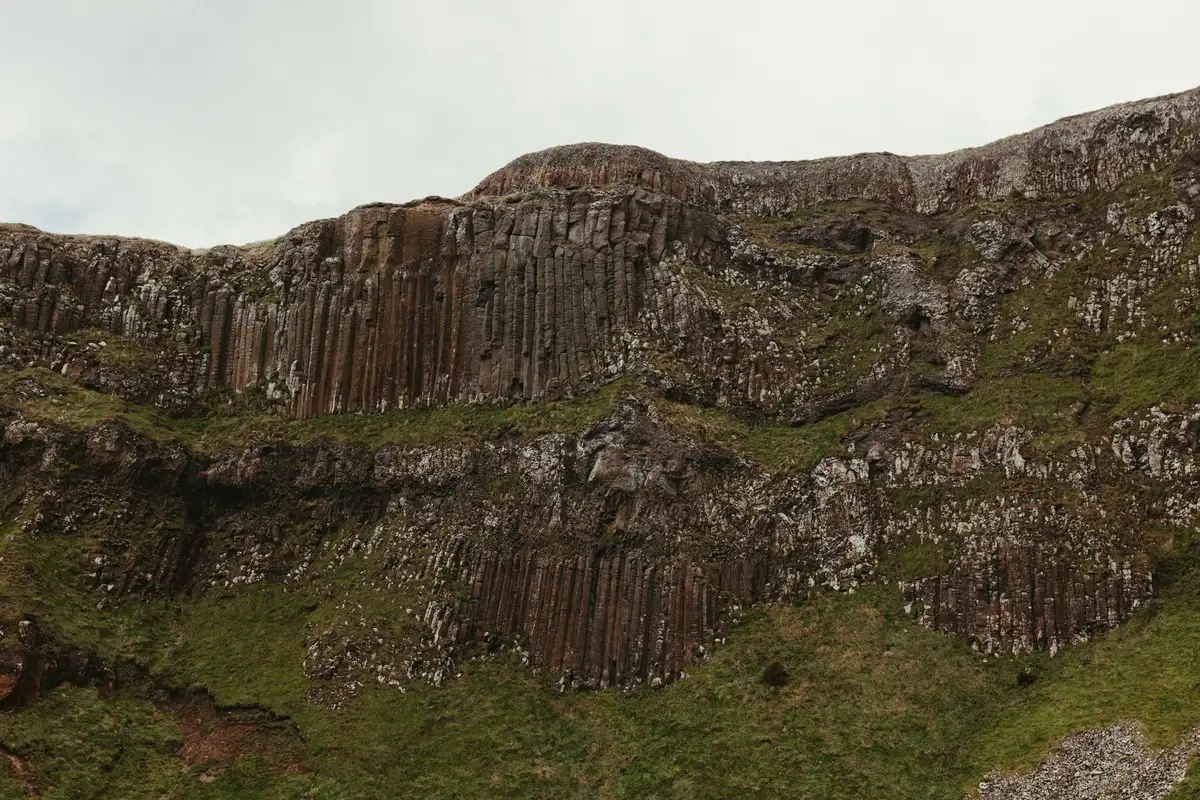
Without a car, a tour is the simplest choice: it handles the itinerary and keeps you from driving back in the dark. Compare duration, stops, and meeting points. The Giant’s Causeway tour fits the coast into a day from Belfast. Don’t use the third day for Causeway, Derry, and a return to Dublin: that shortcut creates a tiring string of roads.
Where to stay and where to eat
The center and Cathedral Quarter are practical for a short stay; the former favors transport, the latter favors pubs and restaurants. Titanic Quarter only pays off if your focus is the museum or a specific hotel. For food, St George’s Market, Botanic Avenue, and Cathedral Quarter offer more variety than picking the first touristy pub. Try an Ulster fry if you want a hearty breakfast, but save room for dinner after the tour.
Practical tips for your first trip
May through September makes coastal days easier, but rain can appear any month. Two days are enough for Belfast; three is the right number if the Giant’s Causeway is on the plan. Use pounds sterling, confirm your bank’s card policy, and keep a waterproof layer within reach. To extend your trip, also check out the guide to Belfast beyond the Titanic, focused on the city as a cultural base.
Frequently Asked Questions
How many days should you spend in Belfast?
Two days cover the city; three let you explore the Causeway Coast without rushing.
Can you visit the Giant’s Causeway without a car?
Yes. A day trip from Belfast is the easiest way to include the coast in your itinerary.
Is it worth seeing Belfast’s murals?
Absolutely, preferably with a guide, to understand the political and social context of the neighborhoods.
Is Belfast in Ireland or the United Kingdom?
Belfast is the capital of Northern Ireland, which is part of the United Kingdom.
Conclusion
This 3-day Belfast itinerary prioritizes context and logistics: one day for the harbor and city center, another for recent history, and the last for the coast. It’s a more meaningful way to experience the city without a car—and without reducing Northern Ireland to a checklist of sights.