Bath, England, is best enjoyed over two days: one for the Roman Baths, the abbey, and the Georgian center; another for museums, gardens, and a trip to the outskirts. A day trip from London is doable, but staying overnight lets you visit the main attraction outside peak hours and soak in the architecture at a more relaxed pace.
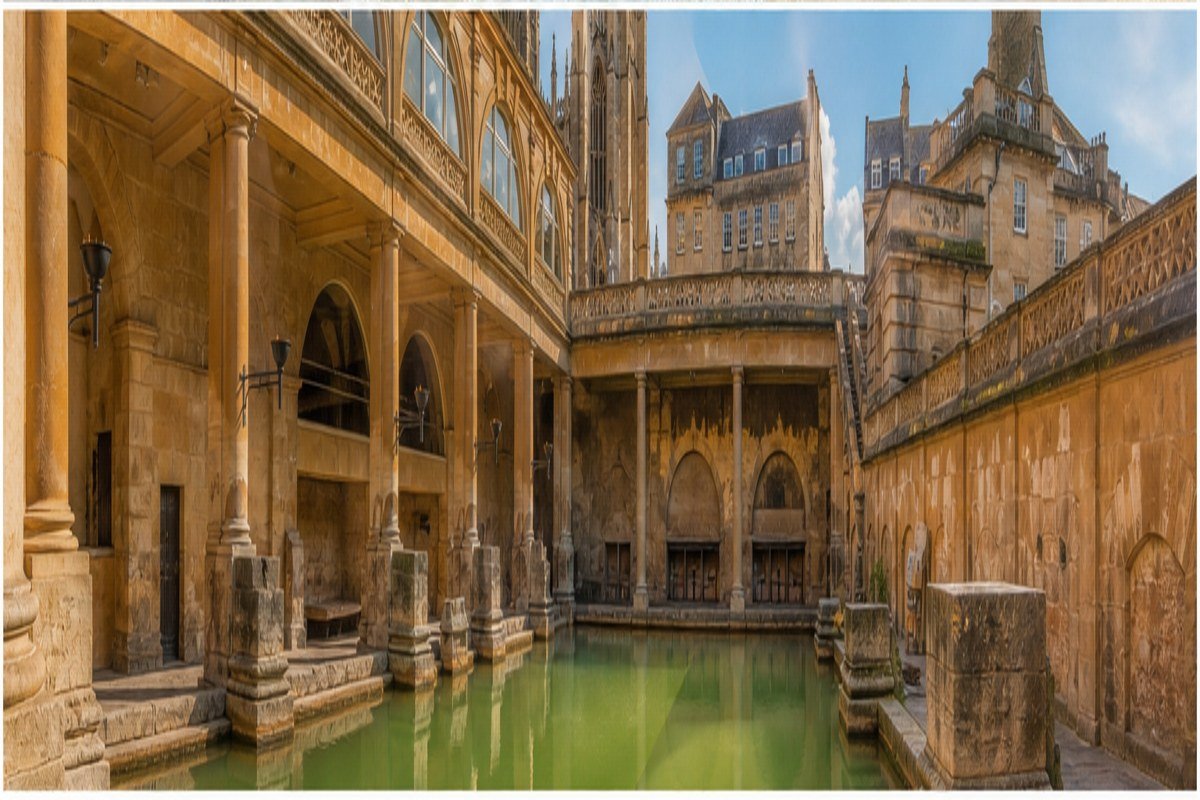
How Many Days Do You Need?
One day covers the Roman Baths, Bath Abbey, Pulteney Bridge, and the Royal Crescent, as long as you book time slots in advance. Two days allow for a museum, a spa, and a leisurely stroll. With three, consider Wells, a day trip to Stonehenge, or the Cotswolds—without trying to cram them all into a single day.
| Time | Itinerary | Verdict |
|---|---|---|
| 1 day | Roman Baths, Abbey, center, and Royal Crescent | Start early |
| 2 days | Heritage, museums, spa, and neighborhoods | Best balance |
| 3+ days | Surroundings and downtime | Use regional transport |
Complete 2-Day Itinerary
Day 1: Rome and Georgian Bath
Book your entry ticket for the Roman Baths and set aside at least two hours for the ruins, museum, and the spring. The complex was built around 70 AD; it’s not a modern spa. Afterward, visit Bath Abbey and stroll along Stall Street, Pulteney Bridge, and Great Pulteney Street. Finish at the Royal Crescent and The Circus.
Day 2: Museum, Wellness, and Surroundings
Choose between No. 1 Royal Crescent or the Fashion Museum, depending on your interests. A modern thermal spa can round out the day, but confirm reservations, dress codes, and session lengths directly with the venue. If you’d rather have scenery, swap the spa for the canal, Prior Park, or a regional outing.
Getting There and Getting Around
Bath Spa is a central station with rail connections via Great Western Railway. The historic city is walkable, though it has hills and cobblestone streets. For parking, buses, and Park & Ride, check the official Visit Bath travel guide. From Oxford, the train ride may require a connection; confirm the route on the day.
Where to Stay
The center makes attractions and dining easy but tends to be busier and pricier. Near the station is practical for those arriving by train. Widcombe offers access to the center with a residential feel, while more distant areas might give you more space but require a bus or taxi. Factor in luggage and hills before choosing based on price alone.
When to Go
Spring and early fall offer a good mix of weather and walkable days. Summer brings more daylight but also bigger crowds. In winter, the steam from the thermal baths and the architecture shine on cold days, though rain can be a factor. Book the Roman Baths and spa experiences in advance on weekends and holidays.
Tickets and Money
The currency is the British pound. The Roman Baths, museums, and spas each have different prices and policies; some offer discounts for booking ahead, but prices change by date. The historic center, the bridge, and many walks are free. Don’t confuse access to the Roman thermal water with bathing: the archaeological site is a visit, not a pool.
Practical Tips
- Book attractions with time slots and confirm the last entry: closing time may be later than the final admission.
- Wear grippy shoes for the stones and slopes.
- Bath is compact, but the surroundings aren’t: pick just one regional outing.
- Check UK entry requirements on the official British government website.
Frequently Asked Questions
Is Bath worth a day trip?
Yes, if you’re okay with a packed day and book the Roman Baths in advance. To include a spa, museum, and architecture at a relaxed pace, stay one night.
Can you bathe in the Roman Baths?
No. The Roman complex is an archaeological heritage site and museum. For a thermal bath, look for a modern spa and check its rules and booking policy.
Bath is more about history and a slower pace than a long checklist of attractions. Prioritize the Roman Baths, Georgian architecture, and one wellness experience or countryside outing—that choice keeps the itinerary comfortable.