 Marcelo Oliveira
Glasgow is the Scottish city many visitors get wrong. It doesn’t try to be a smaller version of Edinburgh: its strength lies in its free museums, Victorian architecture, live music scenes, murals, and the personality of its neighborhoods. This guide helps you put together an interesting visit, with culture, food, and possible day trips.
Hotels in Glasgowfree cancellation options onlySee hotels ›Booking.com partner (advertising): we may earn a commission at no extra cost to you.
Glasgow is one of the best cities in the UK for combining free cultural attractions with music and gastronomy. Kelvingrove, Riverside, Burrell Collection, and the Gallery of Modern Art form a strong circuit, but the city comes alive when you step out of the museums and follow the sounds, cafés, and murals.
Getting to Glasgow
Glasgow has two airports: the international one is close to the city, and Prestwick serves some low-cost routes. From the international airport, buses and taxis are straightforward; there’s no direct train from the terminal. If you’re already in the UK, Glasgow Central station receives trains from London, Manchester, and other cities.
The center is walkable, while the subway and buses connect the West End, Merchant City, and the southern neighborhoods. Use the official planner from SPT to check fares and works.
Best time to visit and how long to stay
Between May and September, there are long days and a packed cultural calendar, but also more demand. Autumn and winter pair better with museums, pubs, and shows. Two days cover the cultural core; three or four allow you to include Loch Lomond, Stirling, or a night dedicated to music.
Things to do in Glasgow beyond the basics
Kelvingrove and the West End
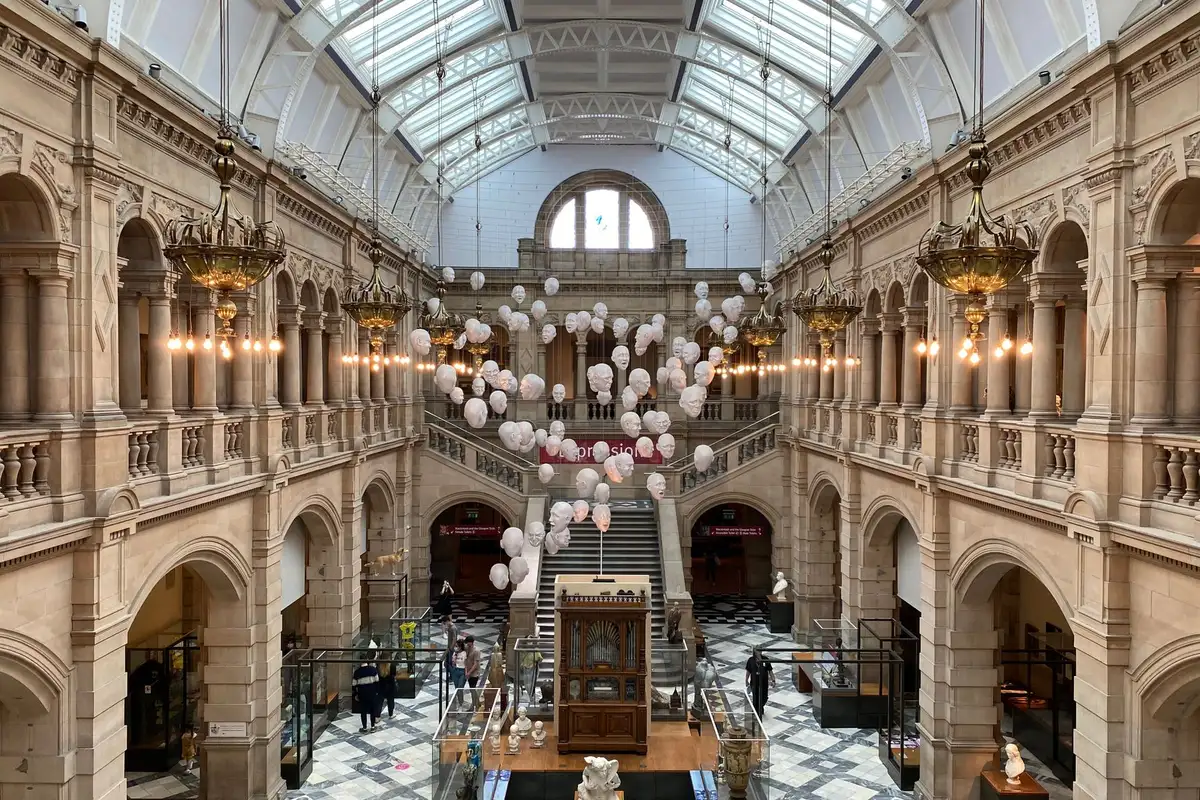
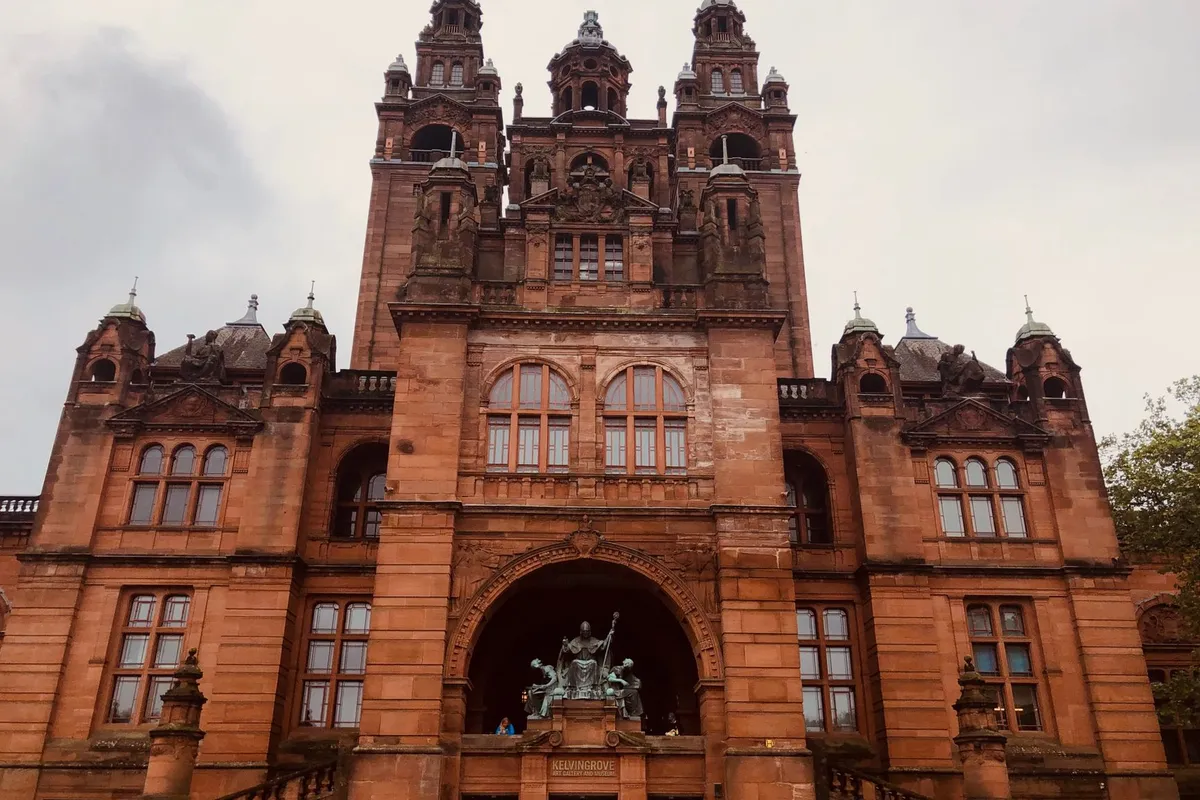
Start at the Kelvingrove Art Gallery and Museum, which mixes art, natural history, and curious objects. Then cross Kelvingrove Park to the University of Glasgow and wander through the cafés and shops on Byres Road.
Riverside, Clydeside, and the Burrell Collection
The Riverside Museum tells the story of transport and connects visually to the Clyde. The Burrell Collection, in Pollok Country Park, is worth half a day and brings together thousands of objects from different eras. Set aside time: it’s not a stop to just check off your list.
Murals, Mackintosh, and music
Take a walking tour of the city center’s murals and look for references to Charles Rennie Mackintosh. At night, check the schedule at King Tut’s Wah Wah Hut, Barrowland Ballroom, and smaller venues. The free tour of Glasgow is an efficient way to get context on the city before exploring on your own.
 Partner · Civitatissee all activities in Glasgow ›
Loch Lomond, The Trossachs & Stirling Castle Day Trip
Rating 9.3 · 12 reviews on Civitatis
- Loch Ness & The Highlands Day TripRating 9.3 · 27 reviews on Civitatisfrom€87.19per personSee ›
- Glasgow Hop-On Hop-Off Tourist BusRating 7.9 · 74 reviews on Civitatisfrom€23.25per personSee ›
- Glasgow Street Art TourRating 8.7 · 26 reviews on Civitatisfrom€13.95per personSee ›
- Oban, Glencoe & West Highland Castles TourRating 10 · 1 reviews on Civitatisfrom€79.05per personSee ›
Civitatis prices on 28/09/2026, from, per person. They may change. Want to compare? Activities in Glasgow on GetYourGuide ›
What to pair with Glasgow
Loch Lomond and the Trossachs are the most natural choice for scenery; Stirling adds a castle and history. Organized tours handle the logistics, but trains and buses work for some stretches. Don’t try to squeeze in distant Highlands on a short window: the travel time will ruin the experience.
Where to eat in Glasgow
The West End is packed with creative cafés and restaurants; Merchant City is practical for dinner; markets and pubs offer a more informal introduction to Scottish food. Try whisky at a specialist bar, but don’t turn the city into a series of tastings: Glasgow has great contemporary cuisine and vegetarian options.
Where to stay
City Centre makes trains and attractions easy. The West End is better for cafés, the university, and nightlife. Southside has a residential feel and good restaurants, but requires more travel. Check if your hotel is near a subway station or a main bus route.
Where to stay in Glasgow
| Hotel | Rating | |
|---|---|---|
| Dakota GlasgowGlasgow city centre · On West Regent Street, in Glasgow city centre | 9,12.267 reviews | See prices |
| One Devonshire Gardens a Hotel Du VinNorth West · In the West End, in a boutique hotel in a Victorian terrace | 9,11.276 reviews | See prices |
| House of Gods GlasgowMerchant City · On Glassford Street, in Glasgow city centre | 8,21.179 reviews | See prices |
| The Social Hub GlasgowMerchant City · On Candleriggs, in Glasgow city centre | 8,810.079 reviews | See prices |
| AC Hotel by Marriott GlasgowGlasgow city centre · On George Street, a few steps from George Square | 8,84.514 reviews | See prices |
| Clayton Hotel Glasgow CityGlasgow city centre · On Clyde Street, number 298 | 8,98.658 reviews | See prices |
| Moxy Glasgow SECNorth West · On Finnieston Street, a 5-minute walk from the SSE Hydro | 8,78.084 reviews | See prices |
| Moxy Glasgow Merchant CityMerchant City · On High Street, a 7-minute walk from Glasgow Cathedral | 8,73.899 reviews | See prices |
Booking.com rating on 30/09/2026
Practical tips
Free museums may still require booking for temporary exhibitions. Bring a waterproof jacket and check the concert schedule in advance. For Brazilians, UK entry requirements should be confirmed with official sources. The weather changes quickly; plan a museum for every rainy day.
 HotelAs soon as you have datesCompare neighbourhoods and guest ratings.See hotels ↑
- ActivitiesBefore you travelBook ahead the ones with limited spots.Civitatis ›
 More activitiesTo compareTickets, day trips and tours with flexible cancellation.GetYourGuide ›
Frequently asked questions
Glasgow or Edinburgh: which one to choose?
Choose Glasgow for music, museums, architecture, and urban life; Edinburgh for the castle and monumental atmosphere.
Is Glasgow an expensive city?
Accommodation varies, but many major museums are free and help keep your budget in check.
How many days should you spend in Glasgow?
Two days cover the essentials; three or four allow for neighborhoods and day trips.
Is Glasgow worth visiting?
Yes, especially if you enjoy culture, music, art, and a city that feels lived-in rather than staged.
Conclusion
Glasgow doesn’t ask for a rushed checklist; it asks for curiosity. Step into a museum, follow a mural, listen to a band, and leave room to discover the city between one attraction and the next. Voyage Voyage has more guides to help you travel through the UK with context.