Cambridge, England, fits neatly into two full days: one for the colleges and the city center, and another for the River Cam, museums, and neighborhoods. Punting is the city’s most iconic experience, but it depends on the weather, availability, and your tolerance for a touristy outing; if you’re more into academic history, prioritize King’s College and the museums.
How Many Days Should You Stay?
One day lets you stroll through the center and do one timed attraction. Two days give you room to go inside a college, visit the Fitzwilliam Museum, and explore the river without rushing. Three days are enough to add Grantchester or Ely, but they’re not necessary for a first visit.
| Time | Priority | Best for |
|---|---|---|
| 1 day | King’s College, city center, and punting | Day trip from London |
| 2 days | University, museums, river, and neighborhoods | A well-rounded first visit |
| 3+ days | Surrounding areas and a slower pace | Those who’ve seen the essentials |
Complete 2-Day Itinerary
Day 1: Colleges and the City Center
Start at Visit Cambridge to confirm which colleges are open to visitors that day. King’s College Chapel is the most famous sight, but entry and hours can change. Wander past Senate House, Trinity Street, the Bridge of Sighs, and the market. In the afternoon, choose between the Fitzwilliam Museum or the Museum of Archaeology and Anthropology.
Day 2: The River Cam and Local Life
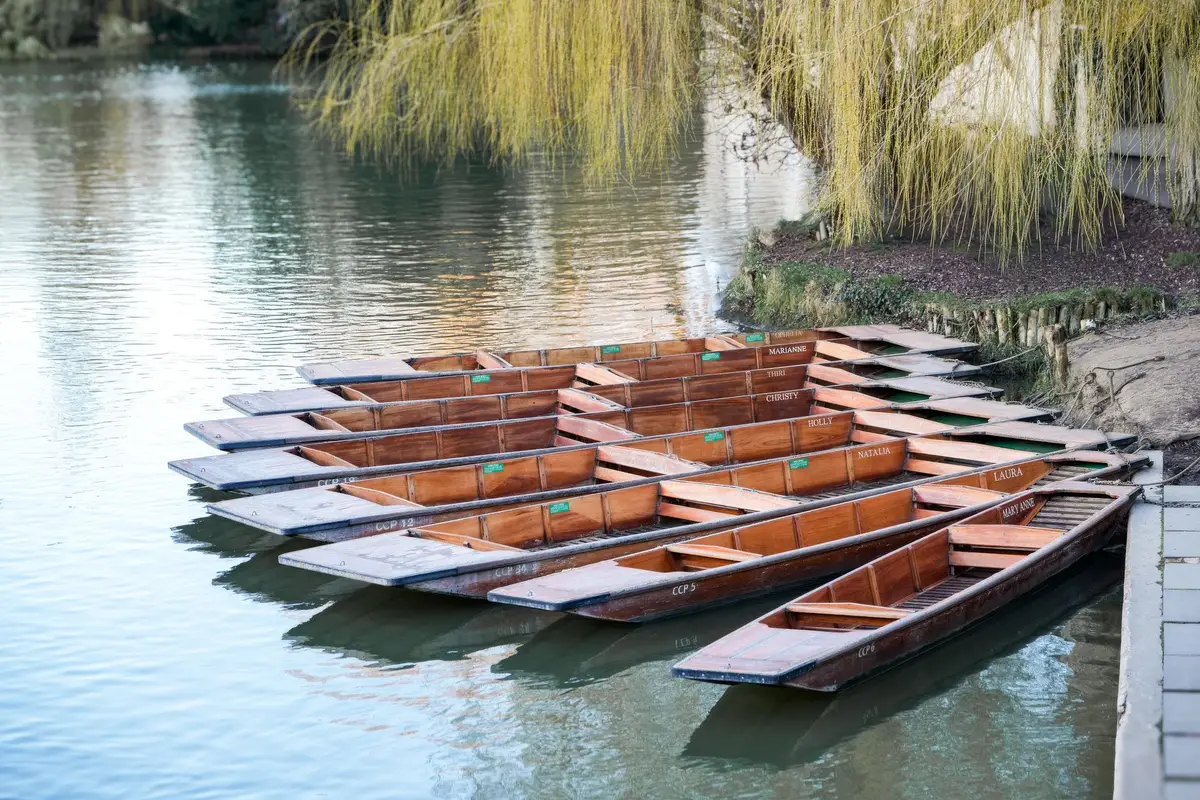
Book a punting tour if you want to hear the history of the colleges from the water; compare duration, departure points, and rain policies. Afterward, cross through the Backs and head to Mill Road, known for its restaurants and independent shops. If the weather turns, swap the river for a museum and some indoor architecture.
Getting There and Getting Around
Cambridge has frequent trains from London King’s Cross and Liverpool Street. The station sits outside the historic core, so plan for a walk, bus, or taxi. Once in the center, walking is the most efficient way to get around; bikes are common, but ride carefully in crowded areas. Check schedules with the rail operator before you head out.
Where to Stay
The center is ideal for a short stay and for getting an early start on the sights. The station area makes train travel easy and usually has modern hotels, but it means daily commutes. Mill Road is great for restaurants and a local vibe. In every case, check for noise, access, and distance to your chosen college.
When to Go
Spring and early fall are great for walking and the river. Summer brings long daylight and bigger crowds. Winter can be quieter, but it gets dark early and punting is less comfortable. Pack a waterproof layer: English weather changes fast.
Tickets and Money
The British pound is the currency. University museums may offer free entry or ask for a donation, while chapels, tours, and punting have their own fees. Don’t rely on fixed prices: check official websites and book popular experiences in advance.
Practical Tips
- Colleges are academic institutions, not open-access attractions.
- The center gets crowded on weekends; start early.
- Wear comfortable shoes and watch out for wet surfaces near the river.
- Check UK entry requirements on the British government website.
Frequently Asked Questions
Is Cambridge worth a day trip?
Yes, for a first impression, especially if you pick one indoor visit and the river. Staying one night improves the pace and lets you fit in a museum or a neighborhood.
Is Oxford or Cambridge better?
Cambridge wins for those who want the river, punting, and a more compact university center. Oxford is stronger on museums and urban variety. There’s no universal winner.
Cambridge works best when you treat the river as part of the itinerary, not as a standalone obligation. Book one main experience, leave time for the colleges, and accept that the academic calendar affects access.