Stonehenge is the most famous prehistoric stone circle in the world, raised more than 4,000 years ago on the Salisbury Plain in Wiltshire, southern England. The sandstone and dolerite stones, some weighing 25 tons, were positioned with an astronomical precision that still baffles archaeologists.
Stonehenge sits about 140 km west of London, near the town of Amesbury, and makes for an easy day trip. Adult tickets start at £22 when booked online (Jul/2026), the circle is roughly 4,500 years old, and the monument’s exact purpose—solar calendar, healing site, or ritual burial ground—remains an open question among researchers.
How to get to Stonehenge
There’s no direct train to Stonehenge. The most common route is a train from London to Salisbury (about 1h30 from Waterloo station), then a Stonehenge Tour bus that takes visitors the rest of the way in another 30 minutes. If you’d rather sort everything out in one go, most people opt for a tour leaving straight from London, with round-trip transport included and no connections to worry about.
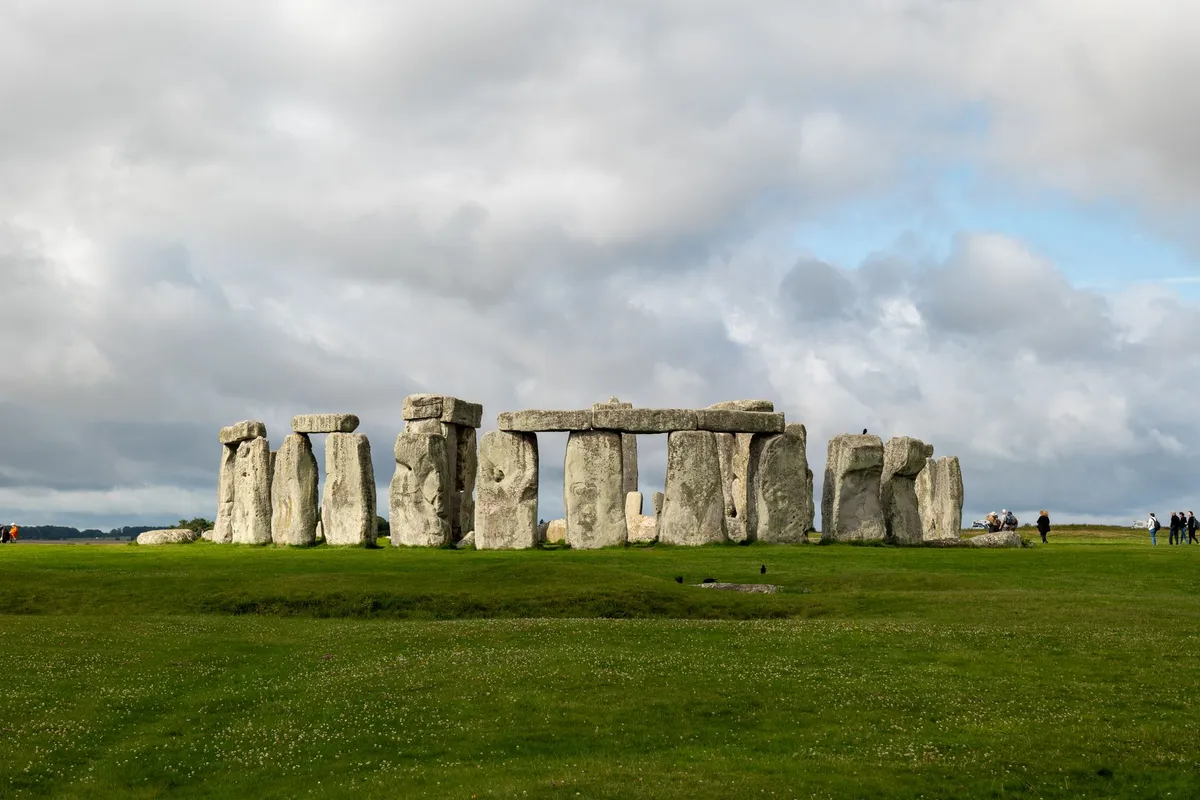
If you’re driving, there’s paid parking at the Visitor Centre itself, about 2.4 km from the stone circle—the trip out to the stones is by shuttle bus included in your ticket, or on foot in about 30 minutes along the historic Avenue path. There’s no train station in Amesbury or at Stonehenge: the train + bus combo via Salisbury remains the cheapest car-free option.
If you’re mapping out a bigger Europe trip and want to tack London onto other capitals in the same itinerary, check out this suggested order for visiting Lisbon, Paris, and London before locking in your dates.
Best time to visit and how long to allow
The best time to visit Stonehenge is between March and September, when opening hours are longer (9:30 am to 7 pm) and the late-afternoon light is perfect for photos of the stones. Budget 2 to 3 hours total, including the Visitor Centre, the shuttle ride, and time at the circle itself.
From September 30 to October 20, 2026, it closes at 6:30 pm, and from October 21 to March 30 at 5 pm—always with timed entry tickets, so showing up without a reservation can leave you turned away on busy days, especially weekends and UK school holidays.
What to see at Stonehenge
The Visitor Centre is your first stop: it houses a museum with archaeological finds from the area, life-size replicas of Neolithic huts built using period techniques, and the ticket office. That’s also where you pick up the audio guide—included with admission and available in 11 languages—before hopping on the shuttle to the monument.
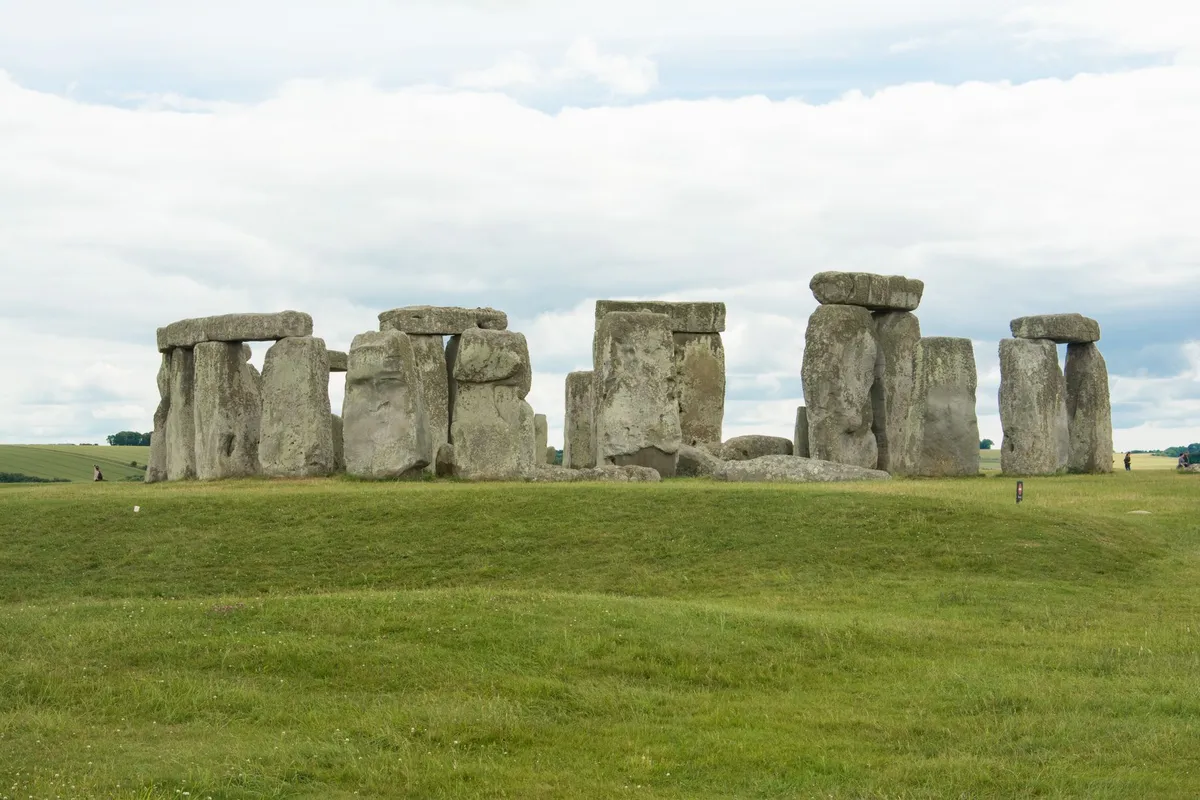
Around the circle, a roped path keeps visitors at a safe distance from the stones—access inside the monument is only allowed on special out-of-hours visits, sold separately and with far fewer spots. Save time to walk over to the burial mounds (barrows) visible in the distance, part of the same Neolithic funerary complex.
History and origin of the stones
Stonehenge was built in at least three major phases: around 3000 BC, a circular earthwork with ditches appeared, without the stones; between 2500 BC and 2000 BC, the bluestones arrived from the Preseli Hills in Wales, over 200 km away; and later came the massive sarsen stones, quarried from Marlborough Downs, about 30 km from the site. Each phase took centuries and involved thousands of people working with stone and wooden tools, with no pulleys or wheeled vehicles of any kind.
The Wikipedia article on Stonehenge sums up much of the current academic consensus: the monument likely served multiple purposes over time, shifting from a ceremonial burial ground to an observatory aligned with the sunrise at the summer solstice and the sunset at the winter solstice. Recent excavations have also uncovered cremated remains of more than 60 people buried there, reinforcing the theory of an elite cemetery used for generations.
Myths about Stonehenge
One of the most repeated myths is that Stonehenge was built by the druids—in reality, druids only show up in British history almost 2,000 years after the monument was constructed, so the connection is purely symbolic, tied to modern ceremonies held on site. Another common myth credits giants or the magic of the wizard Merlin, a medieval legend with no archaeological basis whatsoever.
It’s also a myth that Stonehenge is one of the 7 wonders of the modern or ancient world: the official list of the 7 modern wonders, voted in 2007, includes monuments like the Colosseum and Machu Picchu, but not Stonehenge. The monument is, however, a UNESCO World Heritage Site since 1986—a recognition that underscores its archaeological importance without needing the “wonder” title.
What to pair with your visit
Since Stonehenge sits isolated in the middle of the plain, most organized tours pair the monument with nearby towns to make the most of the day. Bath, with its Roman baths and Georgian architecture, is the most common add-on—it’s about an hour’s drive from Stonehenge.
Another frequent combo is Windsor, right on the way between London and Stonehenge, letting you see the royal castle on the same day. If you’ve got more time, Oxford is also doable—a bit longer of a drive but still in the same central England region.
Where to eat near Stonehenge
The Visitor Centre itself has a café with quick options—sandwiches, soups, and afternoon tea—perfect if you’re only spending a few hours on site. For a fuller meal, Salisbury, about 15 minutes away by car, has traditional pubs and restaurants in its historic center, right by the Gothic cathedral.
Amesbury, the closest village to the monument, has simpler, less touristy options—neighborhood pubs and small cafés, handy if you’re driving and don’t want to trek all the way to Salisbury.
Where to stay
Few visitors actually sleep near Stonehenge — most do it as a day trip from London or Bath. If you’d rather not head back the same day, you’ll find lodging in Salisbury, which has more hotel options and better transport links, or in Amesbury, which is simpler and closer to the archaeological site.
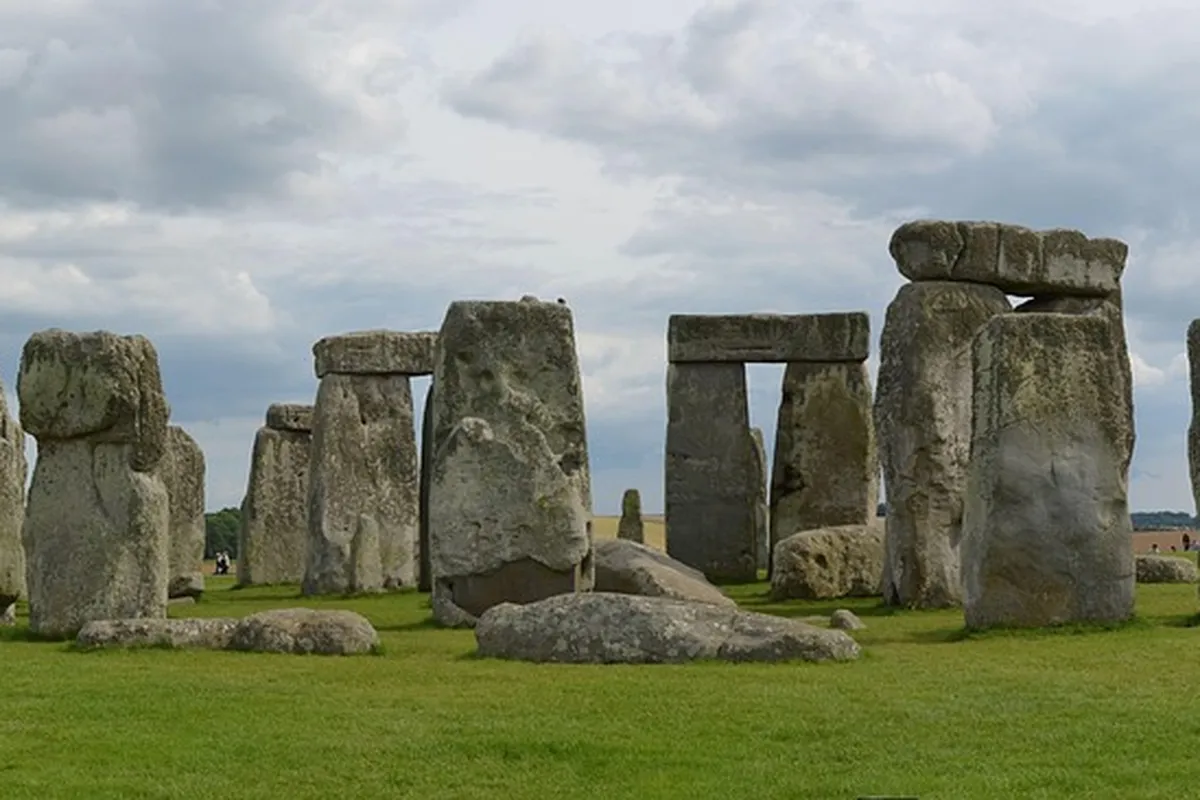
Bath, about an hour’s drive away, is another viable and more pleasant base for an overnight stay, since it offers more restaurant choices and nightlife than Salisbury or Amesbury.
If you’re planning to fit Stonehenge into a larger UK trip, it’s worth checking whether a European city pass is worth it for your itinerary before buying individual tickets for each city.
Practical tips and tickets
Adult tickets start at £22 when booked in advance on the official English Heritage website (Jul 2026) — at the ticket office without a prior reservation, the price jumps to around £37. Kids pay from £17.20. Booking ahead also locks in your entry time, which is essential on busy days.
Book your ticket at least 1 to 2 weeks in advance if your visit falls on a weekend, a UK bank holiday, or school vacation period — the most sought-after time slots (morning and late afternoon) sell out first. The ticket includes access to the Visitor Centre, the museum, the shuttle bus, and the audio guide in 11 languages.
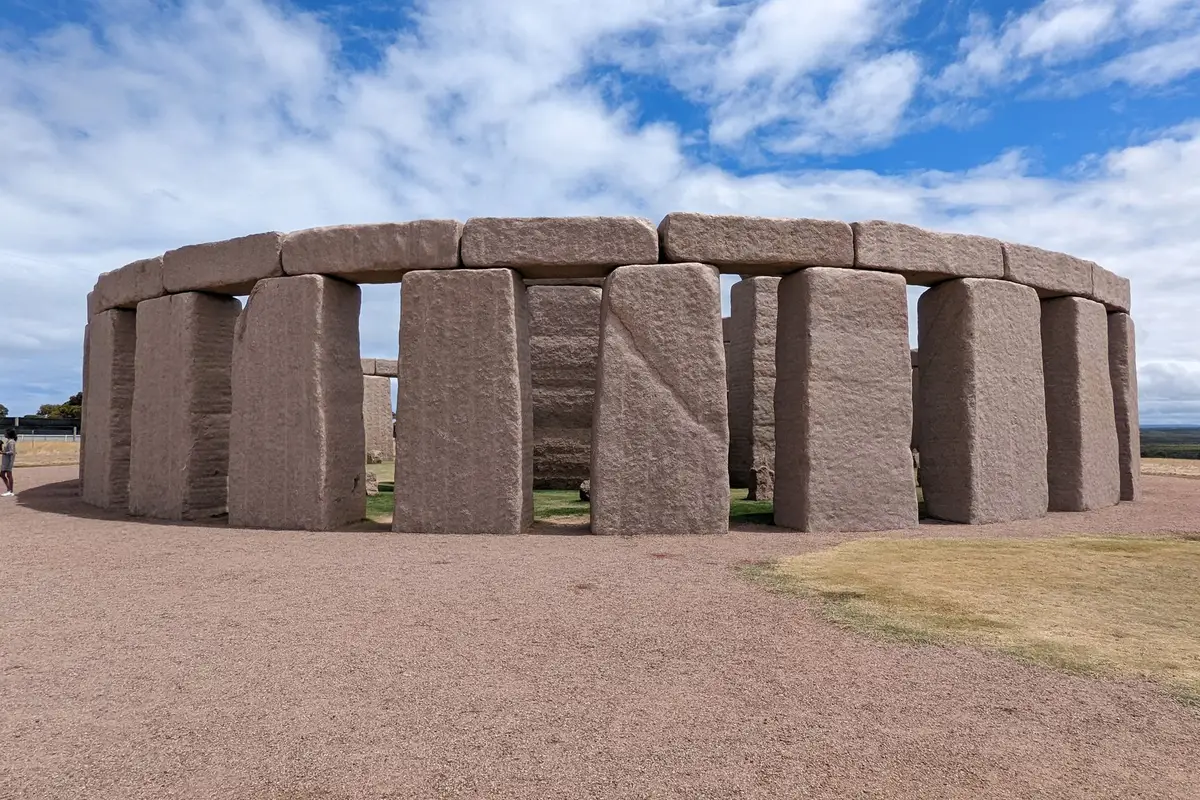
If you want to get inside the stone circle — which is off-limits during regular opening hours — you’ll need to buy the separate “Stone Circle Experience” access, sold in small groups at dawn or dusk, with much more limited availability and a higher price tag.
Frequently asked questions
What is the history of Stonehenge?
Stonehenge was built in stages between 3000 BC and 1500 BC, starting as a simple circular earthwork and later gaining the massive sarsen stones and the bluestones brought from Wales centuries later. Archaeologists believe the monument served as a solar calendar, a ritual burial ground, and a place of healing across different phases of use.
What is the mystery of Stonehenge?
The biggest mystery of Stonehenge is how the bluestones, weighing up to 4 tons, were transported more than 200 km from Wales without motorized vehicles, and what the monument’s exact purpose was. Researchers have no consensus on whether the site was a temple, an astronomical observatory, or a burial ground for the Neolithic elite.
What city is Stonehenge in?
Stonehenge sits on Salisbury Plain in the county of Wiltshire, near the small village of Amesbury and about 13 km from the city of Salisbury in southern England.
Is Stonehenge worth visiting?
Stonehenge is worth visiting if you’re interested in ancient history and archaeology, but the visit is quick — 2 to 3 hours is enough — and many visitors find the ticket price steep for the time spent there. Pairing it with Bath or Windsor on the same day usually makes for a more complete experience.
How much does a Stonehenge ticket cost?
A Stonehenge ticket costs from £22 for adults when booked online in advance (Jul 2026), and around £37 at the ticket office without a reservation. Kids pay from £17.20, with the exact price varying by day and time slot.
Conclusion
Stonehenge remains one of the most visited prehistoric monuments on the planet precisely because it combines mystery, archaeological precision, and a landscape that shifts in color. For those leaving London, the secret is booking your ticket in advance and fitting Bath or Windsor into the same itinerary. You’ll find more England and UK tips right here on Voyage Voyage.