 Marcelo Oliveira
Buckingham Palace is the official seat of the British monarchy in London, but it doesn’t operate as a year-round tourist attraction—most visitors only see the facade and the Changing of the Guard for free, and it’s only during a few weeks in the summer that you can step inside the State Rooms. Located in the Westminster district, it’s just a few minutes by tube from Green Park, Victoria, and St James’s Park stations, and it fits easily into a one-day London itinerary. In 2026, the palace made headlines again: King Charles III confirmed he won’t live there after the £369 million renovation that’s been underway since 2017. Here’s how to plan your visit and what you need to know before you go.
Hotels in Londonfree cancellation options onlySee hotels ›Booking.com partner (advertising): we may earn a commission at no extra cost to you.
How to get there
“How do I get to Buckingham Palace from within London?” By tube, it’s straightforward. The closest stations are Green Park (Jubilee, Victoria, and Piccadilly lines), St James’s Park (District and Circle), and Victoria (District, Circle, and Victoria), all a 5-10 minute walk from the palace. If you’re flying in from the US, most flights land at Heathrow Airport (LHR), often with a connection in Europe; from there, the Elizabeth line or the traditional tube (Piccadilly line) takes you straight to the center in about 50 to 60 minutes.
If you prefer to walk, you can tackle the route on foot from Trafalgar Square along The Mall, the tree-lined avenue that ends right at the palace gates—about a 15-minute stroll, with the Victoria Memorial serving as your arrival point.
Best time to see the Changing of the Guard and visit inside
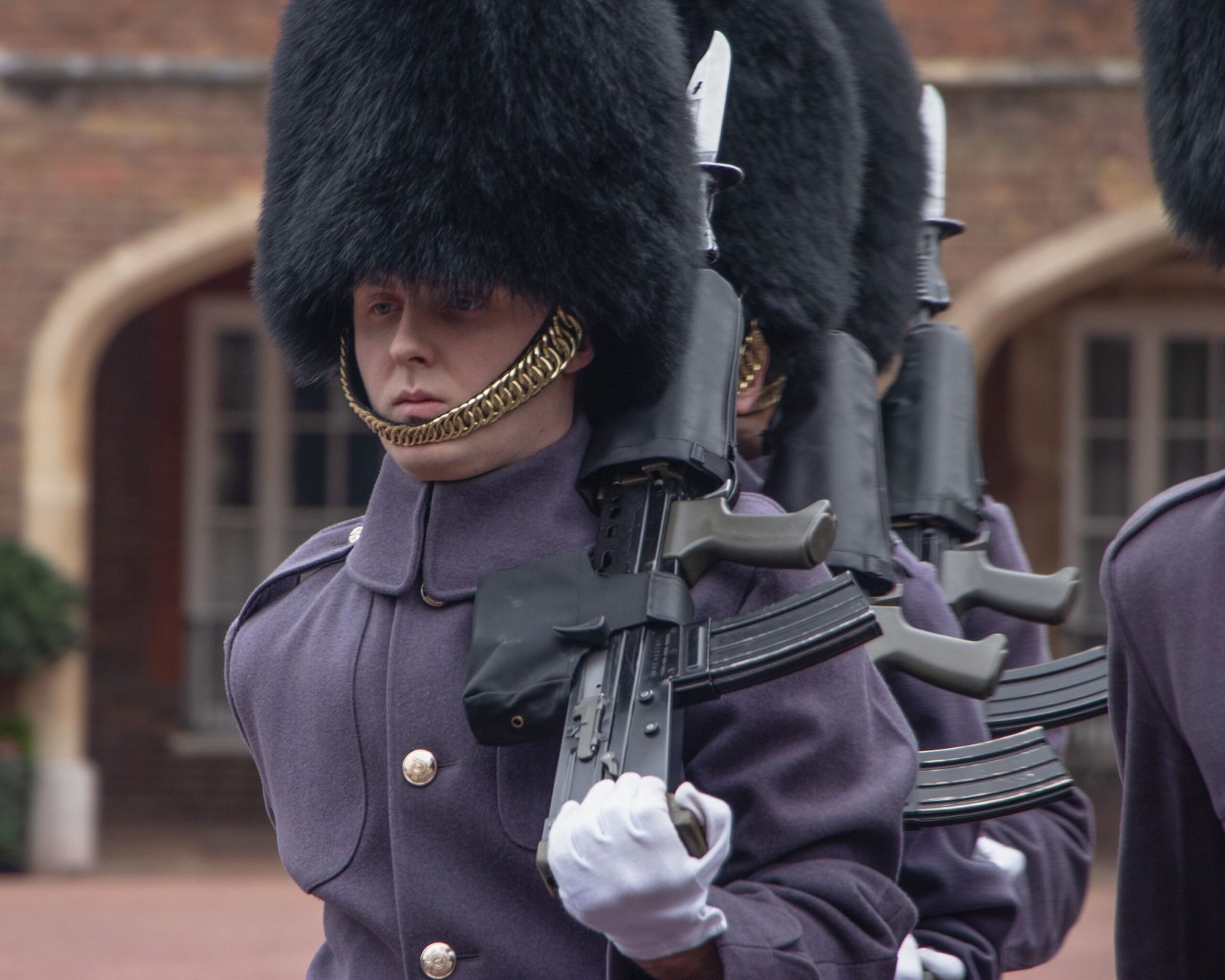
“What days is the Changing of the Guard on?” In 2026, the ceremony usually takes place on Mondays, Wednesdays, and Fridays at 11 a.m., but confirmation only comes about six weeks in advance and can be canceled at the last minute due to bad weather or official commitments—so check the official Household Division calendar close to your trip. The ceremony is free, no ticket needed, but if you want a spot at the railings, you’ll need to arrive 45 to 60 minutes early.
For visiting the interior, the window is much narrower: the State Rooms only open to the public between July and September, while the king is away at other residences during the summer. In 2026, the opening runs from July 9 to September 27, with extended hours until August 31 and then reduced to Thursday through Monday. Book ahead on the official Royal Collection Trust website: entry times sell out fast during peak season weeks.
What to see at Buckingham Palace
“What can you see even without going inside the palace?” Quite a lot, because the most sought-after experience—the Changing of the Guard—happens outside, for free, for any visitor.
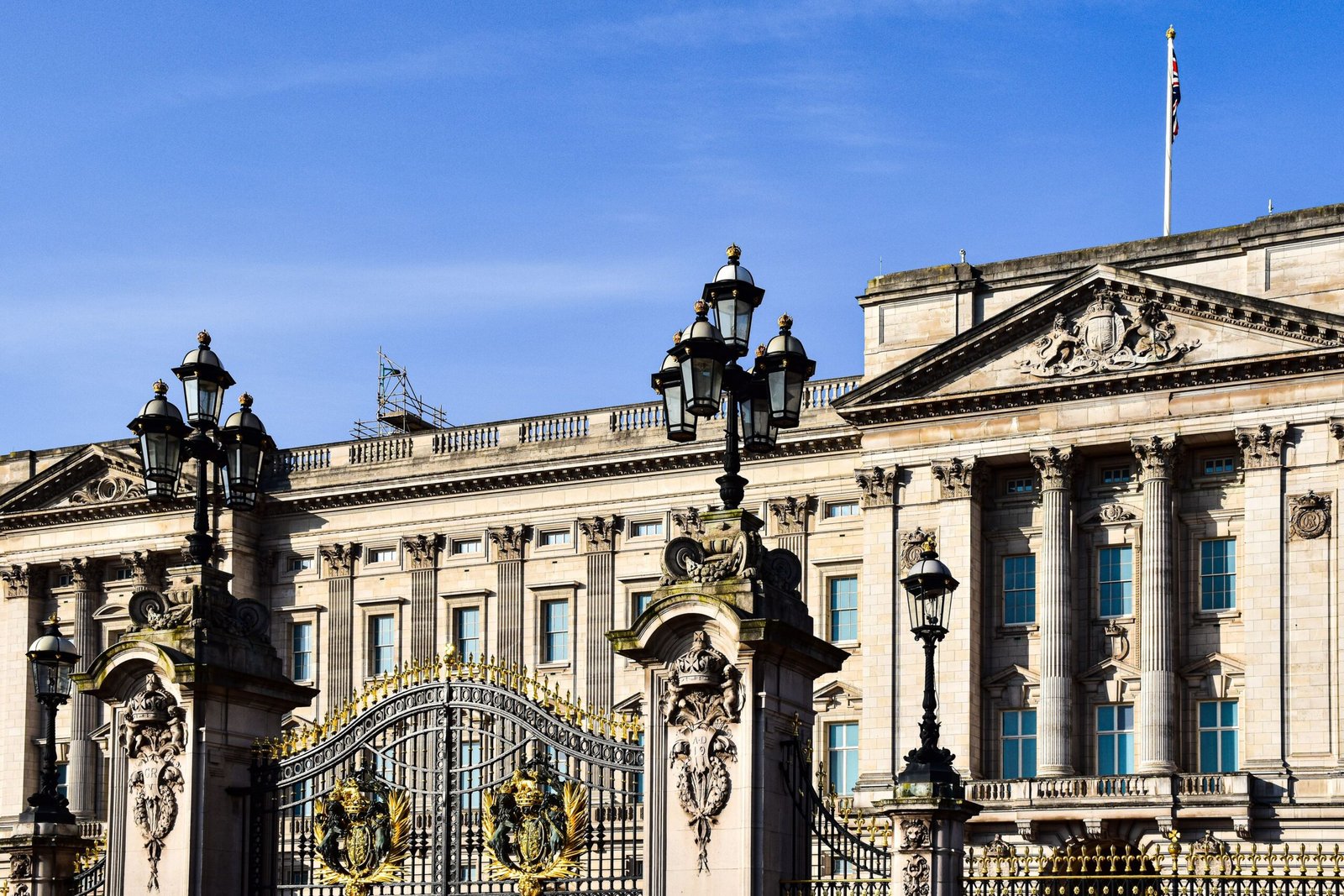
The facade and the gates
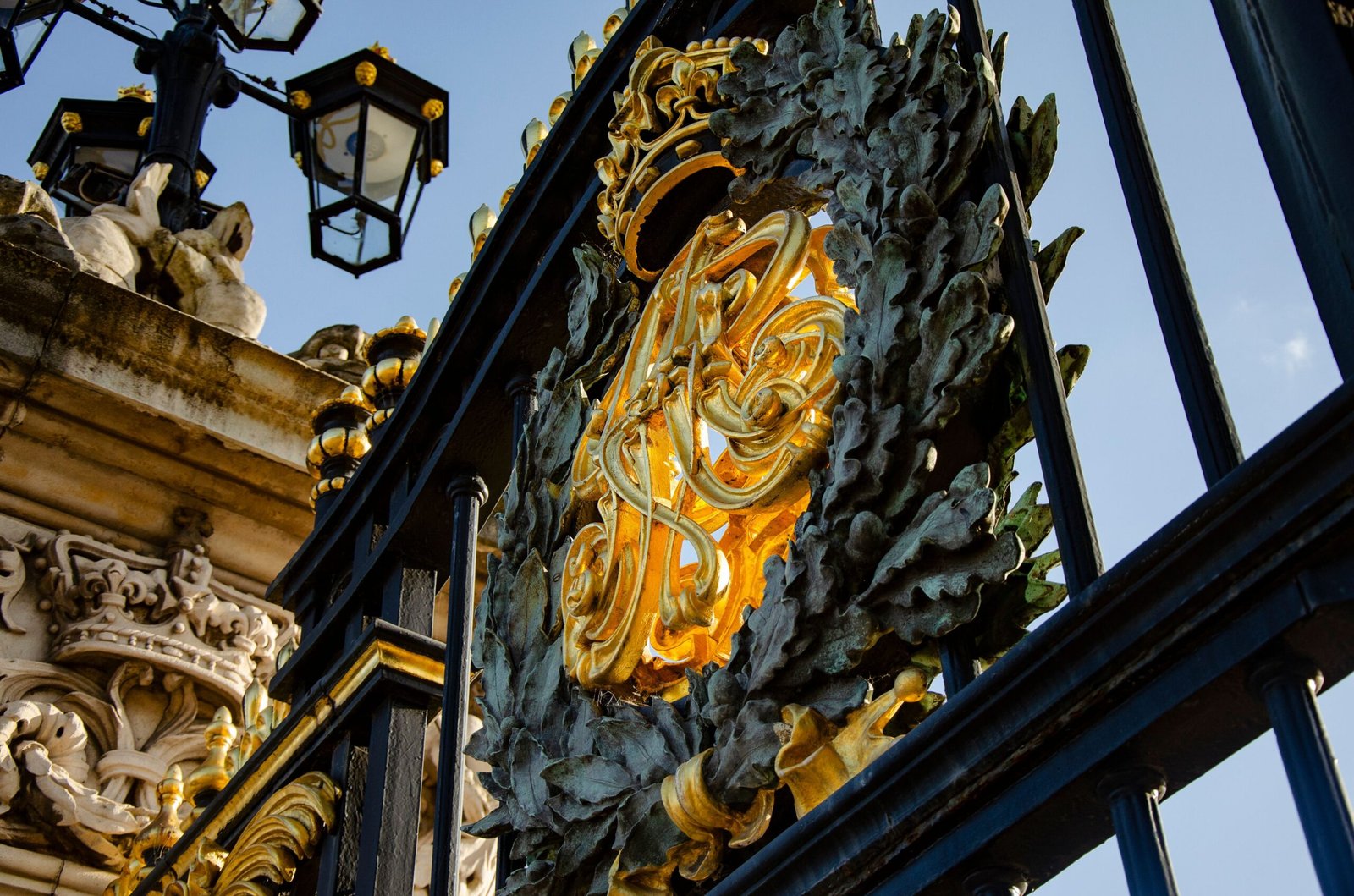
The main facade, facing the Victoria Memorial and The Mall, is the work of architect Aston Webb from 1913—newer than it looks, since it replaced an earlier facade by John Nash. The golden gates and the royal coat of arms on the railings already make for great photos without needing to go inside.
The State Rooms (summer only)
Visitors between July and September tour the rooms used for state banquets and official receptions: the Throne Room, the Picture Gallery with works by Rembrandt and Rubens, and the Music Room, where royal princes have been baptized. Access also includes the palace garden, which spans 16 hectares.
The Royal Mews and the Queen’s Gallery
Next to the palace, the Royal Mews houses the ceremonial carriages and horses used in royal events, with separate visiting hours for much of the year. The Queen’s Gallery displays pieces from the royal collection in temporary exhibitions, also with a separate ticket and more extended opening hours than the State Rooms.
What to combine with your visit
“Can you see more things nearby?” Absolutely, and the palace is a short walk from other central London spots. St James’s Park, right in front, is a good place to sit after the Changing of the Guard. Following The Mall, you’ll reach Trafalgar Square and Westminster Abbey in 15-20 minutes on foot, and Big Ben is just a bit further.
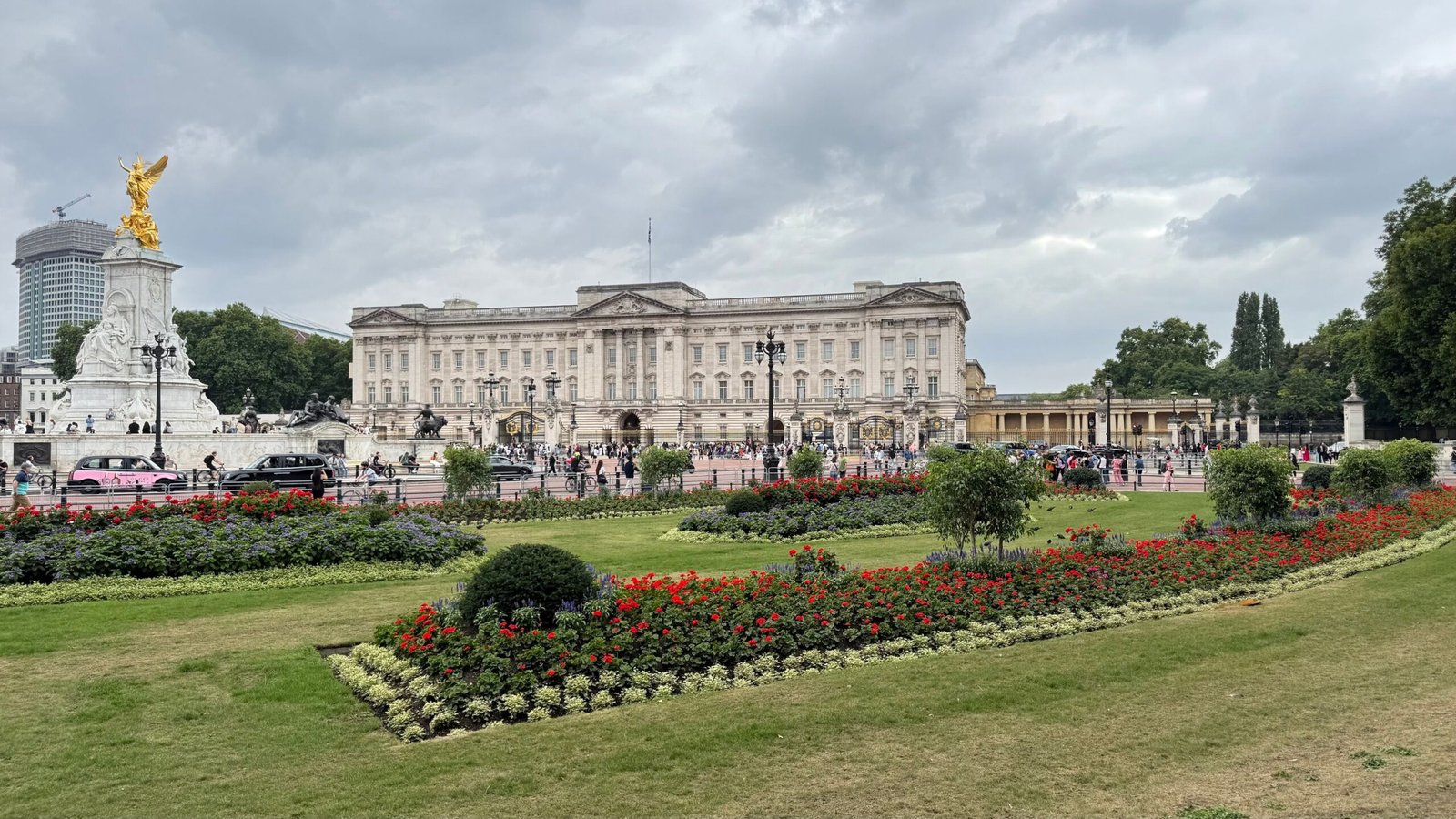
If you’re organizing the other days of your trip, our complete London guide shows how to fit in the palace, Big Ben, and other top sights without overdoing it in a single day.
Where to eat near the palace
“Are there good food options right nearby?” The immediate area around the palace is more residential and diplomatic than culinary, so it’s worth walking to Victoria or St James’s, 10-15 minutes away, where you’ll find traditional pubs and cafes at more reasonable prices than in touristy areas like Covent Garden. A simple pub lunch runs around £12 to £18 (June 2026), and a fish and chips to go is close to £10.
If you’re looking for something more budget-friendly, you’ll find sandwich shops and coffee chains on the commercial streets near Victoria station—a good option for a quick bite before or after the Changing of the Guard.
Where to stay in London
“Which area should I stay in to visit the palace?” Victoria is the most practical option, with hotels across various price ranges a 10-minute walk from the palace and good train connections to Gatwick Airport. St James’s and Mayfair are even closer, but with much higher nightly rates, aimed at those prioritizing comfort and proximity over savings.
For those who value cost-effectiveness and don’t mind taking the tube every day, neighborhoods like Paddington or South Kensington offer more affordable accommodation, with a direct tube link to Green Park or Victoria in 15-20 minutes.
Where to stay in London
| Hotel | Rating | |
|---|---|---|
| Park Plaza London Westminster BridgeSouth Bank / Waterloo · At the end of Westminster Bridge, opposite Big Ben | 8,422.352 reviews | See prices |
| Park Plaza County Hall LondonSouth Bank / Waterloo · Behind the London Eye, within walking distance of Waterloo | 8,612.466 reviews | See prices |
| H10 London WaterlooSouth Bank / Waterloo · Near Lambeth North station, a 10-minute walk from Waterloo | 8,82.681 reviews | See prices |
| citizenM London BanksideSouthwark / London Bridge · Next to Tate Modern; compact, modern room | 8,73.768 reviews | See prices |
| London Bridge HotelSouthwark / London Bridge · Right next to London Bridge station | 9,14.078 reviews | See prices |
| Eurotraveller Hotel Premier Tower BridgeSouthwark / London Bridge · Cheaper option with a high rating near the river | 8,24.089 reviews | See prices |
| Strand PalaceCovent Garden / Strand · Between Covent Garden and the river, a short walk from Embankment | 8,517.948 reviews | See prices |
| The Z Hotel StrandCovent Garden / Strand · Small rooms, central location at a lower price | 8,37.943 reviews | See prices |
| Tavistock HotelBloomsbury / King's Cross · Bloomsbury, near Russell Square (direct Piccadilly line to Heathrow) | 8,213.644 reviews | See prices |
| citizenM London ShoreditchShoreditch · For those who want bars and nightlife in East London | 8,73.313 reviews | See prices |
Booking.com rating on 30/09/2026
Practical tips
It’s worth checking out the palace even if you don’t go inside the State Rooms: the facade, the gates, and the Changing of the Guard already give you a good sense of the place’s ceremonial role, and they’re free. The most common mistake is traveling outside the July-to-September window expecting to visit the interior—outside that period, the State Rooms are closed to the public.
The currency used is the British pound (£), and international cards are accepted almost everywhere in London. US citizens don’t need a visa to enter the UK as tourists for short stays, but always check the latest official rules before traveling, as they change frequently. As for safety: the palace area is heavily policed, but it’s always wise to keep an eye on your belongings in the crowd during the Changing of the Guard.
 HotelAs soon as you have datesCompare neighbourhoods and guest ratings.See hotels ↑
 More activitiesTo compareTickets, day trips and tours with flexible cancellation.GetYourGuide ›
Frequently asked questions
What is the history of Buckingham Palace?
The site originally housed Buckingham House, built in 1703 for the Duke of Buckingham. George III bought it in 1761 as a private residence for the queen, and George IV commissioned its transformation into a palace by architect John Nash. It became the official residence of the British monarchy in London in 1837, when Queen Victoria ascended the throne—more details on the Wikipedia page for the palace.
Who currently lives at Buckingham Palace?
No one from the royal family lives there at the moment: the building has been under renovation since 2017, with completion expected in 2027. In June 2026, King Charles III confirmed he will continue living at Clarence House even after the work is finished—Buckingham will remain the administrative headquarters and venue for official royal events.
What is the ticket price for Buckingham Palace?
Access to the State Rooms, available only in summer, starts at £33 for adults 25 and over, £21.50 for adults 18 to 24, and £16.50 for children over 5 (2026 prices). Children under 5 enter for free. Confirm current prices on the official website before purchasing.
Who was the man who broke into Buckingham Palace?
The most famous case is Michael Fagan, who in July 1982 scaled the palace wall and entered Queen Elizabeth II’s bedroom, chatting with her for about ten minutes before the alarm was raised. The incident led to a major overhaul of palace security.
What does Buckingham mean?
The name comes from the original owner of the land, John Sheffield, 1st Duke of Buckingham and Normanby, who built Buckingham House there in the early 18th century—the palace’s name is a direct legacy from him, with no connection to the town of Buckingham.
How much does a royal guard at Buckingham Palace earn?
The guards are soldiers in the British Army, and pay varies by rank: recruits in training start at around £18,700 per year, with salaries rising to the £23,000 to £28,000 range after basic training, and potentially exceeding £40,000 with more experience and rank.
Can you visit Buckingham Palace?
Yes, but only inside during the summer opening (in 2026, from July 9 to September 27), with tickets purchased in advance. The facade, gates, and Changing of the Guard can be seen for free year-round.
Where does King Charles live?
Currently, King Charles III and Queen Consort Camilla live at Clarence House, a residence neighboring Buckingham Palace, and they are expected to stay there even after the palace renovation is complete.
Conclusion
Buckingham Palace functions less as a museum and more as a living symbol of the British monarchy—which explains why most of the experience happens outside the gates, at the Changing of the Guard. If your trip falls between July and September, it’s worth booking State Rooms tickets in advance; outside that period, the facade, the Victoria Memorial, and the free ceremony already tell a big part of the story. Explore more destination guides here on Voyage Voyage.