Putting Lisbon, Paris, and London together in one itinerary is totally doable without turning into a race—but only if you think through the order of the cities and the transport between them before booking a single ticket. The most common mistake is planning the route alphabetically or on a whim, which forces you to backtrack and lose an entire day just moving between places you’ve already left behind.
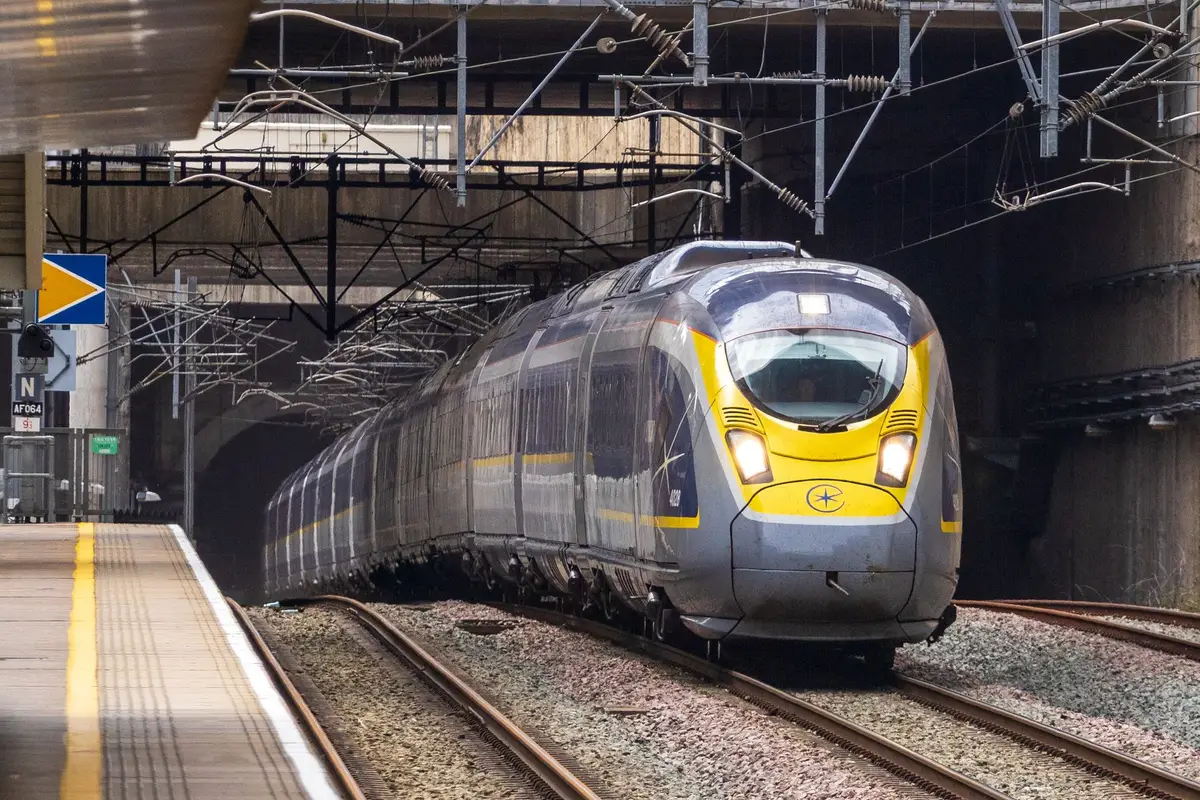
The most efficient route is usually London → Paris → Lisbon (or the reverse): London and Paris are connected by the Eurostar in 2h16, direct from city center to city center, while Paris and Lisbon are best done by plane, since the train between them takes 17 to 27 hours with transfers in Spain. For all three cities in one go, the sweet spot is 10 to 12 full days, with at least 3 full days in each destination.
Getting there and getting around between the three cities
The London-Paris leg is the simplest of the whole trip: the Eurostar leaves from St Pancras station in London and arrives directly at Gare du Nord in Paris in 2h16, with no stops and a quick check-in. Booking months in advance, Standard class tickets start at around €44 per leg (prices from July 2026)—worth buying as soon as your dates are locked in, because the price climbs as departure gets closer.

The leg to Lisbon, though, is a different story. By train, Paris-Lisbon takes anywhere from 17h39 (on the most direct connections) up to 27 hours, requiring 2 to 4 transfers, usually through Spain, according to data from railcc. For most two-to-three-week itineraries, it’s just not worth it: a direct flight from Paris-Lisbon or London-Lisbon takes about 2h15 and is operated by airlines like TAP Portugal, easyJet, and Vueling, usually with good fares if booked ahead (from €60-80 in July 2026, depending on availability).
A common question is whether you can string all three legs together by train, including a direct London to Lisbon run. The answer is technically yes, but the full train journey between London and Lisbon takes 22 to 42 hours, which only makes sense if you’re doing the trip as part of the experience itself, with absolutely no rush to get there.
Best time to go and how long to stay
April through June and September through October are the most balanced windows for all three cities together: mild temperatures in London and Paris, and still without Lisbon’s intense summer heat. July and August pack all three cities at once, with inflated accommodation prices and longer lines at the most popular attractions.
To avoid feeling like you just breezed through, plan at least 3 full days per city—that already adds up to 9 days of pure stay, plus travel time. A 10-to-12-day itinerary gives you room to include a day trip, like Versailles from Paris or Sintra from Lisbon, without sacrificing city time.
What to see in each city without rushing
London
Stick to 2 to 3 sights a day instead of trying to check off the whole list: Tower Bridge and the Tower of London in the morning, a stroll through Soho and Covent Garden in the afternoon, saving the British Museum or the National Gallery for a rainy day, since both deserve longer visits. If you have a free afternoon, Greenwich is a great day trip within the city itself, without burning a whole day of your itinerary.
Paris
Split the city by neighborhood instead of crossing all of Paris every day: one day for the Eiffel Tower and Trocadéro, another for the Louvre and Île de la Cité, and a third for Montmartre. This saves hours lost on the metro between opposite ends of the city. If you like going off the beaten path, it’s worth checking out neighborhoods like Belleville, with views, street art, and restaurants away from the most touristy circuit.
Lisbon
Set aside one day for the historic center (Alfama, Baixa, Chiado), another for Belém, with its monuments and the famous pastry shop of the same name, and consider a day trip to Sintra if you have an extra day. The complete Lisbon guide details a day-by-day itinerary for anyone who wants to make the most of this final leg of the trip.

How to fit all three into one itinerary
An 11-day itinerary works like this: 4 days in London, Eurostar to Paris, 4 days in Paris, flight to Lisbon, 3 days in Lisbon before your flight home. This order avoids backtracking and makes the most of the only efficient train leg of the trip (London-Paris), saving the flight for the stretch where the train just doesn’t pay off.
If you’d rather end in continental Europe to save on the final stretch, you can flip it: Lisbon first, then Paris by plane, and finish in London via Eurostar—the transport logic stays the same; only your starting and ending points change.
It’s worth booking international trains and flights at least 60 days in advance: according to the official Eurostar website, Standard class prices rise steadily as the date approaches, and promotional fares disappear first on high-season dates (June through August and the eve of European holidays).
One detail that often goes unnoticed: the time zone doesn’t change between the three cities (they all follow GMT/BST or Western European Summer Time), so there’s no jet lag to manage within the itinerary—just the logistics of luggage and check-in at each leg. If you’re looking to save on the financial side of the trip, you can also check out the guide on money in Europe, with card tips and a backup plan that work across all three countries on this route.
Where to eat in each stop
In London, covered markets like Borough Market make for a quick, varied lunch without a reservation, with prices ranging from £8 to £15 per dish (July 2026). In Paris, opt for neighborhood bistros away from the Champs-Élysées—they’re cheaper and just as good, with a fixed lunch menu usually running between €18 and €25. In Lisbon, the tascas in the Alfama and Bica neighborhoods typically serve daily specials for €8 to €14, well below the touristy restaurants in Baixa.
Where to stay in each city
In London, staying near King’s Cross/St Pancras makes catching the Eurostar a breeze without having to wake up at dawn. In Paris, the Marais or an area near Gare du Nord cuts down the trek to your next train or airport. In Lisbon, Baixa or Chiado puts you just a few minutes’ walk from the main attractions and well-connected to the airport.

Practical tips for the logistics
Book your Eurostar tickets well in advance: prices climb fast as the date approaches, and the cheapest fare classes sell out first. For the Paris–Lisbon or London–Lisbon leg, compare direct flights before you commit—TAP, easyJet, and Vueling usually have the best prices on this route. Pack light: with both train and plane on the same itinerary, a big suitcase becomes a hassle at every transfer.
Before buying individual tickets, consider whether a European city pass makes sense for your trip. It’s also worth booking guided tours in each city ahead of time, especially the ones that tend to sell out in high season—like the night tour of Paris and the free walking tour of London, which are great for getting your bearings on day one in each city.
Another thing that makes a real difference to your budget is currency: since this route uses both pounds and euros, it’s worth bringing an international card with no conversion fees instead of exchanging cash at airport bureaux de change, which usually offer a much worse rate than the market.
Finally, check your travel documents well ahead of time: a passport valid for at least six months beyond your return date is required by both the UK and the Schengen Area countries (France and Portugal).
Frequently asked questions
How many days do I need for Lisbon, Paris, and London on the same trip?
Ideally, 10 to 12 full days, with at least 3 full days in each city. Anything less turns the itinerary into a marathon of transfers instead of a trip you can actually enjoy.
Is it worth taking the train from Paris to Lisbon?
Usually not: the train journey takes between 17 and 27 hours with several changes through Spain, while a direct flight between the two cities takes about 2h15. The train only pays off if you want the journey itself as the experience, with no time pressure.
What’s the best order to visit the three cities?
London, then Paris, and finally Lisbon (or the reverse) is the most efficient order, because it makes the most of the Eurostar on the only leg where the train beats the plane, and saves the flight for the longest stretch.
Do I need a visa to visit all three cities as a Brazilian?
No. Brazilians can enter the UK, France, and Portugal visa-free for tourism for up to 90 days within the Schengen Area (France and Portugal) and under UK rules for London—just double-check your passport’s validity dates before you travel.
Conclusion
Pulling off Lisbon, Paris, and London in a single trip works beautifully when you put transport logic ahead of the urge to see everything: Eurostar between London and Paris, a short flight to Lisbon, and at least three full days at each stop. With that skeleton in place, the rest of the itinerary—tours, meals, accommodation—falls into place naturally. To dive deeper into each destination, Voyage Voyage has complete guides for every city to help you plan.
To extend your trip in Portugal, check out the Madeira Island itinerary.