Lisbon is one of Europe’s most charming cities — and, let’s be honest, one of the most underrated by those who haven’t had the chance to see it in person yet. With its cobblestone streets climbing up and down hills covered in colorful tiles, a food scene that blends Atlantic flavors with influences from four continents, and a bohemian soul that pulses from late night until sunrise, Portugal’s capital wins over everyone who passes through. If you’re planning a trip and still have doubts about adding Lisbon to your itinerary, this guide will convince you — and get you ready to soak in every detail of the city.
Why visit Lisbon?
Lisbon holds a unique place in the imagination of travelers worldwide. It’s a European capital that’s still affordable, with a cost of living that’s reasonable compared to Paris or London, yet it boasts a cultural and historical density that rivals any major metropolis. The city was the launching point for one of the greatest maritime expansions in human history: from here set sail Vasco da Gama, Bartolomeu Dias, and Pedro Álvares Cabral — the man who, as every Brazilian knows, “discovered” Brazil in 1500.
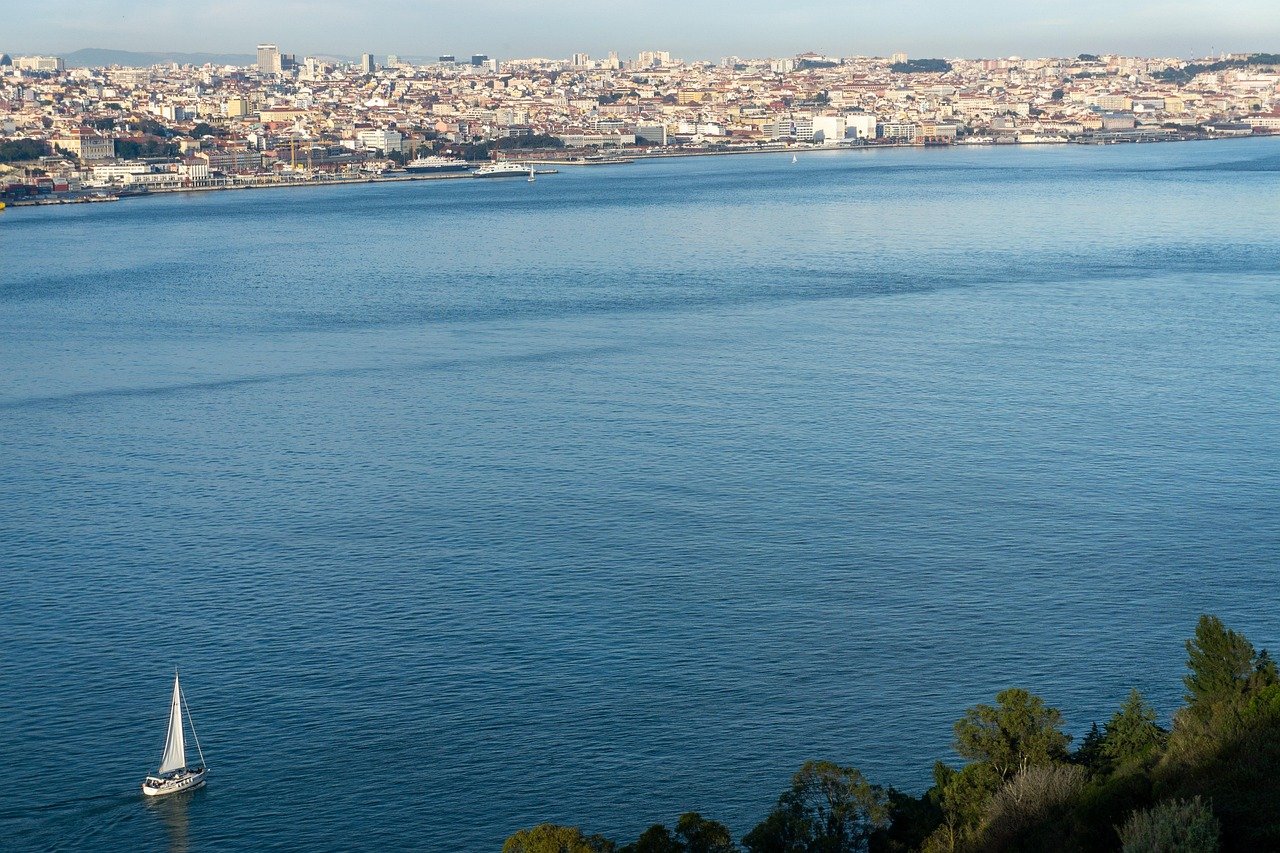
Beyond the history, Lisbon offers an enviable quality of life. The climate is one of the best in continental Europe, with over 290 days of sunshine a year. The Atlantic Ocean is just minutes away. The food is honest and delicious. And the locals, though reserved at first, are genuinely hospitable once you break the ice.
For Brazilian travelers, there’s the added bonus of the language: even with the differences in accent and vocabulary, communicating in Lisbon is simple and enjoyable. You’ll feel right at home — and at the same time, in another world.
Top attractions in Lisbon
Alfama and São Jorge Castle
The Alfama district is the oldest and most authentic part of Lisbon. Climbing up the narrow alleys between houses with laundry hanging from windows and cats napping on doorsteps, you’ll reach São Jorge Castle, a medieval fortress with breathtaking panoramic views over the Tagus and the city’s terracotta rooftops. Admission is around 15 euros for adults (check the official website for current hours). It’s worth arriving early to beat the lines and catch the morning light for photos.
Still in Alfama, look for Miradouro da Graça and Miradouro de Santa Luzia — two free viewpoints with privileged vistas and stands selling ice-cold beers at fair prices. At night, the neighborhood transforms: fado houses open their doors, and you can hear Portugal’s most melancholic and beautiful song.
Belém: where history sets sail
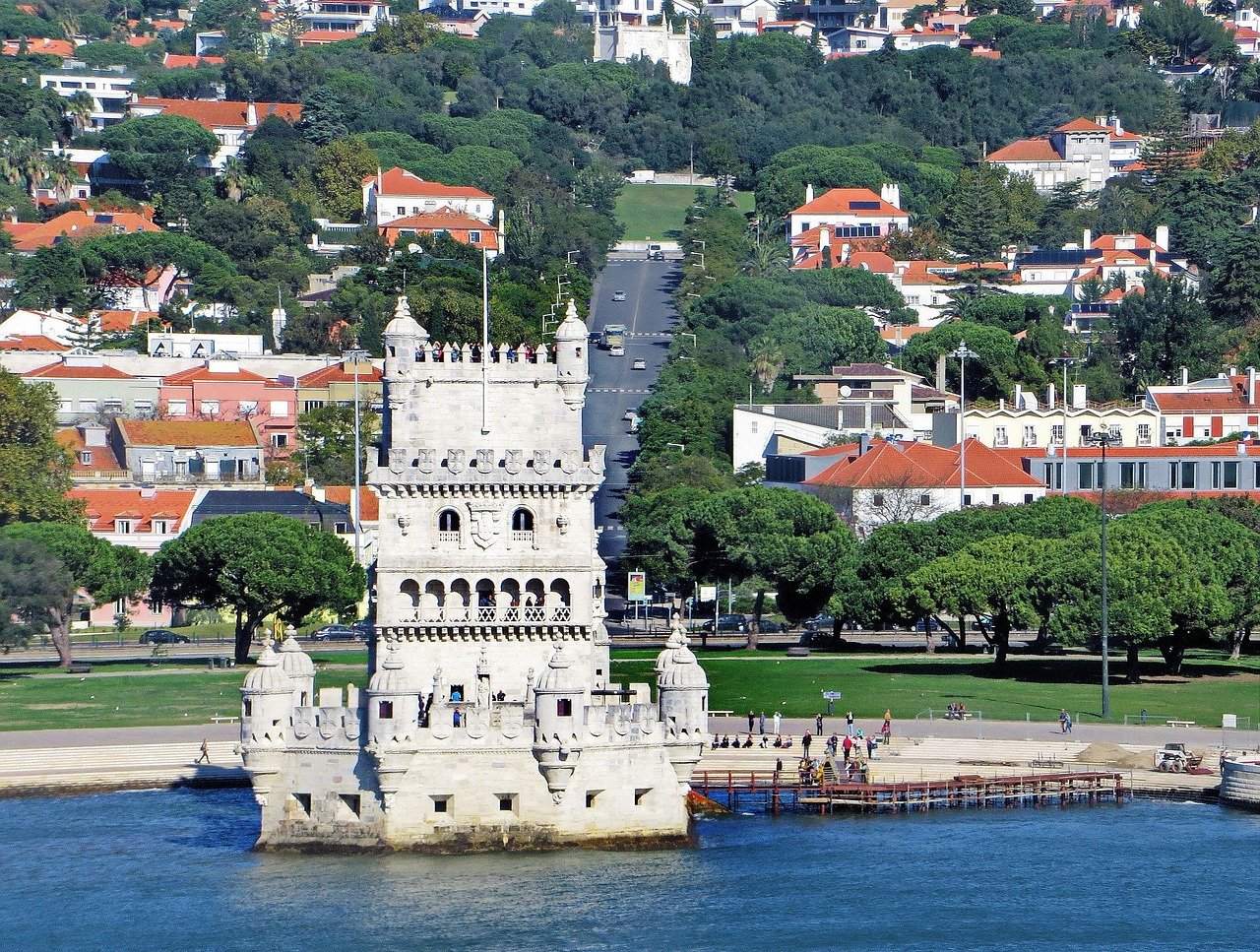
The Belém district, a few kilometers from the center, is a must-visit for anyone wanting to understand Portugal’s imperial soul. Here you’ll find two of the country’s most iconic monuments: the Belém Tower, built in the 16th century on the banks of the Tagus, and the Jerónimos Monastery, a masterpiece of Manueline architecture and a UNESCO World Heritage Site. Both have paid admission — around 10 to 15 euros each — but a combined ticket usually works out cheaper; check the official website.
Right next to the Monastery is Pastéis de Belém, the pastry shop founded in 1837 that serves the famous pastéis de nata using the original recipe — a secret guarded closely. The line moves fast, the pastry arrives warm, dusted with cinnamon and powdered sugar, and the price is modest. It’s one of the simplest and most memorable food experiences in Europe.
Baixa, Chiado, and Bairro Alto
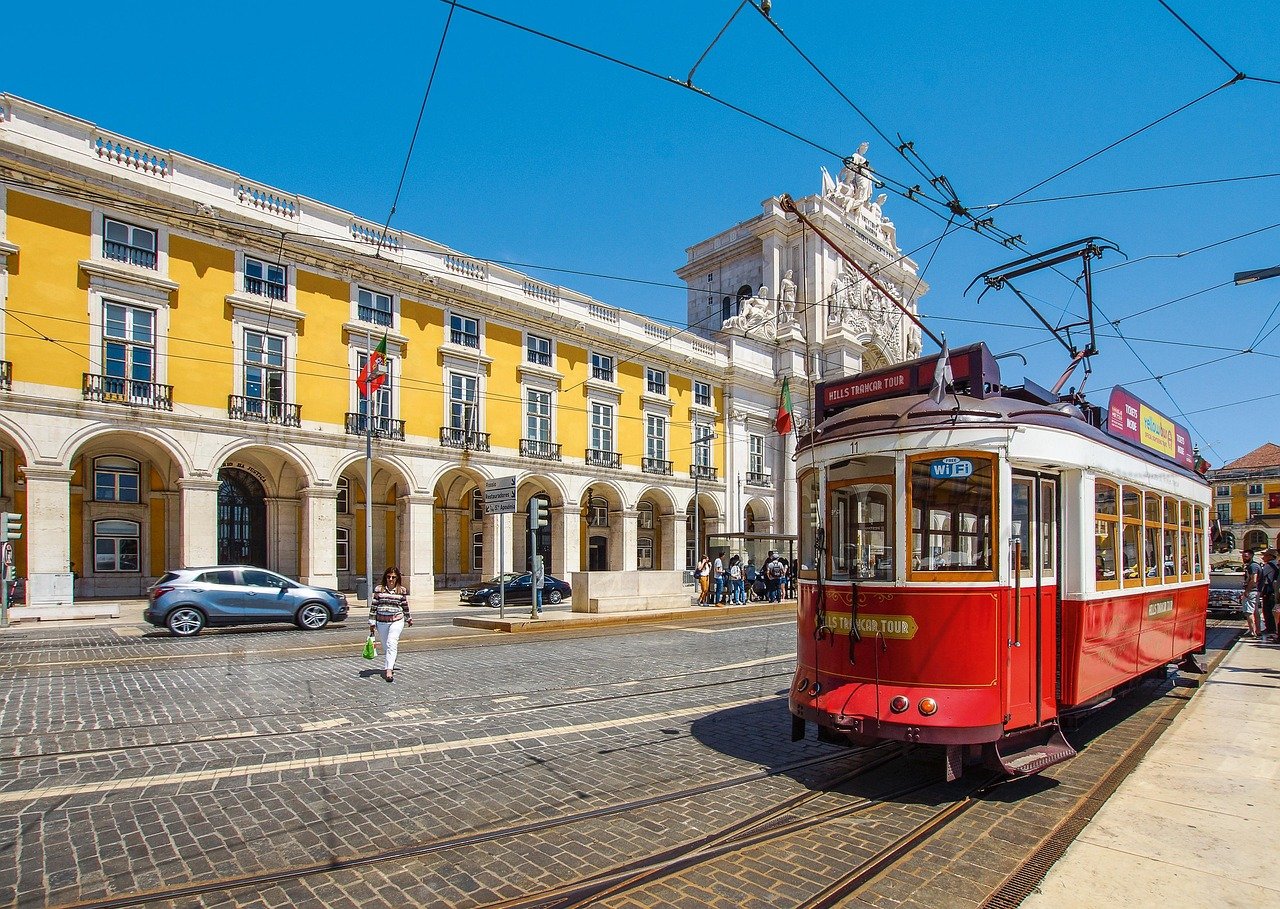
The Baixa Pombalina is Lisbon’s commercial heart, rebuilt by the Marquis of Pombal after the devastating earthquake of 1755. Praça do Comércio, with its yellow arcades facing the Tagus, is the city’s historic arrival point — this is where ships once docked, bringing spices and riches from the East. Today it’s a beautiful public space with cafés, restaurants, and river views.
Heading up from Chiado — an elegant neighborhood with historic bookstores like Livraria Bertrand, the oldest operating bookstore in the world — you’ll reach Bairro Alto, the epicenter of Lisbon’s nightlife. Tiny bars with doors open to the street, live music, groups of friends spilling onto the sidewalks: this is where Lisbon shows its most festive and laid-back side.
LX Factory and the city’s creative side
For those who love design, alternative dining, and contemporary culture, LX Factory is a must-stop. Housed in a former industrial complex in Alcântara, the area is home to restaurants, thrift stores, creative studios, and the famous Ler Devagar bookstore — with its installation of bicycles suspended from the ceiling, voted one of the most beautiful bookstores in the world. On Sundays, there’s a market with crafts, vinyl, clothes, and street food that draws both tourists and locals. Admission is free.
Lisbon Oceanarium
One of the best aquariums in the world, the Lisbon Oceanarium is located in Parque das Nações — a modern neighborhood built for Expo 98. With a central tank holding two million liters, home to sharks, rays, and colorful schools of fish, it’s a fantastic experience for the whole family. Tickets are around 21 euros for adults; check the official website for hours and promotions.
Where to eat in Lisbon
Lisbon’s food scene is robust, honest, and surprisingly varied. Bacalhau (salt cod) — which the Portuguese claim to prepare in 365 different ways, one for each day of the year — is a constant presence on menus. But the city also embraces fresh seafood, petiscos (the Portuguese version of tapas), and a modern restaurant scene that’s been gaining international attention.
For a traditional, budget-friendly meal, explore the tascas of Alfama and Intendente: family-run restaurants where a daily special with soup, main course, dessert, and a drink comes in at under 12 euros. Try caldo verde (kale soup with chouriço), açorda de bacalhau (salt cod bread stew), arroz de pato (duck rice), and — if it’s on the menu — polvo à lagareiro (octopus roasted with olive oil and potatoes).
At Mercado da Ribeira (Time Out Market), near Cais do Sodré, you’ll find a concentration of stalls from the city’s top restaurants all in one modern, lively space. It’s convenient, but prices are steeper than at traditional tascas — expect to spend 15 to 25 euros per person. A great option if you want to sample a lot in one place.
For petiscos and wine, Bairro Alto and Príncipe Real have excellent bars and small taverns. Order an imperial (draft beer) or a glass of ice-cold vinho verde and put together a spread of cheeses, cured ham, and sardines in olive oil. Simple and perfect.
Where to stay in Lisbon
Lisbon has accommodations for every budget and traveler profile. Location matters a lot: staying in the historic center (Alfama, Chiado, Baixa) means easy walking access to most attractions, but some streets have steep hills and can be noisier at night.
For budget-conscious travelers, the hostels in Chiado and Mouraria offer private rooms and dorms with great value — around 20 to 40 euros per night for a dorm bed. Three-star hotels in the center average between 80 and 150 euros per night (prices vary greatly by season; check booking platforms for current rates).
For a more exclusive experience, boutique hotels set in restored palaces and convents are a Lisbon highlight. The Príncipe Real neighborhood is home to some of the most charming — with inner gardens, original tiles, and an atmosphere that blends history with contemporary design. For those wanting a view of the Tagus, the Alcântara and Santos areas have modern options with stunning rooftop terraces.
Getting around Lisbon
Lisbon is compact enough to explore on foot — with the caveat of the hills. The famous eléctricos (historic trams) are charming but always packed with tourists; tram 28, which cuts through Alfama, is scenic but slow. For longer trips, the metro is efficient, clean, and cheap: a single ride costs around €1.50 with the Viva Viagem card (reloadable, purchased at stations). It’s worth loading a daily or weekly pass if you’ll be using it a lot.
The autocarros (buses) and the ferries crossing the Tagus complete the public transit network. To get to Sintra (a must-do excursion less than 40 minutes away by train), the train departs from Rossio or Oriente station and costs under €5 each way.
Uber and Bolt work great in Lisbon and are usually cheaper than traditional taxis. To explore the surroundings — Cascais, Setúbal, the Arrábida hills — renting a car for a day or two is a solid option; prices start at around €30/day for small cars.
Practical Tips
When to go: Spring (April to June) and early fall (September to October) are the ideal times: pleasant weather, fewer crowds than summer, and more affordable prices. Summer (July and August) is hot and bustling — the city is buzzing, but hotels fill up and prices climb. Winter is mild by European standards, with temperatures rarely dropping below 50°F (10°C).
Currency: Portugal uses the euro. Cards are accepted almost everywhere, but keep some cash on hand for the smaller tascas (traditional eateries) and the Sunday market at LX Factory.
Footwear: Wear comfortable sneakers or well-cushioned shoes. The cobblestone sidewalks are beautiful but treacherous, especially on rainy days. High heels are a guaranteed struggle.
Safety: Lisbon is one of the safest European capitals for tourists. Still, watch out for pickpockets in crowded spots like tram 28, Praça do Comércio, and Mercado da Ribeira.
Tipping: It’s not required, but it’s appreciated at restaurants — around 5 to 10% of the bill at nicer establishments. At simple tascas, rounding up the total is plenty.
Lisboa Card: The Lisboa Card is a tourist pass that includes unlimited public transit and free or discounted entry to dozens of attractions. It can be well worth it depending on your itinerary; check the official website for current 24h, 48h, and 72h prices.
Day Trips from Lisbon
One of Lisbon’s biggest advantages is its strategic location: less than an hour away by train or car, there are destinations that alone would justify a trip to Portugal.
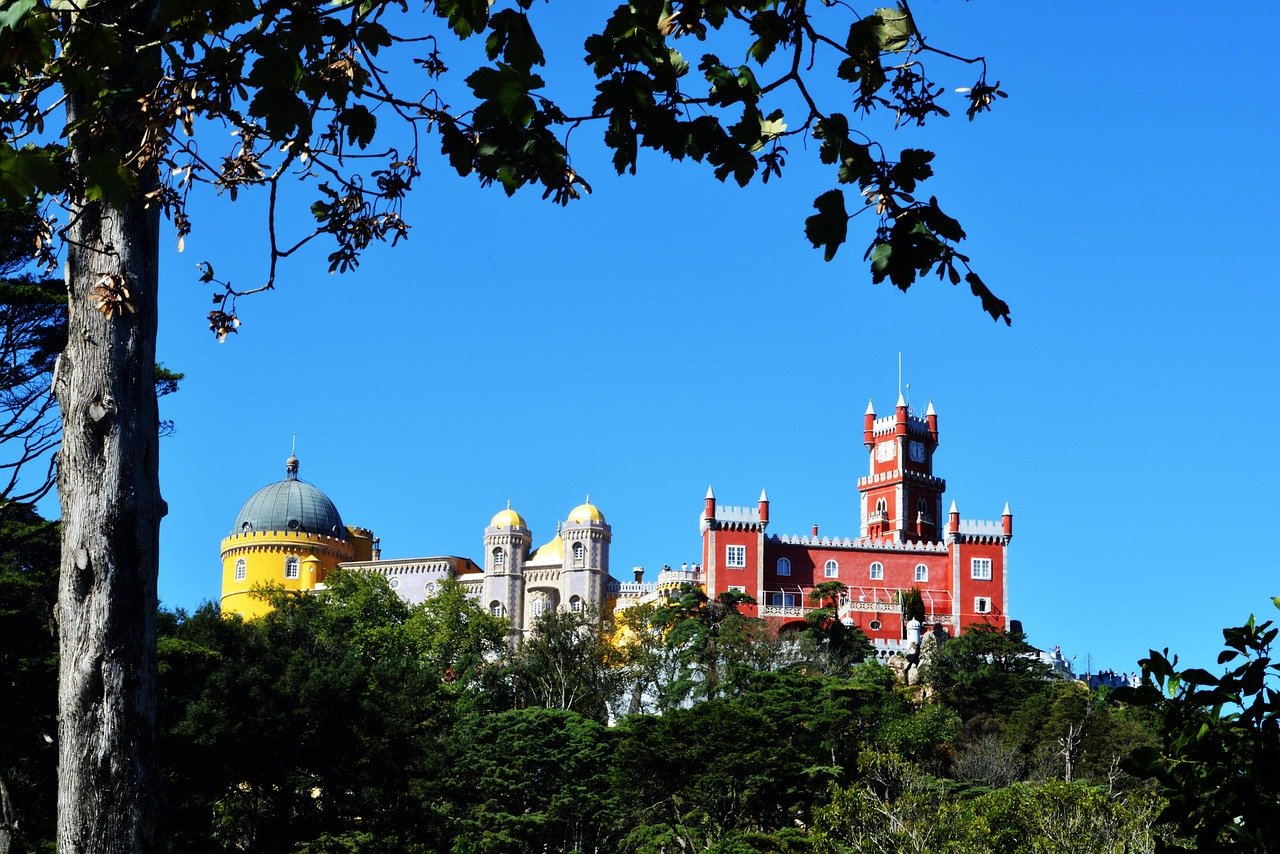
Sintra is the crown jewel: a cluster of fairy-tale palaces scattered across a misty mountain range. The Pena Palace, with its colorful towers perched on the hilltop, and Quinta da Regaleira, with its gardens full of secret passages and initiation wells, are unmissable. Arrive early — the town gets packed in summer. To avoid wasting time trying to see every palace, check out the guide on how to visit Sintra without the lines, covering the train, bus 434, and the best time to enter Pena.
Cascais is an elegant coastal town with urban beaches, seafood restaurants, and a charming historic center. A great option for a relaxed afternoon by the sea.
Óbidos is a fully walled medieval town, about an hour north of Lisbon. Walking along the ramparts and sipping a ginja (sour cherry liqueur) from a chocolate cup is one of Portugal’s quirkiest and most delicious experiences.
Keep planning your trip with our complete Porto guide.
Frequently Asked Questions About Lisbon
How many days do you need to visit Lisbon?
Three full days are enough to cover the main sights at a relaxed pace. With five days or more, you can easily add day trips to Sintra, Cascais, and the surrounding areas. If you want to go deeper and explore less touristy neighborhoods like Mouraria, Intendente, and Beato, a week flies by.
Is Lisbon expensive for Brazilians?
Compared to other European capitals like Paris, Amsterdam, or Copenhagen, Lisbon is still affordable. With a budget of €80 to €120 per day (including simple accommodation, meals, and transport), you can have a pretty complete experience. Eating and drinking at traditional tascas is genuinely cheap; costs go up if you opt for Michelin-starred restaurants or luxury hotels.
If you’re thinking about combining Lisbon with other European capitals on the same trip, check out the guide on Lisbon, Paris, and London on one itinerary, with the ideal order between the three cities and when to take the train or fly on each leg.
Do I need a visa to go to Lisbon?
Brazilian citizens don’t need a visa to visit Portugal for up to 90 days within a 180-day period, thanks to the visa waiver agreement between Brazil and the European Union. A valid passport is all you need. Always double-check the current rules with the Portuguese Consulate or the official Embassy website before traveling, as regulations can change.
What’s the best time to visit Lisbon?
May, June, September, and October are most travelers’ favorite months: great weather, long days, lighter crowds than peak summer, and more balanced prices. If you don’t mind intense heat and crowds, July and August are vibrant — the city has a special energy in summer with festivals, the Santos Populares street parties in June, and nights that never seem to end.
What’s fado like in Lisbon? Is it worth it?
Absolutely worth it. Fado is Portugal’s most precious intangible heritage, recognized by UNESCO in 2011. Hearing live fado in Alfama — in a small house with tiled walls, a fadista in a black shawl with two guitarists behind her — is an experience that touches the soul. Some fado houses are touristy and charge a hefty cover (€30 to €50 per person, including dinner); look for more authentic, modest options in the neighborhood or ask at your guesthouse.
For planning with official sources, check the official Lisbon tourism website and the city’s Wikipedia page.
Conclusion
Lisbon is one of those cities that stays with you, in your memory and in your heart. It’s not perfect — it has its contradictions, its real estate speculation, its gentrified neighborhoods — but it has a soul that few European capitals still preserve with such authenticity. You’ll leave wanting to come back. And you very likely will.
Plan ahead, especially if you’re going in summer: hotels and flights fill up fast. Set aside at least two or three days so you’re not rushing. And remember: the best of Lisbon isn’t necessarily in the guidebooks — it’s in the unnamed alley you stumble upon by accident, the pastel de nata you eat standing on the sidewalk, the conversation with the tasca owner who decides to tell stories while pouring another glass of wine.
Explore the other destination guides here on Voyage Voyage.