Villa de Leyva often shows up as a day trip from Bogotá, but the drive eats up a good chunk of the day and the town goes far beyond the Plaza Mayor. Three days let you stroll over colonial cobblestones without rushing, check out fossils in the valley, and pick one rural landscape without cramming in disconnected sights.
Quick answer: spend three days in Villa de Leyva: one for the historic center, another for fossils and desert-like scenery, and a third for a hike, a winery, or a monastery. Stay in the center to enjoy the plaza before the tour buses roll in.
How to get to Villa de Leyva
Buses leave Bogotá for Villa de Leyva, often with a stop in Tunja. The trip usually takes around four hours, but traffic leaving the capital can change that quite a bit. Check at the terminal whether the service is direct and where the final stop is; smaller vans may have different baggage rules.
By car, don’t just count the miles: rain, roadwork, and weekends can stretch the drive. Park outside the cobblestone core and walk. If you prefer a tour, you can compare activities in Villa de Leyva, checking free time and included admissions.
Best time to go and how many days to stay
The town sits above 6,500 feet, with cool nights and strong sun during the day. Rain is possible in several months; bring a jacket, a rain poncho, and sunscreen. Holidays and weekends draw visitors from Bogotá, pushing up prices and filling the Plaza Mayor.
Three days keep you from spending eight hours on the road for just a few hours downtown. With two nights, prioritize the town and the fossil route. A fourth day works if you want a longer hike or some downtime. During festivals, book lodging and transport well in advance.
Villa de Leyva in 3 days: stone, fossils, and less rush
Day 1: Plaza Mayor and the historic center
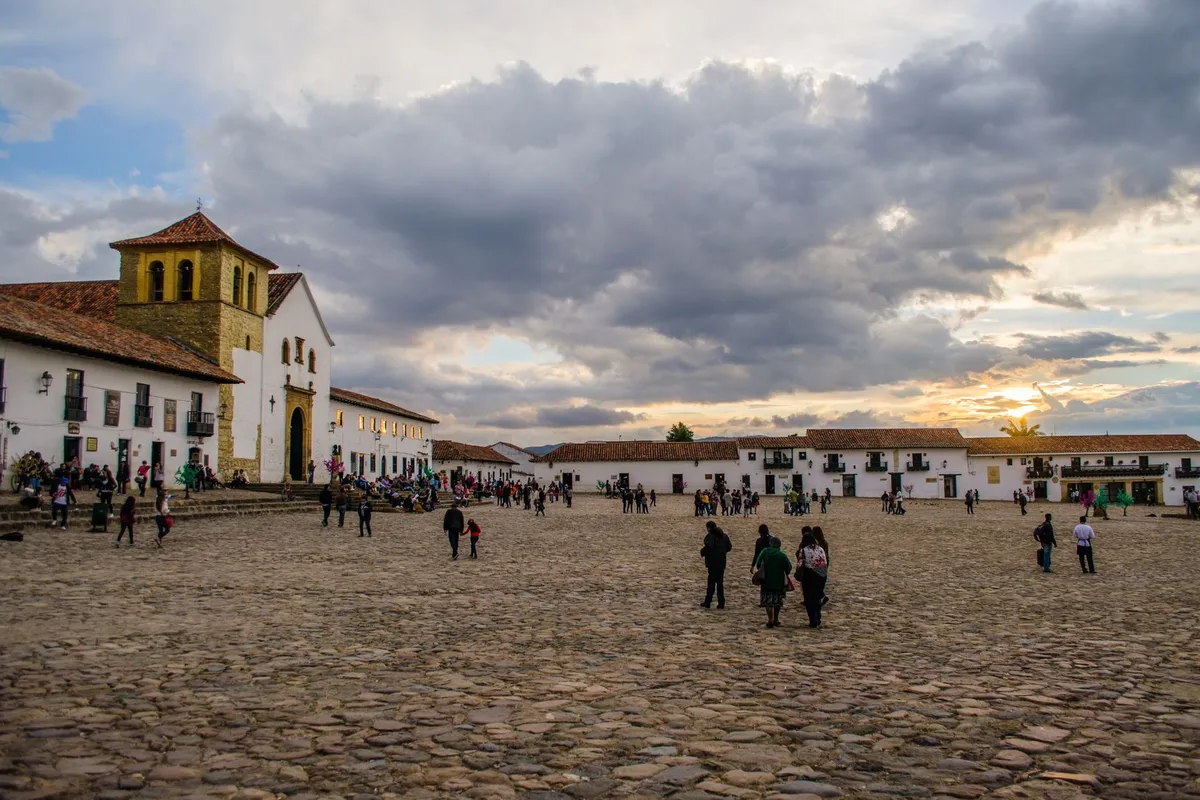
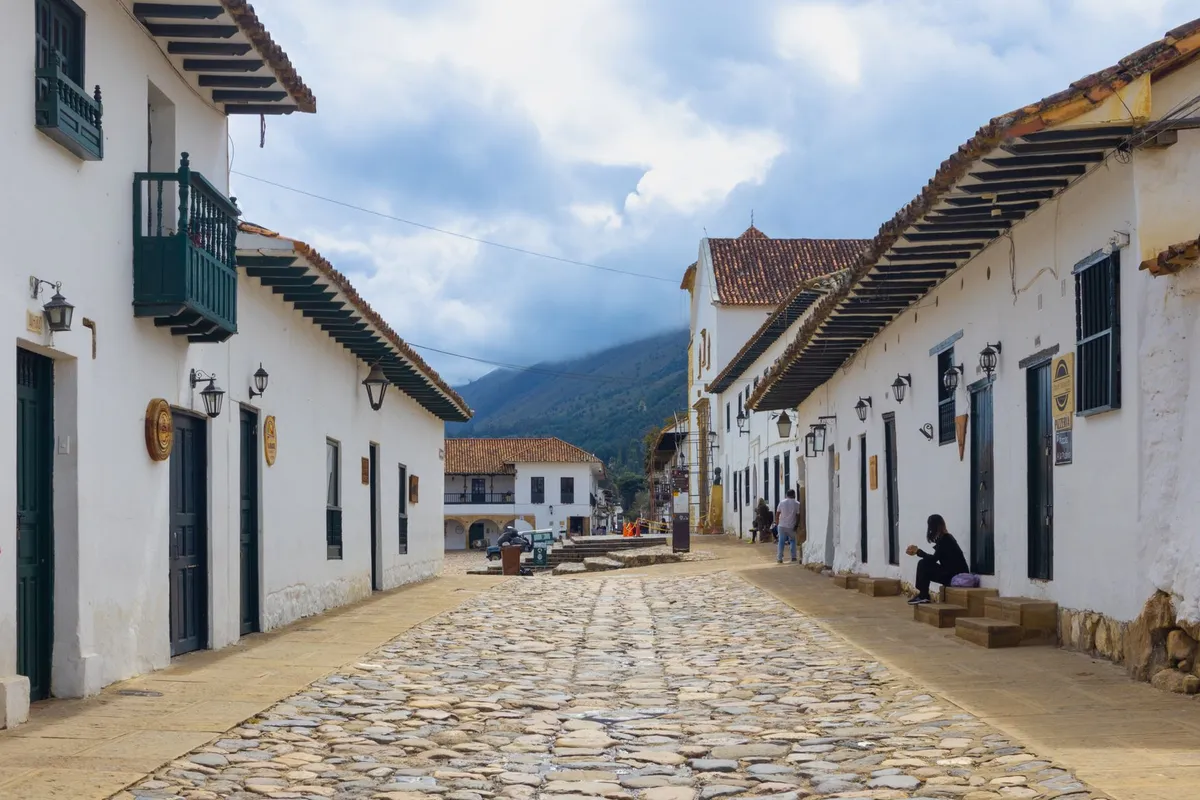
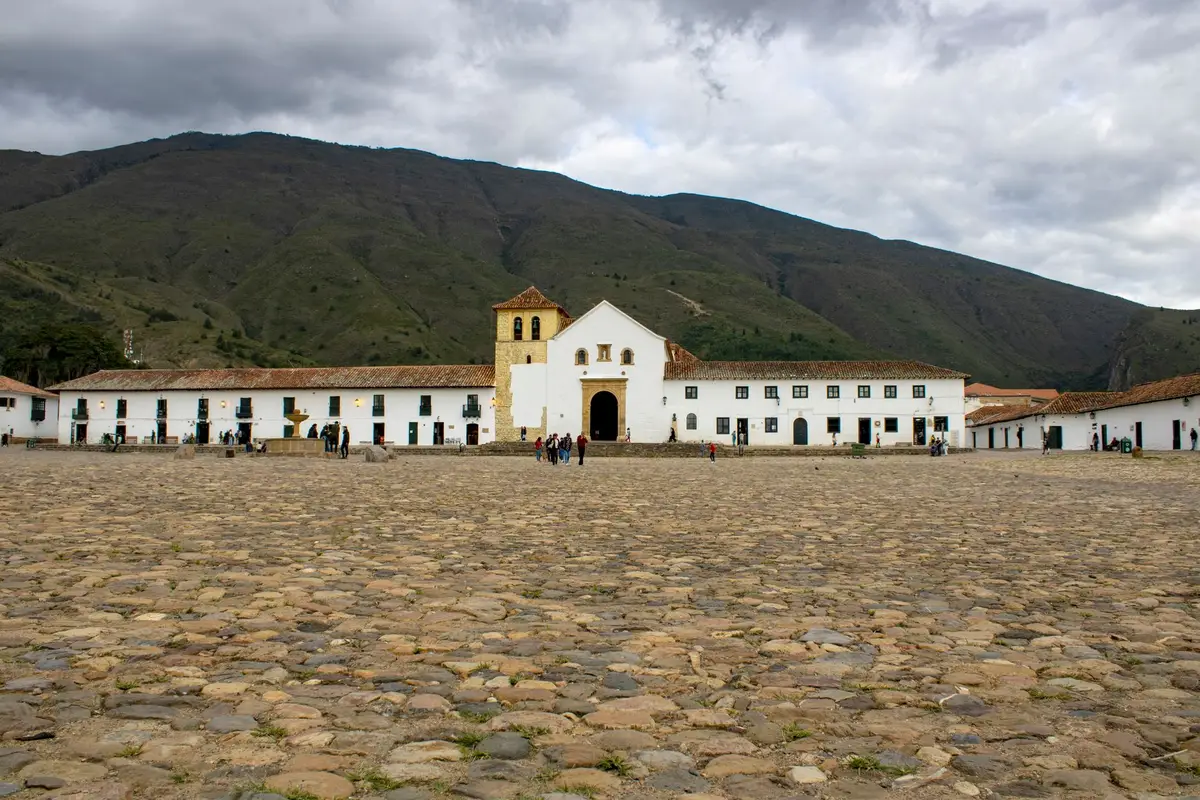
Start at the Plaza Mayor, one of the largest cobblestone squares in the Americas, at about 150,000 square feet according to Colombia Travel. Step into the parish church, walk along Carrera 9, and visit house museums based on your interests. The uneven pavement calls for sturdy shoes; wheeled luggage suffers on the old blocks.
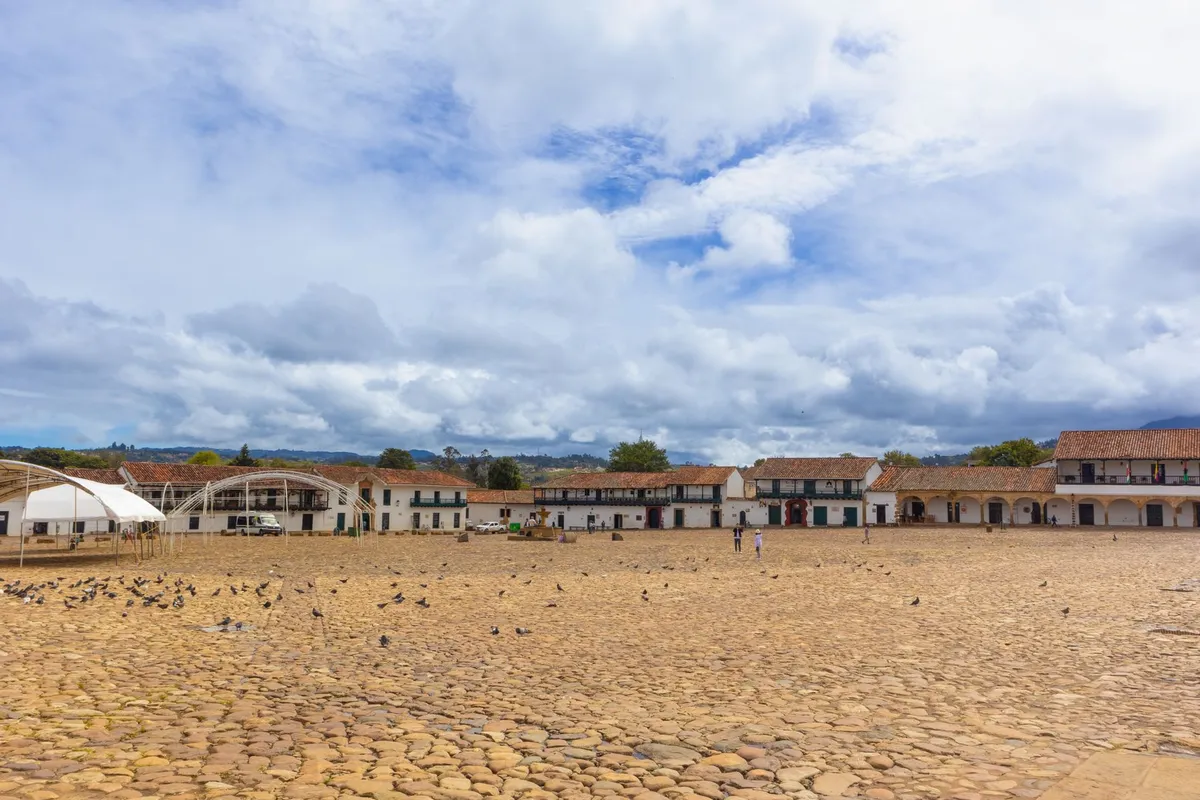
Come back to the square early in the morning and again at night. The town gets more interesting once the tours leave and the stone shows itself again. Don’t turn every doorway into a photo shoot: many houses are still private homes.
Day 2: Museo El Fósil and the dry valley
The Museo El Fósil was built around a large fossilized marine reptile found by farmers. The visit puts into context the time when this area was under the sea. Pair it with the Centro de Investigaciones Paleontológicas or another nearby spot, checking hours and open days.
The Pozos Azules is a private attraction with ponds whose color shifts with minerals and light; manage your expectations, since it’s not untouched natural scenery. A driver, an e-bike, or a tour makes the route easier. Don’t try to walk between every stop under the strong sun.
Day 3: Iguaque, Santo Ecce Homo, or a winery
Pick just one direction. The hike to the Iguaque lagoon requires preparation, an early start, environmental rules, and confirmed access. The Santo Ecce Homo monastery delivers architecture and a rural setting. Wineries in the region offer tours and tastings, but you need to sort out a driver and timing beforehand.
What to pick in the surroundings without turning it into a checklist
Paleontology is the most fitting add-on for a first visit. If you prefer nature, dedicate the day to Iguaque without adding museums. Ráquira, known for its pottery, fits another route and deserves time to see workshops, not just shops. Tunja can be a historic stop on the way back.
To compare other colonial centers, check out historic Cartagena and Antigua Guatemala. If your trip continues through the Colombian countryside, the Guatapé in two days itinerary pairs colorful architecture with reservoir views.
Where to eat in Villa de Leyva
Look for Boyacá-style cooking: soups, corn, potatoes, meats, and the cocido boyacense show up at traditional houses. Restaurants around the square charge for the location; walking a few blocks opens up more options. Bakeries, cafés, and hot chocolate help on cold nights. Book ahead on Saturdays.
Where to stay to enjoy the town when it’s quiet
The historic center lets you walk everywhere and see the square early, but rooms facing busy streets can be noisy. The outskirts offer gardens, parking, and peace, though you’ll need a taxi. Confirm the distance in meters, not just “close to the center,” and ask about hot water on cold nights.
Practical tips
Bring cash for small admissions and rural transport. Don’t rely on a steady signal in the outskirts. Check the official Villa de Leyva page on Colombia Travel, read the official intro to the town’s historic architecture, and confirm access to nature reserves through environmental channels before heading out.
Split the town and the countryside into different days. That keeps you from missing museum hours while bouncing between sights.
Frequently asked questions
How many days should you spend in Villa de Leyva?
Three days let you see the center, the paleontology route, and one rural attraction.
Can you do it as a day trip from Bogotá?
You can, but the road takes up many hours and you miss the town when it’s empty early and late in the day.
Is Villa de Leyva cold?
Nights tend to be cool because of the altitude; bring a jacket even on sunny days.
Do you need a car?
Not for the center. For the outskirts, a taxi, tour, or car makes things much easier.
What should you do first?
Start with the historic center and leave fossils and rural scenery for the following days.
Conclusion
Villa de Leyva rewards those who stay past the day-trip crowd. Walk the square early, treat the fossils as part of the valley’s story, and pick just one rural route per day. Voyage Voyage helps you trade miles for real time at your destination.