 Marcelo Oliveira
Havana works best when you accept that walking doesn’t mean turning every hour into a race between attractions. Set aside 3 days to explore the Cuban capital with some breathing room: one day for Old Havana, another for Centro Habana and Vedado, and a third to revisit the neighborhood you loved most or take a short day trip.
Hotels in Havanafree cancellation options onlySee hotels ›Booking.com partner (advertising): we may earn a commission at no extra cost to you.
Is Havana worth it?
Yes, if what you’re after is a historic, musical, and lived-in city with colonial architecture, seaside promenades, and a strong cultural scene. The trip demands flexibility: services, transportation, power, and payment methods can change quickly. Havana isn’t a set-it-and-forget-it destination; it’s best for those who can confirm information and have a plan B.
How many days to spend in Havana?
| Time | What it covers | Who it works for |
|---|---|---|
| 2 days | Old Havana, Malecón, and Vedado | A first glimpse of the city |
| 3 days | Historic center, museums, plazas, and neighborhoods | The best balance |
| 4 to 5 days | A slower pace plus a day trip to Viñales or nearby beaches | Those who prefer exploring without rushing |
3-Day Itinerary
Day 1: Old Havana
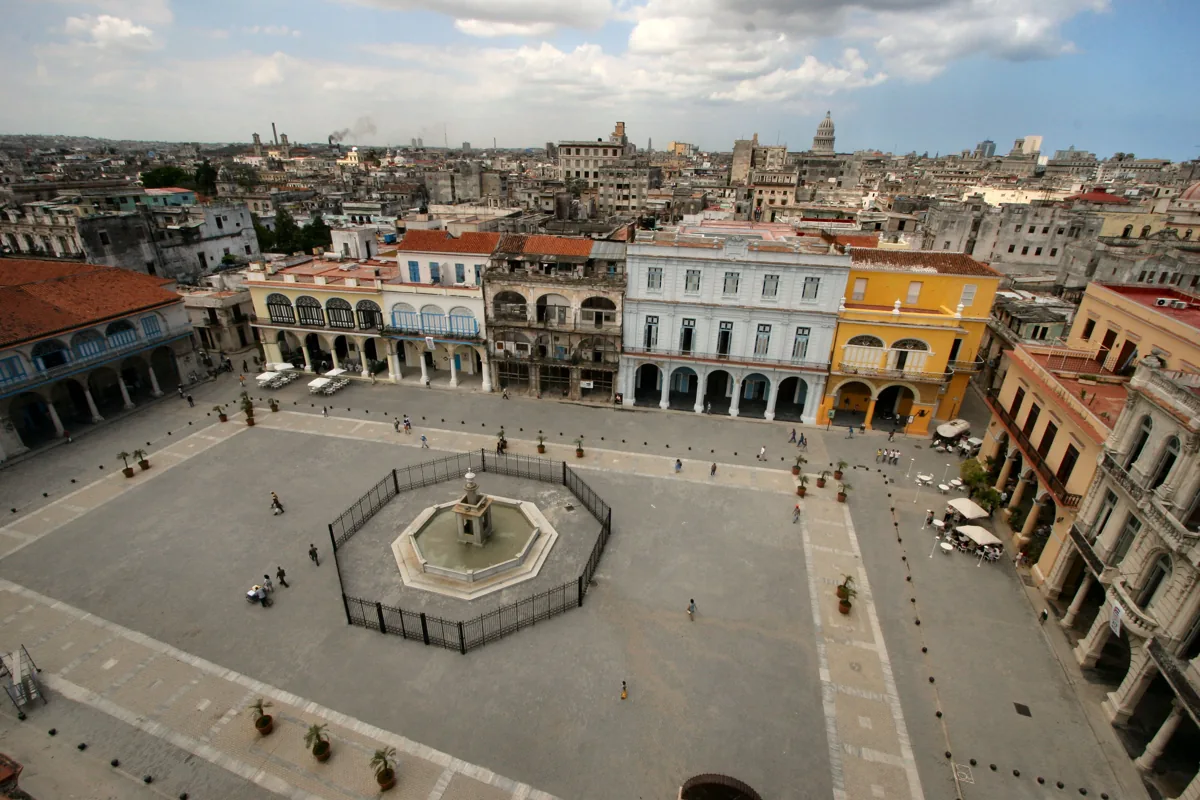
Start early at Plaza de Armas and walk to the plazas of San Francisco, Vieja, and the Cathedral. Only step into churches and museums after checking they’re open. This area has the best stretches for walking, but the uneven pavement and heat call for comfortable shoes and breaks.
In the late afternoon, stroll along the Paseo del Prado toward the Malecón. The route connects the historic city to the seaside landscape and helps you understand how Havana changes scale beyond the narrow streets.
Day 2: Centro Habana, Vedado, and history
Reserve the morning for the Capitolio, the area around Parque Central, and the Paseo del Prado. Then, cross Centro Habana at a leisurely pace: it’s a less picturesque area but more useful for observing everyday life.
In the afternoon, head to Vedado, with Plaza de la Revolución and the José Martí Memorial as landmarks. Confirm hours and access on the day itself, especially for museums and monuments. End at the Malecón, preferably before dark if you’re on your own.
Day 3: Choose between neighborhoods and day trips
If there are still closed attractions or you want a lighter day, return to Old Havana to visit what you missed and have a relaxed lunch. Another option is exploring Miramar, with its avenues and former mansions, or combining Vedado with a music venue.
Viñales is a full-day alternative, but the distance makes the trip tiring. Do the math on travel time before booking; for a first short trip, staying in Havana usually pays off more.
 Partner · Civitatissee all activities in Havana ›
Cooking Class & Cocktail Workshop in Havana
Rating 9.7 · 16 reviews on Civitatis
- Trinidad & Cienfuegos 2 Day TourRating 8.8 · 322 reviews on Civitatisfrom€148per personSee ›
- Havana Street Food TourRating 9 · 66 reviews on Civitatisfrom€31per personSee ›
- See ›Havana Free Bike TourRating 9.2 · 156 reviews on Civitatis
- Viñales Valley Day TripRating 9.3 · 2,431 reviews on Civitatisfrom€67per personSee ›
Civitatis prices on 28/09/2026, from, per person. They may change. Want to compare? Activities in Havana on GetYourGuide ›
Where to stay
Old Havana is the best base for those who want to walk out to the plazas and historic buildings. Centro Habana can be more practical for splitting your commutes, but it demands more attention to the condition of the streets and the property you choose. Vedado has wider avenues, restaurants, and nightlife; it works well for those who prefer a less touristy neighborhood at their doorstep.
 See hotels in Havana on Booking ›
Getting there and getting around
The main air gateway is José Martí International Airport, with five terminals, according to Cuba’s official tourism portal. Confirm your arrival terminal and flight status with the airline before heading to the airport.
For the center, arrange a transfer in advance or use an authorized taxi. In the city, walking covers much of Old Havana; for Vedado, Miramar, and the airport, a taxi or hired transport simplifies the trip. The Viazul system is mainly for intercity travel, not for getting around the capital’s neighborhoods.
Money, internet, and preparation
Bring a cash reserve and don’t rely on a single card. The availability of electronic payments and acceptance of foreign cards can vary, and official sources should be checked again close to your trip. Keep digital copies of your passport, insurance, bookings, and proof of departure.
Entry requirements depend on your nationality and can change. Check with the Cuban consulate and the official portal before boarding; the electronic visa (eVisa) system is being rolled out, but it doesn’t replace specific confirmation for your passport.
Safety and practical tips
Use the same caution you would in any tourist capital: keep your phone and documents secure, avoid exchanging money on the street, confirm the taxi fare before getting in, and be wary of approaches promising “exclusive” tickets or restaurants. The biggest practical risk may be a lack of predictability: confirm bookings, hours, and transport on the same day.
What’s the best time to go?
The driest months are usually more comfortable for walking, while summer is hot, humid, and more prone to downpours. The Atlantic hurricane season runs from June to November; it doesn’t prevent travel, but it does recommend keeping an eye on the forecast and staying flexible.
Sources to check before you travel
- Cuba Travel: how to get to Havana and airport information.
- Visit Cuba: public transportation and getting around.
- Infotur Havana: tourist information and eVisa.
The verdict
To experience Havana without turning your trip into a series of commutes, stay three days, sleep in the area that matches your pace, and focus your first day on Old Havana. Go prepared to confirm details close to your date and to swap a rigid plan for a good walk when the city calls for it.
To compare Brazilian itineraries with nature and historic centers, also check out what to do in Pirenópolis and what to do in Petrópolis.
- HotelAs soon as you have datesCompare neighbourhoods and guest ratings.See hotels ↑
- ActivitiesBefore you travelBook ahead the ones with limited spots.Civitatis ›
 More activitiesTo compareTickets, day trips and tours with flexible cancellation.GetYourGuide ›
Frequently asked questions about Havana
How many days are enough in Havana?
Three days let you explore Old Havana, Centro Habana, and Vedado with time to walk around. Two days only cover the main highlights.
Is it better to stay in Old Havana or Vedado?
Old Havana is more practical for historic attractions; Vedado offers avenues, restaurants, and a less tourism-focused atmosphere.
How do I get from the airport to central Havana?
The simplest way is to book a transfer or use an authorized taxi, confirming the fare and meeting point before you board.