 Marcelo Oliveira
Mompox doesn’t run on the rhythm of a church checklist. The heat slows down your walks, the Magdalena River shifts the light, and the filigree workshops invite conversation. Three days let you explore the colonial center in the morning, rest during the hottest hours, and head back out when the chairs start appearing on the sidewalks.
Hotels in Mompoxfree cancellation options onlySee hotels ›Booking.com partner (advertising): we may earn a commission at no extra cost to you.
Quick answer: spend three days in Mompox. Use the first for Calle Real del Medio and the churches, the second for filigree and a boat ride, and the third for the market, museums, and the riverbank. Walk before 10 a.m. and after 4 p.m.; the heat sets the itinerary.
How to get to Mompox
Mompox sits on an inland island formed by the Magdalena River system. Improved bridges have reduced its isolation, but the overland trip is still long. From Cartagena, it’s roughly 248 kilometers according to Colombia Travel, and vans or buses generally take several hours. Santa Marta and Barranquilla also require a full day of travel.
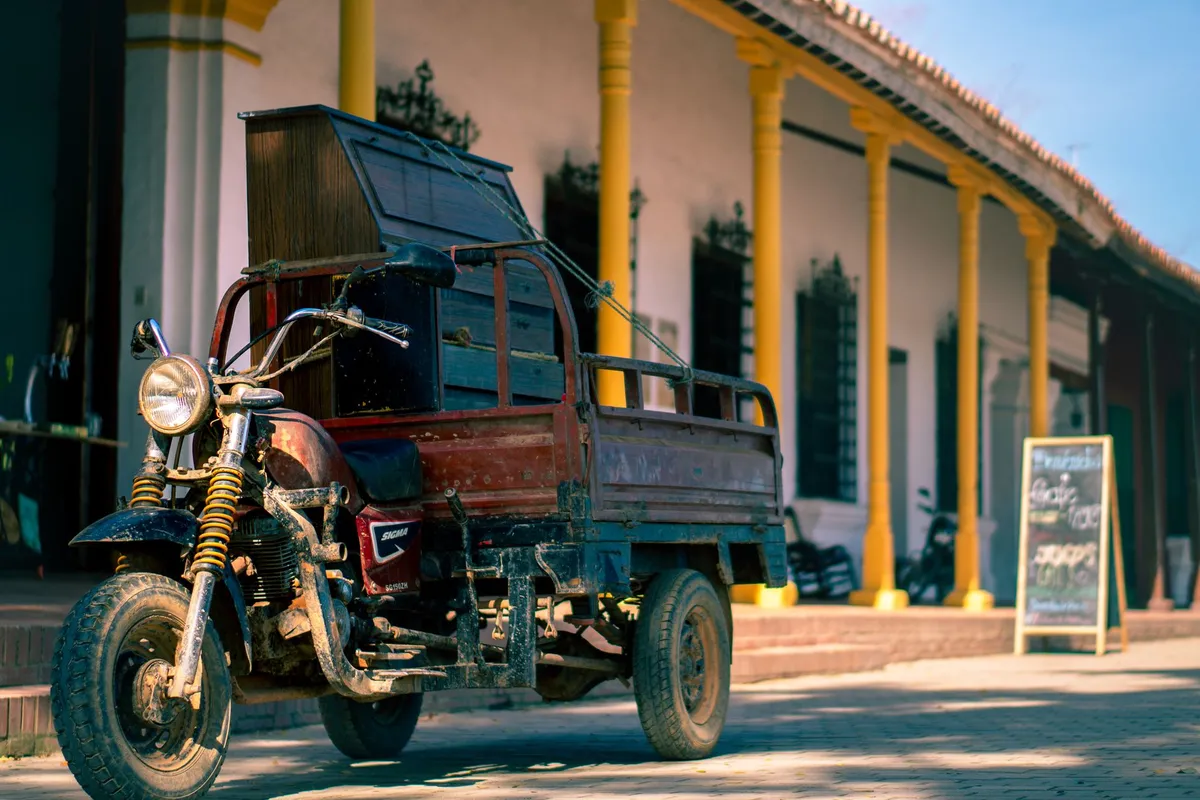
Book transport with a recognized company, confirm your drop-off point, and don’t schedule a flight on the same day you return. Road conditions can vary with construction and rain. For local activities, check out the available tours in Mompox and confirm whether boat trips depend on the river level.
Best time to go and how many days to stay
The climate is hot and humid year-round. Rainy periods affect roads, mosquitoes, and navigation; drier months make walking easier but don’t eliminate the heat. Holy Week draws many visitors and showcases strong religious traditions, requiring early bookings and a tolerance for crowds.
Three nights make the trip worthwhile and let you experience the city at the right times. A day trip from Cartagena is impractical. Two days cover the essentials, but any delay means missing the boat ride or the workshops. Four days work well for those who want to photograph, write, or simply rest.
Mompox in 3 days: churches and river at the pace of the heat
Day 1: Calle Real del Medio and churches
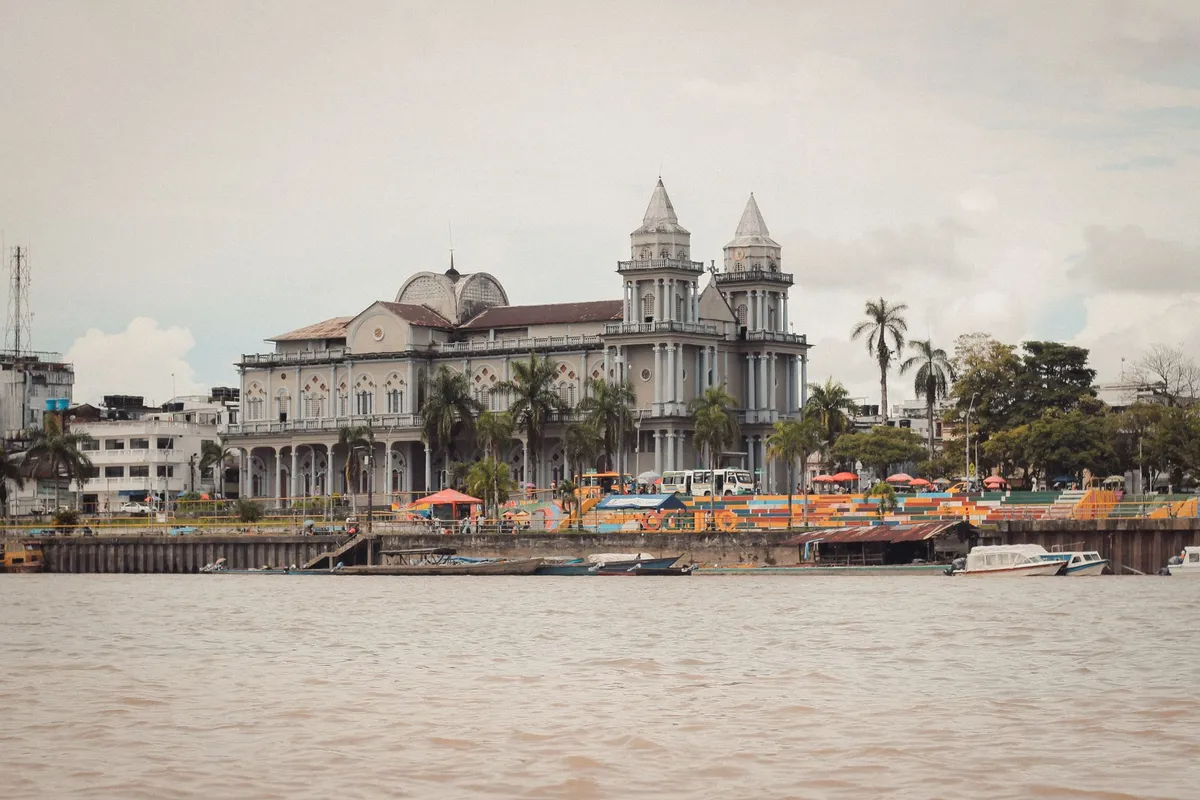
Start on Calle Real del Medio and Plaza de la Concepción. Walk to the churches of San Francisco, San Agustín, and Santa Bárbara, the last one known for its side tower and its connection to the river. Opening hours vary; check out the facades early and return when there’s a service or a visit is allowed.
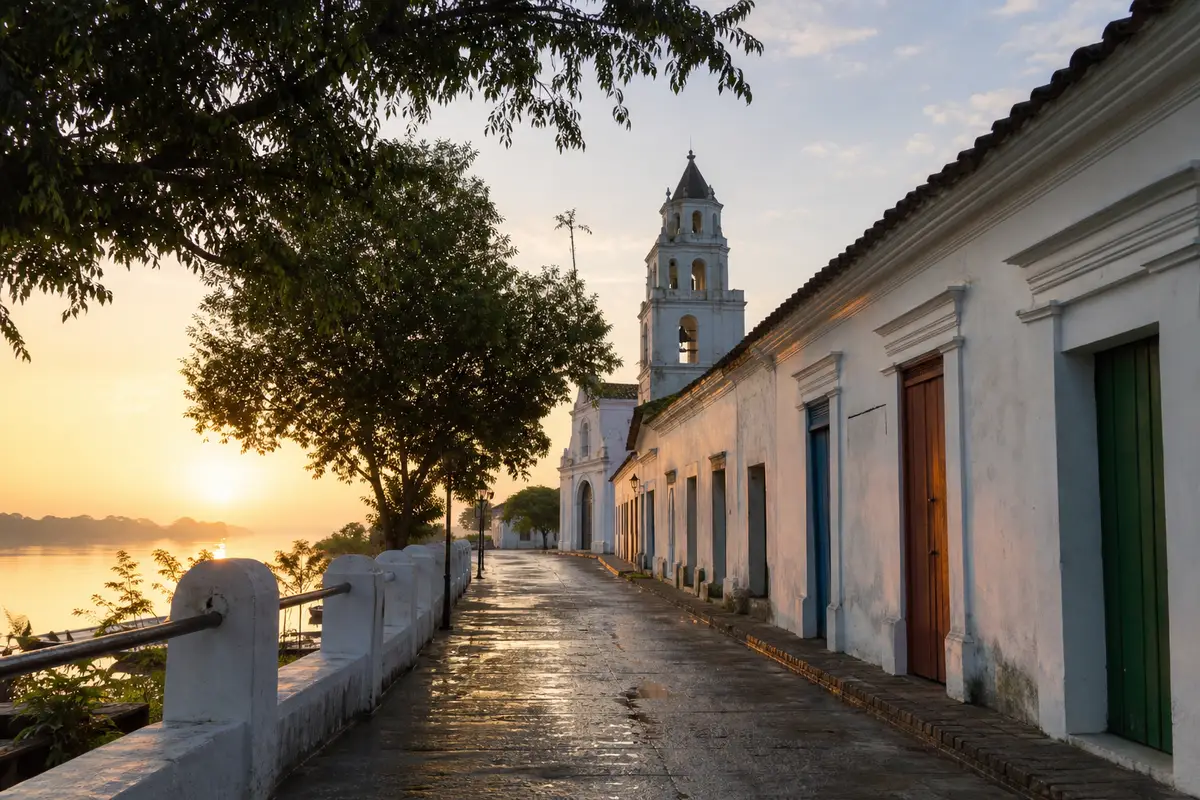
Pause your walk around noon. A long lunch, a hammock, or a cool room isn’t wasted time; it’s part of the logistics. Head back out in the late afternoon to Calle de la Albarrada, when the low light highlights the doors, ironwork, and benches facing the Magdalena.
Day 2: Filigree and ciénagas
Mompox’s filigree transforms fine threads of gold or silver into delicate designs. Look for a workshop that shows the process, explains the metal’s purity, and provides a receipt. Very cheap pieces may not have the expected origin or composition. Buy directly from the artisan and ask who made the piece.
In the late afternoon, boat tours explore canals, ciénagas (swamps), and birdlife. Operators and routes change with the water level. Wear a life jacket, use insect repellent, and don’t expect a guaranteed safari: this is a living ecosystem, not a controlled attraction.
Day 3: Market, cemetery, and life on the riverbank
Visit the market early to see fish, fruits, and ingredients from the river. The municipal cemetery, white and organized in galleries, is an important part of local memory; enter respectfully, speak softly, and avoid photographing ceremonies. Finish the day at a museum or cultural house and save your last afternoon for the Albarrada.
How to read Mompox beyond the facades
Founded in 1540, Mompox prospered as a river port and trading center. Changes in the river’s course and the importance of trade routes contributed to its isolation, helping preserve its urban fabric. The historic center was inscribed by UNESCO in 1995, not because it’s a frozen city, but because it preserves an urban form tied to the river.
Notice the courtyards, eaves, ironwork, and the continuity of the single-story houses. Use the official Mompox page on Colombia Travel as an introduction and seek out local guides to connect architecture, navigation, religiosity, and artisan work.
 Partner · Civitatissee all activities in Mompox ›
Mompox Boat Ride
- Bike Rental in Mompoxfrom€15.72per personSee ›
Civitatis prices on 28/09/2026, from, per person. They may change. Want to compare? Activities in Mompox on GetYourGuide ›
Where to eat in Mompox
River fish, rice, plantains, cheeses, and regional sweets show up on menus. Ask which fish is available and how it was preserved. Lemonade and cold drinks help, but you should have drinking water with you all day. Restaurants on the Albarrada gain atmosphere at night; make reservations on holidays.
Where to stay without suffering from heat and noise
The historic center lets you do almost everything on foot. Adapted colonial houses offer courtyards and charm, but rooms vary greatly in ventilation and insulation. Confirm the air conditioning, mosquito screens, generator, and whether the room faces a bar or square. On the riverbank, check the noise risk on busy nights.
 See hotels in Mompox on Booking ›
Practical tips for Mompox
Wear light clothing, a hat, sunscreen, and insect repellent. Bring cash, as digital payments and ATMs can fail. Agree on the mototaxi fare before the ride. In churches, cover your shoulders during services and don’t block the aisle to take photos.
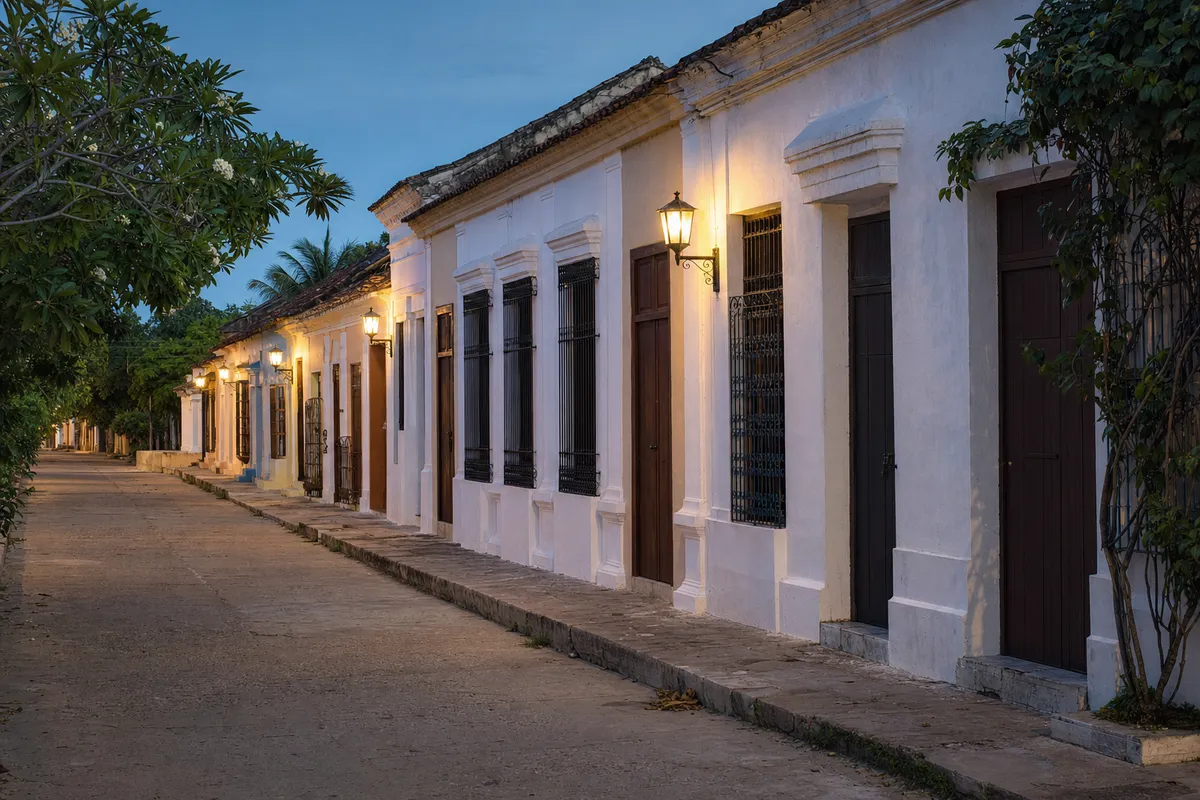
Mompox pairs well with historic Cartagena, but include a full day for each overland leg. If you’re continuing through the Caribbean, you can add Tayrona National Park and San Andrés, knowing they offer very different environments and logistics.
Leave your arrival afternoon free of fixed plans. The long road and the heat make any tight reservation a source of stress.
- HotelAs soon as you have datesCompare neighbourhoods and guest ratings.See hotels ↑
- ActivitiesBefore you travelBook ahead the ones with limited spots.Civitatis ›
 More activitiesTo compareTickets, day trips and tours with flexible cancellation.GetYourGuide ›
Frequently asked questions
How many days should you spend in Mompox?
Three days let you explore the heritage, filigree, and river landscape without walking in the worst of the heat.
How do you get from Cartagena to Mompox?
Vans and buses cover the overland route; confirm the company, boarding point, and current travel time.
Is Mompox very hot?
Yes. The climate is hot and humid, and your itinerary should focus walks in the early morning and late afternoon.
Is it worth visiting during Holy Week?
It’s worth it if you’re seeking religious traditions and accept crowds and higher prices.
Do you need a car in Mompox?
Not in the center; mototaxis handle longer trips.
Conclusion
Mompox reveals its best side between the first light, the midday pause, and the return to the riverbank. Give time to the filigree, step into the churches when they’re open, and let the Magdalena organize your trip. Voyage Voyage helps you get there without imposing haste on a city built on taking its time.