Oxford, England, is best experienced with two full days: one for the university and historic center, and another for museums, neighborhoods, and a possible side trip to Blenheim Palace. A day trip from London lets you see the essentials, but the pace gets tight, and the colleges each have their own rules and opening hours.
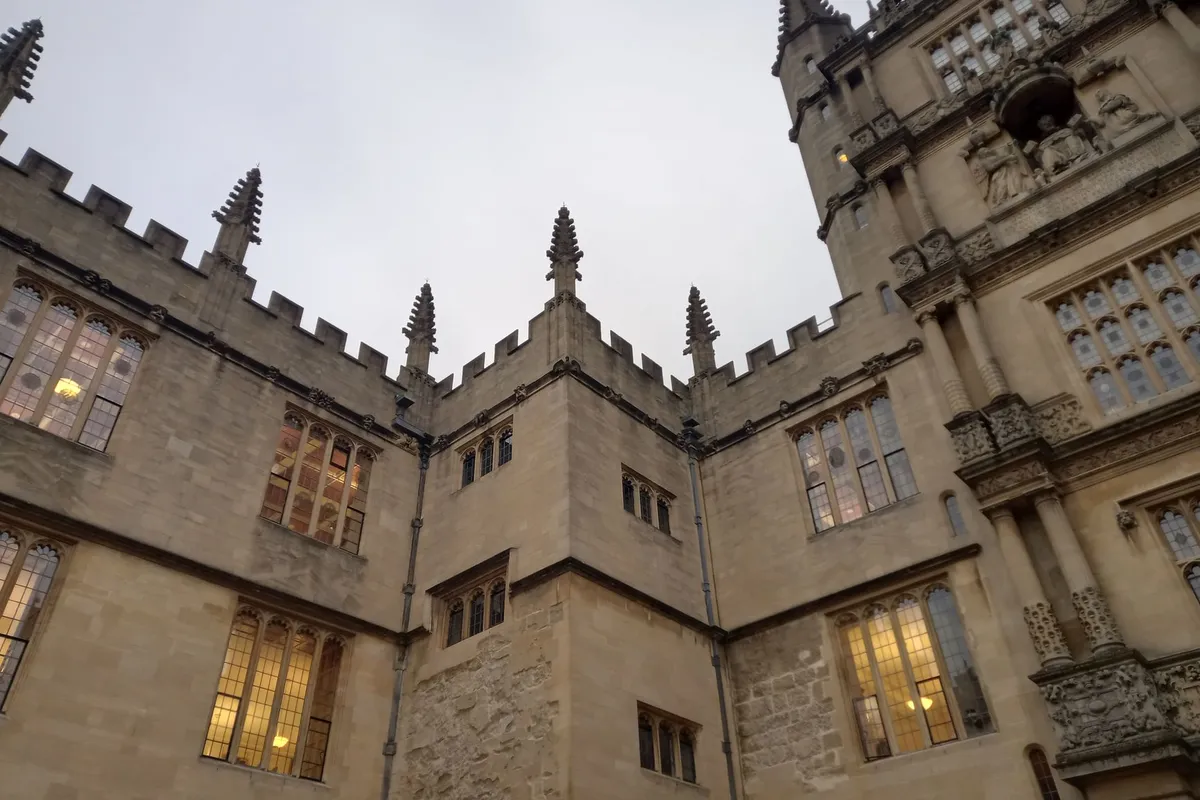
How many days should you spend in Oxford?
Stay one day if Oxford is a stop between London and another city. Set aside two days to get inside a museum, visit a college open to the public, and wander without turning every attraction into a race. Three days make sense if you want to include Blenheim Palace or explore Oxfordshire.
| Time | Best use | Limits |
|---|---|---|
| 1 day | City center, Bodleian, Radcliffe Camera, and one museum | Little room for college opening hours |
| 2 days | University, museums, neighborhoods, and a boat ride | Requires picking priorities |
| 3+ days | Blenheim Palace and the surrounding area | More travel time |
Complete 2-day itinerary
Day 1: the university center
Start with the University of Oxford’s official visiting page: colleges, libraries, gardens, and museums each have their own hours, fees, and rules. Stroll through Radcliffe Square, see the Bodleian Library on a guided tour, and pick a college that’s open that day. In the afternoon, the Ashmolean Museum is a great rain-proof option; save time for the collections, not just the facade.
Day 2: museums, river, and neighborhoods
Pair the Pitt Rivers with the Oxford University Museum of Natural History, or swap one for a walk along the Cherwell. Punting is more enjoyable when you have time and a reservation; on cold days, use the second slot for the Covered Market, Jericho, and cafés. If you want a panoramic view, climb the tower at St Mary the Virgin, subject to availability.
Getting there and getting around
Oxford has direct trains from London Paddington and Marylebone, plus intercity buses. The station is a reasonable walk from the center; the historic core is compact, but bikes and buses help for outlying areas. The City Council rounds up transport info, parking, and college opening hours.
Where to stay
The center is the most practical base for a short trip. Jericho offers restaurants and a residential vibe but requires a longer walk to some attractions. Staying near the station makes arrival with luggage easier, though it has less historic atmosphere at night. Check for stairs, noise, and actual distances, since old buildings don’t follow the standard of modern hotels.
When to go
Spring and early fall strike the best balance of light and crowds. Summer has long days, but events and graduations can put pressure on accommodation. In winter, early sunsets favor museums and pubs. Check the forecast before planning punting and pack a rain jacket no matter the season.
Costs and bookings
The currency is the British pound. Many outdoor areas and public museums are free or donation-based, but guided tours, towers, colleges, and Blenheim charge admission. Book anything with limited capacity and confirm prices and hours directly on the attraction’s website; they change by date.
Practical tips
- Respect study areas, services, and photography rules inside the colleges.
- Don’t count on getting into a specific college: opening times vary.
- Wear comfortable shoes for cobblestones, rain, and long walks.
- Travelers from Brazil should check entry requirements on the UK government website.
Frequently asked questions
Is Oxford worth a day trip?
Yes, if your priority is seeing the university scenery and one museum. To get into more than one college and do timed visits, spend at least one night.
Is Oxford like Cambridge?
No. Oxford has a more irregular center and a strong concentration of museums; Cambridge is especially defined by the River Cam and punting. Choose based on the kind of experience you want.
Oxford rewards a selective itinerary: pick one indoor visit, one museum, and time to wander. The city gets more interesting when you leave room for the architecture and university life, rather than trying to collect gates.