San Agustín holds the largest collection of religious monuments and megalithic sculptures in South America, but visiting only the main park leaves half the story untold. Three days let you see the mesitas, Alto de los Ídolos, and the landscape of the Colombian Massif without turning this heritage site into a blur of stones stripped of context.
Quick answer: set aside three days in San Agustín: one for the main archaeological park, another for Alto de los Ídolos and Alto de las Piedras, and a third for the Magdalena Strait or a rural route. Hire a guide on day one; understanding the figures changes the entire visit.
How to get to San Agustín
Pitalito has the nearest airport and is about an hour away by road, depending on traffic and transport. Vans and buses connect the terminal to town. Coming from Neiva, you’ll cross the department of Huila on a long journey; from Popayán, the road through the massif is scenic, winding, and subject to changing conditions.
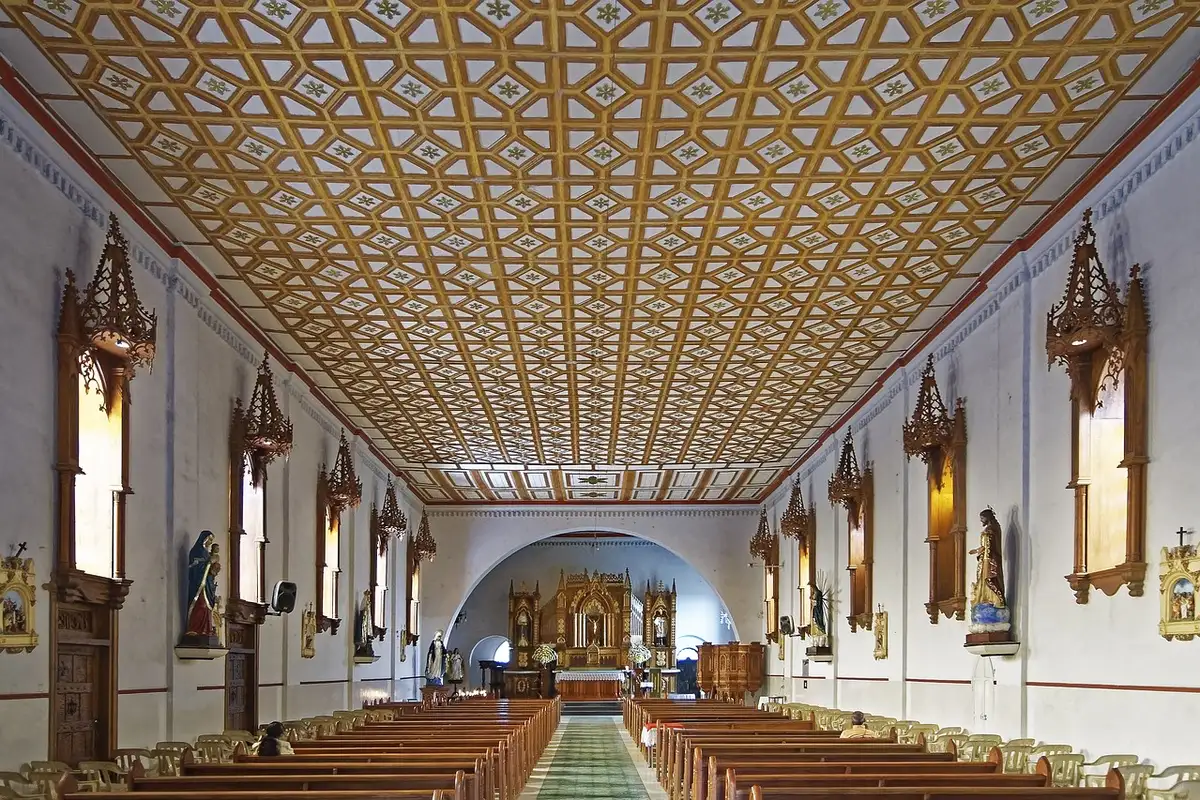
Avoid booking a tight connection on your departure day. Rain, roadworks, and the terrain can change travel times. For an organized tour, check out the activities in San Agustín and confirm exactly which sites and transport are included.
Best time to go and how many days to stay
San Agustín has a mild, humid climate with possible rain year-round. The less rainy months usually make trails and rural roads easier, but they don’t eliminate mud. Bring a rain jacket, footwear with good grip, water, and sunscreen. The vegetation shades part of the park, while viewpoints are exposed.
Three days is the sweet spot. One full day covers the main park; the second reaches the Isnos sites; the third showcases the landscape tied to the upper Magdalena. With only two nights, prioritize archaeology over squeezing in distant waterfalls and viewpoints.
San Agustín in 3 days without rushing through the park
Day 1: Mesitas, Fuente de Lavapatas, and Alto de Lavapatas
Start at the museum and the park’s introduction. Then explore Mesitas A, B, and C, where funerary mounds gather statues and stone slabs. The Fuente de Lavapatas is a set of channels and figures carved into the rocky riverbed; Alto de Lavapatas completes the walk with a perspective over the valley.
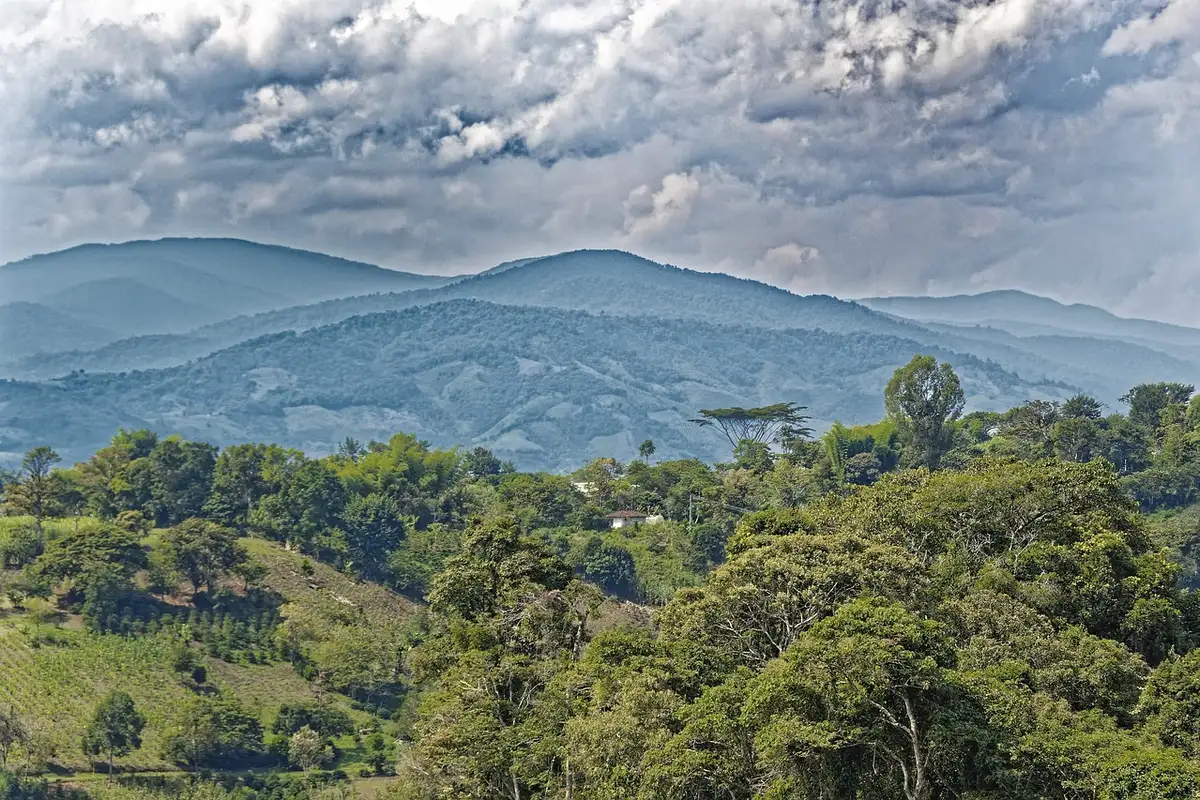
Don’t try to read every figure as a literal portrait. Animals, teeth, eyes, and human forms appear in symbolic combinations, and archaeologists still debate their meanings. Set aside at least four hours for the main park and arrive early.
Day 2: Alto de los Ídolos and Alto de las Piedras
Both parks are in the municipality of Isnos and require transport. Alto de los Ídolos features large funerary structures and one of the region’s tallest statues; Alto de las Piedras preserves the figure known as Doble Yo. Combine the sites with a driver or tour and confirm the itinerary leaves enough time at each stop.
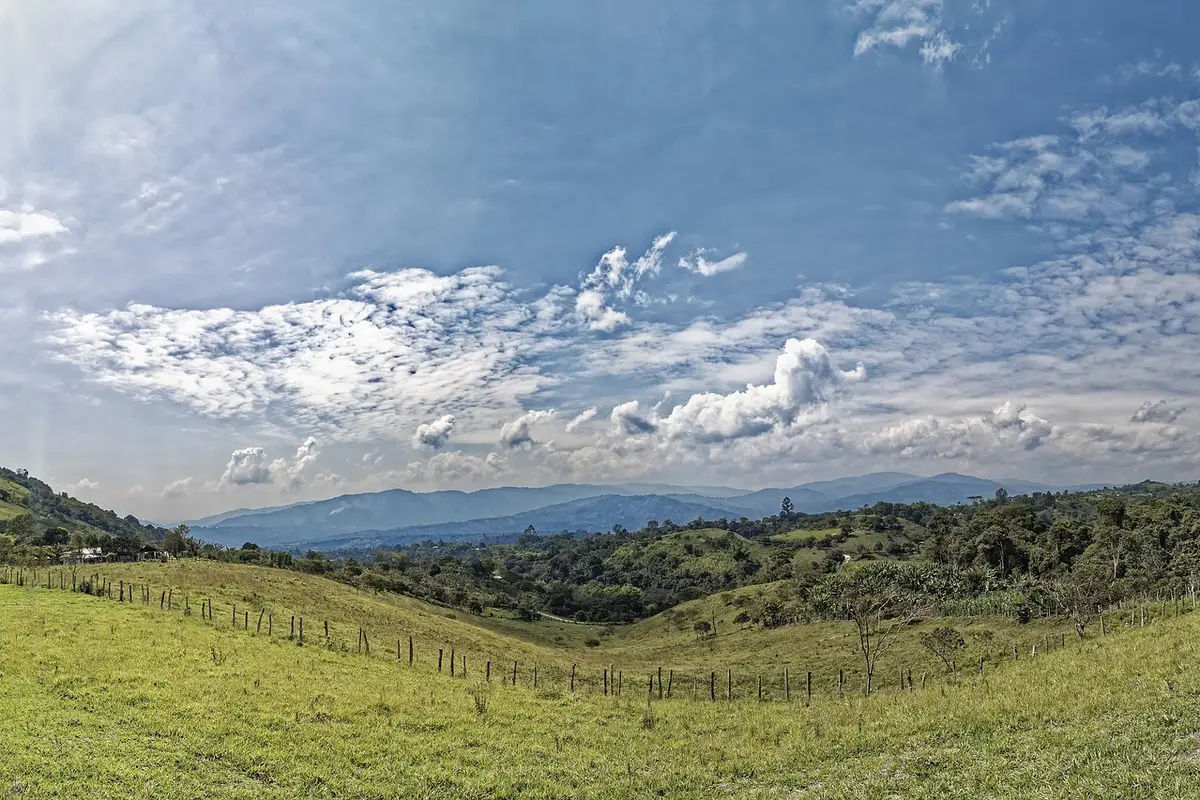
Day 3: Magdalena Strait or a horseback route
At the Estrecho del Magdalena, Colombia’s main river squeezes between rocks. The spot helps you understand why the region was a corridor of water and mountains. Another option is a horseback route through El Tablón, La Chaquira, and rural properties. Choose well-treated animals, wear a helmet when available, and pick a route that matches your experience.
How to understand San Agustín’s archaeology
The name “San Agustín culture” organizes traces of societies that occupied the region in different periods; it doesn’t identify a single people known from written records. The archaeological complex was added to the UNESCO World Heritage List in 1995. Reading up on this history before visiting the mesitas keeps you from reducing the monuments to photo ops.
Use the material from Colombia’s official tourism site about the park and confirm hours, fees, and closures on ICANH’s official channel the week of your visit. Old prices circulate on blogs; don’t build your budget on outdated numbers.
Where to eat in San Agustín
Dishes featuring trout, beef, corn, plantains, and Huila products show up on restaurant menus. Also look for locally sourced coffee: the region produces award-winning beans, and a guided tasting teaches you more than just ordering “Colombian coffee.” Pack snacks for the Isnos routes, where lunchtime can get tight.
Where to stay without depending on transport for everything
The center offers restaurants, a market, and transport, but it’s a few kilometers from the park. Lodgings on the park road make early entry easy and usually have gardens, though they require a taxi at night. Rural fincas deliver peace and quiet; confirm access in the rain, cell signal, dinner options, and transport costs before booking.
Practical tips for the archaeological sites
Don’t touch or climb on the sculptures. Stay on the trails, as the soil and structures are part of the site. Download maps, bring cash, and keep your ticket receipt according to current rules. Official guides can be hired at the entrance or in advance; confirm their credentials and language.
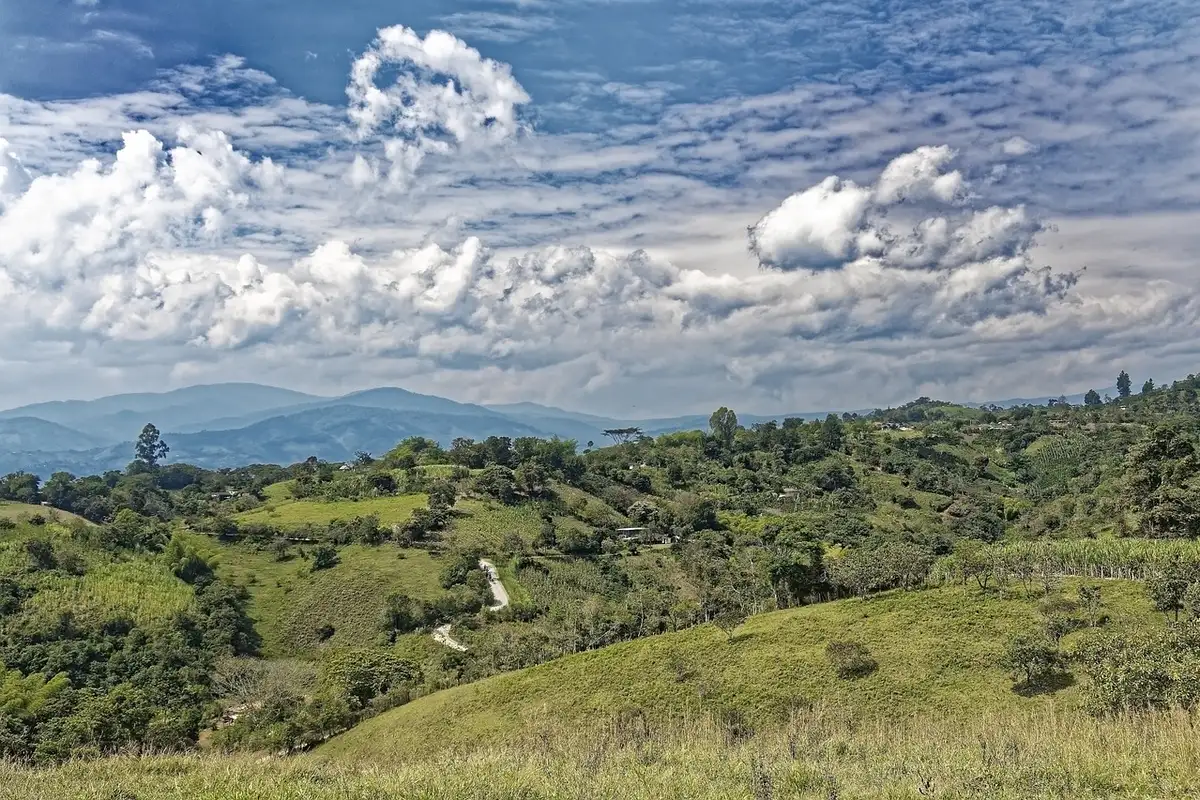
San Agustín pairs well with the Tatacoa Desert via Neiva, as long as you set aside a day for the drive. For another historical take on Colombia, see historic Cartagena; for Caribbean nature, head to Tayrona National Park.
Don’t schedule Isnos and the main park on the same day. Saving a night costs you context and walking time.
Frequently asked questions
How many days should you spend in San Agustín?
Three days cover the main park, the Isnos sites, and a scenic route.
Do you need a guide at the archaeological park?
It’s not always required, but a guide greatly improves your understanding of the monuments.
Is San Agustín a World Heritage Site?
Yes. The archaeological park was inscribed by UNESCO in 1995.
What’s the nearest airport?
Pitalito’s airport is the most practical air gateway.
Can you visit in the rain?
Yes, but trails and rural roads get slippery; bring a rain jacket and proper footwear.
Conclusion
San Agustín doesn’t ask you to race between statues; it asks for time to connect burials, symbols, and landscape. Spread the parks across your days, start at the museum, and let the river complete the story. Voyage Voyage helps you arrive with the right questions.