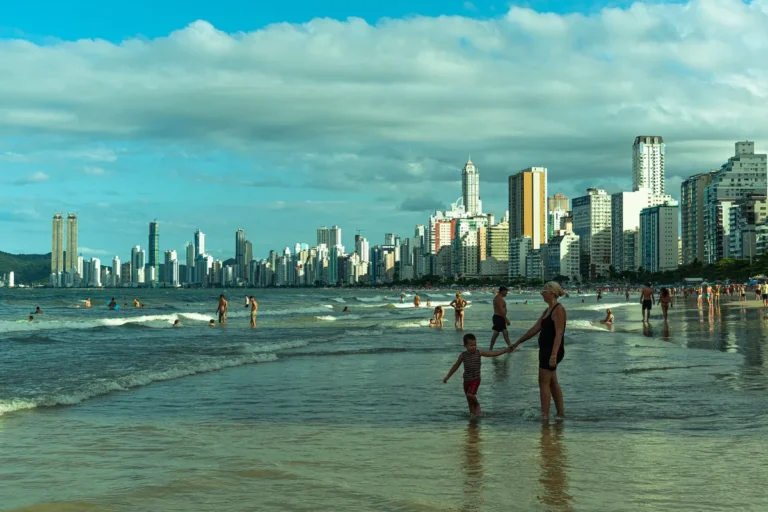
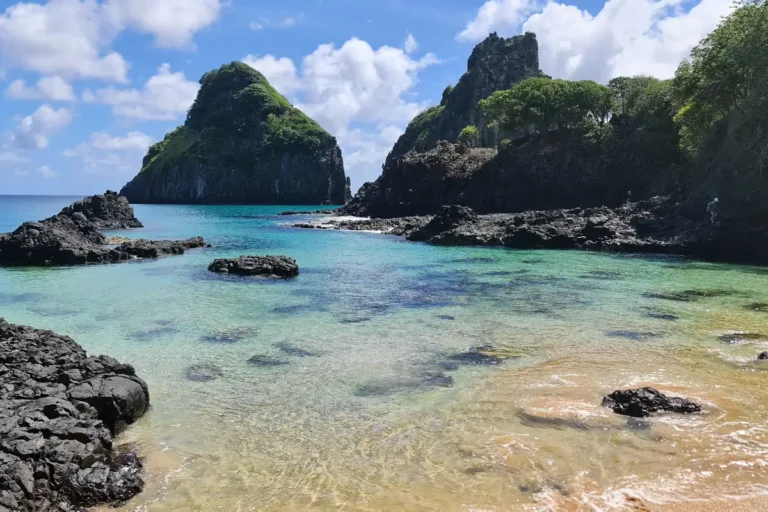
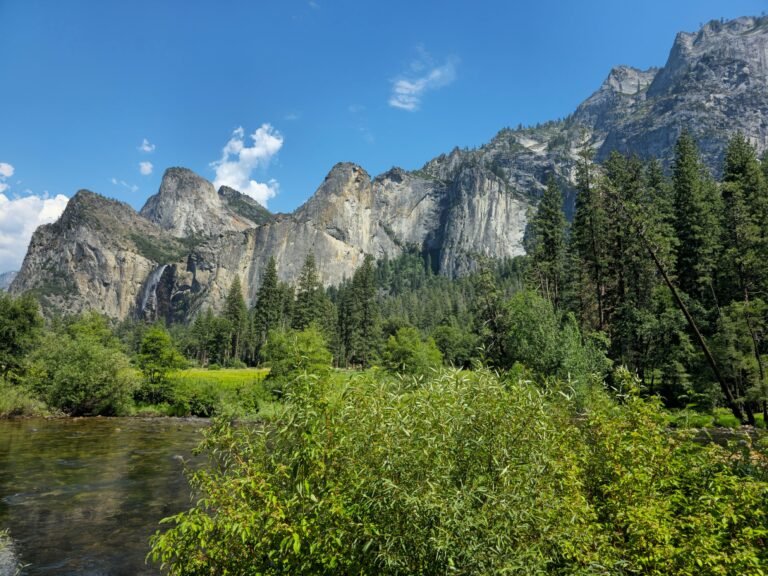
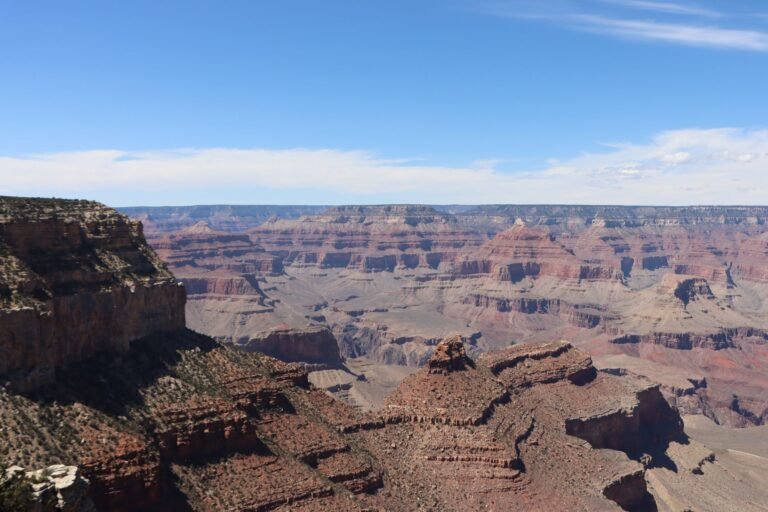
Jalapão is a road trip: dunes, fervedouros (natural springs), waterfalls, and communities appear between long stretches of sand. Five days is the comfortable minimum for a classic circuit starting from Palmas, preferably in a 4×4 vehicle with an experienced driver.
Quick answer: go on a five-day expedition, sleep in Mateiros and São Félix, and bring cash, water, and flexible luggage. The challenge isn’t the distance on the map, but the condition of the roads.
When to go and how to book
From May to September, rainfall tends to decrease; from October to April, heat and storms can affect the roads. Compare expeditions by group size, lodging, meals, insurance, and driver. Check information from Tocantins Tourism.
Dunes of Jalapão. AI-generated illustration
Don’t book a tight flight for your return. Check alerts on Naturatins.
Conclusion
With a 4×4 and responsible logistics, Jalapão rewards every mile.
Jalapão in 5 Days
Day 1: Palmas to Ponte Alta
Check out Pedra Furada if logistics and weather allow. The first day already shows that the drives are part of the experience.
Day 2: Canyon and Cachoeira da Velha
Follow the circuit as your tour operator directs. Not every spot is suitable for swimming; follow local guidelines.
Fervedouro in Jalapão. AI-generated illustration
Day 3: Dunes and Mateiros
The sunset at the dunes is the classic moment. Access has set times and environmental rules; stay on the trail.
Day 4: Fervedouros and Formiga
Visit fervedouros at staggered times and Cachoeira da Formiga. Swim time may be limited to balance visitor numbers.
Day 5: São Félix and return
Round it out with new fervedouros and head back to Palmas without booking a tight flight for the same night.
Cachoeira da Formiga. AI-generated illustration
What to pack
Bring light clothing, a hat, sturdy footwear, insect repellent, sunscreen, personal medications, and a dry bag. Withdraw cash in Palmas. Don’t drive on your own without real sand-driving experience and rescue support. Compare with our Chapada Diamantina itinerary.
Bonito requires a different kind of planning than most destinations: the top attractions have limited spots, set entry times, and require a voucher. A four-day itinerary works when you book ahead, group nearby tours, and mix snorkeling with dry-land activities.
The short answer: set aside four full days and book your tours in advance through an authorized agency. In Bonito, showing up without a reservation can mean missing out on the attraction you wanted.
When to go and how to book
The dry season, generally from May to September, offers the clearest water and mild weather; summer brings heat and rain. Prices and availability vary by season. Check the official portal Visite Bonito and confirm the rules for each tour.
Save your vouchers offline. Check the rules at Imasul.
Conclusion
Booking ahead turns Bonito into a well-organized trip.
Bonito in 4 Days
Day 1: Snorkeling
Choose Rio da Prata, Aquário Natural, Nascente Azul, or another tour based on your profile and availability. Follow the guidelines on sunscreen and gear to help preserve the water.
Day 2: Gruta do Lago Azul and a swimming spot
The cave has a staircase and a set entry time. Only pair it with a swimming spot if the travel times make sense.
Attraction prices are usually fixed; you save by choosing the right season, accommodation, and logistics. Shared transport works if you don’t drive, while a rental car gives you more flexibility. Don’t group attractions just because they’re famous: distance and timing determine what fits in a day. For another nature trip, check out our Ushuaia 4-day itinerary.
The Chapada Diamantina packs mountains, waterfalls, caves, and historic towns into a vast area. For a first visit, five days give you enough time to base yourself in Lençóis, see Morro do Pai Inácio, explore caves, and set aside a day for a standout waterfall—without turning your trip into a race.
Quick answer: spend five days, sleep in Lençóis, and split your tours by region. Don’t try to squeeze Cachoeira do Buracão and Poço Azul into the same day without checking timing with a local guide.
Getting there and when to go
Lençóis has an airport with variable flight options and road access from Salvador. If driving, factor in distances and avoid night driving on unfamiliar stretches. Between May and September, rainfall is lower; from November to March, waterfalls tend to swell. Check rules and alerts on the ICMBio website.
Lençóis has the most services; Vale do Capão is better for trails and an alternative vibe; Mucugê and Igatu help with southern routes. For five days, switching lodges too often costs you time. Hire a certified guide for complex trails and don’t rely on cell service. Check out other natural destinations in our Ushuaia itinerary.
Cabo San Lucas blends a marina, rock formations, beaches, and nightlife, but not every beach is safe for swimming. In four days, you can see the Arch, pick the right beaches, visit San José del Cabo, and still have a buffer for rough seas.
Quick answer: spend four days in Cabo San Lucas. Set aside one day for the Arch and Playa del Amor, one for the corridor beaches, another for San José del Cabo, and keep one day flexible. Always check if a beach is safe for swimming: currents and waves vary a lot between coves.
Getting to Cabo San Lucas
Los Cabos International Airport is near San José del Cabo, not the Cabo San Lucas marina. Shuttles, buses, and rental cars make the connection. Confirm the terminal and the total price before accepting any ride.
From November to April, the weather tends to be drier and more pleasant. Summer brings intense heat and a higher risk of tropical storms. Whale-watching season happens during the local winter, but dates and departures should be confirmed. Four days balance the ocean, the town, and travel time.
Cabo San Lucas in 4 days
Day 1: The Arch and the marina
Head out early by boat to El Arco, Land’s End, and the nearby beaches. Ask about the duration, wear a life jacket, and check the landing conditions. Playa del Amor and Playa del Divorcio are close by, but the latter is not suitable for swimming.
Cabo San Lucas rock formations. | Photo: Cello5 / Pixabay
Day 2: Corridor beaches
Medano Beach has services and swimming in a busy area. Chileno and Santa María are popular for their more protected water, but always defer to the flags and local guidance.
Day 3: San José del Cabo
The historic center, galleries, and restaurants offer a nice contrast to the marina. Check the Los Cabos Municipal Tourism Office website for events and certified beaches.
Choose between snorkeling, a boat trip, or just relaxing. Keep this day flexible because wind and swell can change departure schedules.
Where to eat
Fish and shrimp tacos are a perfect match for the peninsula. Around the marina, compare prices and service charges. For other Mexican beaches, check out our guide to Chichén Itzá and traveling through Mexico.
Where to stay
The marina and Medano Beach cut down on travel time; the corridor is packed with resorts; San José offers a slower pace. Read the exact location carefully: “Los Cabos” can mean dozens of miles away.
Mar del Plata isn’t a single beach—it’s a 47-kilometer coastline with wildly different stretches. In three days, you can combine the classic downtown, a beach that fits your style, the port, and the Güemes area without spending your whole trip stuck in summer traffic.
Quick answer: set aside three full days for Mar del Plata. Use the first for Rambla, Bristol, and Torreón del Monje; the second for Playa Grande, Güemes, and the port; and the third for Punta Mogotes or the southern beaches. In summer, pick your beach before you pick your hotel.
Getting to Mar del Plata
Bus and car are the most common options from Buenos Aires; the train can be a good choice when the schedule and travel time line up. There’s an airport, but flight availability varies. Check the official Mar del Plata Tourism portal before deciding how to get around.
From December to February, the city is in full beach season, with more services, higher prices, and heavy traffic. Spring and early fall are great for walks and food. In winter, the sea becomes a backdrop and the cultural scene takes center stage. Three days are enough for a first visit; four let you add Chapadmalal or Sierra de los Padres.
Mar del Plata in 3 days
Day 1: Rambla and downtown
Walk along the Rambla, check out the stone sea lions, pass by Bristol, and head to Torreón del Monje. This stretch captures the classic seaside resort vibe, but it doesn’t need to fill your whole day.
Playa Grande draws surfers and a lively crowd. Afterward, stroll through the Güemes shopping district and finish at the port, where fish markets, boats, and sea lions show you another side of the city.
Punta Mogotes offers beach clubs and a long stretch of sand. Further south, Alfar and Chapadmalal have a less urban feel. Pick just one area to avoid backtracking.
Where to eat
Fish and seafood make sense near the port; medialunas, alfajores, and ice cream are everywhere. Confirm the cover charge and portion sizes. For a longer trip, pair this with our Buenos Aires guide.
Where to stay
Downtown and Bristol make a first visit easy. Güemes delivers restaurants and night walks; Playa Grande suits those who prioritize beach and surf. In high season, distance in miles is misleading: factor in traffic and parking.
Check the marine forecast to pick your beach and bring a layer for the wind. Don’t leave your belongings unattended on the sand. Check events and beach clubs on Visit Argentina.
Frequently asked questions
How many days should I spend in Mar del Plata?
Three days cover the city’s main areas.
Which beach should I choose?
Bristol for location, Playa Grande for surfing, and the southern beaches for a less urban vibe.
Is it worth going in winter?
Yes for food, culture, and walks; no if you’re planning a trip centered on swimming.
Do I need a car?
Not downtown; it helps for the southern beaches.
Conclusion
Mar del Plata works best when you pick your spots, not when you try to cover the whole coast. Build your three days with Voyage Voyage.
San Andrés rewards those who plan the sea before the hotel. In four days, you can drive around the island, visit the cayos, go diving or snorkeling, and still set aside time for Spratt Bight. The common mistake is booking too many tours and spending your trip waiting for boats.
Straight answer: spend four full days in San Andrés. Do the island loop on the first day, the cayos on the second, diving or snorkeling on the third, and leave the fourth free for the beach and good vibes. Buy the tourist card required to enter the island and confirm the current fee.
Getting to and entering San Andrés
Regular access is by air, often with a connection in Bogotá, Medellín, or Cartagena. The tourist card is mandatory for most visitors and is usually checked before boarding. Check with your airline and the official rules shortly before your trip.
The weather is warm year-round. From December to May, there’s usually less rain; the second half of the year calls for more flexibility with boat tours. Four full days balance sea time and relaxation. Five work better if you dive or want to revisit a beach.
Don’t book the most sought-after boat tour for the last morning. Wind and sea conditions can change departures.
San Andrés in 4 days
Day 1: Island loop
Rent a golf cart only from an identified provider and check the brakes, fuel, and return time. Stop at San Luis, West View, and points on the west side based on your interest. The loop helps you decide where to return.
Confirm what’s included, the environmental fee, and the departure point. Wear water shoes and water-resistant sunscreen. Avoid touching animals and reefs.
Day 3: Diving or snorkeling
San Andrés has clear water and accessible spots. Choose a licensed operator, share your experience level, and don’t fly right after a scuba dive; respect the interval recommended by the operator.
Stay near the center, walk the boardwalk, and use the last day as a weather buffer. The official Colombia Travel page has destination info.
Where to stay
The center makes restaurants, shopping, and departures easy. San Luis offers a quieter vibe but requires transportation. Before booking, check for a generator, water supply, and the actual distance to the beach.
Practical tips
Carry cash for small purchases, but don’t bring it all. Get the rental agreement in writing and photograph the vehicle. Drink water, cut down on single-use plastic, and don’t take shells. Compare Cartagena and San Andrés by your goal: history in the former, sea in the latter. And if you’re after another clear-water beach outside Colombia, see how to plan a trip to Nassau, Bahamas. Read the travel advisory from the Brazilian Consular Portal and extend your trip with our complete Buenos Aires guide.
The Lençóis Maranhenses demand a choice before you book your ticket: Barreirinhas, Atins, or Santo Amaro. The most beautiful lagoon isn’t worth a wrong base camp, long transfers, and a trip timed for when the water hasn’t yet filled the dunes.
The Short Answer
For a first visit, choose your base based on your pace: Barreirinhas is practical, Atins combines lagoons and village life, and Santo Amaro is closer to less crowded areas. The lagoons are usually fullest after the rainy season; check current conditions with a local guide.
When to Go to Find the Lagoons
The layout of the lagoons changes with the rains and the heat. There’s no guaranteed picture for every month: follow local sources, take the strong sun seriously, and avoid planning your trip around a single specific lagoon.
Barreirinhas makes transport and services easy. Atins attracts those who want to hike, eat well, and slow down. Santo Amaro is the choice for those who prioritize nearby lagoons and accept simpler logistics. Don’t try to sleep in every base on a short trip: two well-spent nights are worth more than switching hotels.
The trek across the dunes requires water and sun protection. | Photo: Lorena Ribeiro / Pexels
How to Choose Your Tours
4×4 rides, hiking, the Preguiças River, and scenic flights offer different experiences. Start with the lagoons with a certified guide, confirm the travel time, and bring water, a hat, and swimwear. Check conservation and access information at ICMBio.
Frequently Asked Questions
What’s the best base?
Barreirinhas is the most practical; Atins and Santo Amaro suit different paces.
When do the lagoons fill up?
After the rains; conditions change throughout the year and should be confirmed locally.
Do I need a guide?
For lagoons and trails, a local guide improves safety and navigation.
Conclusion
Lençóis Maranhenses is a slow-paced destination: the right base, a local guide, and expectations aligned with the lagoon cycle make more of a difference than an endless list of stops. For another destination where logistics change the experience, also check out our planning guide for Rapa Nui.
Los Glaciares National Park is so much more than the Perito Moreno viewpoint. To leave Patagonia with an itinerary that actually makes sense, base yourself in El Calafate for the glaciers and set aside separate days for the boat tour, the walkways, and—if time allows—El Chaltén.
The Short Answer
Book at least three nights in El Calafate to explore Los Glaciares National Park. One day for Perito Moreno, another for a boat tour or trekking, and a third as a buffer keeps the weather from dictating your whole trip.
El Calafate Is the Practical Base
El Calafate is where you’ll find hotels, restaurants, and departures to the park’s southern sector. Before choosing a neighborhood and accommodation, check out our guide to where to stay in El Calafate; location matters even more when tours leave early.
The walkways let you observe the glacier’s front from different heights and are the best choice for a first visit. Come prepared for wind, rain, and long walks. For details on access, visit duration, and how to fit the tour into your day, see our article on how to visit Perito Moreno Glacier.
Don’t plan your day around a calving event: it might happen, but the real experience is in the landscape and the silence broken by cracking ice.
The boat tour changes how you perceive the glacier’s scale. | Photo: Chris Flxxx / Pexels
What to Combine in Your Itinerary
With more days, choose between a boat tour on Lake Argentino, ice trekking, and the extension to El Chaltén. Don’t try to cram everything into two days. Patagonia rewards you more when you accept the distances and drive times. For a bigger route, our guide to Torres del Paine on a first visit helps you decide whether it’s worth crossing into Chile.
Three nights in El Calafate let you visit Perito Moreno without rushing and still have room for another excursion.
What’s the best base?
El Calafate is the most practical base for the Perito Moreno sector.
Do I need to book a tour?
Not for the walkways, but tours simplify transportation and activities like boat rides or trekking.
Conclusion
Los Glaciares gets more interesting when Perito Moreno is the beginning, not the final stop. Voyage Voyage recommends spreading out your days and leaving room for the weather.
Traveling to Easter Island isn’t just about checking the moai off your map: it’s about stepping into a Chilean Polynesian territory where logistics, respect for sacred sites, and picking the right base in Hanga Roa define your trip. Those who plan ahead get to experience Rapa Nui at a relaxed pace, without turning their days into an expensive race between attractions.
The Short Answer
To truly experience Easter Island, book at least four nights in Hanga Roa, buy your Rapa Nui National Park ticket, and hire a certified local guide for the archaeological sites that require one. Flights depart from Santiago; the most practical itinerary is to combine Tahai and Hanga Roa on your first day, spend a full day on the east coast, and dedicate another day to Rano Kau and Orongo.
Getting to Easter Island Without Underestimating the Logistics
The usual flight route is Santiago–Mataveri, Hanga Roa’s airport. The crossing takes about five hours and already explains part of the price of lodging, food, and car rentals: almost everything arrives by plane or ship. When choosing your flight, leave some buffer at the start and end of your Chile trip; tight connections don’t mix well with such an isolated destination.
The moai help you grasp the scale of Rapa Nui, but they don’t sum up the island. | Photo: Miguel Cuenca / Pexels
Before you fly, double-check the entry requirements and the Rapa Nui entry form on official channels. The island has its own rules for stays and visitor control; it’s worth checking again close to your travel date, especially if your trip includes a long layover in Santiago. From the airport to downtown Hanga Roa is just a few minutes, so there’s no need for a pre-booked taxi for that leg alone.
If Santiago is your gateway, give it days separate from the island. For those continuing their trip to the far south, our guides to Torres del Paine on a first visit and where to stay in El Calafate can help you fit in Patagonia without cramming your calendar.
Best Time to Go and How Many Days to Book
Rapa Nui can be visited year-round, with an oceanic climate and quick shifts in wind and rain. The austral summer, from December to March, tends to bring warmer days and higher demand; February gets an extra cultural layer with the Tapati Rapa Nui festival, but it requires booking lodging and flights well in advance. Between April and November, the island is usually quieter, though a waterproof jacket remains an essential item.
Four nights is the sweet spot for a first trip: you get three full days and a relaxed start. Five or six nights make sense if you want to include hikes, diving, or simply leave a free day to reschedule an outing affected by the weather. Trying to cram everything into two days means spending a lot to see very little.
What to See on Easter Island Beyond the Classic Photo
Start with Tahai, just a few minutes from Hanga Roa. The complex is the easiest introduction to the island’s ceremonial landscape and works great in the late afternoon; the contrast between the lawn, open ocean, and stone platforms shifts as the light fades.
Tahai is close to Hanga Roa and fits perfectly on your arrival day. | Photo: Diego Gonzalez / Pexels
Ahu Tongariki and Rano Raraku
On the east coast, Ahu Tongariki brings together fifteen moai on a platform facing the ocean and calls for an early start. Nearby, Rano Raraku reveals the quarry where many statues were carved; it’s the place that connects the image of the moai to the labor, the stone, and the history of the Rapa Nui people. Don’t treat the sites as a backdrop for climbing, touching, or crossing barriers: these are areas of cultural and spiritual value.
Rano Kau and Orongo
The other big contrast is in the southwest. The Rano Kau crater looks like a sunken circular garden, while the ceremonial village of Orongo showcases the landscape tied to the birdman cult. Do this circuit on a clear day: the view depends more on clouds and wind than on a “magic” time of day.
The Rano Kau crater reveals another side of Rapa Nui’s volcanic landscape. | Photo: Miguel Cuenca / Pexels
Anakena, a Break Between History and the Sea
Anakena defies the image of an arid island: it has light sand, the sea, and nearby archaeological sites. It’s not a “beach day” separate from local culture; it’s a great stop on a north coast itinerary. Bring water, sunscreen, and something to cover up, because the breeze can change the weather in minutes.
Anakena combines sea, sand, and archaeological remains. | Photo: Miguel Cuenca / Pexels
How to Plan Your Days Without Zigzagging
Hanga Roa is the base for almost every trip. On arrival day, walk around town and head to Tahai. Set aside a full day for Tongariki, Rano Raraku, and Anakena; another for Rano Kau and Orongo. The extra day is for a hike, diving, a cultural outing, or revisiting an area the weather closed in on. Renting a car gives you freedom on the roads, but it doesn’t replace a guide where one is required.
This pace is also more respectful to the island: Rapa Nui isn’t a moai theme park. For historical context and up-to-date info on the sites, use the official Chile planner and prioritize certified local companies. If you love monumental natural landscapes, you can compare the experience with our Great Barrier Reef guide: both destinations demand planning, but they offer completely different rhythms and cultures.
Where to Eat in Hanga Roa
Hanga Roa is where you’ll find markets, cafés, and most restaurants. Fish, tuna, and Polynesian-inspired dishes show up often on menus; compare menus and opening hours before heading out on a long excursion. Since supply depends on incoming shipments, traveling on a very tight budget requires planning: stock up on snacks and water at the market for road days and don’t count on cheap options at every stop.
Dining near the waterfront on your first or last night works well, but make a reservation in high season. For a simple meal, the best move is usually to choose without rushing in central Hanga Roa, rather than settling for the first place when you’re tired after a day on the other side of the island.
Where to Stay: Hanga Roa Is the Practical Choice
Almost all visitors sleep in Hanga Roa, where you’re close to the airport, services, and Tahai. Choose a registered property and confirm whether it offers airport transfer, breakfast, a shared kitchen, and help booking guides; these details matter more than a pool on an adventure trip. If you don’t plan to rent a car every day, aim to be within a short walk of the center.
Book ahead in February and during the busiest months. It’s also worth checking the official lodging lists and entry requirements before paying for any non-refundable reservation.
Practical Tips to Avoid Costly Mistakes
Pack closed-toe shoes for the trails, a light rain jacket, sunscreen, cash, and a reusable water bottle. Internet and cell signal can be spotty outside the village, so download maps and confirmations before you head out. Don’t plan to visit the archaeological sites “on a whim”: the rules requiring a guide have changed how you move around the park.
Be careful with the terminology: Easter Island is the most common name in Portuguese, but Rapa Nui identifies the people and culture of the territory. Listening to local guides, sticking to marked paths, and not entering restricted areas is part of the experience, not a limitation of your itinerary. To check alerts and rules before you leave, also check the info on Hanga Roa on Chile Travel.
Frequently Asked Questions
How many days are enough for Easter Island?
Four nights give you three full days for the main sites, Hanga Roa, and some flexibility. Five or six nights are better for hikes, diving, or unpredictable weather.
Is it mandatory to hire a guide on Rapa Nui?
At the archaeological sites of Rapa Nui National Park, you’re required to be accompanied by a certified local guide. Confirm the current rule and the area included when planning each excursion.
What’s the best time to visit Easter Island?
The destination works year-round. December through March brings warmer temperatures and more crowds; February coincides with Tapati Rapa Nui. Months outside summer tend to be quieter.
Where’s the best place to stay on Easter Island?
Hanga Roa is the most practical base: it concentrates the airport, restaurants, markets, hotels, and departure points for tours.
Conclusion
Easter Island rewards those who slow down: book your flights, stay in Hanga Roa, understand the park rules, and leave room for the weather. At Voyage Voyage, we believe that’s the best way to leave Rapa Nui with more than just photos of moai—with a deeper understanding of a living place.
Tulum is no longer the boho-chic secret of the 2010s. By 2026, it’s the most photographed destination on the Riviera Maya—with all the perks (seaside Maya ruins, crystal-clear cenotes, Caribbean beaches) and the pitfalls of fame (taxis without meters, sargassum, beach clubs charging US$40 for a coconut water). This guide breaks down what’s worth it, what to skip, and how to plan 3 days that actually pay off.
Tulum, in Quintana Roo, sits 130 km south of Cancún and packs in Maya ruins overlooking the Caribbean Sea, jungle cenotes, and the world’s largest underwater cave system (Sac Actun, 347 km). Three days are enough for the ruins, a cenote morning, a beach afternoon, and a trip to the Sian Ka’an reserve. High season runs December through April; September brings sargassum to the beaches.
Getting to Tulum
Since December 2023, Tulum has its own airport (TQO — Aeropuerto Internacional Felipe Carrillo Puerto), 25 km from downtown. Airlines like Aeroméxico, Viva Aerobus, and American operate domestic flights and routes from several US cities. From Brazil, there’s still no direct flight—the cheapest route remains Cancún (CUN) followed by a ground transfer.
El Castillo, the only Maya archaeological site right on the beach. | Photo: Karim Hallab / Pexels
From Cancún, Tulum is about 2 hours away via Federal Highway 307. Your realistic options: ADO bus (approx. 400 MXN, ~2h20, leaves hourly from Cancún Terminal); pre-booked shared shuttle (US$25–35 per person); taxi or Uber from Cancún airport (US$130–160 for up to 4 people). Renting a car runs US$40–70 per day—worth it if you plan to hit Coba, Bacalar, or off-the-beaten-path cenotes.
If you fly into Tulum (TQO), the transfer to Pueblo costs around 500 MXN, and to the Hotel Zone, between 700 and 900 MXN. Agree on the price before getting in the car—taxis in Tulum don’t use meters, and rates are set by a local union.
Best time to visit and how many days to stay
High season runs from December to April: steady sun, calm sea, temperatures between 22 °C and 29 °C, and almost no sargassum. It’s also the priciest stretch—Hotel Zone rates easily top US$400 a night. If budget is your priority, aim for May and June: still warm, still hurricane-free, and about 30% cheaper.
Skip September and October: that’s peak sargassum season (that brown seaweed that blankets the beach and smells awful) and the highest-risk months for hurricanes. July and August are humid but offer good windows of sunshine.
The Hotel Zone is home to the most famous beaches, but nearly all are fronted by beach clubs. | Photo: Eugenio Felix / Pexels
How many days? Three nights is the honest minimum. You can knock out the ruins on the first morning, a cenote in the afternoon, a full day at Sian Ka’an or Coba, and a relaxed beach morning. Anything less turns into a rushed tour itinerary. Five days opens the door to Bacalar (the “Lagoon of Seven Colors,” 3 hours south)—the region’s most underrated trip.
What to see in Tulum
The town has four tourist pillars: ruins, cenotes, beaches, and the reserve. All are worth visiting, in whatever order respects the heat (ruins early morning, beach in the afternoon).
Tulum Archaeological Zone
It’s the only Maya site built on a cliff overlooking the sea—reason enough to pay the 515 MXN (~US$28, as of July 2026) combined entry fee (Archaeological Zone + Parque del Jaguar). Open 8am–5pm; arrive right at 8am to catch the site cool and before the Cancún tour buses roll in. Book your combined Tulum and Coba tour if you want to include the Nohoch Mul pyramid (one of the few you can still climb).
Cenotes
Tulum sits atop the Sac Actun system, the largest underwater cave network on the planet. Some of the best are within a 10 km radius: Gran Cenote (easy, with turtles), Dos Ojos (cave diving with natural light), Cenote Calavera (great for jumping), and Cenote Escondido (less touristy). The water stays at 24 °C year-round, which feels freezing after the heat outside.
The inside of a cenote—a natural pool sacred to the Maya. | Photo: Mauricio Borja / Pexels
Sian Ka’an
A UNESCO World Heritage Site, this biosphere reserve spans 528,000 hectares of mangroves, cenotes, islands, and one of the Caribbean’s most important bird habitats. You can only visit with an authorized guide—the reserve doesn’t allow self-guided entry.
Best day-trip combos
Pairing two attractions in one day is the only way to make the expensive Riviera Maya transport worthwhile. The combos that work best: ruins + Gran Cenote in the morning (it’s 15 minutes away); Sian Ka’an + dinner in Muyil; or cenote + Akumal for turtle snorkeling. If you have an extra day to spare, you can slot in Chichén Itzá from Cancún on a third day—the route passes near Valladolid, a great stop to sleep and shorten the drive back.
If you’re short on time and don’t want to rent a car, a solid alternative is the Sian Ka’an reserve tour with a bilingual guide, which includes transport, a boat ride through the Maya canals, and a fresh fish lunch.
Where to eat without breaking the bank
The Hotel Zone is packed with photogenic, pricey restaurants—dishes run US$25–50. The Pueblo (downtown) is where locals eat for 100–200 MXN a plate. A few real standouts:
Antojitos La Chiapaneca (Pueblo). Tacos al pastor at 20 MXN each. The line runs late into the night—it’s the best tacos-per-peso in town.
Batey Mojito & Guarapo Bar. A mojito bar with a live sugarcane press. Cocktails go for 150 MXN, versus 350–500 at the beach clubs.
El Camello Jr.. Ceviche and shrimp cocktail made to order. Expect a good line on Thursday and Saturday nights.
Hartwood. If you want to experience the Tulum of magazine spreads, this is the spot—wood-fired cooking, local ingredients, US$90–130 per person. Reserve a month ahead.
Where to stay: Pueblo, Hotel Zone, or Aldea Zamá
There are three distinct neighborhoods, and your choice affects the price, the distance to the beach, and the overall experience.
The classic Tulum coastline view: turquoise and empty—but only in the early morning hours. | Photo: Camilo Laverde / Pexels
Pueblo (downtown). Rates between R$ 150 and R$ 500. Great for a tight budget, with good food and nightlife. The beach is a 15-minute bike ride or a 100 MXN taxi ride away.
Hotel Zone. Rates between R$ 1,200 and R$ 4,000. You wake up with the ocean at your doorstep and pay for it—including in your minibar tab. It makes sense for a honeymoon or the final 2 nights of your trip.
Aldea Zamá. The new neighborhood, between Pueblo and the Hotel Zone. Gated communities, apartments with pools, rates between R$ 400 and R$ 900. The best value in 2026 for families or groups, with decent Airbnbs and a supermarket nearby.
Practical tips to avoid getting ripped off
Only take taxis with the fare agreed on beforehand: the standard is 100 MXN within Pueblo, 300–400 MXN to the Hotel Zone, and 200 MXN to the nearby cenotes. Uber exists, but coverage is spotty and drivers avoid areas with taxi unions.
Bike rentals go for 200 MXN a day—the cheapest and most enjoyable way to get around between Pueblo, the nearby cenotes, and the coastline. The bike lanes are flat and reasonably well-marked.
Bring cash in pesos: many beach clubs charge in dollars, and the built-in conversion usually costs you 10% more. Santander and HSBC ATMs in Pueblo accept Brazilian cards without a hassle.
Yes, within the tourist areas (Pueblo, Hotel Zone, Aldea Zamá, popular cenotes). Avoid walking alone on the Beach Road after dark and don’t venture outside the city limits without a guide. Stick to taxis with a pre-agreed fare or ride-hailing apps.
Do I need a visa for Mexico?
Brazilians don’t need a visa for tourism stays of up to 180 days. You must present the Multiple Migratory Form (FMM), filled out online or upon arrival. Your passport needs to be valid for at least six months.
Is Tulum or Playa del Carmen more worth it?
Tulum is for those who want nature, ruins, and a slower vibe. Playa del Carmen is more urban, with Quinta Avenida packed with shops, and better for nightlife. If you can manage two nights in each, that’s the ideal scenario. To compare all three bases side by side, check out Cancún, Playa del Carmen or Tulum: where to stay.
Can you swim in Tulum’s beaches?
Yes, most beaches have calm, crystal-clear water. During sargassum season (July to October), the Hotel Zone beaches are usually cleaned by the hotels early in the morning. The cenotes are a safe alternative year-round.
What’s the difference between Tulum, Playa del Carmen, and Cancún?
Cancún is all-inclusive resorts and nightlife. Playa del Carmen is an urban boutique scene with a pedestrian main strip. Tulum is nature + boho-chic + ruins. Each one suits a different type of trip, and they’re 45–130 km from each other on the same road.
Conclusion
Tulum in 2026 rewards those who arrive prepared. If you hit the ruins at 8am, take a dip in a cenote before lunch, pick a restaurant in Pueblo instead of a beach club, and sleep in Aldea Zamá, you’ll leave with one of the best trips in Mexico—without the shock on your credit card bill. Safe travels with Voyage Voyage.