The Lower Zambezi National Park sits in southern Zambia, on the northern bank of the Zambezi River, directly across from Mana Pools National Park in Zimbabwe. It’s one of the most complete safari destinations in Southern Africa: you’ll game-drive through the savanna by day, paddle a canoe among hippos at dusk, and fall asleep to the sound of lions in the distance. Few parks on the continent blend land and water this well—and it’s exactly that combination that’s drawing more and more travelers looking for a safari that breaks the classic Kruger-Serengeti mold.
Entry costs around US$25 to US$30 per person per day plus US$15 per vehicle (July 2026), the park is open from April to November, and the best time to visit is between May and October, during the dry season. The most common way in is a chartered flight to the Jeki or Royal airstrips, departing from Lusaka, since the road via Chirundu requires a 4×4 and conditions can vary.
How to get to Lower Zambezi National Park
“Can I get there without a chartered flight?” You can, but it takes more time and a proper 4×4. Most visitors fly into Kenneth Kaunda International Airport in Lusaka, then hop on a short domestic flight (about 30 to 40 minutes) to the Jeki or Royal airstrip, inside or near the park. It’s the fastest route and the one most lodges arrange directly with your booking.
If you’d rather save money, you can drive: from Lusaka to the town of Chirundu it’s about 4 hours on paved road, and from the border to the park gate the route continues on a dirt track that calls for 4×4 traction, especially after rain. A new bridge over the Kafue River replaced the old ferry crossing, making access more reliable. There’s also public transport to Chirundu, with a local taxi covering the final stretch to the gate—a cheaper option, but slower and less predictable.
Best time to visit and how long to stay
“Which month should I pick?” The answer shifts depending on what you want to see. From May to August the weather is cooler (averaging 28°C during the day), the vegetation is low, and animal visibility is at its best all year—it’s also when malaria risk drops. September and October get hotter, but they concentrate wildlife near the river, which makes sightings easier, and they’re the preferred months for tigerfish anglers.
From November to March the rains hit hard and most lodges shut down, because the “black cotton” soil turns to mud that can trap even a pickup truck. If your focus is birdwatching and green scenery, the wet season pays off—but don’t expect open roads or classic game drives. For travelers coming from Brazil, the sweet spot is at least 3 nights: a full day of game driving alone doesn’t cover the canoe and boat experiences that make this park special.
What to see and do in the park
“Is it only game drives?” No—and that’s the biggest difference between Lower Zambezi and other African parks. Beyond the traditional day or night game drive, the park offers canoe safaris (paddling right up to elephants drinking and hippos floating), motorized boat cruises along the river, and guided walking safaris to get up close with tracks, birds, and plants you’d never notice from a vehicle.
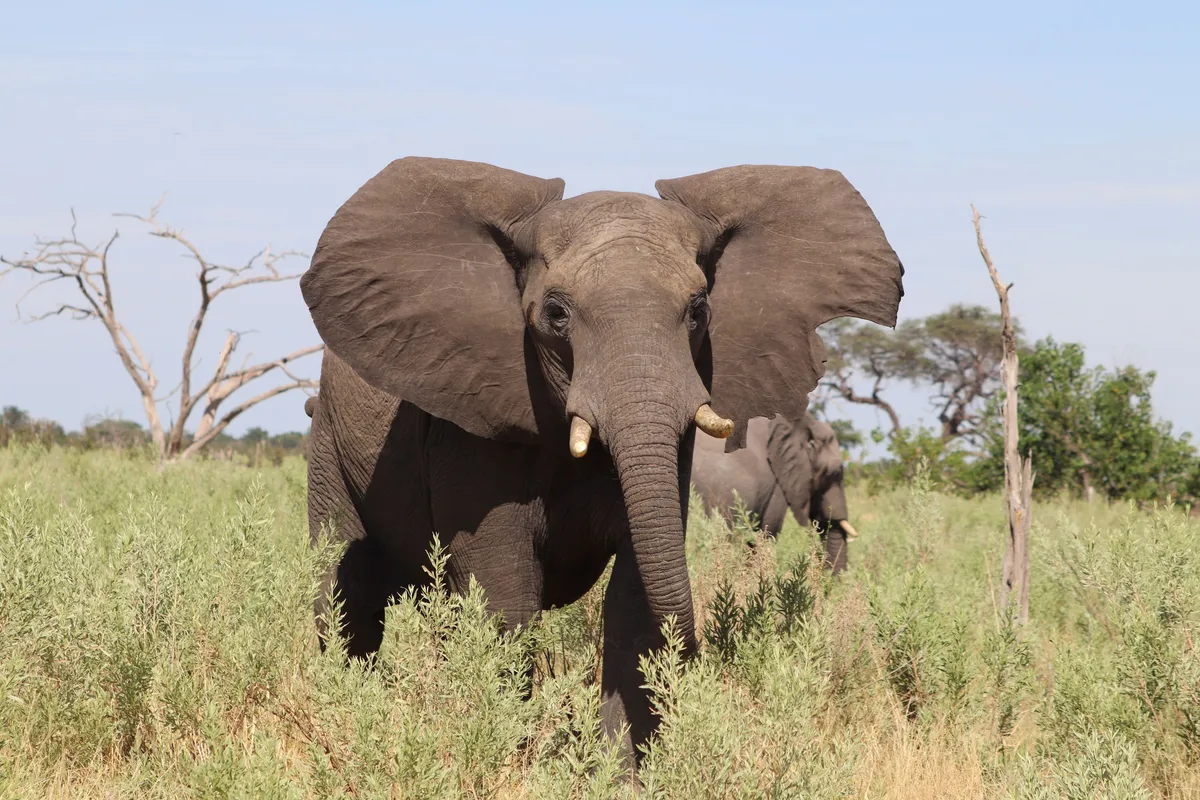
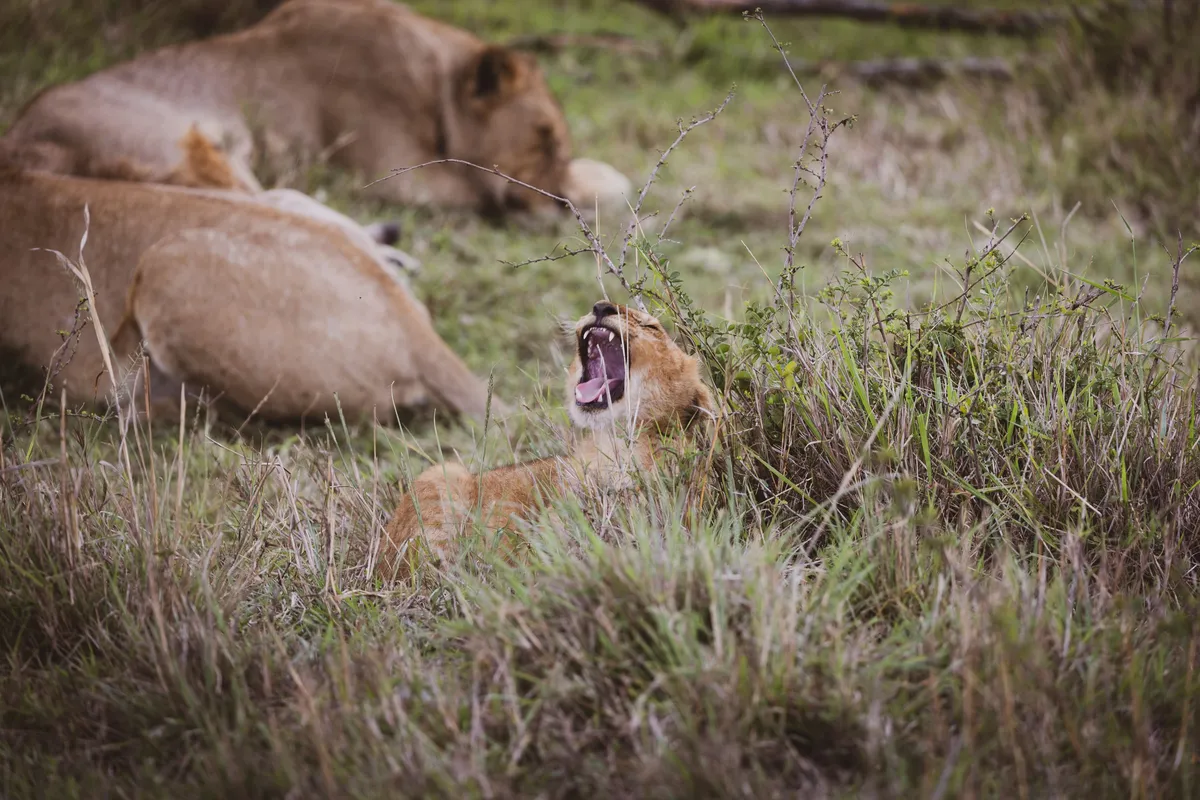
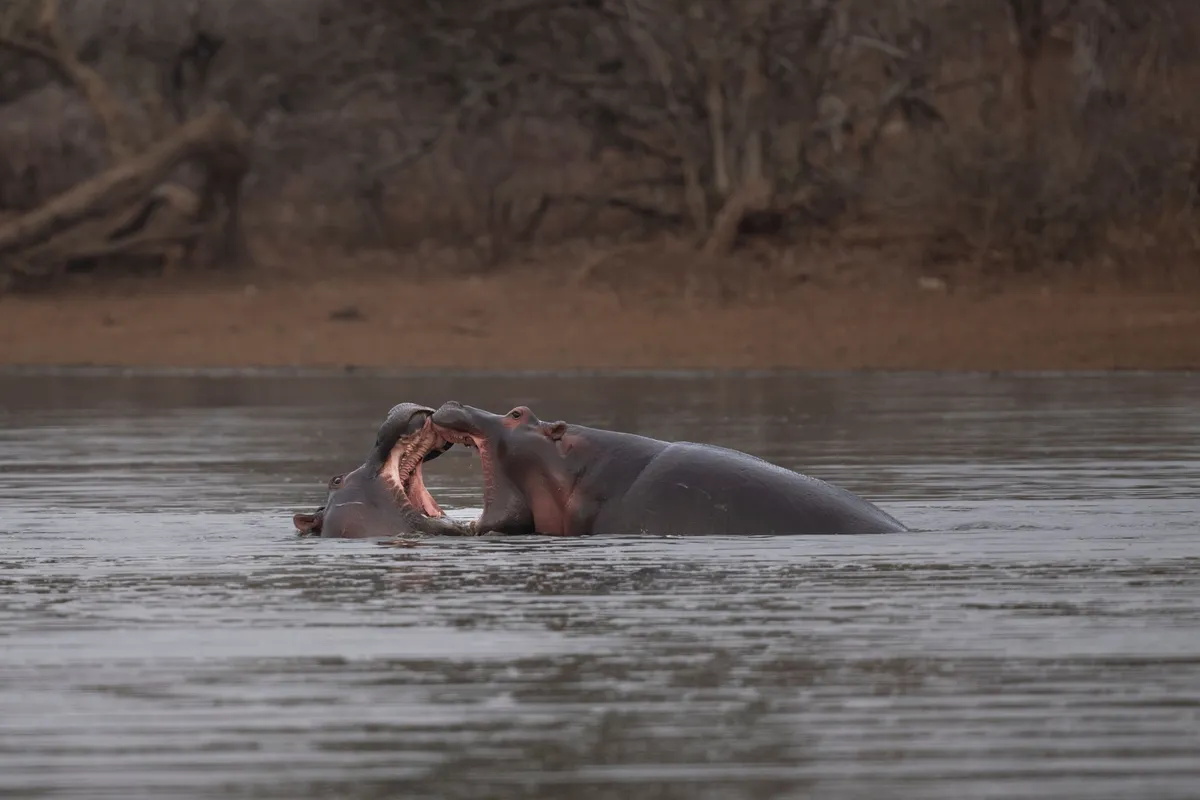
The wildlife includes large herds of elephants and buffalo, lions, leopards, hyenas, a wide variety of antelope (impala, kudu, waterbuck), and, right in the river, crocodiles and hippos in high numbers. The park is also a hit with birders—more than 400 species have been recorded in the area, including kingfishers and fish eagles.
What to pair with Lower Zambezi
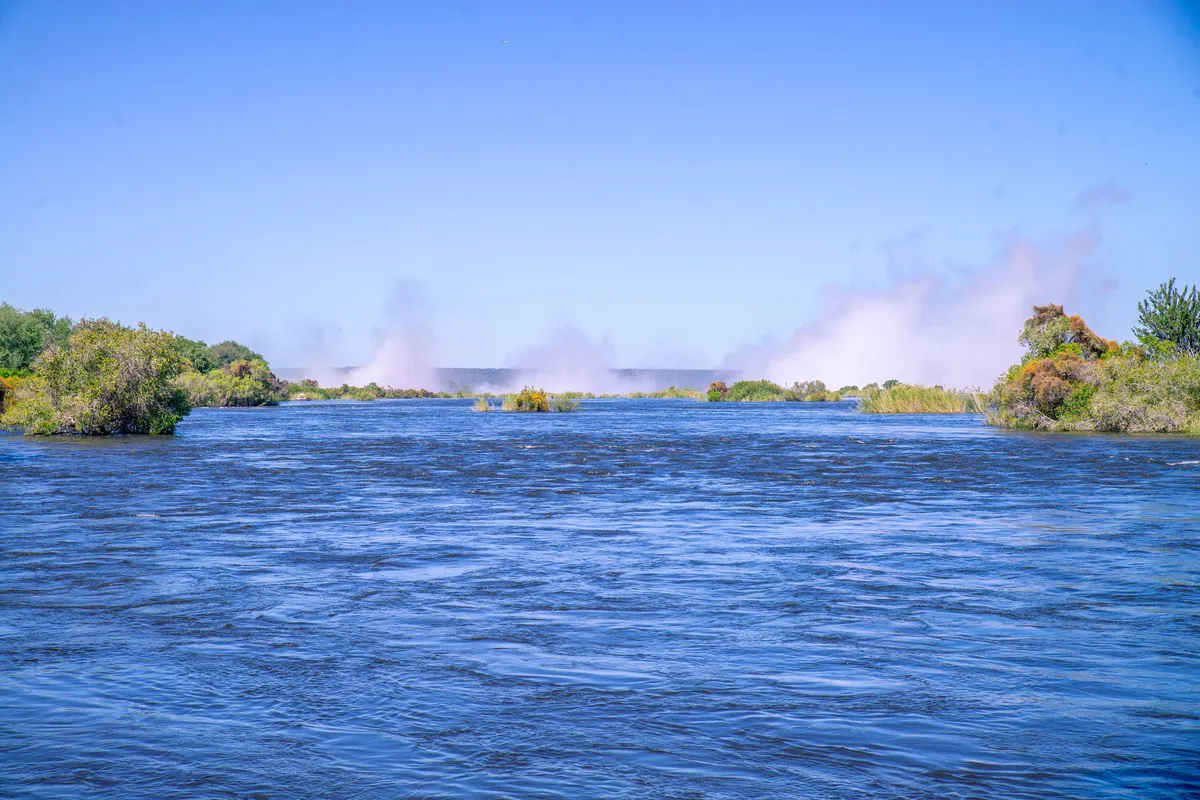
Across the river lies Mana Pools National Park in Zimbabwe, a UNESCO World Heritage Site—many travelers combine both parks in a single trip, since operators arrange boat crossings between the banks. Those with more time usually head on to Lusaka (Zambia’s capital and main air gateway) or tack on Victoria Falls in Livingstone, about 6 hours by car or a short domestic flight.
If you’re putting together a Southern Africa itinerary for the first time, it’s worth planning Lower Zambezi as a “river” safari stop, complementing a more open-savanna park like South Luangwa (also in Zambia) or Kruger in South Africa—the variety of terrain really elevates the whole experience.
Many travelers round out a Zambia itinerary by pairing the safari with Victoria Falls, about an hour’s flight from Lusaka. Around the falls, the river takes on a whole new character: you can tackle white-water rafting on the Zambezi, one of Africa’s wildest, or cap off the day with a sunset boat cruise with the falls in the background.
Where to eat
“Are there restaurants outside the lodges?” Practically none, and that’s by design: inside the park there are no villages or shops, so all meals happen at the lodges and camps, almost always on a full-board basis (breakfast, lunch, dinner, and snacks included in the rate). The cooking usually blends international dishes with local touches—river fish, corn (nshima, a traditional Zambian staple), and open-air barbecue at the so-called “boma dinners,” fireside feasts that many lodges put on at least once during your stay.
If you’re driving in via Chirundu, you’ll find small markets and simple eateries in town—your last chance to stock up before entering the park, so grab water and snacks there, because options vanish once you’re past the gate.
Where to stay
Accommodation inside and around the park is almost entirely in safari lodges and camps, ranging from simple tents to luxury riverside resorts, with rates that usually include all meals and guided activities (game drives, canoeing, and boat cruises). There are no conventional hotels inside the park — it’s a completely different model from a city destination, so book well in advance, especially during peak season (June to September), when the smaller lodges fill up fast.
For those seeking more budget-friendly options, some guesthouses and campsites are located just outside the main area, near Chirundu, with lower prices, but they require a daily commute into the park for activities.
Practical Tips
Yellow fever vaccination and proof of it may be required upon entry into Zambia depending on your previous itinerary — check the current rules with the consulate before you travel. Malaria is present in the region, so consult a doctor about prophylaxis in advance, especially if traveling during the rainy season.
Pack neutral-colored clothing (green, khaki, brown), a light jacket for the cool winter mornings (May to August), sunscreen, insect repellent, and binoculars — most lodges lend them out, but having your own means you won’t have to rely on availability. According to the official Zambia tourism website, national park entry fees change frequently — always confirm the current price before booking your package. Pay park fees preferably in cash in US dollars, as not every entry point accepts cards.
Frequently Asked Questions
How much does it cost to enter Lower Zambezi National Park?
International visitors pay around US$25 to US$30 per person per day, plus about US$15 per vehicle per day (rates as of July/2026, subject to change). Most lodge packages already include this fee in the nightly rate.
What is the best time to visit Lower Zambezi?
The dry season, from May to October, is the best: mild weather between May and August, and higher concentrations of wildlife near the river in September and October. From November to March the park is flooded and many lodges close.
How do I get to Lower Zambezi National Park from Brazil?
There are no direct flights from Brazil. The usual route is to fly to Johannesburg or another African hub, continue to Lusaka, Zambia’s capital, and from there take a short domestic flight to the Jeki or Royal airstrip, near the park.
Is it safe to do a canoe safari near hippos?
Yes, as long as you’re accompanied by a licensed guide who knows the routes and maintains a safe distance from hippo and crocodile groups. You should never paddle alone or without a guide in the area.
Can I visit Lower Zambezi and Mana Pools on the same trip?
Yes, and it’s a common combination: the two parks sit right across from each other, separated by the Zambezi River, and some operators organize boat crossings between Zambia and Zimbabwe for those who want to experience both sides.
Conclusion
Lower Zambezi National Park is still relatively unknown to Brazilian travelers, but it’s precisely this combination of savanna and river — game drives by day, canoeing at dusk — that makes it one of the most complete safaris in Southern Africa. It’s worth booking in advance, respecting the dry season to make the most of the wildlife, and, if you can, extending your trip to Mana Pools or Victoria Falls. You’ll find more nature and wildlife itineraries like this one right here on voyagevoyage.