 Marcelo Oliveira
Venice works beautifully as a 5-day trip when you use the historic city as your base and plan your itinerary smartly: hit the big classics in the first few days, give the islands their own dedicated block, and leave time to soak up the less obvious neighborhoods without the rush of a day-tripper. For a first visit, this is the balance that best combines postcard sights, historical context, and the simple pleasure of wandering.
Hotels in Venicefree cancellation options onlySee hotels ›Booking.com partner (advertising): we may earn a commission at no extra cost to you.
If you’re visiting Venice for the first time, the best 5-day itinerary is to stay in the city itself and split your time between San Marco, Rialto, Dorsoduro, Cannaregio, and a full day for Murano and Burano. This way, you get to know the classics without exhausting everything in 48 hours and still understand why Venice becomes even more fascinating when you slow down.
Is 5 days in Venice worth it?
Yes, and that’s exactly the point where Venice stops being a city crushed by a checklist. In two days, you see the frame. In five, you start to notice the rhythms. That makes a difference because the city isn’t just about Piazza San Marco and the Rialto Bridge: the charm also shows up in the vaporetto crossings, the detours over small bridges, and the contrast between the most crowded areas and the sestieri that breathe easier.
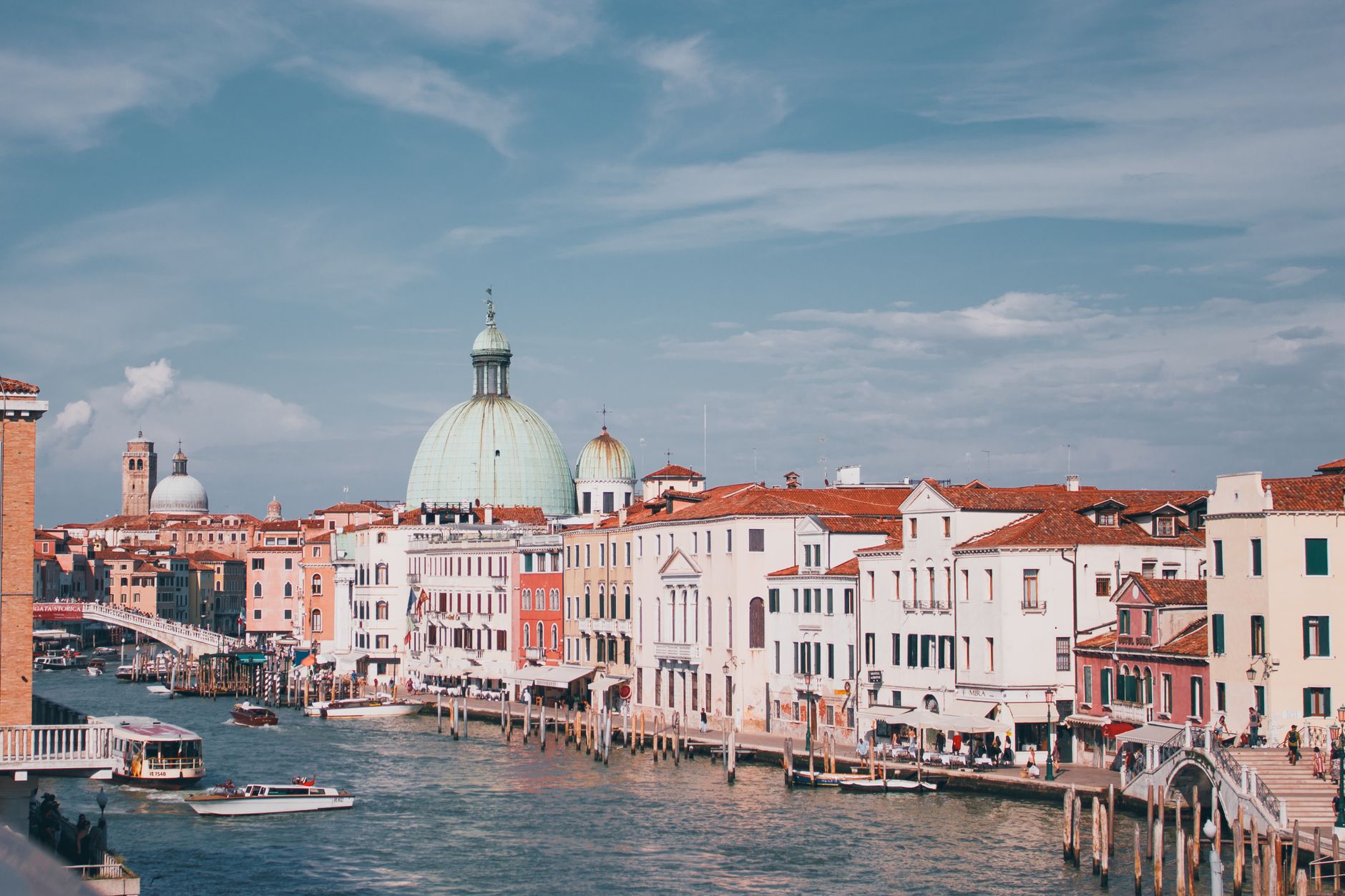
For a first visit, five days are also useful because they prevent the mistake of cramming museums, churches, islands, and restaurants into overly long blocks. St. Mark’s Basilica, the Doge’s Palace, and the vaporetto routes remain the emotional core of the trip, but they pay off much more when you don’t try to fit everything into the same day.
If your Italy trip continues, it’s worth cross-referencing this itinerary with a broader guide like Venice: canals, palaces, and historic churches and with other cities that pair well on a circuit, like Florence or Rome.
How to plan your base and getting around
The best logic for this itinerary is to use island Venice as your base, not Mestre. This is especially true for a first trip. Sleeping in the city itself costs more, but it reduces the friction of commuting early in the morning and, most importantly, lets you experience Venice before and after the peak of day-trippers. If you can choose, Cannaregio, Santa Croce, and Dorsoduro are usually excellent bases because they balance access, atmosphere, and less chaos than the heart of San Marco.
For transportation, the practical reference remains the ACTV vaporetto system, with Line 1 being very useful for the Grand Canal and Line 12 as a key route for Murano and Burano. For St. Mark’s Basilica and the Doge’s Palace, the best approach is to book in advance and check the current rules on official channels before your visit, especially during high season.
The biggest win of a well-chosen base in Venice isn’t saving steps: it’s being able to return to your hotel, rest a bit, and head out again without turning your trip into an endurance test.
5-Day Venice Itinerary
Day 1: Arrival, Grand Canal, and Rialto
The first day should be about easing into the city’s rhythm, not conquering Venice. Start with a vaporetto ride along the Grand Canal if your arrival allows, because it helps you understand the geography right away. Then, stroll without rush through the Rialto area, cross bridges, watch the comings and goings on the canals, and let the city introduce itself. The payoff here is building familiarity with the labyrinth from the very start.
If you still have energy, stretch over to the San Marco waterfront in the late afternoon. The view opening onto the basin, with the facade of the Doge’s Palace and the silhouette of the basilica, works much better as a first impression than as a midday dash. The key is to keep the evening light, have an early dinner, and save the main tickets for when you’re already settled in.
Day 2: San Marco, Doge’s Palace, and Monumental Venice
This is the day to focus on the most iconic block of your trip. Book St. Mark’s Basilica and the Doge’s Palace in advance and try to arrive early. Both places condense so much of Venice’s imagery, but they also demand energy. That’s why it makes sense to treat them as the main program, without piling on long crossings afterward.

After the visits, the best move is to have lunch in the area and spend the rest of the day walking with fewer commitments, maybe heading toward Campo Santo Stefano or the Accademia. This keeps San Marco from becoming an experience made only of lines, selfies, and a rushed exit. If you want a factual reference point, the St. Mark’s Basilica and the Doge’s Palace ecosystem maintain official channels for hours and ticket options, which is important because these rules can change. For those who prefer to sort out the logistics of the big classic block right away, the full Venice tour is a practical shortcut to pack San Marco and the city’s main landmarks into the same day.
 See activities in Venice on GetYourGuide ›
Day 3: Dorsoduro, Accademia, and a Rhythm More Beautiful Than Obvious
On the third day, it’s worth changing the texture of your trip. Dorsoduro fits in perfectly here because it offers beautiful waterfront, churches, museums, and a Venice that breathes easier. Crossing the Accademia, walking toward the Salute, and continuing to Zattere opens up the city in a different way: less crowded, more contemplative, and more enjoyable to explore without a fixed goal every twenty minutes.
This is also a good day to fit in a museum if that’s part of your travel style. If it’s not, that’s fine: Dorsoduro works just as well for a walk, with its quiet campos and the idea of spending a few hours in a less anxious Venice. In a 5-day itinerary, this is the point where the city stops being just a list of monuments and starts becoming an experience.
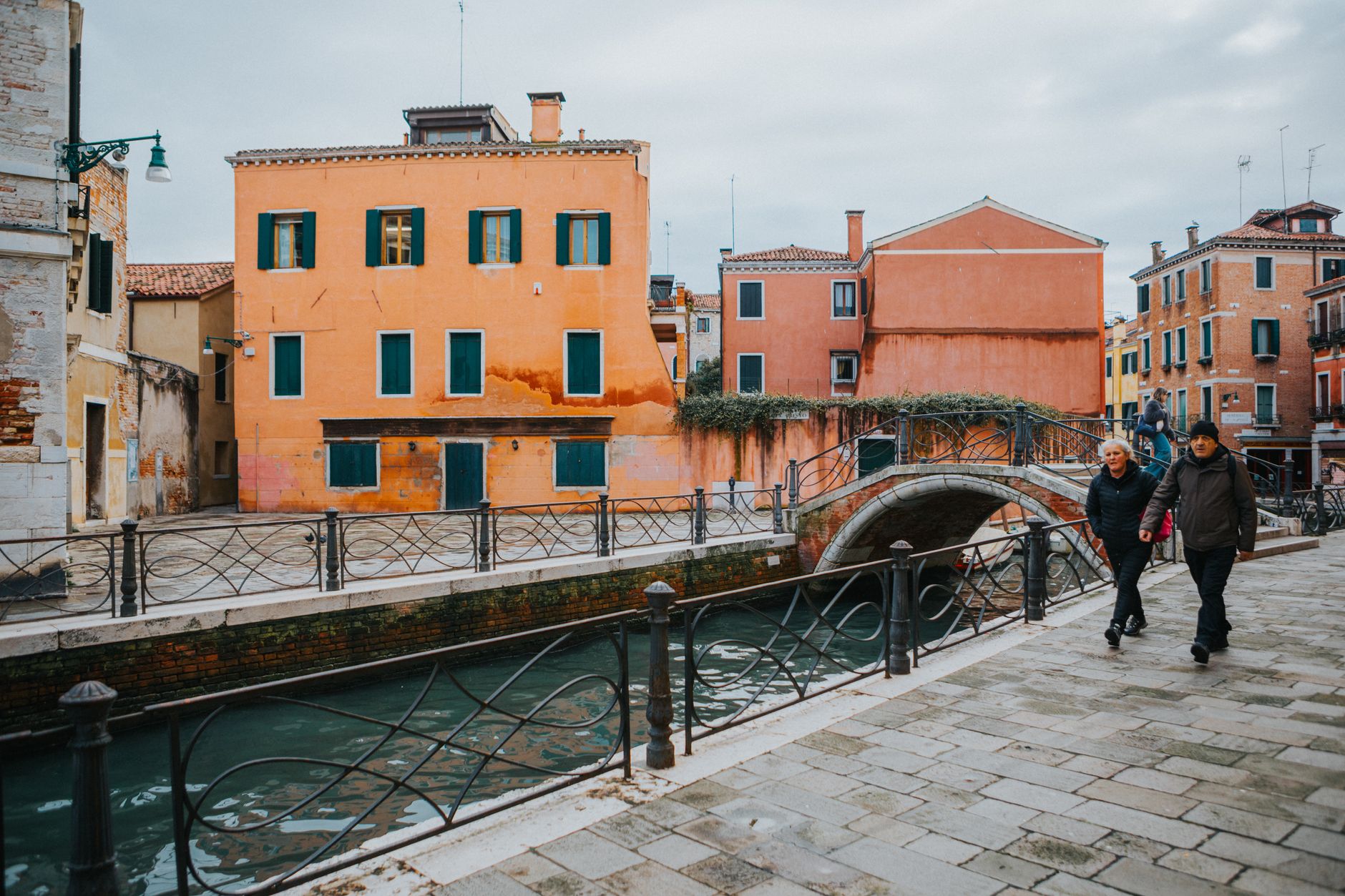
Day 4: Murano and Burano in One Full Day
If you want to include the islands, the best move is to give them a full day of their own. Murano and Burano work far better that way than as a rushed half-day add-on. Murano brings the glassmaking tradition and a more serene atmosphere; Burano delivers the colorful houses, the endlessly photogenic pace, and that clear feeling of having traded the dense heart of Venice for a parallel universe inside the lagoon.
The practical play is usually to head out early and let the vaporetto ride set the rhythm of the day, using line 12 as your main reference from Fondamente Nove. Don’t try to tack on another big activity on the way back. The day already delivers plenty on its own, both from the boat ride and the shift in scenery. For a first visit, this change of pace really helps you understand that Venice isn’t just the historic center squeezed between San Marco and Rialto.

Day 5: Cannaregio, the Jewish Ghetto, and a Relaxed Goodbye
Keep the last day intentionally lighter. Cannaregio works beautifully as a finale because it blends local life, great walking, and a powerful historical layer around the old Jewish Ghetto. This is the day to linger over coffee, circle back to a church or campo you missed, and end the trip feeling the city rather than just checking it off.
If you prefer, this fifth day can also absorb some adjustments: revisiting San Marco early, going back to Dorsoduro, or squeezing in some small shopping. What I’d avoid is turning it into a last-minute marathon. Venice tends to reward travelers who finish with room to lose half an hour staring at a canal far more than those who pull out a map to cram in three more check-ins.
If you’d rather have the islands day fully sorted, the boat tour to Burano, Murano, and Torcello can be a handy logistical shortcut, especially if you don’t want to piece together all the connections yourself.
Where to Stay to Make This Itinerary Work
For a first trip, Cannaregio is the most balanced recommendation. You get relatively easy access to Santa Lucia and Piazzale Roma, solid connections to Rialto and Fondamente Nove, and you still escape some of the constant pressure of San Marco. Dorsoduro is another great base if you love a more contemplative vibe and want to end your days with a beautiful walk.
I’d just be careful about two choices. The first is staying in the most touristy core and realizing everything is pretty but exhausting. The second is sleeping in Mestre thinking the logistics won’t matter: it might help your budget, but it changes the whole experience of sunrise and sunset in Venice. If you’re only going once or don’t know when you’ll be back, staying in the historic city is usually worth the effort.
Where to stay in Venice
| Hotel | Rating | |
|---|---|---|
| Palazzo KellerSan Marco · Calle del Pestrin 3522 | 9,42.227 reviews | See prices |
| Palazzo San LorenzoCastello · Castello 4981/B | 9,01.353 reviews | See prices |
| Avani Rio Novo Venice HotelDorsoduro · 10 minutes on foot from Santa Lucia railway station | 9,11.541 reviews | See prices |
| Al Theatro PalaceSan Marco · A few steps from Teatro La Fenice | 9,01.291 reviews | See prices |
| Palazzo Veneziano - Venice CollectionDorsoduro · Fondamenta delle Zattere 1413 | 9,34.608 reviews | See prices |
| Hotel Sant'AntoninCastello · 10 minutes on foot from St Mark's Square | 9,11.057 reviews | See prices |
| Carnival Palace - Venice CollectionCannaregio · 10 m from the Tre Archi water bus stop | 9,35.000 reviews | See prices |
| U-Visionary Venezia HotelCannaregio · 100 metres from Santa Lucia railway station | 9,31.560 reviews | See prices |
Booking.com rating on 30/09/2026
Tickets and Transportation: What to Sort Out in Advance
The items that deserve the most prep are tickets for St. Mark’s Basilica and the Doge’s Palace, plus your vaporetto strategy for the busier days. Since hours, ticket types, and access rules can change, the smart move is to check the official channels close to your trip. For transportation, it makes sense to look into the Venezia Unica/ACTV tourist passes if you plan to ride the vaporetto a lot, especially with a full day on the islands.
Another thing worth checking near your travel date is the daytime access policy for the historic center on specific dates for visitors who aren’t staying overnight. Since this itinerary has you staying in Venice, your situation is usually different from someone just popping in for the day, but it’s still worth verifying the city’s official rules. That way you avoid misreading an old news story or an oversimplified summary.
To go deeper on your Italy trip, it’s also worth saving a few other internal guides that help you build a route, like the 5-day Monaco itinerary or the Vienna guide, depending on where your route goes next.
Practical Tips for a First Visit
Venice gets better the moment you accept two things up front: you’re going to walk a lot, and you’re going to get a little lost. Both are part of the experience. So wear comfortable shoes, carry only what you need for the day, and build small breaks into your itinerary. Eating lunch too late, walking without water, and trying to cross the entire city multiple times are simple mistakes that make the trip harder than it needs to be.
It also helps to think of the city in blocks, not as isolated pins. San Marco is one block. Dorsoduro is another. Murano and Burano make up their own day. That kind of organization cuts down on zigzagging and leaves room for surprise. In Venice, getting more out of your trip almost always means crossing the city less and inhabiting each stretch better.
For transportation and access details, the most reliable references remain the city’s official channels and the ACTV, while the official St. Mark’s Basilica website and the MUVE ecosystem help validate bigger visits. Since this is a topic where hours and fares can shift, I’d avoid relying only on an old blog summary once your trip is locked in.
 HotelAs soon as you have datesCompare neighbourhoods and guest ratings.See hotels ↑
- More activitiesTo compareTickets, day trips and tours with flexible cancellation.GetYourGuide ›
FAQ
Is 5 days in Venice worth it for a first visit?
Absolutely. Five days let you see the classics at a relaxed pace, include Murano and Burano, and still set aside a block for neighborhoods like Dorsoduro and Cannaregio without feeling like everything turned into a race.
Can Murano and Burano be done in the same day?
Yes, and that’s usually the best approach for a first visit. The key is to reserve the entire day for the islands, rather than trying to squeeze them in as a tiring extension of another plan.
Where’s the best place to stay in Venice for this itinerary?
Cannaregio is usually the most balanced base. Dorsoduro also works really well. Both keep you inside the historic city without depending on the back-and-forth with Mestre.
Do I need to buy tickets in advance for San Marco and the Doge’s Palace?
In practice, yes. Since access rules and lines change with the season, booking ahead and checking the official channels close to your trip is usually the safest call.
Can I do this itinerary without a car?
Yes. In Venice, a car isn’t part of daily life in the historic center. This itinerary revolves around walking and the vaporetto, with the occasional train or transfer only on arrival and departure.
Conclusion
If your goal is to experience Venice in a way that truly makes sense on a first visit, five days is an excellent amount of time. You see the essentials, include the islands, get a better feel for the neighborhoods, and let the city show you more than the obvious postcard checklist. In the end, the best itinerary isn’t the one that racks up the most points on a map—it’s the one that leaves you with memories of atmosphere, not just of lines and photos.