 Marcelo Oliveira
Cinque Terre Italia is so much better when you pick a base that matches your pace and accept that transport, weather, and crowds will reshuffle your ideal day-by-day plan. The common mistake is building a long list and trying to check everything off; an efficient itinerary decides what deserves priority and leaves room for the unexpected.
Hotels in La Speziafree cancellation options onlySee hotels ›Booking.com partner (advertising): we may earn a commission at no extra cost to you.
The most useful decision is to choose your base based on transport and book at least three nights, with one flexible morning to adjust your plans. That way, you see more without hauling luggage or depending on a single schedule.
Which base to choose in Cinque Terre Italia
The right base cuts down on travel time and helps you start the day before the crowds roll in. Compare location, access, and travel style; staying in the most photographed spot isn’t always the best use of your budget.
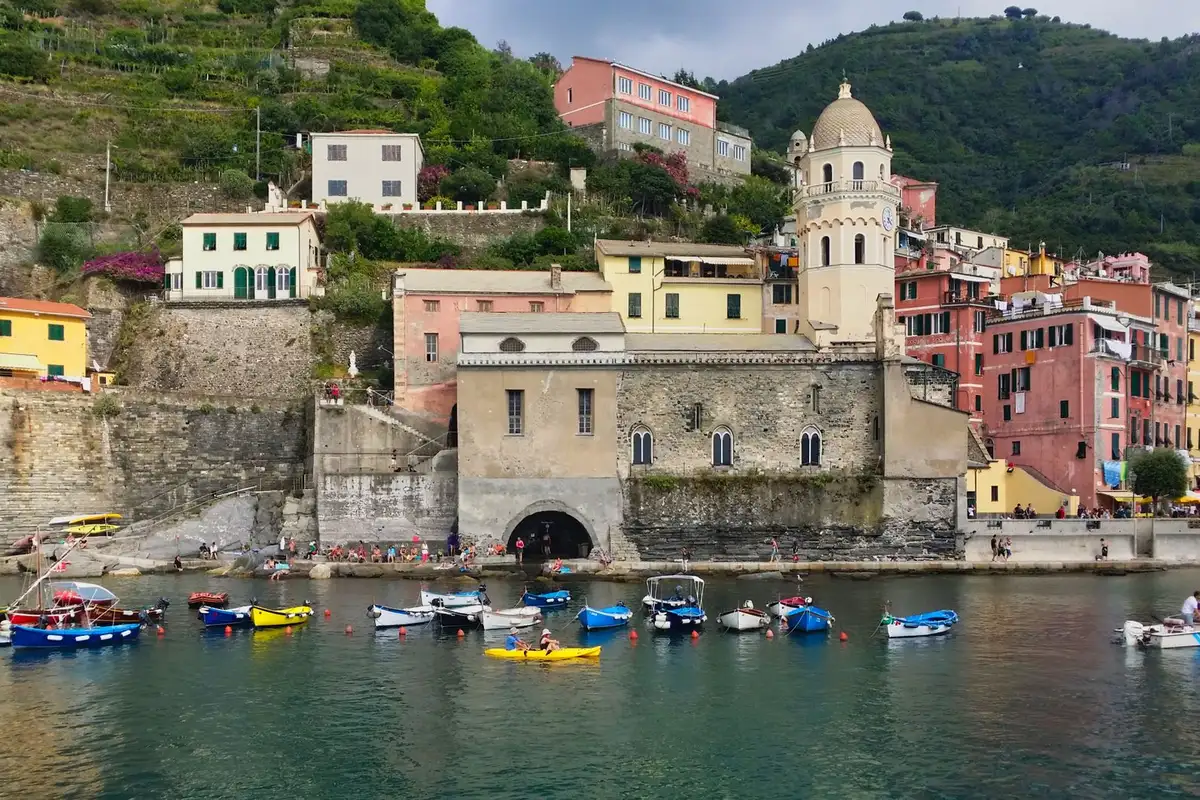
Before booking, choose your base and only then map out your visits. In cinque terre italia, trying to sleep everywhere eats up the time you should be spending on walking, waiting for transport, and changing the plan when the day’s conditions call for it.
Check official schedules the week of your trip, especially in high season. Boat, train, road, and trail are complementary options, not a promise that everything will run on the minute your map imagined.
| Base | Best for | Recommended time |
|---|---|---|
| La Spezia | budget, train access, and simple logistics | 2 to 3 nights |
| Vernazza | village vibe and quiet nights | 2 nights |
| Monterosso | beach and easier access | 2 to 3 nights |
The biggest savings usually come from cutting down on repeated trips. A stay with easy transport access and a nearby market might cost more per night, but it saves you from taxis, parking, and rushed meals at the wrong time.
Keep one morning free of rigid plans. Use it to revisit a view that was closed off, tackle a short trail safely, or swap an outside excursion for a museum, café, and historic neighborhood stroll without feeling like the itinerary failed.
How many days to book and how to spread them out
Three nights is the starting point for seeing the main spots without turning your trip into a string of check-ins. With one more night, you gain a buffer for weather, lines, boats, or a hike that didn’t work out on day one.
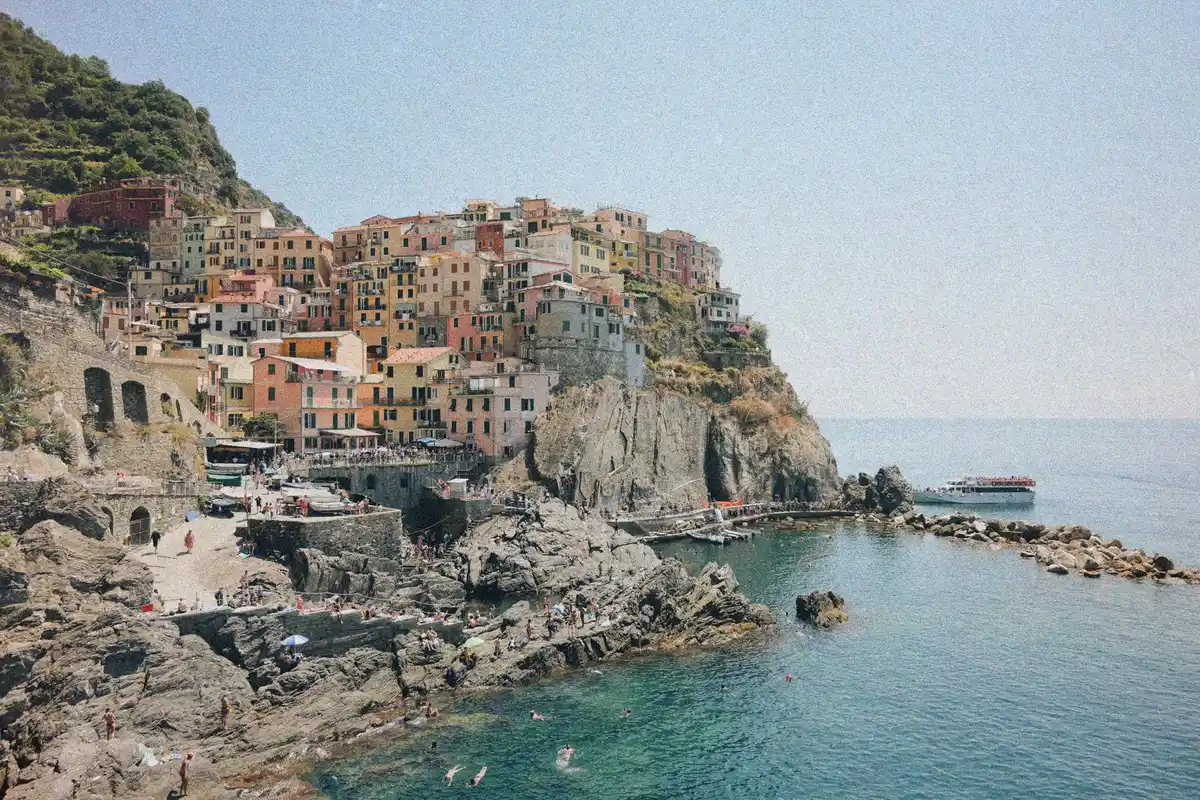
Bring water, a light layer, and sturdy shoes. Even destinations known for sunny photos have stairs, wet pavement, wind, or lines; practical prep protects your day more than any list of attractions.
Shooting early is a logistical choice, not an aesthetic rule. The first hour usually means more walkable streets and frees up the rest of the day for a relaxed lunch, a stress-free boat ride, or heading back to base before the peak.
If you’d rather sort out transport and stops in a single booking, you can check out the available tour for the region. Confirm the meeting point and duration before adding it to your day.
When comparing prices, factor in the cost of time. A cheap option that requires two connections, a climb with luggage, and a late return might not make sense for a short itinerary. Decide based on the whole picture, not a single fare.
Train, boat, road, or hike?
Your transport choice should follow the stage of your itinerary. Train or boat usually cuts down on friction in areas with limited parking; driving makes sense when you want stops off the beaten path and are okay with a slower pace.

Use your phone for offline maps, but don’t replace local signage with a screen. Closures, platform changes, and weather alerts show up on-site first; stop, read, and adjust your decision without stubbornly sticking to the original plan.
Don’t treat a transfer as an attraction just because it looks great on video. Compare the return time, the arrival point, and how much walking you’ll have left with your bags. It’s better to do two full stops than four rushed visits.
On busy days, head out early and keep a Plan B close to your base: that’s the simplest way to avoid losing a day to a line or a service change.
Costs, bookings, and choices that avoid regret
Book your stay and essential transport ahead of time, but don’t fill every hour. Tickets, trails, or crossings may have their own rules; confirm on the official channel and factor in arrival time, not just the scheduled slot.
A great trip doesn’t depend on checking off every point on a map. It depends on choosing an area, eating at a reasonable hour, resting, and circling back to what still makes sense that day.
For other international itineraries, check out Voyage Voyage too. The rule that applies here is simple: fewer base changes, more quality time in each place.
 HotelAs soon as you have datesCompare neighbourhoods and guest ratings.Booking ›
 ActivitiesBefore you travelBook ahead the ones with limited spots.Civitatis ›
 More activitiesTo compareTickets, day trips and tours with flexible cancellation.GetYourGuide ›
Frequently Asked Questions
Can you see it in one day?
Cinque Terre Italia can fit into one day as a quick overview, but two or more nights let you adjust for weather, schedules, and travel time.
What’s the best base?
The best base in Cinque Terre Italia depends on your pace, budget, and transportation: compare the table and prioritize fewer hotel changes.
Do you need a car?
A car isn’t required in Cinque Terre Italia; public transport, boat, or a tour usually help you avoid parking hassles and tiring stretches of driving.
How many days should you book?
Book at least three nights for Cinque Terre Italia and add a buffer when the forecast or logistics depend on the sea, trails, or roads.
Conclusion
Cinque Terre Italia rewards travelers who trade rushing for a well-chosen base, a real time buffer, and decisions made on the day itself. Keep planning on Voyage Voyage and use the itinerary as a guide, not a straitjacket.
Before you head out, check the official destination channel for current rules and conditions. Hours, access, and circulation can change by season; this quick check keeps your itinerary from depending on an unavailable service.
Organize each day around one direction on the map and keep a nearby stop as a backup. That way, you cut down on repeated back-and-forth and save time for lunch, walking, finding the platform, or simply adjusting your pace.
If transport or the forecast changes, keep your base and swap the activity: flexibility beats a fixed sequence.
Confirm reservations the day before and save addresses, meeting points, and confirmations on your phone. This prep reduces your reliance on connectivity and makes every outing simpler.
Build real breaks into your visits. Walking, finding a restroom, and figuring out signage all take time, and an itinerary that acknowledges this delivers a much smoother day.
To understand the cultural and environmental side of a destination, also check out UNESCO when there are recognized areas or conservation rules involved. Even on a short trip, that context helps you respect trails, historic centers, and controlled-access zones. Don’t leave trash, don’t cross barriers, and don’t treat a route change as a loss: it might be exactly what keeps the place visitable for those who come after you.