If you’re wondering what to do in Milan on your first trip, here’s some good news: the city works better than it looks on the map. The historic center is compact, the metro handles getting around well, and the major attractions are close enough to each other that you can put together a walking itinerary without spending your whole day in line.
On a first visit, the secret is mixing the grandeur of the Duomo with the elegant side of the Galleria Vittorio Emanuele II, the musical tradition of Teatro alla Scala, and the most refined pause at the Pinacoteca di Brera. Milan doesn’t ask for haste; it asks for a smart edit, especially if you want to see the essentials and still have a great dinner, stroll around safely at night, and skip the tourist-trap activities.
That’s the shift that makes the city surprise you: after just a few hours, you realize Milan is less of a “list of monuments” and more about urban rhythm, art, aperitivo, and architectural details that reveal themselves block by block.
Milan is worth the trip, especially if you want to see the more urban and sophisticated side of Italy without missing out on history, art, and good logistics. In two or three days, you can visit the Duomo, walk through the Galleria Vittorio Emanuele II, step into the world of La Scala, explore Brera, and still fit in a classic day trip, like Lake Como, without feeling rushed.
How to get to Milan
Milan has two airports most frequently used by travelers: Malpensa, which handles a large share of international flights, and Linate, which is closer to the center and often used for connections within Italy and Europe. If you land at Malpensa, the express train is usually the most predictable option to get to the central area; from Linate, the metro shortens the trip considerably. For those arriving by train, Milano Centrale works well as a gateway and connects the city to destinations like historic Rome, Venice, and Florence.
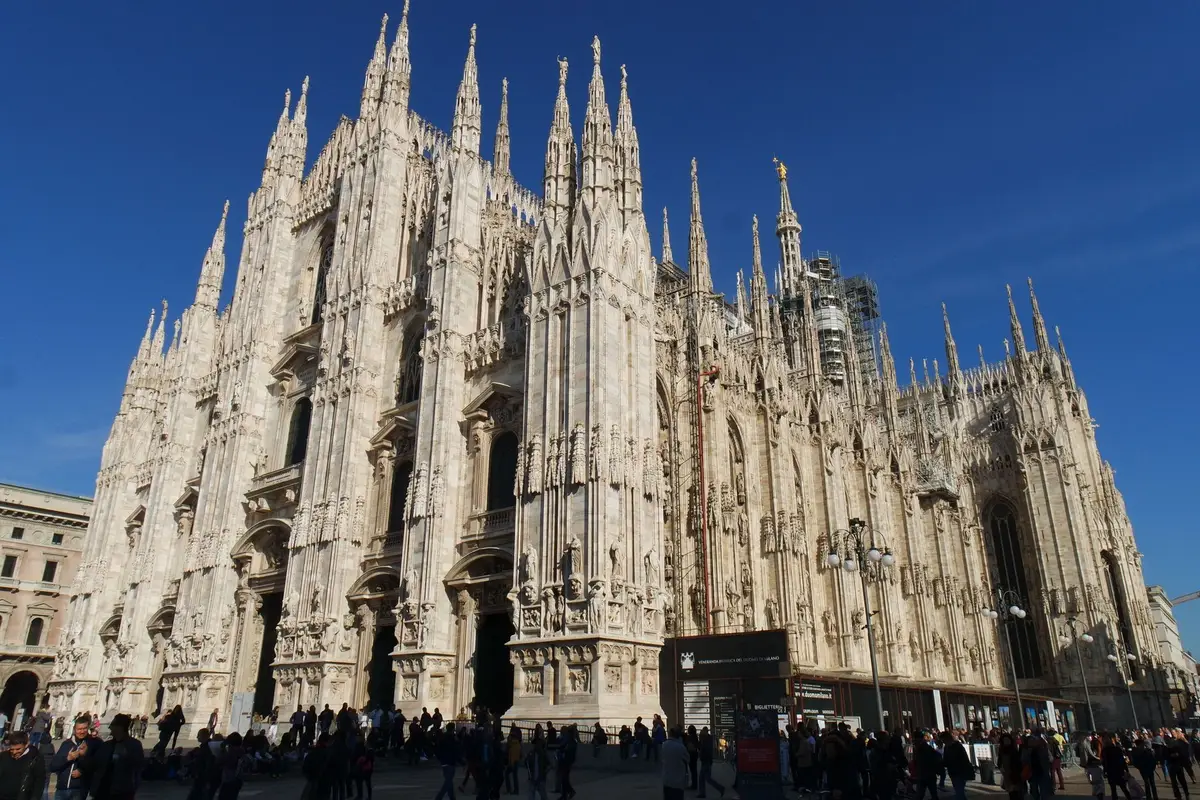
Within the city, the tourist center revolves around Piazza del Duomo, which is why it’s worth choosing accommodation with easy access to metro lines M1 and M3. If the goal is to save time, staying near the Duomo, Brera, or Centrale usually pays off more than saving a few euros in remote neighborhoods. Taxis and ride-hailing apps work, but traffic is heavy during peak hours, and there’s no reason to rely on a car for a short itinerary.
Best time to visit and how long to stay
The best time to visit Milan is usually between April and June, and then again between September and October, when the weather is great for walking and the days are still pleasant. Summer can be hotter and more humid than many people expect, while winter tends to bring damp cold and a less inviting landscape for long walks. It’s not a city for beaches or immediate nature, so the climate affects urban comfort more than the type of activities.
For a first trip, two full days comfortably cover the basics: Duomo, Galleria, La Scala, Brera, and a nice late afternoon among cafés and aperitivo. With three days, Milan becomes much more interesting because you can slow down, visit museums at a relaxed pace, and even fit in a day trip. If your base is northern Italy, the city pairs beautifully with an itinerary through the Dolomites or with extensions to Venice and Florence.
What to do in Milan’s historic center
Milan’s historic center works best when you explore it in sequence, starting with the Duomo. The cathedral dominates the square and sets the tone for the city: grand, detailed, and meant to be admired without rushing. If you want to go inside, it’s worth checking ticket combinations in advance on the official Duomo di Milano website, especially if you plan to include the terraces. The complex includes the main nave, archaeological areas, and access to the rooftop, which is one of the most rewarding experiences in the center.
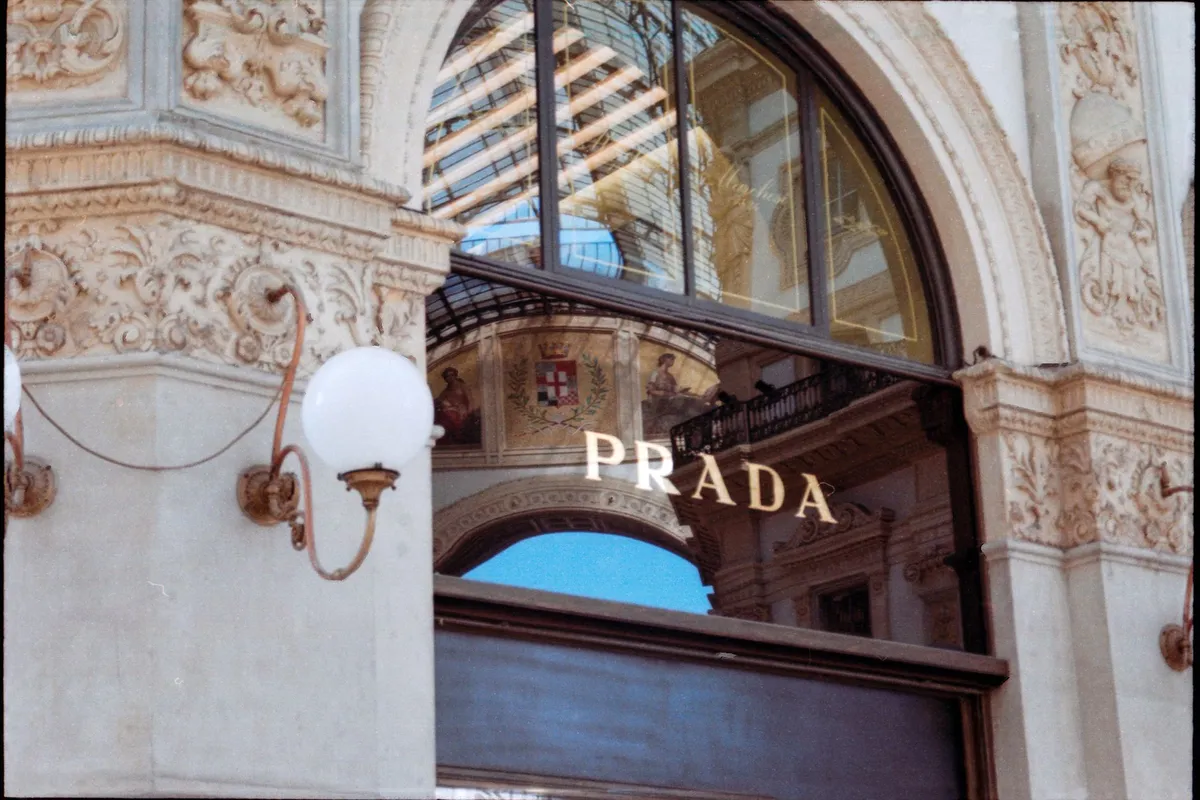
Leaving the square, the natural walk leads to the Galleria Vittorio Emanuele II, that covered passage many people know from photos, but which truly impresses when you see the glass ceiling up close and notice the refinement of the facades, cafés, and historic storefronts. It’s the kind of place that works both as a connection between attractions and as a destination in itself. Even if you don’t spend anything at the shops, walk through slowly and look up: the gallery’s charm lies more in its architecture than in its shopping.
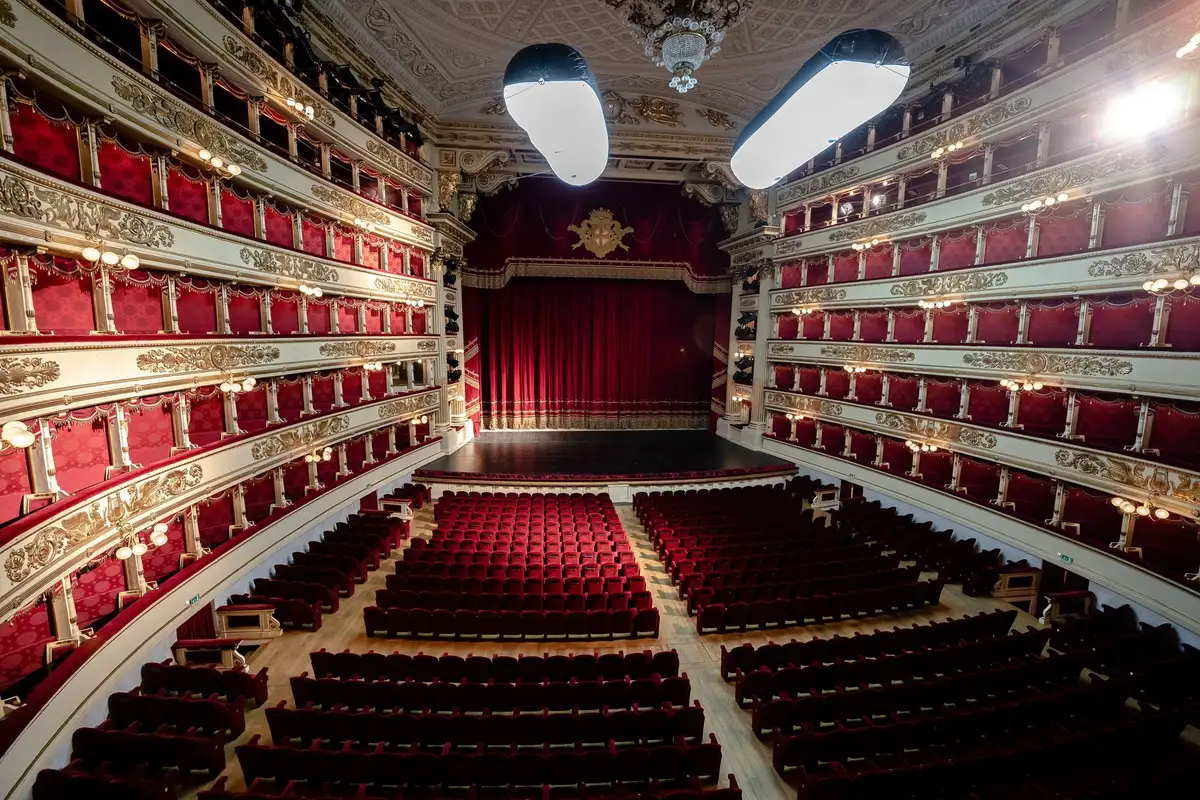
Next up is Teatro alla Scala, a visit that’s worth it even for those who don’t follow opera. The building is one of Italy’s cultural symbols and becomes even more meaningful when the experience includes the museum, which helps you understand the historic weight of the venue. The starting point is the Museo Teatrale alla Scala, where it’s a good idea to check opening hours and any visit restrictions on rehearsal or performance days. The surrounding square also makes for a pleasant break, especially in the late afternoon.
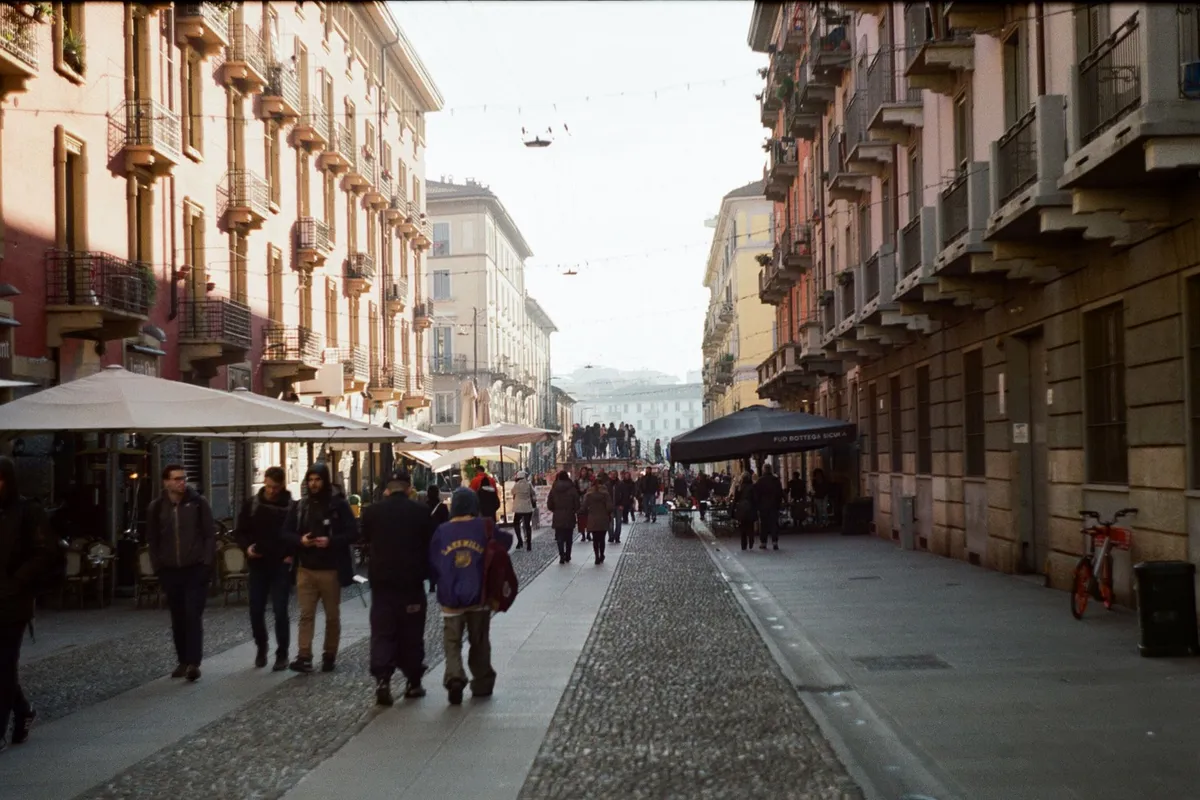
Wrap up this classic core in Brera, one of the city’s most charming neighborhoods. The Pinacoteca di Brera is the ideal visit to slow down and trade crowds for contemplation. The museum houses some of the most important works of Italian painting, and the official Pinacoteca di Brera website is the best place to confirm hours and tickets before your visit. Even if you don’t go into the museum, just walking through Brera is worth it for the more charming atmosphere, the narrow streets, and the cafés with a neighborhood feel.
What to combine in your itinerary
Milan is better when you pair the historic center with something that broadens the experience. A longer lunch in Brera, a late-afternoon aperitivo in the Navigli, or a day trip to Lake Como changes the pace and keeps you from feeling like the city is just the area around the Duomo. For those who like mixing city and landscape, this contrast often becomes the highlight of the trip.
Among the most popular day trips, Lake Como is the most obvious and easiest fit. If you’d rather skip the logistics of trains, boats, and connections all in one day, you can book the Lake Como day trip from Milan, which handles the transportation and usually works better for short itineraries. For a more complete outing, you can also compare the Como and Bellagio tour with a boat ride, great for those who want to leave the city and return the same day without any improvisation.
If Milan is your only base in northern Italy, it’s worth saving the third day for this contrast between urban capital and lakeside scenery. It’s the kind of combination that makes the trip feel more diverse without requiring a hotel change.
Where to Eat in Milan
Milan is a great city for eating well without turning every meal into a major production. In the center, the trick is to skip the tables right next to Piazza del Duomo and walk a few blocks over to Brera or quieter side streets with less tourist appeal. You can grab a solid lunch of focaccia, pasta, and Lombard dishes without paying the premium that comes with the city’s main showcase.
In the evening, aperitivo is a big part of the local experience. Instead of treating it like a quick snack, think of it as the plan: you order a drink and get access to appetizers or small portions, depending on the spot. If you want a more reliable dinner, Brera is still the most practical area for combining a nice stroll, beautiful surroundings, and consistent options. Another move is heading over to the Navigli in the late afternoon, when the neighborhood really comes alive.
Milan is also a great destination for coffee, pastries, and short breaks between sights. That helps a lot if you’re planning to spend the day around the Duomo, Galleria, and La Scala axis, because you can break up your itinerary without wasting time on long commutes.
Where to Stay in Milan
On a first trip, the best criterion for choosing accommodation is access, not romanticizing a neighborhood. The Duomo area is the most practical if you want to do a lot on foot, but it usually costs more. Brera offers a more charming atmosphere with elegant streets and a great restaurant scene, while the Centrale area can work better if you’re arriving early or taking trains to other cities.
If cost is the concern, it’s worth setting expectations: living in and visiting Milan tends to be pricier than in many mid-sized Italian cities, because the city is packed with business, fashion, events, and high demand. Still, you can trim the budget by choosing hotels near the metro just outside the micro-center. Staying a bit off the Duomo axis only pays off if the station is genuinely close; otherwise, the savings disappear in lost time.
Practical Tips for Your First Trip
Milan is known as Italy’s capital of fashion and business, but that label doesn’t sum up the city. What you actually experience as a traveler is an organized metropolis with a strong cultural scene and a historic center that works well for anyone who likes to walk. The local language is Italian, though English shows up fairly easily in the more touristy areas, hotels, and restaurants. If you want to break the ice, a simple “ciao” handles the hello, and “va bene” or “ok” pop up all the time in daily life.
On safety, the most honest answer is: Milan is relatively safe for walking around at night in busy central areas, but that doesn’t mean you can let your guard down with your wallet, phone, or around stations. Duomo, Brera, and the Navigli stay lively until later, so the idea is to keep the same urban awareness you’d have in any other big European city. Avoid deserted streets far from the main flow, and pay extra attention on public transport and in spots packed with tourists.
It’s also worth adjusting your expectations about “the most beautiful place in Italy.” Milan rarely enters that contest for natural scenery or classic postcard looks, but it wins on sophistication, practicality, and cultural depth. For many Brazilians, interacting with Italians in Milan tends to be correct and direct: less warm than in small towns, but usually cordial when you show up with good manners and a bit of patience with the local pace.
Frequently Asked Questions
What should you not miss in Milan?
On a first trip, don’t miss the Duomo, walking through the Galleria Vittorio Emanuele II, visiting the La Scala area, and strolling around Brera. If you have a third day, a day trip to Lago di Como (Lake Como) is usually the most well-rounded addition.
What is Milan known for?
Milan is known as Italy’s capital of fashion and business, but for travelers it also stands out for its cultural life, museums, and strategic location in northern Italy.
Is it safe to walk around Milan at night?
In busy central areas like Duomo, Brera, and parts of the Navigli, it’s usually safe to walk at night with the normal big-city awareness. The biggest concern should be pickpocketing and distractions in crowded spots and at stations.
What language is spoken in Milan?
The official language is Italian. In hotels, museums, and tourist restaurants, English usually helps, but learning basic phrases like “ciao” and “grazie” makes interactions much easier.
What’s the weather like in Milan?
Milan has pleasant spring and fall for walking, hot summers, and cold, damp winters. For urban tourism, April through June and September through October are usually the most comfortable periods.
Conclusion
Milan works best when you swap the anxiety of “seeing everything” for a more focused itinerary, with time to observe the city between one attraction and the next. If your trip calls for art, architecture, great food, and simple logistics in northern Italy, this is a strong base and far more interesting than the shopping cliché makes it seem. At Voyage Voyage, it easily makes the list of cities that surprise you precisely because so many people arrive expecting less.