 Marcelo Oliveira
Rome is the only city in the world where you can have lunch next to ruins nearly 2,000 years old and, that same afternoon, step into a baroque church decorated by Bernini. Italy’s capital packs almost three millennia of history into a few square miles—from the Roman Forum to medieval basilicas, not to mention baroque fountains and museums holding some of the most important art in the Western world. For those short on time, the real question isn’t “what to see in Rome,” but how to organize so much must-see history without spending your whole itinerary waiting in line.
Hotels in Romefree cancellation options onlySee hotels ›Booking.com partner (advertising): we may earn a commission at no extra cost to you.
Getting to Rome
There are no direct flights from Brazil to Rome; most connections go through Lisbon, Madrid, Paris, or a Middle Eastern hub before landing at Fiumicino Airport (FCO), the city’s main hub, or the smaller Ciampino (CIA), used by European low-cost carriers. The Leonardo Express train connects Fiumicino to Termini Station in 32 minutes for about €14, with no stops—the most predictable option after a long flight. From Ciampino, the usual choice is a shuttle bus to Termini, taking about 40 minutes.
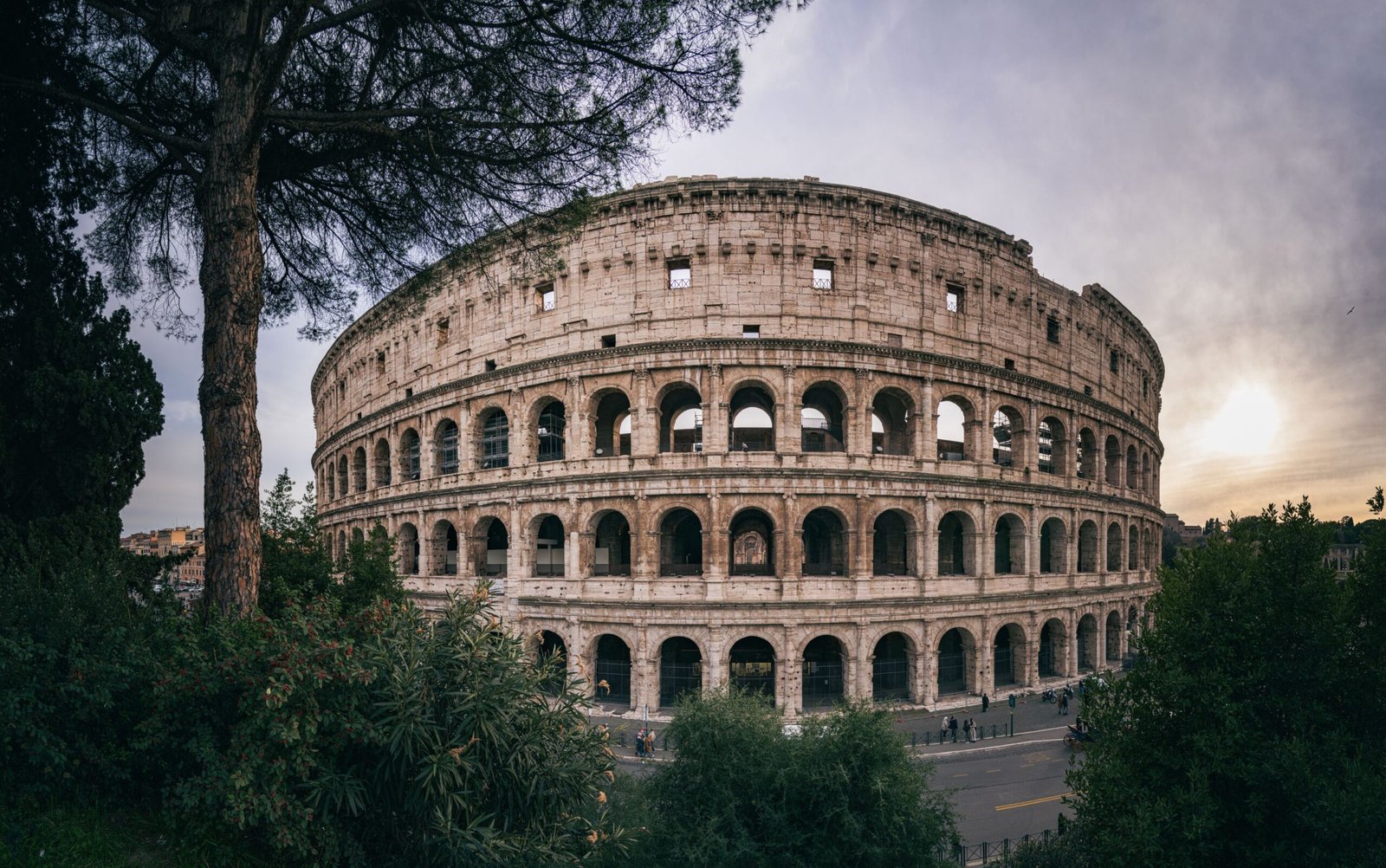
Once in the city, the metro has two main lines (A and B) that cover most major sights, including the Colosseo station on line B, just steps from the amphitheater. Beyond the metro’s reach, buses and walking cover the rest—Rome’s historic center is very walkable, with many attractions less than 20 minutes apart on foot.
Best time to visit and how long to stay
April–May and September–October bring pleasant temperatures for walking all day, while July and August get hot and crowded with tourists, meaning longer lines at every major attraction. December brings Christmas decorations and temporary markets, but also cold weather and occasional rain. Plan for at least 4 full days to cover ruins, churches, and museums without rushing—Rome tends to disappoint those who try to “do” the city in a day and a half.
If you’re especially interested in art and ancient history, consider adding an extra day just for the Vatican Museums and the Sistine Chapel, which alone need 3 to 4 hours to visit without turning into a rushed walk through crowded corridors.
Ruins, churches, and art: what to see
The Colosseum is the obvious starting point: the largest amphitheater ever built by the Romans, with room for up to 80,000 spectators in ancient times. The combined ticket with the Roman Forum and Palatine Hill starts at €18 on the official website, valid for 24 hours with one entry per monument—and reservations are strictly nominal, with the name matching the ID presented at the entrance—check current hours on the official Parco Archeologico del Colosseo website. We’ve written a dedicated guide to it, with all the details on hours and how to skip the line: check out our complete Colosseum guide.
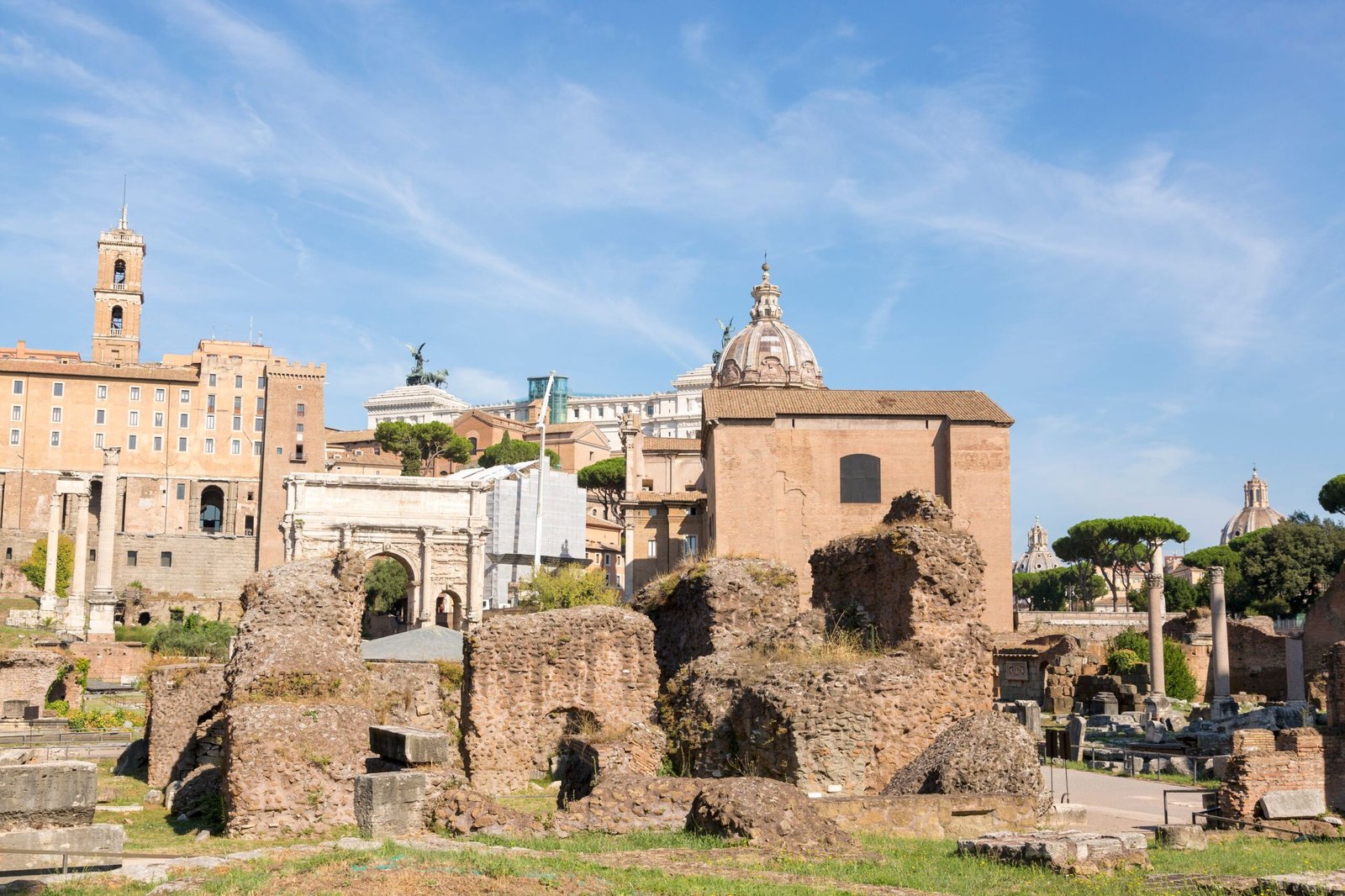
Right next to the Colosseum, the Roman Forum was the political and commercial heart of ancient Rome, with temples, triumphal arches, and the ruins of the Basilica of Constantine. Palatine Hill, just above, is where the emperors lived—and from there you get one of the best views of the Forum and the Circus Maximus. If you want to skip the line, entering through the Roman Forum or Palatine Hill usually has a much shorter queue than going straight into the Colosseum.
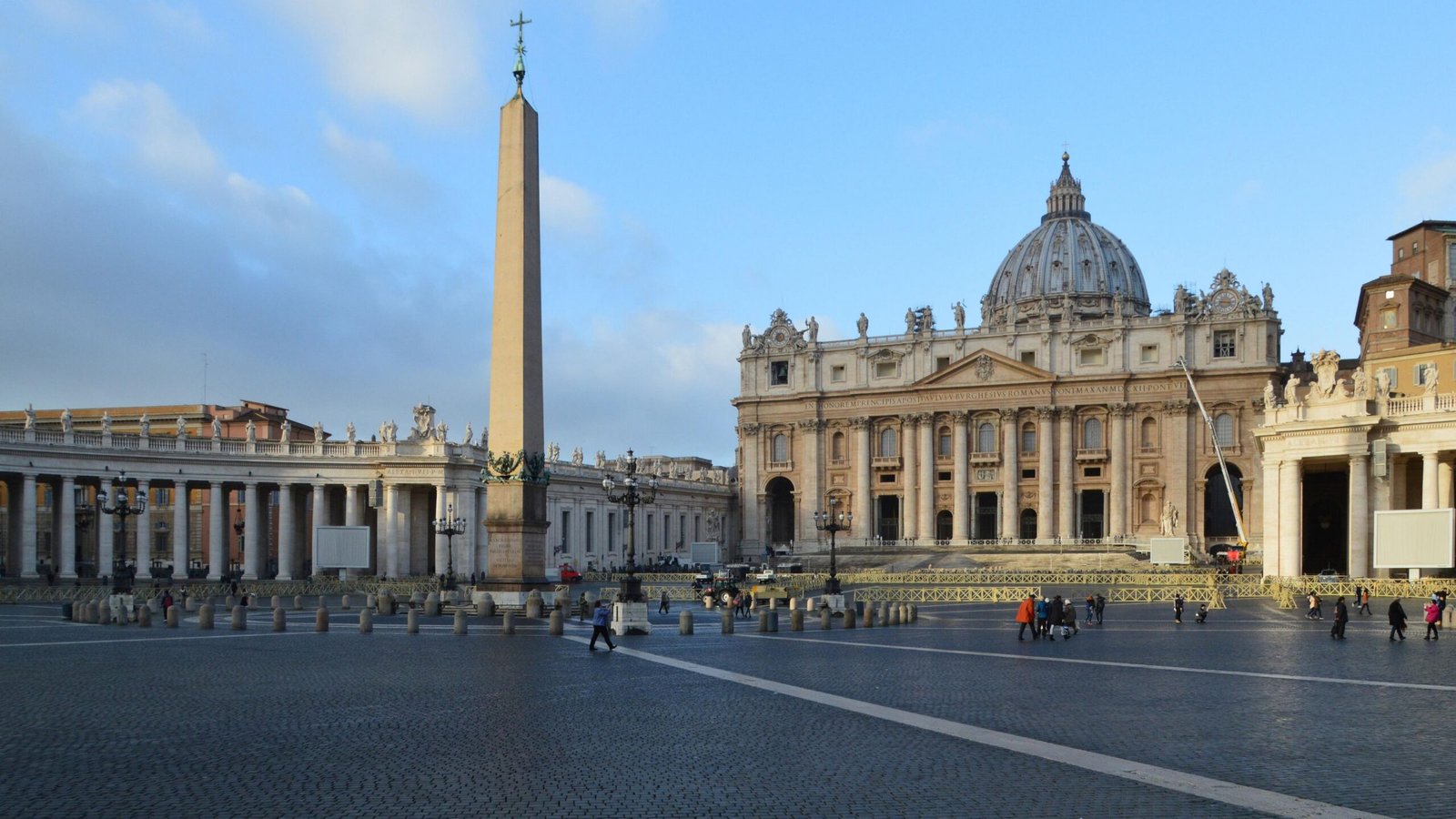
On the art and religion side, St. Peter’s Basilica in the Vatican is the largest Catholic church in the world, with Michelangelo’s dome and the Pietà right at the entrance. Next door, the Vatican Museums house the Sistine Chapel, with its ceiling painted by Michelangelo between 1508 and 1512 (tickets and hours on the official Vatican Museums website). Since the Vatican is a country within Rome, with its own rules and tickets, we’ve covered it all in two separate guides: St. Peter’s Basilica and Vatican City.
Off the Colosseum-Vatican axis, the Pantheon is the best-preserved ancient Roman building in the city, with a concrete dome that still impresses engineers almost 1,900 years later (more details on the Wikipedia page on the Pantheon)—entry is free, but there’s usually a line, especially in the morning. The Galleria Borghese brings together Bernini sculptures and Caravaggio paintings in one of the most concentrated collections of Italian art, with the unique requirement of a timed reservation and a visitor limit per session, which makes for a much calmer visit than most museums in the city.
Trevi Fountain
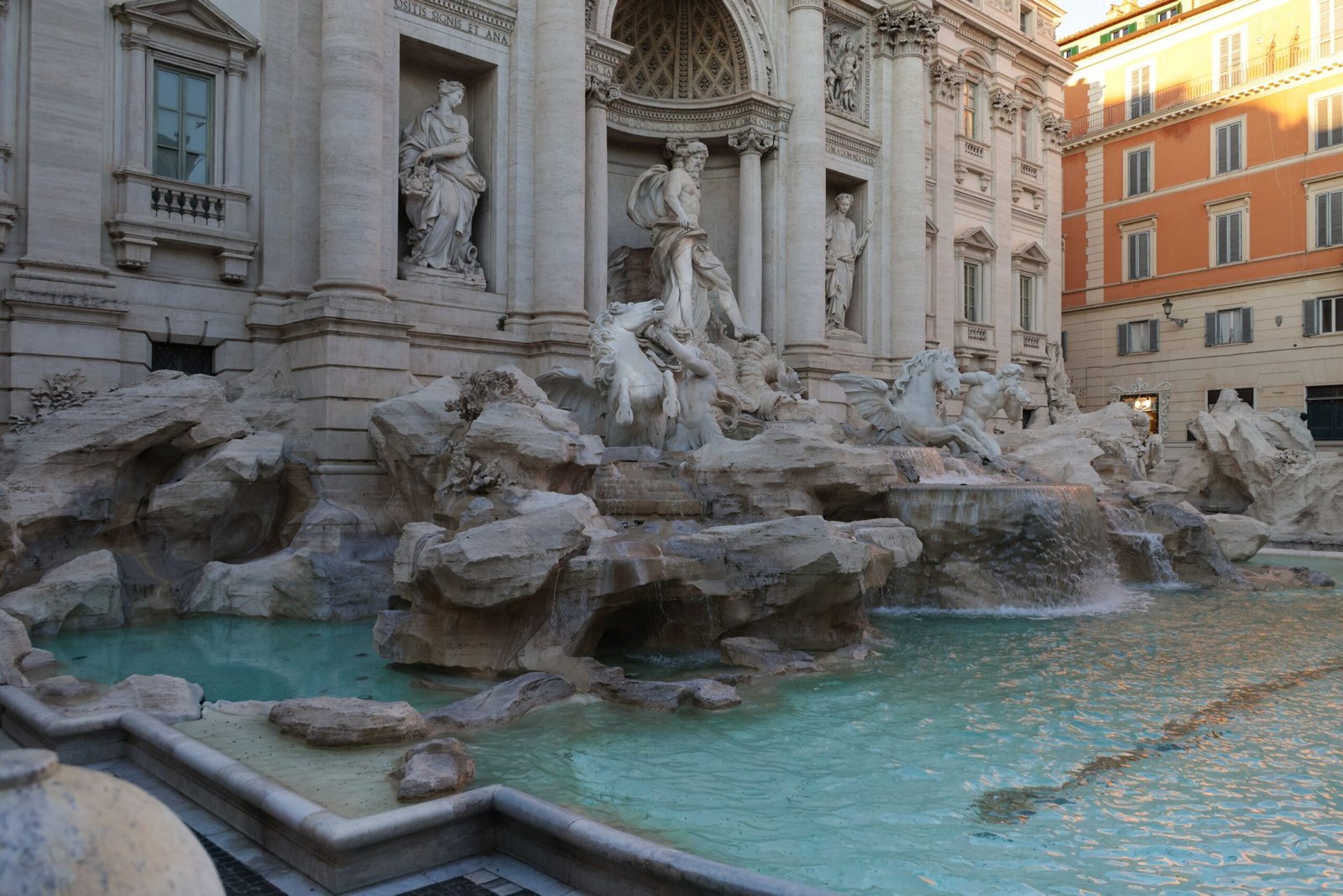
The city’s most famous baroque fountain, built in the 18th century, draws crowds all day long—early morning (before 8 a.m.) is the calmest time for people-free photos. The tradition of tossing a coin over your left shoulder, guaranteeing your return to Rome, still brings in a significant amount of donations collected daily and given to charity.
Piazza Navona and Campo de’ Fiori
Piazza Navona features three baroque fountains, with Bernini’s Fontana dei Quattro Fiumi being the most famous, plus street artists and historic cafés all around. A few minutes’ walk away, Campo de’ Fiori operates as a fruit and flower market in the morning and turns into a bar scene at night—a nice contrast between local daily life and the monuments nearby.
 See activities in Rome on GetYourGuide ›
Day trips and add-ons
Ostia Antica, about 40 minutes from Rome by train, is an archaeological site less crowded than Pompeii but just as well preserved, with the ruins of an ancient Roman port you can explore in half a day. If you’re planning a broader Italy itinerary, Rome is often paired with Venice—check out our Venice guide to plan the sequence, since the high-speed train connects the two cities in about 3.5 hours. For a broader view of planning your full trip to the capital, our general Rome guide is a great complement.
Where to eat
Trastevere, across the Tiber River, is packed with traditional trattorias and a lively nightlife, making it one of the best neighborhoods for dinner away from the most touristy center. Cacio e pepe, carbonara, amatriciana, and cacio e uova are the city’s most traditional pasta dishes—be wary of restaurants with menus photographed in multiple languages right in front of the sights; they’re usually pricier and less authentic. Mercato Testaccio has local food stalls at better prices than the central area, in a more residential neighborhood.
Where to stay
The Monti neighborhood, between the Colosseum and Termini Station, has become a hotspot for its mix of boutiques, bars, and walkable access to the main ruins. Near the Vatican, the Prati neighborhood offers quieter, family-friendly lodging just a few minutes’ walk from St. Peter’s Basilica. Staying near Termini is convenient for transport (trains, metro, and airport buses), but the area is noisier and less charming at night.
Where to stay in Rome
| Hotel | Rating | |
|---|---|---|
| G55 Design HotelHistoric centre · On Via del Gesù, 55 | 8,2649 reviews | See prices |
| Hotel BarrettHistoric centre · On Via di Torre Argentina, 47 | 8,62.764 reviews | See prices |
| Horti 14 Borgo Trastevere HotelTrastevere · Garden and bar; on Via di San Francesco di Sales, 14 | 9,11.636 reviews | See prices |
| Hotel San FrancescoTrastevere · 300 m from the Porta Portese market | 8,2563 reviews | See prices |
| Central Lodge HotelMonti / Termini · On Via Buonarroti, 19 | 8,71.277 reviews | See prices |
| Hotel FioriMonti / Termini · 750 m from Cavour metro station | 8,81.202 reviews | See prices |
| The B PlacePrati / Borgo · 150 m on foot from Lepanto metro station | 8,11.575 reviews | See prices |
| Hotel MetropolisPrati / Borgo · 200 m from Lepanto metro station | 8,5547 reviews | See prices |
Booking.com rating on 30/09/2026
Practical tips
Booking Colosseum, Roman Forum, and Vatican Museums tickets in advance through the official website saves you from hours-long lines, especially during peak season. Be wary of ticket sellers on the streets near the attractions — prices are often inflated and some resold tickets aren’t valid. The water is drinkable throughout the city, including at the hundreds of “nasoni” (public fountains) scattered along the streets, which helps you save on bottled water during the summer heat.
The local currency is the euro, and Brazilians don’t need a visa for short tourist stays in Italy, but it’s always worth double-checking the current EU entry rules before booking your flight. Modest clothing, covering shoulders and knees, is required to enter basilicas like St. Peter’s — bringing a scarf or an extra layer in your backpack will keep you from being turned away at the door.
Tipping isn’t mandatory or expected like it is in the United States — rounding up the bill or leaving a few euros at restaurants is seen as a kind gesture, not a rule. Many restaurants charge “coperto,” a per-person service fee that already appears on the bill, which replaces the traditional tip.
 HotelAs soon as you have datesCompare neighbourhoods and guest ratings.See hotels ↑
- More activitiesTo compareTickets, day trips and tours with flexible cancellation.GetYourGuide ›
Frequently Asked Questions
How many days do I need to see Rome?
At least 4 full days to cover the ruins, churches, and museums at a relaxed pace, plus an extra day if your priority is taking your time at the Vatican Museums and the Sistine Chapel.
Do I need to book Colosseum tickets in advance?
Yes — tickets are assigned to a specific name, and booking ahead through the official website saves you from the hours-long lines that form at the entrance, especially during peak season.
Can I visit the Vatican and the Colosseum on the same day?
It’s possible, but tiring: each one takes about half a day, so most itineraries set aside one full day just for the Vatican and another just for the Colosseum and Roman Forum area.
Is Rome an expensive city to travel to?
The main historical monuments charge admission, but plenty of worthwhile spots are free, like the Pantheon, the fountains, and the churches — you can balance your budget well by mixing paid and free attractions in the same itinerary.
Conclusion
Rome rewards those who show up with a plan — booking the right tickets in advance is the difference between spending your day in lines or actually soaking up nearly three thousand years of history packed into the same city. Check out the other destination guides here on Voyage Voyage to put together the rest of your Italy itinerary.
If your Italy trip also includes Sicily, check out our complete Palermo guide.
To add another port city to your Italy itinerary, also check out our complete Genoa guide.