 Marcelo Oliveira
Rome carries the nickname of the Eternal City for a simple reason: few places in the world pack so much visible history, in so many layers, into such a small space. The Colosseum is a short walk from Baroque piazzas, which are a short walk from Renaissance basilicas, which are a short walk from the world’s smallest country, Vatican City—and we have a complete guide to St. Peter’s Basilica to help you plan that part of your itinerary. You can stumble over two thousand years of history just walking from your hotel to dinner.
Hotels in Romefree cancellation options onlySee hotels ›Booking.com partner (advertising): we may earn a commission at no extra cost to you.
Activities provided by Civitatis (our affiliate partner)—prices and availability updated in real time. If you book through this link, we may earn a small commission at no extra cost to you.
This guide covers what to decide before you board your flight: when to go, how to get in from the airport, where to stay, what to prioritize on your itinerary, and where to eat along the way.
When to Visit Rome
April, May, and June make up the most balanced window: temperatures between 59°F and 77°F with relatively rare rain. September is also a safe bet—the suffocating summer heat has passed, rain is still scarce, and you get the extra perk of fewer crowds than in the spring high season. Rome in the summer (July and August) gets crowded and hot, with longer lines at every major attraction.
If you’re chasing better prices and don’t mind the cold, consider the stretch from November to March, skipping the weeks around Christmas and New Year’s—the city sees more rain then, but the savings on hotels and flights usually make up for it.
Getting to Rome
The main airport is Fiumicino (Leonardo da Vinci), which handles most international flights, including direct ones from Brazil. The Leonardo Express, Trenitalia’s direct train, connects the airport to Termini station in the city center in 32 minutes, with departures every 15 minutes and tickets starting at €14. It’s the most predictable option when you’re arriving exhausted from a long flight.
The second airport, Ciampino, is used mainly by low-cost carriers flying within Europe and sits farther from the center—it usually requires a bus or taxi, since there’s no direct train connection.
Where to Stay in Rome
Rome’s historic center is walkable enough that choosing a neighborhood comes down more to the vibe you want than to logistics:
| Neighborhood | Vibe | Price | Best for |
|---|---|---|---|
| Centro Storico | Historic, everything on foot | High | First-time visitors, short stays |
| Trastevere | Bohemian, authentic | Mid-range | Food lovers and local atmosphere seekers |
| Monti | Charming, near the Colosseum | Mid-range | A balance of cost and location |
| Prati | Residential, near the Vatican | Mid-to-high | Those prioritizing the Vatican |
Booking ahead makes a big difference in high season (April through October), when accommodation prices in the Centro Storico climb fast.
 See activities in Rome on GetYourGuide ›
Colosseum, Roman Forum, and Palatine Hill
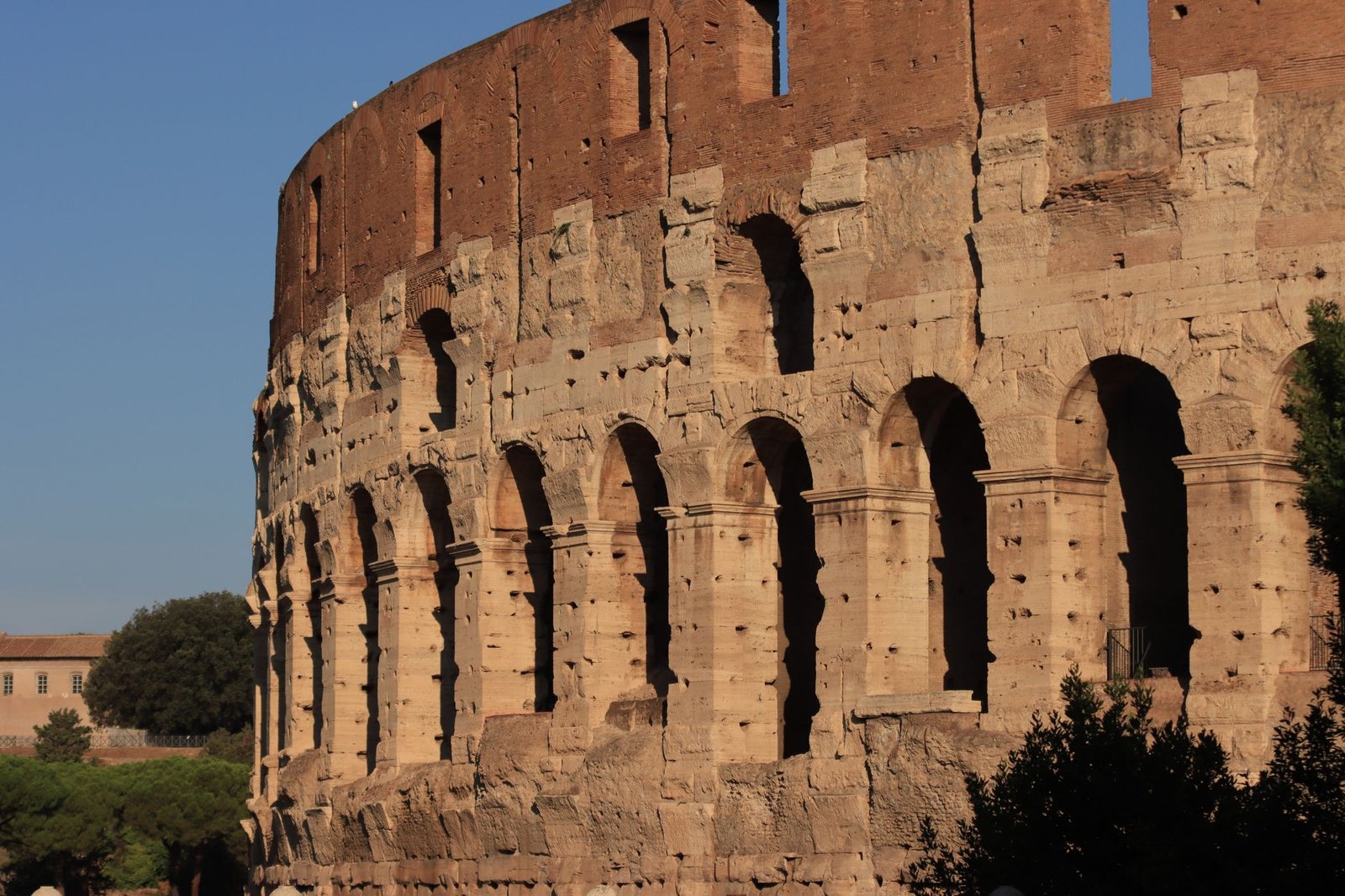
The Colosseum is Rome’s most visited monument and, to this day, the most recognizable ancient amphitheater in the world—the stage for gladiator battles and public spectacles for nearly two thousand years. The standard ticket (from €25) grants access to the first two levels, the Roman Forum, and Palatine Hill; if you want to step onto the arena floor or descend into the underground, you’ll need the more expensive full-experience ticket. Booking ahead is essential in high season—the most sought-after time slots sell out weeks in advance. Visitors under 18 get in free but still need to reserve a ticket (even the free one requires a scheduled time). We have a complete Colosseum guide with history, fun facts, and everything you need to know before you go.
The Roman Forum, right next door, was the political and commercial heart of ancient Rome—take your time wandering among the columns and ruins to grasp the scale of what once operated there. Palatine Hill, where the city supposedly began according to the legend of Romulus and Remus, offers one of the best viewpoints over the Forum itself.
The Vatican
Even if you have no religious faith at all, visiting the Vatican tends to surprise you with its sheer scale. St. Peter’s Basilica is free to enter, but the line can get long at peak times—climbing to the top of the dome rewards you with one of the best views in Rome, with a separate ticket fee. The Vatican Museums, which culminate in the Sistine Chapel with Michelangelo’s frescoes, start at €20 for general admission and usually have a significant line without a pre-booked slot—reserving a timed entry is practically a must in high season. Plan at least three hours just for the museums—the collection is so vast that many people underestimate the time needed and end up exhausted before reaching the Sistine Chapel, the highlight of the entire visit.
On the last Sunday of every month, Vatican Museums entry is free, but the lines are considerably longer than usual—a trade-off worth making only if you have flexibility in your schedule.
Fountains, Piazzas, and the Pantheon
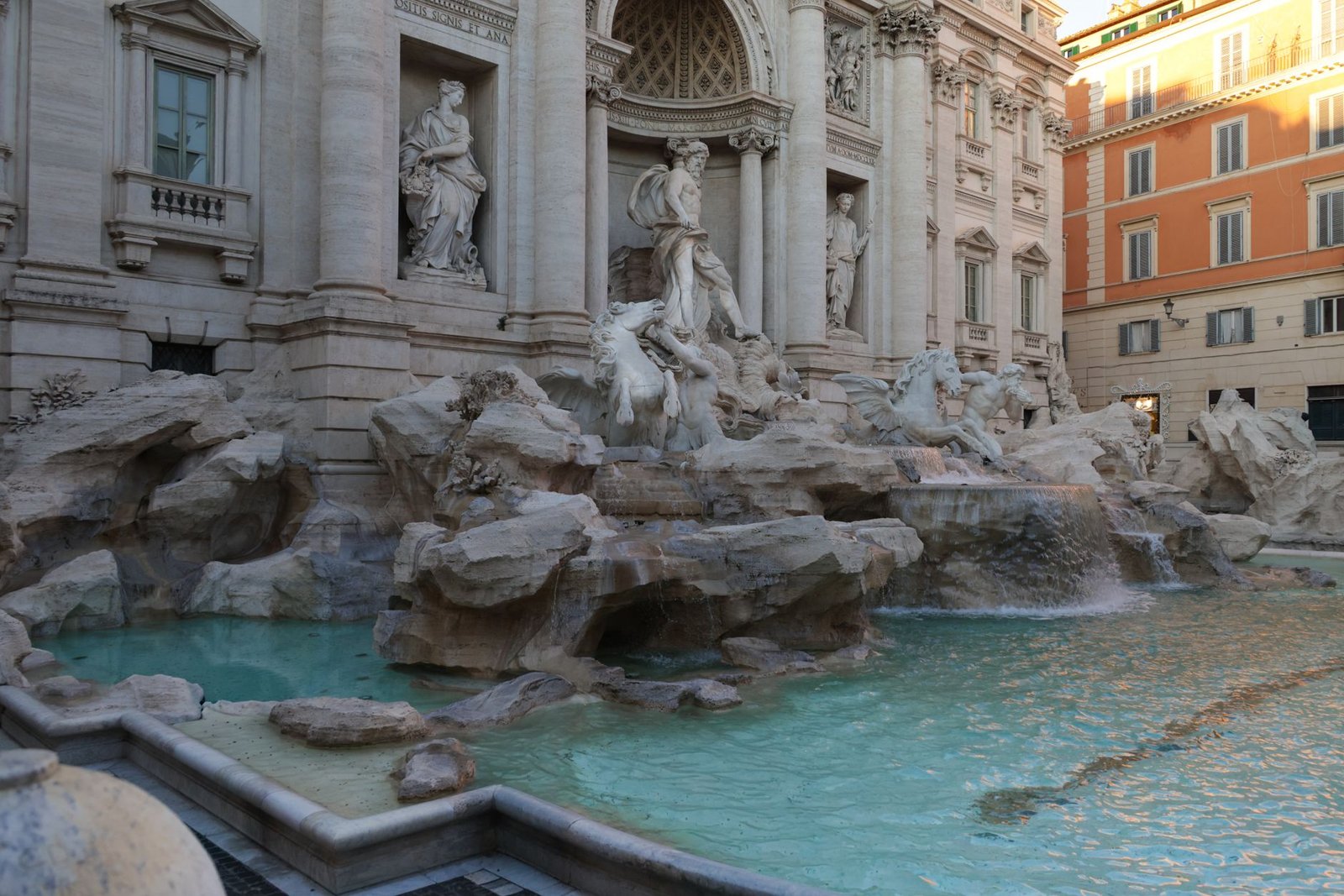
The Trevi Fountain is a must-see, day or night — the tradition of tossing a coin over your shoulder, back to the fountain, supposedly guarantees your return to Rome. Piazza Navona, with its baroque fountains by Bernini, and the Spanish Steps at Piazza di Spagna, complete the classic piazza circuit.
The Pantheon, with its unreinforced concrete dome that remains the largest of its kind in the world nearly two thousand years later, often gets shortchanged on rushed itineraries — it’s worth taking the time to look up at the central oculus, the opening at the top that naturally illuminates the entire interior.
Where to stay in Rome
| Hotel | Rating | |
|---|---|---|
| G55 Design HotelHistoric centre · On Via del Gesù, 55 | 8,2649 reviews | See prices |
| Hotel BarrettHistoric centre · On Via di Torre Argentina, 47 | 8,62.764 reviews | See prices |
| Horti 14 Borgo Trastevere HotelTrastevere · Garden and bar; on Via di San Francesco di Sales, 14 | 9,11.636 reviews | See prices |
| Hotel San FrancescoTrastevere · 300 m from the Porta Portese market | 8,2563 reviews | See prices |
| Central Lodge HotelMonti / Termini · On Via Buonarroti, 19 | 8,71.277 reviews | See prices |
| Hotel FioriMonti / Termini · 750 m from Cavour metro station | 8,81.202 reviews | See prices |
| The B PlacePrati / Borgo · 150 m on foot from Lepanto metro station | 8,11.575 reviews | See prices |
| Hotel MetropolisPrati / Borgo · 200 m from Lepanto metro station | 8,5547 reviews | See prices |
Booking.com rating on 30/09/2026
More monuments: Castel Sant’Angelo and the Baths of Caracalla
Castel Sant’Angelo, on the banks of the Tiber and just minutes from the Vatican, served as a mausoleum for Roman emperors before becoming a fortress and papal refuge — climbing to its terrace rewards you with one of the most complete views over the city, with St. Peter’s dome on one side and the historic center on the other. The Baths of Caracalla, less crowded than the Colosseum but equally impressive in scale, show just how massive the public bathing complexes of Imperial Rome were — a great pick for anyone who’s already done the classic circuit and wants something with shorter lines.
Trastevere and life beyond the classic route
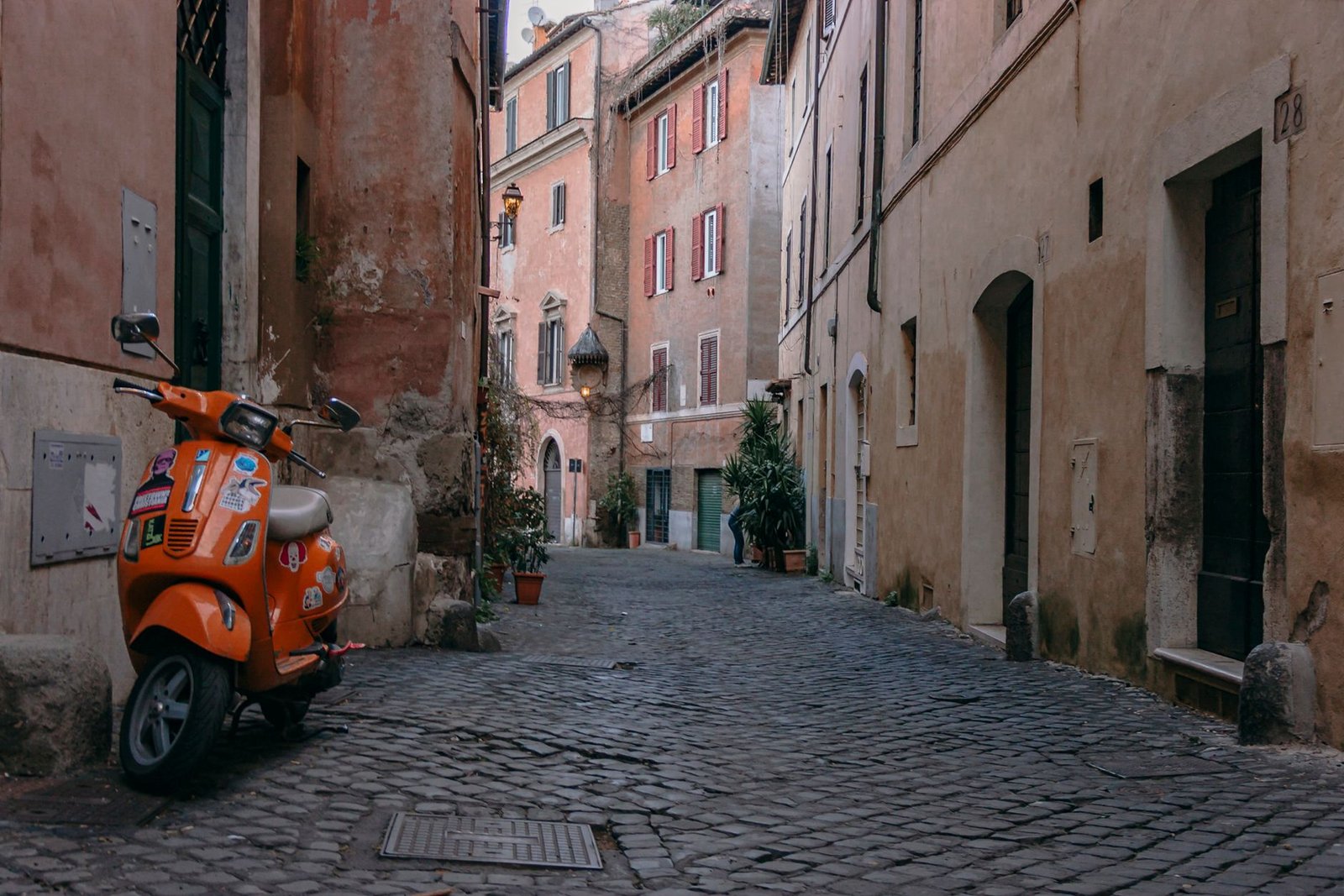
Trastevere, on the other side of the Tiber, is where Rome shows its less “postcard” and more lived-in side — cobblestone streets, laundry hanging from windows, and a nightlife scene concentrated in traditional bars and trattorias. It’s also where many Romans themselves recommend eating, far from the tourist traps of the Centro Storico.
Getting around Rome
Rome’s historic center is mostly flat and walkable — most major sights are within 15–20 minutes of each other on foot, and walking remains the best way to catch the details that only show up on side streets. For longer trips, the metro has just two central lines (A and B, which cross at Termini station), far more limited than in other European capitals — but enough for most tourist journeys.
Buses cover a lot of the metro’s gaps, though Rome’s traffic can make journeys unpredictable during rush hour. Taxis are plentiful, but it’s worth hailing them only at official stands or booking through an app, avoiding anyone who approaches you spontaneously near stations and attractions — a common overcharging scam in the center.
Where to eat in Rome
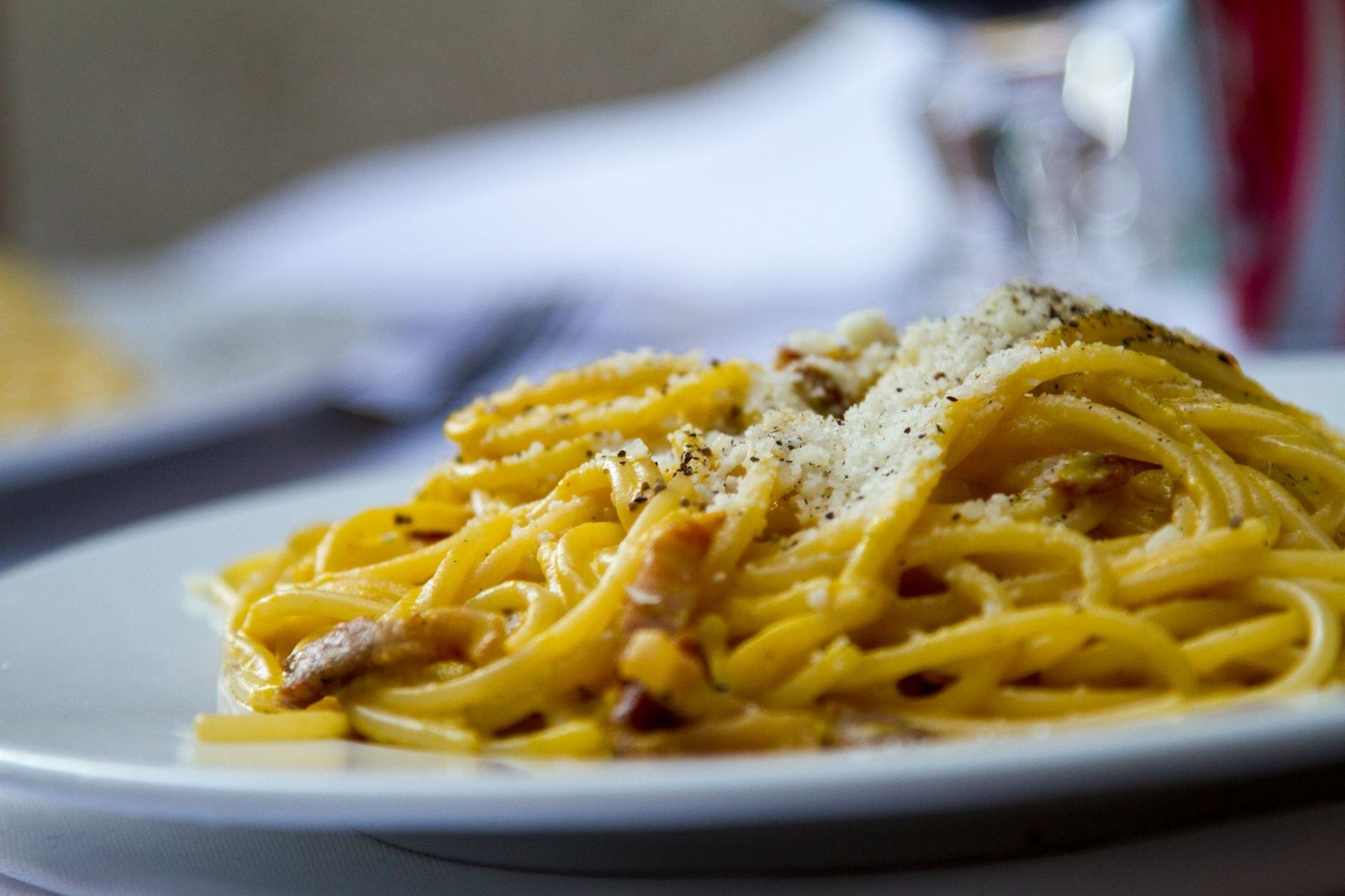
Roman cuisine has four pasta dishes that define much of the city: carbonara (egg, guanciale, pecorino, and pepper — no cream, unlike what many places outside Italy do), cacio e pepe (pecorino cheese and black pepper, simple and nearly impossible to get right outside Rome), amatriciana (tomato and guanciale), and gricia, the “carbonara without the egg.” It’s worth avoiding restaurants with menus in seven languages and huge photos on the facade near the main attractions — they’re usually the priciest and the least representative of local cooking.
The aperitivo ritual is also worth experiencing: in the late afternoon, bars serve snacks included in the price of a drink, a custom that works almost like a light dinner before the real one. Wines from the Lazio region, like Frascati, show up on nearly every wine list at far more accessible prices than imported labels.
For a quick bite, the supplì (a fried rice ball stuffed with tomato sauce and mozzarella) is Rome’s answer to street food, sold at nearly every bakery. And no visit to Rome is complete without at least one gelato — go for gelaterias with visible in-house production (gelaterie artigianali) over the ones displaying towering, overly colorful mounds of ice cream above the counter, usually a sign of industrial product.
Day trips from Rome
If you have extra days, Rome is one of Italy’s best bases for day trips. Pompeii, the archaeological site buried by the eruption of Mount Vesuvius in 79 AD, is about two and a half hours away and is often paired with a stop in Sorrento, on the Gulf of Naples. The Amalfi Coast, with villages like Positano and Amalfi clinging to colorful cliffs above the sea, takes a full day of travel, but many travelers consider it the most beautiful coastline in Italy.
If you prefer art and architecture over the coast, Florence — about 1.5 hours by high-speed train — packs in the Duomo, the Uffizi Gallery, and the Ponte Vecchio, and is often visited together with Pisa and its leaning tower.
Before you go: quick checklist
- ✓ Best time to visit: April–June or September (mild weather, fewer extremes of crowds or heat)
- ✓ Plan at least 4 days to cover Ancient Rome, the Vatican, and the historic center at a relaxed pace
- ✓ Book Colosseum and Vatican Museums tickets in advance — time slots sell out in high season
- ✓ Language: Italian — English is widely spoken in tourist areas
- ✓ Currency: euro — many small bars and markets still prefer cash
- ✓ Getting around: the historic center is mostly walkable; the metro (lines A and B) covers longer trips
Quick questions
Do I need a visa to visit Italy? Brazilians don’t need a visa for tourist stays of up to 90 days in the Schengen area.
Is it worth buying a combined Colosseum + Vatican ticket? There’s no single official combo — they’re run by different box offices — but it’s worth buying each ticket separately well in advance.
How many days do I need to see Rome? Four days cover the essentials without rushing; a week lets you add day trips like Pompeii or the Amalfi Coast.
It’s worth setting aside at least one morning or afternoon with no fixed plan — just to get lost in the alleys between the Centro Storico and Trastevere, with no rush to get anywhere specific. It’s usually in that “unplanned” time that you find the best trattoria, the quietest piazza, the view no one recommended.
Rome isn’t a city you “finish” — it’s a city you revisit, each time discovering a church with no line, a trattoria with no sign on the facade, a view that wasn’t on any ready-made itinerary. First-timers usually leave with the exact opposite feeling of most trips: that there’s still so much left to see, and that’s a good thing.
To extend a trip through Italy, also compare the best bases for exploring Cinque Terre.
 HotelAs soon as you have datesCompare neighbourhoods and guest ratings.See hotels ↑
- More activitiesTo compareTickets, day trips and tours with flexible cancellation.GetYourGuide ›