 Marcelo Oliveira
São Paulo in 3 days requires less rushing than it seems. The city is massive, but it gets much simpler when you organize your sightseeing by zone: Paulista and Jardins on one day, Centro and Liberdade on another, Ibirapuera and Pinheiros on the third. This way, you’ll have time for museums, great food, and walks without turning your trip into a traffic marathon.
Hotels in São Paulofree cancellation options onlySee hotels ›Booking.com partner (advertising): we may earn a commission at no extra cost to you.
For a first-time visit to São Paulo, set aside three days and group attractions by neighborhood. Use the metro along the Paulista–Centro–Liberdade axis, choose a hotel near a station, and leave some buffer time for exhibitions, restaurants, and weather changes. The city rewards those who trade an endless checklist for an itinerary with breathing room.
Getting to and around São Paulo
If you’re flying into Congonhas, you’ll be close to Moema, Vila Mariana, and Paulista; Guarulhos is farther out and deserves some planning before you schedule your first visit. For tourist routes, the metro and integrated trains are usually the most predictable choice, while ride-hailing apps work best at night or outside the corridors served by rail.
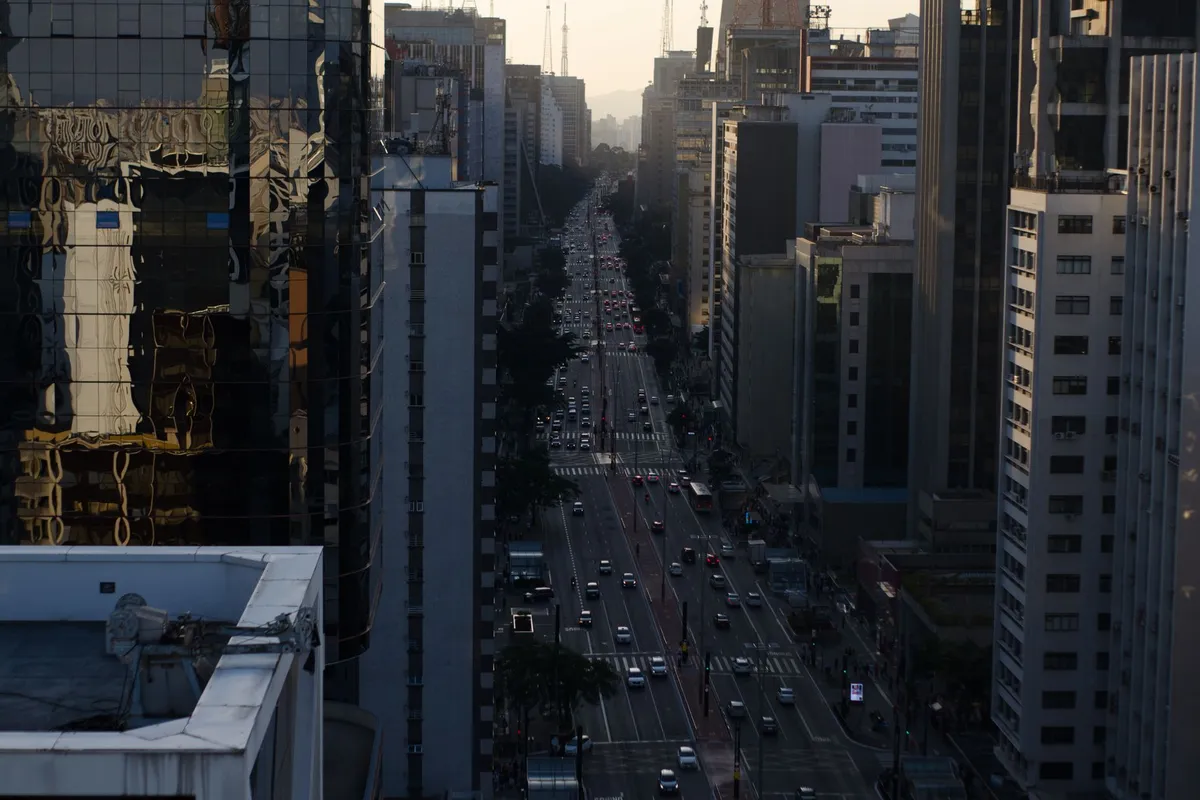
Download an offline map, check the official Metro trip planner before heading out, and avoid crossing the city during rush hour. The TurisMetrô and Bilhete Único cards help if you plan to use the network repeatedly; fares, integration, and schedules can change, so confirm on the official channel during the week of your trip.
A good rule of thumb is to pick just one zone per period of the day. Paulista, Jardins, and Pinheiros connect well with each other; Centro, Luz, and Liberdade form another cluster; Ibirapuera, Moema, and Vila Mariana make up a third. This approach works better than trying to squeeze ten spots onto the same map.
From Guarulhos Airport, check the available combination of train, executive bus, and ride-hailing app based on your arrival time and hotel location. From Congonhas, the ride to Moema or Paulista is usually more direct, but travel time varies a lot on weekdays. If you arrive late, prioritize door-to-door transport and leave your first sightseeing for the next morning.
Within the city, don’t treat the metro as a promise of instant travel: it avoids most of the traffic, but transfers and walks to the attraction still count. Note the return station before entering a museum or park, especially if your plan includes dinner in another neighborhood. This small bit of preparation keeps you from hunting for a route at the busiest moment of the day.
Best time to visit and how long to stay
São Paulo works year-round, but the experience changes with the rain and the cultural calendar. Fall and spring are comfortable for walking; winter usually brings cooler nights and a packed food scene; in summer, plan museums and cafés for rainy afternoons.
Three full days give you a well-rounded first impression. With just a weekend, prioritize Paulista, Centro, and Liberdade; with four or five days, add neighborhoods like Vila Madalena, Mooca, Santa Cecília, or catch a soccer game, show, or exhibition that coincides with your dates.
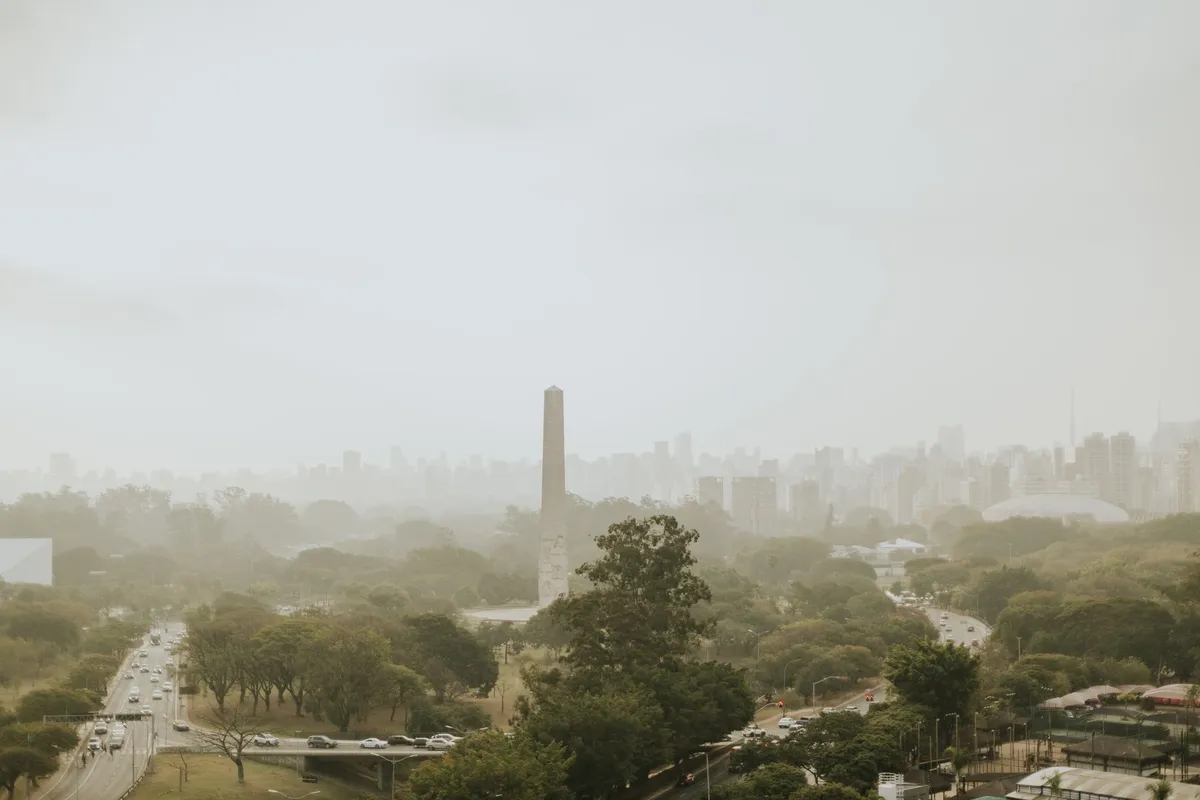
Before planning your day, check the museums’ websites: exhibitions, hours, and free admission days vary. The Municipal Tourism Department compiles updated information and itineraries, especially useful on holidays and weekends.
What to see in São Paulo in 3 days
The best São Paulo 3-day itinerary alternates art, history, parks, and great food. Don’t try to visit every museum: pick one or two that speak to you and use the rest of your time to soak in the neighborhoods, which is where the city truly reveals itself.
Day 1: Avenida Paulista, MASP, and Jardins
Start on Avenida Paulista, stopping by Casa das Rosas, Japan House, and Itaú Cultural depending on what’s on. The Museu de Arte de São Paulo Assis Chateaubriand (MASP) is the main landmark of the stretch; afterwards, cross over to Parque Trianon or wander the streets of Jardins. To end the day, head down to Pinheiros for dinner.
Day 2: Historic Center and Liberdade
Get an early start in the Historic Center to walk between Pátio do Colégio, Mosteiro de São Bento, Theatro Municipal, and Vale do Anhangabaú. The Pinacoteca, in Luz, deserves its own dedicated time; then, take the metro to Liberdade and turn the late afternoon into a stroll through shops, markets, and restaurants.
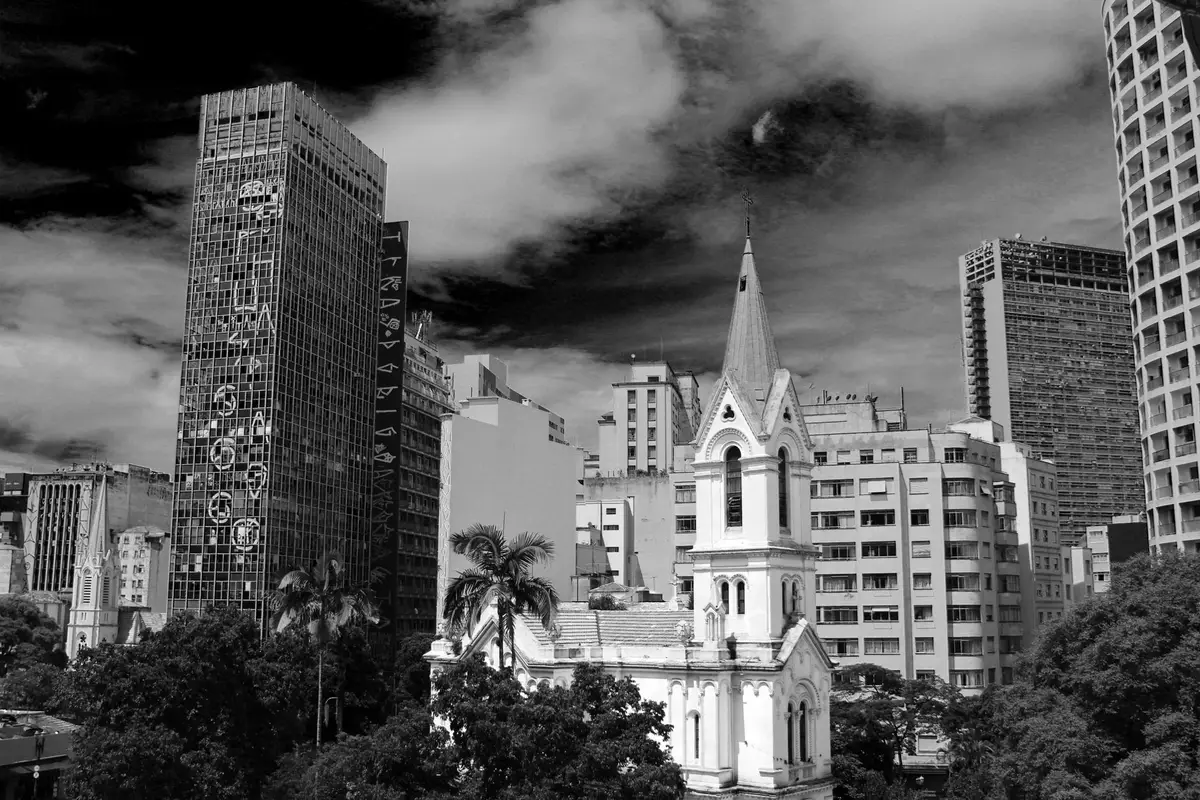
The Centro requires the normal urban awareness of any metropolis: keep your phone and documents secure, stick to busy streets, and at night, use door-to-door transport. Visiting early, with a set route, makes this day lighter and more rewarding.
If you’d like to swap one of the Centro’s stops, the Museu do Futebol, in Pacaembu, is a particularly great choice for fans of Brazilian sports; the Museu da Imigração, in Mooca, broadens the trip beyond the obvious attractions. Don’t try to fit both into the same day without a reason: the experience is better when you pick a theme and explore it at a relaxed pace.
Day 3: Ibirapuera, Vila Madalena, and Pinheiros
Reserve the morning for Parque Ibirapuera and choose a museum or pavilion that’s open on your date. Afterwards, wander through Vila Madalena, hunt for the graffiti at Beco do Batman, and finish in Pinheiros, a neighborhood where markets, bars, and creative kitchens are just a few blocks apart.
Tours to combine with your itinerary
To understand how the city was built without wasting time figuring out streets and context, a guided tour of the Centro can fit nicely into your second day. The free tour of São Paulo’s Historic Center is a useful option for those who want to walk with explanations about the buildings and the layers of the area.
 Partner · Civitatissee all activities in São Paulo ›
Day Trip to Santos, Sao Vicente and Guarujá
Rating 9.3 · 168 reviews on Civitatis
- Vila Madalena Art Tour & Pub CrawlRating 9.7 · 77 reviews on Civitatisfrom€34.81per personSee ›
- Sao Roque Day TripRating 9.6 · 29 reviews on Civitatisfrom€106.97per personSee ›
- Day Trip to Campos do JordãoRating 9.2 · 215 reviews on Civitatisfrom€99.84per personSee ›
- Higienópolis Neighborhood Guided TourRating 10 · 1 reviews on Civitatisfrom€27.07per personSee ›
Civitatis prices on 28/09/2026, from, per person. They may change. Want to compare? Activities in São Paulo on GetYourGuide ›
If you prefer to plan everything on your own, leave one morning unscheduled. São Paulo’s rhythm shifts with temporary exhibitions, fairs, soccer, theater, and concerts; this buffer lets you choose something that’s actually happening on your dates.
Where to eat: pick a neighborhood, not a list
São Paulo is a culinary journey in its own right. In Liberdade, seek out Japanese, Chinese, and Korean markets and restaurants; in Bixiga, Italian tradition; in Pinheiros, contemporary spots and bars; in Mooca, family-style cantinas and heartfelt recipes. As for Mercadão, go in knowing it’s a tourist stop: if you want to eat at a leisurely pace, research the specific spot beforehand.
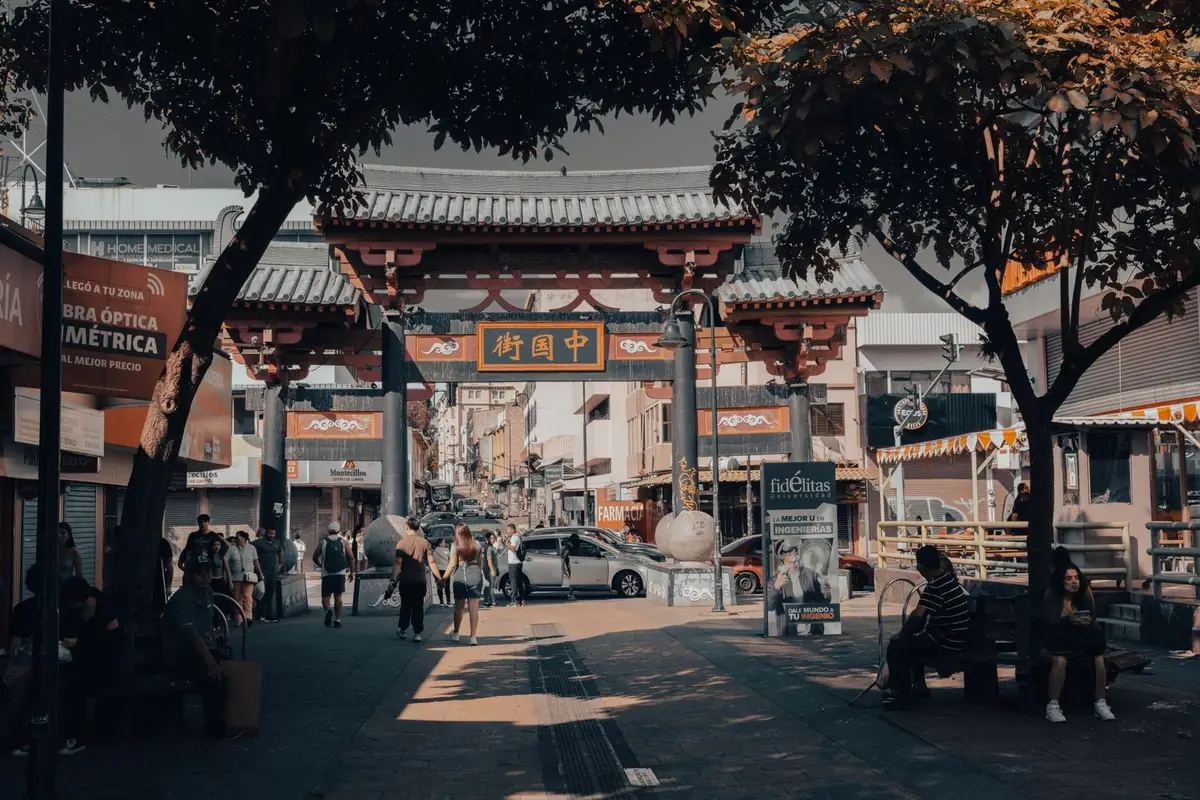
Make a reservation when the restaurant is the night’s main event, and use your other meals to explore the neighborhood. This is a city where a local café can be just as rewarding as a famous address.
To avoid crossing the city just for a table, decide which neighborhood you’ll be in at the end of each day and find an option there that fits your budget. Lunch near the attraction and dinner near the hotel also make the itinerary more enjoyable and less dependent on traffic.
Where to Stay in São Paulo Without Wasting Time
For a first trip, Paulista, Paraíso, Vila Mariana, Jardins, Pinheiros, and Vila Madalena are usually practical bases because they combine metro access, restaurants, and shorter commutes. If you’re coming for events, prioritize proximity to the venue; if you’re watching your budget, calculate the trip to the nearest station rather than just comparing nightly rates.
Avoid choosing accommodation based only on the city’s geographic center. Being just minutes from a reliable station is worth more than saving a quick ride on the map. Check recent reviews, check-in times, and the nighttime route between the station and the hotel.
Where to stay in São Paulo
| Hotel | Rating | |
|---|---|---|
| Hotel Trianon PaulistaAvenida Paulista · On Alameda Casa Branca, about 400 m from Trianon-Masp station | 8,74.304 reviews | See prices |
| Vila Galé PaulistaAvenida Paulista · On Rua Bela Cintra, a few blocks from Avenida Paulista | 8,71.445 reviews | See prices |
| Transamerica Executive PaulistaAvenida Paulista · On Rua São Carlos do Pinhal, one block from Av. Paulista | 8,62.044 reviews | See prices |
| Radisson São Paulo PaulistaAvenida Paulista · On Alameda Santos, between Brigadeiro and Paraíso stations | 8,22.230 reviews | See prices |
| Estanplaza PaulistaJardins · On Alameda Jaú, in Jardim Paulista | 8,32.757 reviews | See prices |
| Renaissance São Paulo HotelJardins · On Alameda Santos, one block from Avenida Paulista | 9,11.275 reviews | See prices |
| Radisson Oscar FreireJardins · On Rua da Consolação, near Oscar Freire | 8,31.745 reviews | See prices |
| TRYP by Wyndham São Paulo Paulista ParaísoParaíso and Vila Mariana · On Rua Afonso de Freitas, near Paraíso station | 8,83.540 reviews | See prices |
| Paraíso Suítes by CharlieParaíso and Vila Mariana · On Rua Apeninos, near Paraíso station; budget option | 8,53.909 reviews | See prices |
Booking.com rating on 30/09/2026
Practical Tips to Make the Most of Your Trip
Bring a light layer even on warm days, carry a water bottle, and wear comfortable walking shoes. Schedule museums and meals at realistic times; the distance between two neighborhoods may look small, but traffic changes the equation.
Use the city guides on Voyage Voyage to compare how São Paulo’s pace differs from destinations like Belém, Aracaju, and Blumenau. In São Paulo, choosing a solid base and sticking to a few zones per day is what turns logistics into a real trip.
 HotelAs soon as you have datesCompare neighbourhoods and guest ratings.See hotels ↑
- ActivitiesBefore you travelBook ahead the ones with limited spots.Civitatis ›
 More activitiesTo compareTickets, day trips and tours with flexible cancellation.GetYourGuide ›
Frequently Asked Questions
How many days are ideal to explore São Paulo?
Three full days are ideal for a first visit to São Paulo: enough time to see Paulista, the Center, Liberdade, and Ibirapuera without relying on long rides between neighborhoods. With two days, narrow your itinerary to two main zones.
What’s the best area to stay in São Paulo?
Paulista, Paraíso, Vila Mariana, Jardins, Pinheiros, and Vila Madalena are great areas to stay in São Paulo because they have metro access, services, and easier routes to the main attractions.
Is it possible to explore São Paulo by metro?
Yes, you can explore a large part of São Paulo by metro and train, especially Paulista, the Center, Luz, Liberdade, and nearby connections. Check the official schedule on the day, as times and services may change.
What shouldn’t you miss on a first trip to São Paulo?
On a first trip to São Paulo, make sure to include Avenida Paulista and MASP, the Historic Center, Liberdade, Ibirapuera Park, and a meal in Pinheiros or another foodie neighborhood that suits your style.
Conclusion
São Paulo can’t be fully explored in a weekend — and that’s exactly the charm. Pick a good base, cross the city less, and leave room to discover what happens along the way. On Voyage Voyage, you’ll find more ideas to keep traveling through Brazil with an itinerary that’s actually doable, not just pretty on paper.