Things to do in Aracaju revolve around three things: urban beaches with calm waters, a 6 km boardwalk that’s a benchmark of urbanism in Brazil, and boat trips along the rivers that surround the city. It’s a destination that makes for a relaxing weekend or even 4 days if you want to extend your trip to the southern coast of Sergipe.
Aracaju brings together urban beaches with calm waters, the 6 km Atalaia boardwalk, a 19th-century historic center, and boat trips to the Croa do Goré — you can see the essentials in 2 days and stretch it to 4 if you want to include the mangroves and the neighboring beaches of Sergipe’s southern coast.
Getting to Aracaju
Aracaju International Airport (Santa Maria, code AJU) is about 12 km from the center and receives direct flights from São Paulo, Rio de Janeiro, Salvador, and Recife. From the airport to the Atalaia boardwalk, where most hotels are concentrated, the taxi or rideshare trip takes between 20 and 30 minutes, depending on traffic.

If you’re driving along the BR-101, the route is well-signposted from Salvador (about 5 hours) or Maceió (2.5 hours), according to the Aracaju city tourism portal. Within the city, the main attractions are just minutes apart by taxi or rideshare; city buses also cover the boardwalk, but wait times are longer outside peak hours.
Best time to visit and how long to stay
Aracaju has warm weather year-round, with rain concentrated between April and July. The driest, sunniest months run from September to March, a period that also coincides with high season and higher accommodation prices, especially in December, January, and around New Year’s Eve.
Two days already cover the Atalaia boardwalk and the historic center. With 4 days, you can add a boat trip along the Sergipe and Poxim rivers, plus another southern coast beach like Praia do Saco.
What to see in Aracaju
The Atalaia boardwalk concentrates most of the attractions: a 6 km promenade, bike path, an aquarium run by the Tamar Project, the Passarela do Caranguejo (Crab Walkway), and the Arcos (Arches), the city’s most photographed symbol.
Atalaia boardwalk and the Arcos
The Arcos da Orla de Atalaia mark the entrance to the busiest stretch of the boardwalk and are Aracaju’s most classic photo spot. Around them, you’ll find skate parks, sports courts, playgrounds, and outdoor gyms — it’s worth a walk in the late afternoon when the heat eases up.
Aracaju Oceanarium
Run by the Tamar Project, the Oceanarium features tanks with fish, sea turtles, and other species from the Sergipe coast. It’s a quick stop, about an hour, and works well for families with kids.
Historic center and Museu da Gente Sergipana
Aracaju’s center holds the Palácio-Museu Olímpio Campos, the Metropolitan Cathedral, and the municipal markets, all just a few blocks apart. The Museu da Gente Sergipana, housed in a restored market building, tells the state’s story in an interactive way and is a must-stop for anyone into local culture. The area is best visited in the morning when the shops are open.
The Palácio-Museu Olímpio Campos served as the state government headquarters until the 1990s and today displays original furniture, period portraits, and halls that give a great sense of early 20th-century Aracaju. Visits are guided and free, with times concentrated in the morning — it’s worth confirming opening hours before you go, since the palace closes for official events fairly often.
Croa do Goré
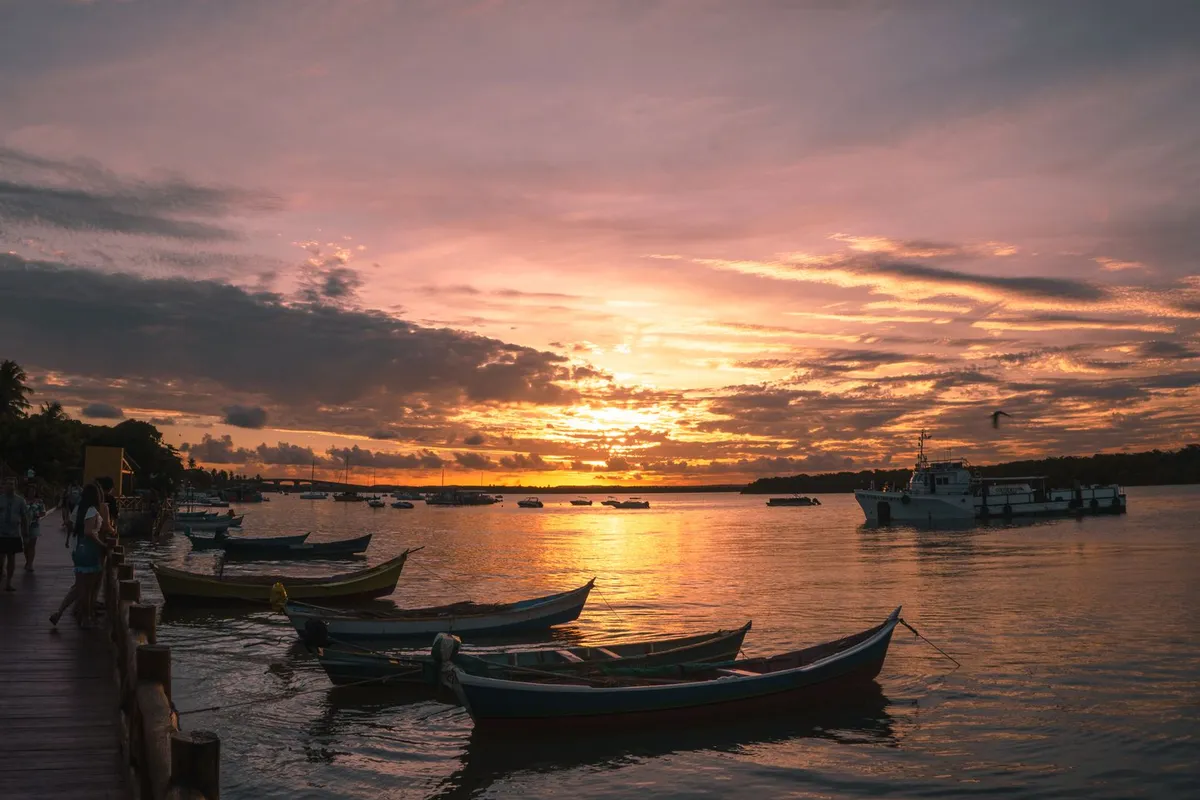
A sandbank that only appears at low tide, reachable by boat tour from the center. It’s one of the most popular outings among locals on weekends, with support stalls set up on the sand during favorable tides. You can book the boat trip to the Croa do Goré with guaranteed departure and a Portuguese-speaking guide.
The trip to the Croa do Goré takes about 20 minutes by boat from the pier near the Municipal Market, crossing the Sergipe River. On the island, the setup is simple — stalls set up tables and chairs on the sand while the tide stays low, serving fried fish, shrimp, and ice-cold drinks until the water starts to rise and it’s time to head back.
What to pair with Aracaju
Aracaju works well as a base for exploring Sergipe’s southern coast, with beaches like Praia do Saco and Ilha do Paraíso, or as a 2- to 3-day stop on a larger Northeast Brazil itinerary between Recife and Salvador. If you’re driving, you can also tack on the São Francisco River canyon on the border with Alagoas.
Another common option for visitors is a day trip to the Xingó Canyon, about 3 hours by car from the center, with a speedboat stretch between rock walls that reach up to 60 meters (about 200 feet) high. It’s a more demanding outing, best fit when your stay goes beyond 3 days, since it requires an early start and a late return.
For those interested in colonial history, the city of São Cristóvão, Sergipe’s first capital and Brazil’s fourth-oldest city, is about 25 km from Aracaju and holds well-preserved 17th-century churches and mansions — you can visit in half a day by car or rideshare.
Where to eat in Aracaju
Fish or shrimp moqueca and crab are the most sought-after dishes for visitors. The Passarela do Caranguejo, on the Atalaia boardwalk, gathers several seafood-focused restaurants with tables facing the promenade.
Beyond moqueca, it’s worth trying bobó de camarão (shrimp in a creamy cassava stew) and casquinha de siri (stuffed crab shell), traditional Sergipe dishes that appear on most menus along the Passarela. If you prefer a more casual dinner, you’ll find a good selection of grilled fish and pay-by-weight seafood at popular restaurants outside the tourist circuit, at considerably lower prices.

For those who prefer more casual settings, the municipal markets downtown serve tapioca and regional snacks during the day, at prices well below the beachfront restaurants. It’s worth setting aside a morning for the guided tour of the markets and the Museu da Gente Sergipana, which combines food with local history.
Where to Stay in Aracaju
Orla de Atalaia is the most practical area for lodging, with chain hotels, guesthouses, and vacation rentals just a few minutes’ walk from the beach and the boardwalk. Those seeking more peace and quiet might consider Praia de Aruana, a bit further from the tourist center and with equally calm waters.
Travelers who prioritize nightlife and proximity to restaurants usually prefer the blocks between the Arcos and the Passarela do Caranguejo, where most bars are within walking distance of any stay. Families looking for a calmer routine with less noise at night, on the other hand, tend to do better closer to Praia de Aruana or Coroa do Meio, a residential neighborhood with a good selection of apartment-hotels and slightly lower prices than the main waterfront.
Practical Tips
The trip to Croa do Goré depends on low tide — check the tide table for the day before booking your boat, since the sandbar disappears at high tide.
Bring sunscreen and a hat: much of the waterfront has little shade during the hottest hours, between 11am and 3pm. To get your bearings before the trip, it’s worth checking the official beach map on the Aracaju city government website.
Ride-hailing apps are the most reliable way to get between the waterfront and downtown, since traffic tends to snarl in the late afternoon on the avenues leading to Atalaia. If you’re renting a car, book ahead: the selection at the airport is smaller than in bigger capitals, and prices climb significantly in high season.
Another classic combo on the Northeast coast is heading into Bahia to explore Arraial d’Ajuda, with its cliff-lined beaches and one of the liveliest nightlife scenes on the Costa do Descobrimento.
Frequently Asked Questions
How many days are ideal for visiting Aracaju?
Two days cover Orla de Atalaia and Aracaju’s historic center. With 4 days, you can add a boat tour along the city’s rivers and a beach on the southern coast, like Praia do Saco.
What’s the best beach in Aracaju?
Praia de Atalaia is the most complete, with a boardwalk, bike path, and plenty of bars. Those seeking more tranquility prefer Praia de Aruana, with the same calm sea and fewer crowds.
Is Aracaju an expensive city to travel to?
Aracaju tends to have more affordable lodging and dining prices than other Northeast capitals, except during high season (December to March) and New Year’s Eve, when rates climb considerably.
How do you get to Croa do Goré?
Croa do Goré is reached by boat tour booked in central Aracaju, near the Mercado Municipal. Access depends on low tide, so it’s worth confirming the time before you head out.
Conclusion
Aracaju delivers calm beaches, seafood-centric cuisine, and a well-structured boardwalk without the hustle and bustle of other Northeast capitals. For more beach and city itineraries in the Northeast, keep exploring the Recife guide and the Maragogi itinerary here on voyage.