Things to do in Belém do Pará revolve around the Ver-o-Peso Market, one of the largest open-air markets in Latin America, Amazonian cuisine featuring real açaí and duck in tucupi, and boat rides to Combu Island. Two days cover the historic center; with 3 to 4 days, you can include the island and explore the city at a relaxed pace.
Belém brings together the Ver-o-Peso Market, a UNESCO-listed site and one of the 7 Wonders of Brazil, the Feliz Lusitânia Complex with the Sé Cathedral and Forte do Presépio, and Combu Island just 15 minutes away by boat — the ideal is to dedicate 3 to 4 days to explore it all at a comfortable pace.
How to get to Belém
Belém International Airport (Val de Cans, code BEL) is about 10 km from the historic center and receives direct flights from São Paulo, Rio de Janeiro, Brasília, and major cities in the North and Northeast. The trip to neighborhoods like Nazaré or Umarizal takes between 20 and 30 minutes by taxi or ride-hailing app, according to the official Belém city government portal.
Within the city, the historic center is compact and walkable, but the heat and humidity weigh on you throughout the day — taxis or ride-hailing apps are the most practical option for longer stretches, especially between more distant neighborhoods like Nazaré and Cidade Velha.
Best time to visit and how long to stay
Belém has hot, humid weather year-round, with heavy, quick afternoon rains that are more frequent between December and May. The drier months, from June to November, see less rain, but the heat remains intense at any time of year.
October is a standout month on the city’s calendar: the Círio de Nazaré, one of the largest Catholic processions in the world, draws millions of people and fills hotels months in advance. If you’re not specifically interested in the event, you might prefer to avoid this period, as accommodation prices rise significantly and the city gets much busier than usual.
With 2 days, you can see the main sights of the historic center. The ideal, however, is 3 to 4 days — enough time to include an afternoon on Combu Island and explore the city without rushing. With 5 days or more, it’s worth considering a day trip to Marajó Island or Alter do Chão.
What to see in Belém
Belém’s historic center holds most of the city’s tourist attractions: the Ver-o-Peso Market, the Feliz Lusitânia Complex, the Theatro da Paz, and the squares of the Cidade Velha neighborhood, all just a few minutes’ walk from one another.
Ver-o-Peso Market
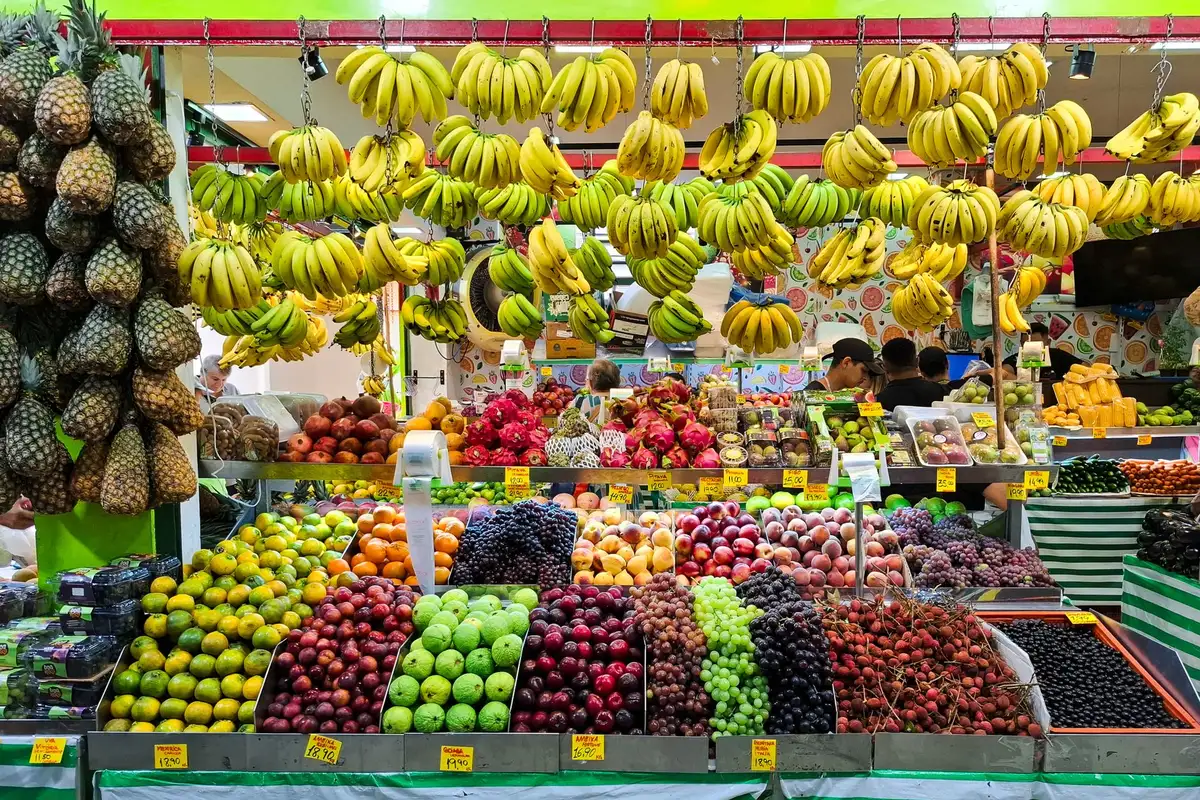
Inaugurated in 1901 and part of a complex dating back to 1625, Ver-o-Peso is one of the largest open-air markets in Latin America and was voted one of the 7 Wonders of Brazil. The market is divided into specialized sections — exotic fruits, fresh Amazonian fish, medicinal herbs, and handicrafts — and the best time to visit is in the morning, between 8 a.m. and 11 a.m., when it’s busiest and the products are freshest.
The Mercado de Ferro area, with its structure imported from Europe in the early 20th century, is where fish is sold and is one of the most photographed spots in the complex, as described in the Wikipedia entry on the Ver-o-Peso Complex. The medicinal herb stalls, near the waterfront, sell everything from plants used in traditional Amazonian medicine to herbal tonics — it’s worth chatting with the vendors, who usually explain the origin and use of each product.
Feliz Lusitânia Complex
This complex includes the Sé Cathedral and Forte do Presépio, the landmark of Belém’s founding in 1616. It’s a well-preserved colonial-era architectural ensemble with views over Guajará Bay, just steps from Ver-o-Peso.
Combu Island
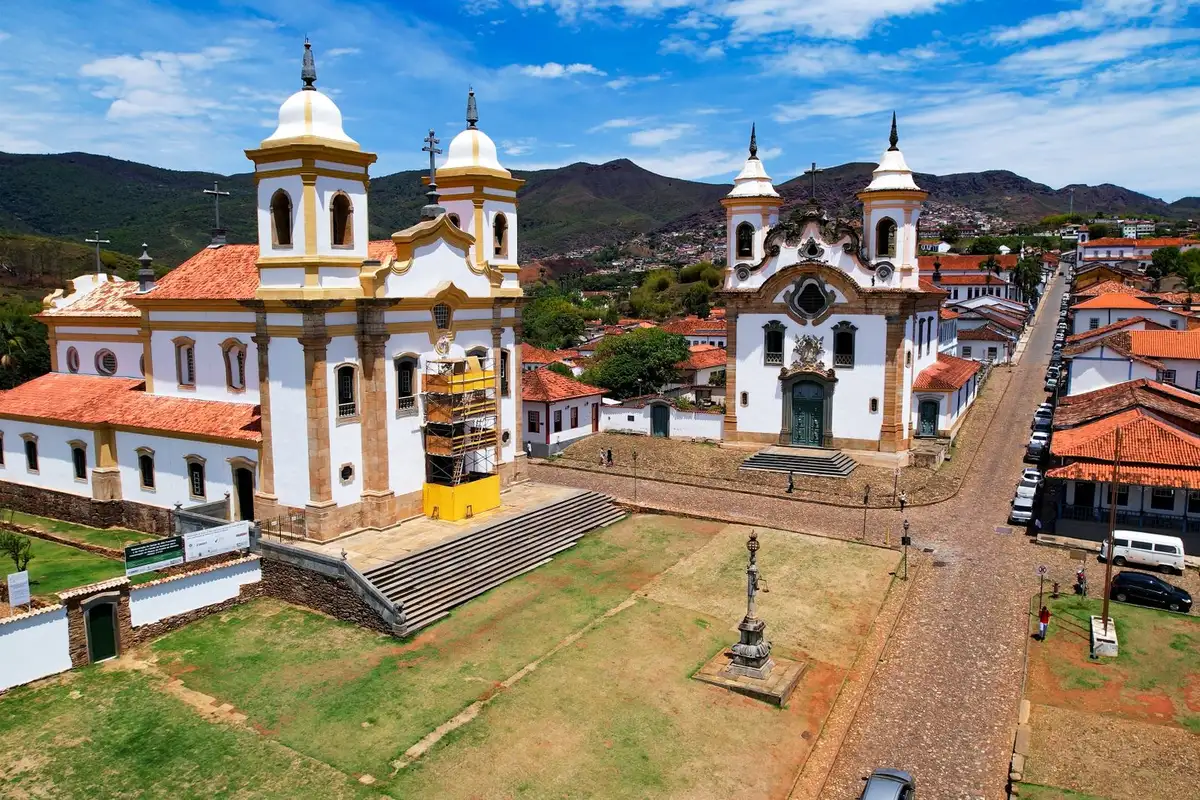
About 15 minutes by boat from the center, Combu Island is known for riverside restaurants like Saldosa Maloca, surrounded by forest and cacao plantations. It’s a half-day outing, best enjoyed over lunch, with the return trip still in daylight. You can book the boat tour to Combu Island with a Portuguese-speaking guide.
Theatro da Paz
A neoclassical theater built in the late 19th century, at the height of the rubber boom. Guided tours show the interior halls and tell the story of the era when Belém rivaled the great European capitals in wealth.
Basílica de Nazaré
A neoclassical church in the Nazaré neighborhood, a smaller-scale replica of the Basilica of Saint Paul Outside the Walls in Rome. It’s the starting and ending point of the Círio de Nazaré in October and draws visitors year-round for its decorated interior and attached museum, which holds objects related to devotion to the saint.
Bosque Rodrigues Alves
A native forest reserve right in the city, with short trails among centuries-old trees and a small zoo. It’s a peaceful stop to escape the heat of the center for an hour or two, without leaving Belém.
What to combine with Belém
Belém works well as a gateway to the Amazon, whether heading to Alter do Chão, a freshwater beach surrounded by forest, or to Marajó Island, the world’s largest river-marine island, known for its buffalo and river beaches. Travelers with 6 days or more often split their trip between the capital and one of these two stops.
Marajó Island is about 3 hours by boat from Belém and is home to buffalo farms, river beaches, and a much slower pace of life than the capital. It’s a destination that needs at least 2 full days, since the journey takes up a good part of the first day of travel.
For those seeking urban beaches within Belém itself, Mosqueiro Island, about 1 hour from the center, has freshwater beaches and makes a full-day outing without leaving the metropolitan region. If you prefer a shorter trip, consider the Icoaraci neighborhood, known for Marajoara pottery, with workshops open to visitors and handicraft shops at better prices than in the touristy center.
Where to eat in Belém
Fried fish with pure açaí and cassava flour is the most-ordered dish at Ver-o-Peso. Other typical dishes include tacacá, served hot in a gourd bowl with tucupi and jambu, duck in tucupi, and maniçoba, known as “Pará-style feijoada” because it takes days to prepare.
Jambu, a herb typical of the region, causes a slight numbness in the mouth and is used in both tacacá and in drinks and snacks served at trendier bars downtown. It’s worth trying at least once, even if the sensation feels strange at first.
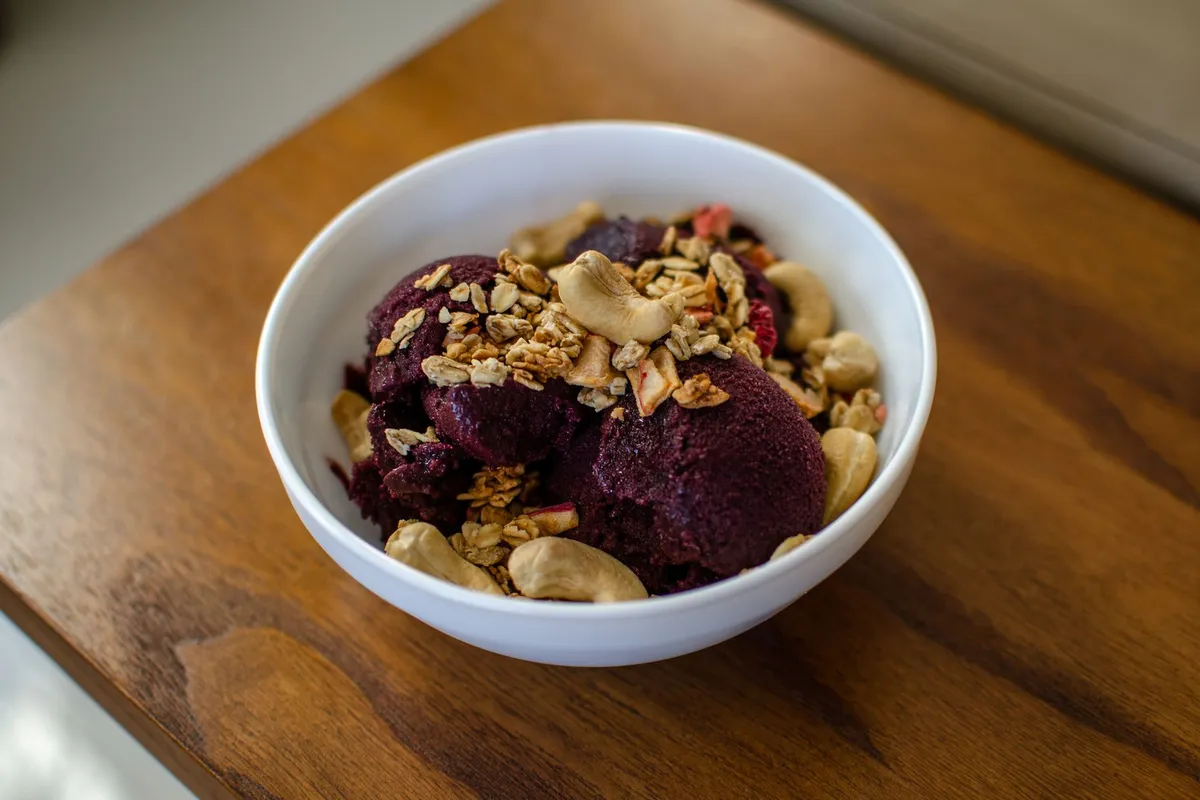
Worth noting: the açaí served in Belém is quite different from what you’ll find elsewhere in Brazil—pure, unsweetened, and served cold, usually alongside fish or shrimp instead of granola and fruit.
Where to Stay in Belém
The neighborhoods of Nazaré, Umarizal, Batista Campos, and Campina offer the best lodging options, with great value for money and easy access to the historic center and restaurants. Cidade Velha, closer to Ver-o-Peso, also has charming guesthouses for those who want to be within walking distance of everything.
Nazaré is the most sought-after neighborhood, thanks to its solid hotel infrastructure, restaurants, and the Basílica de Nazaré, all while being relatively close to the historic center. Umarizal and Batista Campos tend to have slightly more affordable rates, with a good selection of apartment-hotels for longer stays.
Practical Tips
Visit Ver-o-Peso in the morning, between 8am and 11am—that’s when the market is at its liveliest and the produce is freshest, before the afternoon heat kicks in.
Pack a rain jacket or a compact umbrella even during the dry season: rain in Belém tends to be quick but intense, and it can pour at any time of day without much warning.
Light, breathable clothing beats synthetic fabrics here, given the constant heat and humidity. Sunscreen and insect repellent are also worth bringing, especially if you’re planning to add boat trips or trails in the Bosque Rodrigues Alves to your itinerary.
Frequently Asked Questions
How many days are ideal for exploring Belém?
Three to four days is the sweet spot for taking in the historic center at a relaxed pace and squeezing in an afternoon on Ilha do Combu. Two days will cover the main sights, but you’ll have to skip the island.
What’s the best time to visit the Ver-o-Peso Market?
The morning hours, between 8am and 11am, are the best time to visit Ver-o-Peso, when the market is at its busiest and the products—especially fish and fruit—are at their freshest.
What should you eat in Belém?
The most traditional dishes are fried fish with pure açaí and farinha, tacacá, duck in tucupi, and maniçoba. Açaí in Belém is served pure and cold, a far cry from the sweetened version common in the rest of Brazil.
How do you get to Ilha do Combu from Belém?
Ilha do Combu is reached by a short boat crossing from central Belém, taking about 15 minutes. The trip is usually paired with lunch at one of the island’s riverside restaurants.
Conclusion
Belém delivers one of the liveliest markets in Brazil, unique Amazonian cuisine, and boat trips that already feel like a breath of the forest right in the middle of the city. To keep your Amazon journey going, check out the Alter do Chão guide and the Aracaju guide here on voyage.