If you only have one trip to see Italy for the first time, the Rome-Florence-Venice train route is the classic itinerary that wastes the least time: these are cities connected by high-speed trains that take between 1h15 and 2h15 between one and the other, with no need for a car or internal flights. The question for planners isn’t whether you can do all three—you can, easily, in 8 to 10 days—but in what order to go, how many days to set aside for each city, and how to buy tickets without ending up on a bad connection.
Quick answer: the most efficient Rome-Florence-Venice train route follows the order Rome → Florence → Venice, with direct high-speed Frecciarossa or Italo trains. Set aside 4 days in Rome, 2 to 3 in Florence, and 2 to 3 in Venice—8 to 10 days total, with tickets booked 60 to 90 days in advance.
How the train between Rome, Florence, and Venice works
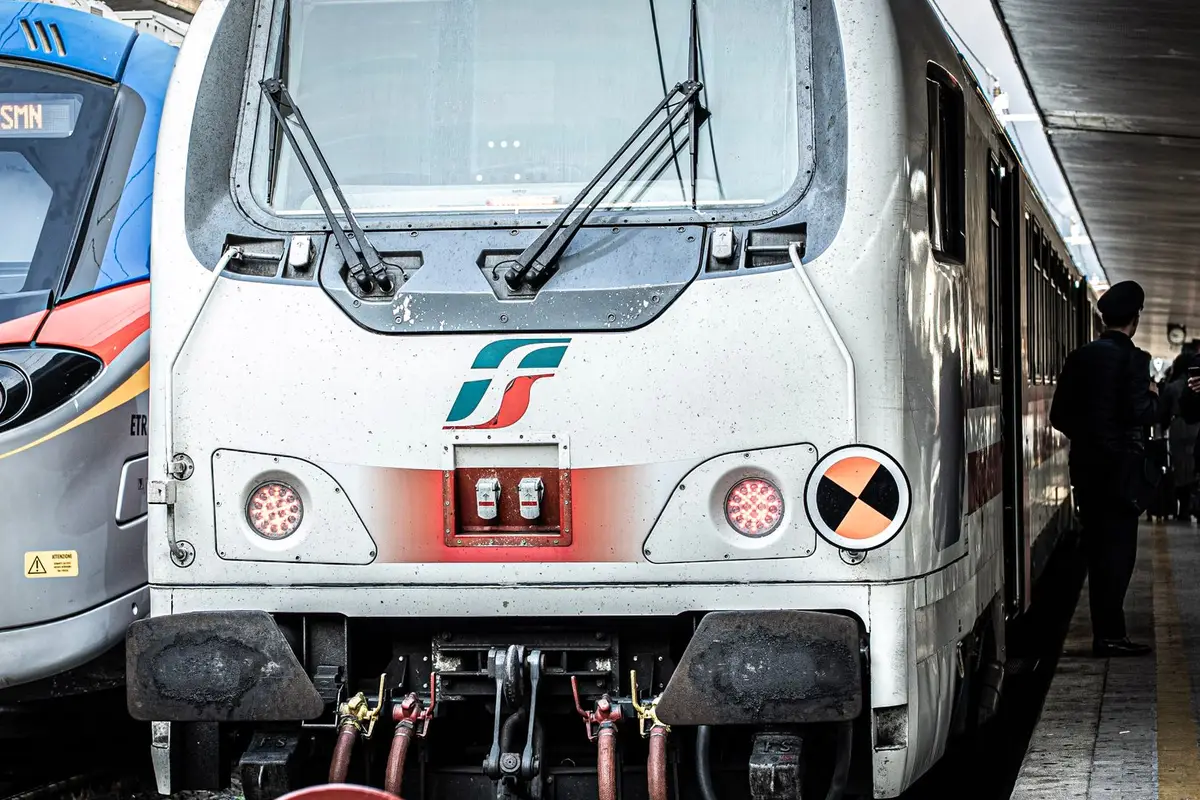
The three cities sit on the same high-speed line that cuts Italy from north to south, operated by two competing companies: state-owned Trenitalia (Frecciarossa and Frecciargento trains) and private Italo. That means competitive prices and plenty of departures every day—this isn’t a rare train that only runs in the morning. In July 2026, the Rome–Florence leg takes 1h17 to 1h40 on a direct high-speed train, versus 3h to 3h30 on a regional or Intercity—the price difference usually makes up for the time saved. Florence–Venice runs between 1h55 and 2h15, and a direct Rome–Venice trip is around 4 hours, but nobody usually does that leg in one go: the logical move is to stop in Florence along the way.
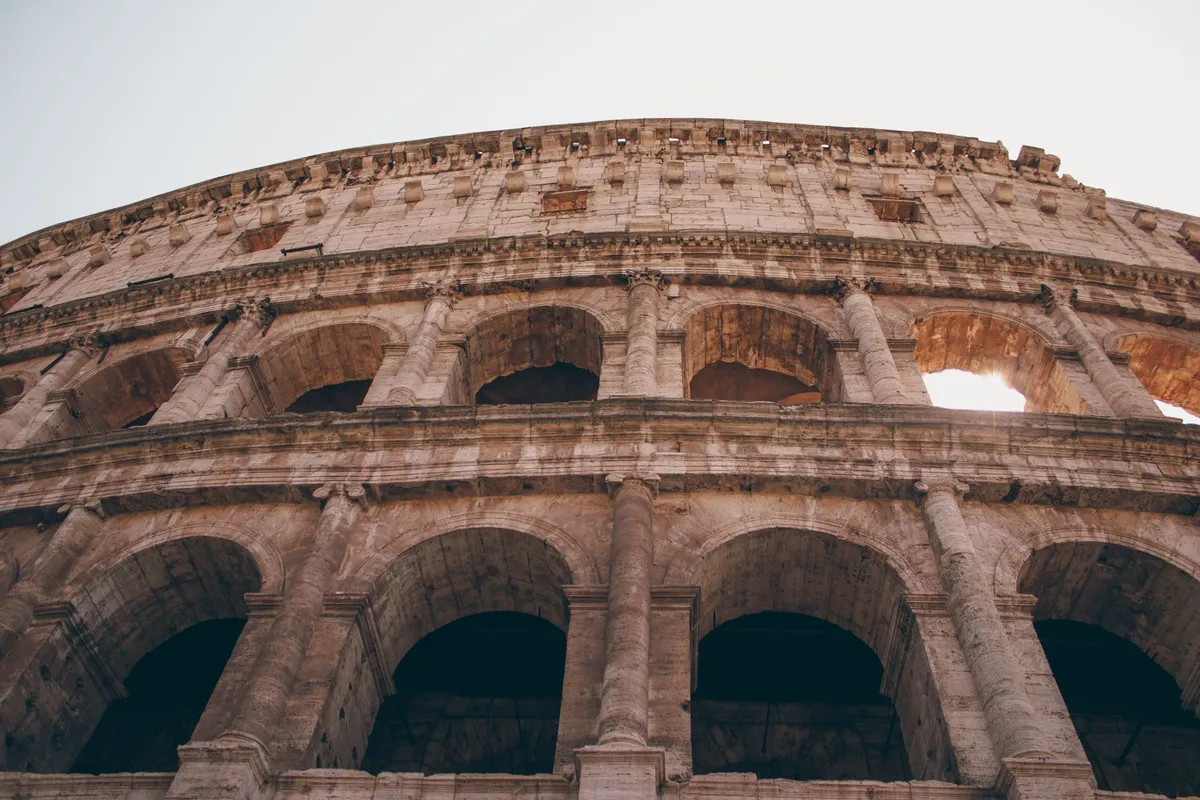
The central stations help too: Roma Termini, Firenze Santa Maria Novella, and Venezia Santa Lucia are all in the historic heart of each city, just a few minutes’ walk from the main sights—no airport trains or far-flung stations here. Arrive 20 to 30 minutes early: there’s no baggage check or airport-style X-ray, just direct boarding on the platform shown on the board. If you want to dive deeper into the capital’s historic side before boarding, check out the complete guide to historic Rome.
Minimum days in each city
The minimum that avoids that “I only saw it in passing” feeling is 4 days in Rome, 2 to 3 in Florence, and 2 to 3 in Venice, for a total of 8 to 10 travel days. Rome demands more time because it packs the Colosseum, Roman Forum, Vatican, and historic center into spots that are far apart, requiring at least one full day just for the Vatican. Florence is compact and walkable—in 2 days you can see the Galleria degli Uffizi, the Duomo, and the Ponte Vecchio at a relaxed pace, and a third day frees up a day trip to rural Tuscany. Venice is also small on foot, but getting lost along the canals and islands like Murano and Burano eats up an extra day that’s well worth it.
If you only have a week, you can still do Rome, Florence, and Venice by train, but you’ll need to trim it to 3 days in Rome, 2 in Florence, and 2 in Venice—it works, just with no wiggle room for surprises like longer-than-expected lines or a rainy day. If you have extra time, the complete Florence guide helps you decide between 2 or 3 days in the city.
Route order and how to book without a bad connection
The most efficient order is Rome → Florence → Venice, following the natural south-to-north train line, with no backtracking or repeated legs. Starting in Rome also makes arrival easier, since most international flights land at Fiumicino Airport, with a direct train to Termini. Ending in Venice works well if you’re planning to tack on another European destination, as Marco Polo Airport has flights to several capitals.
The most common mistake is booking at the last minute and ending up on a connection that requires a train change—avoid tickets with “cambio” on the Florence–Venice leg if your goal is to arrive without hauling luggage across platforms. High-speed train tickets in Italy go on sale about 60 to 120 days in advance depending on the operator, and booking early directly on the official Trenitalia or Italo sites gets prices starting around R$ 32 to R$ 38 per leg—buying the day before costs double or triple. Always pick “direct train” (diretto) in the search, with no changes.
What to see in each city without rushing
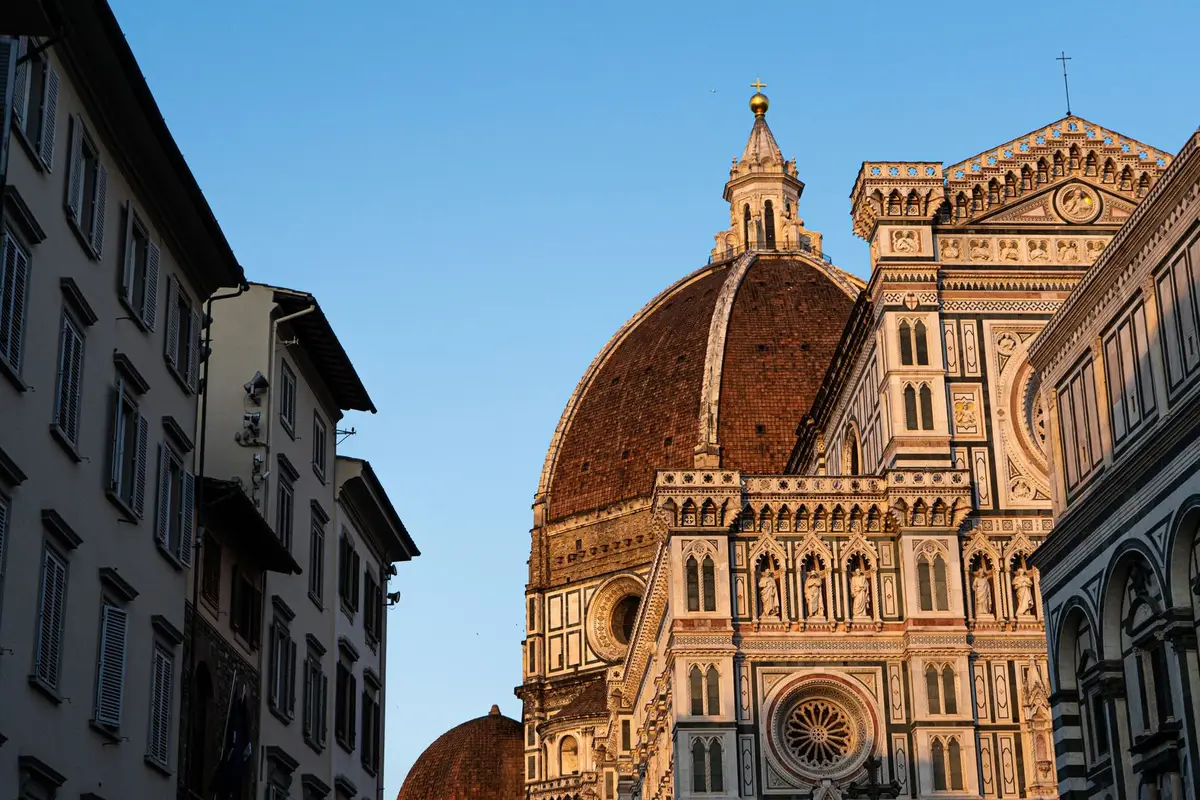
In Rome, prioritize the Colosseum and Roman Forum on one day, the Vatican (Vatican Museums and St. Peter’s Basilica) on another full day, and set aside at least half a day to wander through Piazza Navona, the Fontana di Trevi, and the Pantheon at your own pace. In Florence, the Galleria degli Uffizi and the climb up the Duomo’s dome take up most of a day—book tickets in advance, because lines without a reservation stretch past two hours. The second day is perfect for the Ponte Vecchio, Palazzo Pitti, and the Boboli Gardens.
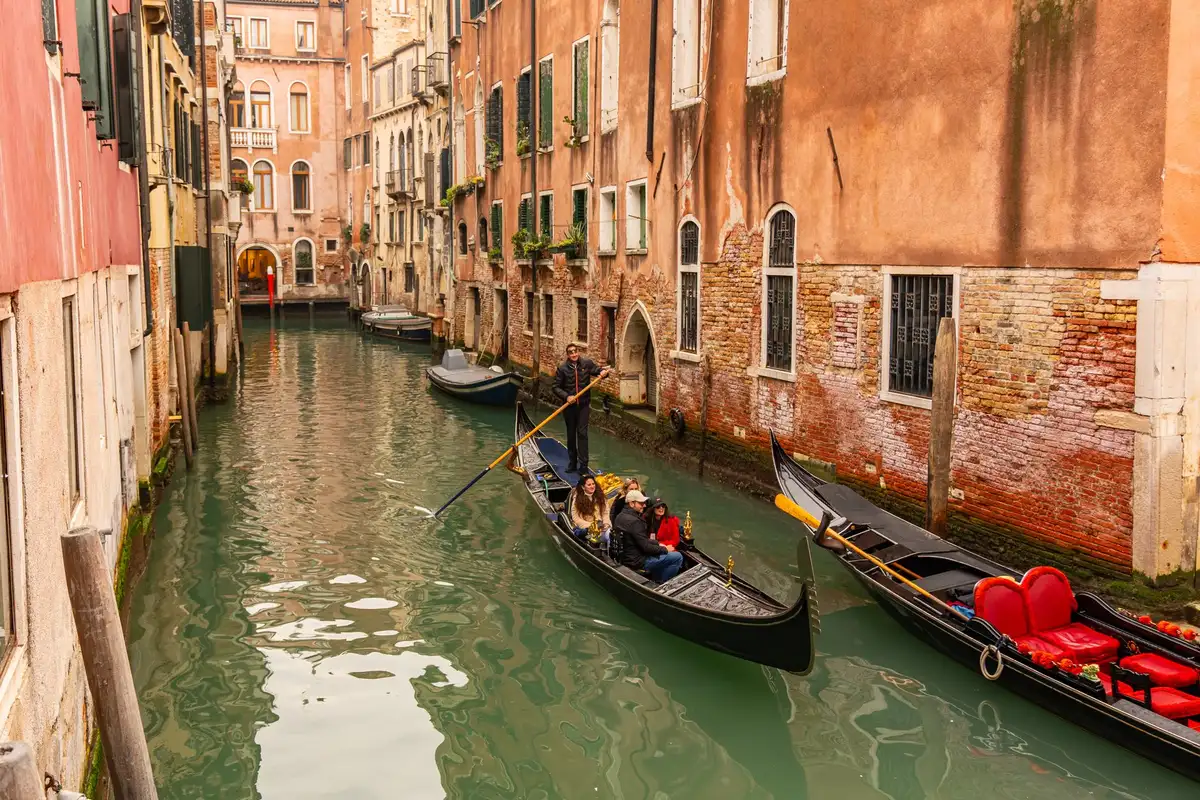
In Venice, the essentials are St. Mark’s Square with the Basilica and the Doge’s Palace, plus a vaporetto ride along the Grand Canal—save the second day for the islands of Murano (blown glass) and Burano (colorful houses), which are a 40-45 minute boat ride from the center. It’s worth visiting each city in the early morning hours, before 9am, to dodge the waves of cruise ship tourists and day-trippers who start arriving around 10am. The guide to Venice’s canals, palaces, and churches details a walking route through the city.
Luggage, check-in, and what to bring on the train
Italian high-speed trains don’t have baggage check-in or a strict weight limit, but space for large suitcases is limited to racks at the front of each car — during busy times, latecomers run out of room for their bags and have to leave them far from their seat. Go with a suitcase up to 23kg that fits in the racks (something between 60 and 70 liters) and a smaller backpack to keep at your seat with your passport, charger, and a snack, since the dining car often has a line.
Arrive at the platform with your ticket already on your phone or printed out and your seat reserved — Frecciarossa and Italo trains have assigned seating, so there’s no need to rush to grab a spot, but board with time to spare because stops at each station only last a few minutes.
Where to Stay Near the Stations
Staying just a few minutes’ walk from the train station eliminates the cost and time of a taxi or metro ride every time you arrive in a new city with luggage. In Rome, the Termini area is packed with hotels in every price range and connects directly to the metro. In Florence, the area around Santa Maria Novella is a 10-minute walk from the Duomo, blending convenience with proximity to the main sights. In Venice, since there are no cars or metro, staying near Santa Lucia or in the Cannaregio district, linked by a short walk, saves you from hauling your suitcase over bridges and through narrow alleys.
Practical Tips to Save Time
Book your tickets for the Colosseum, the Vatican Museums, and the Galleria degli Uffizi in advance through the official websites — at all three attractions, showing up without a reservation can cost you half a day in line. Download the app for your chosen train operator to get alerts about platform changes, which happen often at the larger stations. And don’t underestimate transfer times within the city itself: walking from your hotel to the station in Venice can take longer than in Rome or Florence because of the bridges and the lack of wheeled transport.
Frequently Asked Questions
How many days do you need for Rome, Florence, and Venice by train?
The ideal is 8 to 10 days: 4 days in Rome, 2 to 3 in Florence, and 2 to 3 in Venice. If you only have a week, you can still hit all three cities by trimming it to 3-2-2 days, but there’s no wiggle room for unexpected hiccups.
What’s the best order to visit Rome, Florence, and Venice?
The most efficient route is Rome → Florence → Venice, following the south-to-north path of the high-speed rail line without backtracking. You can also do it in reverse without losing any time.
How long is the train ride between Rome, Florence, and Venice?
Rome–Florence takes 1h17 to 1h40 on the direct high-speed train. Florence–Venice runs between 1h55 and 2h15. A direct Rome–Venice trip is around 4 hours, but the usual move is to split that leg by stopping in Florence.
How far in advance should you buy train tickets in Italy?
Trenitalia and Italo high-speed tickets go on sale 60 to 120 days before your trip, and booking early directly on the official site locks in fares starting at around R$ 32 to R$ 38 per leg — way cheaper than buying the day before.
Conclusion
Rome, Florence, and Venice by train is one of the easiest itineraries to put together in Europe: frequent trains, central stations, and short hops that leave you plenty of time to soak up each city instead of burning the day on travel. With 8 to 10 days, the Rome → Florence → Venice order, and tickets booked in advance, the trip goes off without a hitch. Over at Voyage Voyage, you’ll find full guides to each of these cities to dig deeper into your itinerary once you’ve locked in your dates.