Category: Food & Gastronomy

  • Copenhagen in 3 Days: A Budget-Friendly Itinerary

    Copenhagen in 3 Days: A Budget-Friendly Itinerary

    🇧🇷 POR | 🇫🇷 FR | 🇺🇸 EN | 🇪🇸 ES

    Copenhagen in 3 days is all about choices: the center, the canals, and two neighborhoods will give you more than a mad dash through every museum. The capital is pricey, but the biggest waste comes from buying a tourist pass you never use and crisscrossing the city multiple times.

    Group each day by area and treat Malmö as a bonus, not a must-do.

    Arrive at the airport, drop off your bags, and start with the area you can explore on foot.

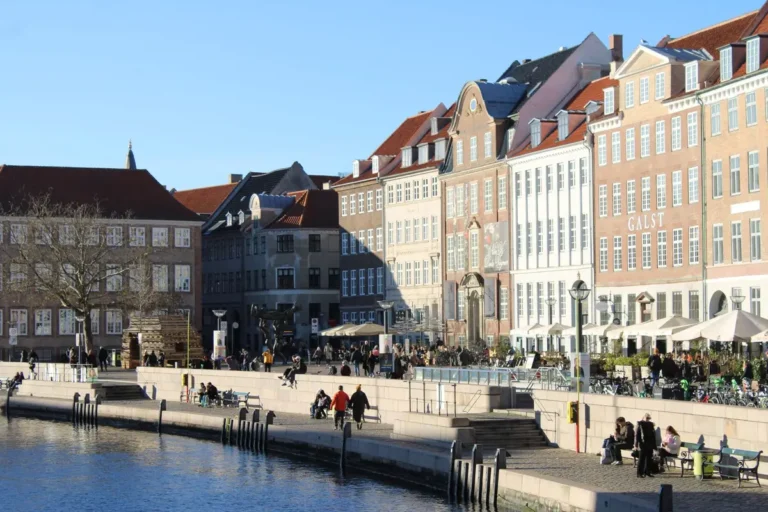
    Copenhagen waterfront on a sunny day
    Water connects Copenhagen’s neighborhoods. | Photo: Charlie Jordan / Pexels

    From the airport to the center and where to stay

    Kastrup Airport has a metro and train that reach the center in about 12 minutes. Indre By is the simplest base for a first visit; Vesterbro works well if you’re arriving by train; Nørrebro offers great cafés and neighborhood life. Official transport and zones are on the Visit Copenhagen site.

    Day 1: Nyhavn, Amalienborg, and the center

    Head to Nyhavn early, walk to Amalienborg, and choose between Rosenborg, Rundetaarn, or Christiansborg — not all three. In the evening, only go to Tivoli if it’s open on your dates and you really want a theme park; don’t buy a Tivoli ticket just because it shows up in every itinerary.

    Historic houses and the Nyhavn canal in Copenhagen
    Nyhavn is best in the early morning. | Photo: Ejov Igor / Pexels

    Day 2: Canals, Christianshavn, and Christiania

    A canal boat tour shows you the city without repeating your walking routes. Then, stroll through Christianshavn and visit Christiania while respecting its photography and movement rules; it’s a lived-in neighborhood, not a theme park.

    Aerial view of Christianshavn in Copenhagen
    Christianshavn pairs perfectly with the canal route. | Photo: Abhishek Navlakha / Pexels

    Day 3: Nørrebro, Vesterbro, or a museum

    Pick one neighborhood, wander without a clock, and book a nice meal. If it rains, use day three for a museum and coffee; if it’s sunny, bike with caution. The bike lanes are efficient but demand attention. Bikes are local transport, not an attraction to ride without following the rules.

    When the Copenhagen Card is worth it

    The card only pays off if your list of paid attractions plus transport exceeds its price. Do the math first: over three days, walking the center is free and doesn’t need to be “optimized” by a pass. Check attractions and opening hours on the official portal.

    Nyhavn illuminated at night in Copenhagen
    Nyhavn changes pace at night. | Photo: Carsten Ruthemann / Pexels

    For another compact capital, check out our 3-day Reykjavík itinerary.

    Frequently asked questions

    Are three days enough?

    Yes, for the center, canals, and neighborhoods without rushing.

    Is Copenhagen expensive?

    Yes; concentrate your travel and compare the Copenhagen Card.

    Is it worth using a bike?

    Yes, if you respect the local traffic rules.

    Is a day trip to Malmö worth it?

    Only if you have a specific interest and time beyond the capital’s essentials.

    Conclusion

    Copenhagen rewards those who cut down on stops and spend more time in the neighborhoods.

  • Nice on the French Riviera: What’s Actually Worth Your Time

    Nice on the French Riviera: What’s Actually Worth Your Time

    🇧🇷 POR | 🇫🇷 FR | 🇺🇸 EN | 🇪🇸 ES

    Nice delivers a type of travel experience that works beautifully without a car: you step out of the airport, hop on the tram, cross the city, and within minutes you’re surrounded by the sea, old buildings, and scenic viewpoints. On the French Riviera, few bases are as practical for a 2- or 3-day itinerary combining beach, historic center, day trips, and great food all in one spot.

    In Nice, prioritize the Promenade des Anglais, Vieux Nice, Castle Hill, Place Massena, and the Cours Saleya market, setting aside 2 or 3 days to explore the city without rushing and still fit in a day trip along the Riviera. If you’re planning a first trip to the Côte d’Azur without relying on complicated logistics, Nice is usually the simplest base to start from.

    How to get to Nice

    The easiest way to get into Nice is by flying into Nice Côte d’Azur Airport, the main gateway to the French Riviera. From there, the T2 tram line connects the airport to the city center and Port Lympia, passing through Jean Médecin—a handy reference point if you’re staying near the shops, the Nice-Ville train station, or the main tourist hub. For a first trip, this tram connection is often the detail that makes Nice work so well as a base. Official access and transport info is available on the Nice Côte d’Azur Airport website.

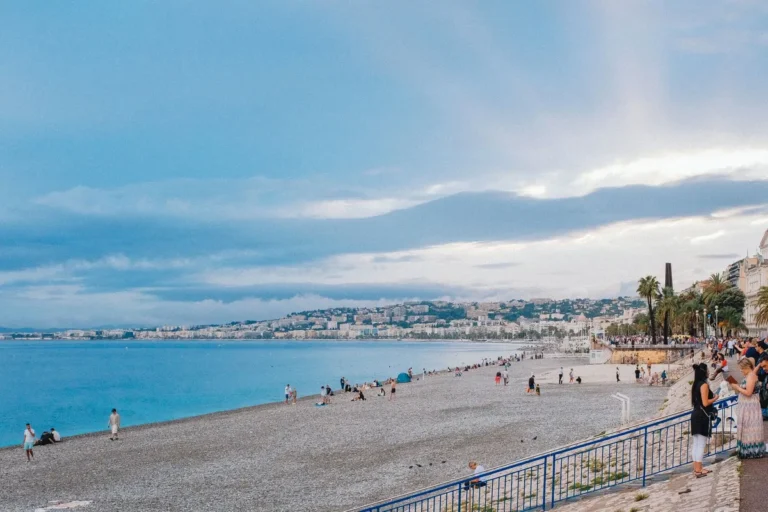
    View of Nice's waterfront with the Promenade des Anglais and the blue sea
    Nice combines open sea, a pebble beach, and a long promenade perfect for strolling at your own pace. | Photo: Huy Phan / Pexels

    If you’re arriving by train, Nice-Ville station is also a great entry point for exploring the city on foot and taking day trips to Monaco, Cannes, or Antibes. If you land early, you can drop your bags at the hotel and head straight to the waterfront. This is a destination where staying near the Jean Médecin axis, Vieux Nice, or the Promenade des Anglais makes a real difference—cutting down on travel time and letting you enjoy the city on foot.

    If you’d like an introductory tour to get your bearings on day one, a great option is booking the free walking tour of Nice in Portuguese or Spanish, especially if you want to understand the layout of the old town, center, and waterfront before planning the rest of your itinerary.

    Best time to visit and how long to stay

    Nice works year-round, but the experience shifts quite a bit with the seasons. Between May and June and from September to early October, the city usually strikes a nice balance of pleasant weather, long days, and less high-season pressure than July and August. In peak summer, the water is more inviting and the beach vibe ramps up, but the busiest spots in Vieux Nice and along the Promenade get more crowded and more expensive.

    In winter, Nice doesn’t turn into a ghost town. Temperatures can stay mild by European standards, and the city remains interesting for walking, visiting museums, and using as a base. For a tight itinerary, 2 days is enough to hit the main highlights. With 3 days, you can explore Nice at a relaxed pace, fit in some beach time or a museum, and still squeeze in a day trip along the Riviera. If your trip includes 5 days in Monaco or other nearby bases, Nice helps tie the itinerary together without constant hotel changes.

    What to see in Nice

    The best sights in Nice are concentrated in a relatively compact area, making it easy to put together a strong walking itinerary. The key is not to treat the city merely as a gateway to the Riviera: it has enough attractions to stand on its own, especially if you mix the waterfront, historic center, viewpoints, and market.

    Promenade des Anglais

    The Promenade des Anglais is Nice’s most iconic address and, at the same time, the easiest to enjoy. The avenue hugs the Baie des Anges for several kilometers, with a wide walking path, a bike lane, and open views of the Mediterranean. The most pleasant stretch for first-time visitors tends to be between the area around Hotel Negresco and where it meets Quai des États-Unis, where the scenery blends best with the historic center.

    It’s worth walking early in the morning, late in the afternoon, and—if the weather cooperates—sitting for a few minutes in the iconic blue chairs facing the sea. It sounds simple, but this ritual helps you understand why Nice works so well for travelers who love a city with built-in pauses. If you’re planning a larger European itinerary, the same urban-travel mindset shows up in destinations like Milan without the rush and Vienna, though Nice trades palaces and museums for light, sea, and a seaside rhythm.

    Vieux Nice and Cours Saleya

    Vieux Nice is the contrast that completes the waterfront: narrow streets, ochre facades, laundry hanging from windows, small squares, and a density of restaurants and gelato shops that begs for exploration without a rigid map. This is where you feel the city closest to its cultural border with Italy, both in the architecture and in the rhythm of the tables.

    Narrow street in Vieux Nice with colorful buildings and sidewalk tables
    In Vieux Nice, the best plan is to wander without hurry and embrace small detours through alleys and squares. | Photo: Huy Phan / Pexels

    Within this area, Cours Saleya deserves its own time. The flower market is one of Nice’s symbols, but the square also works as a corridor of cafés, stalls, and restaurants. Arrive early for the most pleasant atmosphere; around lunchtime, the energy picks up and the experience shifts from a contemplative stroll to a lively city at full volume. If you only have one stretch of time in Nice, combine the Promenade, Vieux Nice, and Cours Saleya in the same block because they fit together perfectly on foot. The official Nice tourism page is also handy for checking updated neighborhoods and highlights before your trip at Explore Nice Côte d’Azur.

    Castle Hill

    Castle Hill, or Colline du Château, is the spot that visually organizes the city. From the top, you can see the curve of the Promenade des Anglais, the color of the water, the rooftops of the center, and the port. Don’t expect an intact castle: today the highlight is the park, the paths, and the view. Still, it’s exactly this viewpoint that makes many people realize how Nice is laid out between sea, hill, and old town.

    You can go up on foot, by elevator, or via stairs, depending on where you start and your energy level. The best time tends to be early morning or late afternoon, when the light favors photos and the heat is less intense. For anyone who loves urban viewpoints, this is the outing that most justifies slowing down and spending a few minutes just taking in the shape of the bay.

    If you want to explore the center with historical context before or after the viewpoint, the free walking tour of Nice helps connect the seafront, the old town, and the main points along the central axis without you wasting time figuring out a route on the fly.

    Place Massena

    Place Massena is the link between the more classic city and the more commercial side of Nice. The reddish facades, the geometric-patterned paving, and the suspended contemporary sculptures make it a place worth pausing at, not just passing through. This is where a lot of people calibrate their trip: on one side, you head into Vieux Nice; on the other, you enter the shopping corridor of Avenue Jean Medecin.

    Fountain and buildings of Place Massena in Nice during the day
    Place Massena works as a hinge between the historic city, the shopping area, and the seafront. | Photo: Tomal Bhattacharjee / Pexels

    It’s worth crossing the square at different times of day. By day, it keeps things moving smoothly; at night, it takes on a whole new feel with lights and more buzz. If your hotel is nearby, you’ve nailed the logistics of your trip.

    Matisse Museum, Marc Chagall Museum, and Port Lympia

    To round out your itinerary, Nice goes beyond the classic trio of seafront, center, and viewpoint. The Matisse Museum is a great pick if you want to weave art into your trip and understand the painter’s connection to the south of France. The Marc Chagall Museum, meanwhile, tends to appeal even to travelers who aren’t planning a fully cultural itinerary, because the collection is strong and getting there is easy. Port Lympia, on the other hand, is a perfect way to close out the late afternoon if you’re into marinas, boats, and a side of Nice that feels less touristy than the Promenade stretch. If art is part of your plan, it’s worth checking hours and exhibitions directly on the Marc Chagall Museum website.

    If you want to add more attractions without overloading your itinerary, pick one of the museums and round it out with Port Lympia or a long break at Cours Saleya. That way, the trip stays varied without turning into a checklist race.

    What to Pair with Nice

    Nice is one of the best bases on the Riviera for day trips by train or tour. Monaco is the most obvious pairing, especially if you want a contrast of sea, luxury, and a compact urban circuit. Antibes, Cannes, Eze, and Saint-Paul-de-Vence fit in nicely when you’re looking to mix villages, coastline, and art. If you’d rather keep things simple, it also makes sense to book a French Riviera tour from Nice, which cuts down on train transfers and keeps the day more streamlined.

    If you’re only squeezing in one day trip, choose based on what you want out of the trip: Monaco to see a different kind of coastal city, Antibes for a balance of sea and old town, or Cannes if you’re after boulevard vibes and classic Riviera atmosphere. If you’re putting together a multi-city European trip, Nice works great as a coastal counterpoint after dense bases like Florence or Amsterdam.

    Where to Eat in Nice

    Vieux Nice holds most of the practical dining options if you want to eat between sightseeing stops, but it’s worth being selective about the experience. To try the local cuisine, look for places serving Niçoise dishes like salade niçoise, pissaladière, and socca. The latter—a thin chickpea pancake—is a simple snack that makes way more sense on the ground than in abstract description: hot, lightly toasted, and perfect for a quick break between one street and the next.

    Around Cours Saleya and the surrounding streets, you’ll find tables with great atmosphere, but also the spots most exposed to tourist traffic. A practical way to balance this is to have lunch in the area and save dinner for streets a bit off the main historic center or along the axis between Place Massena and Jean Medecin. If your day was full of beach and long walks, the city works best when you lower your expectations for a celebratory dinner and prioritize a pleasant table, local wine, and a simple dish done really well.

    Where to Stay in Nice

    For a first visit, three areas work especially well. The first is around Place Massena and Jean Medecin, which makes transport, shopping, and walking to Vieux Nice easy. The second is the Promenade des Anglais stretch, best if you want to open your window and feel the city in seaside mode. The third is Vieux Nice itself, which delivers atmosphere and a central location but costs you in quiet and luggage-friendly access.

    If your goal is maximum convenience, the area between Place Massena and Jean Medecin usually offers the best compromise between price, mobility, and urban energy. For romantic stays or scenery-focused trips, the seafront wins points. Vieux Nice, meanwhile, works best for those willing to trade some noise for historic charm right at your doorstep. In Nice, staying far from the center rarely pays off if you’re only there for 2 or 3 days, because you save on the nightly rate but lose time on what the city does best: getting almost everywhere on foot.

    Panoramic view of Nice with the sea and the city seen from above
    From above, Nice makes it clear how the seafront, old town, and port fit into a tight itinerary. | Photo: Polina / Pexels

    Practical Tips to Make the Most of It

    Keep in mind that Nice’s beaches are pebbly, not sandy. That changes the experience quite a bit: water shoes can help, and a thicker towel makes a real difference. If you’re picturing a beach with a gentle entry and soft sand, adjusting that expectation beforehand will save you some frustration.

    It’s also worth organizing the city into clusters. A strong cluster would be the Promenade, Place Massena, Vieux Nice, and Cours Saleya. Another: Castle Hill and Port Lympia. A third: the museums. This breakdown keeps your itinerary natural and cuts down on backtracking. For time-sensitive details like museum hours, market schedules, and transport operations, always double-check the official city, airport, and venue pages before heading out.

    If you’re using Nice as a Riviera base, try not to pack every day with day trips. The city works best when there’s time left for aimless walks, especially in the early morning and late afternoon. That’s exactly the rhythm that turns Nice from a practical stopover into a memorable destination.

    Frequently Asked Questions

    How many days should I spend in Nice?

    For a first visit, 2 days is enough to see the essentials. With 3 days, you can explore Nice without rushing and still fit in the beach, a museum, or a day trip along the Riviera.

    Is Nice worth it without a car?

    Absolutely, and then some. The airport connects to the center via tram line T2, the main attractions are relatively close together, and the most popular day trips work well by train or tour.

    What are the best attractions in Nice?

    The classics are the Promenade des Anglais, Vieux Nice, Cours Saleya, Castle Hill, and Place Massena. If you have extra time, add the Matisse Museum, the Marc Chagall Museum, or Port Lympia.

    When should I visit Nice to avoid crowds?

    May, June, September, and early October usually offer a good balance of pleasant weather and a less crowded city than the July–August peak.

    Where should I stay in Nice on a first visit?

    The most practical areas are Place Massena, Jean Medecin, Promenade des Anglais, and Vieux Nice. For the best balance of mobility and value, the area around Massena and Jean Medecin usually works best.

    The Bottom Line

    Nice works beautifully once you accept that the city doesn’t need to prove anything all the time: just alternate between the seafront, the old town, a viewpoint, great food, and the occasional detour along the Riviera. If your trip calls for a base that’s beautiful, practical, and easy to slot into a larger France itinerary, Nice deserves a strong spot on your Voyage Voyage radar.

  • Warsaw Without the Rush: What to Do, What It Costs, and What to Skip

    Warsaw Without the Rush: What to Do, What It Costs, and What to Skip

    🇧🇷 POR | 🇫🇷 FR | 🇺🇸 EN | 🇪🇸 ES

    Warsaw tends to surprise visitors who arrive expecting nothing but war memorials. Poland’s capital delivers a meticulously reconstructed historic center, creative neighborhoods, sprawling parks, powerful museums, and a simple logistics setup for anyone who wants to see a lot without wasting time on transit. If you’re wondering what to do in Warsaw, how much the trip costs, and whether it’s worth slotting into a Central Europe itinerary, the short answer is yes.

    Warsaw is worth the trip if you’re looking for an organized European capital that’s safe for basic sightseeing and cheaper than Paris, Vienna, or Amsterdam. In 2 or 3 days, you can hit the classics without rushing; with 4 days, you can add museums, the Praga district, and a day trip.

    How to get to and around Warsaw

    The most practical gateway is Chopin Airport. On the airport’s official website, the most useful options for travelers are clearly laid out: SKM trains into the city and bus lines 175, 188, 331, and N32. Translating that into real life: if you’re staying in the central area, you can almost always handle your first trip on a city train or bus without relying on a taxi.

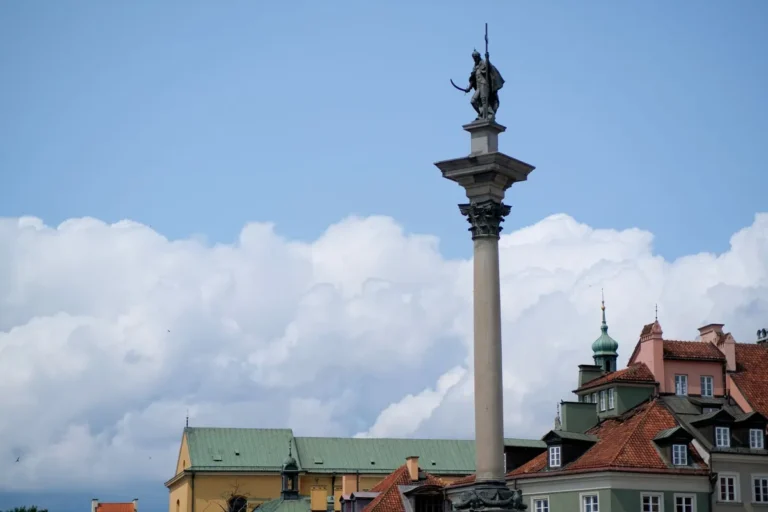
    Sigismund's Column and the townhouses of Warsaw's Old Town
    Warsaw’s Old Town with Sigismund’s Column. | Photo: Roman Biernacki / Pexels

    If your flight lands early, it’s worth dropping your bags at the hotel and heading out on foot along the route between the Old Town, the Royal Route, and the Krakowskie Przedmiescie area. That’s one of Warsaw’s biggest advantages: you don’t need to set up a complicated operation to get a feel for the city on day one.

    To gain historical context without getting lost, booking the free walking tour of Warsaw usually works well. It helps connect the reconstructed facades, war monuments, and the capital’s current life into a walk that makes sense even for those short on time.

    Best time to visit Poland and how many days to stay

    The best time to visit Warsaw is usually from May to September, when the days are long, the parks come alive, and the Vistula riverbanks make the city feel lighter. July and August deliver the most vibrant side, but they also concentrate more tourists and slightly less appealing accommodation deals.

    If you prefer cooler weather and fewer crowds, May, June, and September tend to be the sweet spot. Winter can make for a beautiful trip, especially with Christmas lights up, but short days and intense cold call for a different travel pace. For a first visit, 3 full days are enough to see the essentials without turning your itinerary into a race.

    In practice, I’d break it down like this: 2 days for the downtown classics and the most important museums, 1 day for parks, Praga, or more cultural experiences, and a 4th day if you want to fit in a day trip like Treblinka or Lublin.

    What to do in Warsaw

    Warsaw works best when you mix heritage, historical memory, and everyday life. Instead of trying to check off a huge list of sights, build your day around nearby zones.

    Old Town and the Royal Castle

    The Stare Miasto is the image that most shatters the prejudice of anyone picturing a gray capital. The market square, Sigismund’s Column, the area around the Royal Castle, and the reconstructed lanes tell a rare story of near-total destruction and urban reconstruction on a massive scale. It’s not an intact medieval center; that’s precisely what makes it so interesting.

    Royal Route

    From the Royal Castle to Lazienki, the Royal Route stitches together churches, palaces, universities, and historic cafes. It’s the stretch to do without hurry, popping into whatever catches your eye. If you enjoy urban photography, this axis is best in the early morning or late afternoon.

    Palace of Culture and Science

    Warsaw’s most controversial building remains useful for visitors: it helps explain the city’s Soviet era and still works as a visual landmark. If the sky is clear, going up to the observation deck is worth it for the read on the urban layout, with wide avenues, newer blocks, and the contrast between the historic center and modern Warsaw.

    Palace of Culture and Science seen from Warsaw's central area
    The Palace of Culture and Science, one of the landmarks on Warsaw’s skyline. | Photo: Eugene Laszczewski / Pexels

    If you want to cover a lot of ground in a short time, the Warsaw hop-on hop-off bus can be useful on day one, mainly to visualize distances and then decide where it’s worth returning to at a slower pace.

    The widget above makes sense here because many people arrive in Warsaw without much prior knowledge. A guided tour right at the start saves time and improves your reading of the rest of the itinerary.

    POLIN and the Warsaw Uprising Museum

    If you’re only going to pick one museum, think about the kind of experience you’re after. POLIN covers the history of Polish Jews with depth and excellent curation. The Warsaw Uprising Museum, on the other hand, hits harder with its narrative of the city during World War II. Both demand mental energy; avoid scheduling both in the same stretch if you really want to absorb them.

    Lazienki Park

    When the city gets too dense, Lazienki Park rebalances your itinerary. Walking through it helps you understand another layer of Warsaw: less trauma, more everyday life, lakes, sculptures, and palaces spread across a park big enough for you to slow down without feeling like you’ve left the trip behind.

    Tree-lined avenue in Lazienki Park in Warsaw
    Lazienki Park, a green breather to fit into your itinerary. | Photo: Julia Filirovska / Pexels

    Praga District and the Vistula riverbanks

    Praga isn’t the prettiest part in a postcard sense, but it might be the most alive. Street art, bars, repurposed warehouses, and a less polished atmosphere help answer a common question: what is Warsaw like today? Modern, creative, safe on the tourist circuit, and far less stuck in the past than many people imagine.

    What to pair with Warsaw

    Warsaw works really well as the start or end of a Central Europe itinerary. Within Poland itself, the most natural pairing is with Krakow in 5 days, which offers a nice contrast between the rebuilt capital and the more historic side of the country’s south.

    If your trip is longer, you can also pair Warsaw with cities like Vienna and Budapest. In general, Warsaw comes in as the most functional and most budget-friendly of the three, which helps balance your budget without cheapening the experience.

    Vistula River and National Stadium seen from Warsaw
    The Vistula River helps you understand the more open scale of contemporary Warsaw. | Photo: Oleksiy Yeshtokyn / Pexels

    For music lovers, a simple way to end the day is booking a piano concert featuring Chopin’s repertoire. It’s a short experience, easy to fit in, and much more connected to the city’s spirit than it seems on paper.

    Where to Eat in Warsaw

    Don’t go expecting a capital devoted only to heavy food. Warsaw eats better than its reputation suggests. The classics to try are pierogi, żurek, bigos, and poppy seed pastries, but the city also has elegant cafés, great brunches, and modern restaurants with prices that are still reasonable by European standards.

    For a first trip, it makes more sense to alternate between a traditional Polish restaurant and more casual spots in the city center or in Praga. That way you get to taste local cuisine without making every meal a ceremony. If your budget is tight, the lunch special usually delivers more value than dinner.

    If you want a practical reference, data from July 2026 on Numbeo pointed to simple meals and local transport at a lower level than Western European capitals, with a single transport ticket around 4.40 zł. Don’t treat this as a fixed table, but as a positioning signal: Warsaw isn’t an absolute bargain, but it tends to be less pricey than the continent’s more obvious destinations.

    Where to Stay in Warsaw

    For sightseeing, the best base remains Śródmieście, where you’re close to the Old Town, the Royal Route, major stations, and a good range of restaurants. It’s the easiest choice for anyone who wants to do a lot on foot.

    If you prefer a more local, nightlife-oriented vibe, Praga has been growing on the radar, but it’s worth choosing the micro-location carefully. Not every stretch of the neighborhood delivers the same experience for first-time visitors. The area around the Palace of Culture, on the other hand, suits those who prioritize transport, shopping, and quick connections.

    In Warsaw, staying more central almost always justifies the small bump in the nightly rate. The gain in time and comfort usually outweighs the savings from a more distant hotel.

    Practical Tips: Safety, Language, Costs, and Entry for Brazilians

    Is Warsaw dangerous? By European urban tourism standards, it’s not usually considered a difficult capital. The main concern is the same as in almost any big city: keeping an eye on your wallet, phone, and simple scams in crowded areas and on transit. The general feeling for those moving through the tourist zones is one of order and predictability.

    What language is spoken in Warsaw? The official language is Polish. In tourism, English works just fine at hotels, restaurants, and attractions. If you want to break the ice, “hi” in Polish can be said as cześć, something close to “tcheshch” in pronunciation. No one will require this of you, but the attempt usually earns you some goodwill.

    Does Poland accept Brazilians? For short-term tourism, Brazilians generally enter without a visa for stays of up to 90 days in the Schengen Area, but the rules can change. Before boarding, confirm the current requirement and documentation on the official Polish government channel or through Itamaraty.

    Is Poland a rich country? It’s a significant European Union economy with good infrastructure, efficient transport, and costs still below several western neighbors. For the visitor, this shows up in a very specific way: Warsaw has the look of an organized capital of a strong country, without charging Paris or London prices for everything.

    About the cost of living, think of it this way: living in Warsaw weighs on the local standard, but traveling for a few days can be more affordable than in other European capitals, especially if you use public transport, book accommodation in advance, and mix simpler meals with one nicer experience per day.

    Frequently Asked Questions

    What language is spoken in Warsaw?

    The official language is Polish. At hotels, attractions, and tourist restaurants, English usually works well, especially in the central area.

    How do you say “hi” in Poland?

    A common way is cześć. The pronunciation is close to “tcheshch.” You don’t need to know any Polish to travel, but the attempt is usually well received.

    Is Warsaw dangerous?

    For the tourist, Warsaw usually feels like an organized and relatively safe city in the most visited circuit. The care remains the basics of any capital: keeping your belongings in check and staying alert in crowded areas.

    What is Warsaw like today?

    Warsaw today blends a strong historical memory with a modern, creative, and efficient urban scene. You’ll find a rebuilt historic center, heavyweight museums, alternative neighborhoods, and great infrastructure.

    What to do in Warsaw?

    The essentials include the Old Town, Royal Castle, Royal Route, Palace of Culture, POLIN, the Warsaw Uprising Museum, Łazienki Park, and a stroll through Praga or along the Vistula riverbank.

    What’s the best time to visit Poland?

    For Warsaw, May, June, and September tend to be the most balanced months. July and August deliver long days and a livelier city; winter requires more preparation for the cold.

    Does Poland accept Brazilians?

    Generally, yes, without a visa for short-term tourism in the Schengen Area. Still, confirm the current rule before boarding, because immigration requirements can change.

    Is Poland expensive? And Warsaw?

    For the Brazilian tourist, Warsaw tends to be more affordable than several Western European capitals. It’s not a super-cheap destination, but it usually combines solid infrastructure with more controlled costs.

    What’s the most beautiful or safest city in Poland?

    That depends on your travel style. Krakow usually wins on historic charm; Warsaw convinces with its mix of history, urban life, and practicality. On safety, both usually work well for tourism with the normal big-city precautions.

    Conclusion

    Warsaw is a city that grows on you a lot once you understand its context. That alone already earns it a spot on your radar. And when a trip combines a historic center, strong museums, good food, and friendlier costs than other European hubs, it’s easy to justify the stop. If the idea is to put together a smart first trip to Poland, Voyage Voyage would add Warsaw to the itinerary without hesitation.

    If you’re extending your trip through Central Europe, it’s also worth planning 3 days in Prague—an efficient combo for anyone who wants history and walkable cities.

  • Munich Beyond Marienplatz: 3 Classics Worth Your Time

    Munich Beyond Marienplatz: 3 Classics Worth Your Time

    🇧🇷 POR | 🇫🇷 FR | 🇺🇸 EN | 🇪🇸 ES

    Choosing what to prioritize in Munich gets easier when you combine three very different experiences in the same day or weekend: the calm of the Nymphenburg Palace Gardens, the green expanse of the Englischer Garten, and the lively atmosphere of the Hofbräuhaus. This trio works because it delivers a palace, a park, and a historic beer hall without requiring major travel between them.

    If you want a practical slice of Munich, start at Nymphenburg to see the city’s royal side, set aside a few hours to walk through the Englischer Garten, and save the Hofbräuhaus for the end of the day, when the experience makes the most sense with music, beer, and Bavarian dishes.

    Why to combine all three places in one itinerary

    These three stops show complementary sides of Munich. Nymphenburg delivers the aristocratic past, the Englischer Garten shows how the city lives its open spaces, and the Hofbräuhaus sums up the social side that many people seek in Bavaria. Instead of putting together a fragmented itinerary, it’s worth concentrating these visits in the same article because they answer the same question from anyone looking for what’s worth your time in Munich.

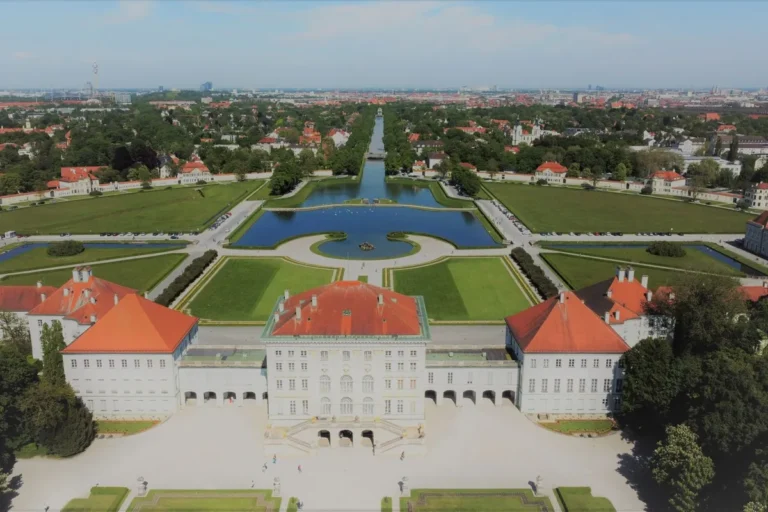
    View of Nymphenburg Palace and its gardens in Munich
    The gardens and canals of Nymphenburg help you understand the scale of the Wittelsbach summer residence. | Photo: Romi Brown / Pexels

    The practical gain is in the rhythm. You start the day in a quieter place, move on to a huge park where you can pace your walk, and end at a beer hall where sitting down is part of the experience. For those short on time, this trio avoids two common mistakes: spending the whole trip in the historic center and underestimating travel time to day trips like Neuschwanstein. If you have energy left, that castle is better saved for another day, as we explain in our guide to Neuschwanstein Castle.

    Nymphenburg Palace Gardens: where Munich slows down

    The Nymphenburg gardens work best when you arrive early and stroll without rushing. The complex mixes formal parterres in front of the palace with an English-style landscaped park, which makes the visit less rigid than many people imagine. You don’t need to enter every building to enjoy the place: just the canal, the tree-lined avenues, and the palace’s perspective already deliver one of Munich’s most elegant scenes.

    According to the official Bavarian palace administration, the park opens daily from 6 a.m. and closes between 6 p.m. and 9:30 p.m. depending on the month; from May to September, the main gate closes at 9:30 p.m. The main palace is open daily from 9 a.m. to 6 p.m. between April and October 15, and from 10 a.m. to 4 p.m. between October 16 and March. In 2026, the palace ticket costs 10 euros, while the combined spring-to-mid-October ticket goes for 20 euros. If your plan is just to walk the gardens, you cut costs and still enjoy one of the city’s most beautiful areas.

    It’s worth going inside the building only if you love rococo interiors, court halls, and want to see the scale of the residence where Ludwig II was born. Otherwise, treat Nymphenburg as a long breather, almost a palace-park, and leave the museums and rooms for another trip. The topic of hours and tickets changed in 2026 with clear seasonal windows and timed entry at the palace, so it makes sense to check the official website before you go.

    Englischer Garten: the park that shows Munich in motion

    If Nymphenburg calls for contemplation, the Englischer Garten calls for curiosity. The park was born in the late 18th century and today still works as a lived-in space, not just a tourist attraction. Instead of trying to see everything, focus on a few spots: the Monopteros area, the lawns near the Eisbach, and the beer gardens scattered along the way. That’s enough to feel how locals use the park.

    Monopteros in the Englischer Garten in Munich
    The Monopteros is one of the most pleasant stops in the Englischer Garten. | Photo: Memory Lane / Pexels

    Munich’s English Garden is public and open year-round, which changes the visit strategy quite a bit. On sunny days, the park feels like an extension of the city’s living room; on cold days, the walk is still worth it for the landscape and the almost unexpected green scale so close to the center. Don’t try to “complete” the entire park: pick a section, walk for two or three hours, and use the time you save for the rest of your itinerary.

    This logic applies even more if you’re putting together a trip through classic Central European cities. In our guide to Vienna, for example, reading the city also improves when you alternate palaces and green areas instead of just stringing together museum after museum.

    If you’d like to include a guided activity on your trip, a great bridge between the historic center and the parks is booking a free walking tour of Munich to understand the city’s context before heading out on your own. The tour helps tie together history, architecture, and the neighborhoods many people pass through without noticing.

    Hofbräuhaus: is the fame worth it?

    The Hofbräuhaus only really works when you arrive with the right expectations. Don’t expect an intimate beer hall. The place is big, noisy, and theatrical, with a band, communal tables, and a constant rotation of tourists and locals. Precisely because of that, it’s worth it as a cultural experience when you want to see Munich’s classic image live, not just in photos.

    Facade of the Hofbräuhaus in central Munich
    The Hofbräuhaus sums up Munich’s most festive and social side. | Photo: Viesturs Davidcuks / Pexels

    The official Hofbräuhaus website states it’s open daily from 11 a.m. to midnight, with the kitchen serving until 10 p.m. and last drink orders at 11:30 p.m. It also notes that reservations are more important for groups of four or more, while some parts of the house may have open seating depending on capacity. If you want a livelier atmosphere, arrive in the late afternoon; if you prefer less chaos, try an early lunch or an early dinner before the peak.

    Another handy tip: the Hofbräuhaus sits on Platzl, just a few minutes from Marienplatz, and the restaurant itself lists Marienplatz as the most convenient U-Bahn and S-Bahn stop. That makes it super easy to fit the beer hall in after a stroll through the city center. If you’d rather see the city without covering too much ground on foot, another option is hopping on Munich’s sightseeing bus to connect the main sights without the rush.

    How to Plan Your Visit in One Day

    The smoothest, simplest itinerary: morning at Nymphenburg, early afternoon at the Englischer Garten, and evening at the Hofbräuhaus. In the morning, the light tends to flatter the gardens and palace best; in the park, the afternoon makes for a more enjoyable walk; and at the beer hall, the experience gets better as the room fills up. This order also saves you from doubling back to the city center multiple times.

    If you only have half a day, skip the palace interior without guilt and treat Nymphenburg as an outdoor-only visit. If you’re putting together a longer trip through Germany, it’s worth saving your energy for a heavier day trip and using this trio as a city day—no trains, no extra check-ins, no unnecessary marathon. For those coming from other capitals, as we showed in our Berlin itinerary, this mix of dense days and easygoing days makes the whole trip so much better.

    Frequently Asked Questions

    Can you visit Nymphenburg, the Englischer Garten, and the Hofbräuhaus in one day?

    Yes, as long as you don’t try to see everything in depth. The best approach is to spend the morning at Nymphenburg, leave two or three hours for the Englischer Garten, and wrap up the day at the Hofbräuhaus.

    Are the Nymphenburg gardens free?

    Yes, access to the park and the outer gardens is free. What costs money is entry to the main palace, the park buildings, and some of the museums in the complex.

    How much time should you set aside for the Englischer Garten?

    Two or three hours already make for a great experience if you pick one section of the park. Trying to cross the whole area usually tires you out more than it helps.

    Do you need to reserve a table at the Hofbräuhaus?

    For couples or small groups, you can often just walk in and find a spot, but the Hofbräuhaus’s own website recommends reservations for groups of four or more. During peak hours, arriving early helps.

    Conclusion

    If you want a slice of Munich that feels meaningful without turning into a checklist, these three places work beautifully together. The gardens of Nymphenburg show the city in its elegant mode, the Englischer Garten brings a sense of lightness, and the Hofbräuhaus delivers the most social side of Bavaria. Here at Voyage Voyage, that’s exactly the kind of combination that makes a trip feel fuller without becoming a marathon.

  • What to Do in Florianópolis in 5 Days: A Complete Itinerary

    What to Do in Florianópolis in 5 Days: A Complete Itinerary

    🇧🇷 POR | 🇫🇷 FR | 🇺🇸 EN | 🇪🇸 ES

    Anyone planning a first trip to Floripa almost always falls into the same trap: trying to do everything in a rush, crossing the entire island in one day, and coming back with the feeling they got less out of it than they could have. Florianópolis rewards those who organize their itinerary by region, mix beach time with the historic center, and leave room for a leisurely lunch, a viewpoint, and a sunset with a view over the water.

    What to do in Florianópolis in 5 days? Split your trip between the Center and Lagoa, the east coast beaches, the north of the island, the south with Campeche and Ribeirão da Ilha, and keep one wildcard day to revisit your favorite beach or fit in a boat tour. This is the most practical way to really get to know Floripa without spending your whole day in traffic.

    In 5 days, you can comfortably cover the essentials of Florianópolis and still fit in beaches that are very different from each other, historic neighborhoods, a lagoon, sand dunes, and at least one boat trip or panoramic tour. That makes a big difference in Floripa, where traffic changes quite a bit depending on the beach, the time of day, and the season.

    How to get to Florianópolis

    The easiest way is to fly into Florianópolis International Airport – Hercílio Luz, which is about 14 km from the Center and handles most arrivals from other Brazilian capitals. If you’re comparing routes and connections, it’s worth checking the official Floripa Airport website, which lists terminal services and up-to-date airport info.

    Aerial view of the Hercílio Luz Bridge in Florianópolis
    The Hercílio Luz Bridge marks your arrival at Floripa’s most classic postcard sight. | Photo: André Gemmer / Pexels

    If you’re driving, try to avoid arriving or leaving the island on Friday late afternoon or on the Sunday night return during high season. On a 5-day itinerary, a car gives you the freedom to move between Campeche, Lagoa, the north beaches, and Santo Antônio de Lisboa, but it’s not essential the whole time. If you’d rather not drive, you can use ride-hailing apps, transfers, and one-off tours for the days with more ground to cover.

    A practical option for the first or last day is to book a transfer with a set time, especially if your flight is early or you’re staying in the north of the island. Another alternative that fits well into a short itinerary is booking the full Florianópolis tour, which hits key spots like the Center, Lagoa, Joaquina, and the north beaches without requiring a rental car.

    Best time to visit and how many days to stay

    Florianópolis works year-round, but the experience changes a lot. Between December and March, the sea and the city are at their summer peak, with more crowds, higher prices, and heavier traffic. April, May, September, October, and November are usually the most balanced months for anyone who wants beach time, pleasant temperatures, and less stressful travel.

    With 5 days, you can already put together a well-rounded itinerary. Anything less forces you to cut out entire regions; anything more lets you fit in hikes, Ilha do Campeche, relaxed beach days, and even a day trip. If your goal is to get a first taste of Floripa without rushing, 5 days is a great sweet spot.

    In winter, the city still shines for food, the historic center, Santo Antônio de Lisboa, viewpoints, and emptier accommodations, but swimming takes a back seat. If the beach is your main goal, prioritize months with more stable temperatures and keep one flexible day in your itinerary to adapt to wind, rain, or rough seas.

    What to do in Florianópolis in 5 days

    Day 1: Historic center, Hercílio Luz Bridge, and Lagoa da Conceição

    Start in the Center to get a feel for the city’s foundation. Stroll through Praça XV de Novembro, check out the Catedral Metropolitana, pass by Palácio Cruz e Sousa, and head to the Mercado Público. This stretch works best in the morning, when the area is lighter for walking and lunch. If you like travel with context, this start helps you see Floripa beyond the beaches.

    After lunch, head to the Hercílio Luz Bridge viewpoint or Parque da Luz, then make your way toward Lagoa da Conceição. Late afternoon there usually pays off because you can fit in cafés, little shops, bars, and a relaxed stroll along the avenue by the lagoon. If you still have energy, stretch it out to the Mirante da Lagoa to close the day with a wide view of the area.

    Sandy stretch and boats around Lagoa da Conceição in Florianópolis
    The lagoon and east coast beaches make for a strong first impression of Floripa’s landscape. | Photo: Möbel Muebles / Pexels

    Day 2: Joaquina, Praia Mole, and Barra da Lagoa

    Save the second day for the east side of the island. The classic sequence works for a reason: Praia da Joaquina, Praia Mole, and Barra da Lagoa pack very different landscapes into a short distance. Joaquina is usually the easiest beach to start with, offering structure, dunes, and a more laid-back vibe. Mole has a younger crowd and stronger waves. Barra, meanwhile, mixes beach, canal, little boats, and a more relaxed pace.

    If the tide and weather cooperate, walk over to the natural pools at Barra da Lagoa or use this day for a more structured outing. If you want to fit in a ready-made experience without breaking your itinerary, you can book the boat trip to Ilha do Campeche and turn this into the most beautiful day of your trip, especially in summer.

    If you’d rather keep the itinerary on land, have lunch in Barra and head back to enjoy the Lagoa in the late afternoon. This is the best day to be flexible with your watch, because the light changes the experience of both the beach and the viewpoint.

    Day 3: Jurerê, Canasvieiras, and Santo Antônio de Lisboa

    The third day works well in the north of the island. You can start at Jurerê Internacional, walk along the sand, and soak up the more organized, residential side of the region. Then move on to Canasvieiras if you want a beach with generally calmer water and practical amenities like beach kiosks and restaurants.

    On the way back, fit in Santo Antônio de Lisboa for sunset. This historic neighborhood has Azorean-style houses, small restaurants, and a more contemplative atmosphere—perfect for slowing down after a beach day. It’s a great contrast to Jurerê and helps balance the itinerary with something more cultural and culinary.

    Urban beach in Florianópolis with calm sea and boats in the background
    The calmer beaches in the north pair perfectly with a full-day itinerary and a long lunch. | Photo: Gezer Amorim / Pexels

    If you’d rather swap that late afternoon for a guided activity, the Santo Antônio de Lisboa sunset tour is a natural fit for anyone who wants to explore the neighborhood with logistics handled and a focus on the best time of day.

    Day 4: Campeche, Armação, and Ribeirão da Ilha

    The south side of the island deserves a day of its own. Start at Praia do Campeche, which usually makes it onto any list of Florianópolis’s most beautiful beaches. The stretch of sand is long, the views are wide open, and the water already has a more oceanic feel. Depending on the wind, this can be one of the most stunning days of the whole itinerary. If your only plan is to soak up the beach, stay there guilt-free.

    Next, head to Armação and Matadeiro if you enjoy beaches with a more local vibe. If time is tight, skip Matadeiro and go straight to Ribeirão da Ilha. The neighborhood is one of the best spots to end the day with oysters, historic architecture, and calm views across to the mainland. It’s also a great choice for a slower-paced dinner.

    Day 5: a wildcard day for repeats, a boat trip, or adjusting to the weather

    The fifth day is what really makes this itinerary work. In a city with so many beaches and unpredictable traffic, keeping this buffer is a smart move. You can use the time to go back to your favorite beach, squeeze in an activity that needs better weather, fit in some shopping downtown, or dedicate the day to Ilha do Campeche if you didn’t make it there earlier.

    Another practical option is turning the last day into a big-picture overview with a sightseeing bus, a full tour, or a boat trip. If you’re planning a longer trip along the coast, it’s worth checking out how other beach itineraries are organized, like Porto de Galinhas in 5 days, Fortaleza in 5 days, and the complete Balneário Camboriú guide. That helps you compare travel times, beach profiles, and trip costs.

    What to pair together in your itinerary

    The secret to making the most of Floripa is grouping nearby spots and avoiding zigzagging across the island. Downtown with Lagoa works. Joaquina, Mole, and Barra da Lagoa too. Jurerê, Canasvieiras, and Santo Antônio de Lisboa form another logical cluster. Campeche, Armação, and Ribeirão da Ilha round out the south without stretching the day too thin.

    If you love beaches with full amenities, spend more time in Jurerê and Canasvieiras. If you’re after scenery, go with Campeche, Joaquina, and Mole. If your trip is more about history and food, give extra space to Downtown, the Public Market, Santo Antônio de Lisboa, and Ribeirão da Ilha. In Florianópolis, trading one extra beach for one less commute almost always makes the trip better.

    Where to eat in Florianópolis

    The city is big, so it makes more sense to eat by region than to chase a single “must-try” restaurant. Downtown, the Public Market is great for a casual lunch and snacks. In Lagoa da Conceição, you’ll find cafés, bars, and restaurants that really shine at the end of the day. Up north, Jurerê and Santo Antônio de Lisboa are solid bets for lunch with a view or dinner at sunset.

    For seafood, Ribeirão da Ilha is a classic, especially if you want to try oysters in a more relaxed and beautiful setting. If you like traveling with a mapped-out budget, it’s worth comparing with nearby destinations like the post on how much it costs to travel to Balneário Camboriú, since food and transportation tend to weigh similarly on southern coastal trips.

    Historic neighborhood in Florianópolis with a church and colonial houses
    Historic neighborhoods like Santo Antônio de Lisboa fit best into the itinerary in the late afternoon or evening. | Photo: Bruno Vieira / Pexels

    Where to stay in Florianópolis

    There’s no single best neighborhood for everyone. Lagoa da Conceição is a versatile base for anyone who wants easy access to Downtown, the east side, and nightlife. Jurerê and Canasvieiras are great for those who prioritize beaches with full amenities, especially on a family trip. Campeche appeals to travelers who prefer a more beachy, less urban atmosphere.

    For a first trip without a car, the Downtown + Beira-Mar + Lagoa corridor is usually the most practical. If you want to wake up near the sand, you’ll likely do better up north or in Campeche, as long as you’re okay with longer drives on your urban itinerary days.

    Practical tips to make the most of your trip

    Avoid planning days that put beaches on opposite ends of the island. Leave early for drives to the east and north during high season. Pack a light jacket even in summer, because the wind shifts quickly at the end of the day. On cloudy days, push the beach to later and use the morning for Downtown, the Public Market, viewpoints, or Santo Antônio de Lisboa.

    It’s also worth checking the sea and wind conditions before locking in your plans for the next day. The same beach can feel completely different depending on the weather. For those who enjoy organized nature experiences, the Projeto Tamar in Barra da Lagoa fits nicely into your east-side day, especially with kids. And if you want something more panoramic without worrying about logistics, the Florianópolis sightseeing bus handles a busier day with ease.

    Frequently asked questions

    What to do in Florianópolis in 5 days?

    The best approach is to split the itinerary by region: Downtown and Lagoa da Conceição, the east-side beaches, the north-side beaches with Santo Antônio de Lisboa, the south of the island with Campeche and Ribeirão da Ilha, plus a wildcard day for repeats or a boat trip.

    How many days are ideal to explore Florianópolis?

    For a first trip, 5 days work really well. That amount of time lets you see different beaches, fit in the historic Downtown, viewpoints, Azorean neighborhoods, and still adapt the itinerary to the weather without turning everything into a rush.

    Is it better to stay Downtown or at the beach in Florianópolis?

    It depends on your travel style. Downtown is more practical for getting around and shorter nights; Lagoa is more balanced; Jurerê, Canasvieiras, and Campeche are better for those who want to wake up near the sea. On a 5-day itinerary, the most versatile base is usually Lagoa or its surroundings.

    Do you need a car in Florianópolis?

    It’s not mandatory, but it helps a lot, especially for combining beaches and neighborhoods in a single trip. If you’d rather not drive, you can reduce base changes, use ride-hailing apps for short trips, and fit in tours on more spread-out days.

    What’s the best time to visit Florianópolis?

    For beach weather with more stable conditions, go between late spring and summer. For a calmer trip with less traffic and softer prices, April, May, September, and November usually work better.

    Conclusion

    Florianópolis rewards you generously once you accept that the island isn’t meant to be explored on a whim. With a well-structured 5-day itinerary, you can alternate between beaches, historic neighborhoods, the lagoon, great food, and beautiful sunsets without spending half the trip stuck in traffic. If you want to keep planning destinations in the same style, Voyage Voyage has other complete guides to compare pace, costs, and beach experiences across Brazil.

  • What to Do in Rotterdam: A 5-Day Itinerary

    What to Do in Rotterdam: A 5-Day Itinerary

    🇧🇷 POR | 🇫🇷 FR | 🇺🇸 EN | 🇪🇸 ES

    Rotterdam is the Dutch city for travelers who prefer bold architecture, indoor markets, museums with a contemporary edge, and easy connections by train, metro, and boat. In five days, you can combine the city’s iconic postcard spots with riverside neighborhoods, a climb up the Euromast, and a rewarding round trip to Kinderdijk. And the best part: no frantic “attraction checklist” pace.

    For a 5-day Rotterdam itinerary, it’s worth splitting your time between the architectural center, the museums and neighborhoods along the Maas River, the food scene at the Markthal, and a day trip to Kinderdijk. The city works great for those arriving by train, and public transport handles almost everything without needing a car.

    How to get to Rotterdam

    Getting to Rotterdam is simple, especially if you’re already planning a trip through the Netherlands or the Paris-Brussels-Amsterdam corridor. According to Visit Rotterdam, the train is one of the fastest and most practical ways to reach the city: the journey takes about 40 minutes from Amsterdam, 25 minutes from Schiphol, and 1h10 from Brussels on the Eurostar. If you’d rather fly in close, Rotterdam The Hague Airport is just a 10 to 15-minute drive from the center, or about 20 to 25 minutes by RET bus.

    Rotterdam skyline with the Erasmusbrug at dusk
    Rotterdam skyline seen from the Erasmusbrug. | Photo: Ahmet AZAKLI / Pexels

    If you love hassle-free travel, Rotterdam makes a great base between cities. Rotterdam Centraal station is efficient, has solid domestic and international connections, and makes the “arrive, drop your bags, and start exploring” style super easy. To get your bearings from the start, our article on Amsterdam: a complete guide to visiting the capital of the Netherlands helps you fit Rotterdam into a larger Netherlands itinerary.

    Best time to visit and how long to stay

    Rotterdam works year-round, but the experience changes a lot with the weather. Between April and September, long days make the city more inviting for walking around the port, crossing the Erasmusbrug on foot, and fitting in boat tours. In the fall and winter, the upside is finding museums, markets, and cafés with a more intimate atmosphere, though the wind by the river calls for a heavier coat.

    For most trips, five days in Rotterdam is an excellent amount of time because it lets you explore the city at a relaxed pace while still saving a full day for Kinderdijk. In two days, you’ll see the highlights; in three, you can add museums and food; in five, the city stops being a “day trip from Amsterdam” and becomes a destination in its own right.

    What to do in Rotterdam in 5 days

    Day 1: Markthal, Kubuswoningen, and the architectural center

    Start in Rotterdam’s most photogenic heart: the Blaak area. Visit the Markthal early, when the stalls are still crowd-free and the colorful ceiling draws more attention than the bustle. According to the Markthal’s official website, the market is open Monday to Thursday from 10 am to 8 pm, Friday until 9 pm, Saturday until 8 pm, and Sunday from 12 pm to 6 pm. Just steps away are the Kubuswoningen, the famous cube houses, which perfectly explain why Rotterdam is so associated with experimental architecture.

    Inside the Markthal with food stalls in Rotterdam
    Inside the Markthal, one of Rotterdam’s most famous food spots. | Photo: Anton Massalov / Pexels

    Then, walk over to Oude Haven, the historic marina lined with bars, and continue to Laurenskerk, one of the few medieval buildings in the center that survived the WWII bombings. This contrast between modern reconstruction and urban memory is one of the insights that generic lists about the city often miss.

    Day 2: Erasmusbrug, Kop van Zuid, and Euromast

    Save your second day for the banks of the Maas River. Cross the Erasmusbrug on foot, watching the scale shift between the center and the Kop van Zuid area, where old port warehouses have been replaced by towers, hotels, and waterfront promenades. If you’d like a guided tour that already organizes this reading of the city, a natural option is to book the Rotterdam art and architecture tour, which helps you better understand the city’s urban transformations.

    Late in the afternoon, head up the Euromast. The tower is a classic because it delivers the view that finally makes Rotterdam’s urban puzzle click into place. If you want to secure your visit in advance, especially on weekends and holidays, it’s worth checking out the Euromast tower ticket in Rotterdam. Try to arrive late in the afternoon to catch the changing light over the river and the downtown buildings.

    Day 3: museums, art, and a more cultural side

    On day three, dive into the cultural scene. The most talked-about highlight today is the Depot Boijmans Van Beuningen, which Visit Rotterdam calls the world’s first publicly accessible art storage facility. Even if you’re not a museum marathoner, this is a great place to see how the city loves to reinvent formats.

    If you prefer a more urban vibe over a classic one, also add Witte de Withstraat to your list, a street that’s great for galleries, coffee, long lunches, and people-watching. It’s a useful pause between the big attractions and keeps your itinerary from becoming a monument-to-monument sprint.

    Kubuswoningen, Rotterdam's famous cube houses
    The Kubuswoningen showcase Rotterdam’s most experimental side of architecture. | Photo: Ira / Pexels

    Day 4: Day trip to Kinderdijk

    This is the day to leave the futuristic skyline behind and find the Netherlands of windmills. Kinderdijk is just a stone’s throw from Rotterdam and makes an excellent contrast to the city. The most charming route is by water: the official Kinderdijk website notes that the WaterShuttle takes about 30 minutes and even lets you bring your bike on board. If you prefer public transport, buses and connections from Rotterdam also run year-round.

    Kinderdijk windmills along the canal
    The Kinderdijk windmills make for one of the most classic day trips from Rotterdam. | Photo: Dick Scholten / Pexels

    An adult ticket to visit the visitor areas costs €21 on the official website, with a 10% discount when you buy online — price checked in July 2026. The ticket includes museums, a boat tour, the Wisboom pumping station, a film, and an exhibition. If you’re torn between fitting in The Hague, Delft, or Kinderdijk, Kinderdijk is usually the best pick for anyone who wants a more visually striking experience that’s easy to pull off in a single day.

    If your trip also takes you through Belgium, this day helps create contrast with more compact historic cities, like in the what to do in Bruges in 1 day itinerary, which pairs well with anyone who loves old town centers and canals.

    Day 5: neighborhoods, shopping, and a relaxed farewell

    Use the last day to revisit what you loved most and fill in whatever you missed. Kop van Zuid, Oude Noorden, and Rotterdam West show up among the neighborhoods suggested by Visit Rotterdam to explore. If you’re into streets with personality, unique storefronts, and independent coffee shops, this is the moment to step off the more obvious path.

    Another great idea is to wrap up the trip with a water taxi ride or a free walking tour of Rotterdam to stitch together historical and urban context. It’s a smart way to turn the city into something more than just “pretty architecture for photos.”

    What to pair with Rotterdam

    Rotterdam fits really well with Amsterdam, Delft, The Hague, and Kinderdijk. The rail connections help, and travel times within the Netherlands tend to be short. If you want a more balanced itinerary, the best combo is to save Amsterdam for classic museums and canals, and Rotterdam for architecture, food, and a more contemporary urban vibe.

    It’s also worth using the city as a stop between Belgium and the Netherlands. The train from Antwerp is fast, which makes Rotterdam a logical stop before heading on to Amsterdam. For travelers who enjoy urban trips with more than one historic center on the same route, the contrast works beautifully.

    Where to eat in Rotterdam

    The Markthal is the most practical place to start, especially on day one. There you’ll find quick options, stalls for sampling specialties, and a more laid-back vibe. But Rotterdam goes way beyond that: the city shows up on Visit Rotterdam as a strong destination for food experiences ranging from casual to Michelin-starred.

    In practice, follow this logic: a light lunch in the center, dinner in Kop van Zuid or on Witte de Withstraat, and a coffee break in less touristy neighborhoods on the last day. Rotterdam rewards travelers who set aside time to eat without rushing, because part of the city’s charm lies precisely in how it blends port, immigration, and international cuisine.

    Where to stay in Rotterdam

    If it’s your first time, look for accommodation between Rotterdam Centraal, Blaak, and the area near Witte de Withstraat. You’ll be close to transit, can cover several stretches on foot, and cut down on time spent getting around. Kop van Zuid is a solid alternative for those who want more modern hotels with river views.

    If you’re planning day trips, prioritize proximity to the station. It’s the kind of choice that simplifies logistics a lot, especially if you’re arriving from Schiphol or moving on to other Dutch cities.

    Practical tips

    Within the city, the RET network of metro, tram, and bus is excellent. Visit Rotterdam highlights five metro lines, from A to E, with Beurs station as the main connection point, plus the Rotterdam City Card, which includes unlimited transit for 1, 2, or 3 days and discounts on attractions and restaurants. For a five-day trip, it usually pays off most in the first few days, when you’re packing in more travel.

    Another important tip: Rotterdam gets quite windy along the river, even in pleasant months. Bring an extra layer and don’t underestimate the chill at dusk. For those arriving from outside the Netherlands, Brazilians typically don’t need a visa for short-term tourism in the Schengen Area, but it’s always wise to double-check the official rules before you fly.

    Frequently asked questions

    Is it worth spending 5 days in Rotterdam?

    Yes, it is. Five days let you see the architectural side, visit museums, explore neighborhoods at a relaxed pace, and still fit in a day trip to Kinderdijk without feeling rushed.

    How many days are ideal for getting to know Rotterdam?

    For the essentials, two or three days are enough. But the ideal amount for a more complete trip is four to five days, especially if you want to include cultural attractions and excursions outside the center.

    What’s the best way to get around Rotterdam?

    The most practical way is to use RET public transit, which connects the center and neighborhoods well via metro, tram, and bus. In central areas, walking also works great.

    Is it better to do a day trip to Kinderdijk or stay overnight there?

    For most travelers, the day trip from Rotterdam is the best choice. Access is simple, the outing fits into one day, and you’re back in the city without needing to switch hotels.

    Does Rotterdam pair well with Amsterdam on the same itinerary?

    It pairs wonderfully. Amsterdam delivers the more classic Netherlands of canals and traditional museums, while Rotterdam steps in as the modern counterpart, with contemporary architecture and a more urban atmosphere.

    Conclusion

    If your goal is to discover a less obvious side of the Netherlands, Rotterdam delivers big time. In five days, you can put together a comfortable itinerary that’s visually striking and varied enough to never feel repetitive. At Voyage Voyage, I’d bet on this mix of architecture, water, food, and a day trip to the windmills without hesitation to show why the city deserves way more than a quick stop.

  • Where to Eat in Balneário Camboriú: From Passeio San Miguel to Seafood in Barra

    Where to Eat in Balneário Camboriú: From Passeio San Miguel to Seafood in Barra

    🇧🇷 POR | 🇫🇷 FR | 🇺🇸 EN | 🇪🇸 ES

    If you’ve just arrived in Balneário Camboriú and your first question is where to have dinner tonight, the answer changes depending on the neighborhood: Passeio San Miguel is the go-to for those wanting variety on foot and without a car, Barra Sul concentrates the seafood and upscale dining with a view, and Barra Norte has slightly more affordable options along the same stretch of beach. None of the three areas is “the best” on its own — the right choice depends on what you’re willing to pay and how far you’re willing to walk.

    In Balneário Camboriú, Passeio San Miguel (Av. Brasil) is the pedestrian boulevard with seven varied restaurants near the center, while Barra Sul and Barra Norte, on Av. Atlântica, concentrate the seafood and upscale dining with ocean views, with dishes for two ranging from R$ 150 to R$ 250 in July 2026.

    The Casa da Lagosta chain has locations at both ends of the waterfront and is a local reference for seafood; check out the criteria for each area below to decide based on your itinerary and budget.

    Passeio San Miguel: the downtown food boulevard

    Passeio San Miguel is located on Avenida Brasil, between numbers 3300 and 3420, in the heart of the city — just steps from the beach and closed to cars. It’s Balneário Camboriú’s only food boulevard: seven restaurants and a bakery share the space, with menus ranging from pasta and pizza to burgers, temaki, and seafood, plus bars with wines and craft beers. There’s no entrance fee; you only pay for what you consume at each spot (details updated on the official Passeio San Miguel website).

    Seafood dish served at a restaurant in Balneário Camboriú
    Seafood is usually the star of the menus along the waterfront. | Photo: Diana / Pexels

    If you’re still deciding where to stay, it’s worth reading our guide to where to stay in Balneário Camboriú: Barra Sul, Barra Norte, or Downtown — the neighborhood you choose directly influences the distance to each of these dining areas.

    At night and on weekends, the outdoor tables at Passeio get crowded — foot traffic can exceed 10,000 people on a single summer night. It’s the perfect spot for those staying near the center who don’t want to rely on a ride-hailing app to eat well, plus it’s pet-friendly and has its own parking.

    Criteria Passeio San Miguel
    Location Av. Brasil, central area, walking distance from the beach
    Menu profile Varied: pasta, pizza, burgers, temaki, seafood
    Best for Families, groups with different tastes, those without a car
    Vibe Pedestrian boulevard, outdoor seating, lively at night

    Barra Sul: seafood and upscale dining with a view

    Barra Sul, on Avenida Atlântica, is where the city’s most sophisticated restaurants are — author cuisine, contemporary, and many with ocean views. It’s the right area for those traveling in search of real seafood and don’t mind paying a bit more for it.

    Casa da Lagosta, at number 5600 on Av. Atlântica, is one of the area’s references for fish and seafood. OX Steak & Fish, at 5690, combines meats and fish under one roof (check out Bom Gourmet’s coverage of the trendiest restaurants at Passeio San Miguel). Names like O Pharol, Number Seven, and Lucca Bistrô also frequently appear among the highest-rated in Barra Sul — it’s worth making a reservation during peak season, as the tables with ocean views sell out first.

    Beachfront restaurant in Balneário Camboriú at sunset
    Restaurants with ocean views are concentrated in Barra Sul and Barra Norte. | Photo: Andre Röntgen / Pexels

    Those who prefer to end the day with a stroll before dinner can combine Barra Sul with a night tour with dinner included at Cristo Luz, which takes care of the gastronomic experience within the tour itself, with panoramic views of the illuminated city.

    Barra Norte: quieter, same seafood standard

    Barra Norte, also on Av. Atlântica (Casa da Lagosta has a location at number 400), follows the same seafood standard as Barra Sul, but with a smaller crowd. It’s a great option for those staying in this stretch who don’t want to cross the city to eat well, or for those looking to book a table without the wait at the trendier spots in summer.

    Grilled fish served as a main course at a beachfront restaurant
    Grilled fish is a recurring option on the waterfront’s seafood menus. | Photo: Julia Filirovska / Pexels

    Dishes for two at seafood restaurants in Barra Norte and Barra Sul typically range from R$ 150 to R$ 250, reference values from July 2026 — check the current menu, as prices tend to be adjusted during peak season.

    Bom Gourmet Festival: when it’s worth planning your trip around food

    If food is the main reason for your trip, it’s worth checking the dates of the Festival Bom Gourmet, a regional event that brings together restaurants from Balneário Camboriú and Camboriú with special menus, featuring fixed-price set meals at many of the same spots mentioned above (including seafood options). Dates change with each edition—check the festival’s official website before locking in your itinerary.

    Illuminated restaurant terrace at night in Balneário Camboriú
    Illuminated outdoor tables set the nighttime vibe of the city’s food boulevards. | Photo: Boris Ivas / Pexels

    Where to Eat Based on Your Travel Style

    • Traveling without a car, staying downtown: Passeio San Miguel—everything within walking distance, with a varied menu to please the whole group.
    • Focus on seafood and ocean views: Barra Sul, with advance reservations during high season.
    • Same seafood quality, fewer crowds: Barra Norte.
    • Want to combine sightseeing and dinner in one outing: the night tour with dinner included at Cristo Luz.
    • Trip planned around food: check the Festival Bom Gourmet dates before locking in your travel dates.

    Frequently Asked Questions

    Does Passeio San Miguel charge an entrance fee?

    No. Access to the boulevard is free; you only pay for what you consume at the restaurants, bars, and shops there.

    What’s the difference between eating at Barra Sul and Barra Norte?

    Both areas offer the same standard of seafood restaurants and upscale dining with ocean views. Barra Sul tends to have more tourist traffic and trendy spots; Barra Norte is a bit more laid-back, with equivalent options.

    How much does it cost to eat seafood in Balneário Camboriú?

    Dishes for two at specialized seafood restaurants generally range from R$ 150 to R$ 250 (2025/2026 reference). Check the updated menu before you go, since high season often brings price adjustments.

    Is it worth reserving a table at the waterfront restaurants?

    Yes, especially at the ocean-view spots in Barra Sul and Barra Norte during high season and holidays, when the most sought-after tables book up well in advance.

    What is the Festival Bom Gourmet?

    It’s a regional food event that brings together restaurants from Balneário Camboriú and Camboriú with special fixed-price menus for a limited time. Dates vary with each edition—check the festival’s official website.

    Conclusion

    There’s no single right answer for where to eat in Balneário Camboriú—there’s the right combination for your itinerary. If you’re downtown without a car, Passeio San Miguel covers the whole night on foot. If seafood and ocean views are the priority, Barra Sul and Barra Norte are home to the city’s most talked-about spots. And if you want to pair sightseeing with dinner in one outing, a tour with a meal included is worth considering. Keep planning your trip with the other practical guides from Voyage Voyage on Balneário Camboriú: the complete guide to planning your trip, the breakdown of how much it costs to travel to the city, and the itinerary along the Rodovia Interpraias, which helps you combine beach time and meals in the same day.