Mendoza isn’t a single wine route. Maipú, Luján de Cuyo, and Valle de Uco lie in different directions and at different distances, while the High Mountains take up a full day. In four days, the trip works best when each region gets its own dedicated time.
Quick answer: Book four days: one for the city, two for wine regions, and one for the High Mountains. Use a driver, a tour, or hired transport on tasting days. Flexibility matters more than a rigid schedule.
How to plan your trip
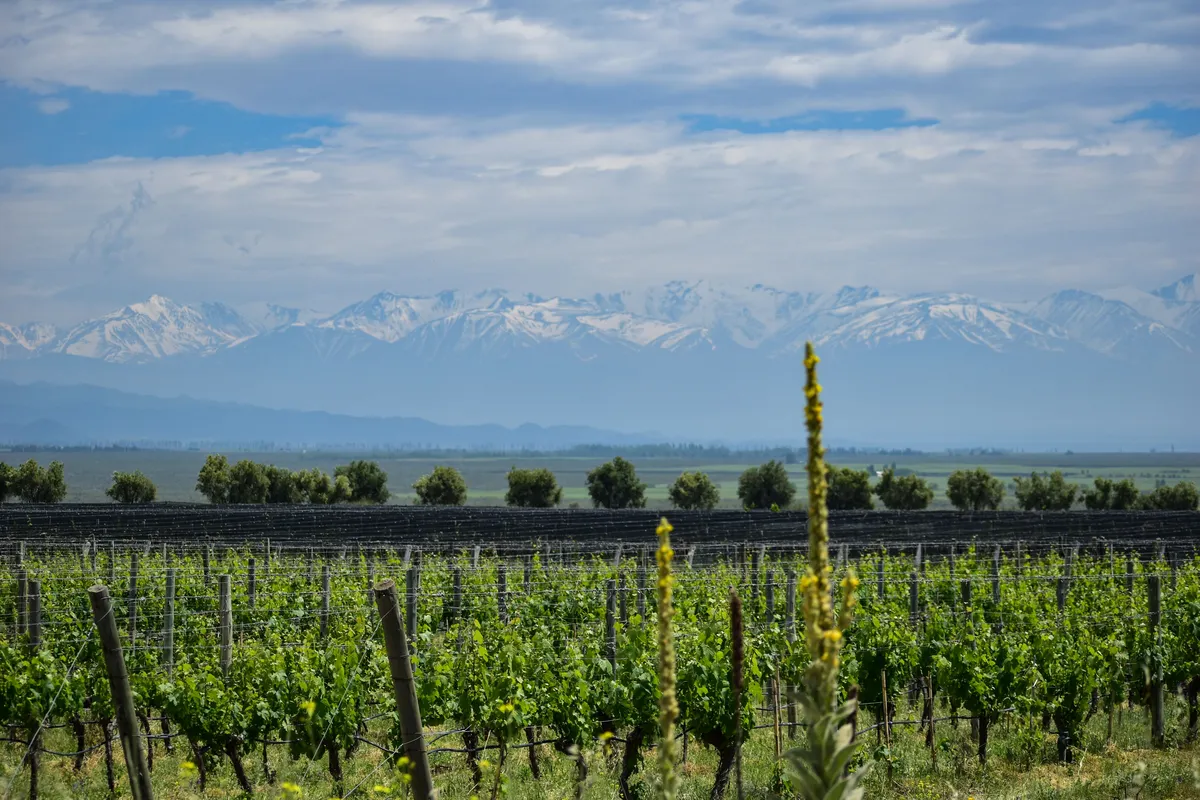
Maipú is close and traditional; Luján de Cuyo combines well-known wineries with Chacras de Coria; Valle de Uco is farther out and offers vineyards with a stunning Andean backdrop. Many wineries require reservations, including for lunch. Choose no more than two or three per day.
Suggested itinerary
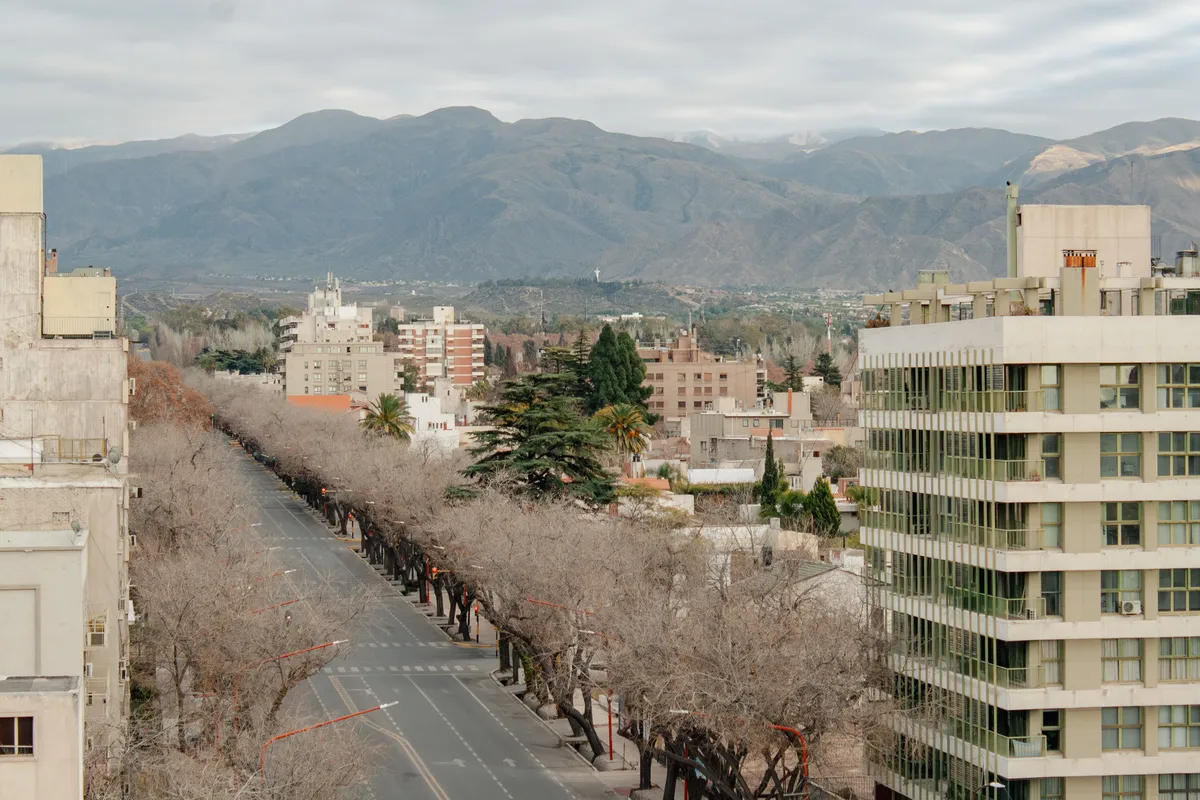
Day 1: city center, plazas, and Parque General San Martín. Day 2: Luján or Maipú. Day 3: Valle de Uco, if the budget and distance make sense. Day 4: Potrerillos, Uspallata, Puente del Inca, and Aconcagua viewpoints, depending on road and border conditions. Always leave a buffer for weather and delays.
When to go and what to know
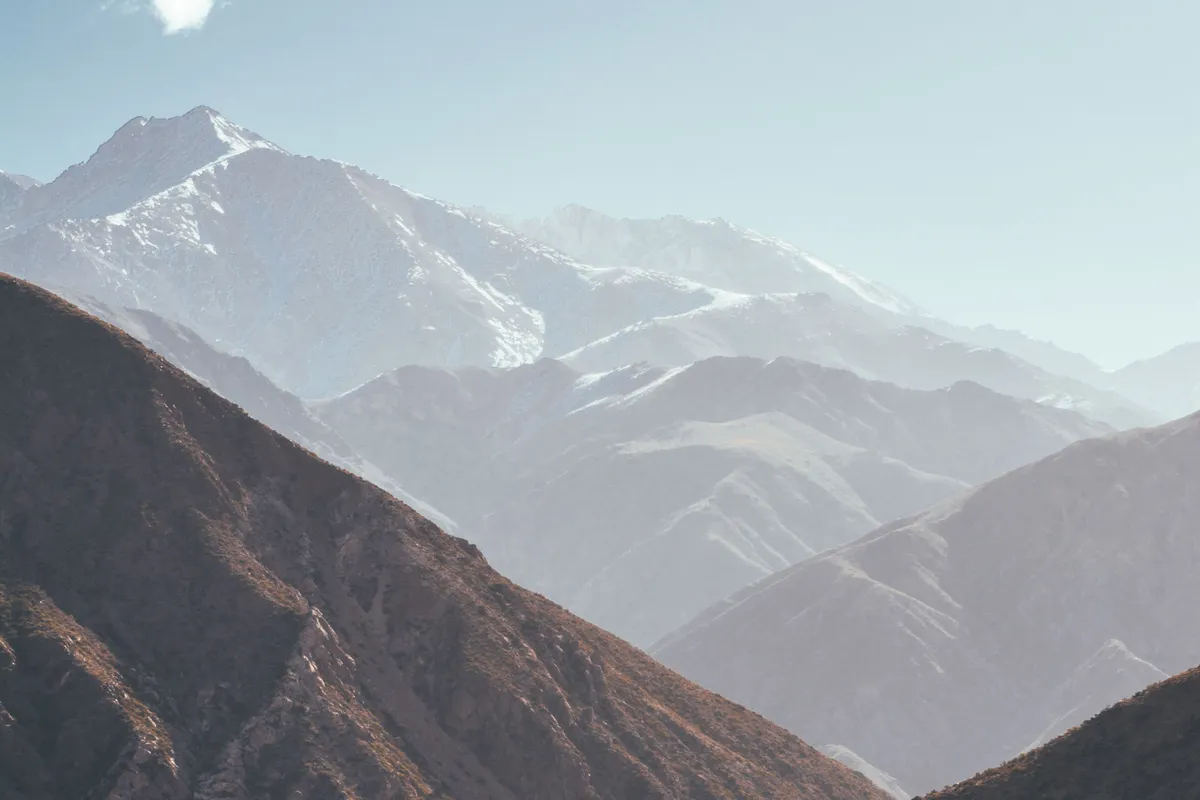
March brings harvest season and events; spring favors green vineyards; winter shows snow-capped mountains but can affect the international route. Don’t confuse a High Mountain tour with a permit to climb Aconcagua.
Bookings, costs, and safety
Compare what’s included, read recent reviews, and save your reservations offline. Check Mendoza Turismo and the official wine tourism guide. Don’t skimp on safe transportation. Pair this trip with our Buenos Aires guide.
Frequently asked questions
How many days should I stay?
Four to five days allow for a well-balanced first visit.
Do I need to book in advance?
Yes, during high season and for activities with limited capacity.
Is it worth renting a car?
It depends on your destination and experience; organized tours avoid tiring drives.
What’s the most common mistake?
Trying to fit distant regions into the same day.
Conclusion
Mendoza rewards those who respect distances, weather, and the local pace. Plan the essentials before the details.