 Marcelo Oliveira
Buenos Aires neighborhoods: where to stay — that’s the question that stalls the planning of anyone visiting the Argentine capital for the first time. Palermo, Recoleta, San Telmo, and Microcentro all compete for travelers’ favor, and the difference between picking the right or wrong neighborhood can set the tone for your entire trip. Each of these four neighborhoods serves a different type of trip: Palermo for nightlife and food lovers, Recoleta for those prioritizing safety and elegance, San Telmo for budget travelers and a bohemian vibe, and Microcentro for those with limited time who want to be in the heart of it all.
Hotels in Buenos Airesfree cancellation options onlySee hotels ›Booking.com partner (advertising): we may earn a commission at no extra cost to you.
The short answer: if it’s your first time and you want to balance location, safety, and price, Recoleta or Palermo are your safest bets. But the ideal neighborhood depends on your travel style, budget, and how many days you have — and that’s exactly what this comparison breaks down, neighborhood by neighborhood, covering the subway, average costs, and what each area truly delivers.
Getting to Buenos Aires and getting around
Direct flights from Brazil land at Ministro Pistarini International Airport (EZE), about 22 miles (35 km) from downtown. The transfer to Palermo or Recoleta takes between 40 minutes and 1 hour 15 minutes depending on traffic — an authorized taxi from the arrivals counter costs around 25,000 to 35,000 Argentine pesos (prices from mid-2026; check the official Aeropuertos Argentina 2000 website). Aeroparque Jorge Newbery (AEP), for domestic and some regional flights, is just 15 minutes from Palermo.
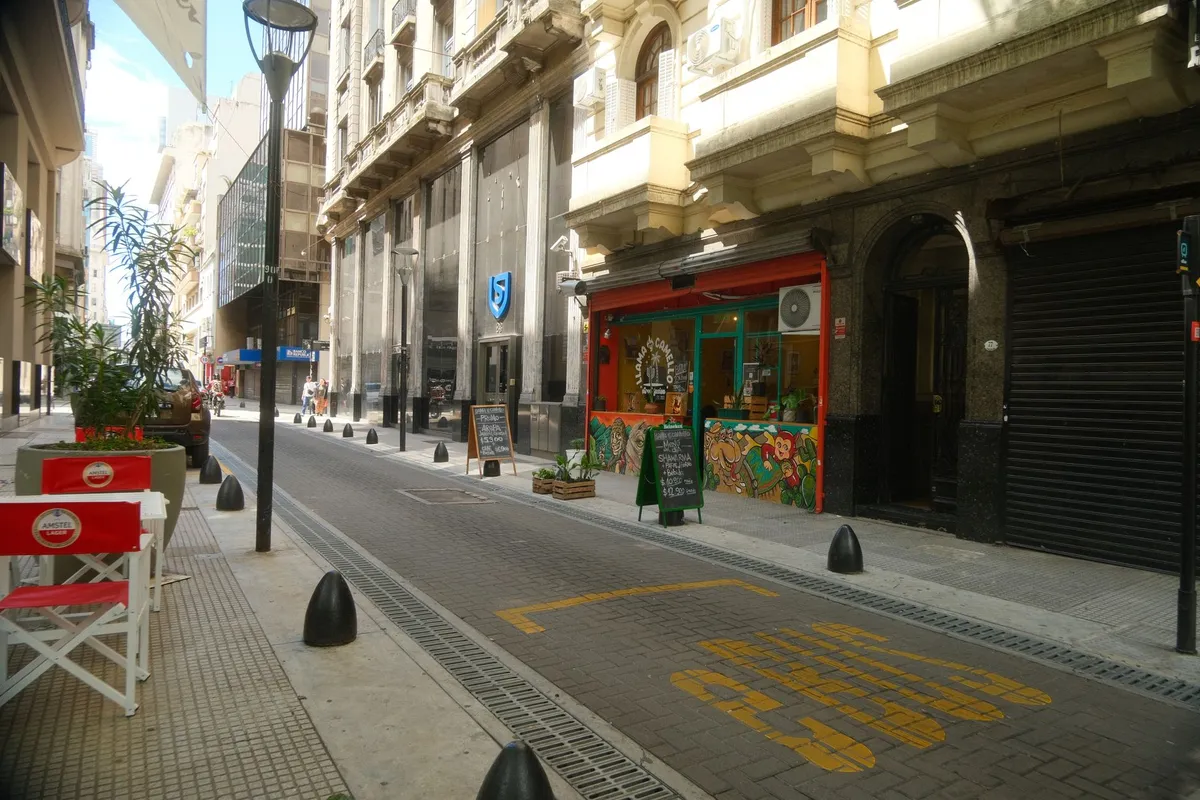
Once in the city, the Subte (subway) is the fastest way to move between neighborhoods. Line D cuts through Palermo and Recoleta; Line A connects Microcentro to Avenida de Mayo; Line C links Retiro to Constitución, passing through San Telmo. The SUBE card works on the subway, buses, and trains — buy and top it up at stations or kiosks. Taxis and ride-hailing apps (Uber works, so does Cabify) round out the options.
Best time to visit and how many days to stay
Buenos Aires is a year-round destination, but the best window for Brazilians is between March and May (porteño autumn) or September and November (spring): mild temperatures from 59 °F to 72 °F (15 °C to 22 °C), fewer tourists, and lower prices than in summer. Winter (June–August) is cold — rarely below 41 °F (5 °C), but the damp wind off the Río de la Plata makes it feel worse. Summer (December–February) is hot, and some shops close in January.
For a first trip focused on neighborhoods, 4 to 5 days is the sweet spot: a full day for Palermo, half a day for Recoleta, half a day for San Telmo (Sunday with the street fair is a must), a day for the Microcentro + La Boca circuit, and a free day to revisit what you loved or squeeze in a day trip to Colonia del Sacramento.
Palermo: the trendy neighborhood with nightlife and dining
Palermo is Buenos Aires’ largest neighborhood and splits into sub-areas that locals treat almost like separate neighborhoods. Palermo Soho is packed with independent design shops, street art, and restaurants with wine lists worth the trip. Palermo Hollywood, on the other side of the train tracks, is where you’ll find craft beer bars and TV production studios — the nightlife pulses from Thursday to Saturday.
If you’re after parks, Bosques de Palermo and the Jardín Japonés offer green space in the middle of the city. Subway access is via Line D (Plaza Italia, Palermo, and Ministro Carranza stations). Accommodation prices sit in the mid-to-high range: expect to pay between 40 and 90 USD per night for 3-star hotels, and from 120 USD for well-rated boutique properties.
Who it’s for: couples who prioritize dining and nightlife, solo travelers who want to socialize easily, and anyone who doesn’t mind being 20–30 minutes by subway from the classic downtown sights.
Where to stay in Buenos Aires
| Hotel | Rating | |
|---|---|---|
| Hilton Buenos AiresPuerto Madero · On the docks, within walking distance of Madero Tango and Puente de la Mujer | 9,11.699 reviews | See prices |
| Pleno MaderoPuerto Madero · Puerto Madero at a mid-range price, walk back from the docks | 9,0904 reviews | See prices |
| Almarena Madero Urbano, Affiliated by MeliáPuerto Madero · The best-value option with a high rating in Puerto Madero | 8,41.242 reviews | See prices |
| L'Adresse Hôtel BoutiqueSan Telmo · Boutique hotel in San Telmo, near La Ventana and El Querandí | 8,91.029 reviews | See prices |
| Patios de San TelmoSan Telmo · Historic mansion in the tango-house neighbourhood | 8,31.595 reviews | See prices |
| Hotel DolmenCity centre · In the centre, close to the Obelisco and Tango Porteño | 8,61.748 reviews | See prices |
| Hotel Intersur RecoletaRecoleta · Quiet Recoleta, a good base for families | 8,7981 reviews | See prices |
| Up Barrio NorteRecoleta · Good price between Recoleta and Palermo | 8,43.076 reviews | See prices |
| Dazzler by Wyndham PoloPalermo · Palermo, for bars and restaurants | 8,91.730 reviews | See prices |
| Palermo BridgePalermo · Palermo with mid-range prices and lots of reviews | 8,63.135 reviews | See prices |
Booking.com rating on 30/09/2026
Recoleta: European elegance and safety for walking
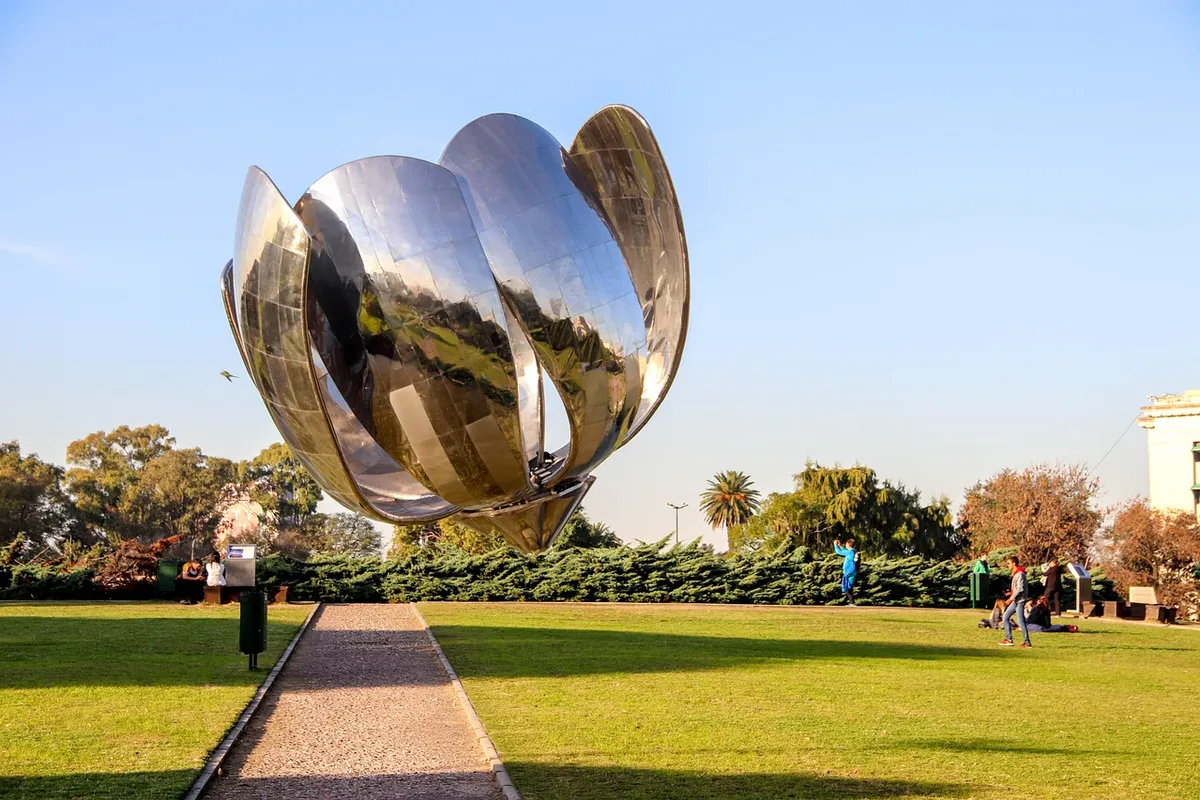
Recoleta feels like a slice of Paris transplanted to South America: tree-lined avenues, art nouveau facades, and the famous Recoleta Cemetery — where Evita Perón is buried and which doubles as an open-air museum. The neighborhood sits between Palermo and Microcentro, making it walkable to both.
Recoleta is considered the safest neighborhood in Buenos Aires for tourists — walking the main streets at night doesn’t carry the same worry as in other areas. The trade-off is price: average lodging runs 60 to 130 USD per night, restaurants are pricier, and the nightlife is more subdued than Palermo’s. The subway arrives via Line H (Las Heras station) and Line D (Pueyrredón).
Who it’s for: families with kids, travelers who prioritize safety and comfort, and anyone wanting a central base to explore both the north (Palermo) and the south (Microcentro, San Telmo) on foot.
 Partner · Civitatissee all activities in Buenos Aires ›
Polo Match in Buenos Aires with a Local Guide
- Mendoza Wine Tasting ExperienceRating 8.7 · 15 reviews on Civitatisfrom€43.91per personSee ›
- Alijibe Tango ShowRating 9.5 · 15 reviews on Civitatisfrom€57.09per personSee ›
- See ›Buenos Aires Free Walking TourRating 8.1 · 112 reviews on Civitatis
- Fileteado Porteño: Buenos Aires Folk Art WorkshopRating 8 · 4 reviews on Civitatisfrom€45.67per personSee ›
Civitatis prices on 28/09/2026, from, per person. They may change. Want to compare? Activities in Buenos Aires on GetYourGuide ›
San Telmo: tango, street fair, and the best value
San Telmo is Buenos Aires’ oldest neighborhood and breathes history on every cobblestone corner. The Feria de San Telmo, held every Sunday on Calle Defensa, brings together antiques, handicrafts, and street tango performances — it’s arguably the most porteño experience you’ll have on your trip.
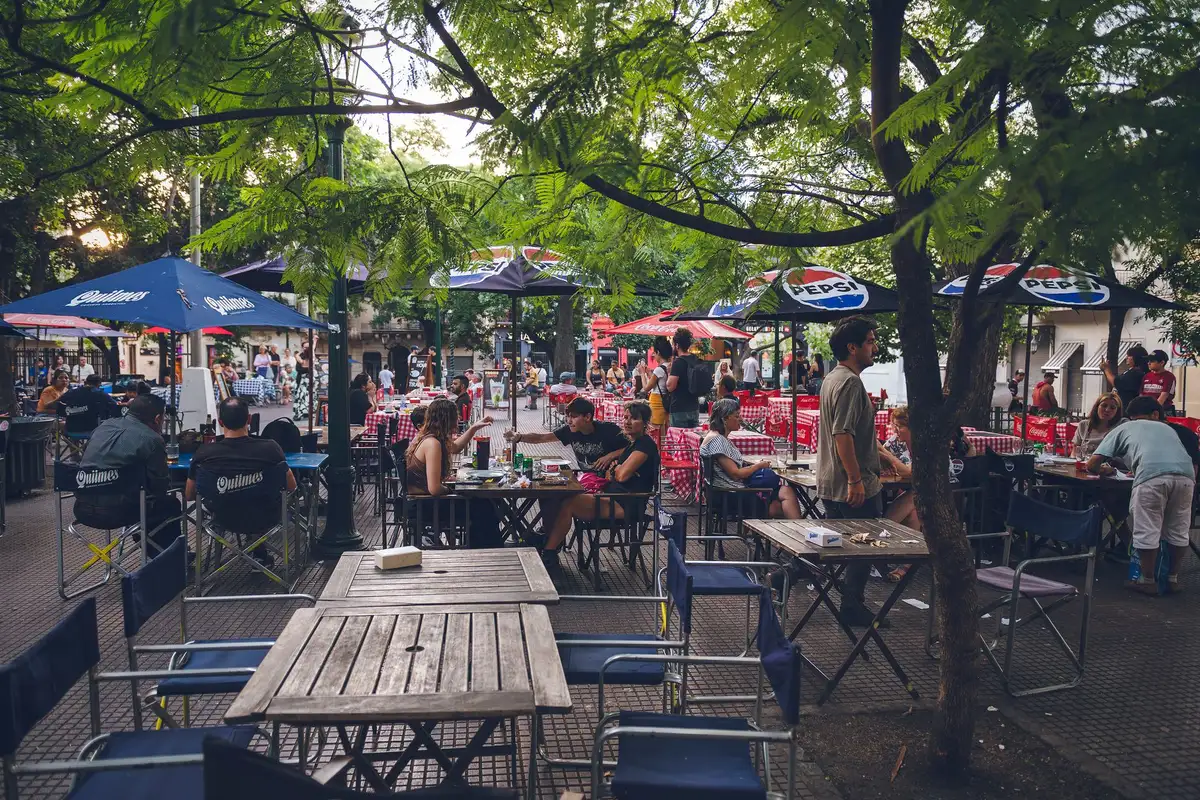
Accommodation costs here are the lowest of the four neighborhoods: hostels from 10 to 18 USD per night and 3-star hotels between 30 and 60 USD. There are plenty of Airbnb apartments with great space-to-price ratios. The subway arrives via Line C (San Juan and Constitución stations) and Line E (Independencia). The area is livelier during the day; at night, stick to well-lit streets and main avenues like Defensa.
Who it’s for: backpackers, budget travelers, and anyone seeking authenticity who doesn’t mind a less polished area. A tango show with dinner completes the porteño experience — book ahead because the best ones sell out.
Microcentro: Practical for Short Stays
The Microcentro is the commercial and financial heart of Buenos Aires. The Avenida 9 de Julio — which locals swear is the widest avenue in the world — cuts through the area with the Obelisco in the middle, and Calle Florida serves as a pedestrian shopping and currency exchange promenade (this is where you’ll find the famous “cuevas” where tourists exchange dollars at the blue rate).
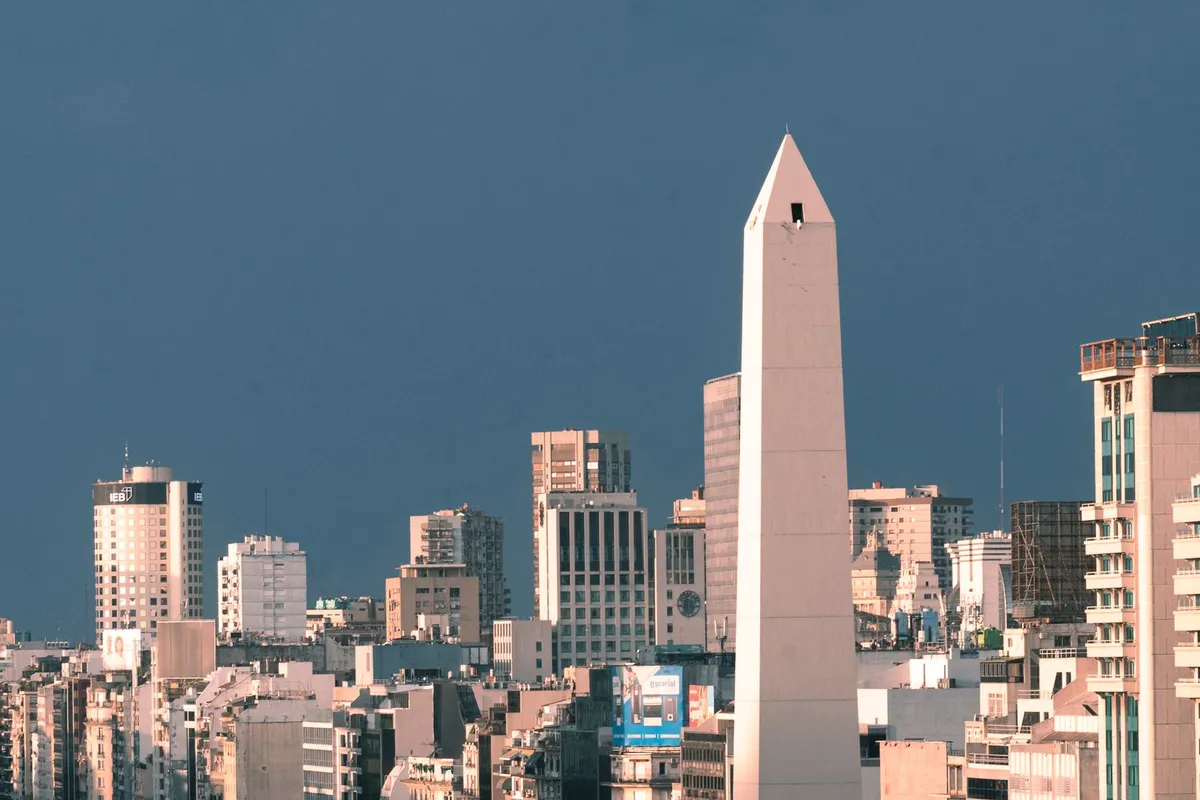
The Microcentro’s biggest advantage is connectivity: five subway lines run through the area (A, B, C, D, and E), and you can reach any neighborhood in minutes. Accommodation prices are the most competitive for chain hotels: 30 to 70 USD per night. The downside is that the area is deserted at night and on weekends — the Microcentro is alive Monday through Friday during business hours and nearly a ghost town the rest of the time.
Who it’s for: travelers in transit with 2–3 days, those prioritizing subway access and chain-hotel value, and anyone using Buenos Aires as a base for day trips. If you’ve read our 1-day itinerary for the Center and Obelisco, the Microcentro is the natural extension.
Comparison Table: Palermo × Recoleta × San Telmo × Microcentro
| Criterion | Palermo | Recoleta | San Telmo | Microcentro |
|---|---|---|---|---|
| Average price/night (3★ hotel) | USD 40–90 | USD 60–130 | USD 30–60 | USD 30–70 |
| Subway | Line D | Lines D and H | Lines C and E | Lines A, B, C, D, E |
| Nighttime safety | Good (busy streets) | Very good | Fair (avoid dark streets) | Poor (deserted area) |
| Nightlife | ★★★★★ | ★★☆☆☆ | ★★★☆☆ | ★☆☆☆☆ |
| Food scene | ★★★★★ | ★★★★☆ | ★★★☆☆ | ★★☆☆☆ |
| Best for | Couples, foodies | Families, first-timers | Backpackers, bohemians | Short stays, layovers |
Which Buenos Aires Neighborhood to Choose for Your First Trip
If you’re heading to Buenos Aires for the first time and have 4–5 days, Recoleta is the most balanced base: safe, central, with subway access, and within walking distance of both Palermo and downtown. For a tight budget with more than 4 days, San Telmo delivers authenticity and savings — but requires more caution at night. Palermo is the right pick if food and nightlife matter more than proximity to the classic sights. And the Microcentro works well for those with 2–3 days who want to be close to everything without spending much.
One strategy that works for trips of 5+ days: split your stay between two neighborhoods. Start in Recoleta or Palermo to get your bearings, then move to San Telmo for the last few days — you get to experience two completely different sides of the city. For a full overview of Argentina’s capital, check out our complete Buenos Aires guide.
Practical Tips for Staying in Buenos Aires
The SUBE card is essential — load it with at least 5,000 pesos for your first few days. Buses (colectivos) don’t accept cash, only SUBE. For currency exchange, the blue rate (parallel) offers significantly more than the official dollar rate; the “cuevas” on Calle Florida are the most common option, but bring crisp 100 USD bills for the best rate. Brazilians don’t need a visa for stays of up to 90 days.
Book accommodation with free cancellation and pay in Argentine pesos when possible — many hotels offer a discount for cash (efectivo) payments. As for the La Boca and San Telmo tour, schedule it on the same day you visit downtown: the two neighborhoods are close together, and a guided tour helps you avoid the stretches best not explored alone. Also check out our Caminito de La Boca itinerary to plan your timing.
 HotelAs soon as you have datesCompare neighbourhoods and guest ratings.See hotels ↑
- ActivitiesBefore you travelBook ahead the ones with limited spots.Civitatis ›
 More activitiesTo compareTickets, day trips and tours with flexible cancellation.GetYourGuide ›
Frequently Asked Questions
What’s the best neighborhood in Buenos Aires for a first visit?
The best neighborhood in Buenos Aires for a first visit is Recoleta, because it combines safety for walking day and night, subway access via lines D and H, proximity on foot to both Palermo and the Microcentro, and a range of hotels from three to five stars.
Is it safe to walk at night in Buenos Aires?
Buenos Aires is relatively safe in tourist areas, but the level varies by neighborhood. Recoleta and Palermo Soho are the calmest at night. San Telmo requires caution on poorly lit streets, and the Microcentro is practically deserted after business hours — avoid walking alone there after 9 PM.
Is it worth staying in San Telmo?
San Telmo is worth it for travelers looking for the lowest accommodation costs in Buenos Aires and an authentic bohemian vibe. The neighborhood has hotels and hostels at half the price of Recoleta, the famous Feria de San Telmo on Sundays, and easy subway access. The downside is the need for extra caution at night on side streets.
How much does it cost to stay in Palermo, Buenos Aires?
In Palermo, Buenos Aires, 3-star hotels cost between 40 and 90 USD per night (mid-2026 values). Boutique and 4-star hotels start at 120 USD. Prices rise in high season (October–December) and drop between May and August. Booking ahead and paying in Argentine pesos usually gets you a discount.
Do I need a visa to go to Buenos Aires?
Brazilians don’t need a visa to enter Argentina and can stay up to 90 days as tourists. Just present a valid passport or a well-preserved national ID card (IDs issued more than 10 years ago may be refused). Entry works both by air and by land.
Conclusion
Buenos Aires delivers completely different experiences depending on where you drop your bags. If safety and centrality weigh heavily, Recoleta is the ideal starting point. If budget calls the shots, San Telmo delivers without sacrificing authenticity. Palermo is for those who want to eat and drink well, and the Microcentro works as a logistical base for short trips. To put together the rest of your itinerary — from La Boca to the blue dollar rate — check out the other guides here on Voyage Voyage and make the most of every corner of this city that never tires.