Buenos Aires is a city that never stops. As the capital of Argentina and one of the largest metropolises in Latin America, it pulses with an energy that blends the melancholic and the festive, the European and the South American, the historic and the contemporary. Here, tango was born on the street corners of working-class neighborhoods and rose to elegant ballrooms without losing its soul. Restaurants fill up after 9 PM, and nightclubs only start to come alive after midnight. Steak is a religion. Soccer is a passion that goes beyond sport. And the porteños — as Buenos Aires residents are called — have a way of being warm, intense, and slightly dramatic that makes any visitor smile. If you’re planning a trip, this complete guide will help you make the most of every corner of this fascinating city.
Why visit Buenos Aires?
Buenos Aires is often called the “Paris of South America” — and while the comparison is a cliché, it holds a kernel of truth. The European-influenced architecture in the Recoleta and Palermo neighborhoods, the cafés with velvet chairs and long espressos, the obsession with literature and psychoanalysis, the wide, tree-lined boulevards: there’s something undeniably cosmopolitan and sophisticated about the Argentine capital.
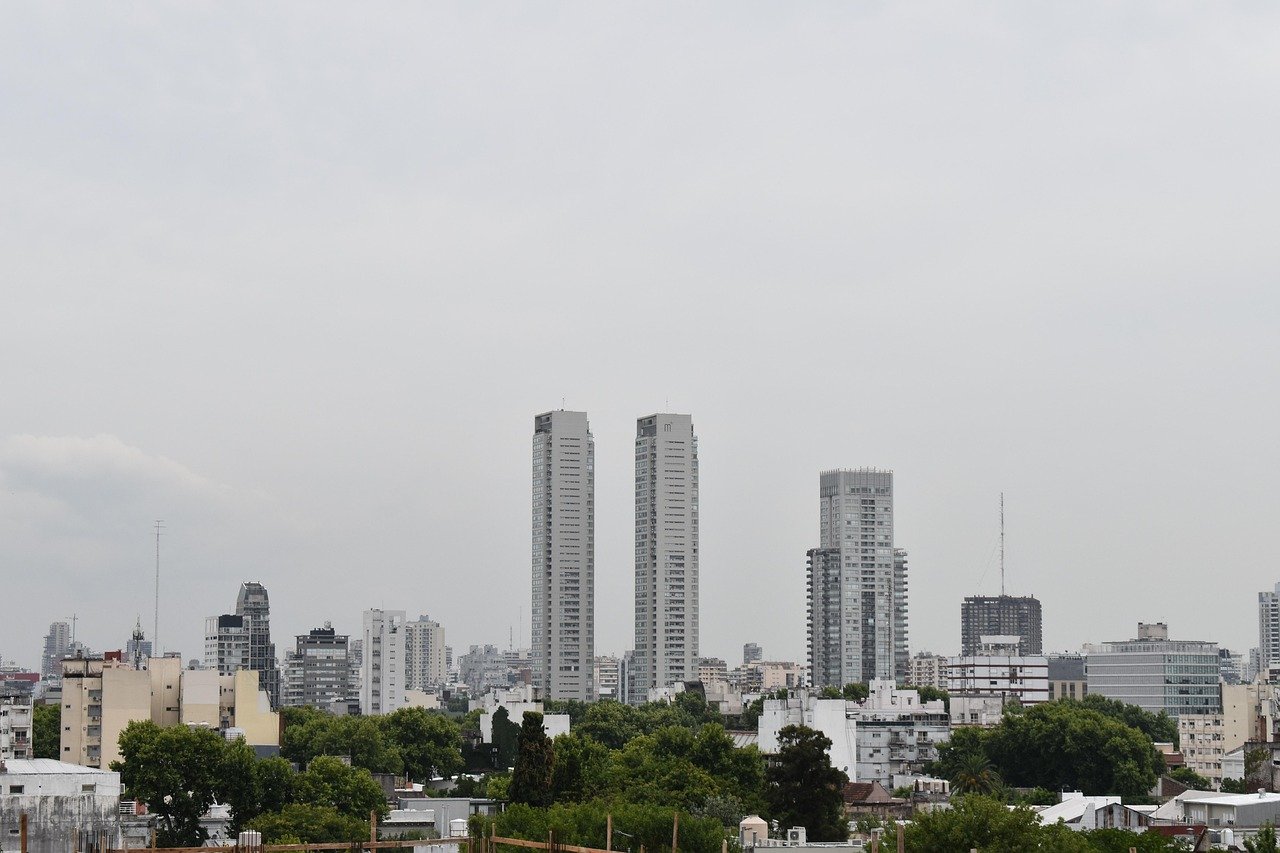
But Buenos Aires is also deeply Latin American. Social inequality coexists with a cultural vibrancy that springs from every corner. Colorful street art covers the walls of entire neighborhoods. Craft and antique fairs take over the plazas on weekends. Musicians play in subway stations with the same seriousness as a chamber concert. The city is contradictory and rich precisely because of that.
For the Brazilian traveler, there’s the bonus of being just a few miles away — by plane, it’s two hours from São Paulo or Rio — with historically favorable exchange rates (always check the rates before you travel, as Argentina’s economic situation can fluctuate), exceptional food, and a cultural affinity that makes it easy to dive right in.
Top attractions in Buenos Aires
La Boca and Caminito
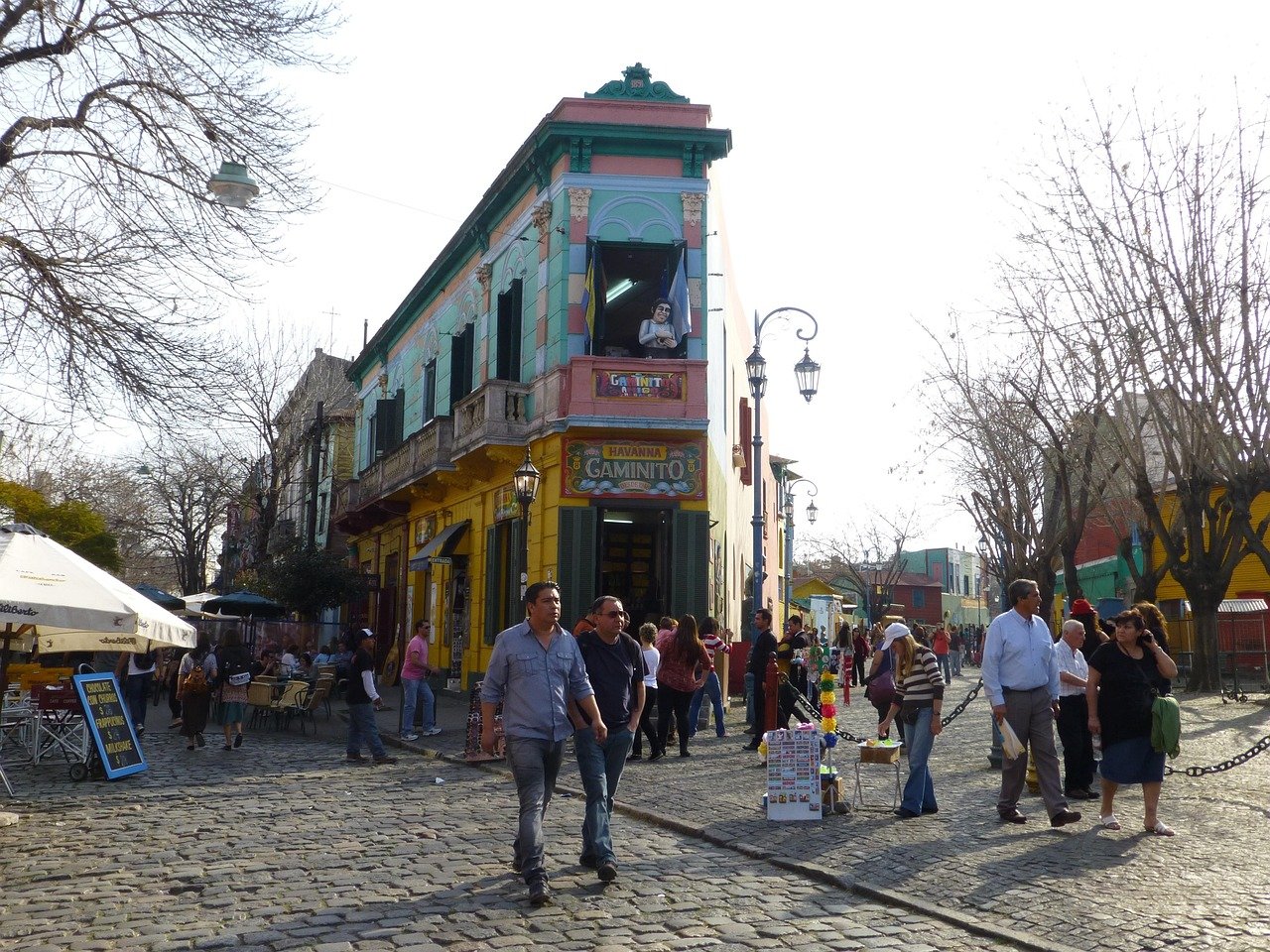
The La Boca neighborhood, in the south of the city, is one of the most photographed in Latin America. Its wooden houses painted in vibrant colors — blue, yellow, red, green — along the open-air museum street called Caminito create a unique setting that harkens back to the neighborhood’s Italian immigrant roots. Couples dance tango on the sidewalks for tourists, artists’ studios display their work in the windows, and restaurants with menus recited out loud call out to passersby from the street.
La Boca is also the birthplace of the most passionate rivalry in world soccer: this is where La Bombonera Stadium, home of Boca Juniors, is located. Visiting the club’s museum and taking the stadium tour is an exciting experience even for non-soccer fans — the intensity of the boquense passion is palpable in every object, photo, and trophy on display. Tour tickets run around $15 to $20 USD; check the official website for times and reservations.
Recoleta and the Recoleta Cemetery
The Recoleta neighborhood is the most elegant and European side of Buenos Aires. 19th-century mansions, art galleries, the National Museum of Fine Arts (free admission), and historic cafés like Café La Biela — where intellectuals and artists have gathered for decades — make up a scene of quiet sophistication.
The neighborhood’s most visited spot is, surprisingly, a cemetery. The Recoleta Cemetery is a miniature city of mausoleums and neo-Gothic chapels where presidents, military figures, writers, and the most famous Argentine of all time rest: Eva Perón, whose tomb is a constant pilgrimage site. Admission is free; staff offer maps at the gate. Visit in the morning to beat the heat and enjoy the light filtering between the tombs.
San Telmo and its Sunday fair
San Telmo is the oldest neighborhood in Buenos Aires and perhaps the most atmospheric. Its cobblestone streets, colonial houses, and the San Telmo Market — a covered 19th-century market full of antique shops, tapas bars, and restaurants — create a scene that seems frozen in time but is full of life.
Every Sunday, the San Telmo Fair takes over Defensa Street from around 10 AM to 5 PM: crafts, antiques, used books, vintage clothing, live tango musicians. It’s one of the most beloved activities for both locals and tourists, and admission is free. Arrive early to see the vendors setting up their stalls and enjoy the buzz before the afternoon peak.
Palermo: neighborhood, parks, and nightlife
Palermo is the largest and most diverse neighborhood in Buenos Aires. It’s informally divided into micro-neighborhoods: Palermo Soho (boutiques, cafés, modern restaurants), Palermo Hollywood (bars, fusion restaurants, TV production companies), and Palermo Chico (mansions and embassies around Parque 3 de Febrero). It’s the heart of young, creative, and gastronomic Buenos Aires.
Parque 3 de Febrero, with its artificial lakes, rose garden, and bike paths, is the city’s green lung — perfect for an afternoon picnic or a rowboat ride. Nearby, the Botanical Garden and the Japanese Garden (admission around $5 to $8 USD) round out Palermo’s green itinerary.
Where to eat in Buenos Aires
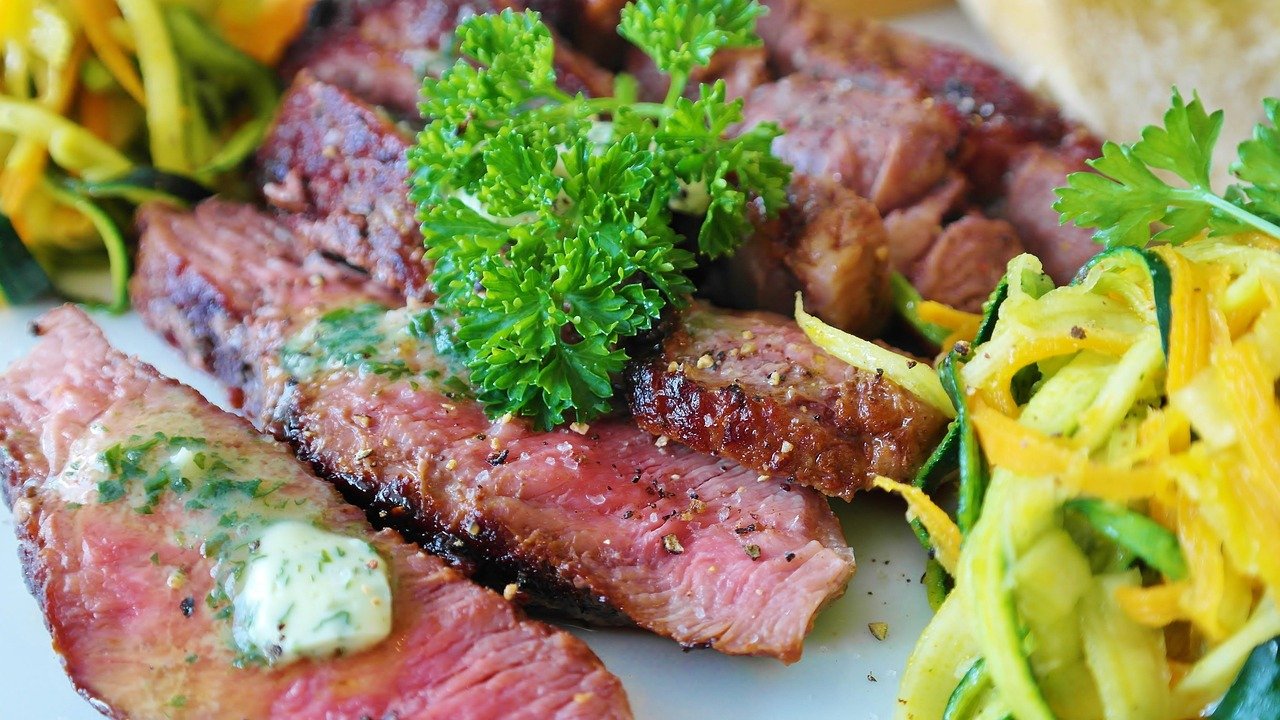
Porteño cuisine is a chapter all its own. Asado — Argentine barbecue slowly grilled with cuts like ribs, flank steak, chorizo, and morcilla — is a cultural institution, not just a meal. Parrillas (steakhouses) are temples where you eat slowly, drink local Malbec wine, and let the conversation flow for hours. A full meal at a quality parrilla runs $20 to $40 USD per person; check each establishment for current prices.
For a more budget-friendly experience, porteño pizzas are surprisingly good — thick, generously topped, very different from Neapolitan pizza. The tradition of “fugazza con queso” (onion pizza with lots of cheese) is a local favorite. Empanadas (baked or fried pastries with various fillings) are the perfect snack any time of day.
The Palermo neighborhood is home to the city’s most innovative restaurants — from Japanese with a porteño twist to sophisticated Peruvian. San Telmo has great options around the market. And for a typical breakfast, nothing beats a butter croissant (medialuna) with café con leche at one of the city’s historic bars: El Federal, Los Inmortales, or the classic Café Tortoni on Avenida de Mayo, operating since 1858.
Where to stay in Buenos Aires
Buenos Aires has a wide range of hotels and, historically, very competitive prices for those converting from Brazilian reais or US dollars. The most recommended neighborhoods to stay in are Palermo (modern, young, full of restaurant and bar options), San Telmo (historic and bohemian), Recoleta (elegant and central), and the Centro/Microcentro (practical, but more impersonal). For a detailed comparison with prices, subway access, and safety for each area, check out our guide to Buenos Aires neighborhoods: where to stay.
Hostels with great facilities and social scenes abound in Palermo and San Telmo — dorm beds run $15 to $25 USD per night, private rooms $40 to $80 USD. Three-star hotels in good locations go for around $80 to $150 USD per night. Luxury boutique hotels in Recoleta and Palermo can reach $300 USD or more; check booking platforms for current prices, as Argentina’s exchange rate fluctuations directly affect rates.
Getting around Buenos Aires
Buenos Aires has a highly developed public transportation system. The subte (subway) covers the main downtown avenues and is fast and cheap—a ride costs around $0.30 to $0.50 USD with the SUBE card (a rechargeable card that also works on buses and trains; check current fares upon arrival). The buses (colectivos) cover practically the entire city, but the route system can be confusing for newcomers—use Google Maps or the Cómo Llego app to plot your routes.
Taxis and ride-hailing services like Cabify and Uber (the latter operates irregularly in Buenos Aires—opt for Cabify or official taxis instead) are practical options for medium distances. Walking is the best way to explore neighborhoods like San Telmo, La Boca (with caution in the less touristy areas), Palermo, and Recoleta. Public bikes (Ecobici) are available at various stations and are free for short rides; check the Ecobici website for registration and hours.
Practical Tips
When to go: The Argentine spring (September to November) and fall (March to May) are the most pleasant seasons: mild weather, without extreme heat or cold. The porteño summer (December to February) can be very hot and humid—above 95°F with a heat index of 104°F on some days. Winter (June to August) is cold but rarely snowy; the city is less crowded and some prices drop.
Currency exchange: Argentina’s economic situation is complex. Research the available exchange methods before you travel—rules and rates change frequently. In general, paying with cash (Argentine pesos) can be more advantageous than using an international card, but always confirm the current conditions.
Safety: Buenos Aires is a large city with marked social inequality. The tourist neighborhoods (Palermo, Recoleta, San Telmo, Caminito) are safe for visitors during the day. At night, keep an eye on your belongings. Avoid outlying neighborhoods without local knowledge. Preferably use taxis hailed via app or through your hotel.
Language: Porteño Spanish has its own accent—the “ll” and “y” are pronounced like “sh”—and uses “vos” instead of “tú.” For Brazilians with some basic Spanish, communication is easy. For non-Spanish speakers, the tourist neighborhoods have a good supply of bilingual staff.
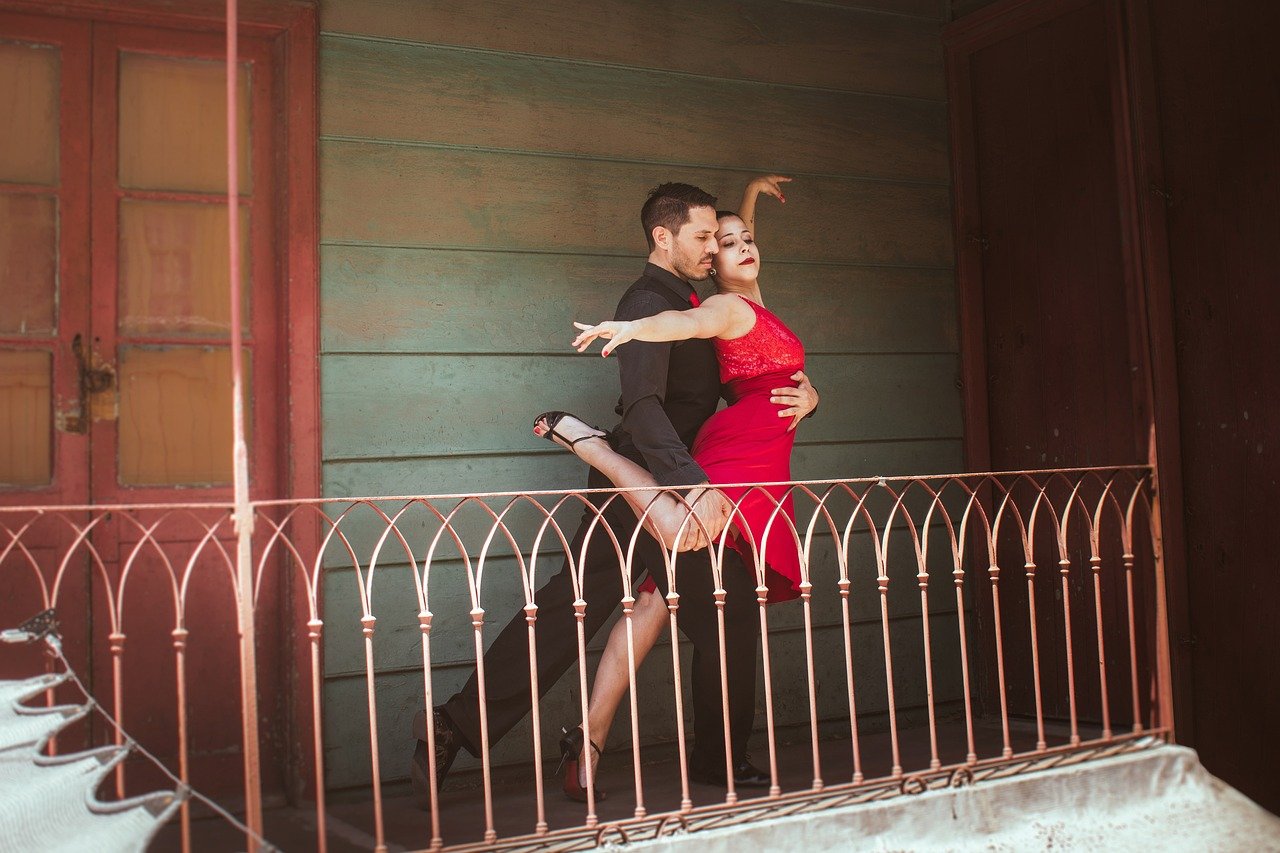
Tango: If you want to watch a professional tango show, the neighborhood milongas (where amateur and professional dancers gather to dance) are more authentic and cheaper than the pricey tourist shows. Ask at your hostel or hotel about the local milongas—many have free entry or charge a minimal fee.
Day Trips from Buenos Aires
Buenos Aires is a convenient starting point for some of South America’s most fascinating excursions.
Tigre and the Paraná Delta are less than an hour away by train (the Mitre line departing from Retiro station) and offer a surprising contrast to the metropolis: houses on stilts, canals between islands covered in lush vegetation, and boats and kayaks gliding through the greenery. An afternoon in Tigre is a must-do.
Colonia del Sacramento, in Uruguay, is just a one-hour ferry ride across the Río de la Plata. This UNESCO World Heritage colonial town has cobblestone streets, historic lighthouses, an incomparable sunset over the estuary, and a tranquility that contrasts with Buenos Aires’ frenetic pace. It’s well worth the day trip.
Mendoza, Argentina’s wine capital, is less than two hours away by plane. Visiting the region’s wineries, tasting Malbec and Torrontés, and lunching with views of the snow-capped Andes is an experience that justifies extending your trip.
Frequently Asked Questions About Buenos Aires
How many days do you need to visit Buenos Aires?
Four to five days allow you to see the main neighborhoods at a relaxed pace: La Boca, San Telmo, Recoleta, Palermo, and the historic center. With a week, you can include a trip to Tigre and another to Colonia del Sacramento, plus time to get lost in the neighborhoods without an itinerary. Buenos Aires is a city that rewards those who stay longer—it reveals itself layer by layer.
Is Buenos Aires expensive for Brazilians?
Historically, Buenos Aires has been one of the most affordable destinations for travelers from Brazil, thanks to the favorable exchange rate. Argentina’s economic situation is volatile, so always check the conditions before traveling. In general, eating, drinking, and staying in Buenos Aires tends to be cheaper than in Brazilian capitals, especially for those who exchange money efficiently.
Do I need a visa to go to Argentina?
Brazilian citizens do not need a visa to visit Argentina for up to 90 days. A valid passport or, in many cases, a Brazilian ID card (RG) is sufficient. Always confirm the documentation requirements before traveling on the Argentine Consulate or Brazilian Federal Police website.
What is the nightlife like in Buenos Aires?
Buenos Aires has one of the most intense nightlife scenes in the world. Bars start filling up around 10 PM, restaurants seat their last tables after 11 PM, and clubs only get going after 1 AM—running until sunrise. Palermo Hollywood and the San Telmo neighborhood concentrate bars and clubs for every taste. Don’t try to keep the same pace as back home: adapt to the porteño schedule and take an afternoon nap.
For planning with official sources, check out the official Buenos Aires tourism website and the city’s Wikipedia page.
Conclusion
Buenos Aires is a city that demands surrender. You can’t get to know it in a hurry, with a rigid itinerary and set times to get back to the hotel. It asks you to sit on a sidewalk with a mate in hand, listen to tango spilling out of a window, argue about soccer with a stranger at a bar, and eat a steak you’ll remember forever.
Go with curiosity, go with time, go hungry—for food, for history, for culture. Buenos Aires will give it all back to you multiplied, with that unmistakable flavor only this city knows how to add.
Explore the other destination guides here on Voyage Voyage.