Your Bariloche itinerary for five days shifts with the season: in winter, snow, lift operations, and lines dictate the plan; in summer, trails, lakes, and long daylight hours let you cover more ground. The safest structure combines the Civic Center, Circuito Chico, one mountain, one long excursion, and one flexible day. This way, you won’t miss Cerro Catedral due to weather or try to cross the region twice in the same day.
Quick answer: over five days, do the Civic Center and Circuito Chico early on, pick Cerro Catedral or another mountain on the best weather day, book one long excursion, and keep a flexible window. In winter, buy ski passes and transfers in advance; in summer, confirm trail and lift conditions the day before.
How to plan five days in Bariloche
Five full days are enough to see the highlights of San Carlos de Bariloche without cramming in an impossible schedule. Teniente Luis Candelaria Airport is about 14 km from the Civic Center; count arrival, baggage claim, and transfer time outside your five days if your flight schedule allows.
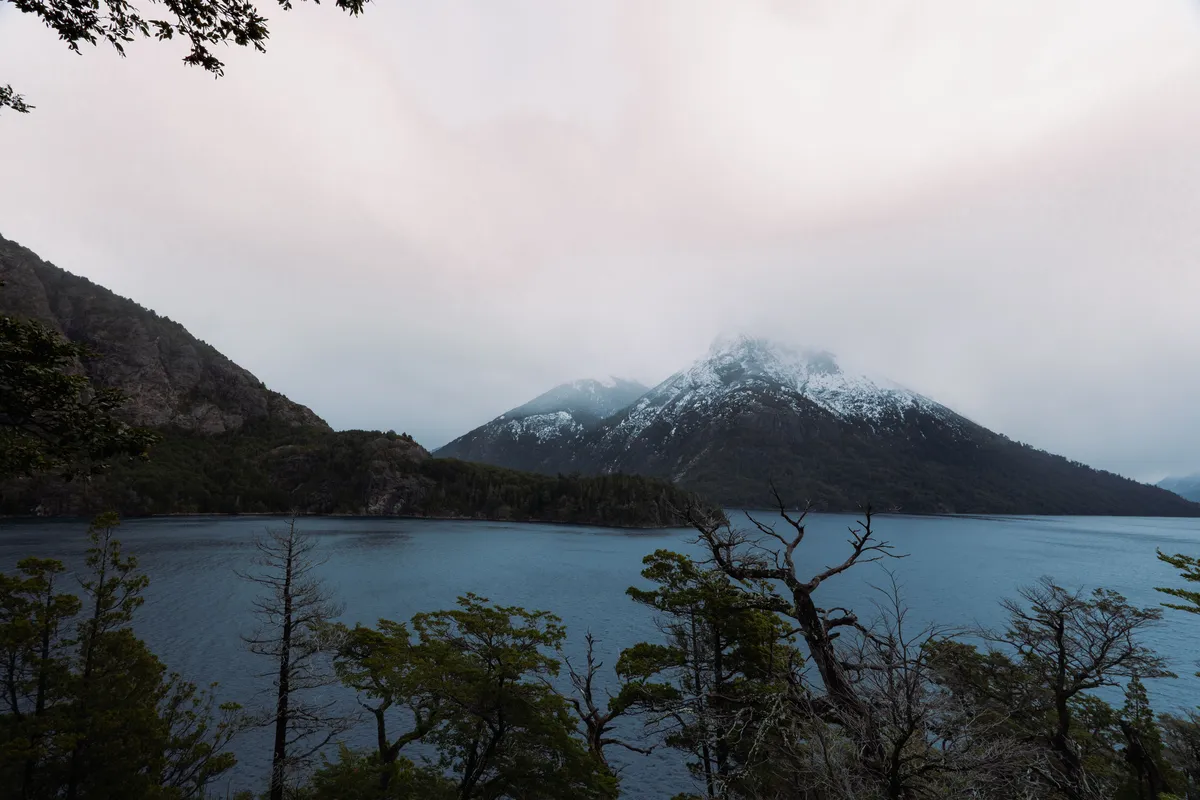
Before spreading out attractions, pick your main goal. If you’re traveling to ski, protect two days for snow, even if you only use one: wind, visibility, and trail openings vary. If you’re going in summer, you can alternate a long hike with a day on the road or on the water. In any season, don’t leave your most important excursion for the last morning.
Staying downtown makes restaurants, chocolate shops, agencies, and buses easier. Avenida Bustillo puts you closer to the lakes and Circuito Chico but makes you more dependent on a car. Cerro Catedral is practical if you’re skiing for several days, but it’s far from the downtown nightlife.
Day 1: Civic Center, chocolate, and lakeshore
The first day works as a pace-setter. Start at the Civic Center, stroll along Calle Mitre, and head down to the shore of Lago Nahuel Huapi. The Museo de la Patagonia, when open, helps you understand the region’s indigenous peoples, the city’s founding, and the Andean environment before you head into the mountains.
Use the afternoon to sort out what’s left: transit card, clothing rental, gear pickup, or buying snacks for your excursions. In winter, confirm your transfer for the next day and ask about chains if you’re driving. In summer, check trail conditions and mandatory registration.
Chocolate works as a break, not a full-day activity. Compare shops on Mitre and avoid buying everything at the first stop. At night, pick a restaurant near your lodging; you’ll still be adjusting to the time and temperature.
Day 2: Circuito Chico and Cerro Campanario
The Circuito Chico is the best introduction to Bariloche’s landscape. The route covers about 60 km from downtown and passes viewpoints, Bahía López, the Hotel Llao Llao area, and Colonia Suiza, depending on the route you choose. Set aside at least half a day; with a car, stops, and lunch can easily fill the whole day.
Include Cerro Campanario if the chairlift is running. The ride up reveals Lago Nahuel Huapi and Lago Moreno, peninsulas, and mountain ranges you’ll encounter in the coming days. Arriving early cuts the line and boosts your chances of clear views. On an overcast day, swap it for another activity—paying to go up inside a cloud isn’t worth it.
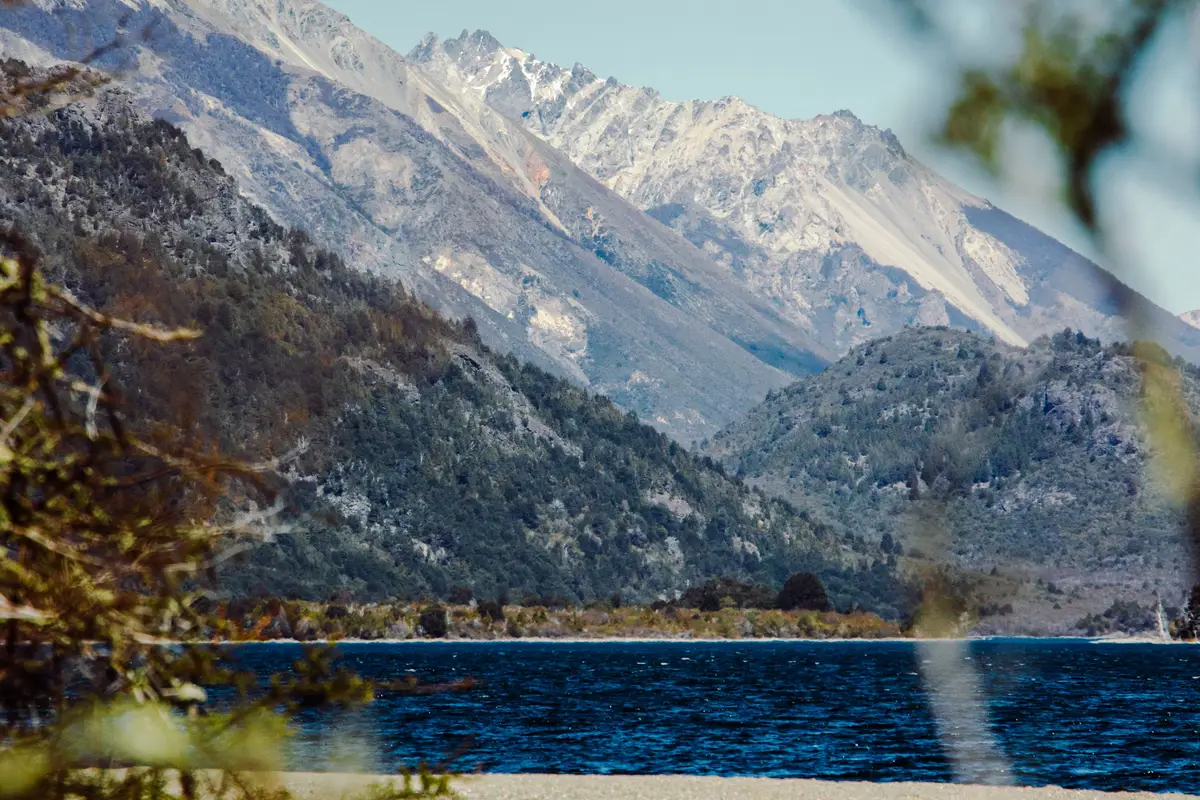
Without a car, use public buses or a tour. The Circuito Chico and Cerro Catedral tour handles transport but gives you less time at each stop. Compare duration and included stops before booking.
Day 3: Cerro Catedral, with or without skiing
Save your best weather day for Cerro Catedral. Bariloche’s official tourism board says the mountain operates year-round and has extensive infrastructure; in winter, there are slopes, ski schools, and rental shops, while in summer the focus shifts to scenery, dining, and mountain activities. Outside peak season, lifts may only run on specific days.
If you’ve never skied, plan for a lesson, gear, and a pass suited to the beginner area. Arrive early to pick up equipment and adjust your boots. A short lesson won’t turn the day into a free-ride session: balance, braking, and using the lifts take time. Kids and adults learn at different paces; avoid buying the most complex package before you know how you handle the altitude, cold, and gear.
If you’re not skiing, you can ride up as a pedestrian when lifts are running, have lunch at the base, or choose Cerro Otto and Piedras Blancas instead. Check the mountain’s official channel to see which lifts are open that day; “Catedral is open” doesn’t mean the whole area is available.
The official tourism site describes Cerro Catedral as a complex with up to 120 km of slopes and dozens of lifts. Check the Cerro Catedral activities page and the season operator for current hours and prices.
Day 4: Long excursion outside the center
Pick just one long destination. Cerro Tronador combines a scenic drive, forests, and glacial views; Villa La Angostura adds another town and viewpoints; San Martín de los Andes via the Seven Lakes Route demands many hours on the road; Isla Victoria and the Arrayanes Forest shift your perspective to the water.
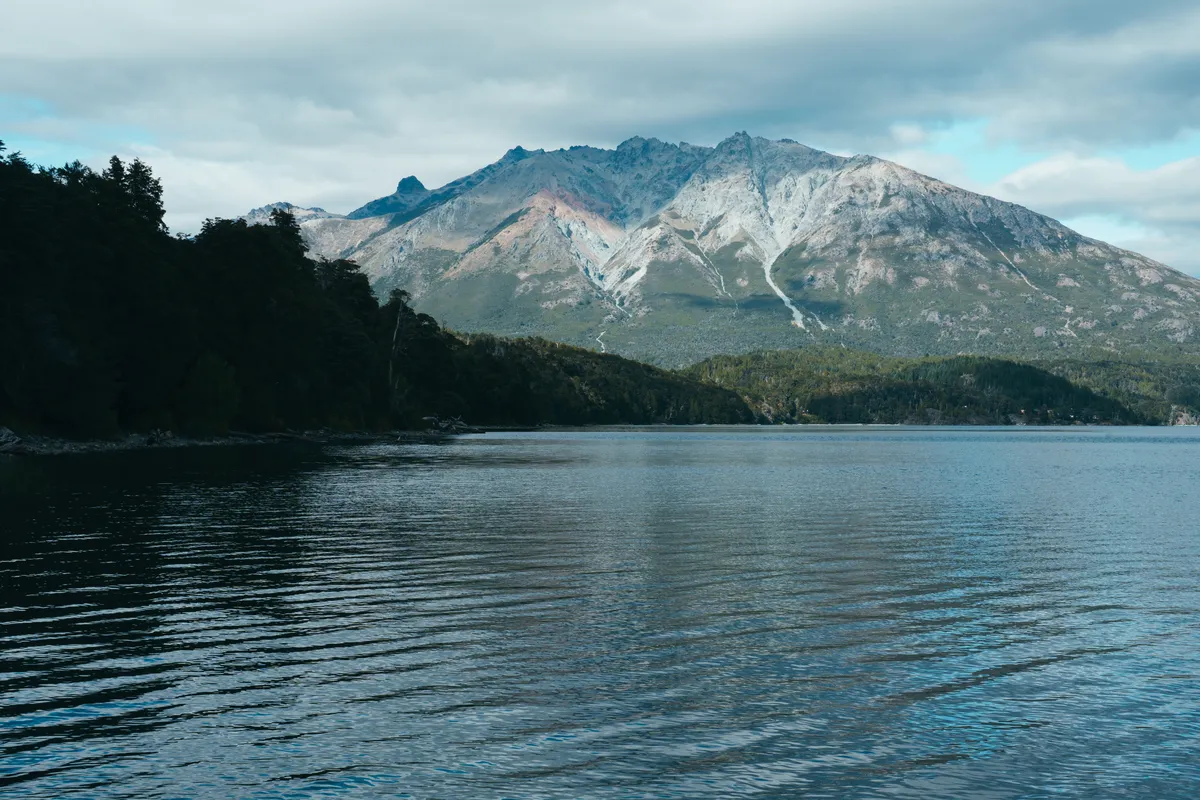
Tronador makes sense if you want nature and don’t mind slower stretches of road. The Seven Lakes Route suits road-trip lovers who want to visit San Martín de los Andes, but it shouldn’t be combined with anything else. The boat trip is a great alternative when trails are wet or when your group prefers less walking.
Before booking, check the real travel times and what’s included. Lunch, park entry, and port fees can be extra. If you get motion sickness on boats or in cars, choose your route based on your body, not just the photos.
Day 5: Flexible plan for weather and preferences
Day five should absorb whatever the weather messed up. If Catedral was closed, try again. If everything went smoothly, choose Cerro Otto, Colonia Suiza, a lakeside beach in summer, or a short hike. This flexibility keeps you from rebooking flights, losing an expensive reservation, or racing across town.
In summer, Playa Bonita and nearby lake spots work well on warm afternoons, but the water is still cold. For a hike, pick a distance and elevation gain that fit your group. In winter, Piedras Blancas and smaller centers offer sledding, snow play, and activities that don’t require a full day of skiing.
If you’d rather take an organized sightseeing tour, Civitatis lists a Cerro Catedral excursion. Double-check times and cancellation policies, especially on days with wind in the forecast.
When to visit Bariloche: winter or summer?
For snow and skiing, July and August are peak season, with the highest prices and demand. June and September can bring snow, but coverage and trail openings aren’t guaranteed. The official tourism board recommends monitoring mountain conditions, since each winter behaves differently.
From December to March, Bariloche trades skiing for trails, lakes, biking, and road trips. January and February have long days and bigger crowds. November and April are transition months: fewer people, but seasonal services may run on a reduced schedule.
Autumn paints the forests and calls for warm layers; spring can bring wind and residual snow. To pair Bariloche with other destinations, the guide Patagonia itinerary between Argentina and Chile helps you calculate distances without turning El Calafate into a day trip.
Bariloche itinerary: how much does skiing cost?
The cost of a ski day adds up lift tickets, gear, clothing, lessons, food, and transport. Since Argentine prices change fast, don’t rely on numbers from past seasons. Check with the Cerro Catedral operator for your exact dates and budget in a strong currency or reais only on the day of purchase.
For planning, treat the lift ticket as one part of the bill, not the whole thing. Basic gear includes skis or snowboard, boots, and poles; a helmet may be separate. Jacket, pants, gloves, and goggles are also usually not included. Private lessons cost more but cut down on waiting; group lessons spread the cost.
Budget between US$ 120 and US$ 250 per adult for a full beginner day as a planning range for July 2026, without treating this as an official rate. The real total depends on the exchange rate, the season, the type of pass, and the package. Families should compare kids’ discounts and non-skier costs.
If your whole trip revolves around skiing, buying multiple days can lower the average cost but raises weather risk. Read the refund rules and insurance coverage. In-bounds, off-piste, and snowboarding may have different conditions.
Where to stay and how to get around
The center is the most practical base for a first trip: you can walk to restaurants and agencies and catch buses to the main corridors. Avenida Bustillo offers quiet and scenery, but taxis, a car, or buses become part of the routine. The Catedral base is best for those who prioritize the slopes and don’t mind dining away from the center.
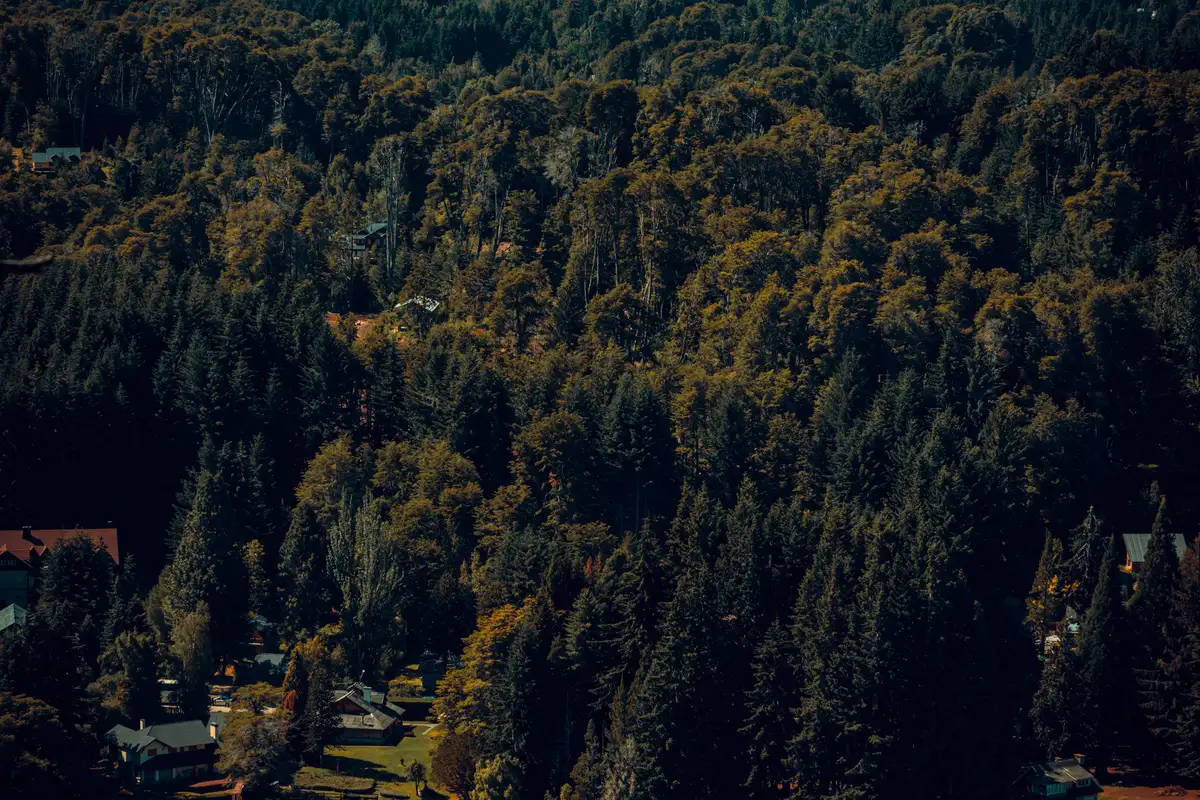
Renting a car is worth it for Circuito Chico, the beaches, and summer outings. In winter, only drive if you have experience with ice, snow, and chains. Park only in permitted spots and never rely solely on the app’s estimated time. Buses and tours remove the worry, though they impose schedules. Also check the info from the National Parks Administration about Nahuel Huapi.
Pack layers, even in summer. The article on how to dress for Patagonia explains base layers, insulation, and windproof shells. If your trip includes Argentina’s capital, also compare the best neighborhoods to stay in Buenos Aires. Download reservations and maps for offline use and keep a small snack for long days.
Frequently asked questions
How many days should you spend in Bariloche?
Five full days are ideal for a first trip to Bariloche. That’s enough time to see the Civic Center, Circuito Chico, one mountain, take one long excursion, and keep a flexible day for weather. With three days, skip the farthest excursion.
When should you go to Bariloche to see snow?
July and August offer the highest chance of snow and ski operations in Bariloche, but there’s no guarantee for a specific date. June and September are transition months. Check the official Cerro Catedral conditions before buying a pass or gear.
Is Bariloche worth it in the summer?
Bariloche is worth it in the summer for hiking, lakes, beaches, biking, and the Seven Lakes Route. From December to March, days are long and logistics are simpler. The lake water stays cold, and the mountains still call for a windproof layer.
How much does it cost to ski in Bariloche?
A beginner ski day in Bariloche can run US$ 120 to US$ 250 per adult as a planning range for July 2026, including lift pass, gear, clothing, lessons, and transport. Check official rates for your dates, since exchange rates and prices shift quickly.
Is it better to stay downtown or at Cerro Catedral?
Downtown Bariloche is better for a first trip, restaurants, and varied excursions. Staying at Cerro Catedral pays off if you’re skiing several days and want to hit the slopes early. Avenida Bustillo balances scenery and access but requires more transport.
Conclusion
Bariloche works best when your itinerary follows the season. Protect your best day for the mountain, limit yourself to one long excursion, and use the fifth day as a buffer. That way, snow or summer fits into the plan without promising control over the weather — and Voyage Voyage keeps helping you pick your next base.