 Marcelo Oliveira
Patagonia itinerary doesn’t start with a list of attractions, but with choosing your base camps. The region spans southern Argentina and Chile, with airports, borders, and distances that make it impossible to treat El Calafate, El Chaltén, Ushuaia, Puerto Natales, and Torres del Paine like neighboring neighborhoods. For a first trip, the most efficient route combines El Calafate with Torres del Paine in 8 to 10 days; with 12 to 15 days, you can add El Chaltén or Ushuaia without turning your vacation into a series of transfers.
Straight answer: choose Argentine Patagonia for glaciers, cities with more services, and simple logistics; choose Chilean Patagonia for hiking and the landscapes of Torres del Paine. If you have at least nine days, you can combine El Calafate and Torres del Paine, setting aside one day for the border crossing and another as a buffer for the wind.
Argentine or Chilean Patagonia?
Argentine Patagonia is usually the easier choice for a first trip. El Calafate has an airport, hotels, restaurants, and daily excursions to the Perito Moreno Glacier; El Chaltén is packed with trails that start near the village; Ushuaia combines Tierra del Fuego National Park, the Beagle Channel, and sub-Antarctic landscapes. Chilean Patagonia, on the other hand, requires more careful planning but delivers the circuit of mountains, lakes, and steppe of Torres del Paine.
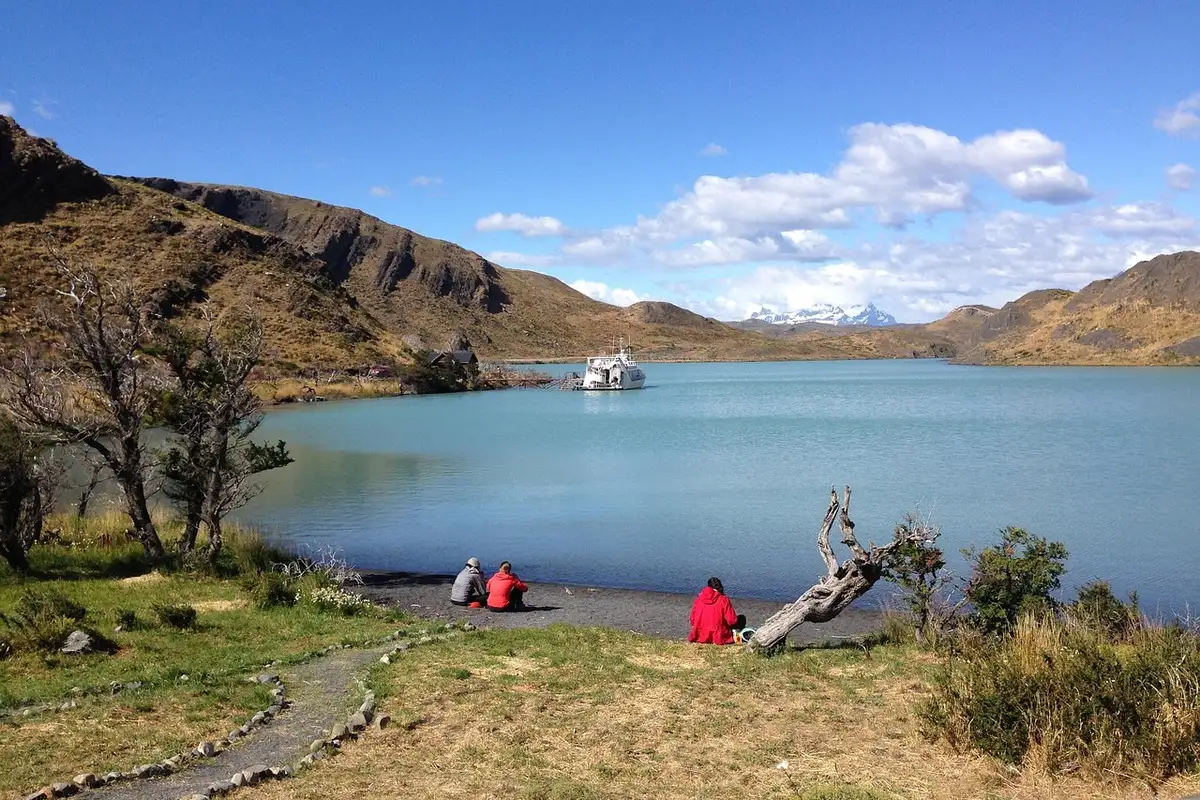
If your priority is seeing ice without a long trek, Argentina has the edge. The Perito Moreno Glacier can be viewed from walkways and by boat, about 80 km from El Calafate. If your goal is to hike for several days, sleep inside or near a park, and wake up facing granite massifs, Chile makes more sense. Torres del Paine offers short trails, the W Trek, and the O Circuit, with reservations and logistics that need to be booked early.
| Criterion | Argentine Patagonia | Chilean Patagonia |
|---|---|---|
| Best for | Glaciers, base towns, and first trips | Hiking, camping, and Torres del Paine |
| Main bases | El Calafate, El Chaltén, and Ushuaia | Puerto Natales and Torres del Paine |
| Logistics | More services and regular excursions | More reservations and bus connections |
| Minimum time | 5 to 7 days for one area | 5 to 7 days for Puerto Natales and the park |
| Spending profile | Excursions and domestic flights add up | Park lodging and transfers add up |
There’s no “more beautiful” side. There’s the side that fits your pace. To cut down on travel time, pick a single region for trips of up to seven days. Trying to squeeze Ushuaia, El Calafate, and Torres del Paine into one week leaves little time for the whole point of the trip: being outdoors.
How many days to plan for
Seven days work for a focused trip; ten days let you cross between Argentina and Chile; fifteen days open up room for three bases and buffer days. In Patagonia, your math needs to include travel time between airports, bus stations, borders, and parks—not just hotel nights.
With five days, choose between El Calafate and El Chaltén or Puerto Natales and Torres del Paine. With seven, add a free day for weather. With nine or ten, combine El Calafate and Torres del Paine. To also include Ushuaia, plan for at least 13 days, since the leg to El Calafate usually requires a flight with a connection or a long overland combination.
The wind can close trails, delay boat trips, and change how cold you feel in a matter of hours. That’s why a “spare” day isn’t wasted: it protects your main attraction. In El Calafate, see Perito Moreno before your last day. In Torres del Paine, avoid scheduling your most anticipated hike for the morning before your flight.
 Hotels in Puerto NatalesBooking · ratings and neighbourhoodsSee ›
 Balmaceda & Serrano Glaciers Boat Tripdesde €109.61 · CivitatisSee ›
Patagonia itinerary: 7, 10, and 15 days
A good itinerary grows in geographic blocks. You start at one base, use the next transfer as part of the plan, and avoid hopping between countries repeatedly. The suggestions below assume you arrive and depart from the region itself.
7-day itinerary: El Calafate and El Chaltén
Spend three nights in El Calafate and four in El Chaltén. On day one, walk along the shore of Laguna Nimez and settle into the pace. Save day two for the Perito Moreno Glacier and day three for a boat tour or a weather buffer. Then, drive about 215 km to El Chaltén. Choose Laguna Capri or Mirador de los Cóndores as an easy hike and save Laguna de los Tres for your best weather day. Our guide on how to visit the Perito Moreno Glacier helps you compare the walkways, boat, and trekking options.
10-day itinerary: El Calafate and Torres del Paine
Stay four nights in El Calafate, take the overland trip to Puerto Natales, and use five nights on the Chilean side. The crossing can eat up most of the day due to immigration controls. In Puerto Natales, set aside a day to organize food, tickets, and transport. Inside the park, combine viewpoints accessible by road, Salto Grande, Lago Grey, and a hike that matches your fitness level.
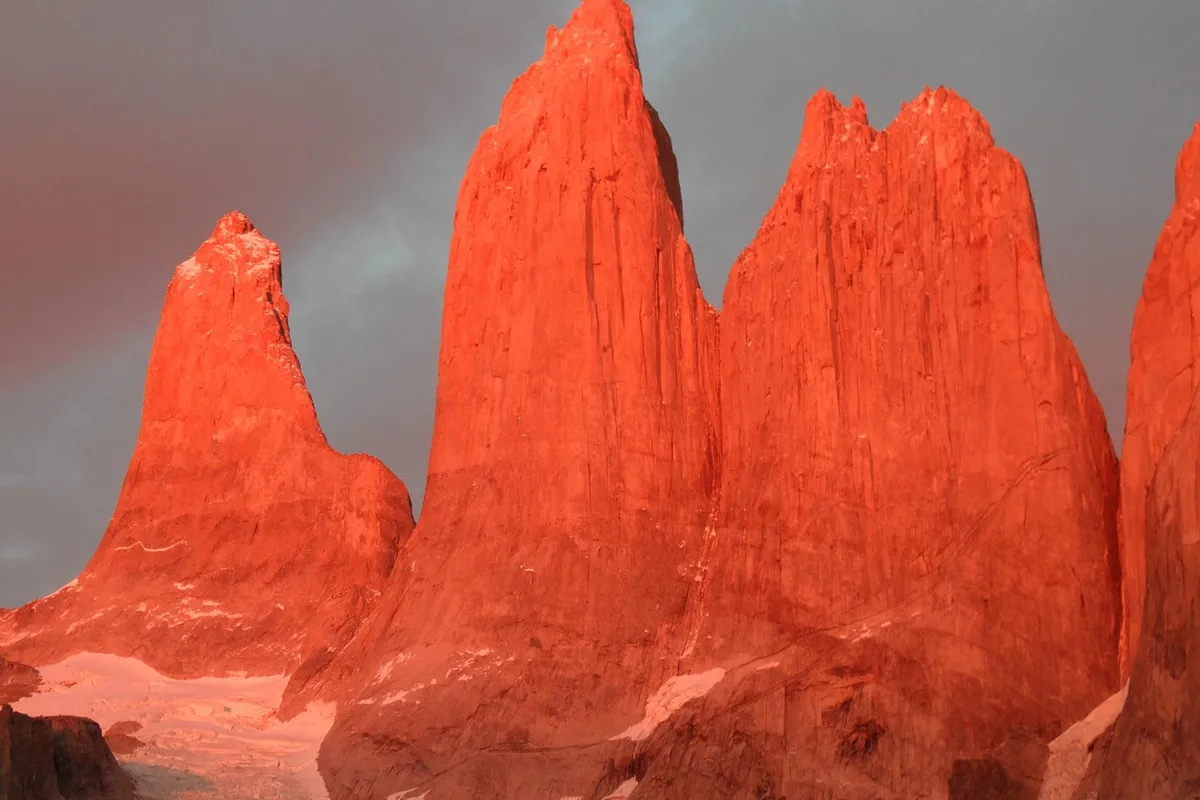
If you don’t want to rent a car, you can use Puerto Natales as your base and book a tour from El Calafate to Torres del Paine, but the day trip is long. Sleeping in Chile improves the experience and cuts down on time spent sitting. Also check out our guide to Torres del Paine without a car.
15-day itinerary: glaciers, hiking, and Ushuaia
Spread out four nights in El Calafate, three or four in El Chaltén, four in Puerto Natales/Torres del Paine, and three in Ushuaia. The Ushuaia leg works best by plane. If a multi-city flight gets too pricey, drop Ushuaia and use the extra nights to hike at a relaxed pace or tackle the W Trek.
In Ushuaia, Tierra del Fuego National Park and a Beagle Channel boat trip each take up a full day. Our four-day Ushuaia itinerary shows how to organize your base without depending on a perfect run of clear weather.
Hotels in UshuaiaBooking · ratings and neighbourhoodsSee ›Beagle Channel Yacht Cruise & Bridges Island Trekdesde €71.36 · CivitatisSee ›When to go to Patagonia
The best time for most itineraries is from November to March, when days are long, trails and roads have more services, and temperatures are less severe. December, January, and February see the highest demand and prices. October, November, March, and April can balance crowds and cost, but you’ll need to accept colder weather and reduced operations.
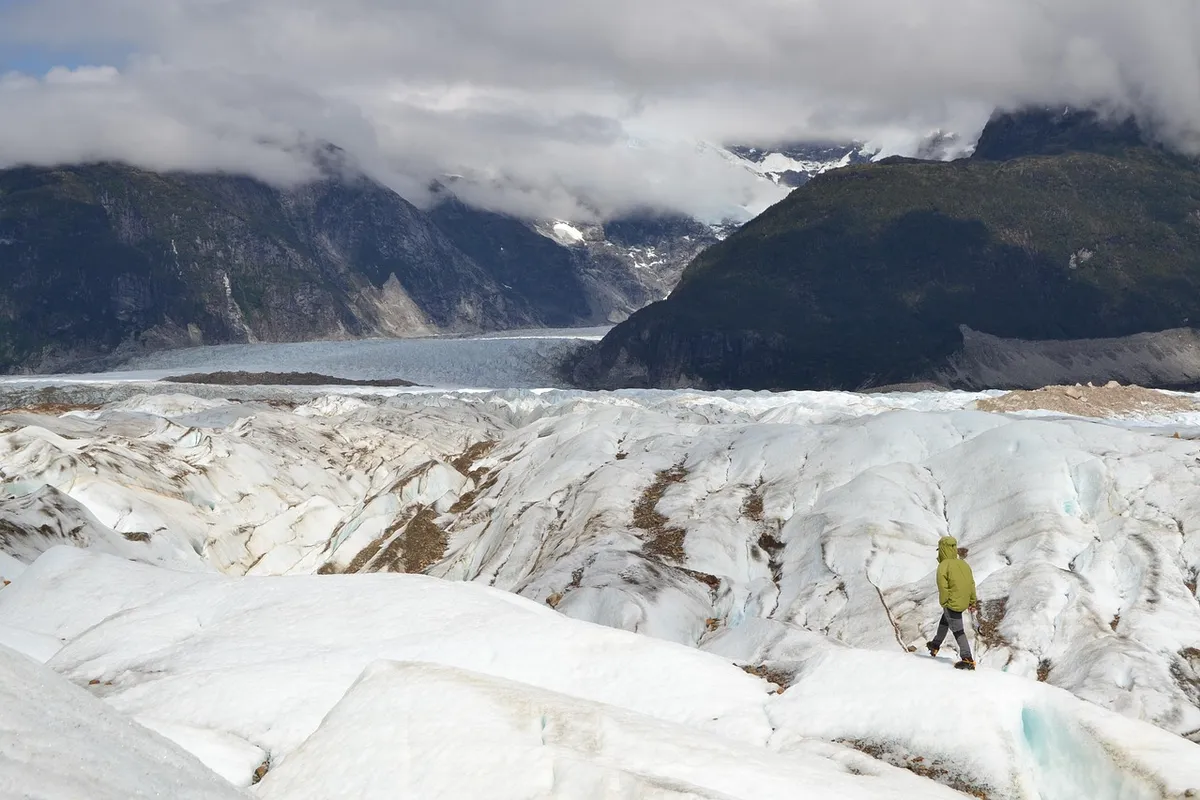
In summer, it gets light early and dark late, which widens the window for hiking. That doesn’t eliminate the cold: gusts, rain, and low wind chill show up even in January. In winter, from June to August, there’s snow, few daylight hours, and more limitations on trails and connections. Bariloche and Ushuaia gain specific activities, while parts of Torres del Paine require a guide or close depending on conditions.
Spring brings strong wind and residual snow; autumn colors the lenga forests and reduces the crowds. If trekking is your focus, prioritize November through March; if snow is your focus, choose July or August and redesign your itinerary.
Hotels in El CalafateBooking · ratings and neighbourhoodsSee ›Perito Moreno Glacier Mini Trekking Tourdesde €247.68 · CivitatisSee ›How Much a Trip to Patagonia Costs
The cost varies more with transportation and accommodation standards than with food. For planning in July 2026, use a daily range per person, excluding international flights: US$ 90 to US$ 140 for the budget profile, US$ 160 to US$ 260 for mid-range, and above US$ 300 with hotels inside parks, private transfers, and several excursions.
On a budget, the estimate assumes a hostel or simple room, buses, grocery shopping, and few paid activities. Mid-range includes a comfortable hotel, restaurants, and two or three excursions. The high budget adds up quickly in Torres del Paine, where location cuts down on travel time, but lodging and meals can cost more.
As an official reference, Argentina’s National Parks Administration reported current fees as of June 1, 2026: ARS 50,000 general entry to Los Glaciares National Park and ARS 40,000 to Tierra del Fuego National Park. Check the rates on the Argentine parks access fees page before buying, because exchange rates and fees change.
Also set aside a 15% to 20% buffer for exchange rates, baggage, roadside meals, and last-minute changes. A tour to the Perito Moreno Glacier from El Calafate can simplify your day, but compare what’s included: transportation, entry fee, boat ride, and meals are often listed separately.
Getting There and Getting Around
El Calafate and Ushuaia have airports; Puerto Natales receives seasonal flights, while Punta Arenas offers more connections in Chile. El Chaltén depends on buses or a car from El Calafate. Between El Calafate and Puerto Natales, buses cross the border and require valid documents and attention to food regulations.
A car gives you flexibility in Torres del Paine and around El Calafate, but it doesn’t solve everything. There are gravel stretches, crosswinds, and distant gas stations. For the W Trek, you’ll still use boats, internal buses, and hiking. Without a car, book compatible connections and check the last departure time from the park’s sectors.
Los Glaciares National Park reports that access to the Mitre–Moreno Glacier Corridor generally runs from 8 a.m. to 6 p.m. between September and April, with entry allowed until 8 p.m.; in winter, from 9 a.m. to 4 p.m., with entry until 6 p.m. Check the official Los Glaciares National Park hours for the month of your trip.
Packing and Practical Tips
Use the layering system: a base layer that wicks moisture, fleece or insulation, and a waterproof, windproof jacket. Include a beanie, thin gloves, UV-protective sunglasses, and already broken-in footwear. The guide on what to wear in Patagonia details the combinations without turning your suitcase into a closet.
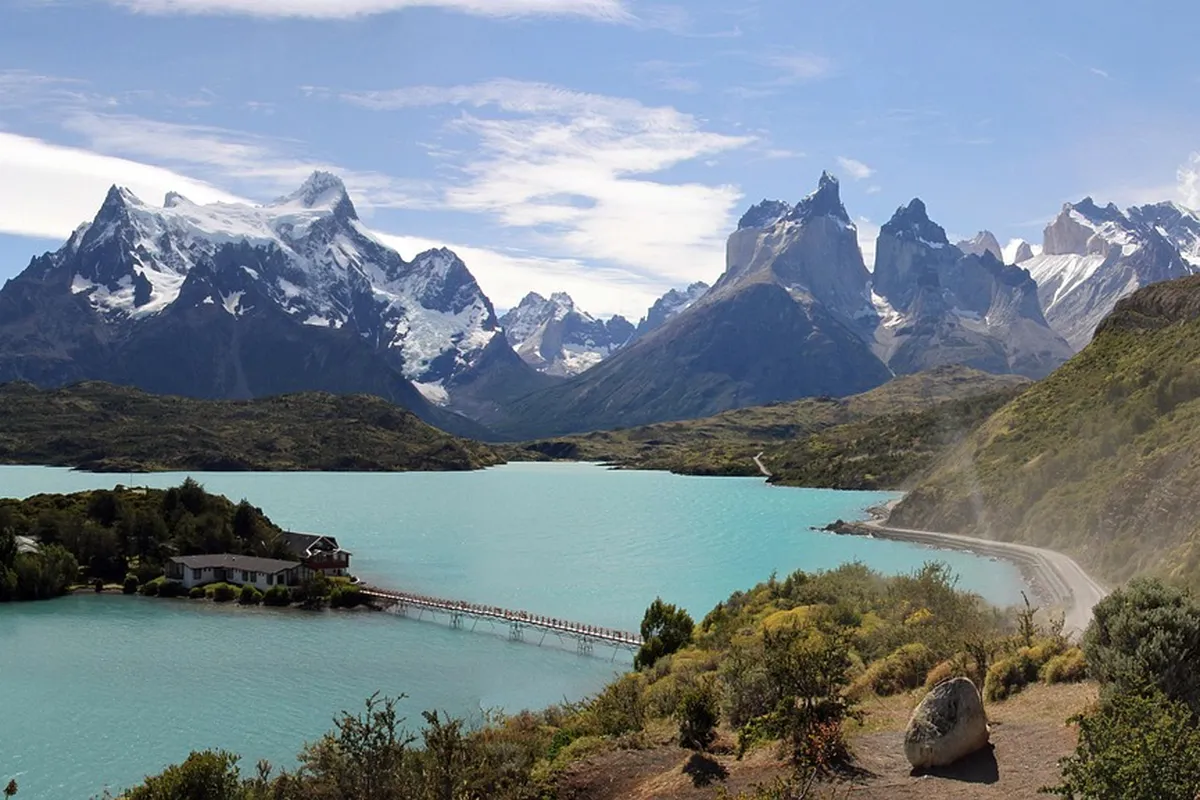
Download maps and documents for offline use. Carry a card and a small reserve of local currency. Don’t transport fruits, meats, seeds, or animal products across the border without checking Chilean regulations. Water, snacks, and sunscreen remain essential on a cold day.
On the trails, sign in when required, let someone know your route, and turn back if visibility drops. A short distance on the map can hide elevation gain, mud, and headwinds. Travel insurance with coverage for trekking at the altitude and type you plan prevents discovering exclusions after an accident.
- HotelAs soon as you have datesCompare neighbourhoods and guest ratings.Booking ›
- ActivitiesBefore you travelBook ahead the ones with limited spots.Civitatis ›
 More activitiesTo compareTickets, day trips and tours with flexible cancellation.GetYourGuide ›
Frequently Asked Questions
Argentine or Chilean Patagonia: which one should you choose?
Argentine Patagonia is simpler for a first trip focused on glaciers and base towns, especially El Calafate and El Chaltén. Chilean Patagonia is better for those prioritizing trails and Torres del Paine. With nine or ten days, you can combine both sides.
How many days are ideal for exploring Patagonia?
Seven days let you explore one region of Patagonia without rushing; ten days accommodate El Calafate and Torres del Paine; thirteen to fifteen days give you room to add El Chaltén or Ushuaia and keep a buffer for weather changes.
What’s the best time to visit Patagonia?
The best time for trekking and classic Patagonia itineraries runs from November to March, when there are more daylight hours and services. July and August work for snow, but require a different itinerary, warmer clothing, and confirmation of roads, trails, and transportation.
How much does it cost to travel to Patagonia?
Excluding international flights, a trip to Patagonia costs roughly US$ 90 to US$ 140 per person per day on a budget and US$ 160 to US$ 260 mid-range, based on July 2026 planning values. Torres del Paine and excursions raise the average.
Can you combine El Calafate and Torres del Paine?
Yes. El Calafate and Torres del Paine pair well in nine or ten days. Book at least three nights in El Calafate, four or five in Chile, and one day for the bus and border controls between Argentina and Chile.
Conclusion
Build your Patagonia trip around base towns, not a collection of points on a map. Choose the side that matches your goal, protect your main days with a weather buffer, and only then book excursions. That way, the itinerary fits your time and budget — and you’ll come back to Voyage Voyage to plan the next part of the region.
To extend your planning, also check out the Ilha Grande guide.