Warsaw tends to surprise visitors who arrive expecting nothing but war memorials. Poland’s capital delivers a meticulously reconstructed historic center, creative neighborhoods, sprawling parks, powerful museums, and a simple logistics setup for anyone who wants to see a lot without wasting time on transit. If you’re wondering what to do in Warsaw, how much the trip costs, and whether it’s worth slotting into a Central Europe itinerary, the short answer is yes.
Warsaw is worth the trip if you’re looking for an organized European capital that’s safe for basic sightseeing and cheaper than Paris, Vienna, or Amsterdam. In 2 or 3 days, you can hit the classics without rushing; with 4 days, you can add museums, the Praga district, and a day trip.
How to get to and around Warsaw
The most practical gateway is Chopin Airport. On the airport’s official website, the most useful options for travelers are clearly laid out: SKM trains into the city and bus lines 175, 188, 331, and N32. Translating that into real life: if you’re staying in the central area, you can almost always handle your first trip on a city train or bus without relying on a taxi.
If your flight lands early, it’s worth dropping your bags at the hotel and heading out on foot along the route between the Old Town, the Royal Route, and the Krakowskie Przedmiescie area. That’s one of Warsaw’s biggest advantages: you don’t need to set up a complicated operation to get a feel for the city on day one.
To gain historical context without getting lost, booking the free walking tour of Warsaw usually works well. It helps connect the reconstructed facades, war monuments, and the capital’s current life into a walk that makes sense even for those short on time.
Best time to visit Poland and how many days to stay
The best time to visit Warsaw is usually from May to September, when the days are long, the parks come alive, and the Vistula riverbanks make the city feel lighter. July and August deliver the most vibrant side, but they also concentrate more tourists and slightly less appealing accommodation deals.
If you prefer cooler weather and fewer crowds, May, June, and September tend to be the sweet spot. Winter can make for a beautiful trip, especially with Christmas lights up, but short days and intense cold call for a different travel pace. For a first visit, 3 full days are enough to see the essentials without turning your itinerary into a race.
In practice, I’d break it down like this: 2 days for the downtown classics and the most important museums, 1 day for parks, Praga, or more cultural experiences, and a 4th day if you want to fit in a day trip like Treblinka or Lublin.
What to do in Warsaw
Warsaw works best when you mix heritage, historical memory, and everyday life. Instead of trying to check off a huge list of sights, build your day around nearby zones.
Old Town and the Royal Castle
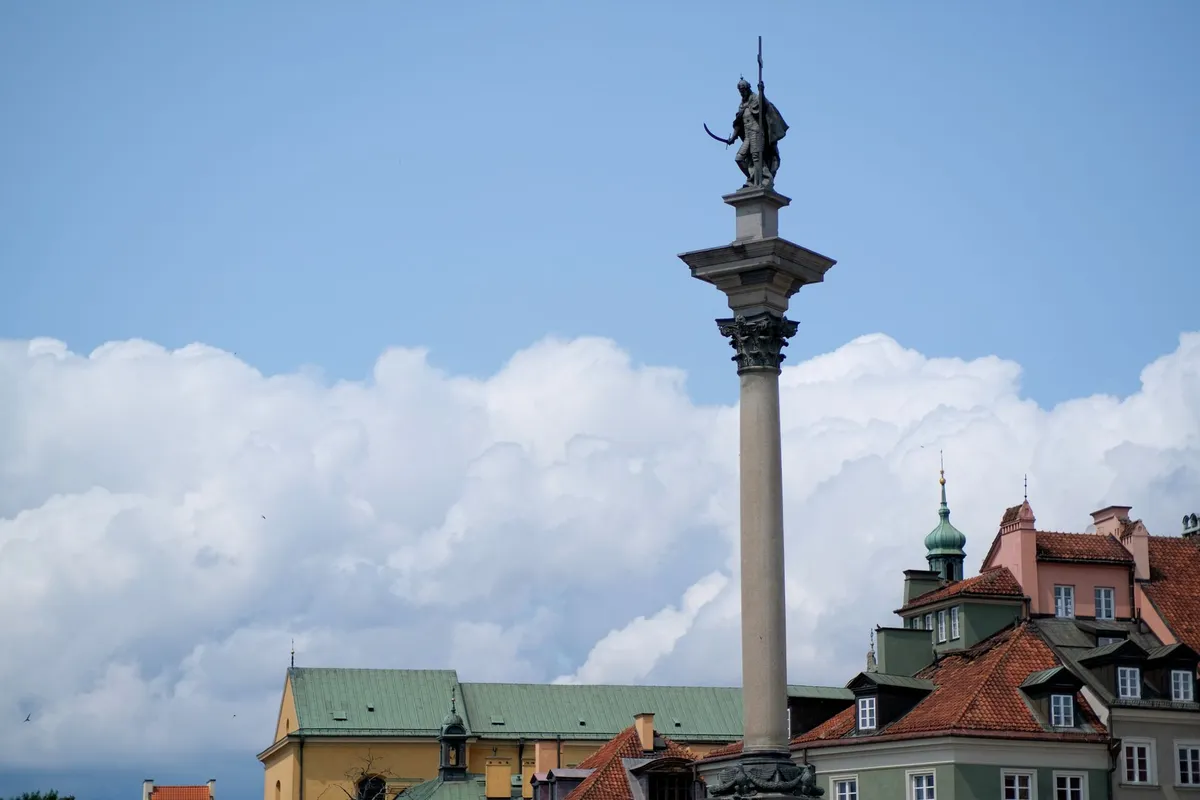
The Stare Miasto is the image that most shatters the prejudice of anyone picturing a gray capital. The market square, Sigismund’s Column, the area around the Royal Castle, and the reconstructed lanes tell a rare story of near-total destruction and urban reconstruction on a massive scale. It’s not an intact medieval center; that’s precisely what makes it so interesting.
Royal Route
From the Royal Castle to Lazienki, the Royal Route stitches together churches, palaces, universities, and historic cafes. It’s the stretch to do without hurry, popping into whatever catches your eye. If you enjoy urban photography, this axis is best in the early morning or late afternoon.
Palace of Culture and Science
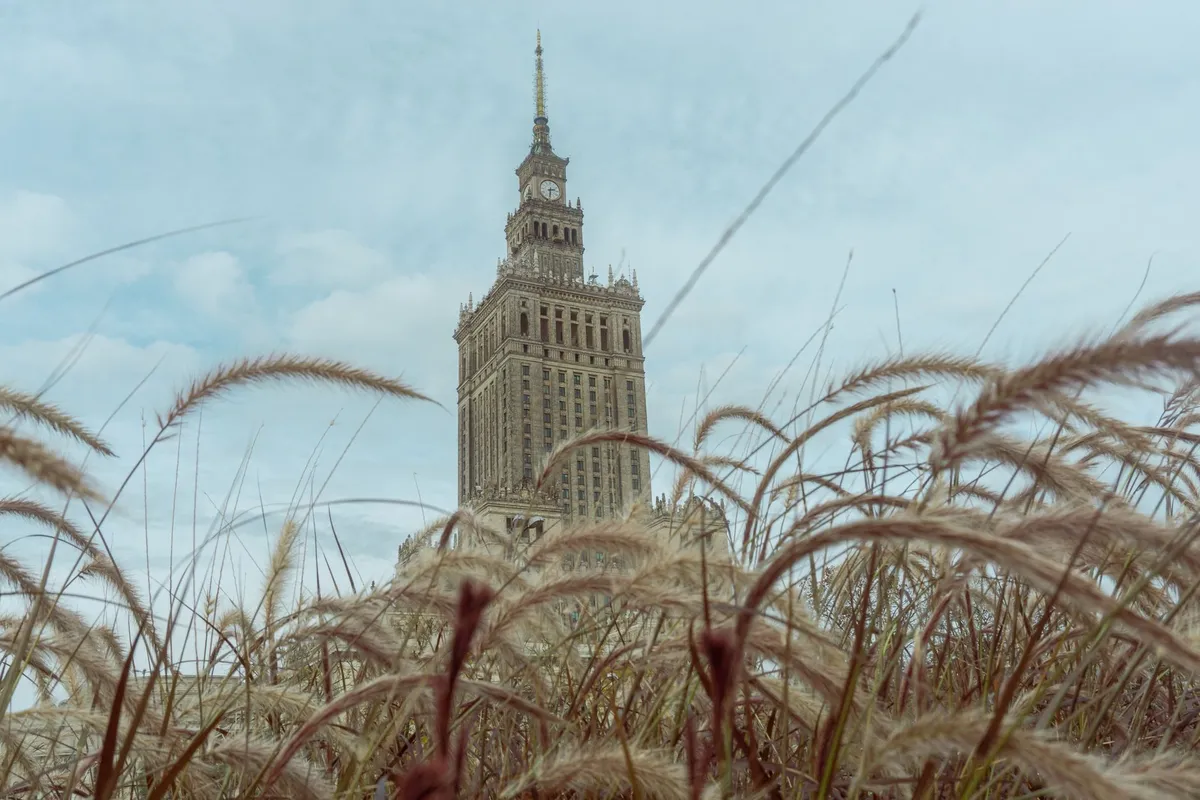
Warsaw’s most controversial building remains useful for visitors: it helps explain the city’s Soviet era and still works as a visual landmark. If the sky is clear, going up to the observation deck is worth it for the read on the urban layout, with wide avenues, newer blocks, and the contrast between the historic center and modern Warsaw.
If you want to cover a lot of ground in a short time, the Warsaw hop-on hop-off bus can be useful on day one, mainly to visualize distances and then decide where it’s worth returning to at a slower pace.
The widget above makes sense here because many people arrive in Warsaw without much prior knowledge. A guided tour right at the start saves time and improves your reading of the rest of the itinerary.
POLIN and the Warsaw Uprising Museum
If you’re only going to pick one museum, think about the kind of experience you’re after. POLIN covers the history of Polish Jews with depth and excellent curation. The Warsaw Uprising Museum, on the other hand, hits harder with its narrative of the city during World War II. Both demand mental energy; avoid scheduling both in the same stretch if you really want to absorb them.
Lazienki Park
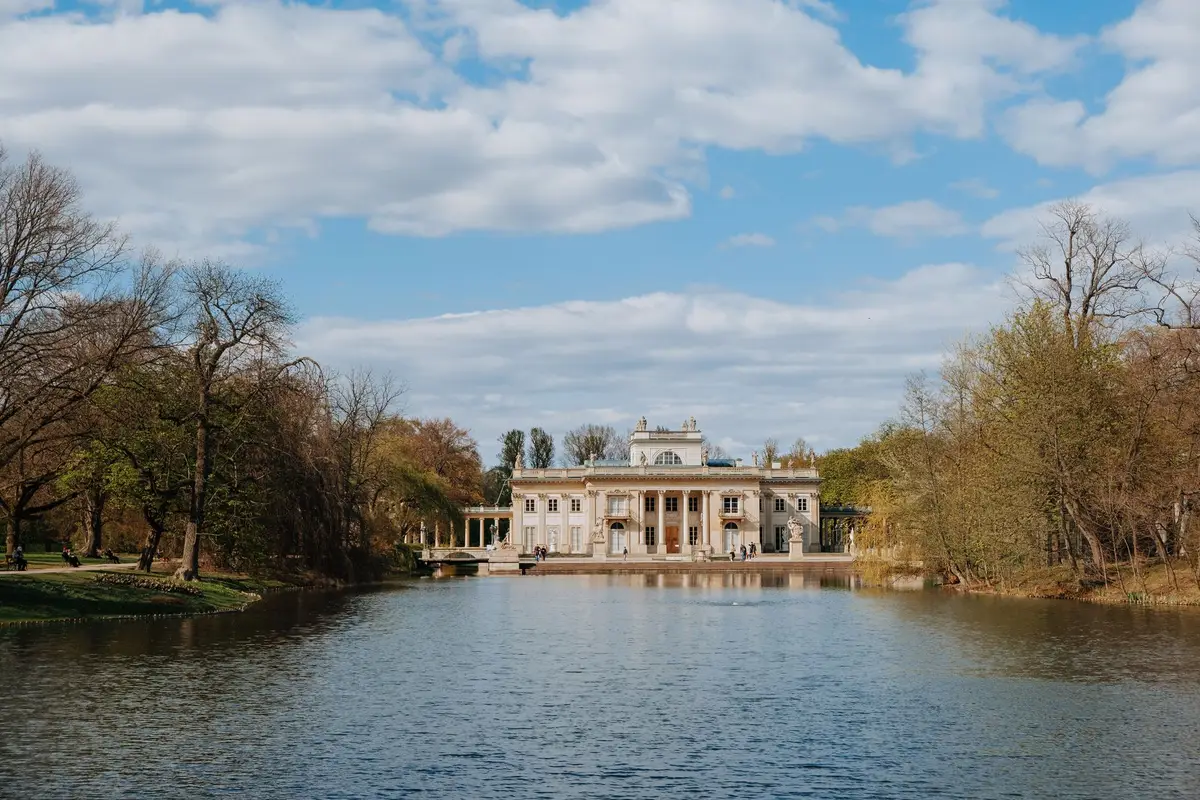
When the city gets too dense, Lazienki Park rebalances your itinerary. Walking through it helps you understand another layer of Warsaw: less trauma, more everyday life, lakes, sculptures, and palaces spread across a park big enough for you to slow down without feeling like you’ve left the trip behind.
Praga District and the Vistula riverbanks
Praga isn’t the prettiest part in a postcard sense, but it might be the most alive. Street art, bars, repurposed warehouses, and a less polished atmosphere help answer a common question: what is Warsaw like today? Modern, creative, safe on the tourist circuit, and far less stuck in the past than many people imagine.
What to pair with Warsaw
Warsaw works really well as the start or end of a Central Europe itinerary. Within Poland itself, the most natural pairing is with Krakow in 5 days, which offers a nice contrast between the rebuilt capital and the more historic side of the country’s south.
If your trip is longer, you can also pair Warsaw with cities like Vienna and Budapest. In general, Warsaw comes in as the most functional and most budget-friendly of the three, which helps balance your budget without cheapening the experience.
For music lovers, a simple way to end the day is booking a piano concert featuring Chopin’s repertoire. It’s a short experience, easy to fit in, and much more connected to the city’s spirit than it seems on paper.
Where to Eat in Warsaw
Don’t go expecting a capital devoted only to heavy food. Warsaw eats better than its reputation suggests. The classics to try are pierogi, żurek, bigos, and poppy seed pastries, but the city also has elegant cafés, great brunches, and modern restaurants with prices that are still reasonable by European standards.
For a first trip, it makes more sense to alternate between a traditional Polish restaurant and more casual spots in the city center or in Praga. That way you get to taste local cuisine without making every meal a ceremony. If your budget is tight, the lunch special usually delivers more value than dinner.
If you want a practical reference, data from July 2026 on Numbeo pointed to simple meals and local transport at a lower level than Western European capitals, with a single transport ticket around 4.40 zł. Don’t treat this as a fixed table, but as a positioning signal: Warsaw isn’t an absolute bargain, but it tends to be less pricey than the continent’s more obvious destinations.
Where to Stay in Warsaw
For sightseeing, the best base remains Śródmieście, where you’re close to the Old Town, the Royal Route, major stations, and a good range of restaurants. It’s the easiest choice for anyone who wants to do a lot on foot.
If you prefer a more local, nightlife-oriented vibe, Praga has been growing on the radar, but it’s worth choosing the micro-location carefully. Not every stretch of the neighborhood delivers the same experience for first-time visitors. The area around the Palace of Culture, on the other hand, suits those who prioritize transport, shopping, and quick connections.
In Warsaw, staying more central almost always justifies the small bump in the nightly rate. The gain in time and comfort usually outweighs the savings from a more distant hotel.
Practical Tips: Safety, Language, Costs, and Entry for Brazilians
Is Warsaw dangerous? By European urban tourism standards, it’s not usually considered a difficult capital. The main concern is the same as in almost any big city: keeping an eye on your wallet, phone, and simple scams in crowded areas and on transit. The general feeling for those moving through the tourist zones is one of order and predictability.
What language is spoken in Warsaw? The official language is Polish. In tourism, English works just fine at hotels, restaurants, and attractions. If you want to break the ice, “hi” in Polish can be said as cześć, something close to “tcheshch” in pronunciation. No one will require this of you, but the attempt usually earns you some goodwill.
Does Poland accept Brazilians? For short-term tourism, Brazilians generally enter without a visa for stays of up to 90 days in the Schengen Area, but the rules can change. Before boarding, confirm the current requirement and documentation on the official Polish government channel or through Itamaraty.
Is Poland a rich country? It’s a significant European Union economy with good infrastructure, efficient transport, and costs still below several western neighbors. For the visitor, this shows up in a very specific way: Warsaw has the look of an organized capital of a strong country, without charging Paris or London prices for everything.
About the cost of living, think of it this way: living in Warsaw weighs on the local standard, but traveling for a few days can be more affordable than in other European capitals, especially if you use public transport, book accommodation in advance, and mix simpler meals with one nicer experience per day.
Frequently Asked Questions
What language is spoken in Warsaw?
The official language is Polish. At hotels, attractions, and tourist restaurants, English usually works well, especially in the central area.
How do you say “hi” in Poland?
A common way is cześć. The pronunciation is close to “tcheshch.” You don’t need to know any Polish to travel, but the attempt is usually well received.
Is Warsaw dangerous?
For the tourist, Warsaw usually feels like an organized and relatively safe city in the most visited circuit. The care remains the basics of any capital: keeping your belongings in check and staying alert in crowded areas.
What is Warsaw like today?
Warsaw today blends a strong historical memory with a modern, creative, and efficient urban scene. You’ll find a rebuilt historic center, heavyweight museums, alternative neighborhoods, and great infrastructure.
What to do in Warsaw?
The essentials include the Old Town, Royal Castle, Royal Route, Palace of Culture, POLIN, the Warsaw Uprising Museum, Łazienki Park, and a stroll through Praga or along the Vistula riverbank.
What’s the best time to visit Poland?
For Warsaw, May, June, and September tend to be the most balanced months. July and August deliver long days and a livelier city; winter requires more preparation for the cold.
Does Poland accept Brazilians?
Generally, yes, without a visa for short-term tourism in the Schengen Area. Still, confirm the current rule before boarding, because immigration requirements can change.
Is Poland expensive? And Warsaw?
For the Brazilian tourist, Warsaw tends to be more affordable than several Western European capitals. It’s not a super-cheap destination, but it usually combines solid infrastructure with more controlled costs.
What’s the most beautiful or safest city in Poland?
That depends on your travel style. Krakow usually wins on historic charm; Warsaw convinces with its mix of history, urban life, and practicality. On safety, both usually work well for tourism with the normal big-city precautions.
Conclusion
Warsaw is a city that grows on you a lot once you understand its context. That alone already earns it a spot on your radar. And when a trip combines a historic center, strong museums, good food, and friendlier costs than other European hubs, it’s easy to justify the stop. If the idea is to put together a smart first trip to Poland, Voyage Voyage would add Warsaw to the itinerary without hesitation.
If you’re extending your trip through Central Europe, it’s also worth planning 3 days in Prague—an efficient combo for anyone who wants history and walkable cities.