 Marcelo Oliveira
San José Costa Rica is a capital of mountains, coffee shops, museums, and neighborhoods that shift character within just a few miles. It’s not on the beach, but it works as the best gateway to understanding the country, visiting volcanoes, and heading to the Pacific or the Caribbean. The key is knowing how much time to set aside for the city—and how much money to save for the rest of your trip.
Hotels in San Joséfree cancellation options onlySee hotels ›Booking.com partner (advertising): we may earn a commission at no extra cost to you.
San José is worth 2 to 3 days if you want to explore the historic center, the Central Market, museums, and a coffee experience; for beaches, rent a car or book transport and head to the coast, since the capital is inland.
Costa Rica Beyond San José: Which Region to Choose
If your search for San José Costa Rica is really a search for the country, think about three experiences: city and culture in the Central Valley, volcanoes and forest in the Northern Plains, or beaches on the Pacific and the Caribbean. Costa Rica has coastline on both sides, but trying to cross the entire country in a few days turns winding roads into wasted time. The official Costa Rica regions guide breaks the destination into areas with different climates and activities.
For a first trip of 7 to 10 days, a balanced combo is San José, Arenal/La Fortuna, and one single coast. Manuel Antonio combines forest and beach on the Pacific; Guanacaste favors dry days and sea; Puerto Viejo and Cahuita deliver nature and Caribbean culture. The country protects about 26% of its territory and is packed with parks, trails, and wildlife-watching areas, so choosing your region matters more than hunting for a single “most beautiful city.”
How to Get to San José Costa Rica
The airport serving the capital is Juan Santamaría International Airport, located in Alajuela, in the metropolitan area—not in downtown San José. From the airport, the trip to the central neighborhoods usually takes 30 minutes to over an hour, depending on traffic and your flight time.
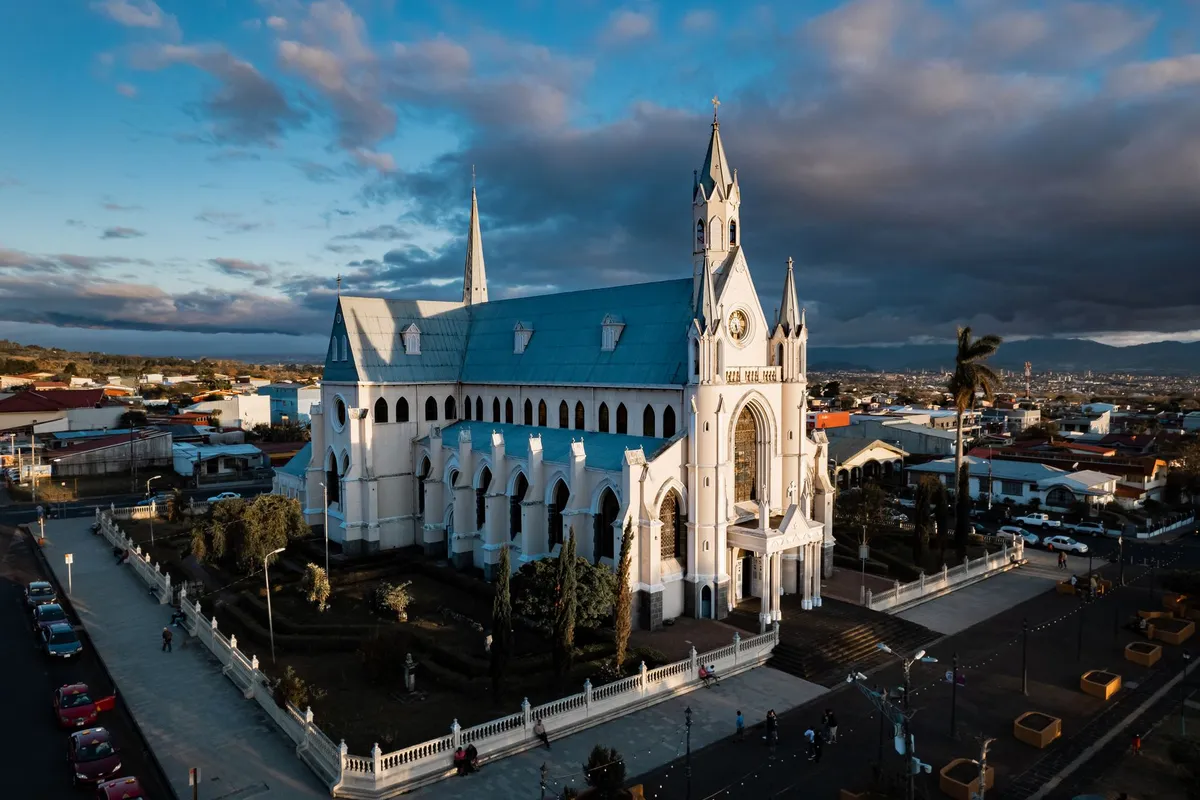
For your first night, an official taxi, a pre-booked transfer, or a ride-hailing app can be simpler than trying to figure out the bus after a long flight. If your itinerary includes La Fortuna, Monteverde, or distant beaches, compare the cost of a shared transfer with renting a car: the roads have slow stretches, and distances on the map are deceiving because of the curves and terrain.
If you’re arriving by bus from Nicaragua or Panama, check your destination terminal in advance. San José has several bus stations, many identified by the company rather than a single central hub. Keep your hotel’s address in Spanish and avoid accepting help from strangers in the arrival area.
Best Time to Visit and How Many Days to Stay
The dry season, usually from December to April, makes getting around and hiking easier, but it also coincides with the busiest time. From May to November, rain shows up more often, especially in the afternoon; on the flip side, the landscape gets greener and some prices can be better.
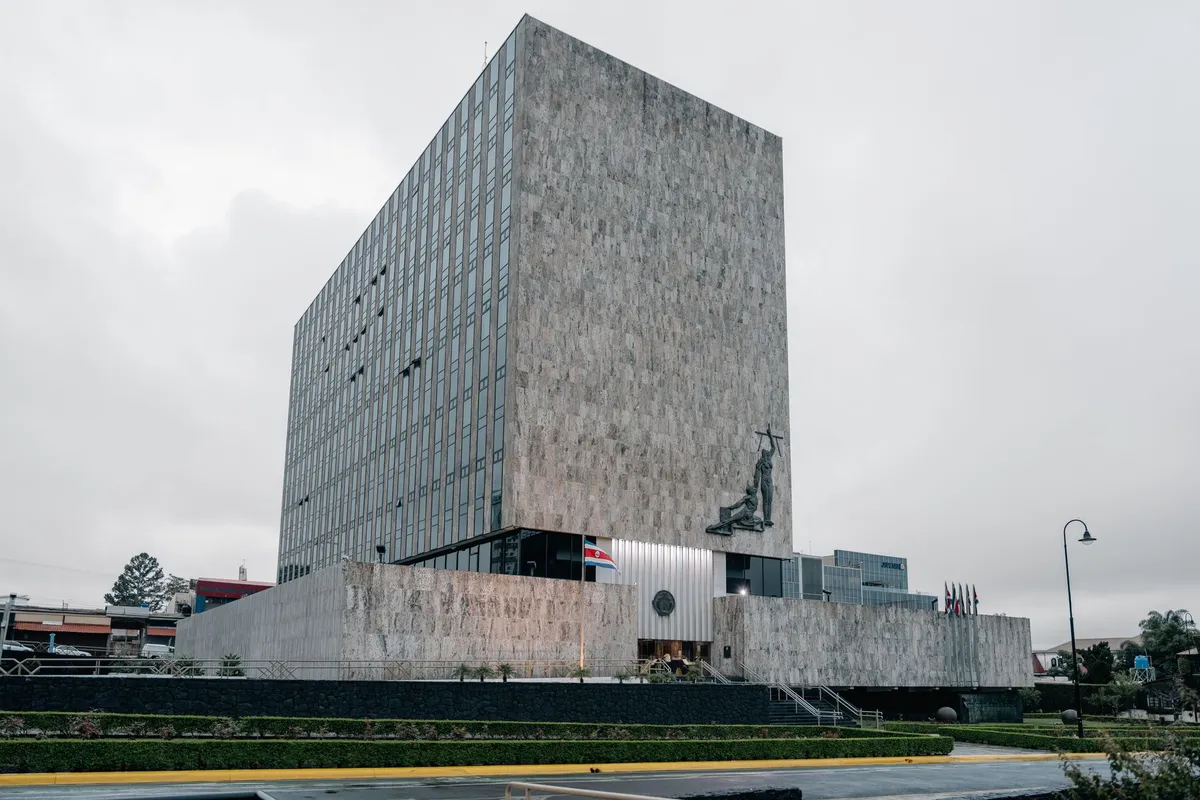
Set aside two full days if San José is just a stopover before the beach. Start your downtown sightseeing in the morning, when shops and museums are open and you can make the most of your walks. Day one can be for the Central Market and the National Theater; day two, for a museum, a specialty coffee shop, and a trip outside the urban core. Three days let you add a guided coffee farm tour or a short escape to Cartago.
Don’t try to squeeze San José, Arenal, Monteverde, and two coasts into a single weekend. Costa Rica looks small, but getting between mountains and coastline eats up most of the day. A comfortable itinerary usually picks one coast and one national park, using the capital as your arrival or departure point.
What to See and Do in San José Costa Rica
The capital is at its best when you mix indoor attractions, markets, and short walks. The center isn’t one uniform postcard: there are well-preserved historic buildings right next to busy commercial streets, so it’s worth planning your routes and taking a ride-hailing app back after dark.
National Theater and Plaza de la Cultura
Costa Rica’s National Theater is the most classic spot downtown. The visit helps you understand the era when coffee funded part of the country’s modernization. Check hours and prices on the official channel before you go, since performances and guided tours can change operations. Plaza de la Cultura, out front, works as a great starting point for your walk.
Gold, Jade, and National Museums
The museums form a compact cultural circuit. The Museo del Oro Precolombino displays gold pieces and the history of Indigenous peoples; the Museo del Jade focuses on jade artifacts and other pre-Columbian traditions; the Museo Nacional occupies a former army barracks and frames the country’s formation. Pick two instead of rushing through all three.
Central Market and Walkable Neighborhoods
The Central Market is the place to try everyday food, buy coffee, and soak up the local rhythm. Wander in without rushing, but keep an eye on your belongings and confirm the price before ordering at small counters. Barrio Amón and Barrio Escalante have cafés, restaurants, and old houses; Escalante tends to be more interesting at night for dinner, while Amón is better during the day.
La Sabana Metropolitan Park
La Sabana offers a green break within the urban area and is home to the Museo de Arte Costarricense. It’s a simple option for late afternoon, especially if you’re staying in Rohrmoser or Sabana. As with any big urban area, stick to busy times and don’t flash your phone or camera unnecessarily.
Beaches, Volcanoes, and Tours to Combine
San José Costa Rica has no beach: the capital sits in the Central Valley, between mountains. The closest beaches are in other regions and require travel; your choice depends on your travel style and your departure airport.
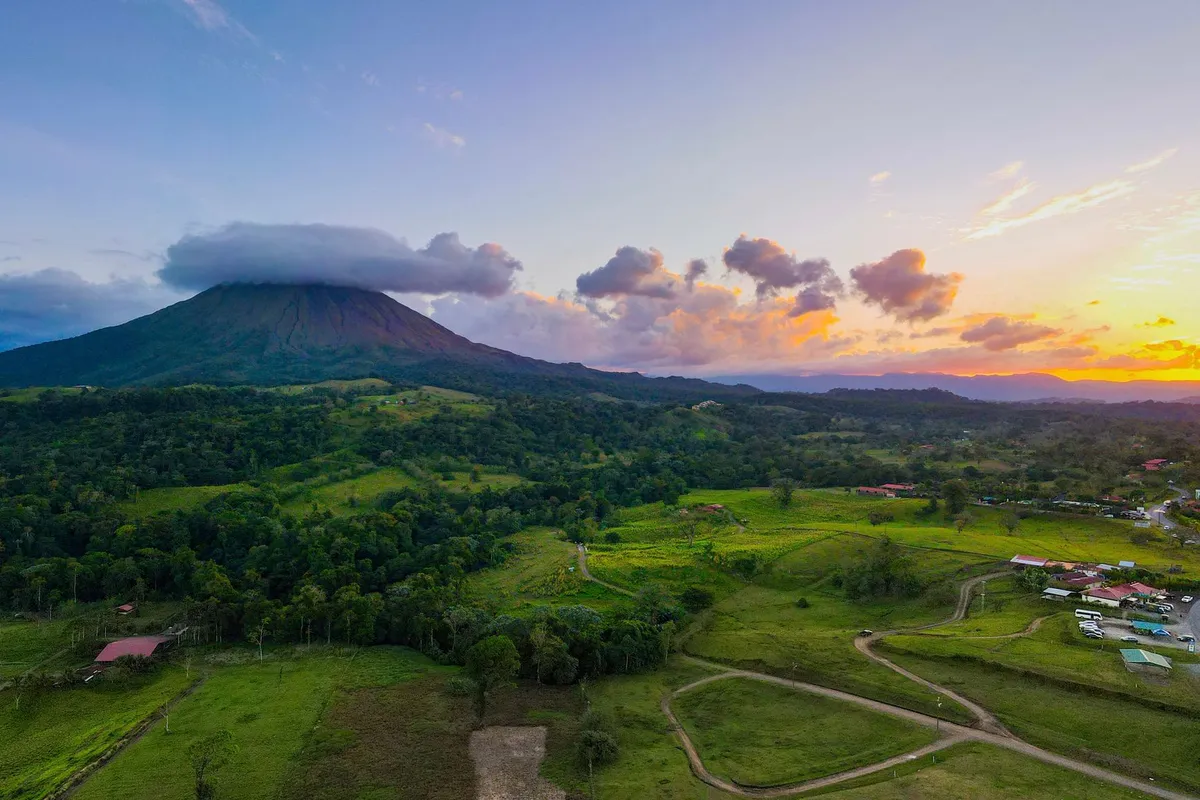
Poás Volcano is one of the most practical escapes, but the visit depends on park conditions and volcanic activity. Irazú Volcano, near Cartago, can also fit into a day trip. For trails, hot springs, and volcano scenery with more time, La Fortuna and Arenal need at least two nights.
On the Pacific, Jacó and Manuel Antonio are popular picks for combining nature, beach, and relatively easy access. Guanacaste offers drier, sunnier beaches but usually makes more sense when you fly in or out of Liberia airport. On the Caribbean side, Puerto Viejo and Cahuita deliver a different vibe, with more road time from the capital.
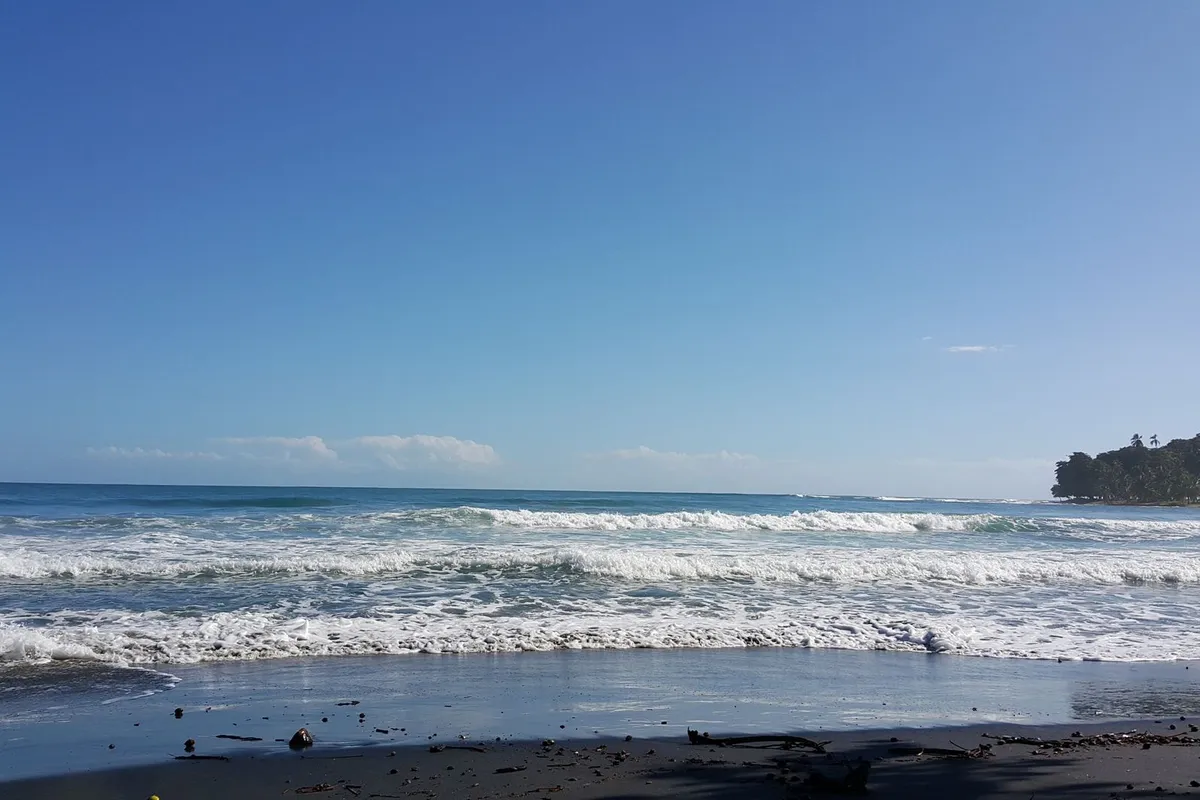
Before you decide, compare the drive with your flight. Traveling four hours to a beach and coming back the next day usually leaves you more tired than rested. For references on regions and parks, check the Costa Rican Tourism Board.
 Partner · Civitatissee all activities in San José ›
Crocodile Safari on the Tarcoles River
Rating 9.6 · 14 reviews on Civitatis
- See ›San José Free Walking TourRating 9.7 · 896 reviews on Civitatis
- Poás Volcano, La Paz Waterfall & Coffee Farm TourRating 8.9 · 228 reviews on Civitatisfrom€122.08per personSee ›
- Tortuguero National Park TripRating 9.2 · 90 reviews on Civitatisfrom€139.65per personSee ›
- Pacuare River RaftingRating 9.6 · 21 reviews on Civitatisfrom€101per personSee ›
Civitatis prices on 28/09/2026, from, per person. They may change. Want to compare? Activities in San José on GetYourGuide ›
Where to Eat and What to Try
San José’s food scene is more varied than the rice-and-beans stereotype suggests. Start with gallo pinto, served at breakfast with eggs, natilla, and tortillas. For lunch, casado combines rice, beans, salad, plantains, and a protein. Olla de carne is a hearty soup, perfect for a cooler day in the mountains.
For a local experience, explore the Central Market during the day. For a more diverse dinner scene, Barrio Escalante is packed with contemporary Costa Rican restaurants, breweries, and coffee shops. Local coffee deserves a spot on your itinerary: high-altitude regions in the Central Valley produce renowned beans, and a tasting explains the difference between roast, method, and origin far better than just grabbing a bag at the airport.
Bottled water is a practical choice for sensitive stomachs, though tap water quality varies less than many travelers imagine. At restaurants, ask if the service charge is included and double-check your bill before paying.
Where to Stay and How Much It Costs
To be close to historic attractions, look for lodging around Barrio Amón, Paseo Colón, or downtown. Escazú and Santa Ana offer condos, restaurants, and a more expat-oriented vibe, but they’re farther from the center and may require a car or ride-hailing app. Rohrmoser and Sabana strike a good balance between access, green spaces, and lodging options.
San José often surprises Brazilians with its prices. As of July 2026, cost-of-living databases like Expatistan and Numbeo indicated that a single person could spend around US$1,000 a month without rent, depending on lifestyle; rent, neighborhood, transportation, and how often you eat out completely change the equation. Use these numbers as a reference, not a fixed budget.
For a trip, do your calculations in colones and only convert to reais during planning. The local currency is the Costa Rican colón, but US dollars are accepted at many hotels, tours, and tourist areas. Cards work well at formal establishments; carry a small cash reserve for markets, buses, and smaller businesses.
Costa Rica isn’t usually a budget destination for Brazilians, especially when it comes to food, car rentals, and tourist lodging. The country can be worth the cost for its combination of parks, wildlife, and infrastructure, but it shouldn’t be sold as a cheap beach getaway.
 See hotels in San José on Booking ›
Practical Tips for Brazilians
Brazilians can typically enter Costa Rica as tourists without a prior visa, but the authorized stay is determined by immigration upon arrival. Bring a valid passport, proof of onward travel, your accommodation address, and proof of sufficient funds for your trip. Rules can change, so confirm current requirements with the Brazilian Embassy in San José and Costa Rican immigration authorities before you fly.
Spanish is easy for Brazilians to follow, but don’t assume every word means the same thing. Learn basic phrases, use your hotel’s full name, and keep digital copies of your documents. The Central Valley climate is mild, with pleasant mornings and rain or a temperature drop later in the day; a light jacket and closed-toe shoes will cover most of your itinerary.
For those planning to move, entering as a tourist doesn’t replace residency. Brazilians interested in working, studying, or staying longer need to choose a migration category and submit the required documents, income, or ties as applicable. Consult the Dirección General de Migración y Extranjería directly; don’t base a move on social media stories.
If your goal is to compare Brazil and Costa Rica, look at net income, not just salary. The average salary cited by collaborative databases can hover around US$950 net per month in San José in 2026, but that’s not a single official statistic and varies widely by profession. In tech, shared services, and bilingual roles, pay can be far from the average; for entry-level local jobs, the cost of the city weighs heavier.
A well-planned itinerary could start with Panama City if you want to combine two Central American capitals, or head to nature destinations like Machu Picchu on another trip. If you’re still choosing a region, the Guadalajara, Mexico guide helps you compare a cultural city with different weather and prices.
- HotelAs soon as you have datesCompare neighbourhoods and guest ratings.See hotels ↑
- ActivitiesBefore you travelBook ahead the ones with limited spots.Civitatis ›
 More activitiesTo compareTickets, day trips and tours with flexible cancellation.GetYourGuide ›
Frequently Asked Questions
What is the cost of living in San José, Costa Rica?
The cost of living in San José, Costa Rica is high for Central America and tends to weigh on Brazilians. As of July 2026, references like Expatistan, Numbeo, and Wise pointed to around US$1,000 a month for a single person without rent, but the total varies by neighborhood, food, car, and leisure.
Does San José, Costa Rica have a beach?
San José, Costa Rica doesn’t have a beach, as it’s inland in the Central Valley. For the coast, you’ll need to travel to the Pacific or the Caribbean. Jacó and Manuel Antonio are more practical options on the Pacific; Guanacaste and Puerto Viejo require more time or specific planning.
Do I need a visa for San José, Costa Rica?
Brazilians generally don’t need a prior visa for tourism in Costa Rica, but they must meet entry conditions and the stay period granted by immigration. Bring your passport, onward ticket, and proof of your trip. Confirm official rules before traveling, as requirements can change.
Is Costa Rica expensive for Brazilians?
Generally, yes. Lodging, car rentals, tourist restaurants, and tours can cost more than Brazilian travelers expect. You can save by using markets, buses, and simple accommodations, but Costa Rica shouldn’t be planned as a low-budget destination.
What’s the difference in cost of living between Costa Rica and Brazil?
Costa Rica is usually more expensive for rent in sought-after areas, cars, restaurants, and imported goods. Brazil is very unequal: São Paulo, Rio, and Florianópolis can have comparable costs on some items, while mid-sized Brazilian cities tend to be cheaper. Compare by city, neighborhood, and income.
Conclusion
San José, Costa Rica works best as a cultural and logistical base rather than a beach destination. Set aside two or three days, choose your neighborhood wisely, keep your budget in colones, and leave real time for the roads. That way, the capital becomes more than just a layover—it starts to explain a big part of the country you’re about to discover.