 Marcelo Oliveira
Panama City is a fantastic gateway to Central America: in just a few days, you can switch between the Panama Canal, the historic buildings of Casco Viejo, the skyline, and quick getaways to the Caribbean. It’s a dollarized capital, hot and humid all year round; the trick is to organize your time by neighborhood and not treat it just as a layover.
Hotels in Panama Cityfree cancellation options onlySee hotels ›Booking.com partner (advertising): we may earn a commission at no extra cost to you.
Quick answer: Panama City is worth three to four nights, or a full week if you include San Blas and the beaches. The itinerary works well for Brazilian travelers: Spanish is the official language, credit cards are widely accepted, and there’s no prior tourist visa for short stays, but you’ll need to plan for your passport, entry requirements, and dollar-based costs.
Getting to and around Panama City
Tocumen International Airport (PTY) is about 25 km from the financial center; Uber is usually the simplest option for your arrival. Panama City has a metro, but it doesn’t cover all the tourist routes: combine it with Uber and short walks, especially between Casco Viejo, the Cinta Costera, and the hotel districts.
If your trip continues through the region, compare this itinerary with our San José, Costa Rica guide, another capital that works as a gateway to parks and beaches.
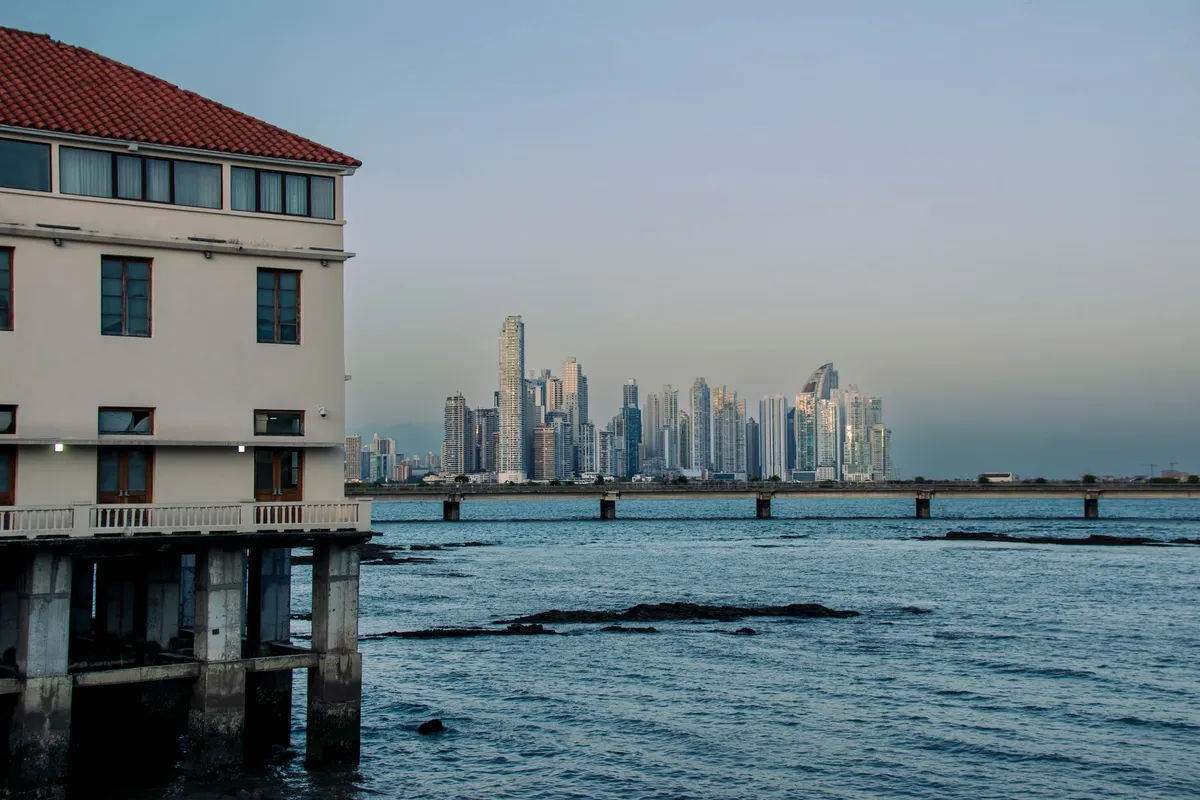
If you’re on a long layover, budget plenty of time for traffic and the trip back to the airport. For sightseeing, save Casco Viejo for a morning or late afternoon on foot; for Miraflores, set aside half a day. Yellow taxis exist, but agreeing on a fare before you go avoids hassle. On public transit, a rechargeable card is handy if your hotel is near a station.
If you’ve already planned a trip to a tropical city with an urban pace, you can use the same neighborhood logic from our Nassau beyond the resort itinerary: focus each part of your day on one area so you have time to eat and soak in the city.
Best time to visit, weather, and how many days to plan
Panama City has a tropical climate: it’s hot all year, with a relatively drier period generally from December to April, and more frequent rains from May to November. Rain often hits hard in the late afternoon, so mornings are your safest window for the Canal, viewpoints, and walks.
Three nights are enough to see the capital without rushing; four nights let you fit in a day trip. For seven days, split it with four in the city and three in San Blas or another beach. Pack a light rain jacket, quick-drying sneakers, and sunscreen even in the rainy season. Check conditions and destination alerts on the official Panama tourism website before booking any boat trips.
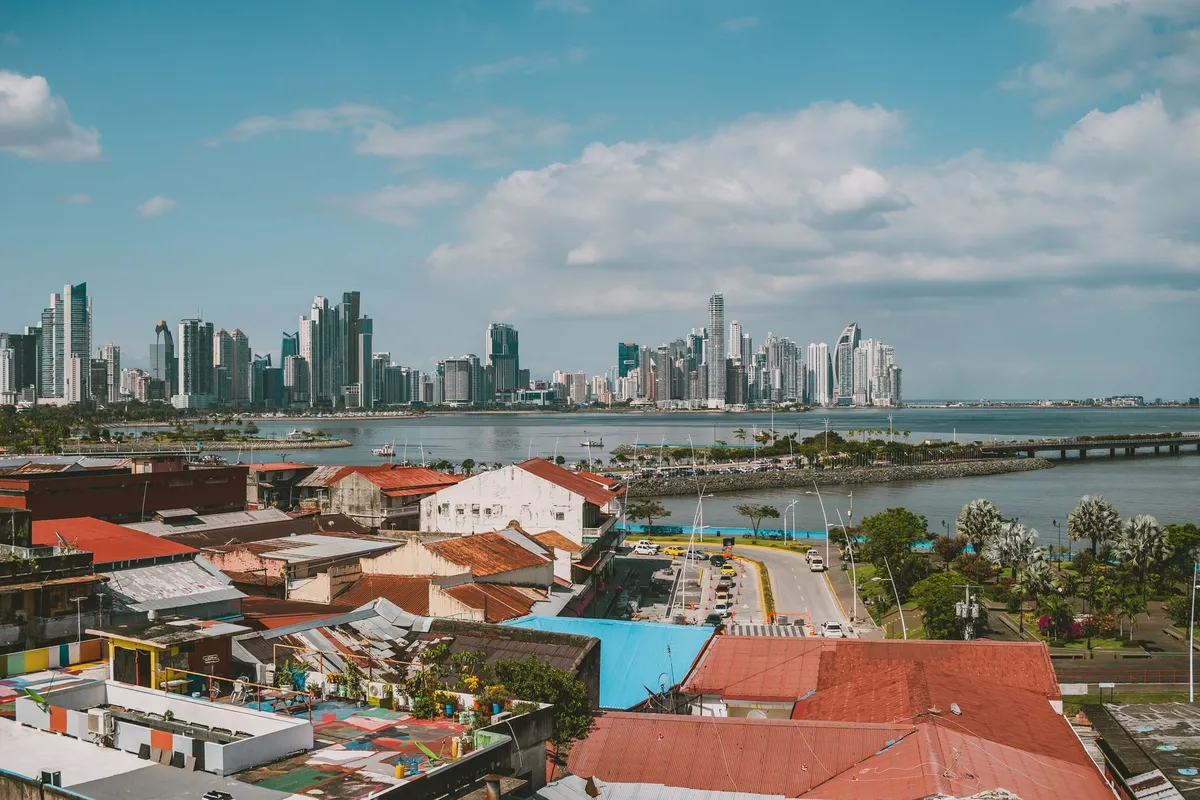
Spanish is the official language. English is common in hotels, at the airport, on tours, and in business areas, but basic Spanish helps at local restaurants, markets, and with taxis. Don’t count on Portuguese outside of services aimed at Brazilian tourists.
What to see: Canal, Casco Viejo, and the bay
The best way to start your visit to Panama City is with the Panama Canal, followed by the historic center; it’s this mix of monumental engineering and colonial streets that gives the trip its character. Don’t try to see everything in one day: the canal is far from Casco Viejo, and each area demands a different pace.
Miraflores Visitors Center
At Miraflores, watch the locks in action and visit the exhibition to understand why this strip of land changed global shipping routes. Hours, construction, and ship traffic vary, so check the schedule on the Panama Canal Visitors Center before you head out. To skip the logistics, you can book a tour of the Miraflores Locks.
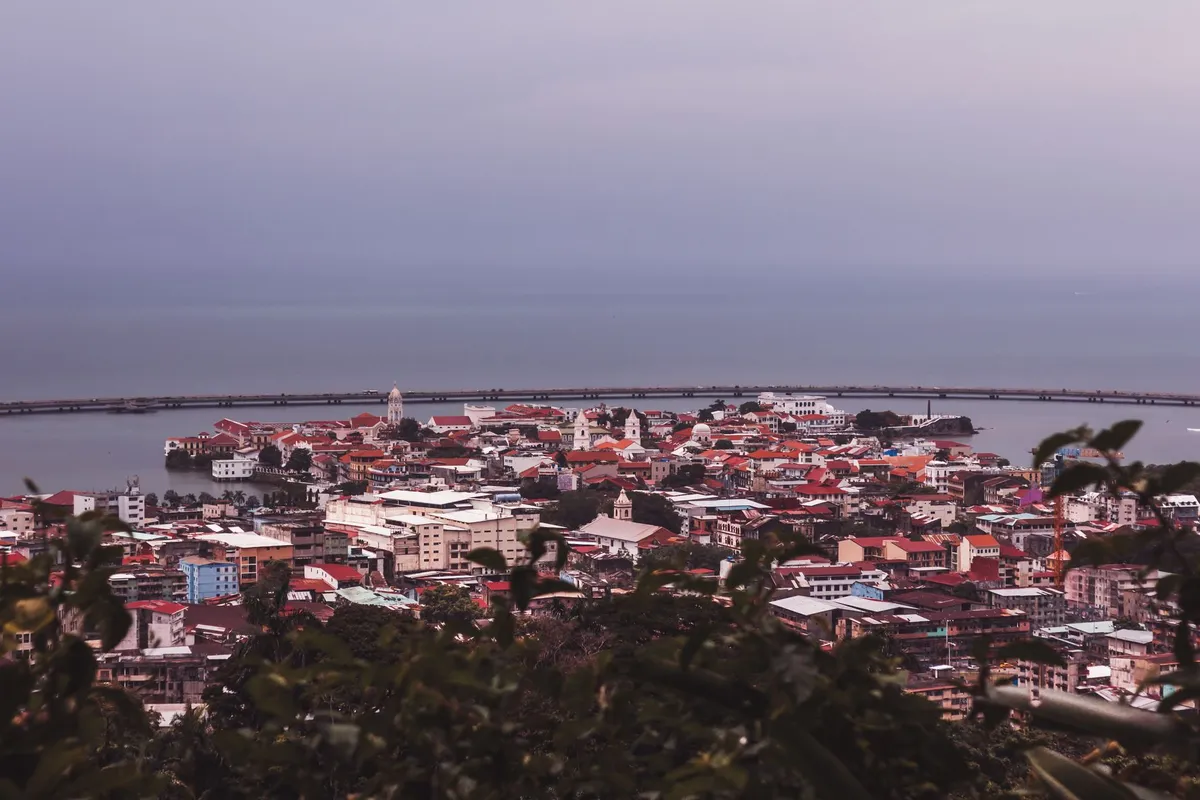
Casco Viejo, Cinta Costera, and the Seafood Market
Casco Viejo is packed with plazas, churches, museums, rooftops, and restored facades. Go early to take photos, stop for a coffee, and save the sunset for the Cinta Costera, where the contrast between the old quarter and the modern towers is clearest. At the Seafood Market, ceviche is the most direct choice; go for the busiest stalls and check how fresh things look.
The neighborhood isn’t a substitute for a Caribbean beach, but it’s where the city shows its best walking scale. If you loved colonial destinations, save our 3-day Santo Domingo guide too—it’s a great next stop for urban Caribbean vibes.
 See activities in Panama City on GetYourGuide ›
What to pair with the capital
San Blas is the most sought-after combo for those wanting clear water and Guna islands, but it’s not a simple urban beach extension: the trip involves a road, a boat, and local rules. Book at least two nights for the experience to be worth it; a rushed day trip trades rest for travel time.
Another option is Soberanía National Park, near the capital, for hiking and wildlife watching. To explore the city on foot with historical context, the free walking tour of Panama City is a practical way to start in Casco Viejo. If beaches are your priority, compare the pace of your trip with Willemstad, Curaçao before picking your next destination.
Where to eat and what to try
Panamanian food shines in simple dishes, markets, and neighborhood restaurants more than in mall food courts. Start with ceviche, fried fish, patacones (fried plantains), rice and beans, and sancocho; in Casco Viejo, there are great spots for a longer meal, though prices are generally higher.
To save money, have lunch where local workers eat in Obarrio, El Cangrejo, or near the markets, and save a Casco restaurant for dinner. Ask for the bill before accepting appetizers or bottled water: in tourist areas, those little extras add up on a dollar-based trip.
Where to Stay Without Wasting Time in Traffic
For a first visit, stay in Casco Viejo if you want to walk out to bars and history; choose Obarrio, Bella Vista, or El Cangrejo if you prefer modern hotels, restaurants, and easier access to other parts of the city. Punta Pacifica is great for those seeking a more upscale setup, but it leaves you dependent on a car.
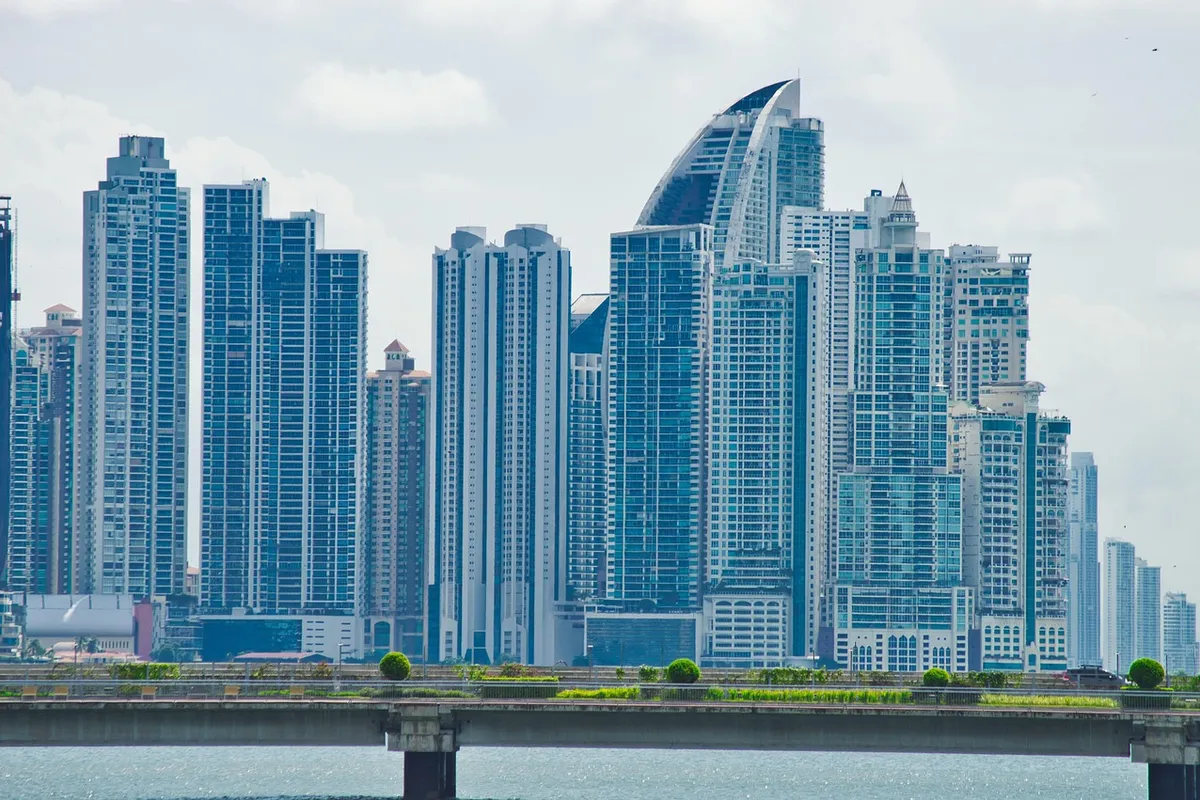
Read recent reviews about noise, air conditioning, and the hotel’s immediate surroundings. The price difference between neighborhoods can be smaller than the extra you’d spend on rides; staying near the metro and restaurants means you make better use of your time.
Where to stay in Panama City
| Hotel | Rating | |
|---|---|---|
| Sofitel Legend Casco ViejoCasco Viejo · Calle Primera Oeste, San Felipe | 9,5869 reviews | See prices |
| Hotel La Compañía Casco AntiguoCasco Viejo · Avenida A at Calle 8 | 9,4493 reviews | See prices |
| Riu Plaza PanamáMarbella · Calle 50 at Calle 53 Este | 8,78.352 reviews | See prices |
| Hotel PrincipeEl Cangrejo · Vía Argentina, Calle José Fábrega | 8,65.449 reviews | See prices |
| Waymore Hotel Spa & CasinoBellavista · Avenida Eusebio A. Morales | 8,64.480 reviews | See prices |
| Tryp by Wyndham Panama CentroEl Cangrejo · Vía Veneto | 8,53.894 reviews | See prices |
| Hotel Milan PanamaEl Cangrejo · Avenida Eusebio A. Morales | 8,52.528 reviews | See prices |
| Central Hotel Panama Casco ViejoCasco Viejo · Avenida Central at Calle 5ta | 8,41.851 reviews | See prices |
Booking.com rating on 30/09/2026
Practical Tips: Budget, Shopping, Documents, and Safety
Panama uses the balboa and the US dollar at a 1-to-1 parity; in practice, bills are in dollars and coins can be balboas. Panama City isn’t a cheap destination for those earning in Brazilian reais: lodging, tours, and meals in tourist areas follow dollar logic, though local lunches and the metro help balance things out.
For seven days, build your budget in three layers: lodging, food/transport, and tours. Not including airfare, a prudent estimate for a budget-to-midrange profile is US$900 to US$1,600 per person (planning reference from July 2026), varying a lot depending on hotel, San Blas, and shopping; treat this range as a planning guide, not a fixed price. Bring a physical international card and a small cash reserve, since not every contactless payment works like it does in Brazil.
For Brazilians traveling as tourists, the usual rule is visa-free entry for short stays, but immigration rules can change. Travel with a valid passport, an exit ticket, a hotel reservation, and proof of funds if asked; confirm requirements and vaccinations directly with the Panama Embassy in Brazil before booking your flight.
Shopping can be worth it for local products, coffee, chocolate, rum, and Guna handicrafts, but electronics, brand-name clothing, and malls aren’t automatically cheaper than in Brazil — compare the final price and your import allowance. As for safety, use Uber at night, keep your phone and documents low-key, avoid empty streets, and don’t wander without guidance through less touristy areas of Santa Ana and its surroundings. Brazilians thinking about moving to Panama will find a solid expat community, but residency, work, and taxes require professional advice, not tourist rules.
 HotelAs soon as you have datesCompare neighbourhoods and guest ratings.See hotels ↑
- More activitiesTo compareTickets, day trips and tours with flexible cancellation.GetYourGuide ›
Frequently Asked Questions
What language is spoken in Panama City?
The official language of Panama City is Spanish. English is common in hotels, the airport, tours, and corporate areas, but travelers get by much better in local markets and restaurants with a few basic Spanish phrases.
Is Panama City worth visiting?
Panama City is worth it for anyone who wants to combine history, food, Canal engineering, and a beach escape. Three or four nights let you see the capital at a relaxed pace; a week lets you add San Blas or nature without turning the trip into a string of long transfers.
What’s the weather like in Panama City?
Panama City has a tropical climate — hot and humid year-round. The driest period usually runs from December to April, while from May to November rain showers are more frequent, especially in the afternoon.
How much does a 7-day trip to Panama cost?
A 7-day trip to Panama City can cost, excluding flights, around US$900 to US$1,600 per person on a budget-to-midrange profile. Hotel, season, meals, a trip to San Blas, and shopping are the items that move the total the most.
Do Brazilians need a visa for Panama, and is it safe to visit?
Brazilians on short-term tourism usually don’t need to get a visa in advance, but they should confirm the current rule with the Panama Embassy before boarding. Panama City is safe to visit with standard urban precautions: use ride-hailing apps at night, avoid isolated areas, and keep an eye on your valuables.
Conclusion
Panama City works best when you treat it as a destination, not just a layover: set aside time for the Canal, wander through Casco Viejo, and pick a trip extension that matches your pace. At Voyage Voyage, you’ll find more itineraries to plan that next leg through the Americas and the Caribbean.