 Marcelo Oliveira
Updated August 20, 2026. Limón, Costa Rica, is the country’s Caribbean province, with bases like Puerto Viejo and Cahuita for beaches and trails, and Puerto Limón as the logistics and port hub. The best time to visit centers on drier windows in February–March and September–October, but it rains year-round on this coast.
| Best time | February–March and September–October usually bring drier windows; it rains year-round on the Caribbean. |
|---|---|
| How to get there | Buses connect San José to the Caribbean; a car gives you freedom between beaches; a bike works for the Puerto Viejo–Cahuita corridor. |
| Recommended bases | Cahuita (nature and calm) or Puerto Viejo (variety); Puerto Limón for services and logistics. |
| Prices/tickets | check the official website |
Limón, Cahuita or Puerto Viejo
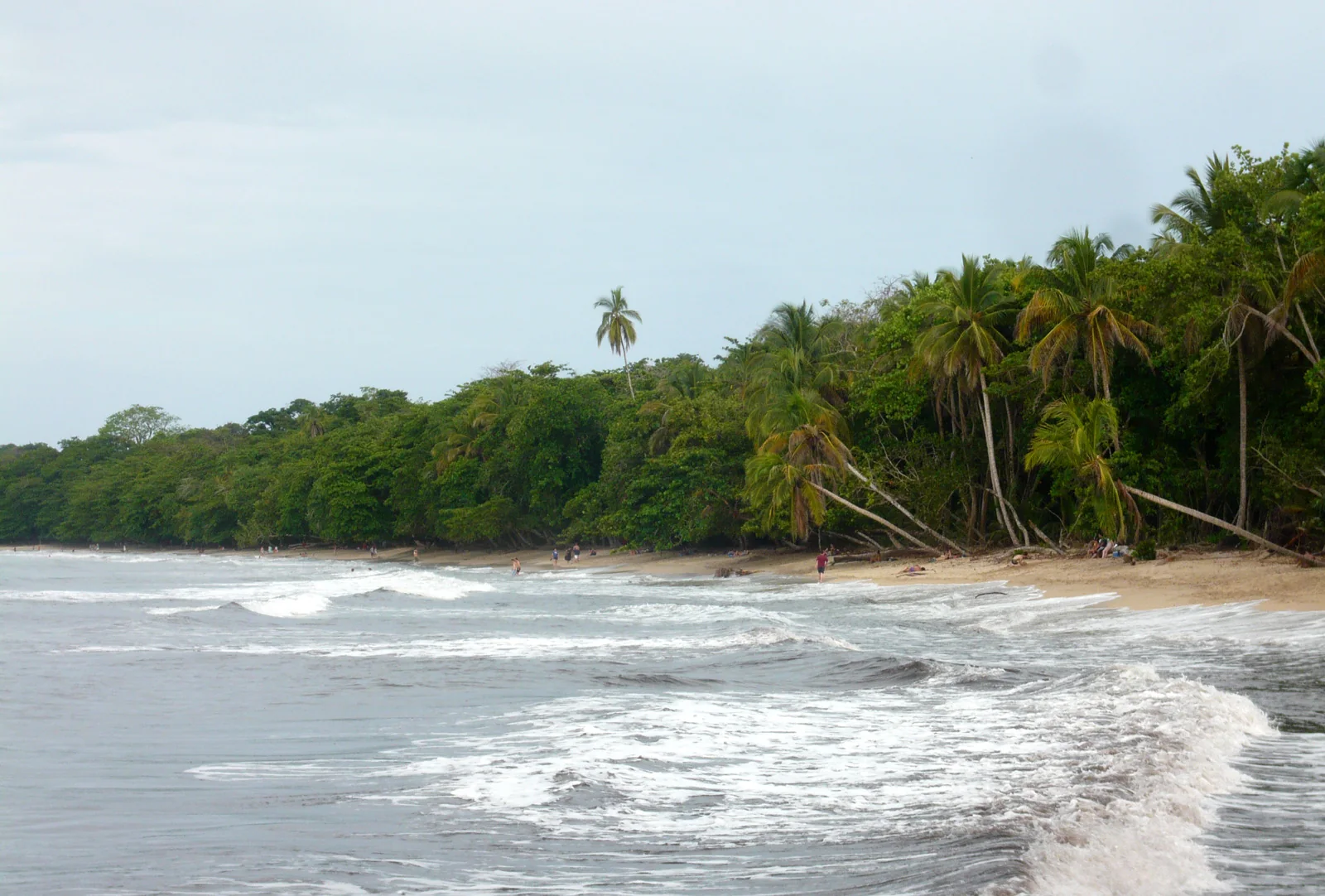
Puerto Limón concentrates the port, services, and Afro-Caribbean history. Cahuita has a compact village right next to the national park. Puerto Viejo offers restaurants, nightlife, and access to Playa Cocles, Punta Uva, and Manzanillo. For nature and calm, choose Cahuita; for variety, Puerto Viejo.
5-day itinerary
- Arrival and the village of Cahuita.
- Trails and beach in Cahuita National Park.
- Puerto Viejo, Cocles, and food.
- Punta Uva and Gandoca-Manzanillo Refuge.
- A backup day for rain, biking, or local culture.
Tortuguero requires its own logistics and deserves two nights; don’t treat it as a simple day trip from Puerto Viejo.
Cahuita and protected areas
Cahuita National Park combines trails, beach, and reef. The Puerto Vargas entrance runs on its own schedule and the Playa Blanca sector operates separately; confirm details in the 10-day Costa Rica itinerary and check the official portal. For snorkeling on the reef, use an authorized guide and respect sea conditions.
Best time and weather
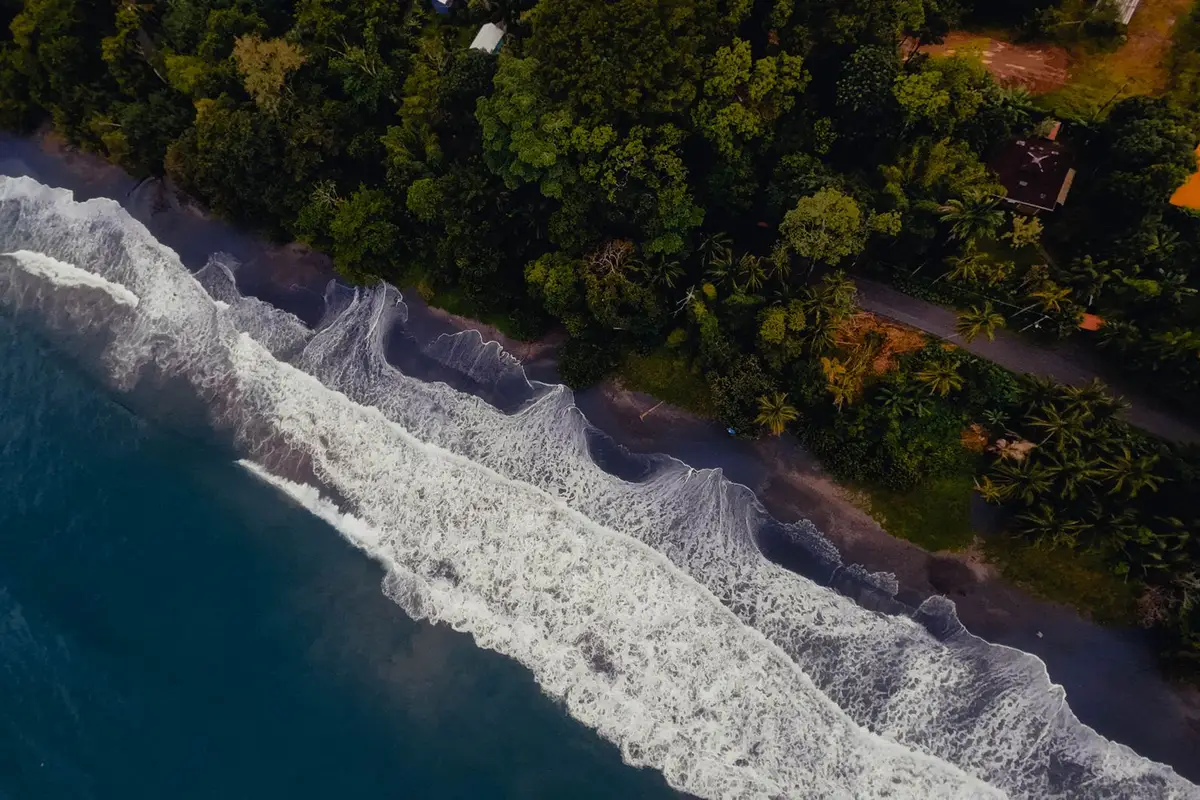
It rains year-round, but the Caribbean doesn’t exactly follow the Pacific’s dry season. February and March, and often September and October, have more stable stretches. Bring a light rain jacket, protection against humidity, and a flexible plan.
Getting there and getting around
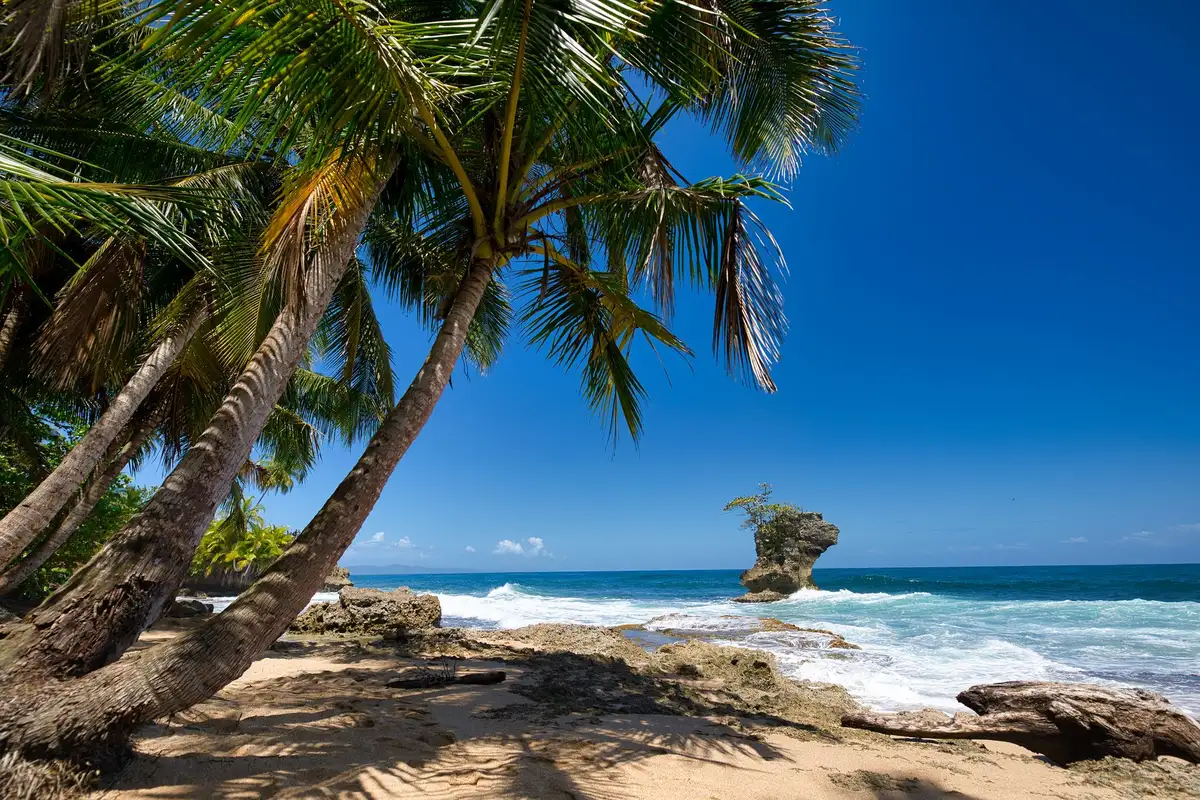
Buses connect San José to the Caribbean; a car gives you freedom between beaches but demands attention to the road and parking. Biking is common between Puerto Viejo and nearby beaches. Avoid driving at night on unfamiliar stretches.
Practical tips
- Don’t leave belongings in the car or on the beach.
- Respect flags and currents.
- Use repellent and biodegradable sunscreen.
- Don’t touch animals or reefs.
- Check road and park alerts on the day.
How to choose your base without wasting time
Your choice of lodging sets the pace for the five days. In Cahuita, the proximity between the village and the park favors those who want to start early, hike, and come back for an afternoon of beach or rest. The base is compact and works well for a trip focused on nature, without the obligation to cross the corridor every day.
Puerto Viejo makes more sense when the trip mixes beaches, meals, and a nightlife agenda. From there, Cocles, Punta Uva, and Manzanillo become different outings, but each trip takes time and depends on the rain. If you prefer to switch beaches daily, accept a more mobile routine; if you prefer to observe the forest and sea calmly, reduce the moves.
Puerto Limón should be treated as a point of arrival, supplies, and services. It can be useful for logistics, but it doesn’t need to concentrate your nights if the priority is hiking in the park or being close to the beaches. This distinction prevents choosing a base just for the province’s name and then spending the itinerary on transfers.
How to spread out the five days
On the first day, keep the schedule light: arrival, settling in, and a stroll around the village of Cahuita. That way you don’t turn a road or bus delay into a lost ticket, and you can confirm park conditions before the main hike.
The second day can be reserved for Cahuita National Park. The combination of trail, beach, and reef calls for time to pause; don’t treat the route as a race between points. Entrance operations and sea conditions should be confirmed before you set out, especially if the plan includes snorkeling.
On the third day, move on to Puerto Viejo and choose a nearby beach, like Cocles. The goal is to experience the change of scene without building an impossible list. Set aside the meal and the return as part of the day, since rain, biking, and transport can change the pace.
Use the fourth day for Punta Uva and the Gandoca-Manzanillo Refuge, as long as access conditions are suitable. This outing combines coastline and forest and works best with water, rain protection, and a set return time. On the fifth, leave a backup window: it can absorb bad weather, include biking, or allow for a local cultural activity.
Reef, forest, and responsibility
The value of Cahuita National Park lies precisely in the proximity between ecosystems. Beach, trail, and reef aren’t isolated attractions: visitor behavior affects all of them. Don’t touch animals, don’t step on the reef, and use only authorized operators when the activity depends on local guidance.
Sunscreen, repellent, and a light rain jacket should be chosen with heat, humidity, and rain in mind. Carry your waste back out, keep your distance from animals, and obey permitted areas. Care is also practical: a wet trail, a strong current, or an unprotected phone can turn a simple outing into a problem.
To decide between trail and sea on the day, start with the more restrictive condition. If the park or the sea isn’t suitable, use the backup plan instead of insisting. The itinerary is safer when it has alternatives that preserve the experience, such as the village, food, biking, or a shorter morning.
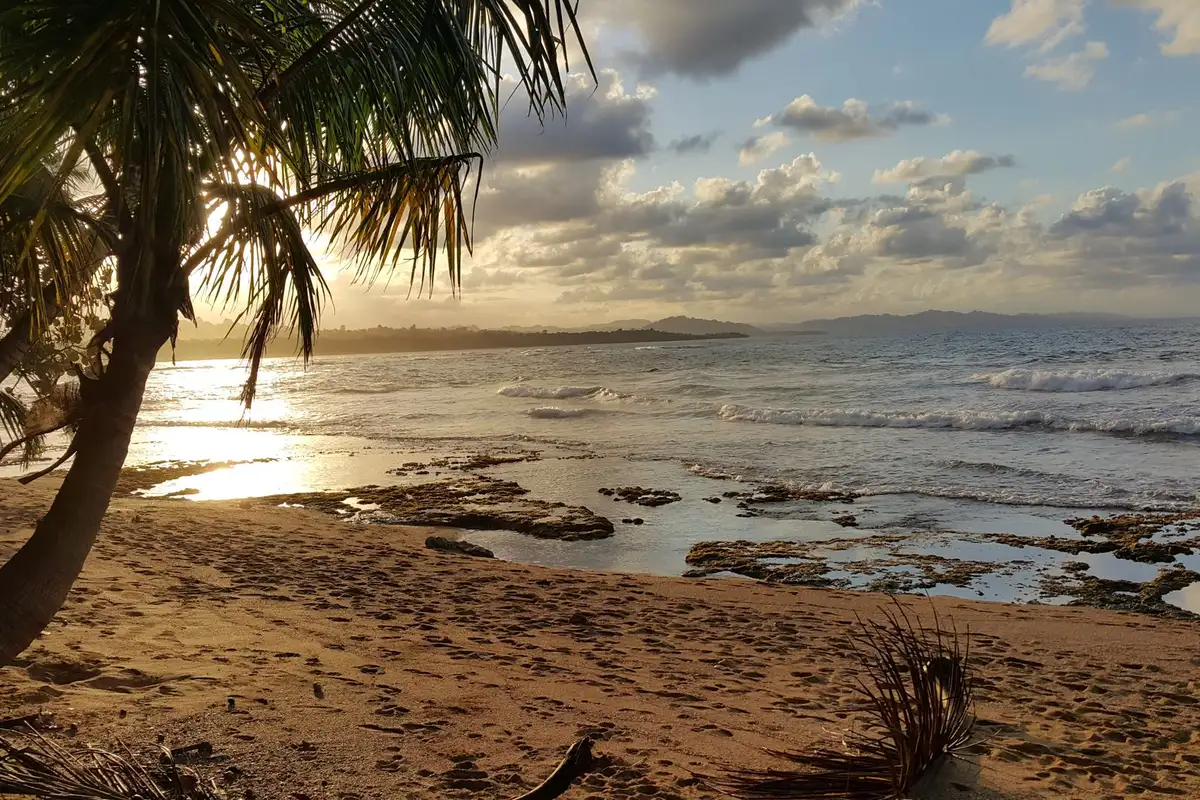
In practice, also organize the small transitions. Keep a light bag ready for the beach, keep a dry change of clothes protected, and download your lodging addresses before heading out. If the day dawns rainy, swap the order of activities and save the main hike for the most favorable window. When planning meals, consider that a smaller base may have a different pace than Puerto Viejo; leaving without margin makes the return more tiring. This buffer is especially important on the last day, when the transfer to San José or the airport shouldn’t depend on a single connection.
It’s also worth separating what needs a reservation from what can be decided on the spot. Activities in the park and on the reef depend on rules and conditions; a stroll around the village, a meal, or a break can fill the window created by rain. This hierarchy makes the itinerary more realistic and reduces the temptation to squeeze Tortuguero in as a quick stop.
A good rule is to reserve the morning for the activity that depends on operations and leave the afternoon for the more flexible alternative. This applies to the park, the reef, and transfers between beaches. Before heading out, confirm the entrance time, the forecast, and the return transport; when you get back, keep documents, phone, and belongings away from the sand and water. Those traveling without a car should arrange the boarding point in advance, while those renting a vehicle should check parking and avoid driving at night. The best itinerary in Limón isn’t the one that piles up the most beaches, but the one that keeps enough time to take in the landscape and react to the rain.
How to turn this guide into a real plan
Puerto Limón is the service hub; Cahuita offers a park and a compact village; Puerto Viejo concentrates restaurants and beaches. For nature and calm, Cahuita; for variety, Puerto Viejo.
In Limón, your base defines how much of the itinerary becomes road. In Cahuita, the village sits next to the national park and the day starts on foot. In Puerto Viejo, Cocles, Punta Uva, and Manzanillo are closer, but each outing depends on a bike, bus, or car. Puerto Limón serves for arriving and stocking up, without needing to concentrate your nights there.
Recommended sequence
Use five days for Cahuita, Puerto Viejo, Cocles, Punta Uva, and Gandoca-Manzanillo. Tortuguero deserves two nights and its own logistics, not a few-hour dash.
Mistakes that cost the most time or money
The Caribbean has rain outside the Pacific pattern. Bring a rain jacket, protect electronics, and keep a flexible plan. Respect currents, don’t leave belongings in the car, and use an authorized guide on the reef.
Checklist before you book
- Define the priority experience and what can be cut.
- Calculate door-to-door transfers, including waiting and luggage.
- Confirm rules and schedules from an official source.
- Leave margin for weather, lines, or delays.
- Save receipts and an offline backup plan.
 HotelAs soon as you have datesCompare neighbourhoods and guest ratings.Booking ›
 ActivitiesBefore you travelBook ahead the ones with limited spots.Civitatis ›
Frequently asked questions
Is Puerto Limón the best base?
It’s useful for services and culture, but Cahuita or Puerto Viejo are usually better for beaches and nature.
When to go?
February–March and September–October usually offer good windows, with no guarantee of dry weather.
Can you visit Tortuguero in one day?
The logistics are long; two nights produce a safer and more complete experience.
Do you need a car?
No. Buses and bikes serve the main corridor, but a car adds flexibility.