Your first international trip gets a whole lot simpler when you organize your documents, check your destination’s entry rules, and put together an easily accessible folder on your phone and in your carry-on. A valid passport, any required visa, travel insurance, proof of accommodation, and an onward ticket are the essentials. Start with your passport’s validity, since each country can have different minimum requirements, and only then book services that aren’t refundable.
When leaving Brazil, gather a travel document accepted by your destination, visa rules, and proof of your itinerary; the final entry decision is up to the immigration authorities of the country you’re visiting.
In the week before your trip, double-check that the name on your ticket matches your ID exactly, review your baggage allowance, and check in as soon as it opens. Set aside your cards, local currency, power adapter, medications, and a copy of important contacts. If you have a question about entry, hours, or transport, go straight to the official source for your destination—not an old blog post. This routine frees you up to handle only the real surprises at the airport.
Pack a pen, confirm your accommodation’s address, and jot down your insurance provider’s contact info. These small details save you time when you’re offline, tired after a long flight, or staring at an arrival form.
What do you need to travel outside Brazil?
The primary document is usually your passport, but Brazilians can travel with a valid ID card to some Mercosur countries. Requirements vary based on nationality, destination, layovers, and the purpose of your trip. Check with the consulate or immigration authority of the country before buying your ticket, and also confirm the minimum passport validity they require.
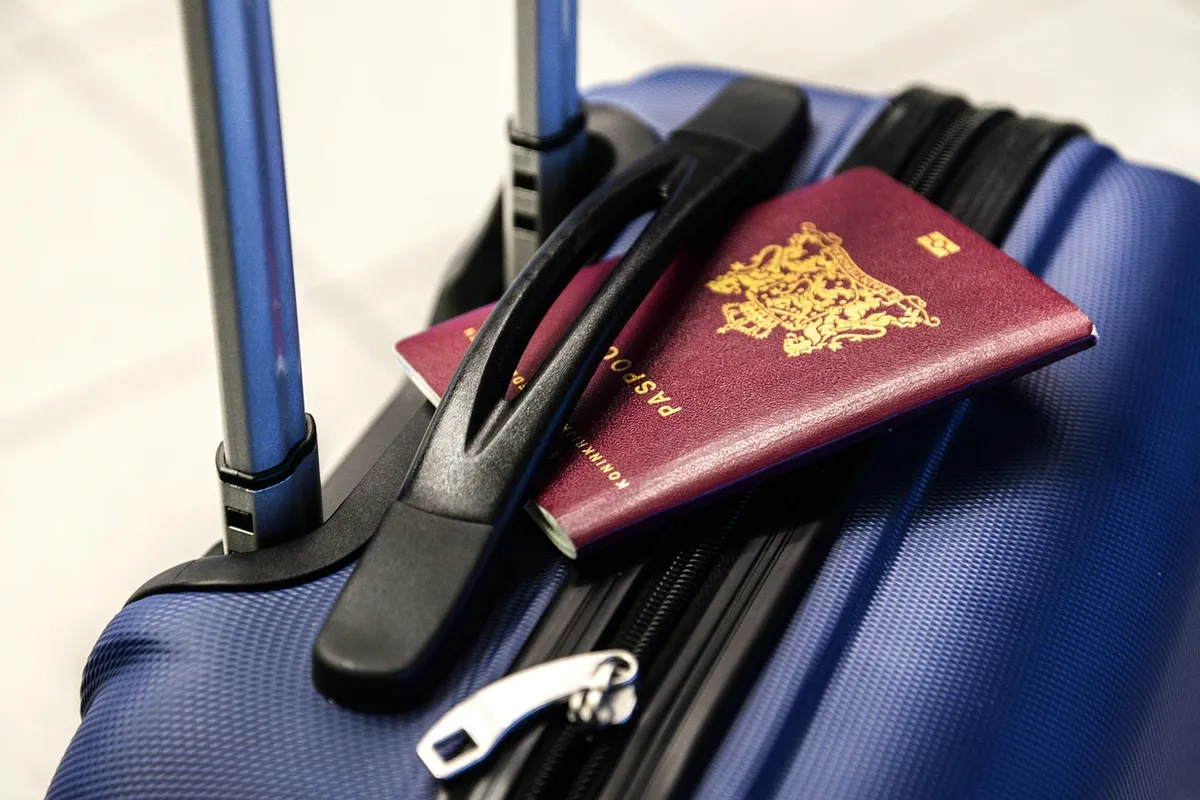
Put together a folder with your passport, visa (if applicable), insurance, reservations, return or onward ticket, and proof of funds. Keep secure digital copies and carry the originals with you, not in your checked luggage. Minors have their own rules for international travel authorization; check with the Federal Police and get the correct document sorted before check-in.
How to get a passport through the Federal Police
You start the application for a standard passport on the Federal Police’s official service. You fill out the request, pay the fee, schedule an appointment, and show up with the required original documents. The Federal Police notes that applicants must prove their identity and, when applicable, their electoral and military status, plus complete biometric data collection.
Don’t leave this to the last week. After your in-person appointment, the Federal Police will tell you the applicable delivery time; your passport is only good for travel once it’s in your hands. Check the details as soon as you pick it up and leave a comfortable buffer between issuance and your flight.
A new passport doesn’t replace checking visa rules and the minimum validity your destination requires. Many airlines verify these requirements right at the check-in counter. If your itinerary includes a layover, look up the transit rules even if you don’t plan to leave the airport: they can differ from the entry rules for tourism.
Do I need a visa for my first international trip?
It depends on your passport, the country, and the purpose of your visit. Some destinations waive visas for short tourist stays, others require an electronic authorization, and some require a consular interview. The right answer doesn’t come from an old video or a forum: use the official website of the embassy, consulate, or immigration authority for your destination and confirm transit rules for any layovers.
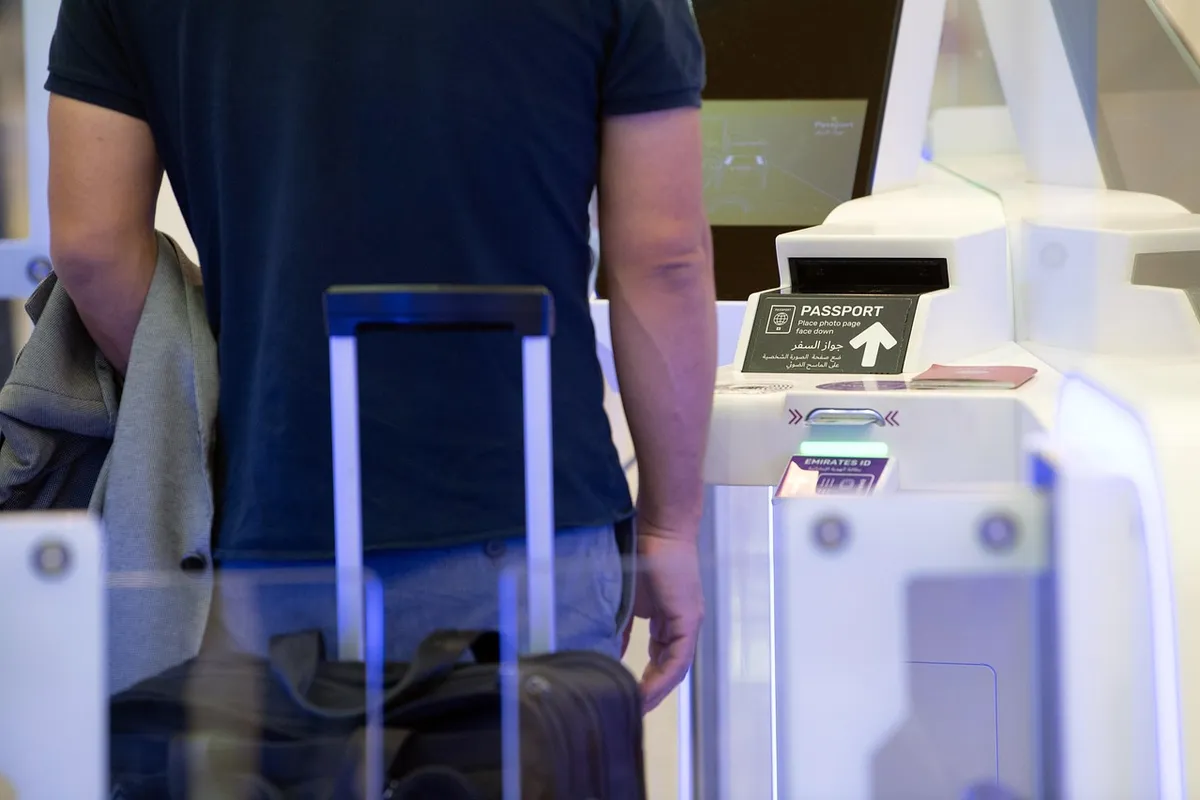
Travel insurance may be mandatory in some destinations and is highly recommended everywhere. Read up on medical coverage, deductibles, excluded activities, and the support hotline. Book accommodation with a clear address and contact info; immigration may ask where you’re staying and for how long.
An organized folder keeps you from digging through dozens of messages in line. Create a PDF with your reservations, insurance, emergency contacts, and your first hotel’s address; share a copy with someone you trust. Don’t hand over original documents as a deposit at rental agencies or hotels. For payments, bring a physical card, a virtual card, and a small amount of local currency for your initial transfer.
What to say at immigration and how to keep your cool
At immigration, answer clearly and truthfully: the purpose of your trip, how long you’re staying, your accommodation address, your return ticket, and how you’ll support yourself. There’s no magic phrase or script to memorize. Keep your documents organized, present only what’s asked for, and don’t invent a job, a visit, or an itinerary.
Get to the international airport early, check your airline’s baggage limits, and keep medications, electronics, documents, and a change of clothes in your carry-on. Boarding passes, entry forms, and health requirements can change; review the airline’s and destination’s websites close to your travel date.
Planning that prevents headaches
Notify your bank about your trip, enable notifications, carry more than one payment method, and keep a small emergency fund. Download maps and reservations offline, check the plug type and adapter, and get a mobile plan that fits your route. A light itinerary for your first day helps: immigration, transfer, and check-in already take longer than you’d think.
Your first international day works best with a single goal: arrive, get through immigration, and rest. Save sightseeing for the next day, especially if there’s a big time difference. If you’re arriving at night, save the route to your accommodation, confirm your transfer time, and have the address written down in the local language when possible.
Use this simple timeline to decide what to tackle first. It doesn’t replace your destination’s rules, but it keeps the basics from being left until the last minute.
| When | Priority | How to check |
|---|---|---|
| Before booking | Passport, visa, and layovers | Consulate and airline |
| Weeks before | Insurance, accommodation, and payments | Policies and reservations |
| The day before | Check-in, documents, and carry-on | Airline app |
To keep planning, check out our Cancún guide and our Morocco itinerary. The Federal Police handles the official passport service; the Federal Police FAQ page explains current rules and timelines.
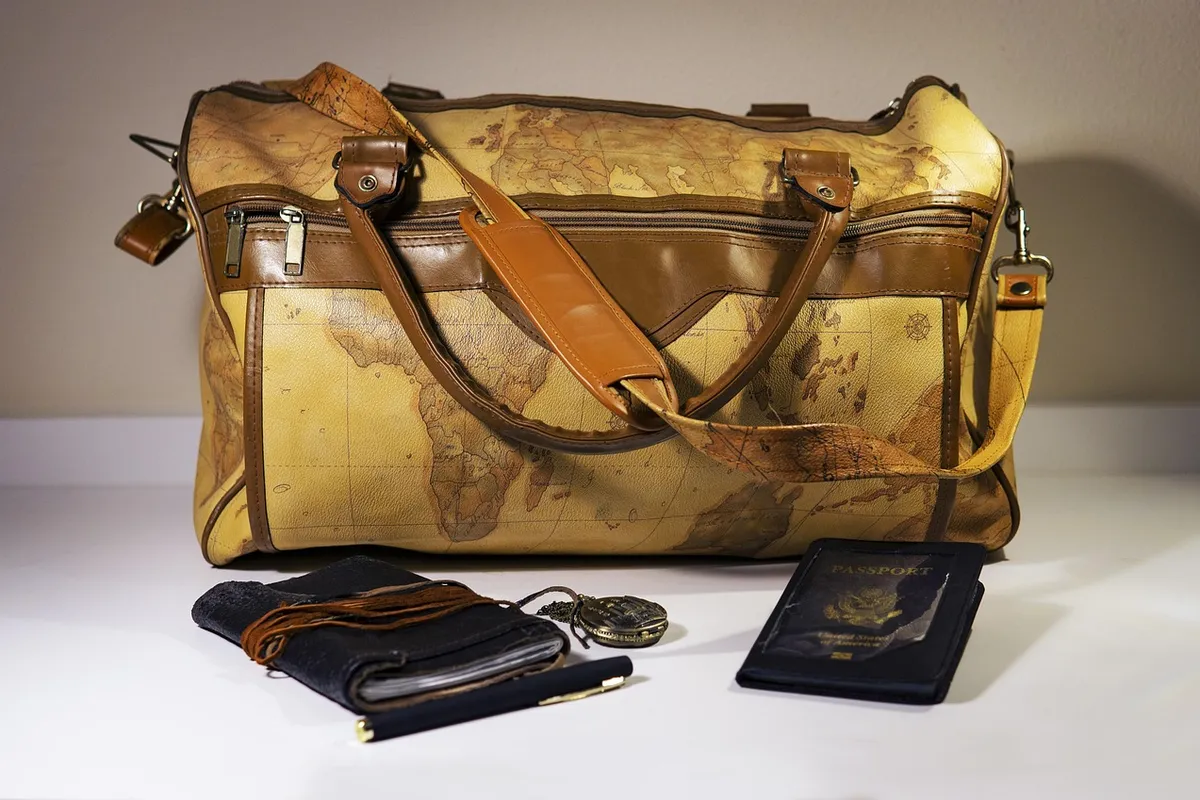
Frequently Asked Questions
What do I need to leave Brazil?
You’ll need a travel document accepted by your destination, such as a passport or ID when an applicable agreement exists, plus any visa, insurance, and authorization requirements the country demands.
How do I get a passport?
To get a passport, fill out the application through the Federal Police service, pay the fee, schedule your appointment, and bring the required original documents for verification and biometrics.
Do I need a visa for international travel?
Whether you need a visa depends on your destination, nationality, layovers, and the purpose of your trip. Always check the official source of the country you’re visiting before buying anything non-refundable.
What should I say at immigration?
At immigration, answer truthfully and clearly about your purpose, length of stay, accommodation, and return plans. Keep reservations, your outbound ticket, and proof of funds handy in case they’re requested.
Can I check my passport in my luggage?
No. Your passport and other travel documents should stay in your carry-on, along with essential items and secure digital copies.
Conclusion
On your first trip, getting your paperwork sorted early buys you peace of mind for the rest of your itinerary. Keep planning with Voyage Voyage and check out the 3-day São Paulo itinerary and other practical guides.