 Marcelo Oliveira
This Cancún guide lays out a first trip of five to seven nights: pick a hotel for its beach and pool, mix in Isla Mujeres, a cenote, and Maya culture, and keep an eye on the sargassum as your date approaches. That way, you can balance beach time and excursions without depending on a single sea condition.
Hotels in Cancúnfree cancellation options onlySee hotels ›Booking.com partner (advertising): we may earn a commission at no extra cost to you.
For a first trip, plan for five to seven nights: two for the beach, one for Isla Mujeres, one for a cenote or Chichén Itzá, and one flexible day for weather and sea conditions.
Getting to and around Cancún
Cancún International Airport is about 20 km from the Hotel Zone. A pre-booked transfer, an authorized taxi, or the ADO bus are the simplest options upon arrival; confirm your drop-off point before boarding, since hotels are spread along a long stretch of coast. In the Hotel Zone, city buses handle most trips to the beach, restaurants, and nightlife.

A car isn’t necessary if you’re staying in the Hotel Zone and taking tours. It’s worth it when your plans include cenotes, beaches further south, and your own schedule; in that case, book with clear insurance, photograph the vehicle when you pick it up, and never leave luggage visible. For Isla Mujeres and Chichén Itzá, a tour saves you the hassle of parking, ferries, and long drives.
When to visit Cancún: weather, prices, and sargassum
The driest season runs roughly from December to April: it’s also the busiest and most expensive. Between May and October, expect more heat, occasional rain, and a higher risk of sargassum; the Municipality of Benito Juárez provides daily monitoring updates and cleanup efforts, but there’s no guarantee of clear water along the entire coast.
If your goal is snorkeling and clearer water, aim for the dry months and book ahead. If you’re traveling in the summer, keep your itinerary flexible: cenotes, museums, Isla Mujeres, and a day at a hotel with a great pool make for a solid backup plan. Check the municipal monitoring close to your trip, and don’t treat old photos as a snapshot of the current week.
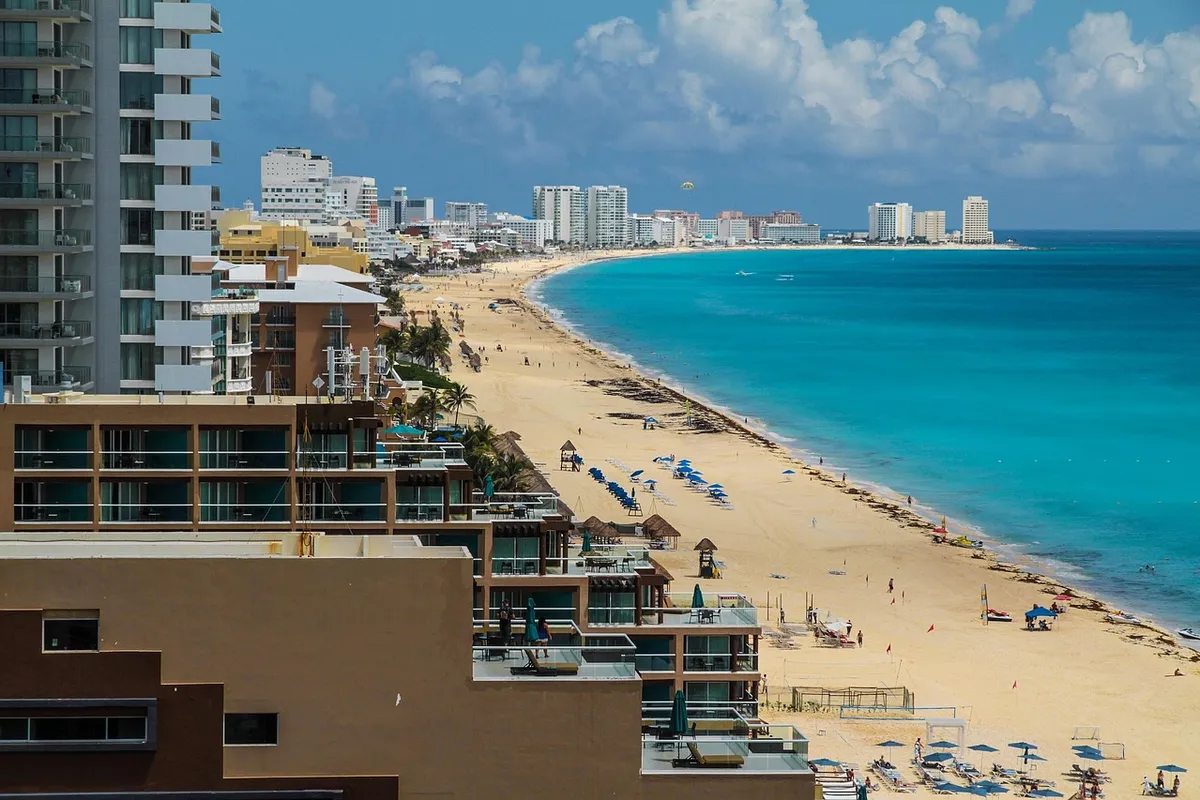
Things to do in Cancún beyond the beach
Start with a morning at the beach and save Isla Mujeres for a full day: the ferry leaves from Puerto Juárez, and the island is best enjoyed without rushing. Another strong choice is combining heritage and fresh water on a Chichén Itzá and Cenote Saamal tour; leave early, bring water, and accept that it’s a long day.

For a lighter day, the catamaran tour to Isla Mujeres combines sailing with stops in the sea. Compare what’s included, especially dock fees, drinks, and equipment. If you’d rather stay in Cancún, spend the afternoon at Playa Delfines, the Maya Museum, or a stroll along the Hotel Zone boardwalk.
 Partner · Civitatissee all activities in Cancún ›
Tulum & Akumal Day Trip + Snorkelling in a Maya Cenote
Rating 9.2 · 66 reviews on Civitatis
- Speedboat Tour on Nichupté LagoonRating 8.5 · 17 reviews on Civitatisfrom€40.13per personSee ›
- Chichén Itzá & Chichikan Cenote Day TripRating 9.1 · 2,088 reviews on Civitatisfrom€50.36per personSee ›
- Catamaran Cruise to Isla MujeresRating 8.3 · 1,314 reviews on Civitatisfrom€38.64per personSee ›
- Xcaret Park Day TripRating 9 · 273 reviews on Civitatisfrom€162.49per personSee ›
Civitatis prices on 28/09/2026, from, per person. They may change. Want to compare? Activities in Cancún on GetYourGuide ›
Where to stay and is Cancún all-inclusive worth it?
All-inclusive is worth it when you want to spend several days at the hotel, you’re traveling with family, or you plan to eat and drink a lot at the resort. If you want to try local restaurants, use the bus, and go on tours almost every day, a stay with breakfast usually gives you more freedom. Comparing Cancún, Playa del Carmen, and Tulum helps you choose your base based on your travel pace.
In the Hotel Zone, check which side of the strip your hotel is on, the condition of the beach, and the distance to the spots you plan to visit. Downtown Cancún lowers the nightly rate and puts you closer to markets and buses, but it doesn’t deliver the experience of waking up facing the Caribbean.

Where to stay in Cancún
| Hotel | Rating | |
|---|---|---|
| Aloft by Marriott CancunHotel Zone · In the Hotel Zone entertainment area | 8,1809 reviews | See prices |
| Beachscape Kin Ha Villas & SuitesHotel Zone · Standard room in a beachfront hotel | 8,42.963 reviews | See prices |
| Renaissance Cancun Resort & MarinaPuerto Cancún · At the Puerto Cancún marina | 8,7638 reviews | See prices |
| Ibis Cancun CentroCancún city centre · Double room; smaller budget and a commute to the seafront | 8,21.707 reviews | See prices |
| Fairfield by Marriott Inn & Suites Cancun DowntownCancún city centre · Room with breakfast in the offer checked | 8,6710 reviews | See prices |
| Adhara Hacienda CancunCancún city centre · Standard room with breakfast in the offer checked | 8,54.210 reviews | See prices |
| Krystal Urban Cancun & Beach ClubCancún city centre · Rate mentions beach club access; check hours and transport | 8,42.831 reviews | See prices |
| Garza Blanca Resort & Spa CancunCosta Mujeres · Beachfront resort outside the Hotel Zone | 8,3108 reviews | See prices |
Booking.com rating on 30/09/2026
How much a trip to Cancún costs
Your budget changes more with flights and hotel type than with tours. Calculate lodging, transfers, meals outside the hotel, tips, ferry, environmental fees, and entrance tickets separately. Carry some cash in Mexican pesos for small expenses and check your card’s exchange rate and IOF tax. Instead of booking everything on day one, leave one activity to buy based on the sea forecast.
 HotelAs soon as you have datesCompare neighbourhoods and guest ratings.See hotels ↑
- ActivitiesBefore you travelBook ahead the ones with limited spots.Civitatis ›
 More activitiesTo compareTickets, day trips and tours with flexible cancellation.GetYourGuide ›
Frequently asked questions
What’s the best time to visit Cancún without sargassum?
From December to April, there’s usually less of it, but sargassum doesn’t follow an exact calendar. In any month, check local monitoring and choose a hotel with a pool and alternative activities.
Do you need a car in Cancún?
No. In the Hotel Zone, buses, transfers, and tours cover the essentials. Rent a car only if you want to explore cenotes and beaches on your own.
Is Cancún all-inclusive worth it?
It’s worth it if you plan to use the resort’s amenities a lot. For days packed with tours and restaurants, breakfast or half-board can offer better value and flexibility.
Is Cancún safe for tourists?
Use authorized transportation, avoid isolated areas, and don’t accept street sales pitches. The same awareness you’d have in any large tourist city handles most situations.
Conclusion
Cancún works best when your trip doesn’t depend on a single beach. Set up a comfortable base, keep an eye on the sea as your date nears, and spread your days between the island, a cenote, and Maya culture. On Voyage Voyage, also check out safety tips for visiting cenotes in Mexico.
Practical planning for Cancún. Brazilian travelers should confirm entry requirements, passport validity, and return documents with the airline and Mexican authorities before booking. Bring proof of accommodation and set aside some cash in Mexican pesos: they make small purchases, buses, and tips easier. Skip last-minute currency exchange at the airport and double-check conversion rates and fees on your card.
To cut costs, build three budget versions: a resort, a hotel with breakfast, and a budget base downtown. Flights and the season affect your total more than any single tour. Add up transfers, ferry, environmental fees, meals outside the hotel, and tips. Don’t buy a tour under pressure: price, meeting point, and what’s included need to be clear before you pay.
A week in Cancún doesn’t have to be a marathon. Set one “anchor” day for the beach closest to your hotel, a full day for Isla Mujeres, and another for a road trip. That way, if it rains or the sea is rough, you have room to reshuffle without losing an expensive reservation. The Cancún Municipality portal centralizes local public information; the day before, check the beach report instead of relying on social media videos.
When comparing hotels, ask about the beach in front of the property, the lounger policy, minibar restocking, and restaurant hours. These answers matter more than a wide shot of turquoise water. If you’re planning to leave the resort, check for a nearby bus stop and the distance to Puerto Juárez. Staying downtown can be budget-friendly, but it means commuting to the sea; a night in the Hotel Zone usually includes the view and cuts down on travel time.
There are two ways to handle meals. At an all-inclusive, book one night to eat out and explore another part of the city; it breaks the routine and keeps the hotel from dictating every hour. At a hotel with breakfast only, stock up on water and snacks at the market and pick one main restaurant per day. Tinkering with your food budget is easy, but splurging on expensive taxis multiple times is where the trip usually spirals out of control.
Use your arrival day for light activities: check-in, currency exchange, scoping out the beach, and dinner near the hotel. On your last day, don’t book a long excursion if your flight is early. It sounds obvious, but immigration delays, traffic, and the distance to the airport make this precaution worth it. The best itinerary doesn’t try to guarantee sunshine; it leaves you with great options for sun, wind, rain, and an unexpected urge to just stay at the hotel.
To dig deeper into choosing your base, compare this guide with Cancún, Playa del Carmen, or Tulum and the tips on cenote safety in Mexico. Both articles help turn the destination into a trip with a realistic pace, without relying solely on the resort.
If shopping is on your mind, set a limit before hitting the malls and souvenir shops. The proximity of the hotels creates a false sense that everything is a short walk; the heat makes a difference, and the bus ride can take longer than expected. For families, confirm the crib, kids’ pool hours, and whether the room comfortably fits everyone. For couples, a quiet location might be worth more than being steps from the nightclubs. Always read the cancellation terms in Spanish or English before confirming.
For your luggage, pack sunscreen, insect repellent, a hat, and a light rain jacket for quick showers. Filtered water and breaks in the shade keep a good outing from ending early due to exhaustion. The most cost-effective decision is often paying for a reliable transfer on arrival and gaining time to get your bearings on day one. After that, you can choose bus, car, or tour at your leisure.
This Cancún guide is built for planning a first trip of five to seven nights, combining the Hotel Zone, Isla Mujeres, a cenote, and a Mayan site. Choose your hotel for the beach, the pool, and bus access; keep an eye on the sargassum near your dates, and have an inland excursion as a backup plan.
In Cancún, planning alternatives to the sea is the simplest way to protect your budget and make the most of every day of your trip. Compare transfers, cancellation policies, and the distance to the port before locking in your stay.
This Cancún guide explains how to organize a five-to-seven-night trip with beach, island, cenote, and Mayan culture. Stay in the Hotel Zone if you want easy access to the sea; check the sargassum the week of your trip, and keep the pool, Isla Mujeres, or Chichén Itzá as alternatives for days when the coast isn’t at its best.
Confirm times, meeting points, and refund conditions before each booking. That small bit of diligence prevents surprises and leaves the trip free for enjoying whatever the day brings.
To compare tour options, check out the activity below before booking.
If you’d rather discover other experiences in the area, check out the destination’s suggestions.