 Marcelo Oliveira
Cancún’s beaches change quite a bit along the Hotel Zone: in the north, the water tends to be more sheltered and easy to wade into; to the south, the scenery opens up, with waves and that intense, postcard-perfect blue. Picking the right stretch saves you from booking a pricey resort in front of a sea that doesn’t match your travel style.
Hotels in Cancúnfree cancellation options onlySee hotels ›Booking.com partner (advertising): we may earn a commission at no extra cost to you.
The Short Answer
For a calm beach in Cancún, prioritize Playa Langosta, Tortugas, and Caracol, at the start of the Hotel Zone. For a more dramatic backdrop and photos, head to Playa Delfines; to be close to restaurants and nightlife, Punta Cancún and Gaviota Azul work better. The water varies with wind and flags, so check the day’s conditions.
Cancún Beaches: How to Read the Hotel Zone
The Hotel Zone is a long strip between the Caribbean and the Nichupté Lagoon, crossed by Kukulcán Boulevard. It’s not one single beach: the northern tip, closer to Punta Cancún, tends to have coves and calmer water; the side facing the open ocean, especially to the south, delivers pale sand and stronger waves.
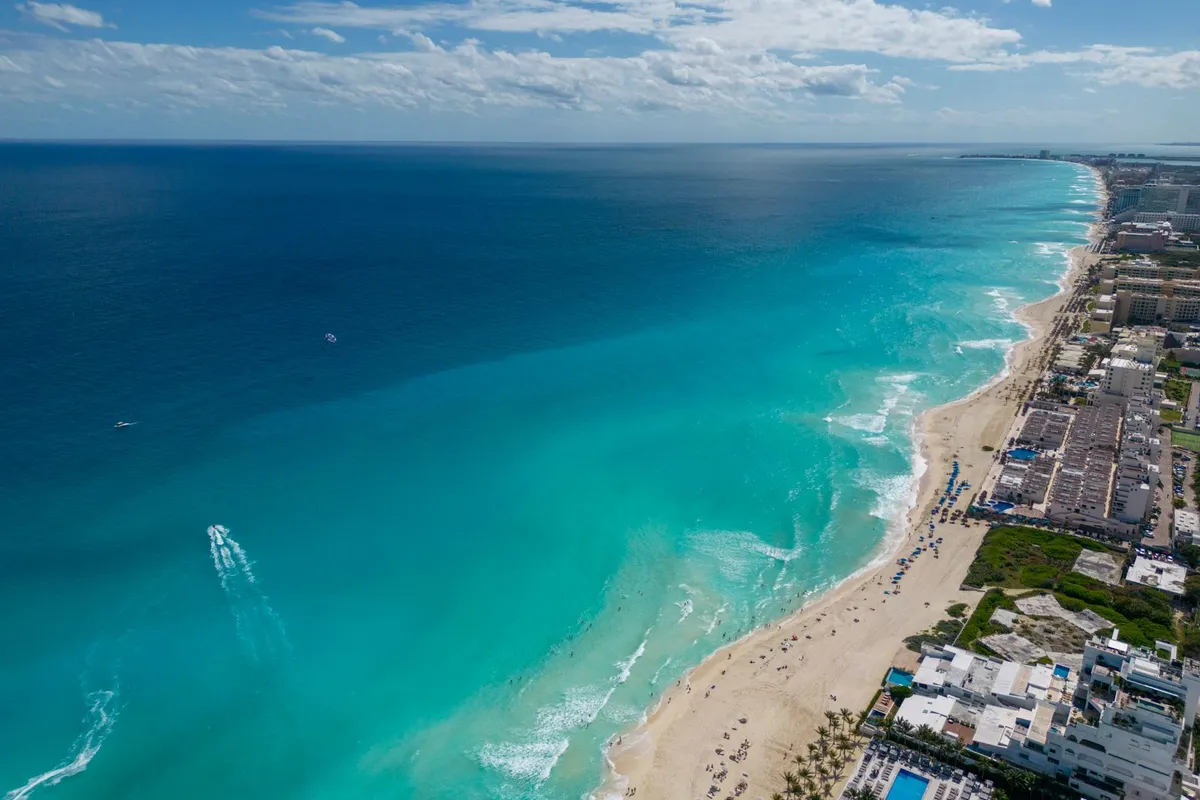
Instead of searching for “the best hotel in Cancún” in a generic way, first decide what matters: getting into the water with kids, having bars a few minutes away, or waking up to the most beautiful stretch of sand. That choice weighs more than the resort’s category.
Where to stay in Cancún
| Hotel | Rating | |
|---|---|---|
| Aloft by Marriott CancunHotel Zone · In the Hotel Zone entertainment area | 8,1809 reviews | See prices |
| Beachscape Kin Ha Villas & SuitesHotel Zone · Standard room in a beachfront hotel | 8,42.963 reviews | See prices |
| Renaissance Cancun Resort & MarinaPuerto Cancún · At the Puerto Cancún marina | 8,7638 reviews | See prices |
| Ibis Cancun CentroCancún city centre · Double room; smaller budget and a commute to the seafront | 8,21.707 reviews | See prices |
| Fairfield by Marriott Inn & Suites Cancun DowntownCancún city centre · Room with breakfast in the offer checked | 8,6710 reviews | See prices |
| Adhara Hacienda CancunCancún city centre · Standard room with breakfast in the offer checked | 8,54.210 reviews | See prices |
| Krystal Urban Cancun & Beach ClubCancún city centre · Rate mentions beach club access; check hours and transport | 8,42.831 reviews | See prices |
| Garza Blanca Resort & Spa CancunCosta Mujeres · Beachfront resort outside the Hotel Zone | 8,3108 reviews | See prices |
Booking.com rating on 30/09/2026
Which Beach to Choose in Cancún
Playa Langosta and Playa Tortugas: For Calmer Water
These beaches on the north side are solid bets for anyone who wants to spend hours in the water and travel with family. They’re also convenient for fitting in the ferry to Isla Mujeres: the area around Tortugas has plenty of activity, services, and boat departures. Don’t expect seclusion; the payoff is simple logistics.
Playa Caracol: A Quick Break Near Punta Cancún
Small and shallow compared to the ocean side, Caracol works well for those staying at the start of the Hotel Zone. It’s a good option for mixing a swim, lunch, and shopping without wasting time crossing the boulevard.
Gaviota Azul: Sand and Buzz
Near Punta Cancún, Gaviota Azul combines beach, beach clubs, restaurants, and nightlife. It’s the pick for anyone who wants to walk out at night, but not for a quiet stay. Choose this spot if location matters more to you than peace and quiet.
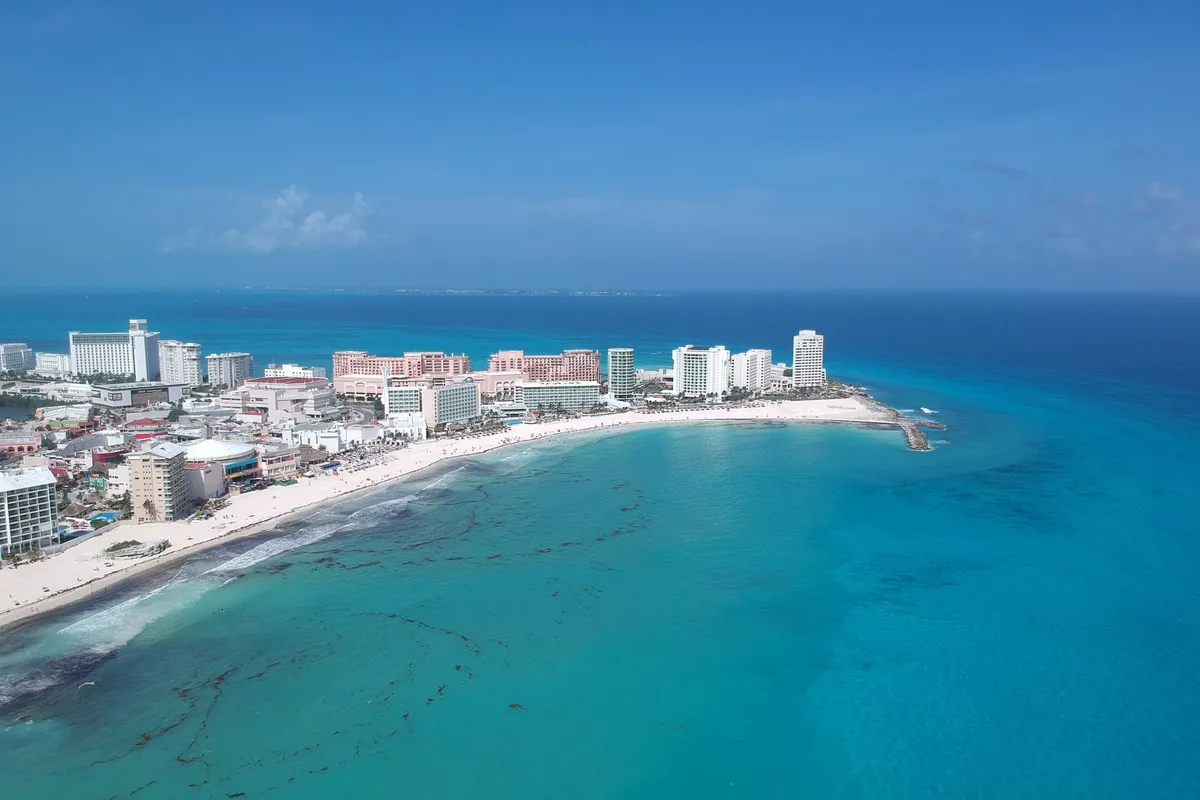
Playa Delfines: The Widest View
Playa Delfines, at km 18 of Kukulcán Boulevard, is one of Cancún’s most famous and photogenic public beaches. There’s a lookout point and a wide stretch of sand, but the open ocean demands extra attention to the flags and waves. It’s excellent for walking, taking photos, and feeling the Caribbean without a row of hotels in front; the local tourism info also notes access via R1 and R2.

Where to Stay Without Missing the Beach
For a first trip, the north and Punta Cancún cut down on travel time: you’re close to more sheltered beaches, restaurants, and the Isla Mujeres ferry. Couples who want to go out at night find more options in the central area. Those who prefer resort, pool, and beach days with no schedule might consider the south, accepting the bus or taxi ride for dinner elsewhere.
A great way to see another side of Cancún is to paddle on the lagoon. The kayak rental on the Nichupté Lagoon is a short alternative to sea days, especially when the wind makes the Caribbean choppier.
 Partner · Civitatissee all activities in Cancún ›
Tulum & Akumal Day Trip + Snorkelling in a Maya Cenote
Rating 9.2 · 66 reviews on Civitatis
- Speedboat Tour on Nichupté LagoonRating 8.5 · 17 reviews on Civitatisfrom€40.13per personSee ›
- Chichén Itzá & Chichikan Cenote Day TripRating 9.1 · 2,088 reviews on Civitatisfrom€50.36per personSee ›
- Catamaran Cruise to Isla MujeresRating 8.3 · 1,314 reviews on Civitatisfrom€38.64per personSee ›
- Xcaret Park Day TripRating 9 · 273 reviews on Civitatisfrom€162.49per personSee ›
Civitatis prices on 28/09/2026, from, per person. They may change. Want to compare? Activities in Cancún on GetYourGuide ›
Getting Around Between Beaches
Don’t underestimate the distances: the Hotel Zone is long, and switching beaches can eat up a good chunk of your morning. The R1 and R2 buses run between downtown and the Hotel Zone, and Playa Delfines is reachable on these lines; confirm the direction and stop with the driver. For nights out, hotel pickups, or beach gear, taxis and private transport offer more comfort, but agree on the fare before getting in. Pick one beach per stretch of the day so you don’t turn your day into a commute.
Pack light and choose one beach per part of the day. The classic mistake is trying to fit Delfines, Punta Cancún, and a trip to Isla Mujeres into the same day: you see a lot from the window and little of the water. To extend your trip with Mayan ruins, check out our guide to Chichén Itzá from Cancún and confirm official details of the archaeological site on the INAH website.
When you want a break from the coast, an activity on the Nichupté Lagoon offers another perspective on the destination; check out tours in Cancún before locking in your itinerary.
 HotelAs soon as you have datesCompare neighbourhoods and guest ratings.See hotels ↑
- ActivitiesBefore you travelBook ahead the ones with limited spots.Civitatis ›
 More activitiesTo compareTickets, day trips and tours with flexible cancellation.GetYourGuide ›
FAQs
What’s the calmest beach in Cancún?
Langosta, Tortugas, and Caracol, in the north of the Hotel Zone, are usually better picks for calmer water. Even there, check the flag and the day’s conditions.
Is Playa Delfines good for swimming?
It can have waves and currents since it’s on the open-ocean side. It’s great for scenery and a swim when conditions allow, but the lifeguards’ signals should guide your call.
Is it better to stay downtown or in the Hotel Zone?
Stay in the Hotel Zone if beach and resort are your priority. Downtown usually costs less and makes buses easier, but it means a daily trip to the sea.
How do I get to Playa Delfines?
From downtown, the R1 or R2 lines head to the Hotel Zone; confirm the direction with the driver. Taxis and cars also get there easily via Kukulcán Boulevard.
Conclusion
Cancún works best when you treat the Hotel Zone as several beach neighborhoods, not a single address. Choose your base by the water you want to find and leave an afternoon free to change the pace. On Voyage Voyage, you’ll find more ideas for putting together this Caribbean trip with less moving around and more time on the sand.