Playa del Carmen is one of the most practical bases in the Riviera Maya: you sleep near the sea, stroll along Fifth Avenue, and can head out early to cenotes, Cozumel, Tulum, or Chichén Itzá. The city also has a lively nightlife scene, so choosing the right hotel area matters just as much as deciding which tours make your itinerary.
For a first visit, plan on 4 to 6 days. That gives you time to separate beach and city time from longer excursions, so you’re not racing to the next landmark every single morning.
How to get to Playa del Carmen
The most common airport is Cancún International Airport (CUN), about 55 to 60 km from Playa del Carmen, depending on your final destination. From there, you can take the ADO bus, a shared shuttle, or a private transfer. The bus is usually the simplest option if you’re staying near the Fifth Avenue bus terminal; with luggage, kids, or a late-night arrival, a pre-booked transfer might be more comfortable.
Downtown is fairly compact, and Fifth Avenue is easy to explore on foot. For more distant beaches, grab a taxi or local transport. The ferry to Cozumel leaves from the center and makes a day trip easy, but check the official schedules that day, since wind and sea conditions can change operations.
Best time to visit and how many days to stay
From November to April, you’ll typically get drier days and pleasant temperatures. December and January are busy; May and June can be hotter and more humid. Between June and October, check the rain forecast and sea conditions. Sargassum seaweed on the beaches varies by stretch and season, so don’t book your trip expecting one perfect beach the whole time.
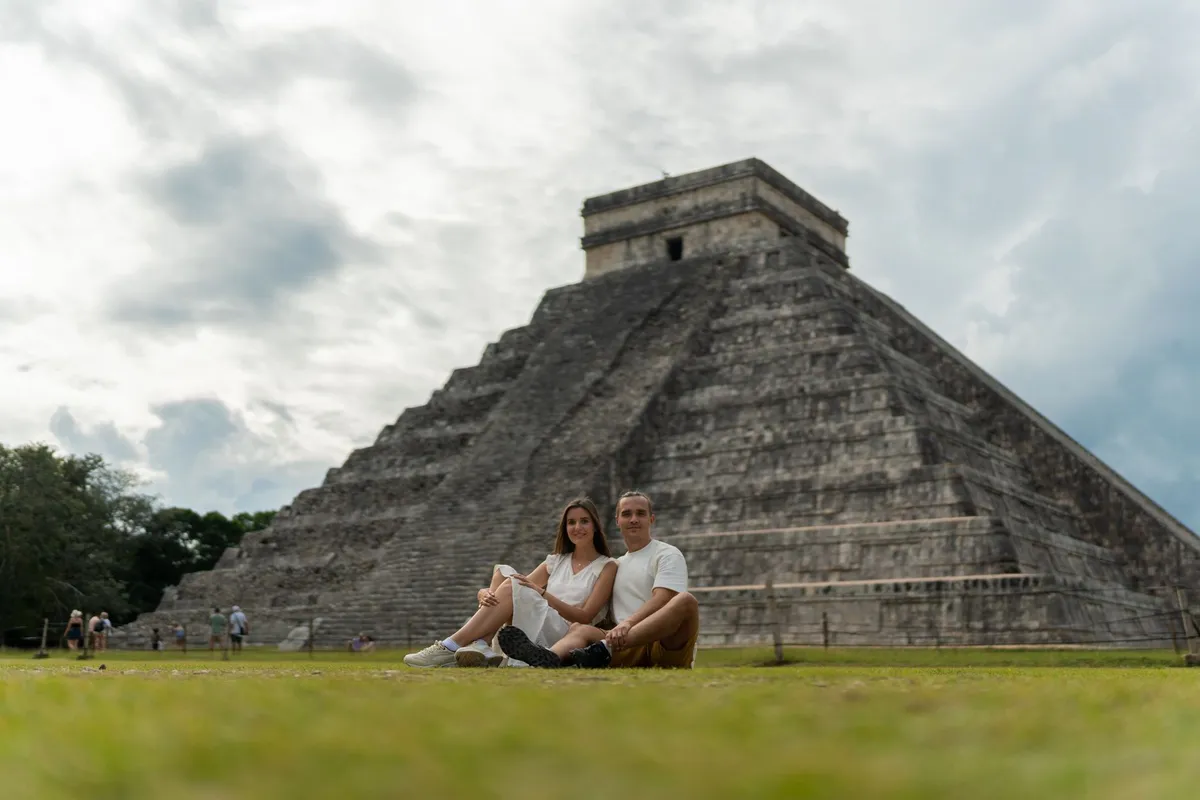
With four days, plan one day for the city and beach, one cenote or Cozumel trip, and one day for Tulum or another Mayan site. With six days, you can add Chichén Itzá without sacrificing downtime. Long archaeological tours mean leaving before sunrise, so don’t pair them with a late night out beforehand.
What to see and do in Playa del Carmen
Fifth Avenue and Parque Fundadores
Fifth Avenue is packed with shops, restaurants, bars, and tour agencies, but it’s not the only interesting part of town. Walk over to Parque Fundadores and the waterfront, and notice how the center’s vibe shifts as you move away from the busiest blocks. At night, things pick up; if you prefer an early bedtime, pick a hotel a few streets inland or outside the loudest stretch.
Set aside one morning for a walk with no shopping agenda. Cafés, craft shops, and small restaurants pop up on the side streets. For souvenirs, compare prices and ask about payment options before you commit.
Beaches and the Caribbean Sea
Playa Mamitas is known for its beach club scene and lively atmosphere. For a quieter spot, check out Playacar, Punta Esmeralda, or stretches further south, always respecting private areas and sea conditions. The water can be stunning, but sargassum changes the experience; have a backup plan like a pool, a cenote, or a cultural tour.
If you want to dive or snorkel, Cozumel is a natural pick. Head out early, give yourself buffer time for the ferry, and don’t book a flight on the same day as a dive. Biodegradable sunscreen may be required at cenotes and natural areas.
Cenotes and nature experiences
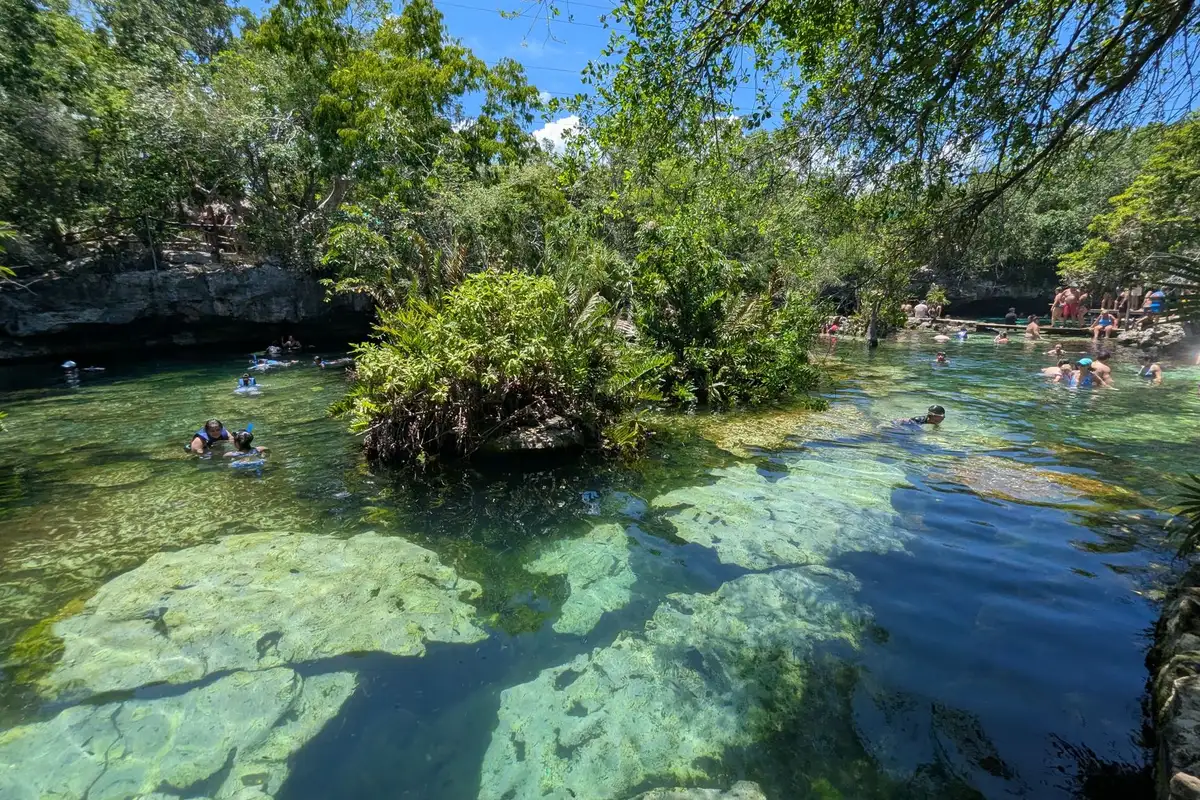
Cenotes are freshwater sinkholes formed in the peninsula’s limestone. Some are dark caves, while others have wide openings and blue-tinted water. Bring quick-dry clothes, a compact towel, and cash for entry fees; at many spots, lockers, life vests, and food are charged separately.
Pick a cenote that fits your comfort level: open ones work best if you’re nervous about enclosed spaces, while underground ones are more exciting for a true cave experience — our guide to Mexico’s cenotes with a focus on safety breaks down each type and the risks involved. Skip repellent or oils before entering the water if the site bans them.
Tours to combine with the city
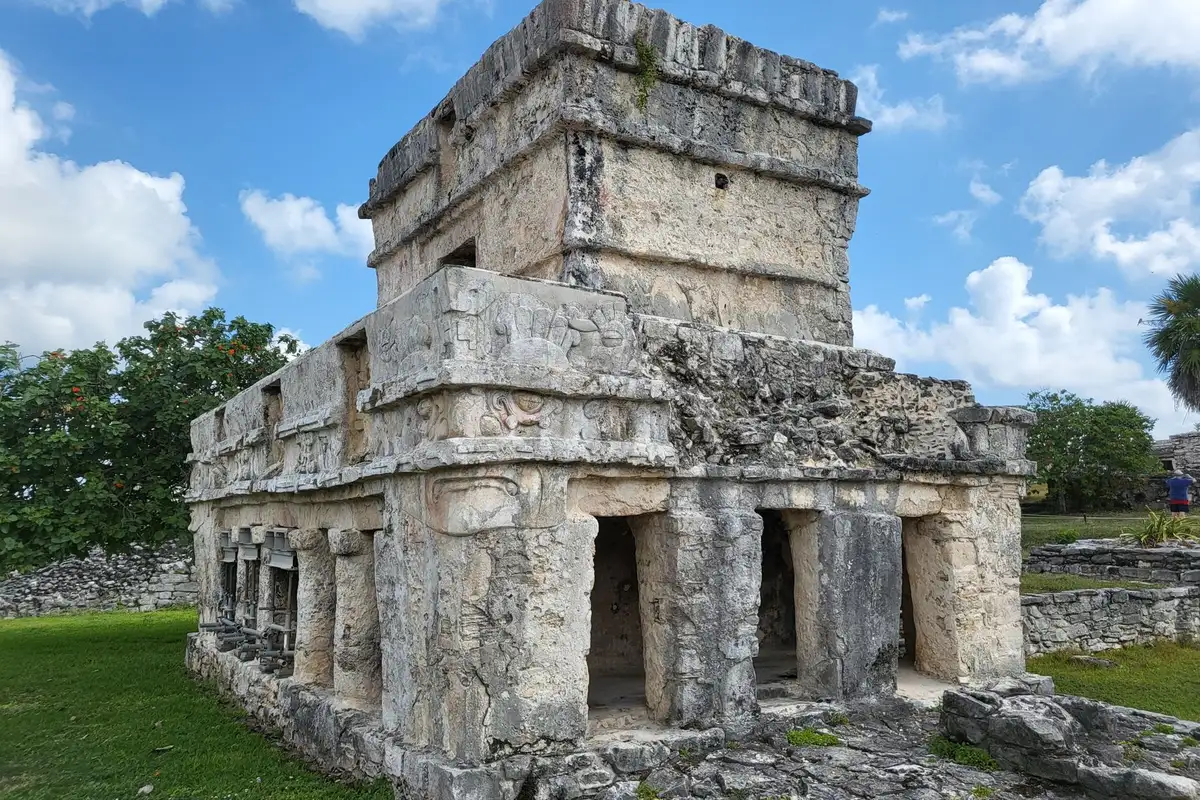
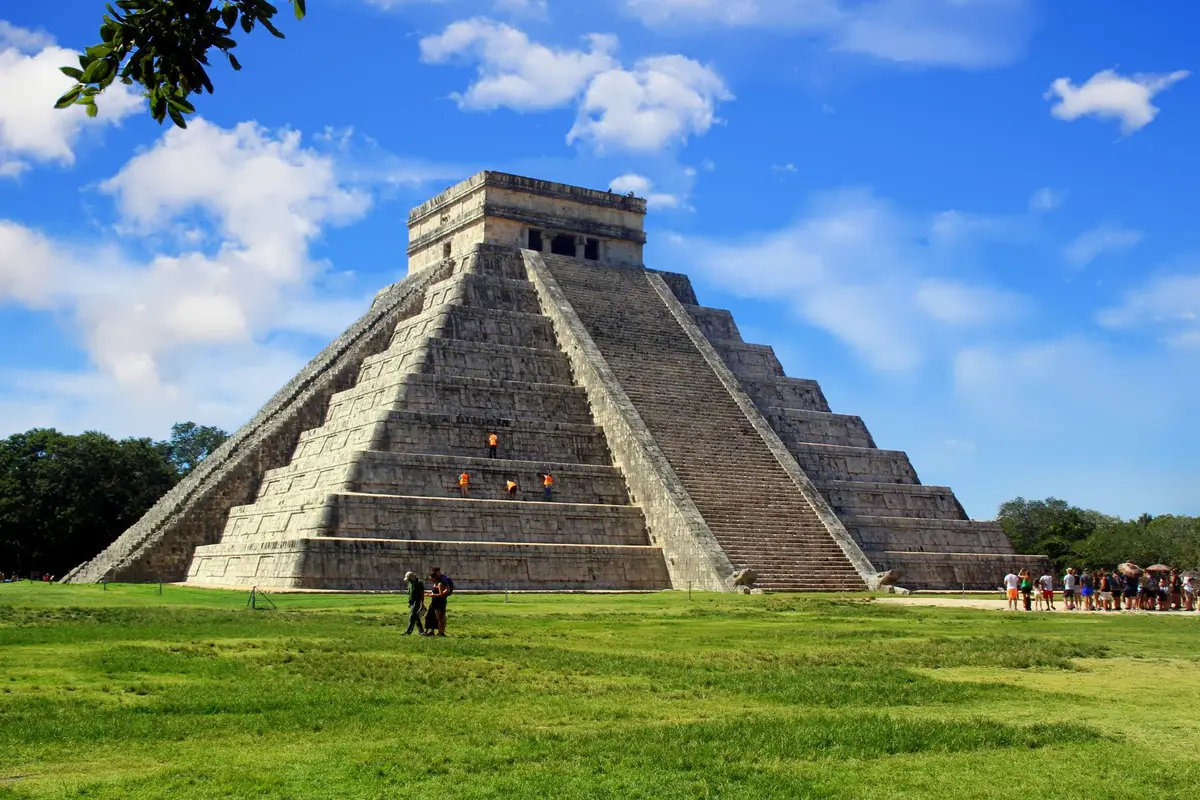
Tulum is the easiest day trip to fit in, especially if you leave early and pair the ruins with a beach or cenote. Our Tulum guide helps you plan that day. Chichén Itzá is a longer drive but worth it if you want to see one of Mexico’s most important archaeological sites; check out our complete Chichén Itzá guide and the INAH info on the Tulum archaeological zone.
For a day on the water, Cozumel is the obvious pick. For ruins and fresh water in one outing, look for tours that bundle Tulum with a cenote, and double-check exactly what’s included in the price. Compare the Chichén Itzá and Tulum tour from the Riviera Maya before booking: it’s a long day, so make sure it fits your pace. For destination info, also check the official Visit Mexico page on Playa del Carmen.
If you want to expand your circuit, use Chichén Itzá from Cancún as a reference for timing and crowds. Don’t try to squeeze Tulum, Chichén Itzá, and Cozumel into one day: the distances and transport schedules will wear you out.
Where to eat
Playa del Carmen’s food scene goes way beyond Fifth Avenue. Try tacos al pastor, cochinita pibil, ceviches, and corn-based dishes at taquerias and restaurants where locals eat. In the tourist zone, prices climb; check the menu before you sit down and ask if the service charge is included.
For dinner, book ahead at popular spots. At lunch, pick a busy place, especially for seafood. Markets and convenience stores are great for a quick breakfast before those sunrise departures.
Where to stay in Playa del Carmen
The Centro is best for those who want to do almost everything on foot, hit the nightlife, and catch the ferry without relying on a car. Playacar has a more residential, resort-style vibe with beaches and green areas, but you might need a taxi to get back to the center. The Coco Beach area offers modern hotels and ocean access, though it’s farther from the bus station.
Check noise reviews before booking. Nightclubs and bars can keep the music loud until late. Also check whether the beach near your hotel is public, if there’s a resort fee, and how much transportation to the tour departure points will cost.
Practical Tips
Use Mexican pesos for small purchases, tips, and transportation. Cards are common at hotels and restaurants, but don’t rely on them at cenotes or beach stalls. Bring insect repellent for jungle areas, a hat, a reusable water bottle, and a bag that can get wet.
On archaeological tour days, head out early and wear comfortable shoes. For cenotes, follow the swimming rules and don’t apply any products to your skin before entering. Brazilians should check the entry documents and requirements for Mexico on official sources before boarding.
Frequently Asked Questions
How many days should I spend in Playa del Carmen?
Four to six days lets you mix city time, beach days, a cenote, and one or two longer excursions.
Which airport should I use for Playa del Carmen?
Cancún International Airport is the main gateway, with buses, shuttles, or private transfers to the city.
Playa del Carmen or Cancún?
Playa del Carmen is more compact and makes it easy to combine cenotes, Cozumel, Tulum, and Chichén Itzá. Cancún has a more spread-out hotel zone and massive resorts.
Is it safe to walk along Quinta Avenida at night?
The area is lively, but keep your wits about you, avoid deserted streets, and use official transportation when you’re far from your accommodation.
Conclusion
Playa del Carmen works best when you split your trip between beach days and road-trip days. Choose a stay that matches your sleep style, have a backup plan for sargassum, and book the most popular tours in advance. On Voyage Voyage, you’ll find more Mexico itineraries to put together your full trip.