 Marcelo Oliveira
Spending a day in Nara from Kyoto or Osaka is totally doable, but which city you base yourself in depends on your overall itinerary, not on a small time difference on the train. Kyoto gives you a more direct morning; Osaka works if you want to come back to a lively night. Either way, leave early and focus your day on Nara Park.
Hotels in Kyotofree cancellation options onlySee hotels ›Booking.com partner (advertising): we may earn a commission at no extra cost to you.
For a one-day Nara trip, choose Kyoto if the rest of your journey revolves around temples, and choose Osaka if you’re staying near Namba or Umeda. Kintetsu-Nara Station is closer to the park than JR Nara, a detail that cuts down on walking.
Nara in a Day: Leave from Kyoto or Osaka?
Kyoto is the best launch point if you’re already staying near Kyoto Station, Gion, or Kawaramachi and want to arrive early without changing hotels. The official Visit Nara agency estimates about 41 minutes on the JR Rapid Express between Kyoto Station and JR Nara, or about 34 minutes on the Kintetsu Limited Express to Kintetsu-Nara. The most important difference is the station’s location when you arrive.
Osaka is just as good a choice if you’re in Namba, Umeda, or on an itinerary that ends with restaurants and nightlife. The same Visit Nara site indicates just over 30 minutes from both cities with favorable connections. Don’t switch your accommodation just for Nara: compare the walk to the station, which line your pass covers, and your departure time.
To decide where to stay before your day trip, read where to stay in Kyoto on your first trip and the comparison between Kyoto Station, Gion, and Kawaramachi. The most convenient base for all your days usually beats a few minutes’ advantage in Nara.
Where to stay in Kyoto
| Hotel | Rating | |
|---|---|---|
| Sanco Inn Kyoto Hachijoguchi ShikinoyuKyoto Station / Fushimi · In Higashikujo Kamitonoda-cho, 48-1 | 8,74.049 reviews | See prices |
| Kyoto Century HotelKyoto Station / Fushimi · In Higashi Shiokoji-cho, 680, Shimogyo-ku | 9,02.477 reviews | See prices |
| Kyoto Granbell HotelGion / Higashiyama · In Yamatocho, 27, Higashiyama-ku | 8,93.099 reviews | See prices |
| Hotel Yuraku Kyo-yasakaGion / Higashiyama · In Washiocho, 528, Higashiyama | 9,6552 reviews | See prices |
| ASAI Kyoto ShijoKawaramachi / Karasuma · In Shunzeicho, 444, Shimogyo | 9,03.313 reviews | See prices |
| Hotel Traveltine Kyoto KiyamachiKawaramachi / Karasuma · In Nambacho, 403-1 | 9,32.935 reviews | See prices |
| KOKO HOTEL Residence Kyoto Nijo CastleKawaramachi / Karasuma · In Shimomatsuya-cho, 724, Nakagyo-ku | 9,21.063 reviews | See prices |
Booking.com rating on 30/09/2026
How to Get to Nara Without Losing Your Morning
There are two main arrival points: JR Nara and Kintetsu-Nara. Kintetsu-Nara is closer to Kofuku-ji, Nara Park, and Todai-ji; JR Nara requires a longer walk or a bus. Use an IC card, like ICOCA or Suica, when you don’t have a compatible pass, and check if your chosen train requires a reservation or a supplement.
The most common mistake is leaving after breakfast and still trying to do the whole circuit. Catch a train that gets you there around 9 a.m. That way, you see Todai-ji before the bigger crowds, have lunch without a long line, and leave Kasuga Taisha and Naramachi for the afternoon. Nara rewards geographic order, not speed.
Check the official Visit Nara access guide before you travel. It explains the JR and Kintetsu lines and reminds you that IC cards work on both networks, though passes have their own restrictions.
One-Day Nara Itinerary
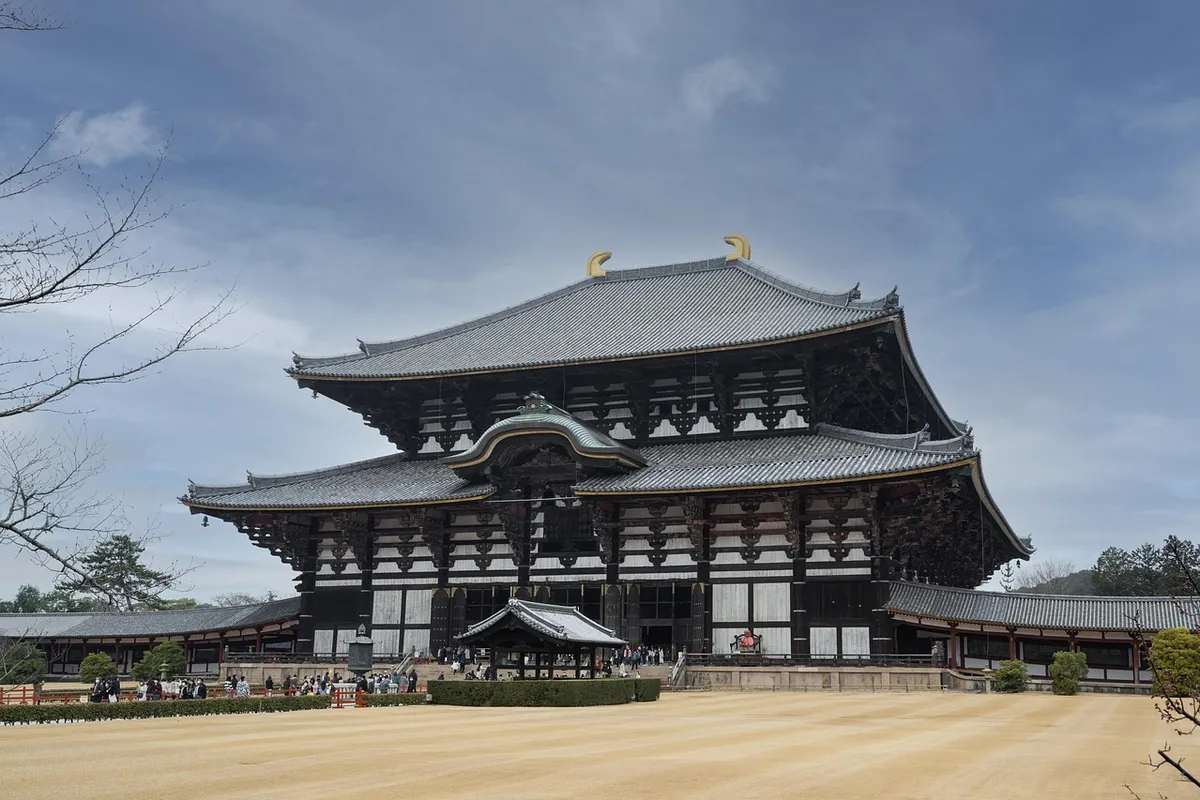
Start at Todai-ji. The temple houses the Great Buddha and takes some time to cross the courtyard, observe the building, and deal with the flow of visitors. Don’t leave this for the end of the day. Then, walk through Nara Park toward Kofuku-ji, stopping where the deer appear, but keeping your food stashed away.
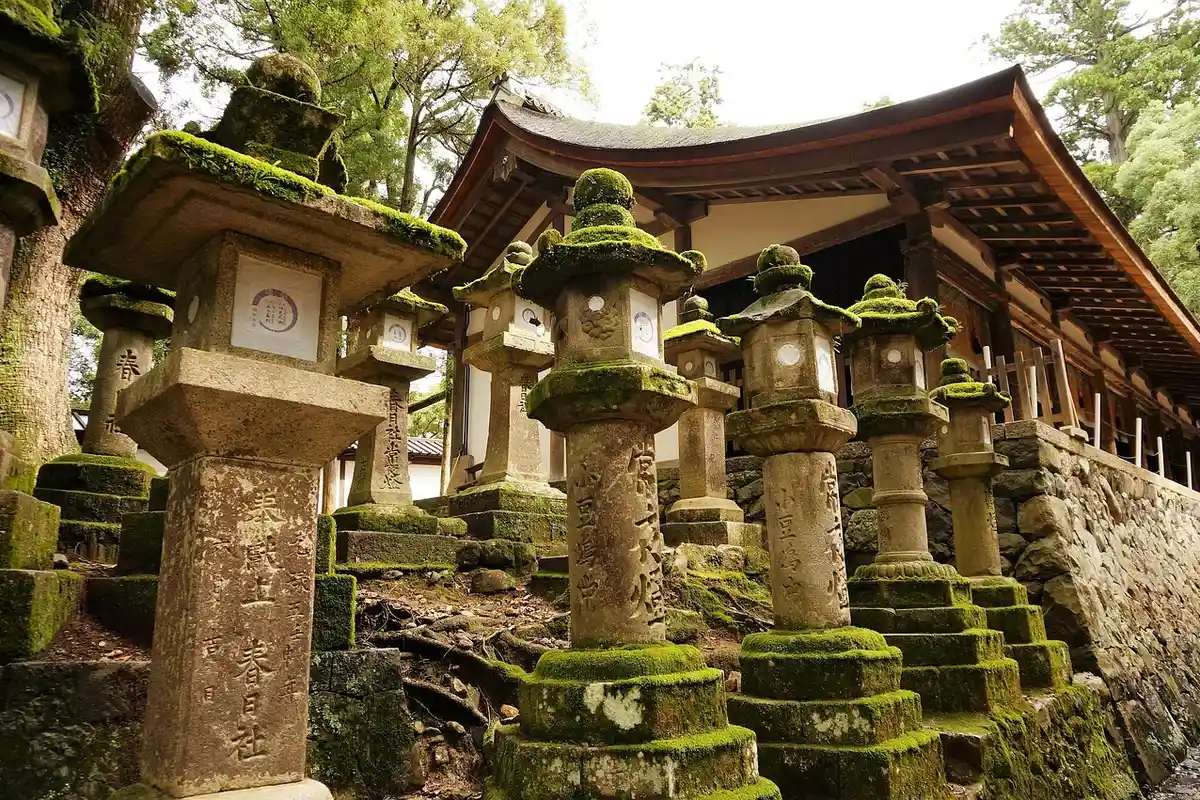
Have lunch near Kintetsu-Nara or at the entrance to Naramachi, without crossing the city to find a specific restaurant. After lunch, visit Kasuga Taisha, whose path of stone lanterns and forest changes the mood of the itinerary. End in Naramachi, the neighborhood of traditional houses, for coffee, small shops, and a stroll without the pressure of “checking off” another temple.
If it’s raining heavily or you have a small child, cut the circuit down to Todai-ji, the park, lunch, and Naramachi. Trying to do Kasuga Taisha in heavy rain can turn a pleasant day into a tiring trek. The article on Kyoto temples without the crowds helps apply the same logic: your arrival time matters more than adding distant spots.
 Partner · Civitatissee all activities in Kyoto ›
- See ›Free Tour of KyotoRating 9.4 · 185 reviews on Civitatis
- See ›Gion Free Walking TourRating 9.1 · 2,025 reviews on Civitatis
- Best of Kyoto TourRating 9 · 344 reviews on Civitatisfrom€86.95per personSee ›
- Gion Night TourRating 9.4 · 93 reviews on Civitatisfrom€24.59per personSee ›
Civitatis prices on 28/09/2026, from, per person. They may change. Want to compare? Activities in Kyoto on GetYourGuide ›
Deer, Todai-ji, and Kasuga Taisha Without a Hitch
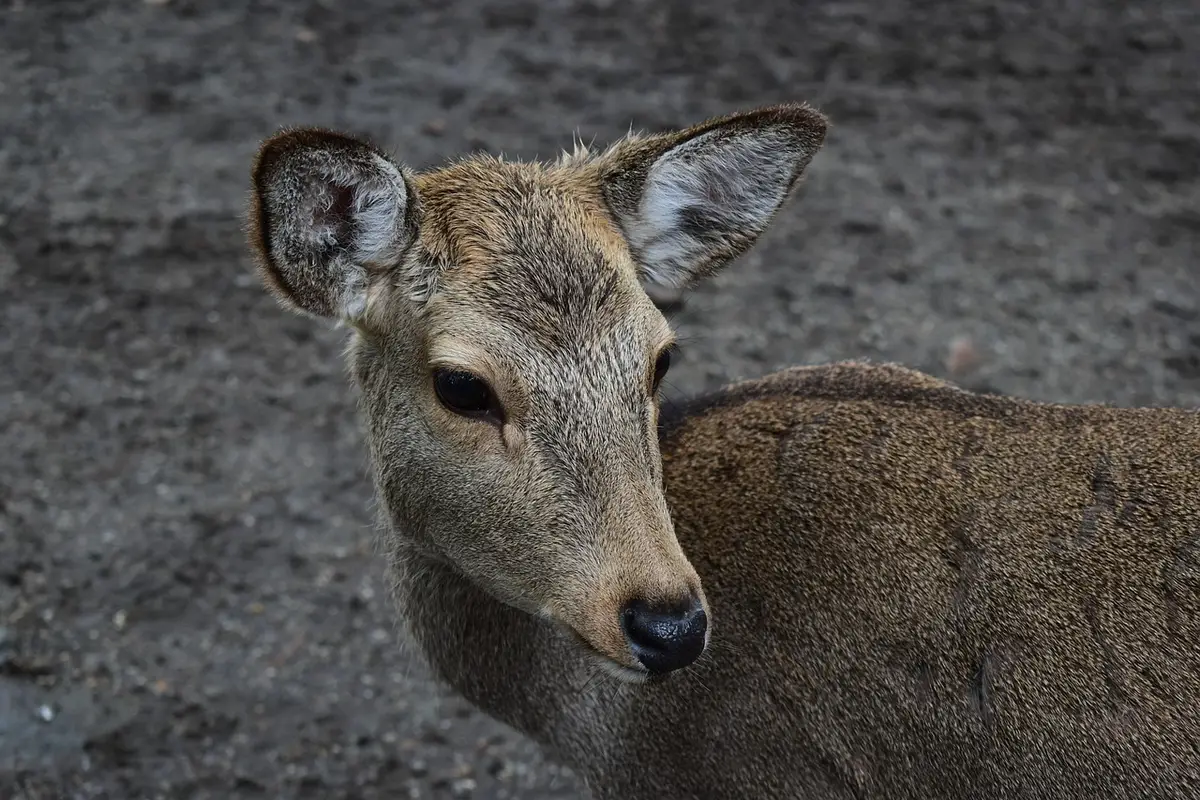
Nara’s deer are wild, even though they’re used to people. Buy shika senbei (deer crackers) only if you want to feed them and follow local guidelines; don’t show regular food, don’t let kids hug the animals, and keep maps or bags that could be mistaken for food out of sight. They can pull at clothes, nip, and surround anyone holding crackers.
At Todai-ji, give yourself time for the experience inside the hall and don’t force the line for the pillar with the narrow opening, especially if you have a backpack or a child. At Kasuga Taisha, check the hours before walking there. A guided tour can solve the logistics for those who prefer context and a ready-made route: there’s a guided tour of Nara in Portuguese to check availability.
Use the bus only when it saves a significant stretch. The center of the park is best explored on foot, and the official guide notes that the red and blue Gurutto buses cost ¥100 per ride in city areas. Check the route and frequency on the day, as a long wait can be less efficient than walking to the next temple.
Where to Eat Lunch Without Breaking Your Itinerary
Have lunch between Kofuku-ji and Naramachi or near Kintetsu-Nara Station. This positioning keeps your route continuous and avoids going back to the park afterward. Arrive before noon if you want a more popular restaurant; after that, choose something simple instead of spending an hour in line. In Nara, the walking time is part of the experience.
Don’t turn lunch into a research mission. A bowl of udon, Japanese curry, or a bento box works great, and local sweets can wait for the afternoon. Bring water and a small snack in your backpack, but don’t show it in front of the deer. The care is simple and avoids a situation that’s only fun for those watching from afar.
Practical Tips for a Smooth Return to Kyoto or Osaka
Check the last train that makes sense for your base, though you don’t need to return late. Leaving between 4:30 p.m. and 6 p.m. usually leaves enough time for Naramachi and still allows for dinner in Kyoto or Osaka. If you have luggage that day, use the lockers at the stations; Visit Nara notes that stations and information centers usually have this infrastructure.
Comfortable shoes, coins or a card for small purchases, a compact umbrella, and respect for the animals solve almost the whole day. If your itinerary gets tight, cut a temple, not your return time. That decision protects your evening in your base city and keeps Nara from feeling like a chore between two stations.
Use the official Nara getting-around guide to check buses, maps, and passes before your trip. It’s especially useful if you want to adapt the itinerary for rain, reduced mobility, or a second day outside the park.
If you have more than a day in the region, the alternative is to stay overnight in Nara. But it’s not necessary for a first visit: the rail proximity is exactly what makes the day trip so efficient. If your itinerary includes Hiroshima, plan it as a separate day; check out the Hiroshima and Miyajima itinerary before trying to squeeze more destinations into your Japan trip on a tight schedule.
 HotelAs soon as you have datesCompare neighbourhoods and guest ratings.See hotels ↑
- ActivitiesBefore you travelBook ahead the ones with limited spots.Civitatis ›
 More activitiesTo compareTickets, day trips and tours with flexible cancellation.GetYourGuide ›
Frequently Asked Questions
Is it better to visit Nara from Kyoto or Osaka?
Nara in a day works well whether you’re coming from Kyoto or Osaka. Kyoto is more convenient if you’re already staying in the eastern part of the city; Osaka is better if you’re staying near Namba or Umeda.
How long does it take to get from Kyoto to Nara?
The official Visit Nara guide says about 41 minutes on the JR Rapid Express between Kyoto Station and JR Nara, or roughly 34 minutes on the Kintetsu Limited Express to Kintetsu-Nara.
Which Nara station is closest to the park?
Kintetsu-Nara Station is closer to Nara Park, Kofuku-ji, and Todai-ji than JR Nara. It usually means less walking on your first visit.
Is it safe to feed the Nara deer?
The Nara deer should only be given the special crackers sold in the park. Keep regular food stashed away and supervise children, because the animals may tug at clothing or nip.
Conclusion
Nara fits into a single day when you treat it as a short, coherent sequence rather than a race between temples. At Voyage Voyage, pick your base based on the rest of your trip and let the park set the pace.