 Marcelo Oliveira
Choosing where to stay in Kyoto on your first trip sets the pace for your whole visit: temples and historic neighborhoods are spread out, the subway closes earlier than in other Asian metropolises, and picking the wrong area can mean a 40-minute train ride every morning just to start your day.
Hotels in Kyotofree cancellation options onlySee hotels ›Booking.com partner (advertising): we may earn a commission at no extra cost to you.
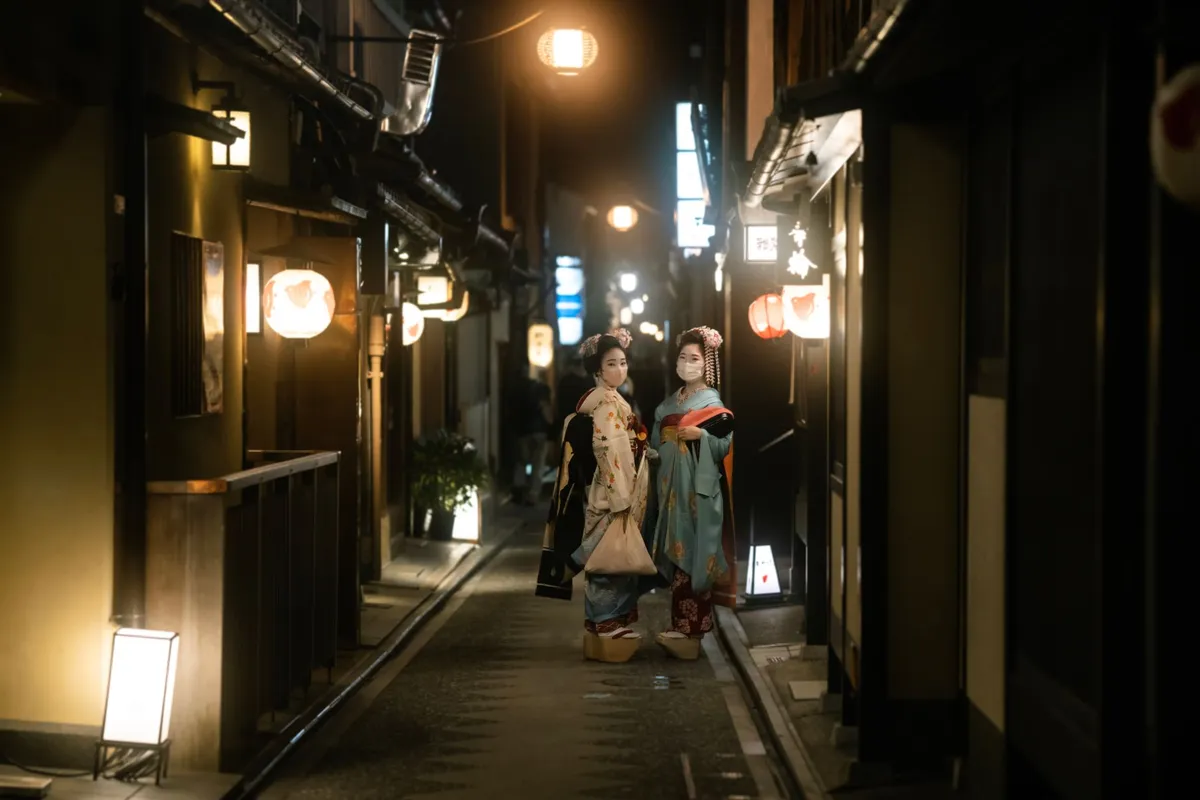
For first-time visitors, Kyoto Station and Kawaramachi are the safest bets: the former for its direct links to regional trains and the shinkansen, the latter for walkable access to top attractions and nightlife. Gion, while charming, tends to be pricier and packed with tourists in the evening.
Getting to each area and getting around Kyoto
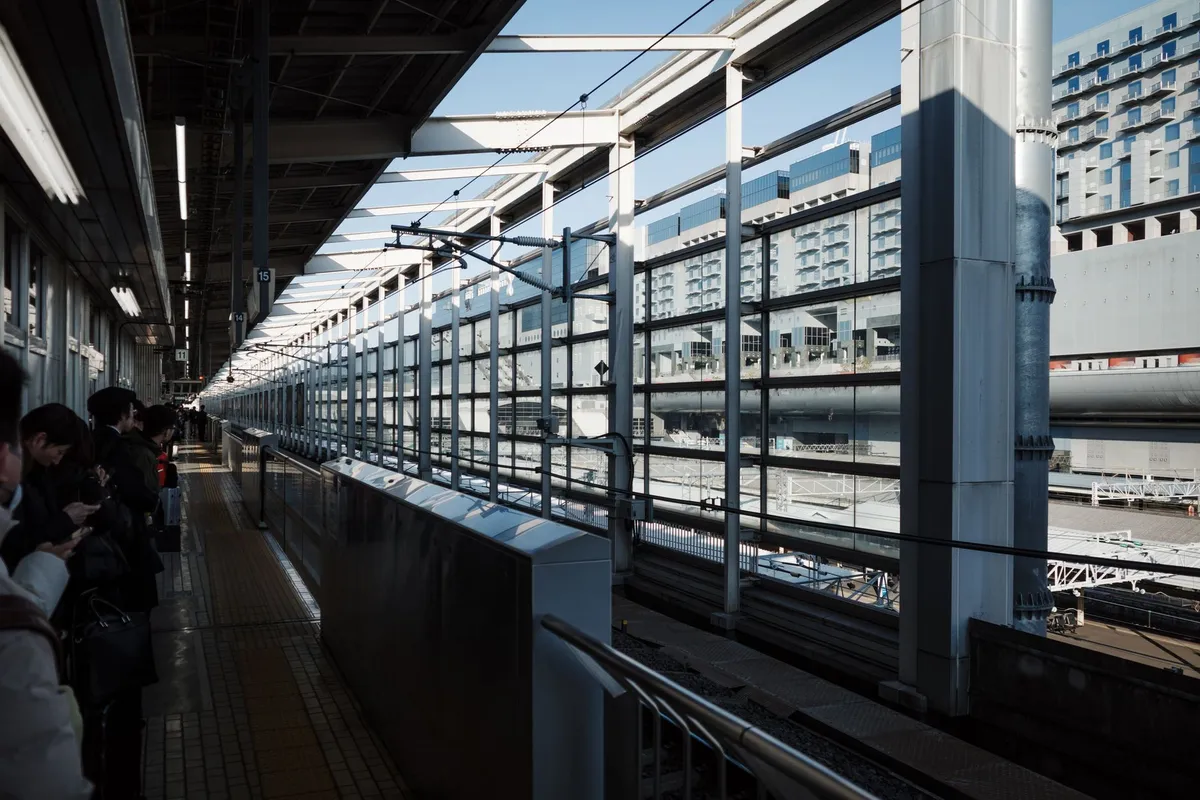
Kyoto Station is the city’s main transport hub: the Tokaido Shinkansen (the bullet train from Tokyo and Osaka) arrives here, along with conventional JR lines, the Karasuma subway line, Kintetsu services, and airport buses. Staying near the station means avoiding complicated transfers when you arrive with heavy luggage, straight from Kansai Airport (KIX) or from another Japanese city.
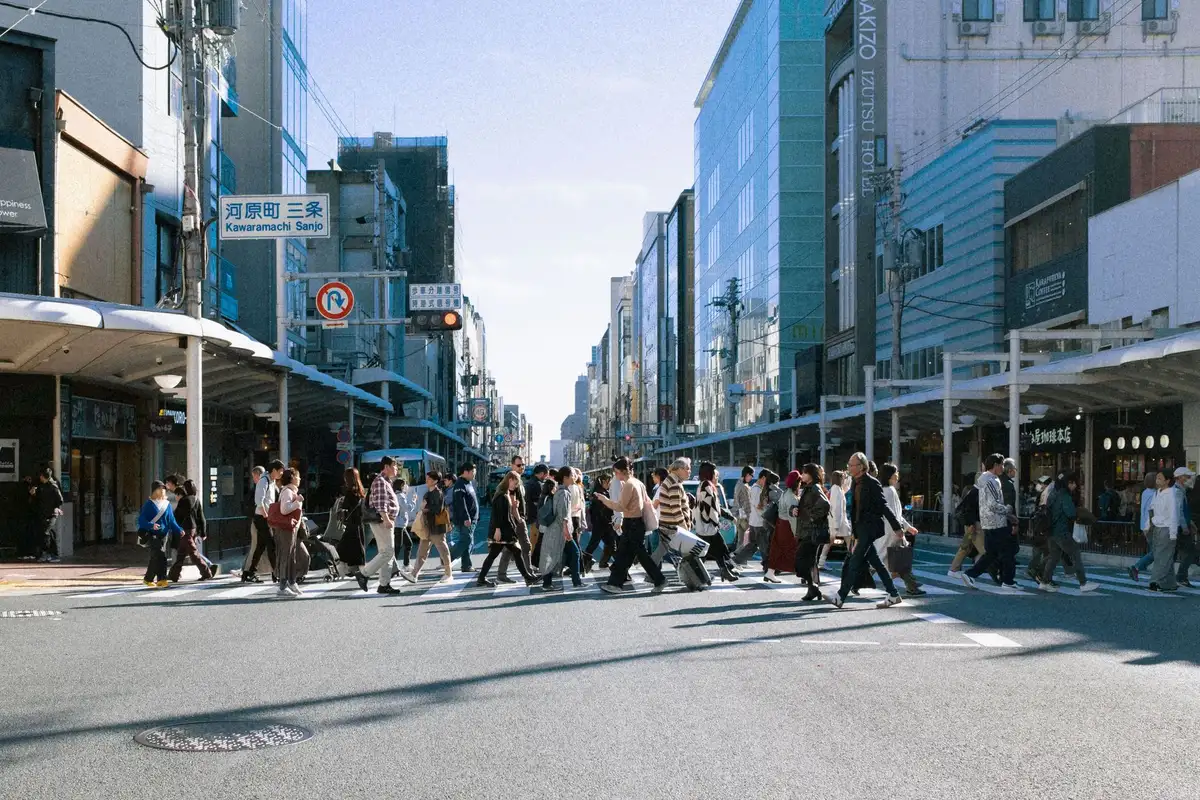
Kawaramachi is just a few minutes’ walk from Kawaramachi subway station and is well served by multiple bus lines that cross the city, making it easy to reach both the center and the more distant temples. Gion, on the other hand, is best explored on foot within the neighborhood itself — great for soaking up the historic vibe at night, but less practical if your daily itinerary includes far-flung spots like Arashiyama or Fushimi Inari.
Where to stay in Kyoto
| Hotel | Rating | |
|---|---|---|
| Sanco Inn Kyoto Hachijoguchi ShikinoyuKyoto Station / Fushimi · In Higashikujo Kamitonoda-cho, 48-1 | 8,74.049 reviews | See prices |
| Kyoto Century HotelKyoto Station / Fushimi · In Higashi Shiokoji-cho, 680, Shimogyo-ku | 9,02.477 reviews | See prices |
| Kyoto Granbell HotelGion / Higashiyama · In Yamatocho, 27, Higashiyama-ku | 8,93.099 reviews | See prices |
| Hotel Yuraku Kyo-yasakaGion / Higashiyama · In Washiocho, 528, Higashiyama | 9,6552 reviews | See prices |
| ASAI Kyoto ShijoKawaramachi / Karasuma · In Shunzeicho, 444, Shimogyo | 9,03.313 reviews | See prices |
| Hotel Traveltine Kyoto KiyamachiKawaramachi / Karasuma · In Nambacho, 403-1 | 9,32.935 reviews | See prices |
| KOKO HOTEL Residence Kyoto Nijo CastleKawaramachi / Karasuma · In Shimomatsuya-cho, 724, Nakagyo-ku | 9,21.063 reviews | See prices |
Booking.com rating on 30/09/2026
Best time to visit and how many days to book
April (cherry blossom season) and November (autumn leaves) are Kyoto’s peak months, with significantly higher accommodation prices and bookings closing months in advance. May, June, and September offer still-pleasant weather with less competition for rooms. According to the official Japan tourism website, cherry blossom season in Kyoto typically starts between late March and early April, but the exact dates vary from year to year.
For a first trip, book at least 3 nights in Kyoto — enough to cover the historic center, Arashiyama, and Fushimi Inari without rushing. If you have more time, consider splitting your stay between two areas, spending part near the station and part in Gion to experience both sides of the city. Splitting your stay between two bases only pays off from 5 nights onward; for shorter trips, switching hotels mid-vacation eats up time better spent sightseeing.
Once you’ve picked your area, use our guide to what to do in Kyoto in four days to group temples and neighborhoods without crisscrossing the city unnecessarily.
What to see near each area
Near Kyoto Station
Fushimi Inari Shrine, famous for its thousands of red torii gates, is about 2 minutes by train from the station — one of the reasons this area is so practical for travelers short on time.
Near Gion
Kiyomizu-dera Temple and Yasaka Shrine are a short walk from Gion, as are the stone-paved streets of Sannenzaka and Ninenzaka, perfect for an evening stroll.
Near Kawaramachi
Nishiki Market, known as “Kyoto’s kitchen,” and the Kamo River with its riverside restaurants are right by Kawaramachi’s center, plus easy access to the Shijo shopping district. According to the official guide from Kyoto Station, this area also works well as a starting point for visiting the Kyoto Imperial Palace, a bit further north.
 Partner · Civitatissee all activities in Kyoto ›
- See ›Free Tour of KyotoRating 9.4 · 185 reviews on Civitatis
- See ›Gion Free Walking TourRating 9.1 · 2,025 reviews on Civitatis
- Best of Kyoto TourRating 9 · 344 reviews on Civitatisfrom€86.95per personSee ›
- Gion Night TourRating 9.4 · 93 reviews on Civitatisfrom€24.59per personSee ›
Civitatis prices on 28/09/2026, from, per person. They may change. Want to compare? Activities in Kyoto on GetYourGuide ›
How to pick the right area for your travel style
If you prioritize cost and transport convenience, look at Kyoto Station first: rooms there tend to be more affordable than in Gion, and the connections to the rest of Japan are a huge plus for itineraries that include Tokyo and Osaka on the same trip, as detailed in our Tokyo guide for those combining both cities.
If you want a balance of nightlife, shopping, and proximity to temples, consider Kawaramachi: the area works as a central base, about 10 minutes on foot from Gion, without the inflated prices of the historic district.
Gion is worth it for travelers with a bigger budget who want to wake up right in the middle of the city’s historic atmosphere, but it’s usually the priciest and least logistically practical of the three, especially if your itinerary includes day trips to Nara or Osaka.
Travelers who already know Kyoto and want a more relaxed second visit often prefer Arashiyama, further from the center and geared toward those who’ve already checked off the most obvious sights.
Where to eat near each base
Near Kyoto Station, the station building itself houses dozens of restaurants on its upper floors, with ramen and curry dishes from ¥900 (July 2026), including the famous “Ramen Street” on the 10th floor, with options from various regions of Japan. In Kawaramachi, Nishiki Market and the surrounding streets are packed with street food stalls and izakayas for ¥1,000 to ¥2,500 per dish, making it a great area to try Japanese street food without breaking the bank. In Gion, restaurants tend to be pricier and geared toward elaborate dinners, with tasting menus starting at ¥5,000 — worth it for a special night out, but not for everyday meals during your trip.
Regardless of the area you choose, it’s worth booking the most popular restaurants in advance, especially those serving kaiseki (traditional tasting menus) or with counter seating — many only accept reservations by phone or through your hotel.
Where to stay: a direct comparison of areas
| Area | Best for | Transportation | Average price |
|---|---|---|---|
| Kyoto Station | First trips, itineraries that include other cities | Excellent (shinkansen, JR, subway, buses) | More affordable |
| Kawaramachi | A balance of convenience and city life | Very good (subway + buses) | Mid-range |
| Gion | Historic atmosphere, bigger budget | Good on foot, weak for day trips | Most expensive |
For most first-time visitors to Kyoto, Kyoto Station offers the best value and convenience, especially if your trip also includes Osaka or Tokyo on the same itinerary.
For a deeper look at transportation and atmosphere across these three areas, the guide Kyoto Station, Gion, or Kawaramachi: which one to choose compares both criteria side by side.
Practical accommodation tips
Book at least 3 to 4 months in advance if your trip falls in April or November — the highest-rated rooms and traditional ryokans sell out fast during those periods. Prioritize hotels within a 10-minute walk of a subway or train station, even if that means skipping the very heart of Gion.
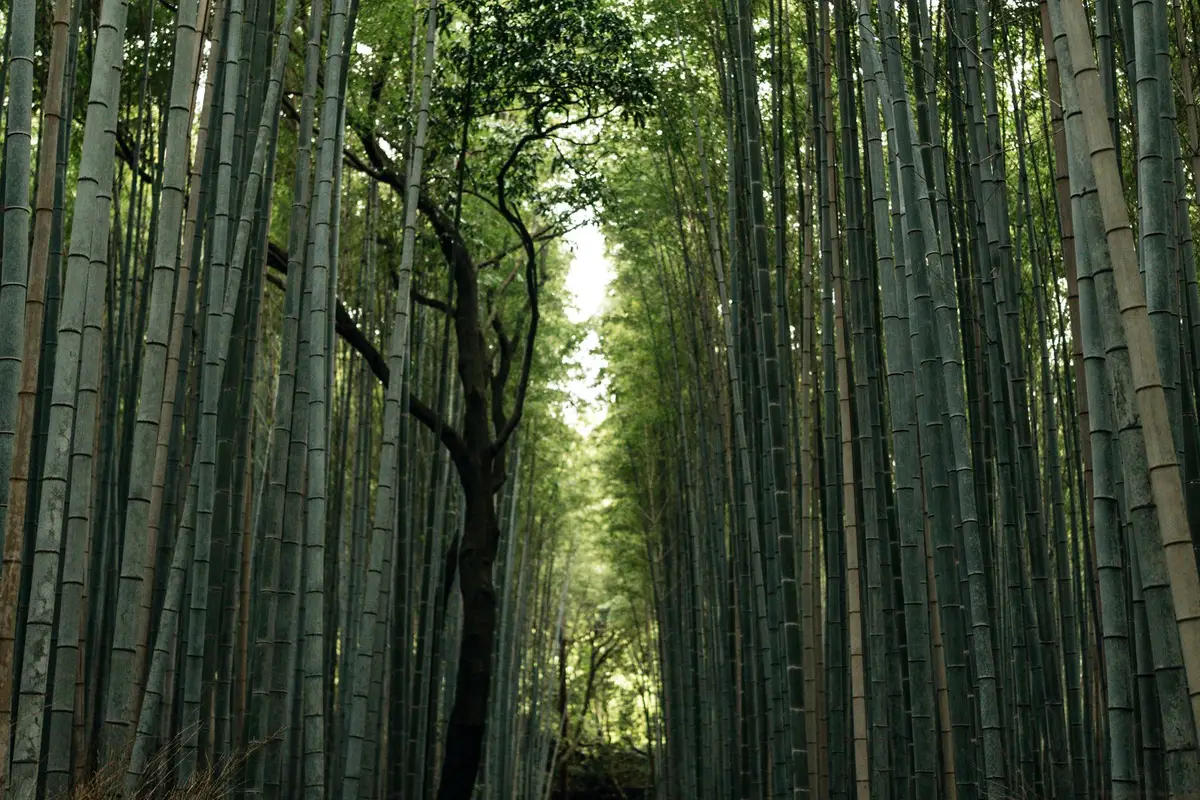
If you also plan to explore the outskirts of Kyoto, including Arashiyama and its famous bamboo forest, consider setting aside at least half a day, since the area is farther from the center and requires a longer train or bus ride. For those combining Kyoto with other Japanese cities, the complete Osaka guide helps you decide how many days to spend in each city on the same itinerary.
To better understand the ideal time to visit the city’s most crowded temples, check out the guide on Kyoto temples without the crowds, which helps you plan your days from any of these three areas.
It’s also worth booking a guided tour of Arashiyama and Fushimi Inari in advance, since these two attractions sit in opposite directions from the city and a local guide helps you make the most of your day.
A common mistake among first-time visitors to Japan is underestimating how spread out Kyoto is: the city doesn’t have a single “center” — instead, it has several hubs connected by train — which is why choosing your accommodation area matters just as much as choosing your sightseeing spots.
 HotelAs soon as you have datesCompare neighbourhoods and guest ratings.See hotels ↑
- ActivitiesBefore you travelBook ahead the ones with limited spots.Civitatis ›
 More activitiesTo compareTickets, day trips and tours with flexible cancellation.GetYourGuide ›
Frequently asked questions
What’s the best area to stay in Kyoto on a first trip?
Kyoto Station is usually the safest choice for first-time visitors, as it brings together the shinkansen, JR trains, subway, and buses in one spot, plus it’s just a 2-minute train ride from Fushimi Inari.
Is staying in Gion worth it?
It’s worth it if you prioritize the historic atmosphere and have a more flexible budget, but Gion tends to be pricier and less practical for day trips to Nara or Osaka during your stay.
Is Kawaramachi a good option for a first trip?
Yes. Kawaramachi strikes a middle ground between transportation convenience and proximity to the sights, sitting about a 10-minute walk from Gion without the inflated prices of the historic district.
How many days do you need to see Kyoto?
Three nights already cover the historic center, Arashiyama, and Fushimi Inari at a relaxed pace. If you want to explore lesser-known temples or take day trips to Nara, plan for 4 to 5 nights.
Conclusion
For a first trip to Kyoto, the safest picks are Kyoto Station, for its transportation convenience, and Kawaramachi, for its balance of city life and proximity to the temples. Gion is better saved for those who already have another trip to the city planned or want to prioritize the historic atmosphere over logistics. Once you’ve chosen the right base, the rest of your Kyoto itinerary flows naturally — Voyage Voyage has more city guides to help you nail down the details.
Once you’ve picked your base, also plan a day trip to Nara from Kyoto or Osaka to take advantage of the proximity without switching hotels.