Visiting Kyoto’s temples without the crowds is totally doable with three simple timing tweaks: hit Fushimi Inari before 7:30 AM, catch Kiyomizu-dera right at its 6 AM opening, and roll into Arashiyama before 8 AM. Fushimi Inari gets packed after 9 AM, Kiyomizu-dera turns into a sea of umbrellas by noon, and Arashiyama’s Bamboo Grove fills up fast in the early morning — the trick is knowing when to arrive and when to swap a crowded classic for a nearby hidden gem.
In a nutshell: get to Fushimi Inari before 7:30 AM, Kiyomizu-dera right at its 6 AM opening, and Arashiyama before 8 AM, saving part of the morning for a smaller temple like Tofuku-ji or Otagi Nenbutsuji. With this game plan, you can walk through the red gates without fighting for a photo, leave Kiyomizu-dera before the tour buses roll in, and still have Arashiyama almost all to yourself.
How to get to Fushimi Inari, Kiyomizu-dera, and Arashiyama
If you’re basing yourself in Osaka, you can knock out all three temples on a bullet-train day trip, since Kyoto is just 15 minutes away by Shinkansen. The three sites sit in different corners of the city, which is actually a plus: you can tackle each one in its own block of the day without crisscrossing Kyoto over and over. Fushimi Inari Taisha sits right next to JR Inari Station, just two stops from Kyoto Station on the JR Nara line (8 minutes, no transfers). Kiyomizu-dera doesn’t have a train station nearby — you’ll take a bus (line 100 or 206) to the Gojo-zaka or Kiyomizu-michi stop, then hike 10 minutes up through Ninen-zaka and Sannen-zaka. For Arashiyama, take the JR Sagano/Sanin line to Saga-Arashiyama Station, or the Randen tram — slower but way more charming.
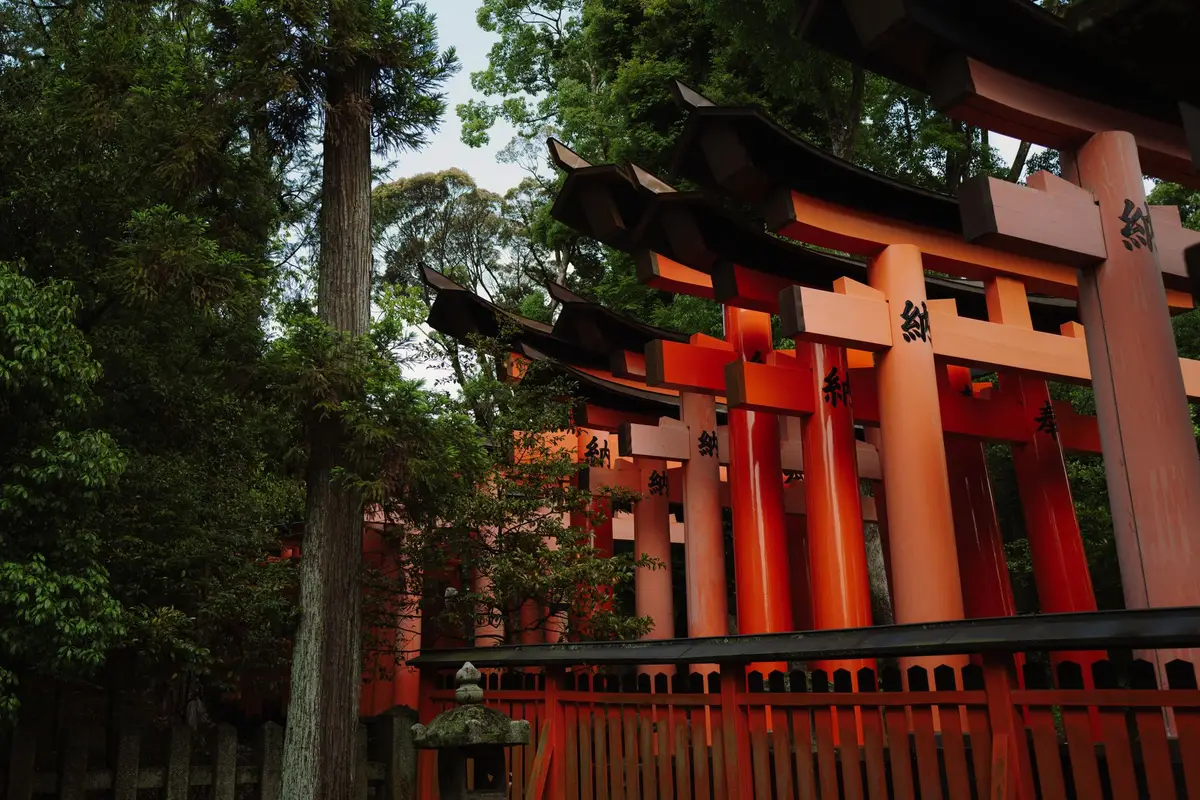
Since the three temples aren’t close to each other, structure your day in blocks: Fushimi Inari first thing in the morning (it’s the only one open 24 hours, so it pays to go first), Kiyomizu-dera right after via the JR line to Kyoto Station and a bus transfer, then Arashiyama in the afternoon, when the heat has eased a bit and the organized tour groups start thinning out.
Best time to visit and how long to budget
According to the Japan National Tourism Organization, the months of March through May (cherry blossom season) and October through November (autumn leaves) bring the highest visitor numbers of the year — not the best time to dodge crowds, but exactly when the early-bird strategy pays off most. Budget at least half a day for Fushimi Inari (the full climb to the top of Mount Inari takes 2–3 hours round trip, but 45 minutes covers the most photographed sections), 1 to 1.5 hours for Kiyomizu-dera including the stroll through the historic lanes, and a full afternoon for Arashiyama, which packs the bamboo grove, the Hozugawa River, and Tenryu-ji temple all within a 20-minute walk.
How to hit Fushimi Inari, Kiyomizu-dera, and Arashiyama without rushing
The difference between arriving at Fushimi Inari at 7 AM versus 9 AM is thousands of people at the entrance. Since the shrine runs 24 hours a day, with no gate or closing time, the first torii gates — the most photographed ones, right at the base — stay practically empty until around 7:30 AM. After that, tour buses start dropping off groups and the trail turns into a conga line.
Fushimi Inari: before 7:30 AM or at dusk
Arrive via JR Inari Station before 7:30 AM. Climb up to the Yotsutsuji viewpoint (halfway up, about 30–40 minutes of moderate uphill) to see the densest torii corridor without a single person in your shot. If you’d rather sleep in, you can repeat the strategy at dusk, since the shrine never closes — but the natural light makes for better photos in the morning.
Kiyomizu-dera: right at the 6 AM opening
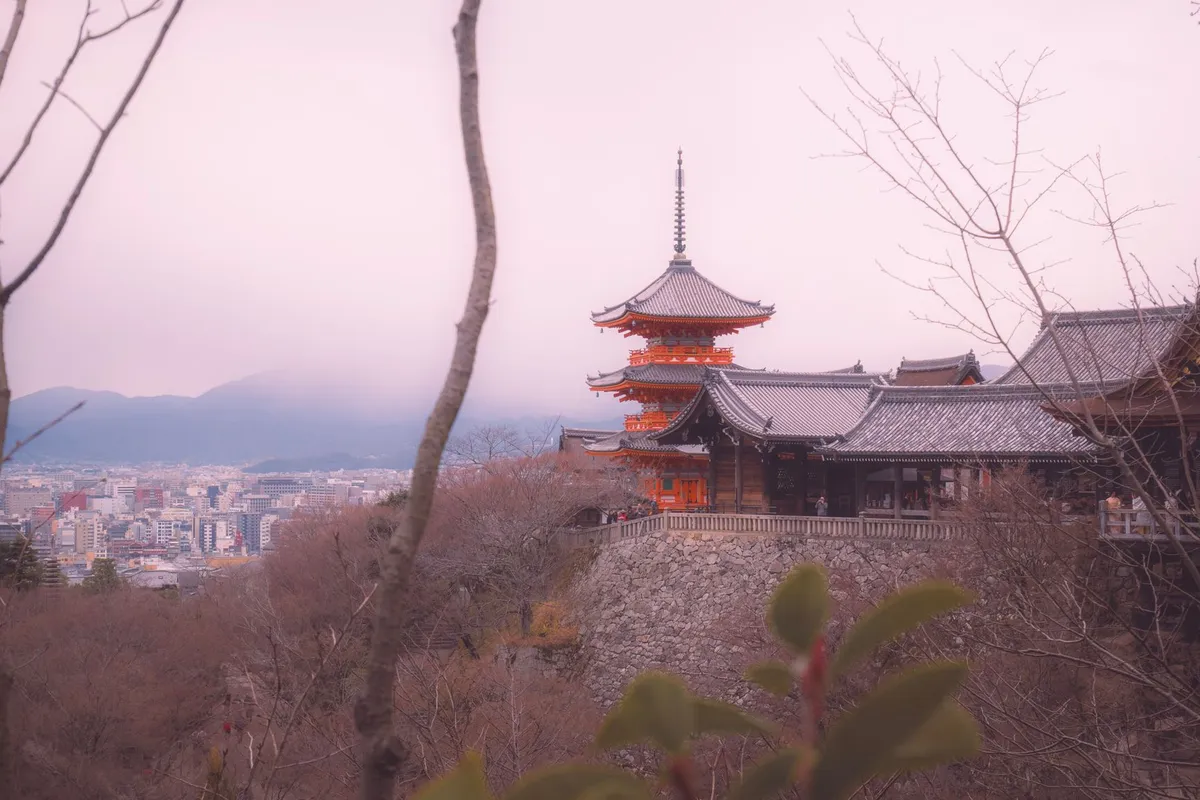
Kiyomizu-dera opens at 6 AM and closes at 6 PM (admission ¥500, as of July 2026 — double-check the official website before your trip), making it a rare early opener among Kyoto’s temples. Arriving between 6 and 7 AM means having the wooden deck over the valley and the view of the Koyasu pagoda practically to yourself — after 9 AM, the Ninen-zaka and Sannen-zaka approach streets are already jammed with tour groups and packed souvenir shops.
Arashiyama: before 8 AM, before the tour buses
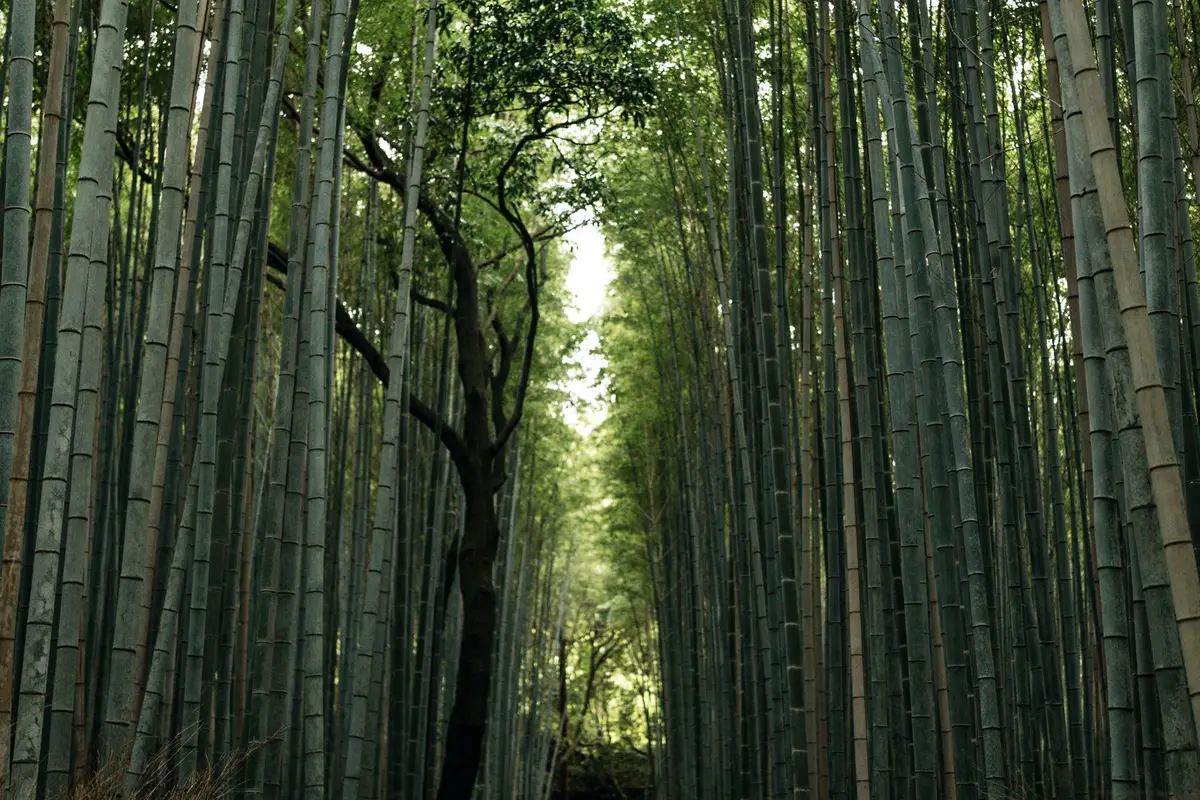
Arashiyama’s Bamboo Grove stretches about 400 meters and is free, with no entrance gate — which also means no crowd control. Getting there before 8 AM keeps you ahead of the moment it turns into a shoulder-to-shoulder corridor of people. Pair it with a walk across the Togetsukyo Bridge and a stop at Tenryu-ji temple (¥500 admission for the garden), which opens at 8:30 AM and tends to stay peaceful for the first half hour.
Smaller temples to swap in for the crowded classics
When the early-morning strategy isn’t an option, or when you’ve already hit the essentials and have half a day to spare, Kyoto’s smaller temples deliver the same atmosphere as the classics without the crowds. None of them require advance reservations, and most sit just minutes by train or bus from the well-known spots.
Tofuku-ji: one stop from Fushimi Inari
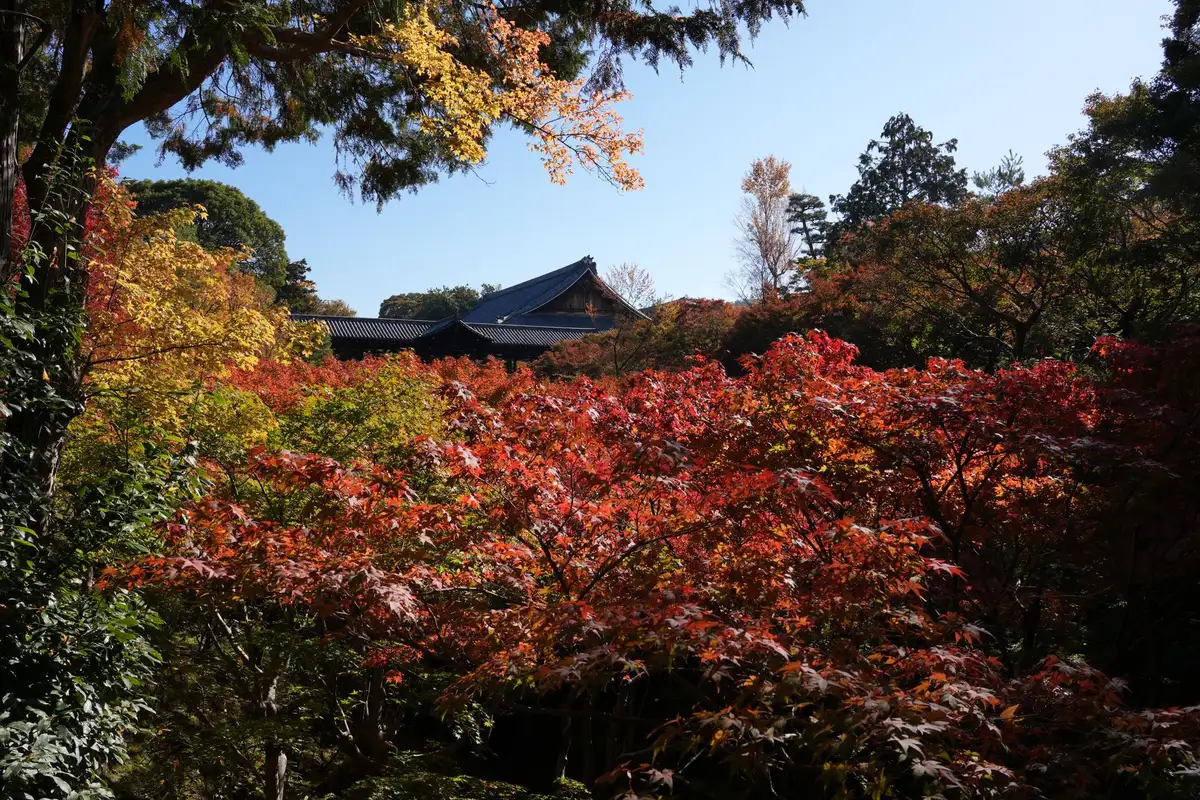
The Zen temple Tofuku-ji is just one JR stop from Fushimi Inari (Tofukuji Station, 2 minutes by train or 20 minutes on foot) and ranks among Japan’s most important Zen temples, with rock gardens and the famous viewpoint over the Tsutenkyo Bridge. It’s a natural stop for anyone already in the Fushimi Inari area who doesn’t want to repeat the same shrine.
Otagi Nenbutsuji: an Arashiyama alternative
About 20 minutes on foot past the Bamboo Grove, Otagi Nenbutsuji houses more than 1,200 stone statues (rakan), each with a different facial expression, carved by visitors over the decades. Because it sits farther from central Arashiyama, it draws a fraction of the crowd that passes through the bamboo forest — even in peak season, it’s common to wander among the statues without crossing paths with anyone.
Gio-ji: the moss temple near Arashiyama
Small and tucked away, Gio-ji is known for its moss-covered garden and its connection to the story of a Heian-period dancer. It’s about a 15-minute walk from the Bamboo Grove, in the opposite direction of the main tourist flow — a smart pick for anyone who’s already seen Tenryu-ji and wants a quiet counterpoint in the same afternoon.
Where to eat between temples
If you’re finalizing an Asia itinerary and have already been through Taipei, you’ll notice that the logic of avoiding peak hours at temples repeats itself in almost every crowded Asian destination. Near Fushimi Inari, the street leading to JR Inari Station is lined with traditional stalls selling yatsuhashi (cinnamon sweets) and inari-zushi skewers—perfect for a quick breakfast before the climb. In the Kiyomizu-dera area, Ninen-zaka and Sannen-zaka streets are packed with matcha shops and traditional sweets, best enjoyed right after your temple visit, before they fill up with people. In Arashiyama, the area around Saga-Arashiyama Station is home to artisan tofu and soba noodles—a great lunch option after your walk through the bamboo forest.
Where to Stay to Get an Early Start Without the Rush
Staying near Kyoto Station or in the Fushimi district makes it easy to head out at dawn for Fushimi Inari without depending on the first morning train—the Fushimi neighborhood, by the way, deserves a stop of its own for its traditional sake breweries and canals, far less touristy than the historic center. If you’re prioritizing Arashiyama and Kiyomizu-dera, staying close to Kyoto Station remains the most balanced option, with direct train and bus connections to both areas.
For a more complete comparison of the city’s neighborhoods, the guide on where to stay in Kyoto on your first trip breaks down the differences between Kyoto Station, Gion, and Kawaramachi for anyone deciding where to book their hotel.
Practical Tips for Beating the Crowds
Bring cash for the smaller temples—many still don’t accept cards. Avoid Saturdays, Sundays, and Japanese holidays for any of the three classic temples: the volume of local visitors adds to the foreign crowds and cancels out much of the benefit of arriving early. Download the area map offline before you head out, since cell signal tends to drop on the Fushimi Inari trails and in the residential neighborhoods around Arashiyama—and avoid cutting through narrow residential streets outside business hours, as these are lived-in neighborhoods, not part of the tourist attraction.
Frequently Asked Questions
What’s the best time to visit Fushimi Inari without the crowds?
The best time is between 6 a.m. and 7:30 a.m., since Fushimi Inari Taisha Shrine is open 24 hours and the first stretches of torii gates are practically empty until the tour buses start arriving around 9 a.m.
What time does Kiyomizu-dera open?
Kiyomizu-dera opens at 6 a.m. and closes at 6 p.m., with admission at ¥500 (as of July 2026). Arriving right at opening time gets you the wooden deck overlooking the valley without the flow of tour groups that forms from 9 a.m. onward.
Can you visit Fushimi Inari, Kiyomizu-dera, and Arashiyama in the same day?
Yes, but it requires an early start: Fushimi Inari at sunrise, Kiyomizu-dera right after, and Arashiyama in the afternoon. Since the three are in different directions from the city center, the travel time eats up a good chunk of the day—if you prefer a more relaxed pace, split it into two days and add a smaller temple.
Which temples can replace Fushimi Inari and Arashiyama when they’re packed?
Tofuku-ji is a great stand-in for Fushimi Inari, just one train stop away, with zen gardens and far fewer visitors. Otagi Nenbutsuji and Gio-ji can replace the Arashiyama outing, offering the same forest-and-traditional-temple atmosphere just a few minutes’ walk from the more touristy area.
Conclusion
If your itinerary includes Tokyo before or after Kyoto, it’s worth applying the same early-bird logic to the capital’s most crowded temples. Kyoto rewards those who rise early: the same temples that turn into corridors of people by noon become almost private experiences for anyone arriving before 8 a.m. Combine Fushimi Inari, Kiyomizu-dera, and Arashiyama into a staggered itinerary, leave room for a smaller temple like Tofuku-ji or Otagi Nenbutsuji, and Voyage Voyage promises: you can see the essentials of Kyoto without giving up the quiet, contemplative experience that makes these places worth the trip.